
Harvard University Drone Laws 2026: Campus Policy, Cambridge Rules & FAA
 13 min read
2,469 words
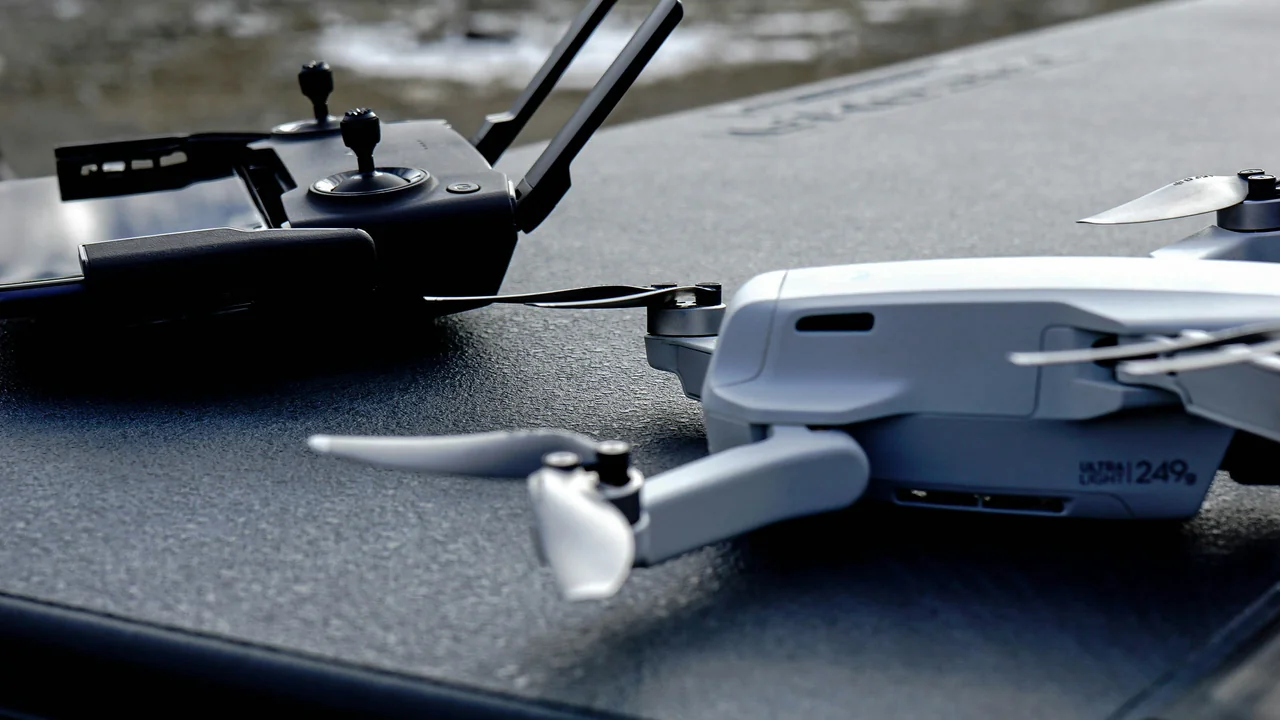
If you are a drone pilot, filmmaker, or student wondering about Harvard University drone laws for 2026, you have landed on the right guide. Navigating the rules for flying near one of the world’s most famous Ivy League campuses requires understanding three distinct layers of regulation: the FAA’s airspace restrictions, Harvard University’s strict property policies, and the unique geography of Cambridge, Massachusetts. In this article, you will learn exactly where you can fly, what permissions you need from the university, how Boston Logan’s Class B airspace affects your flight, and the specific rules for popular spots like Harvard Yard and the Charles River.
LENTION 3.3FT Long Cable USB C Hub
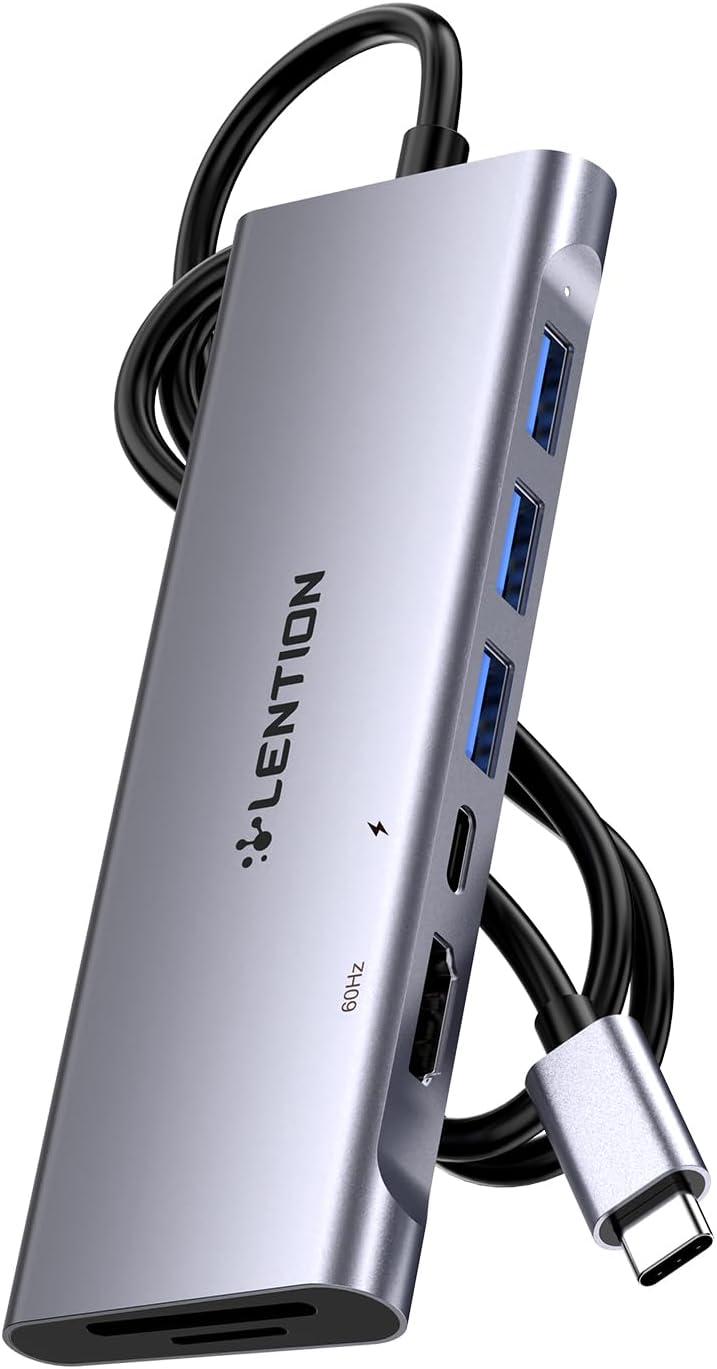
LENTION 3.3FT Long Cable USB C Hub, 4K HDMI, 100W PD, USB 3.0, Card Reader 3A & LED Indicator Stable Driver Adapter, for macOS, iOS/iPadOS, Windows & ChromeOS (C36p-1M, Space Gray)
Check Price on Amazon17-in-1 USB C Hub 65W Powered Adapter, 10Gbps, Dual PD 45W

17-in-1 USB C Hub 4K@60Hz, 65W Powered Adapter, 10Gbps, Dual PD 45W PD 100W Charging, 3×USB-C 3.2+6×USB-A 3.0, SD/TF 105MB/s, 3.3ft Cable, Aluminum Desktop USB Hub for MacBook Pro/Air/Mac Mini
Check Price on AmazonLENTION USB-C Hub, HDMI, 100W PD, 2 USB-C, 2 USB 3.0, Card Reader

LENTION USB-C Hub, 4K@60Hz HDMI, 100W PD, 2 USB-C, 2 USB 3.0, Card Reader 2A & 2C Work Simultaneously, Stable Driver 3.0 Certified, for macOS, iOS/iPadOS, Windows & ChromeOS (CE19, Black)
Check Price on AmazonWhat Is the Harvard University Drone Policy for 2026?
Harvard University maintains a firm and unambiguous policy regarding unmanned aircraft systems (UAS) on all university-owned or controlled property. As of 2026, the core rule remains unchanged: no person may operate a drone on or from Harvard property without prior written authorization from Harvard Real Estate Services and the University Events Office. This policy applies to all campuses, including the main Cambridge campus, Harvard Yard, the Radcliffe Quadrangle, athletic facilities like Harvard Stadium (Soldiers Field), and residential houses. The university explicitly prohibits takeoff, landing, and overflight of its land and buildings without this formal approval.
3 FT Power Strip
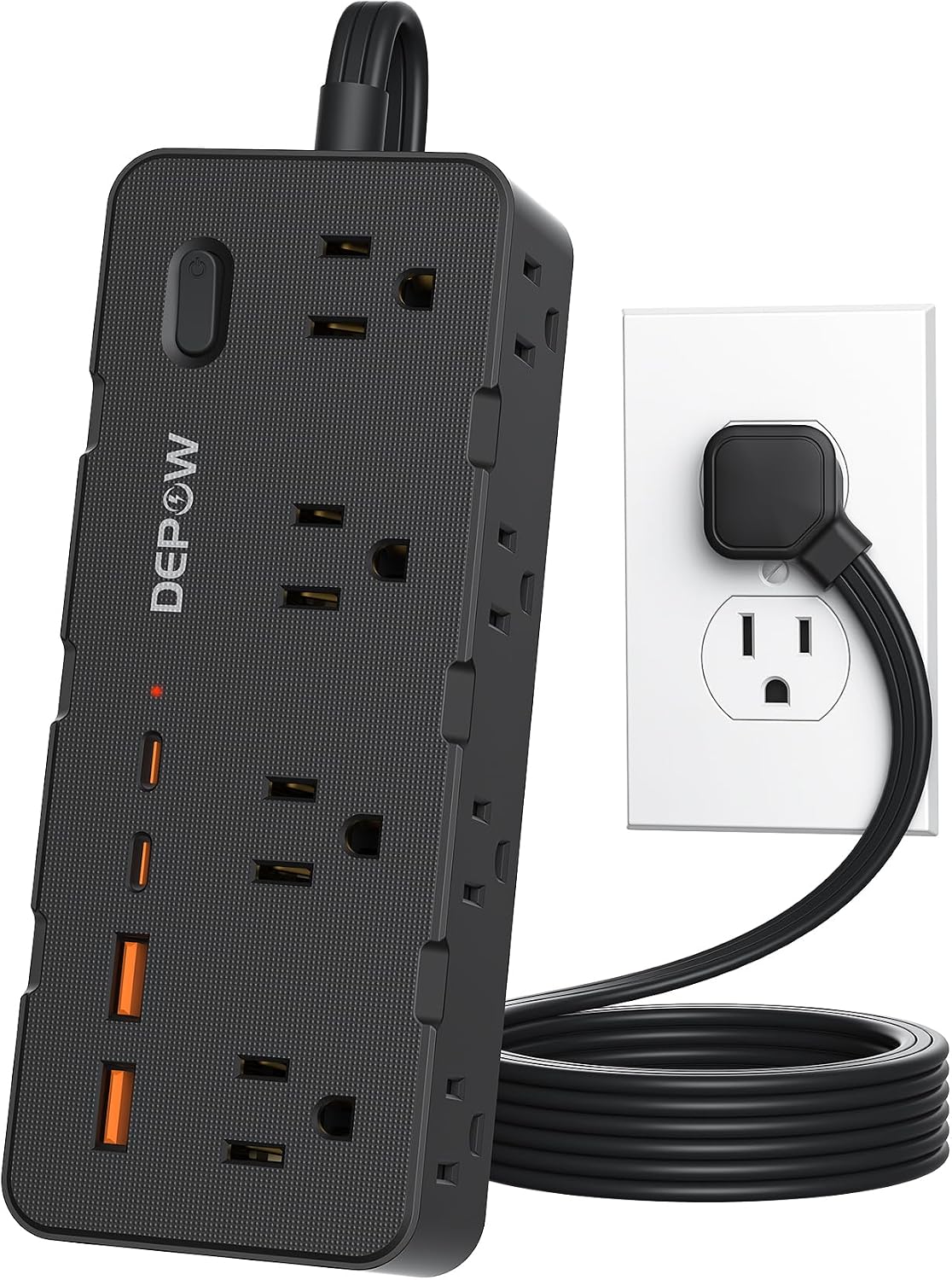
3 FT Power Strip, Extension Cord with 8 AC Outlets + 4 USB (2 USB-C), Black Flat Plug, Compact 3FT Flat Cord Keeps Desktop Neat. 1700J Surge Protection, 1625W, Great for Home Office, Dorm, Nightstand
Check Price on AmazonHICOBER USB C SD Card Reader

HICOBER USB C SD Card Reader, 3-in-1 for Laptop, Phone, Tablet, Black Durable aluminum body helps dissipate heat quickly for stable performance; reads SD, TF and USB drives up to 2TB via USB-C
Check Price on Amazon64GB Micro SD Card with SD Card Reader
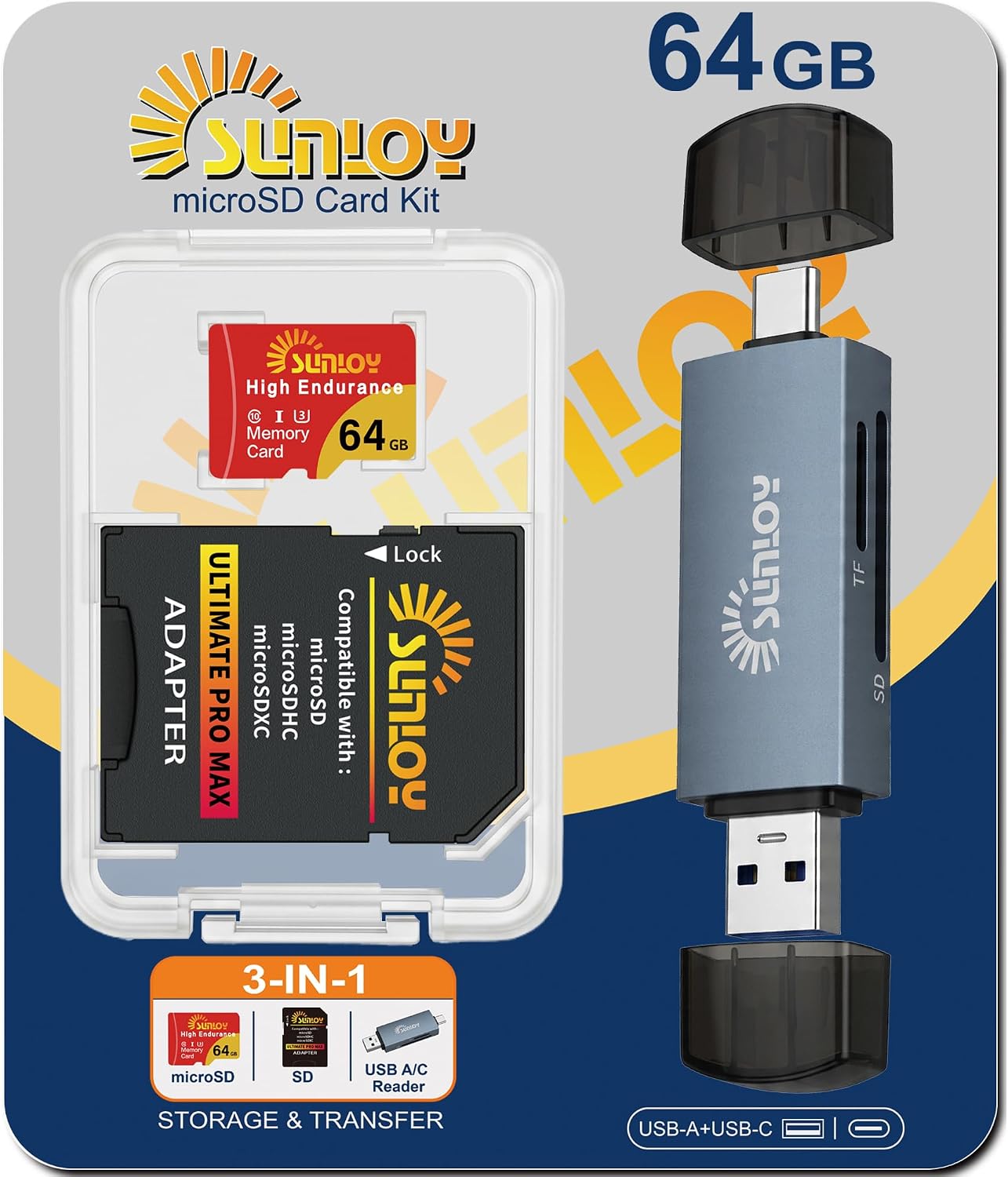
64GB Micro SD Card with SD Card Reader USB3.0 A/C Dual Slots & SD Adapter UHS-I, C10, U3, V30, A1, 4K UHD, USB 3.0 Memory Card Reader for iPhone 17/16/15, MacBook, iPad, Laptop, PC, Drone, Game Console
Check Price on AmazonWhat Does Harvard’s Drone Policy Cover?
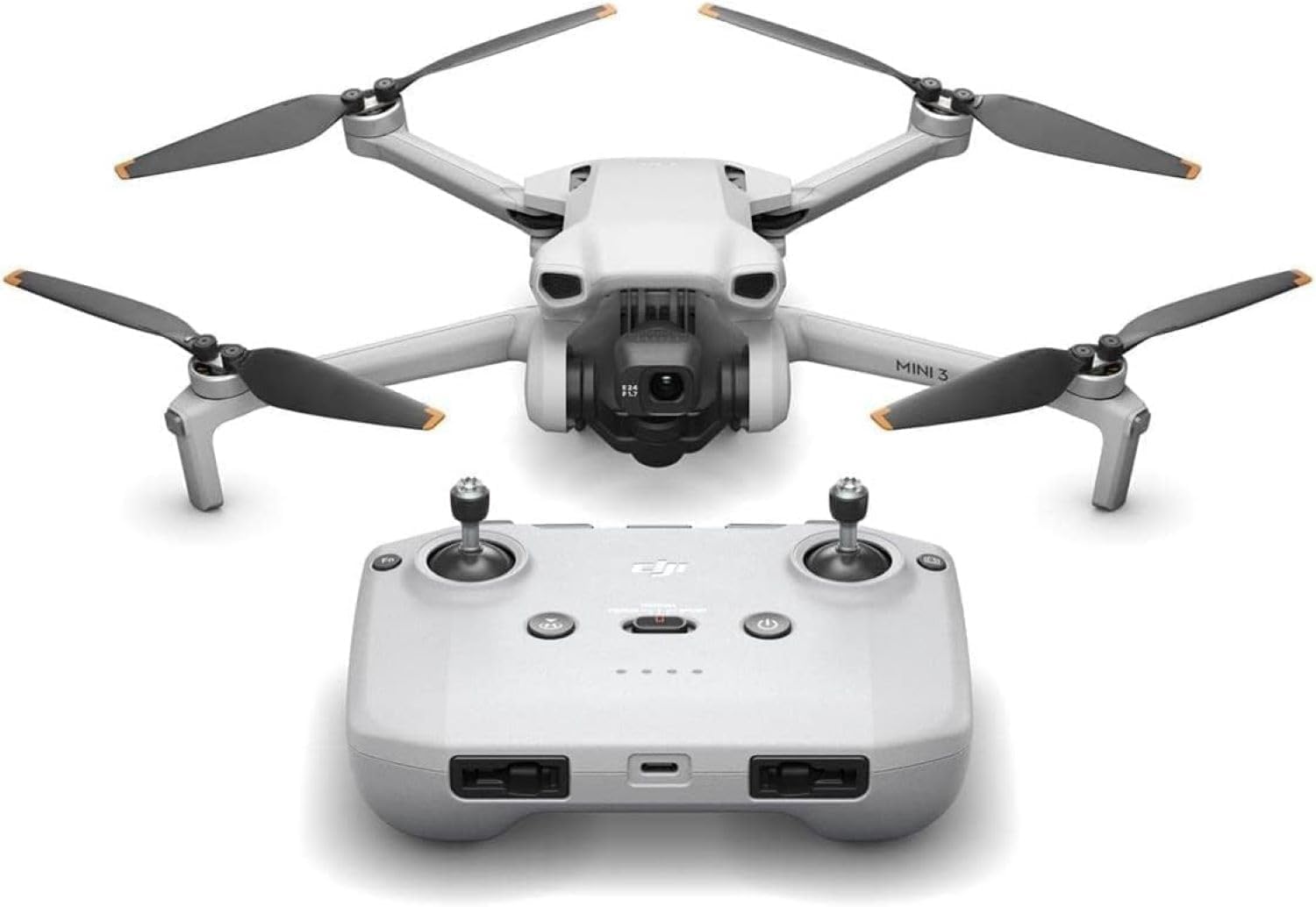
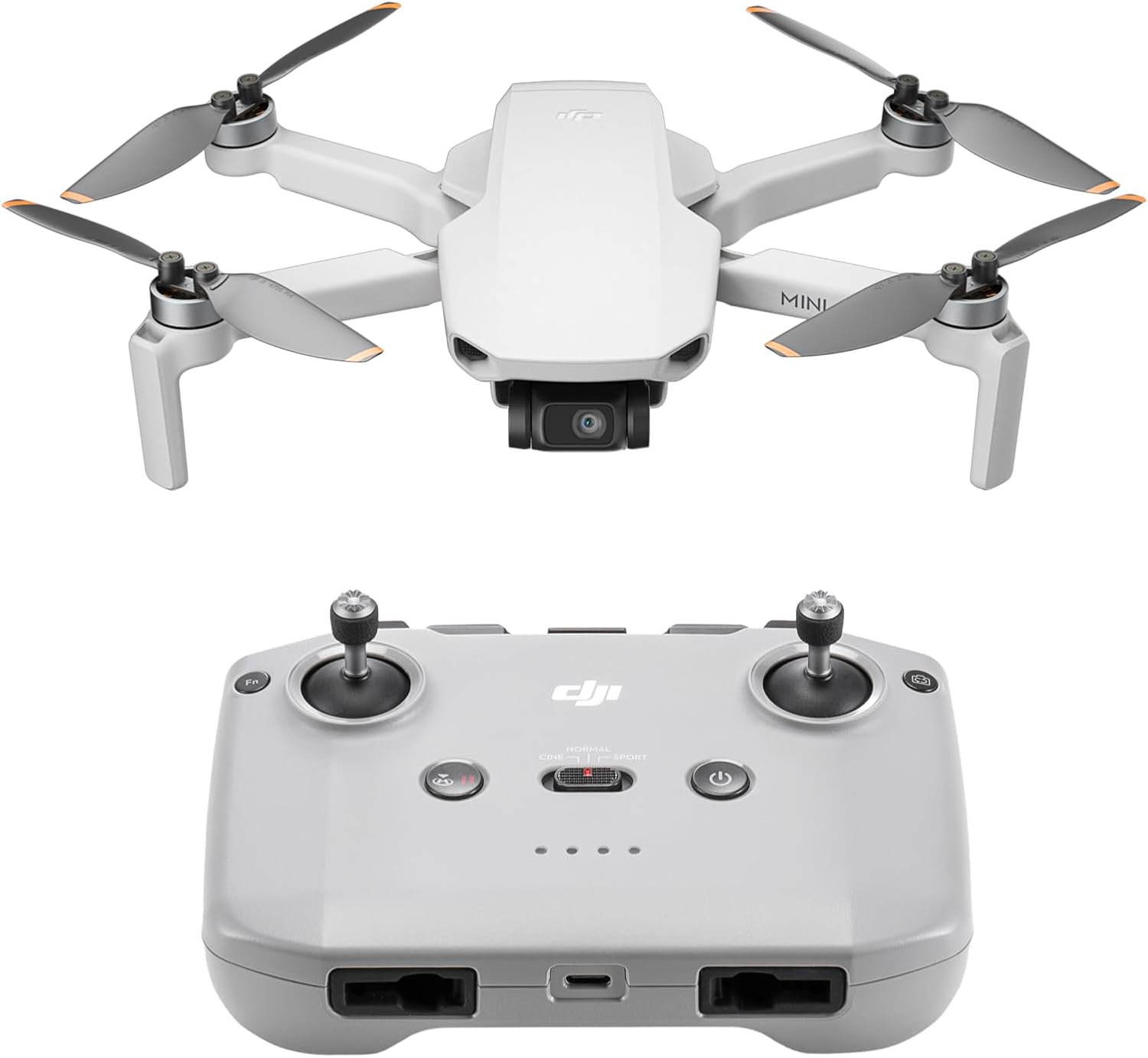
Harvard’s drone policy is comprehensive and covers all drones, regardless of weight. This means even a sub-250g drone like the DJI Mini 4 Pro, which does not require FAA registration, is still prohibited from use on Harvard property without permission. The policy specifically lists:
- All university-owned land, buildings, and structures
- Harvard Yard and all surrounding greenspaces
- Residential Houses (dormitories and dining halls)
- Athletic fields, including the Harvard Stadium (Soldiers Field)
- The Radcliffe Quadrangle and its associated buildings
- Any parking lots, sidewalks, or pathways owned by the university
Can You Fly a Drone at Harvard Campus in 2026?
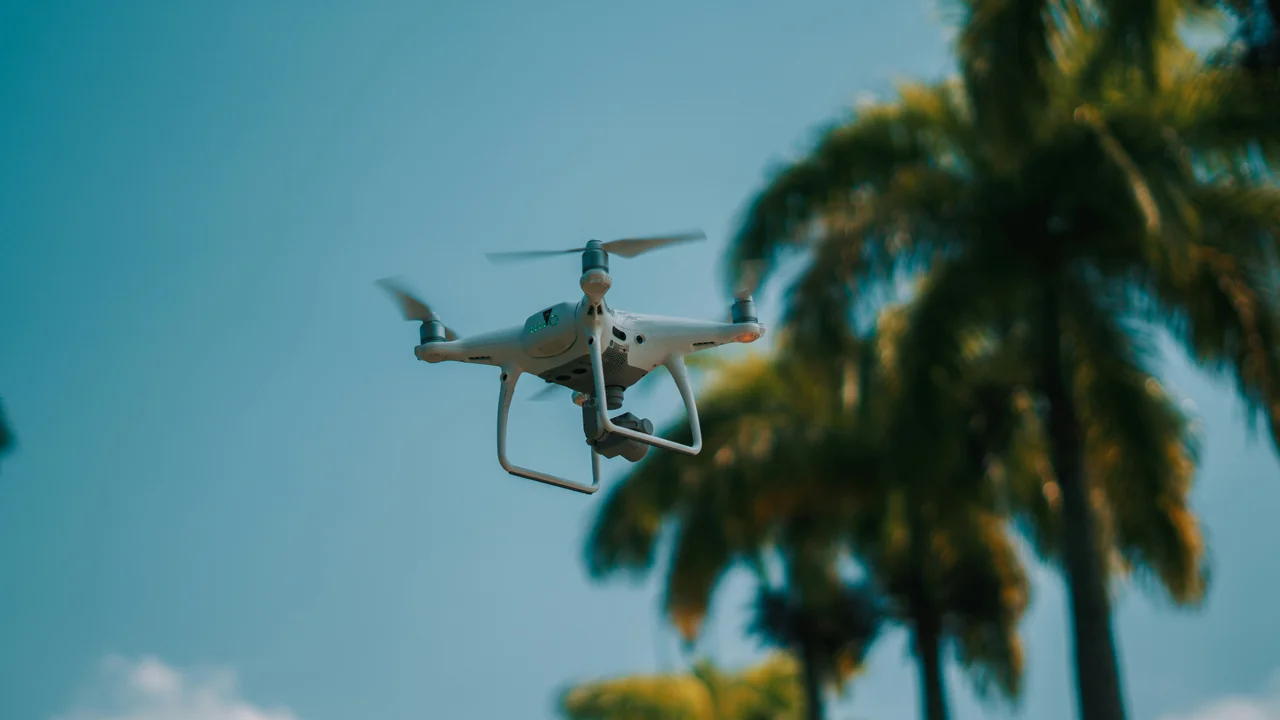
The short answer is: almost certainly not without explicit, written permission from the university. For the vast majority of drone pilots — whether you are a student, a visiting filmmaker, or a hobbyist — flying a drone on Harvard’s campus is effectively prohibited. The university does not have a public application process for recreational drone flights. The written permission process is typically reserved for university-sponsored research, official university communications, or professional film crews under contract with Harvard. If you are a student hoping to capture aerial footage of your dorm or a graduation ceremony, you should assume the answer is no.
What About Flying From Public Streets or Sidewalks Near Harvard?
This is a gray area. While Harvard’s policy only applies to university-owned property, the public streets and sidewalks surrounding Harvard are under the jurisdiction of the City of Cambridge. Cambridge does not have a specific city-wide drone ordinance that bans drone operations from public rights-of-way. However, you must still comply with all FAA regulations. If you launch from a public sidewalk, you must ensure you are not overflying Harvard property, which is often difficult given the density of the campus. Additionally, the City of Cambridge has general nuisance and trespass laws that could be applied if your flight disturbs students, faculty, or residents.
Do You Need FAA Permission to Fly Near Harvard Yard?
Yes, and this is where the airspace complexity comes into play. Harvard Yard and the entire Cambridge campus lie within the outer ring of Boston Logan International Airport’s (BOS) Class B airspace. The Class B airspace around Logan is shaped like an inverted wedding cake, with inner rings having stricter altitude limits. The Harvard campus sits in the outer shelf, where the floor of the Class B airspace varies between 1,500 feet and 3,000 feet above ground level (AGL).
DJI Mini 3
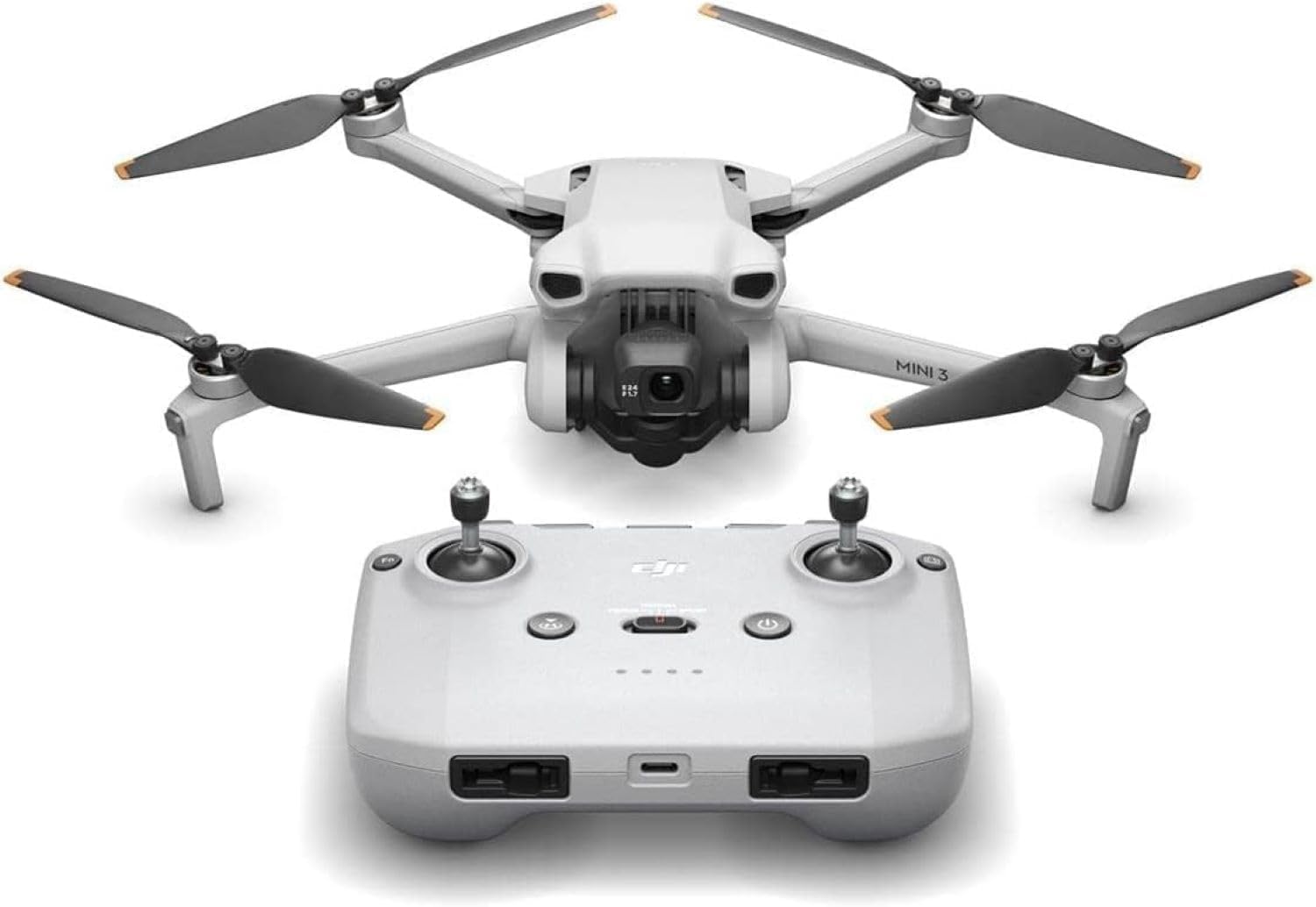
DJI Mini 3, 3-Axis Mechanical Gimbal Mini Camera Drone | 4K HDR Video, 38-Min Flight Time, up to 32800ft (10km) Video Transmission, True Vertical Shooting, GPS Auto Return
Check Price on AmazonDJI Mini 3 Fly More Combo
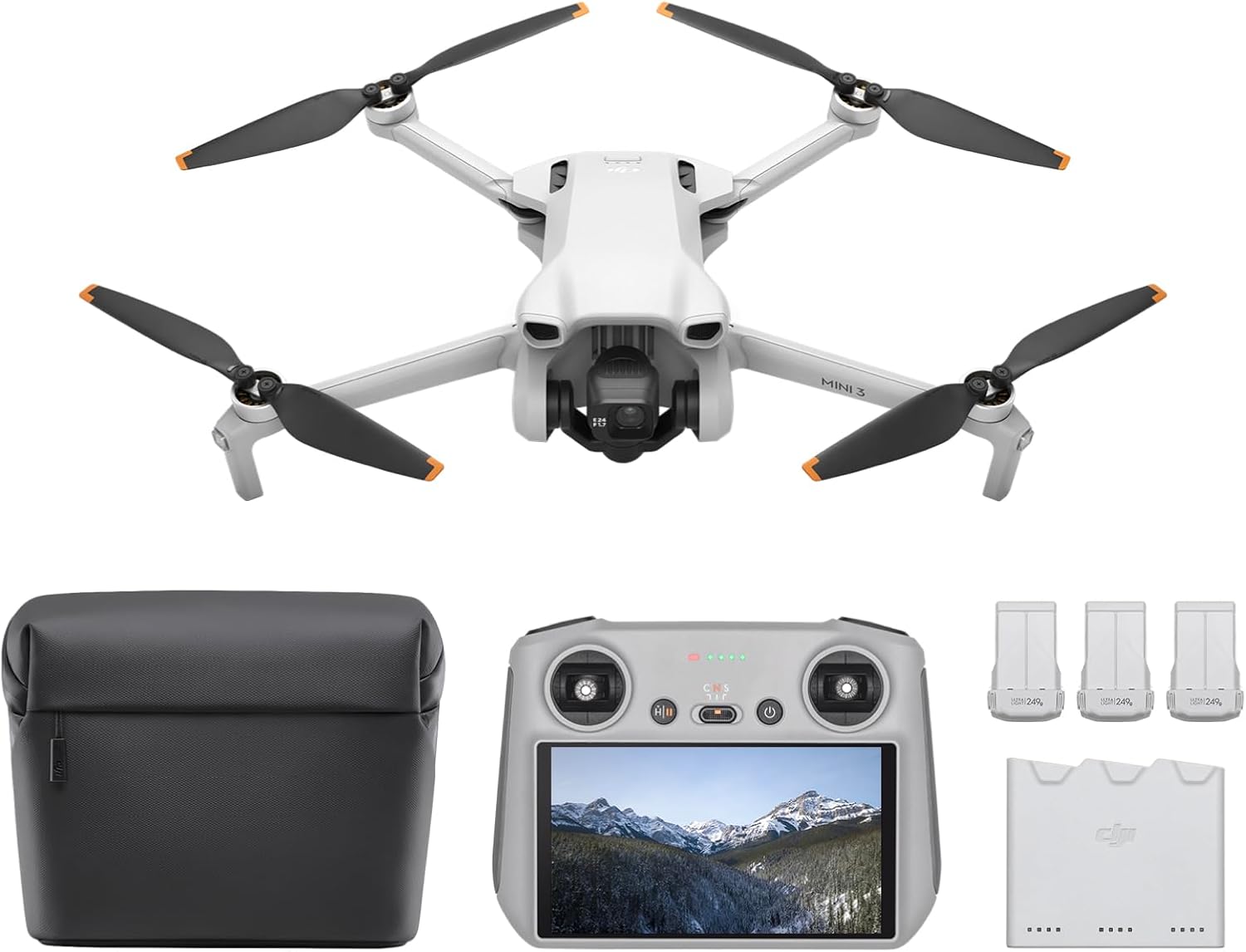
DJI Mini 3 Fly More Combo With DJI RC, 3 Batteries | Lightweight Camera Drone With 4K HDR Video, 114-Min Flight Time, Vertical Shooting, 32800ft (10km) Video Transmission
Check Price on AmazonDJI Mini 3 With DJI RC
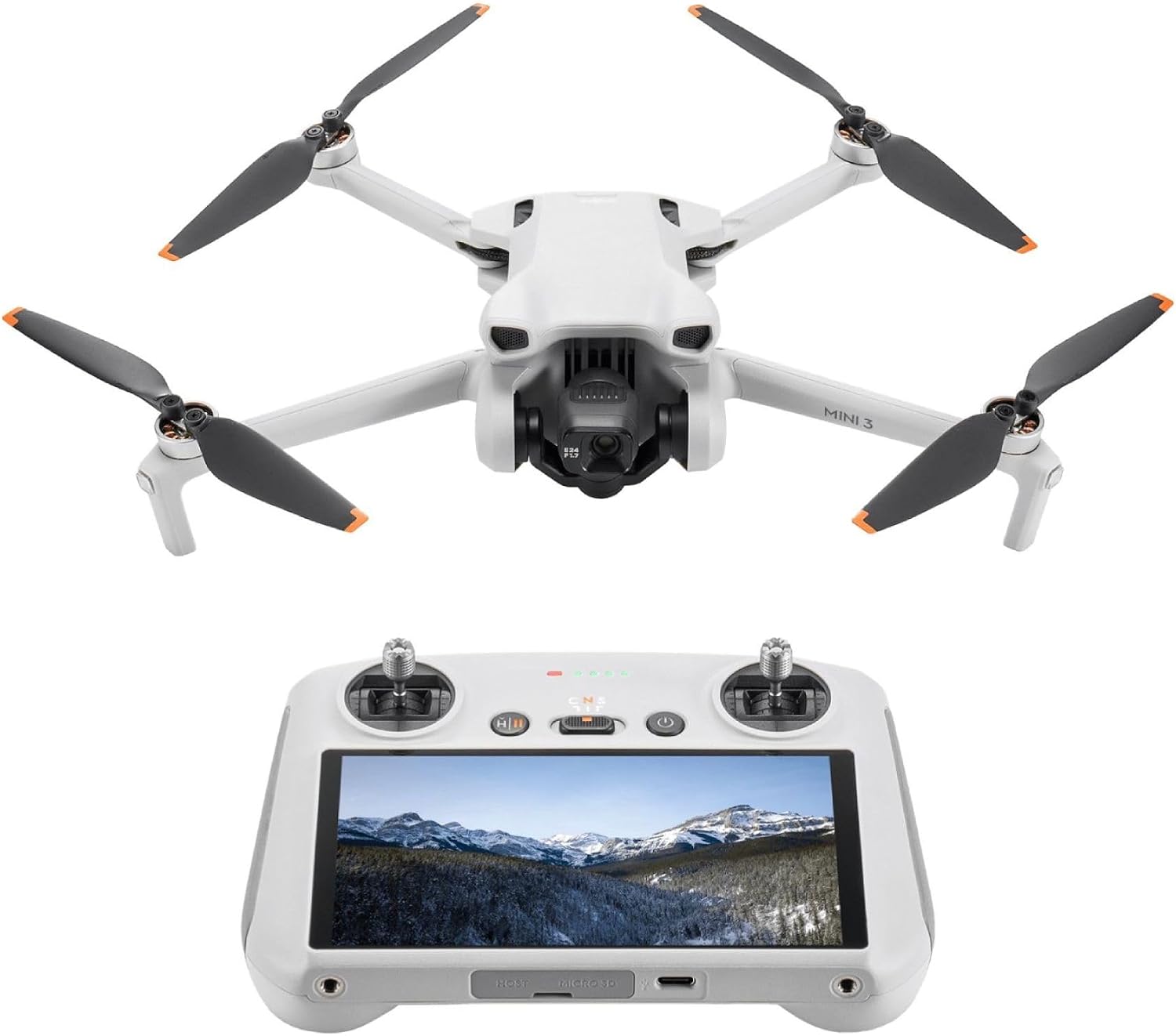
DJI Mini 3 With DJI RC, 3-Axis Mechanical Gimbal Mini Camera Drone | 4K HDR Video, 38-Min Flight Time, up to 32800ft (10km) Video Transmission, Vertical Shooting, GPS Auto Return
Check Price on AmazonBecause the Class B floor is well above 400 feet AGL, you do not technically need airspace authorization from the FAA to fly at the standard recreational or Part 107 altitude limit of 400 feet. However, the FAA uses a system of LAANC (Low Altitude Authorization and Notification Capability) grids to manage drone access in controlled airspace. For the grid that covers Harvard Yard and the main Cambridge campus, the LAANC authorization is often set to 0 feet during certain times or permanently. This means that even though the Class B floor is high, the FAA has determined that the area is a no-fly zone for drones due to security concerns, flight paths, and proximity to Logan’s approach corridors.
How to Check LAANC Authorization for Harvard
Before flying anywhere near Harvard, you must check the LAANC availability. You can do this through FAA-approved apps like B4UFLY, Air Control, or Kittyhawk. The process is straightforward:
Download and launch an app like B4UFLY or Air Control. Ensure you have the latest airspace data.
Carrying Hard Case for DJI Avata 360 Drone
Carrying Hard Case for DJI Avata 360 Drone - Portable Travel Bag for Goggles N3/RC Motion 3 Controller
Check Price on AmazonHard Case for Antigravity A1 Drone
Hard Case for Antigravity A1 Drone, Waterproof Protective Carry Case, Anti-Fall Storage Bag Fit for Drone, Batteries, Goggles, Accessories & RC Gear [Only Protect Shell]
Check Price on AmazonEnter the location: 42.3770° N, 71.1167° W. The app will display the specific LAANC grid and its altitude authorization.
If the grid shows “0 ft AGL,” you cannot fly there under any LAANC authorization. You would need to apply for a special FAA waiver, which is rarely granted for this area.
For a quick pre-flight check, use our No-Fly Zone Checker to see if your planned flight location is restricted.
What Are the Drone Rules for the Charles River Near Harvard?
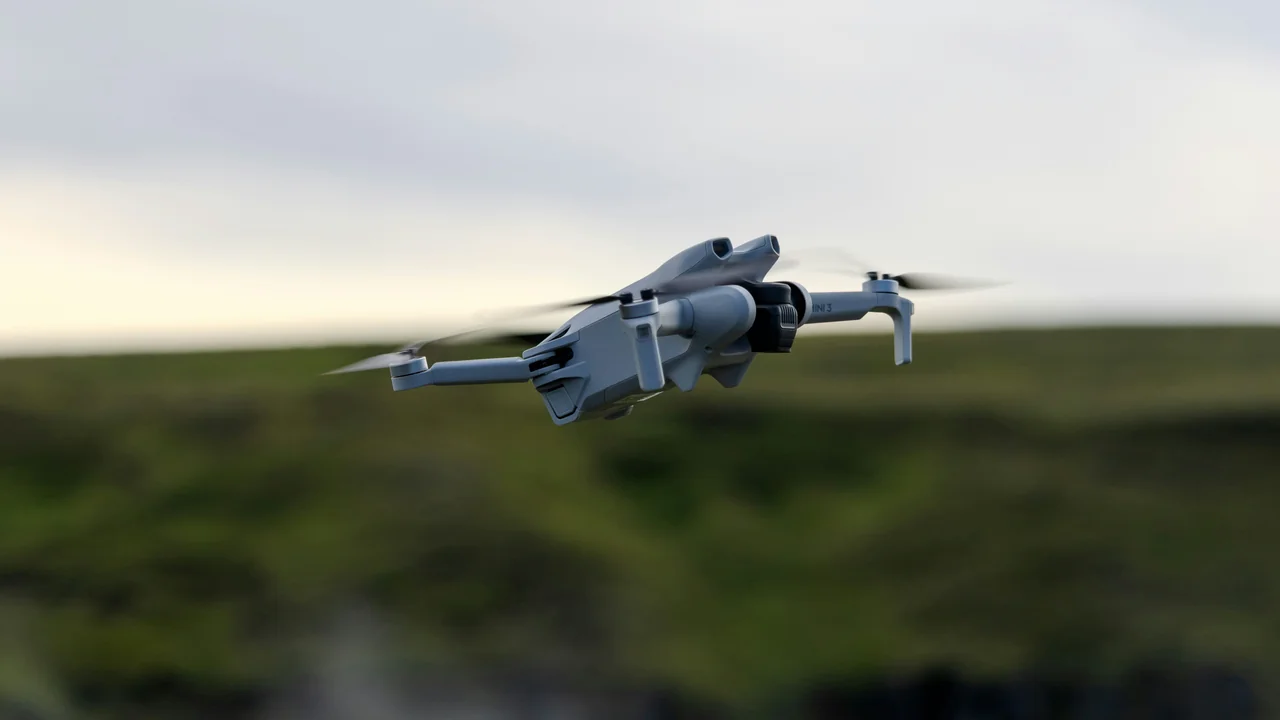
The Charles River, which separates Harvard’s Cambridge campus from Boston, is a popular location for drone photography. The river itself is not university property, but it is federal waterway managed by the Massachusetts Department of Conservation and Recreation (DCR). This creates a unique situation. You can legally launch a drone from a public park along the river, such as the Harvard Bridge area or the Cambridge side of the river, provided you are not on Harvard property and you have FAA authorization. However, the airspace directly above the Charles River between Harvard and the Boston side is still within the BOS Class B outer ring and the same LAANC grid restrictions apply. Additionally, you must avoid overflying the Harvard campus on either side of the river.
How Does the Harvard Football Stadium Affect Drone Flights?
Harvard Stadium, located at Soldiers Field in the Allston neighborhood of Boston, is a significant consideration for drone pilots. During Harvard Crimson football games, the FAA typically issues a Temporary Flight Restriction (TFR) that extends from the surface up to 3,000 feet AGL within a 3-nautical-mile radius of the stadium. This TFR covers the stadium itself, the surrounding athletic fields, and parts of the Charles River. The TFR goes into effect one hour before the game and lasts until one hour after the game ends. Flying a drone during this period is illegal and can result in severe penalties, including fines and potential criminal charges. Even on non-game days, the stadium is still Harvard property, so the university’s written permission policy applies.
What About Hanscom Field (BED) Near Harvard?
Hanscom Field is a Class D airport located about 12 miles northwest of Harvard’s campus in Bedford, Massachusetts. While Hanscom is less directly relevant to flights in Cambridge, it is worth noting because its Class D airspace extends outward. However, for flights directly over Harvard and Cambridge, Hanscom’s airspace does not overlap. The primary airspace concern remains Boston Logan’s Class B. If you are flying further west toward Watertown or Waltham, you may need to consider Hanscom’s airspace, but for the Harvard campus itself, focus on the BOS Class B and LAANC restrictions.
What Are the Rules for Flying Near MIT Compared to Harvard?
MIT (Massachusetts Institute of Technology) is located less than one mile east of Harvard’s campus, along the Charles River. It is crucial to understand that MIT has its own separate and distinct drone policy. While Harvard requires written permission from Real Estate Services and Events, MIT’s policy is managed by its Department of Facilities and the MIT Police. MIT generally prohibits drone flights over its campus without prior authorization, similar to Harvard. However, MIT has a more formalized process for research-related drone operations, given its engineering focus. If you are flying along the Charles River, you must be extremely careful not to drift into MIT’s airspace if you do not have their permission. The two campuses are close enough that a drone flying near the river could easily cross from one jurisdiction to the other.
Harvard Policy
- Written permission from Real Estate Services & Events
- No public application for recreational flights
- Strictly enforced by HUPD
- Applies to all university property
MIT Policy
- Permission from Facilities & MIT Police
- Formal research drone program exists
- Enforced by MIT Police
- Applies to all campus property
Can You Fly a Drone Over the Radcliffe Quadrangle?
The Radcliffe Quadrangle, located about 0.5 miles northwest of Harvard Yard, is part of Harvard University’s property. It houses undergraduate dormitories and the Radcliffe Institute for Advanced Study. The same Harvard drone policy applies here: no drone operations without prior written permission. The quad is a residential area, and the university is particularly sensitive to privacy and noise concerns in these spaces. Flying over the Radcliffe Quad is effectively prohibited for the same reasons as Harvard Yard.
Summary: What You Need to Know Before Flying Near Harvard
Flying a drone near Harvard University in 2026 is a complex endeavor that requires navigating three distinct layers of regulation. First, you must obtain prior written permission from Harvard Real Estate Services and the University Events Office if you plan to take off, land, or overfly any Harvard property. This permission is rarely granted for recreational purposes. Second, you must comply with FAA regulations, including checking the LAANC grid for the area. The grid covering Harvard’s campus frequently shows a zero-foot authorization, effectively making it a no-fly zone from an FAA perspective. Third, you must be aware of local conditions, including event TFRs at Harvard Stadium and the proximity of MIT’s separate drone policy. For most pilots, the Charles River offers the best opportunity for legal flights, but even there, you must stay clear of both Harvard and MIT property and ensure you have the necessary FAA authorization. My actionable recommendation is to contact Harvard’s University Events Office well in advance if you have a legitimate professional or research need, and always use our No-Fly Zone Checker before each flight to verify airspace restrictions.
Frequently Asked Questions
Can you fly a drone at Harvard University?
No, you cannot fly a drone at Harvard University without prior written permission from Harvard Real Estate Services and the University Events Office. This policy applies to all university-owned property, including Harvard Yard, the Radcliffe Quadrangle, and all athletic facilities. The university strictly enforces this rule, and violations can result in equipment confiscation and campus bans.
What is Harvard’s drone policy?
Harvard’s drone policy prohibits the operation of any unmanned aircraft system (UAS) on or from university property without explicit written authorization. The policy covers all drones regardless of weight, including those under 250 grams. Authorization must be obtained from both Harvard Real Estate Services and the University Events Office, and it is typically reserved for university-sponsored research or professional media projects under contract.
Do I need permission to fly a drone on Harvard campus?
Yes, you absolutely need permission to fly a drone on Harvard campus. The permission must be in writing from Harvard Real Estate Services and the University Events Office. There is no general public application process for recreational flights. Even if you have a small drone like a DJI Mini 4 Pro that weighs under 250 grams, you still need this permission because Harvard’s policy is independent of FAA registration requirements.
Can I fly a drone near Harvard Yard?
Flying a drone near Harvard Yard is extremely difficult due to both university policy and FAA airspace restrictions. Harvard Yard is university property, so you need written permission to launch or land there. Additionally, the FAA’s LAANC grid for the area often shows a zero-foot authorization, meaning you cannot fly there even from public property without a special waiver. The area is also within the outer ring of Boston Logan’s Class B airspace.
Is Harvard inside Boston’s Class B airspace?
Yes, Harvard’s Cambridge campus is located within the outer ring of Boston Logan International Airport’s (BOS) Class B airspace. The floor of this Class B airspace over Harvard is typically between 1,500 feet and 3,000 feet AGL. While this is well above the 400-foot drone altitude limit, the FAA’s LAANC system frequently restricts the area to zero feet due to security concerns and helicopter traffic patterns.
Can I fly a drone over the Charles River near Harvard?
You can potentially fly a drone over the Charles River near Harvard, but with significant restrictions. You must launch from a public park or sidewalk that is not Harvard property. You must also check the FAA’s LAANC grid, as the river is still within Boston Logan’s Class B airspace and may have zero-foot authorization. Additionally, you must avoid overflying Harvard’s campus on either side of the river and be aware of helicopter traffic and seasonal TFRs like the Head of the Charles Regatta.
Last updated: July 04, 2026
- Federal Aviation Administration (FAA) — faa.gov
- Harvard University Real Estate Services — Harvard University Property Policy
- FAA LAANC Airspace Authorization System
NANUK 935 Pro Photo Kit Camera Case
NANUK 935 Pro Photo Kit Camera Case, Waterproof Wheeled Hard Case, Carry-On, Black
Check Price on AmazonNANUK 925 DJI Mavic 4 Pro Creator Combo
NANUK 925 DJI Mavic 4 Pro Creator Combo - Waterproof Hard Case with Drone Foam Insert, Crushproof, Portable Travel Case, Made in Canada (18.7” x 14.8”x 7”) - Black
Check Price on Amazon Drone Allowed
DroneAllowed editor covering drone regulations, aviation law, and aerial photography across USA, UK, Canada & Australia.