
MIT Drone Laws 2026: Campus Policy, Cambridge Airspace & Rules
 12 min read
2,391 words
Are you wondering about the MIT drone laws for 2026 and whether you can fly your drone on or near the Massachusetts Institute of Technology campus? As one of the world’s most active drone research universities, MIT presents a unique paradox: its labs are at the forefront of autonomous flight, yet its campus is among the most restricted for external drone operators. In this guide, you will learn exactly what the campus drone policy permits, how the Charles River and Boston Logan Class B airspace affect your flight, and what steps you must take to fly legally near the Great Dome, Kendall Square, or the MIT Sailing Pavilion.
LENTION 3.3FT Long Cable USB C Hub
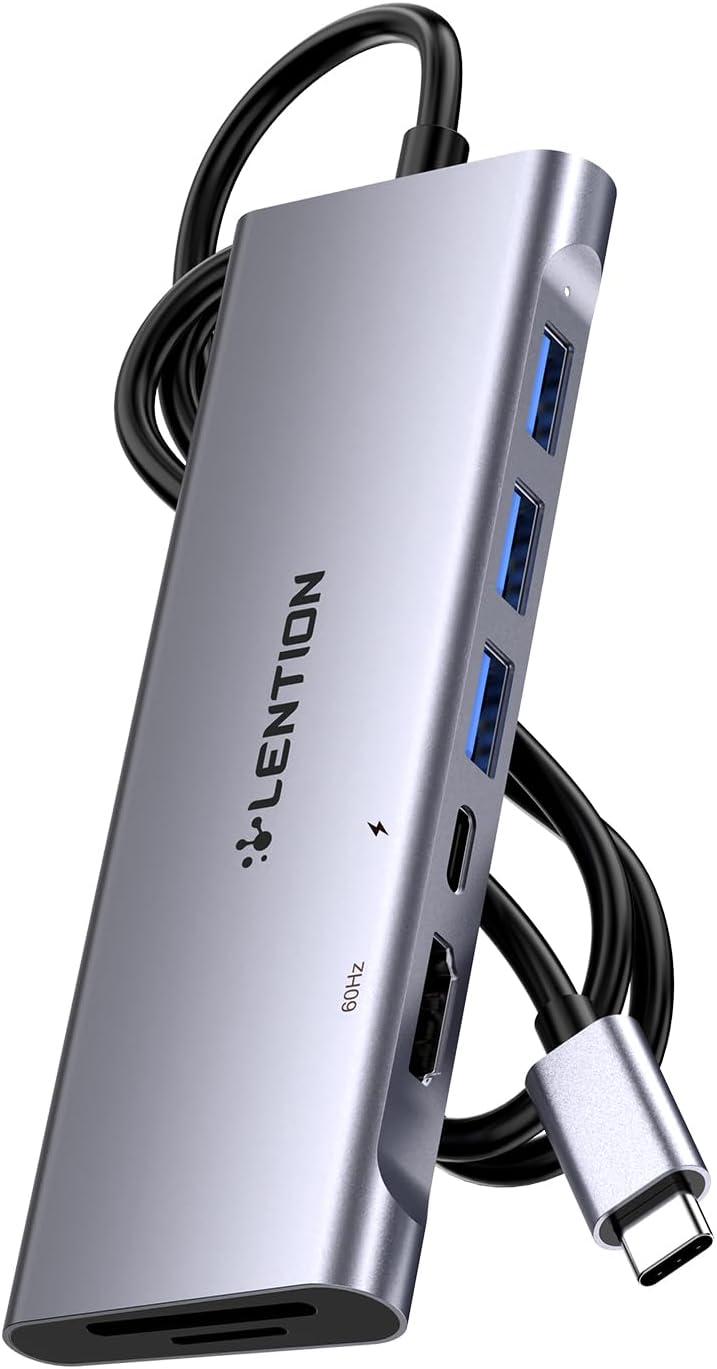
LENTION 3.3FT Long Cable USB C Hub, 4K HDMI, 100W PD, USB 3.0, Card Reader 3A & LED Indicator Stable Driver Adapter, for macOS, iOS/iPadOS, Windows & ChromeOS (C36p-1M, Space Gray)
Check Price on Amazon17-in-1 USB C Hub 65W Powered Adapter, 10Gbps, Dual PD 45W

17-in-1 USB C Hub 4K@60Hz, 65W Powered Adapter, 10Gbps, Dual PD 45W PD 100W Charging, 3×USB-C 3.2+6×USB-A 3.0, SD/TF 105MB/s, 3.3ft Cable, Aluminum Desktop USB Hub for MacBook Pro/Air/Mac Mini
Check Price on AmazonLENTION USB-C Hub, HDMI, 100W PD, 2 USB-C, 2 USB 3.0, Card Reader

LENTION USB-C Hub, 4K@60Hz HDMI, 100W PD, 2 USB-C, 2 USB 3.0, Card Reader 2A & 2C Work Simultaneously, Stable Driver 3.0 Certified, for macOS, iOS/iPadOS, Windows & ChromeOS (CE19, Black)
Check Price on AmazonWhat Is the MIT Drone Policy for External Operators in 2026?
The MIT drone policy for non-affiliated pilots is straightforward: you generally cannot operate a drone on MIT property without explicit permission. MIT classifies drone operations into three categories: research, commercial, and recreational. Each requires a different approval path.
3 FT Power Strip
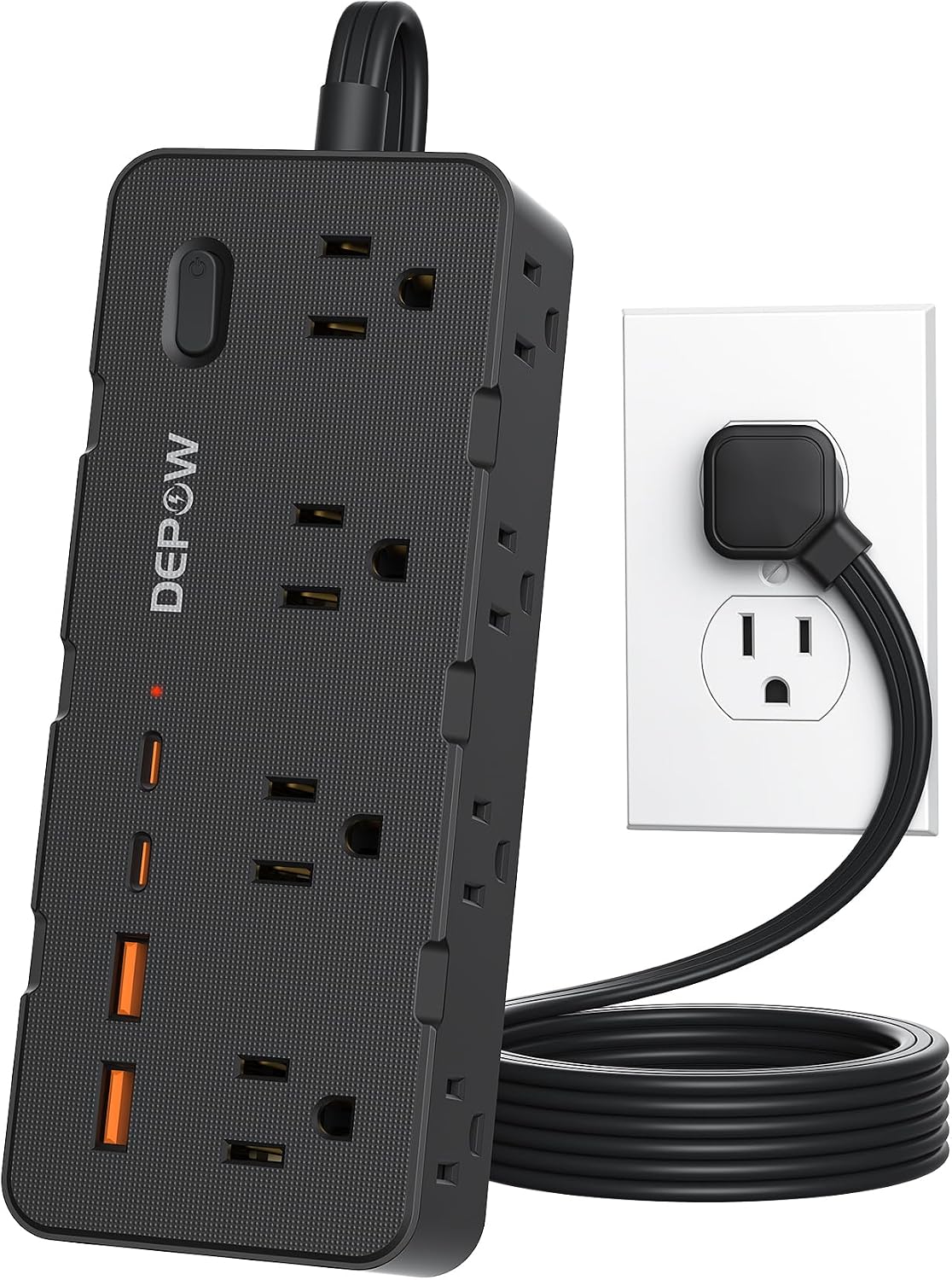
3 FT Power Strip, Extension Cord with 8 AC Outlets + 4 USB (2 USB-C), Black Flat Plug, Compact 3FT Flat Cord Keeps Desktop Neat. 1700J Surge Protection, 1625W, Great for Home Office, Dorm, Nightstand
Check Price on AmazonHICOBER USB C SD Card Reader
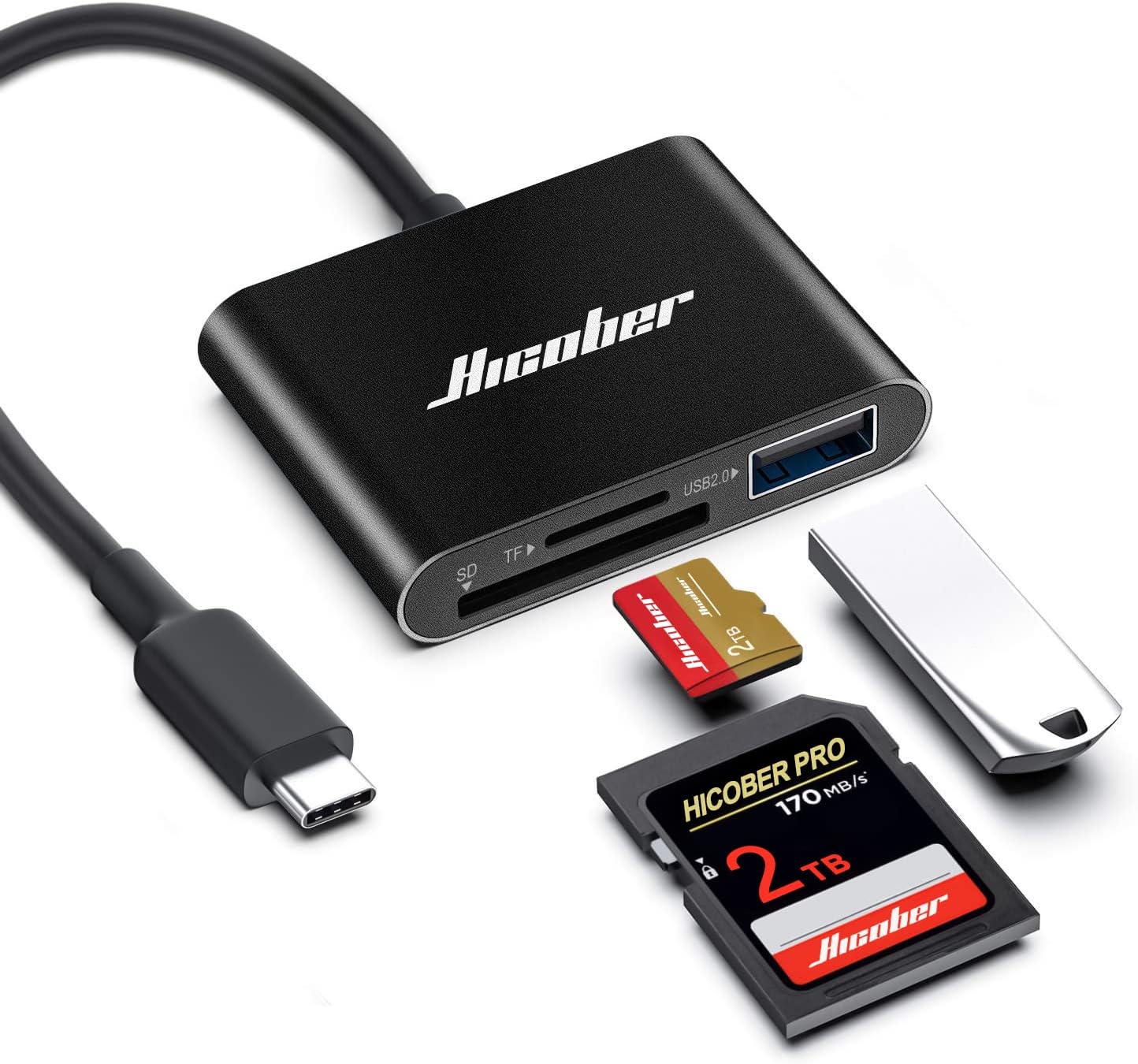
HICOBER USB C SD Card Reader, 3-in-1 for Laptop, Phone, Tablet, Black Durable aluminum body helps dissipate heat quickly for stable performance; reads SD, TF and USB drives up to 2TB via USB-C
Check Price on Amazon64GB Micro SD Card with SD Card Reader
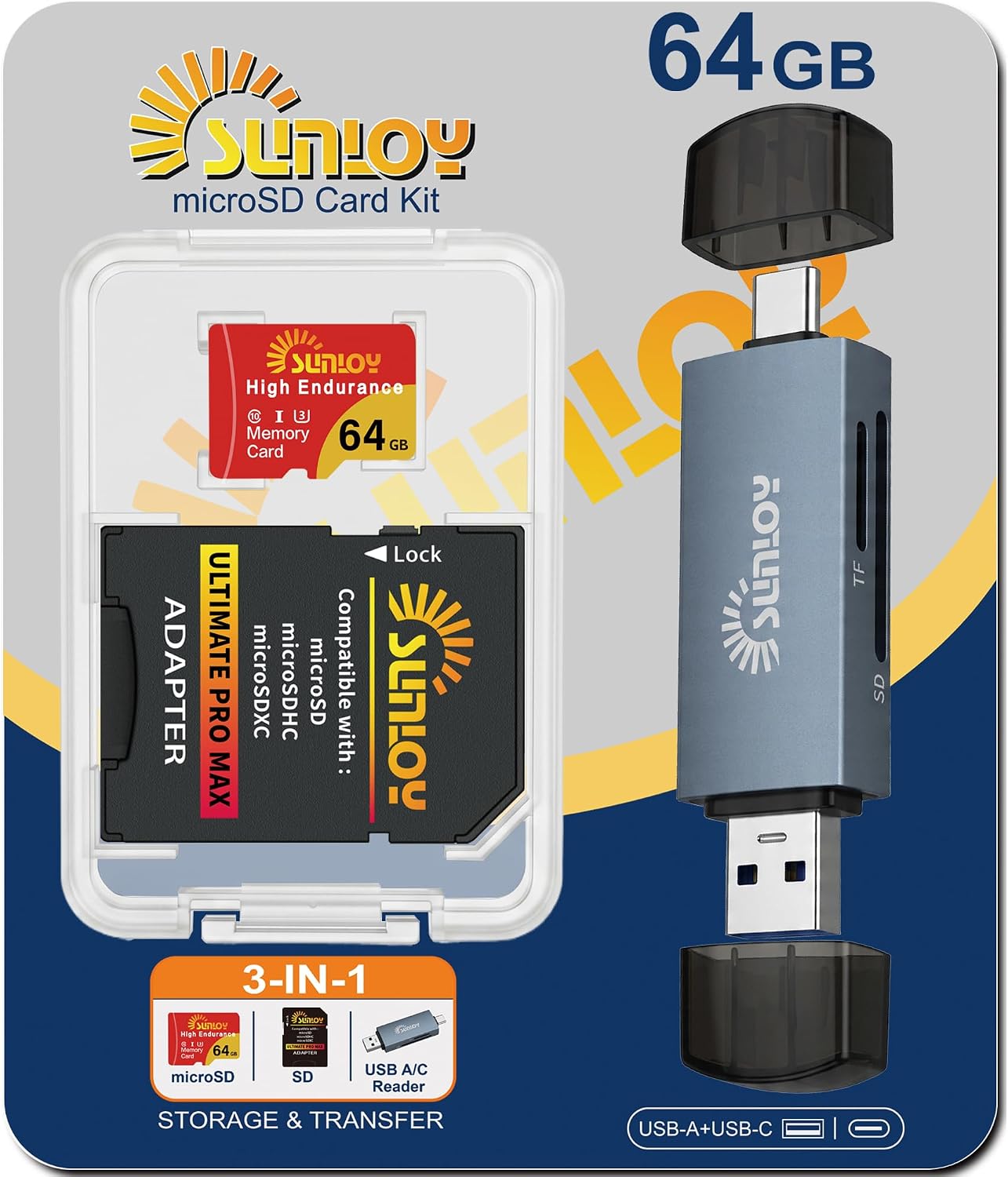
64GB Micro SD Card with SD Card Reader USB3.0 A/C Dual Slots & SD Adapter UHS-I, C10, U3, V30, A1, 4K UHD, USB 3.0 Memory Card Reader for iPhone 17/16/15, MacBook, iPad, Laptop, PC, Drone, Game Console
Check Price on Amazon| Operator Type | Approval Required | Contact Office |
|---|---|---|
| MIT researcher (affiliated) | Internal research protocol | CSAIL or AeroAstro department |
| External commercial filmmaker | Permission from Campus Planning | MIT Campus Planning Office |
| External recreational pilot | Generally prohibited on campus | N/A — seek off-campus location |
| External researcher (collaboration) | Sponsorship from MIT Media Lab | MIT Media Lab |
Can You Fly a Drone at MIT as an External Pilot?
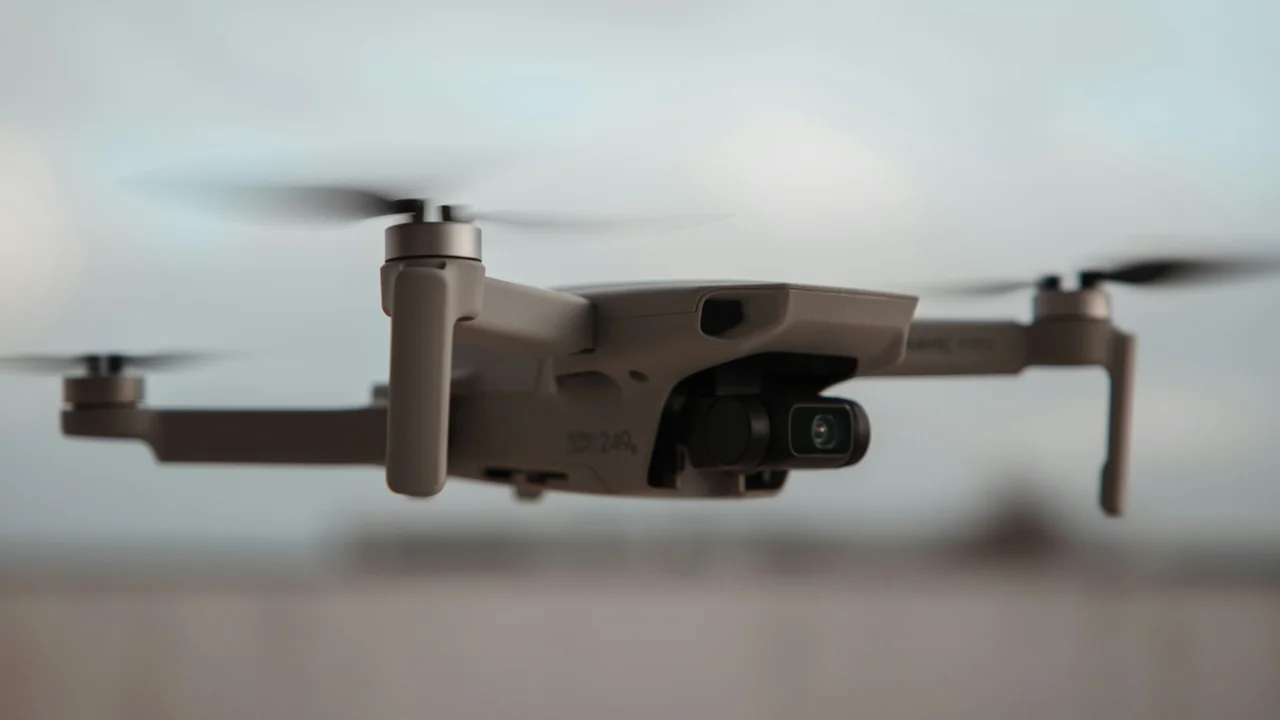
The short answer is no for recreational flights and maybe for commercial or research flights. The drone rules MIT campus enforce are among the strictest in Cambridge. If you are not an MIT student, faculty, or staff member, you face significant hurdles.
Recreational Flying on MIT Campus
Recreational drone operation on MIT property is effectively banned. MIT Police patrol the campus actively, and the university’s policy prohibits unmanned aircraft systems (UAS) from taking off, landing, or being operated on any MIT-owned land. This includes the East Campus lawn, the Stata Center plaza, and the area around the MIT Dome.
Commercial Filming on Campus
If you are a filmmaker or photographer wanting to capture the Massachusetts Institute of Technology drone footage for a commercial project, you must apply to MIT Campus Planning. They will require proof of FAA Part 107 certification, liability insurance (typically $1 million minimum), and a detailed flight plan. Approval is rarely granted for simple aesthetic shots; the university prioritizes projects that align with its educational or research mission.
Research Collaboration Opportunities
External researchers can sometimes gain access through the MIT Media Lab or CSAIL (Computer Science and Artificial Intelligence Laboratory). If your research involves drone technology and you have a faculty sponsor, you may be allowed to fly under MIT’s research protocols. This is a narrow path but is the most common way non-students operate drones on campus legally.
DJI Mini 3
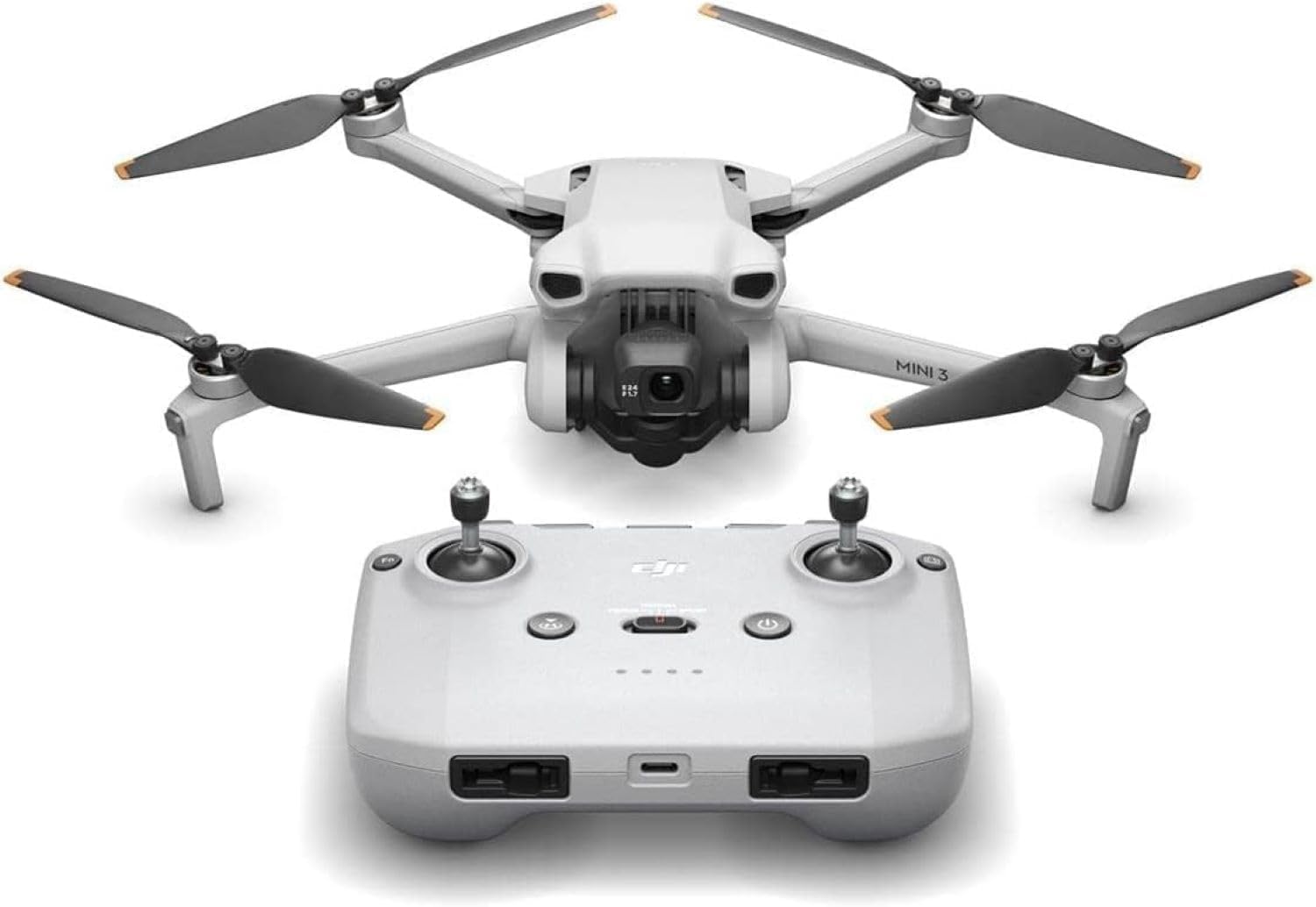
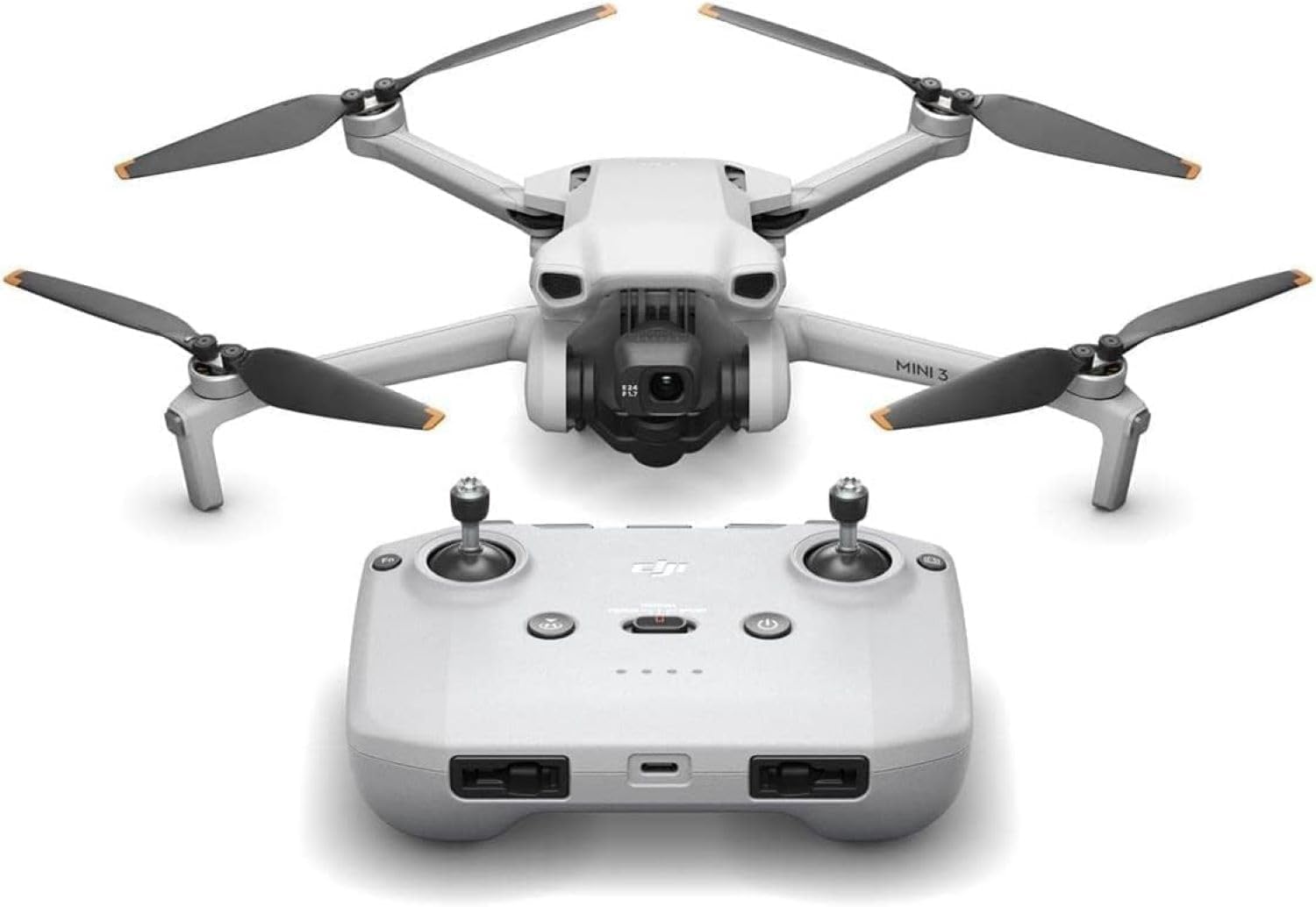
DJI Mini 3, 3-Axis Mechanical Gimbal Mini Camera Drone | 4K HDR Video, 38-Min Flight Time, up to 32800ft (10km) Video Transmission, True Vertical Shooting, GPS Auto Return
Check Price on AmazonDJI Mini 3 Fly More Combo
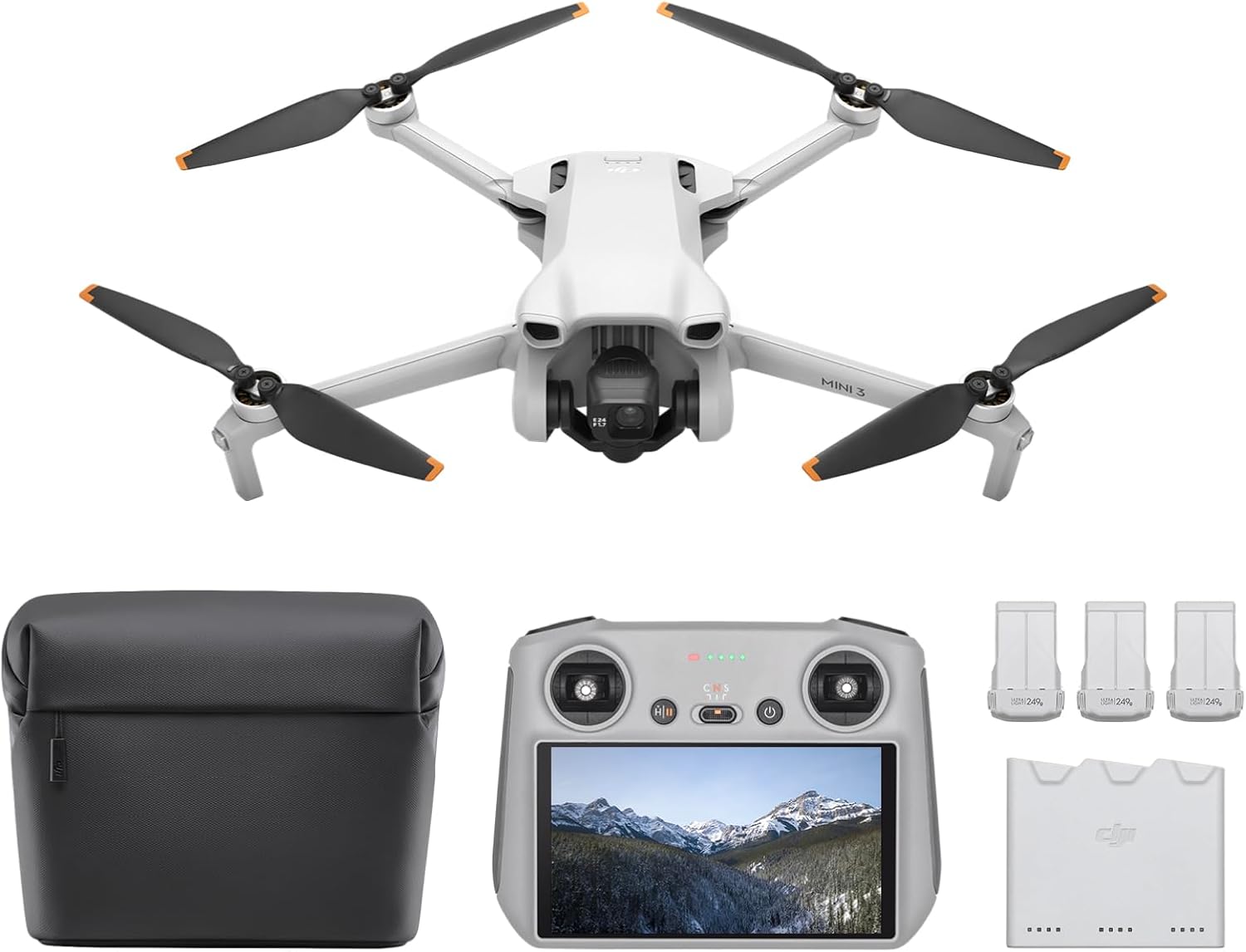
DJI Mini 3 Fly More Combo With DJI RC, 3 Batteries | Lightweight Camera Drone With 4K HDR Video, 114-Min Flight Time, Vertical Shooting, 32800ft (10km) Video Transmission
Check Price on AmazonDJI Mini 3 With DJI RC
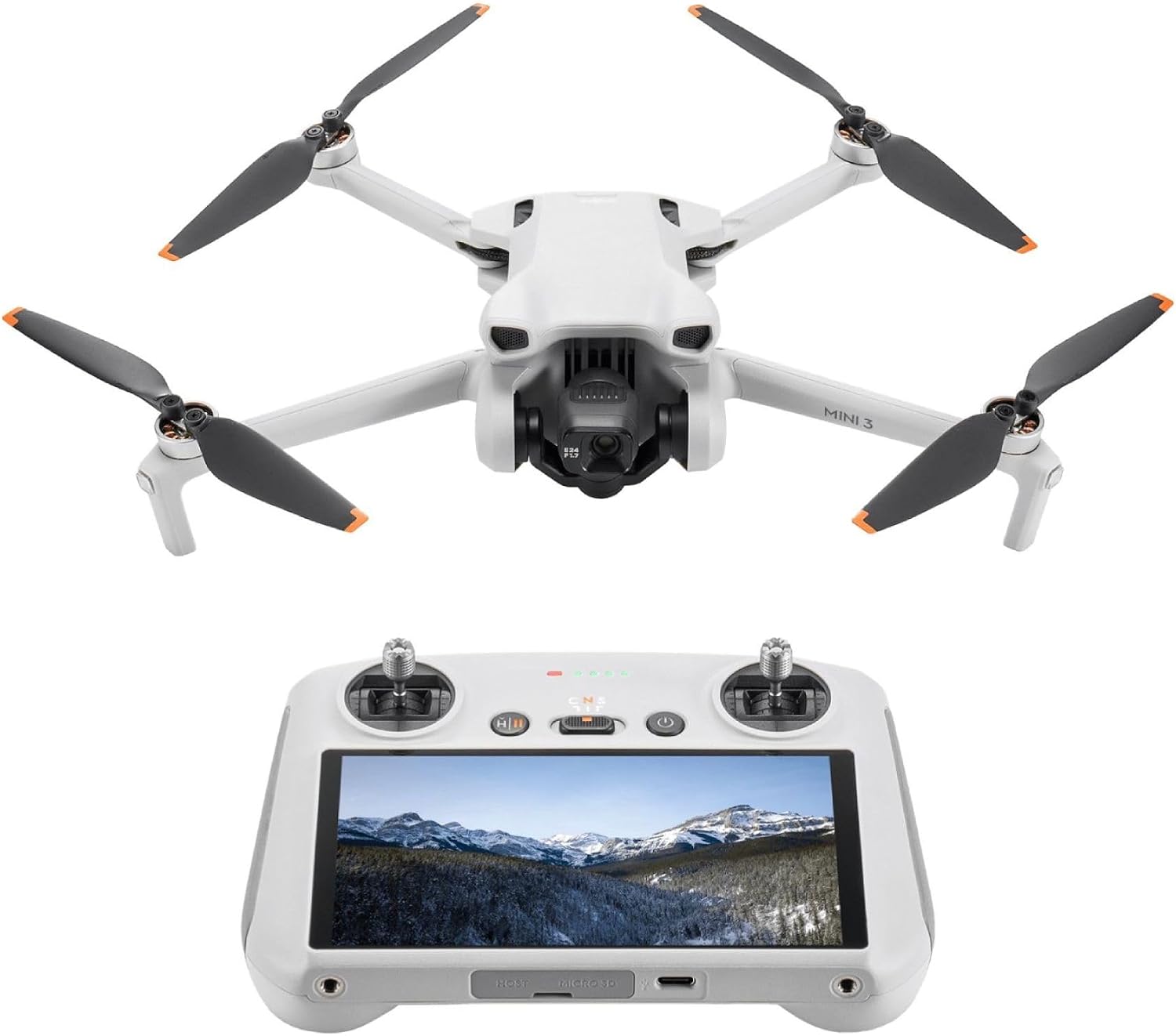
DJI Mini 3 With DJI RC, 3-Axis Mechanical Gimbal Mini Camera Drone | 4K HDR Video, 38-Min Flight Time, up to 32800ft (10km) Video Transmission, Vertical Shooting, GPS Auto Return
Check Price on AmazonHow Does Boston Logan Class B Airspace Affect Flying Near MIT?
MIT’s Cambridge campus sits directly within the outer shelf of Boston Logan International Airport (BOS) Class B airspace. This is the dominant practical constraint for any drone flight near MIT. The MIT Cambridge drone operator must contend with FAA restrictions that apply to all of Cambridge and the Charles River.
The FAA’s B4UFLY app shows that most of the MIT campus falls under a controlled airspace ceiling of 200 feet AGL. To fly above this, you need LAANC authorization, which the FAA rarely grants over dense urban campuses like MIT. Even at 200 feet, you must remain clear of buildings and people.
Can You Fly a Drone Over the MIT Great Dome?
The MIT Dome (Great Dome) on Killian Court is one of the most photographed landmarks in Cambridge. However, flying a drone over it is prohibited for external operators. The dome sits in the heart of campus, and MIT’s policy prohibits drone overflight of any campus structure without prior authorization.
Even if you attempt to launch from outside campus property—for example, from the sidewalk on Massachusetts Avenue—you will be operating within MIT’s airspace and within the BOS Class B shelf. The FAA does not recognize a property owner’s airspace rights above 400 feet, but MIT enforces its own rules for the airspace directly above its buildings.
Carrying Hard Case for DJI Avata 360 Drone
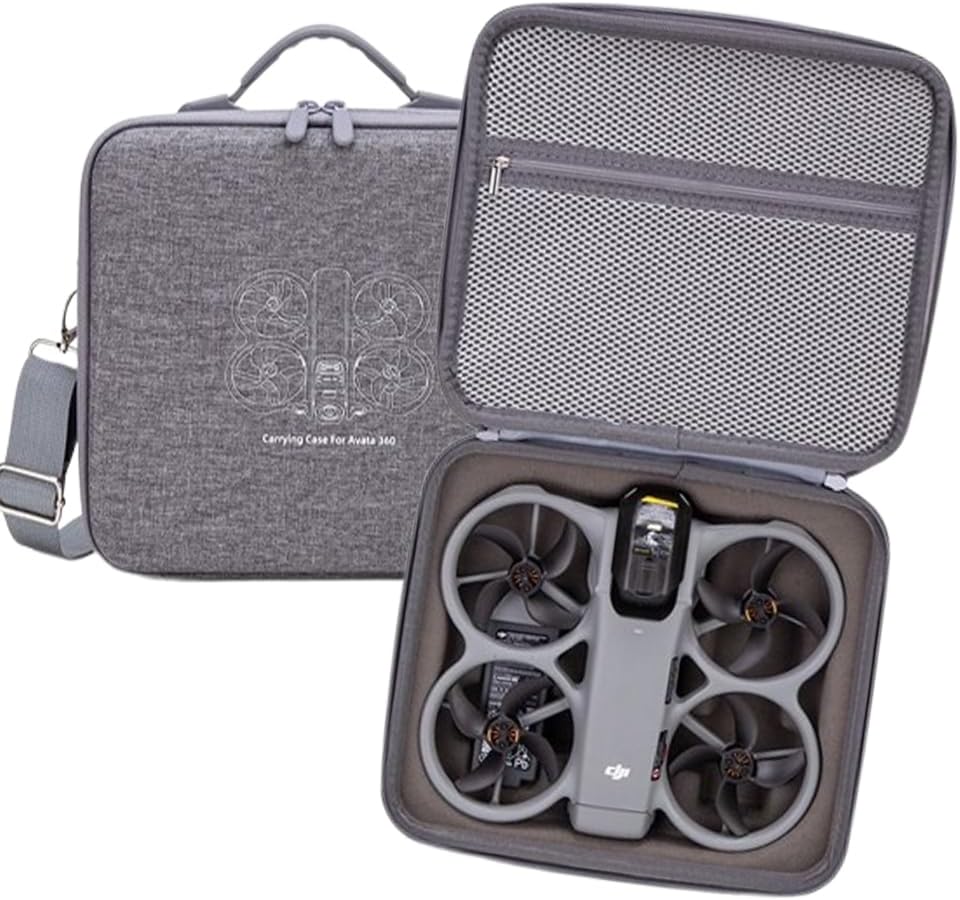
Carrying Hard Case for DJI Avata 360 Drone - Portable Travel Bag for Goggles N3/RC Motion 3 Controller
Check Price on AmazonHard Case for Antigravity A1 Drone
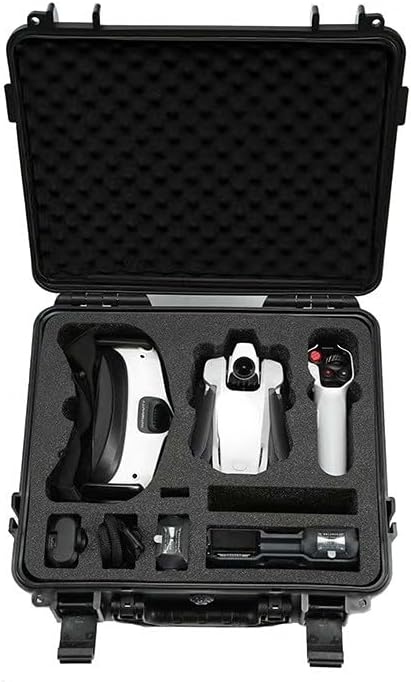
Hard Case for Antigravity A1 Drone, Waterproof Protective Carry Case, Anti-Fall Storage Bag Fit for Drone, Batteries, Goggles, Accessories & RC Gear [Only Protect Shell]
Check Price on AmazonLegal Options for Dome Footage
- Hire an MIT-affiliated researcher with campus clearance
- Use a high-altitude tripod from a public sidewalk (no drone)
- Partner with MIT’s Media Lab on a research project
Illegal Actions
- Launching from campus property
- Flying over Killian Court without permission
- Using a drone to film the dome from above 200 ft without LAANC
Flying a Drone on the Charles River Near MIT
The Charles River is a popular corridor for drone pilots, but the section adjacent to MIT presents unique challenges. The MIT Sailing Pavilion and the riverfront between the Harvard Bridge and the Longfellow Bridge are within MIT’s sphere of influence.
Is the Charles River Public Airspace?
The river itself is under the jurisdiction of the Massachusetts Department of Conservation and Recreation (DCR) and the Charles River Watershed Association. While the airspace over the water is FAA-controlled, MIT claims no ownership of the river. However, the riverbanks on the Cambridge side are MIT property in many spots.
- Launch only from public sidewalks or parks (not MIT-owned land)
- Maintain visual line of sight with your drone at all times
- Do not fly over MIT Sailing Pavilion boats or docks
- Obtain LAANC authorization for the BOS Class B shelf
- Stay below 200 feet AGL to remain within LAANC-approved ceilings
What Are the Rules for Flying Near MIT Lincoln Laboratory?
MIT Lincoln Laboratory is a federally funded research and development center located in Lexington, Massachusetts, about 10 miles northwest of the main campus. This facility has its own set of restrictions that are even stricter than the Cambridge campus.
The lab sits near Hanscom Field (KBED), which has Class D airspace. Drone operations within Class D require two-way radio communication with the tower and prior authorization. Additionally, Lincoln Laboratory is a federal facility, and drone flights over or near it are prohibited under federal law (Title 18 U.S.C. § 1302).
| Location | Airspace Type | Restriction Level |
|---|---|---|
| MIT Cambridge campus | BOS Class B shelf | High (LAANC required) |
| MIT Lincoln Laboratory | KBED Class D | Very high (federal facility) |
| Charles River (MIT section) | BOS Class B shelf | High (LAANC + property rules) |
How Do MIT’s Drone Laws Compare to Harvard’s?
Pilots often ask how MIT’s policy compares to other Cambridge universities. Harvard University, located about 1.5 miles away, has a similar but slightly less restrictive policy. Harvard allows recreational drone flights on its athletic fields with prior approval, while MIT prohibits them outright. Both universities require commercial operators to obtain permits and insurance.
However, Harvard Yard is also inside the BOS Class B shelf, so the airspace constraints are identical. The key difference is ground-level policy: Harvard is marginally more accommodating for recreational pilots, while MIT is almost exclusively focused on research and commercial collaborations.
Frequently Asked Questions
Can you fly a drone at MIT?
No, you generally cannot fly a drone at MIT as an external pilot without prior written permission from MIT Campus Planning or a sponsored research collaboration. Recreational flying on MIT property is prohibited. The only exceptions are for MIT-affiliated researchers operating under internal protocols or external commercial operators who have obtained a permit and liability insurance.
What is MIT’s drone policy?
MIT’s drone policy prohibits the operation of unmanned aircraft systems on all MIT-owned property without explicit authorization. The policy applies to all recreational, commercial, and research flights. External operators must contact MIT Campus Planning for commercial use or the MIT Media Lab for research partnerships. Violations can result in trespassing charges and referral to the FAA for airspace violations.
Can I fly a drone over the MIT dome?
No, you cannot fly a drone over the MIT Great Dome without prior authorization from MIT Campus Planning. The dome is located in the center of campus, and MIT enforces a no-drone policy over all campus buildings. Additionally, the airspace above the dome falls within the Boston Logan Class B shelf, requiring LAANC authorization that is rarely granted for this location. Attempting to fly over the dome could result in both university and FAA penalties.
Is MIT inside Boston Logan’s airspace?
Yes, the entire MIT Cambridge campus is inside the outer shelf of Boston Logan International Airport (BOS) Class B airspace. The FAA designates this area as controlled airspace from the surface up to 7,000 feet MSL. Drone pilots must obtain LAANC authorization before flying anywhere near MIT, and the typical ceiling available through LAANC is 200 feet AGL. Flying without authorization is a violation of FAA regulations.
Can I fly a drone on the Charles River near MIT?
You can fly a drone over the Charles River itself, provided you launch from a public location that is not MIT property. The river is under state jurisdiction, but the adjacent riverbanks on the Cambridge side are often MIT-owned. You must also obtain LAANC authorization for the BOS Class B airspace and avoid flying over the MIT Sailing Pavilion or any MIT boats. The typical altitude limit is 200 feet AGL in this area.
How does MIT’s drone policy differ from Harvard’s?
Both universities are in the same BOS Class B airspace, so the FAA constraints are identical. However, MIT’s ground-level policy is stricter. Harvard allows recreational drone flights on its athletic fields with prior approval, while MIT prohibits all recreational flights on campus. Both require commercial operators to obtain permits, but MIT is more research-focused and may grant access to external researchers through faculty sponsorship, which Harvard does not typically offer.
Can I fly a drone over MIT if I am a student or faculty member?
MIT faculty, staff, and students must follow the same FAA Part 107 rules as external operators for any non-recreational flight. For recreational flights, you must register with the FAA and follow the Special Rule for Model Aircraft. MIT’s internal policy prohibits all drone flights over campus without explicit written authorization from the Office of Campus Planning. Even for academic research, you must submit a detailed flight plan and obtain liability insurance. The Media Lab has a specific exception for research drones, but flights are restricted to indoor labs or designated outdoor test zones.
What happens if I fly a drone near MIT without permission?
MIT Campus Police will issue a no-trespass order and may confiscate your drone. The FAA can also impose civil penalties up to $27,500 per violation for reckless or unauthorized flights in controlled airspace. In 2024, MIT reported three drone incidents to the FAA, resulting in fines ranging from $500 to $4,000. Additionally, flying near the Great Dome or sensitive labs like Lincoln Laboratory could trigger federal security investigations under 14 CFR Part 107.
Are there any drone-friendly parks near MIT?
Yes, several public parks within a 15-minute walk from MIT allow drone flights under FAA Part 107 or recreational rules. The Esplanade along the Charles River in Boston is a popular spot with a 200-foot LAANC ceiling. Magazine Beach in Cambridge offers open space but remains within Class B airspace. Fresh Pond Reservation in Cambridge permits drones only for wildlife monitoring with a permit. Always verify current local park rules, as Cambridge city ordinances prohibit drone takeoffs from city-owned property without a special events permit.
Can I fly a drone over the MIT Museum?
No, the MIT Museum is located at 265 Massachusetts Avenue in Cambridge, directly under the Class B airspace 3-mile ring. The museum’s rooftop and outdoor exhibits are considered sensitive areas. The museum’s policy explicitly bans drones on its premises. If you want aerial footage of the museum, contact the MIT News Office for professional media access, which requires FAA waivers and MIT authorization.
Do I need a Part 107 license to fly near MIT?
Yes, for any commercial or non-recreational flight near MIT, you must hold a current FAA Part 107 Remote Pilot Certificate. Recreational flyers can operate under the Exception for Limited Recreational Operations (ELRO) but must still follow all airspace restrictions and MIT’s no-fly policy over campus. The Class B airspace requires LAANC authorization regardless of your license type. If you fly within 400 feet of any MIT building, you also need written permission from MIT’s Office of Campus Planning.
Final Thoughts on Flying Near MIT in 2026
Navigating the MIT drone laws requires understanding that the university is both a drone research powerhouse and a strictly controlled campus. Your best option for capturing aerial footage of the Great Dome or Stata Center is to partner with an MIT-affiliated researcher or apply through Campus Planning for a commercial permit. For recreational pilots, the Charles River offers the only legal nearby flying option, but you must launch from public land and respect the 200-foot LAANC ceiling. Always check the FAA’s B4UFLY app before any flight and remember that MIT Police enforce campus rules aggressively. When in doubt, fly from a public park across the river in Boston or from the Cambridge-side sidewalk on Memorial Drive—never from MIT property.
Last updated: July 04, 2026
- Federal Aviation Administration (FAA) — faa.gov
- MIT Campus Planning — mit.edu/campus-planning
- MIT Media Lab — media.mit.edu
- Massachusetts Department of Conservation and Recreation — mass.gov/dcr
- FAA Part 107 Regulations — 14 CFR Part 107
NANUK 935 Pro Photo Kit Camera Case
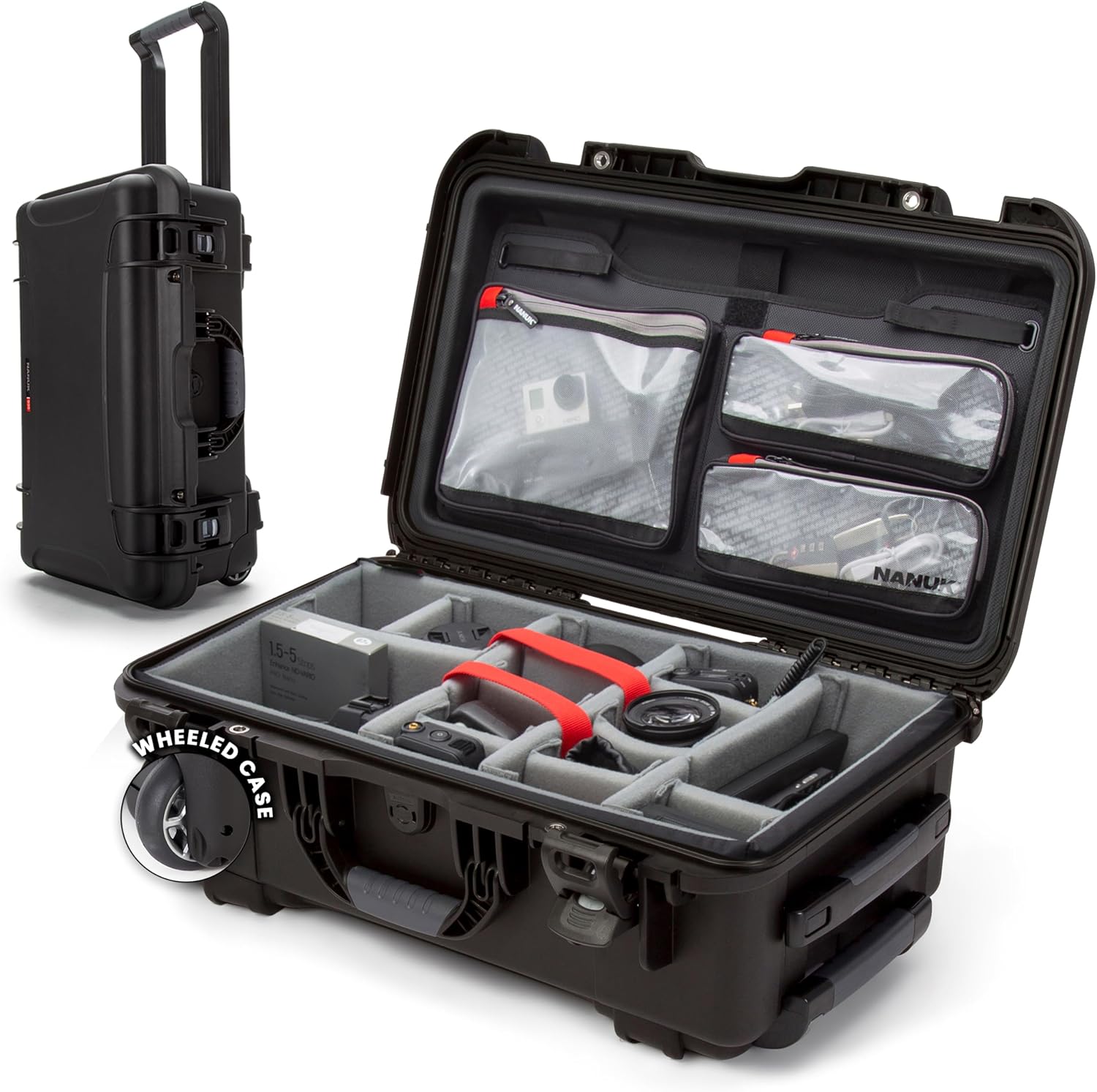
NANUK 935 Pro Photo Kit Camera Case, Waterproof Wheeled Hard Case, Carry-On, Black
Check Price on AmazonNANUK 925 DJI Mavic 4 Pro Creator Combo
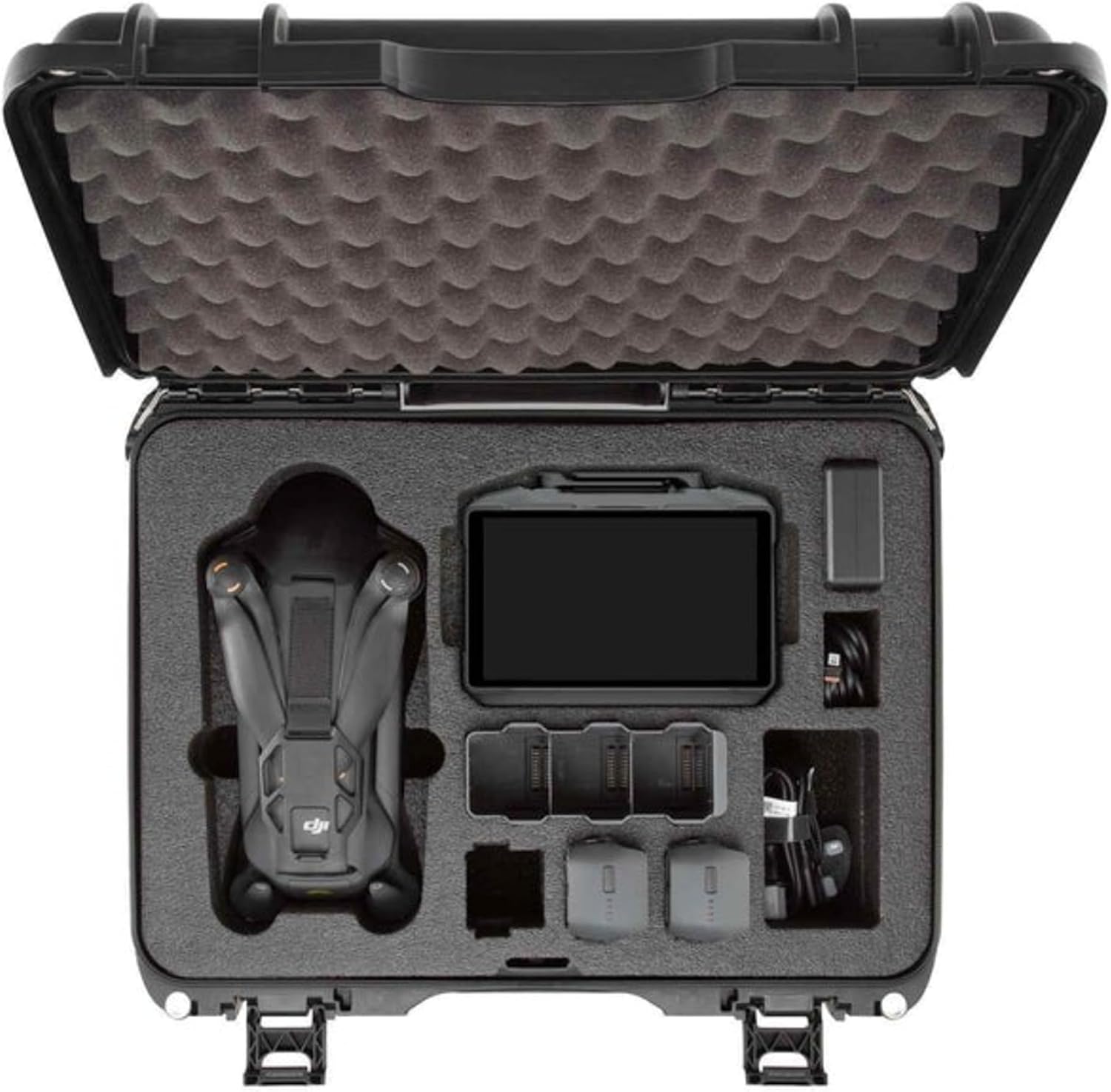
NANUK 925 DJI Mavic 4 Pro Creator Combo - Waterproof Hard Case with Drone Foam Insert, Crushproof, Portable Travel Case, Made in Canada (18.7” x 14.8”x 7”) - Black
Check Price on Amazon Drone Allowed
DroneAllowed editor covering drone regulations, aviation law, and aerial photography across USA, UK, Canada & Australia.