Colorado Drone Laws 2026: National Parks, Mountains & Rules Guide
 12 min read
2,297 words
12 min read
2,297 words
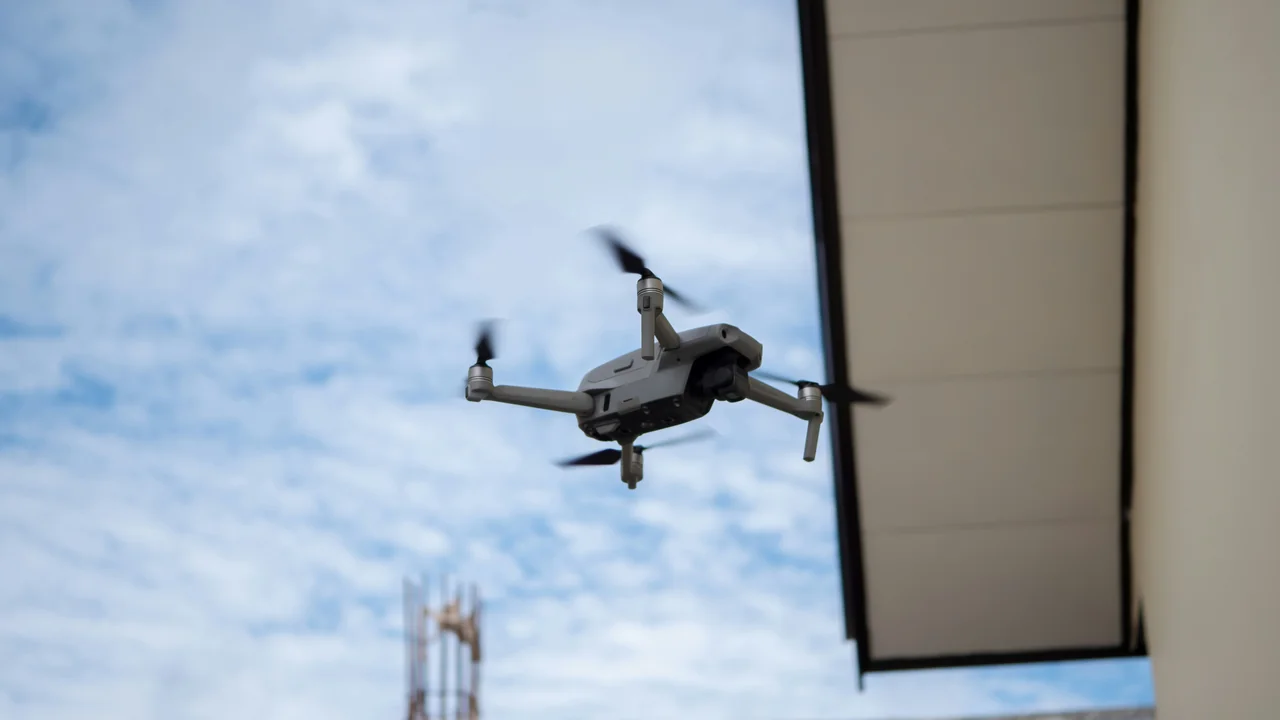
If you are planning to fly a drone in Colorado, you are likely drawn by the promise of filming the Rocky Mountains, alpine lakes, and vast open landscapes. However, the most iconic scenery sits inside national parks where drones are strictly banned. This guide covers Colorado drone laws for 2026, explaining where you can legally fly, how high-altitude conditions affect your drone, and which permits you need for state parks and national forests.
What Are the Federal FAA Drone Rules You Must Follow in Colorado?
Before you launch anywhere in Colorado, the Federal Aviation Administration (FAA) sets the baseline rules for all drone operations. These apply regardless of state or local laws. If your drone weighs more than 0.55 lbs (250g), you must register it through the FAA DroneZone for a $5 fee valid for three years. Recreational flyers must pass The Recreational UAS Safety Test (TRUST) and carry proof of completion. For commercial use, you need a Part 107 Remote Pilot Certificate.
The fundamental altitude limit is 400 feet above ground level (AGL). You must keep your drone within visual line of sight and never fly over people or moving vehicles unless you have a waiver. Airspace authorizations in controlled zones like Denver International Airport (DEN) are handled through the LAANC system. Always check the FAA’s B4UFLY app before every flight.
Are Drones Banned in Rocky Mountain National Park?
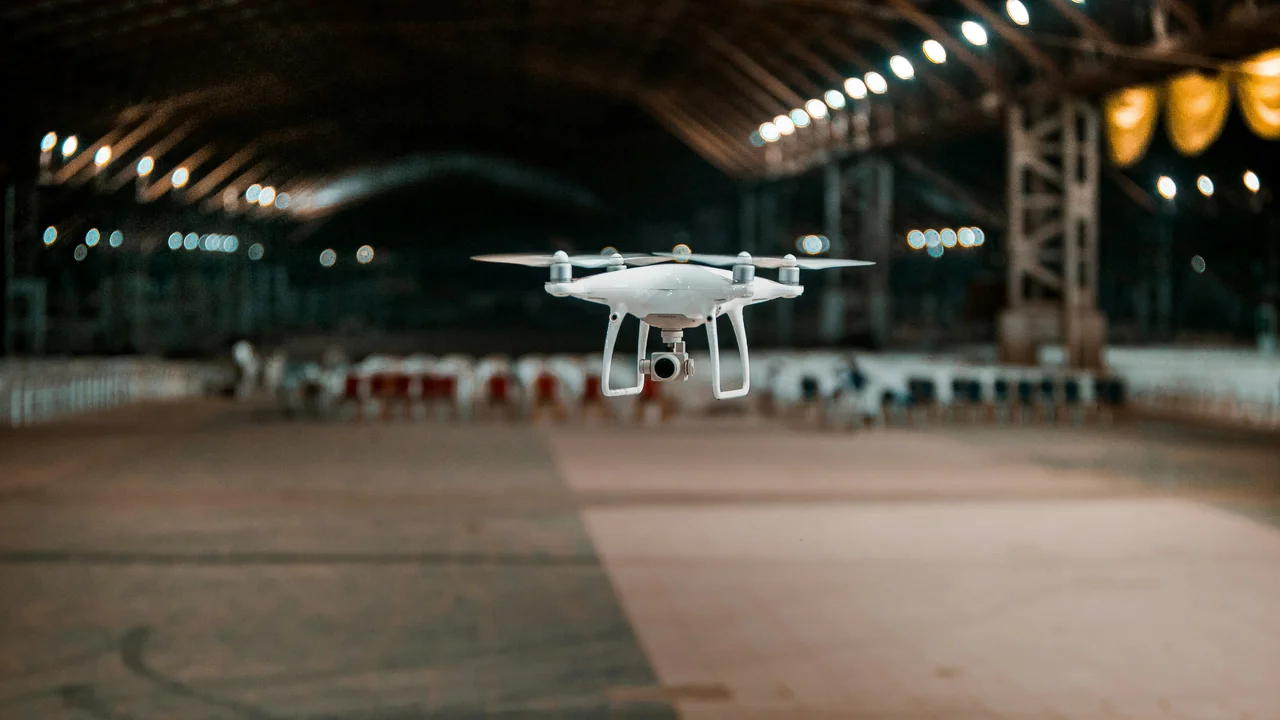
Yes, drones are banned in Rocky Mountain National Park. The National Park Service (NPS) prohibits the launching, landing, or operation of unmanned aircraft on all NPS-administered lands. This rule applies even if you launch from outside the park boundary and fly into the park airspace. The ban covers Trail Ridge Road, Bear Lake, and all backcountry areas. Violators face fines up to $5,000 and potential confiscation of equipment.
Can You Fly a Drone at Mesa Verde National Park?
No. Mesa Verde National Park, home to Ancestral Puebloan cliff dwellings, enforces the same NPS drone ban. The park’s cultural significance and sensitive archaeological sites make drone flight strictly prohibited. The ban protects visitor experience and prevents disturbance to fragile structures. Even launching from adjacent Ute Mountain Ute tribal lands does not grant you permission to fly over the park.
Are Drones Allowed at Great Sand Dunes National Park?
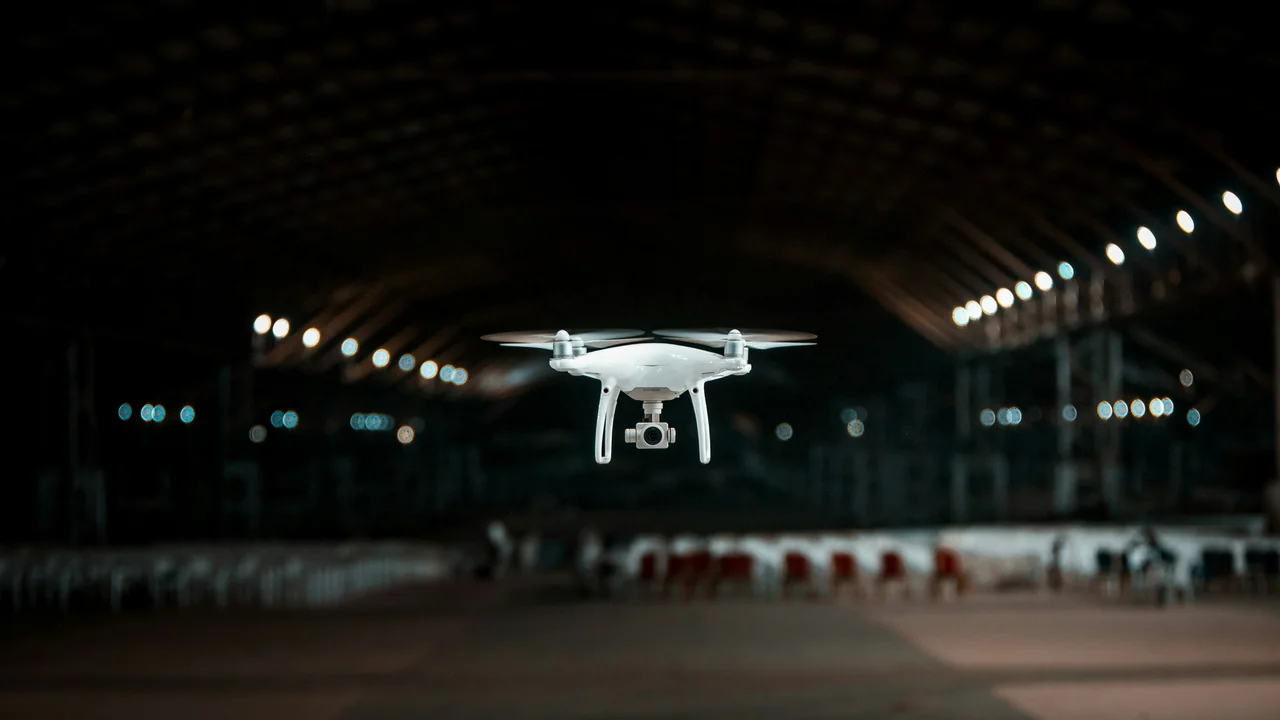
Drones are banned at Great Sand Dunes National Park. The NPS ban covers the entire park, including the towering dunes and the Medano Creek area. The park is also a designated Dark Sky Park, so drone lights and noise would interfere with the natural soundscape. If you want aerial footage of the dunes, consider flying from adjacent Rio Grande National Forest land outside the park boundary — but never let your drone cross into park airspace.
What About Black Canyon of the Gunnison National Park?
Black Canyon of the Gunnison National Park also prohibits drones. The steep, narrow canyon walls create a unique environment where drone noise echoes loudly, disturbing wildlife and other visitors. The NPS ban is absolute here. For legal aerial photography of the canyon, you must operate from nearby Gunnison National Forest land, which is generally open to drones.
What Are the Drone Rules in Colorado State Parks?
Colorado State Parks operate on a case-by-case basis. Unlike national parks, state parks do not have a blanket drone ban. However, you generally need a special use permit to launch or land a drone within a state park. Popular parks like Cherry Creek State Park, Chatfield State Park, and Golden Gate Canyon State Park require you to contact the park office in advance. Permits are often granted for educational or research purposes, but recreational flights are rarely approved. Always call ahead and have written permission before flying.
Can You Fly a Drone in Denver Airspace?
Denver airspace is complex and heavily restricted. Denver International Airport (DEN) is a Class B airspace with a surface area extending miles in all directions. Most of downtown Denver lies within the controlled airspace ring. You must obtain LAANC authorization before flying in any controlled zone. The B4UFLY app will show you exactly where you can and cannot fly. Popular spots like City Park and Sloan’s Lake may require authorization. Always check altitude limits — some zones allow only 50 feet AGL.
What Are the Drone Laws in Boulder, Colorado?
Boulder presents unique challenges. The city is close to Denver International Airport, and parts of Boulder fall under Class B airspace. Additionally, Boulder has local ordinances restricting drone takeoff and landing from city-owned parks and open space. The City of Boulder Open Space and Mountain Parks (OSMP) department explicitly prohibits drone operations on its lands. This includes popular areas like Chautauqua Park, Mount Sanitas, and the Flatirons. If you want to fly near Boulder, you must find private property with the owner’s permission and ensure you are outside controlled airspace.
Can You Fly a Drone on USFS Land in Colorado?
United States Forest Service (USFS) land in Colorado is generally open to drone flight. National forests like Pike National Forest, San Isabel National Forest, Arapaho National Forest, and Roosevelt National Forest allow recreational drone use as long as you follow FAA rules. This is where most legal Colorado drone flying happens. You can launch from trailheads, campgrounds, and open meadows. However, there are restrictions: you cannot disturb wildlife, fly over wilderness areas, or interfere with firefighting operations. Always check for temporary flight restrictions (TFRs) due to wildfires — common in summer.
Are Drones Allowed in Colorado Wilderness Areas?
No. Designated Wilderness Areas within national forests are off-limits to drones. The Wilderness Act of 1964 prohibits motorized equipment, including drones, in these areas. Colorado has 41 wilderness areas, including the Indian Peaks Wilderness, the Maroon Bells-Snowmass Wilderness, and the Weminuche Wilderness. The boundaries are clearly marked on USFS maps. If you fly a drone into a wilderness area, you face federal citations and fines. Always verify your flight location is outside a wilderness boundary before launching.
How Does High Altitude Affect Drone Performance in Colorado?
Flying at Colorado’s high elevations significantly impacts drone performance. At 10,000 feet above sea level, the air density is roughly 30% lower than at sea level. This reduces propeller efficiency, meaning your drone will struggle to hover and climb. Battery life can drop by 30–50% because the motors work harder to maintain lift. Additionally, cold temperatures — common even in summer mornings — further reduce battery capacity. Always warm your batteries to room temperature before flight, keep flights short, and avoid aggressive maneuvers. A drone that flies 25 minutes at sea level may only last 12–15 minutes at 12,000 feet.
Keep batteries in an insulated pocket or hand warmer before launch. Cold batteries lose voltage rapidly.
Plan for 50% shorter flights. Set your low-battery warning to 40% instead of 30%.
High-altitude winds are unpredictable. Gusts above 20 mph can destabilize a drone at elevation.
What Are the Best Legal Flying Spots in Colorado?
Despite the restrictions, Colorado offers excellent legal flying locations. The key is focusing on USFS land outside wilderness areas. Top spots include:
- Leadville area — San Isabel National Forest near Turquoise Lake
- Ouray and Telluride — Uncompahgre National Forest, but avoid wilderness boundaries
- Guanella Pass — Pike National Forest with stunning alpine views
- Mount Evans Scenic Byway — Arapaho National Forest, but check for TFRs
- Great Sand Dunes National Park periphery — Rio Grande National Forest outside park borders
State parks with permits can also be viable, but plan weeks in advance. Private land with owner permission is another option — many ranches in the San Luis Valley welcome drone photographers.
How Do Winter Conditions Affect Drone Operations in Colorado?
Winter flying in Colorado demands extra precautions. Snow-covered landscapes can cause vision sensor errors, especially on drones that rely on downward-facing cameras for positioning. White surfaces reflect light inconsistently, leading to drifting. Snow also hides obstacles like rocks and tree stumps. Battery performance plummets in sub-freezing temperatures — a fully charged battery at 20°F may show 50% charge within minutes. Always keep batteries warm until launch, land with 40% remaining, and avoid flying over deep snow where a crash would mean total loss. Use propeller guards to prevent ice buildup.
Summary
Colorado drone laws for 2026 center on a simple reality: the most iconic landscapes are in national parks where drones are banned. Your legal flying options are on USFS land outside wilderness areas, certain state parks with permits, and private property with permission. Always respect the 400-foot altitude limit, register your drone if it weighs over 0.55 lbs, and use the No-Fly Zone Checker before every flight. High altitude and cold weather will reduce your drone’s performance — plan accordingly. For the best experience, target national forests in summer or early fall when conditions are mild.
Frequently Asked Questions
Are drones allowed in Rocky Mountain National Park?
No, drones are strictly prohibited in Rocky Mountain National Park. The National Park Service bans all unmanned aircraft operations on park lands. This includes launching from outside the park boundary and flying into the park. Violators face fines up to $5,000 and possible equipment confiscation. Rangers actively patrol popular areas like Bear Lake and Trail Ridge Road.
Can I fly a drone in the Colorado mountains?
Yes, you can fly a drone in the Colorado mountains, but only on United States Forest Service (USFS) land outside designated wilderness areas. National forests like Pike, San Isabel, and Arapaho are generally open. You must avoid wilderness areas where motorized equipment is banned, and you cannot fly over national parks. Always check for temporary flight restrictions due to wildfires.
What are the drone rules in Denver?
Denver has complex airspace rules due to Denver International Airport’s Class B airspace. Most of the city requires LAANC authorization before flying. You must check the FAA’s B4UFLY app to see altitude limits and controlled zones. Local parks may have additional restrictions, and you cannot fly over people or moving vehicles.
Can I fly a drone in Colorado State Parks?
Drone flight in Colorado State Parks is allowed only with a special use permit. There is no blanket ban, but recreational flights are rarely approved. You must contact the specific park office in advance and receive written permission. Parks like Cherry Creek and Chatfield require this process. Permits are more commonly granted for educational or research purposes.
Do Colorado wilderness areas allow drones?
No, Colorado wilderness areas prohibit drones. The Wilderness Act of 1964 bans motorized equipment in these zones. Colorado has 41 wilderness areas including Indian Peaks and Maroon Bells-Snowmass. Flying a drone in a wilderness area can result in federal citations and fines. Always verify your location against USFS wilderness maps before launching.
What altitude can I fly a drone at in Colorado?
The FAA limits drone flight to 400 feet above ground level (AGL) nationwide. In Colorado, this means your drone’s maximum altitude above the terrain is 400 feet, regardless of your elevation. High-altitude locations like mountain peaks reduce drone performance due to thin air and cold temperatures. Battery life and lift capacity decrease significantly above 10,000 feet.
Can I fly a drone in Colorado without registering with the FAA?
No. All drones weighing over 0.55 lbs (250 grams) must be registered with the FAA before flying in Colorado. This applies to both recreational and commercial operators. Registration costs $5 and is valid for three years. Even sub-250 gram drones like the DJI Mini 4 Pro must be registered if used for commercial purposes.
Are there any drone-friendly areas near Denver?
Yes. Cherry Creek State Park (with a permit), Chatfield State Park (with a permit), and many BLM lands west of Denver are good options. Avoid flying within 5 miles of Denver International Airport and near the downtown Class B airspace. Use the FAA B4UFLY app to identify safe zones.
Do I need a Part 107 license to fly a drone in Colorado?
Only if you fly for commercial purposes. Recreational flyers do not need a Part 107 license but must follow the FAA’s recreational rules, including passing the TRUST test. Commercial operations, real estate photography, and any flight that furthers a business require Part 107 certification.
Can I fly a drone over private property in Colorado?
You can fly over private property as long as you maintain a safe altitude and do not harass or surveil people without consent. Colorado has privacy laws that prohibit using drones for peeping or stalking. Always respect posted no-drone signs and land immediately if asked by the property owner.
What happens if I fly my drone in Rocky Mountain National Park?
You risk a federal citation with fines up to $5,000. The National Park Service enforces a strict ban on drones in all national parks, including Rocky Mountain. Rangers patrol popular areas and use binoculars to spot violators. Confiscation of your drone is possible.
Can I fly a drone in Colorado during winter?
Yes, but with precautions. Cold temperatures reduce battery life by up to 50%. Keep batteries warm before flight, limit flight time, and avoid snow and ice accumulation on the drone. Check for high winds and low visibility before launching. Use a landing pad to keep your drone dry.
Last updated: June 25, 2026
- Federal Aviation Administration (FAA) — faa.gov
- National Park Service (NPS) — nps.gov
- United States Forest Service (USFS) — fs.usda.gov
- Colorado Parks and Wildlife — cpw.state.co.us
- Bureau of Land Management (BLM) Colorado — blm.gov/colorado
- Colorado Revised Statutes Title 18, Article 9, Part 1 — Unlawful Use of Drones
Drone Allowed
DroneAllowed editor covering drone regulations, aviation law, and aerial photography across USA, UK, Canada & Australia.