
Alberta Drone Laws 2026: Banff, Calgary & Transport Canada Rules
 12 min read
2,344 words
12 min read
2,344 words
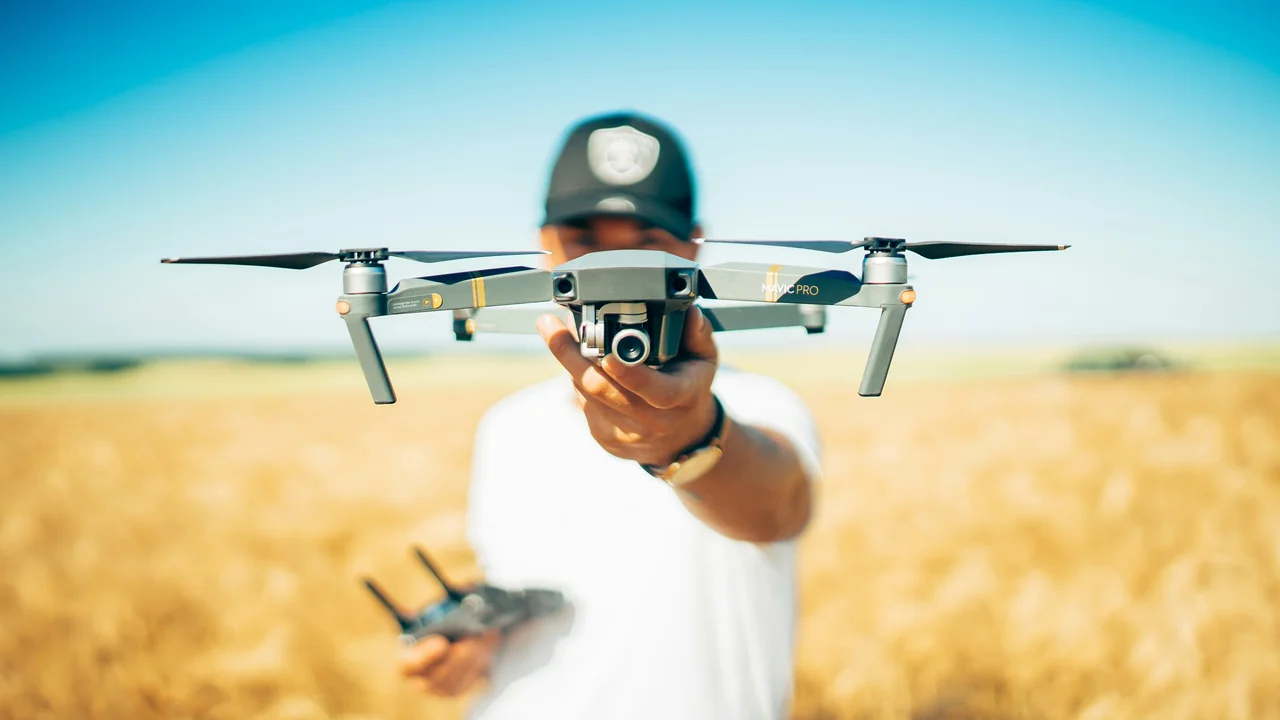
If you are planning to fly a drone in Alberta in 2026, you are likely wondering how to navigate the strict bans in Banff National Park while still capturing stunning aerial footage of the Canadian Rockies. This guide breaks down Alberta drone laws, covering everything from Transport Canada’s federal RPAS rules to the specific restrictions in Banff, Jasper, Calgary, and Edmonton. We also highlight legal alternatives like the Drumheller Badlands. By the end, you will know exactly where you can fly, what permits you need, and how to avoid fines that can reach C$5,000.
What Are the Transport Canada Drone Rules for Alberta in 2026?
Transport Canada (TC) sets the baseline for all drone operations across the country, including Alberta. If your drone weighs 250 grams or more, you must register it for free at tc.canada.ca and mark your registration number on the aircraft. You also need a pilot certificate — either the Basic RPAS Pilot Certificate (a free online exam) or the Advanced RPAS Pilot Certificate (a paid in-person test).
The altitude limit is 122 metres (400 feet) above ground level (AGL). You must keep your drone within visual line-of-sight (VLOS) at all times, and you cannot fly near emergency operations, airports, or heliports without permission. In controlled airspace, such as within 5.6 kilometres of Calgary International Airport (CYYC) or Edmonton International Airport (CYEG), you need an Advanced certificate and an airspace authorization from NAV CANADA via the DroneZone portal.
Are Drones Banned in Banff National Park?
Yes, drones are completely banned in Banff National Park. This ban applies to all recreational and commercial drone use, regardless of the drone’s weight or purpose. Parks Canada enforces this strictly under the Canada National Parks Act. If you are caught flying a drone in Banff, you face fines of up to C$25,000. This includes all areas within the park boundaries, including the town of Banff, Bow Valley Parkway, and the Banff townsite.
Drone Rules at Lake Louise
Lake Louise is within Banff National Park, so the same complete ban applies. You cannot launch or land a drone anywhere near the lake, the shoreline, or the surrounding trails. This includes Moraine Lake as well. The iconic turquoise waters are a tempting target for photographers, but the fines are not worth the risk. Instead, consider flying at the Drumheller Badlands (see below) or other legal locations outside park boundaries.
Can You Fly a Drone in Jasper National Park?
No, drones are banned in Jasper National Park. This is another Parks Canada jurisdiction, and the same C$25,000 fine applies. The ban covers all areas, including the town of Jasper, Maligne Lake, and the Icefields Parkway. The Icefields Parkway (Highway 93) is a public road that runs through both Banff and Jasper national parks. While the highway itself is open to traffic, the park land on either side is off-limits for drone operations. You cannot take off from the side of the road or from a pullout within park boundaries.
What Are the Drone Laws in Calgary?
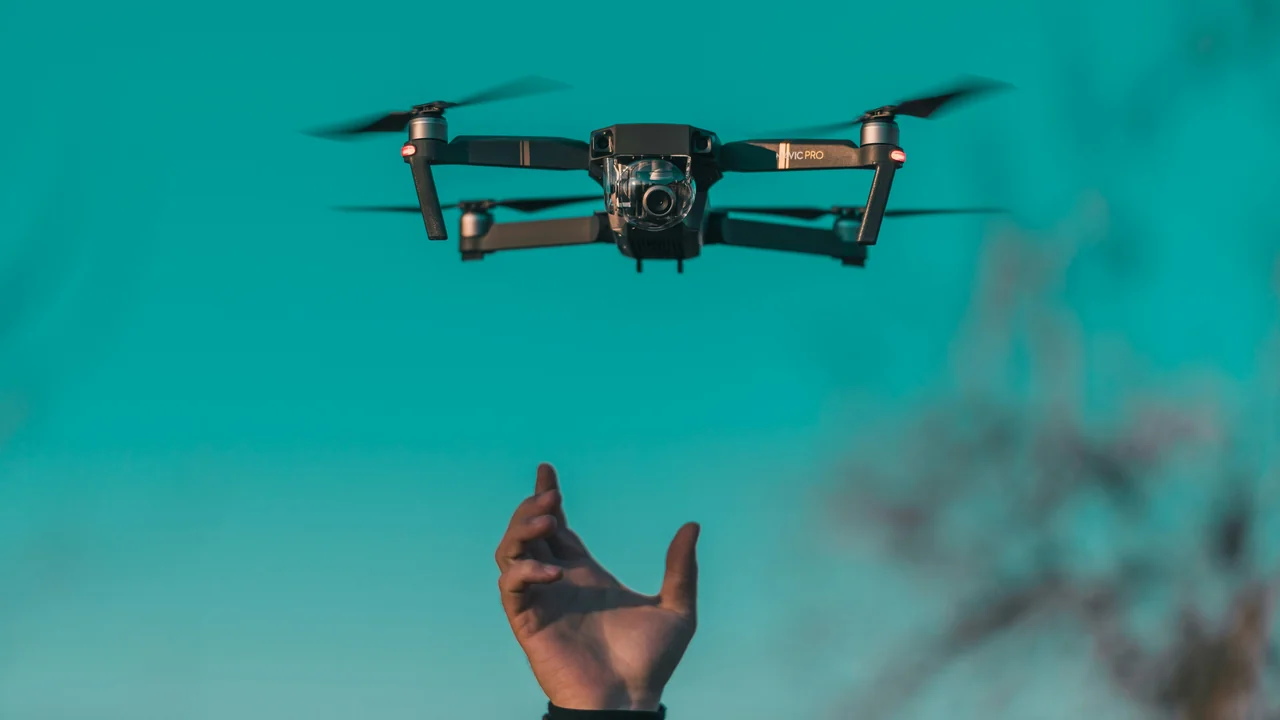
Calgary is a major city with controlled airspace around Calgary International Airport (CYYC). Flying a drone in Calgary requires careful planning. You must avoid all airport zones and follow Transport Canada rules. In most of Calgary’s residential and commercial areas, you can fly under Basic operations if you stay below 122 metres and away from people. However, if you are within 5.6 kilometres of the airport, you need an Advanced certificate and a NAV CANADA authorization. Use the No-Fly Zone Checker to verify your exact location before flying.
Drone Rules in Edmonton
Edmonton has similar restrictions to Calgary, with Edmonton International Airport (CYEG) controlling much of the airspace. The same rules apply: Basic operations for most areas, Advanced operations near the airport. Edmonton also has several city parks where drones may be restricted. Check the City of Edmonton’s bylaws before flying in parks like the River Valley or Hawrelak Park. The Registration Calculator can help you determine if your drone needs registration based on its weight.
What About Other Alberta Parks?
Waterton Lakes National Park
Drones are banned in Waterton Lakes National Park, another Parks Canada site. The ban covers the entire park, including the townsite and the Waterton Lakes. No permits are available for recreational or commercial drone use.
Kananaskis Country
Kananaskis Country is a provincial recreation area managed by Alberta Parks. Unlike national parks, Alberta Parks does not have a blanket ban on drones. However, you must follow all Transport Canada rules and respect any local signage. Some areas within Kananaskis, such as Peter Lougheed Provincial Park, may have specific restrictions. Always check with Alberta Parks before flying. In practice, Kananaskis is more permissive than Banff, but you should still exercise caution near wildlife and other visitors.
Alberta Provincial Parks
Alberta Provincial Parks, such as Dinosaur Provincial Park and Writing-on-Stone Provincial Park, have their own drone policies. Generally, drones are allowed in most provincial parks as long as you follow Transport Canada rules and do not disturb wildlife or other visitors. However, some parks may have specific bans near campgrounds or sensitive areas. Check the Alberta Parks website for the specific park you plan to visit.
Can You Fly a Drone on Crown Land in Alberta?
Yes, drones are generally allowed on Crown land in Alberta, provided you follow Transport Canada rules. Crown land is public land managed by the provincial government. This includes large areas of the Rocky Mountain foothills, the boreal forest, and the prairies. There are no specific drone bans on Crown land, but you must still respect airspace restrictions and wildlife. This is a great option for pilots looking for wide-open spaces away from cities and parks.
Is the Drumheller Badlands a Good Alternative to Banff?
Yes, the Drumheller Badlands in the Red Deer River valley is an excellent legal alternative to Banff for drone photography. The area is largely Crown land and private land, with no national park ban. You can fly over the iconic hoodoos, the Royal Tyrrell Museum grounds (with permission), and the surrounding coulees. Just avoid flying over private property without permission and stay clear of the museum’s airspace. The badlands offer dramatic landscapes without the legal headaches of Banff.
What About Military Airspace Near RCAF Cold Lake and Wainwright?
RCAF Cold Lake and CFB Wainwright are military bases with restricted airspace. You cannot fly a drone within these zones without prior authorization from the Canadian Armed Forces. The restricted areas are clearly marked on NAV CANADA charts. If you are near Cold Lake or Wainwright, use the No-Fly Zone Checker to confirm you are outside restricted airspace. Violating military airspace can result in severe penalties.
Summary
Alberta drone laws in 2026 are a patchwork of federal, national park, and provincial rules. Banff, Jasper, and Waterton Lakes national parks are completely off-limits. Calgary and Edmonton require careful airspace planning near their airports. Kananaskis and Alberta provincial parks are more permissive but still require common sense. For the best legal aerial footage, head to the Drumheller Badlands or Crown land outside park boundaries. Before every flight, use the No-Fly Zone Checker and Registration Calculator to stay compliant.
The Drumheller Badlands offer a stunning, otherworldly landscape that rivals Banff for photography, but with far fewer drone restrictions. Since Drumheller is not a national park, you are not subject to the blanket drone ban. However, the area falls under the Royal Tyrrell Museum jurisdiction, which prohibits drone launches from museum property.
You can legally fly from public land or roadside pullouts, provided you stay below 400 feet AGL, maintain visual line of sight, and avoid flying over people or vehicles. The badlands are popular for drone cinematography because of the hoodoos and layered rock formations. Just be mindful of wind gusts, which can be strong and unpredictable in the coulees.
Alberta hosts several military airspace zones, including RCAF Cold Lake Air Weapons Range (CYR 244, 245, 246) and Wainwright (CYD 101). These are restricted airspace zones where drone flight is strictly prohibited without prior authorization from the Department of National Defence.
If you live near these areas, you must check the NAV CANADA Drone Zone Portal or the FAA B4UFLY app (for cross-border areas) before every flight. Flying into these zones can result in interception by military aircraft, fines up to $5,000, or criminal charges. Even if you are flying a sub-250g drone like the DJI Mini 4 Pro, the restriction applies—there is no weight exemption in military airspace.
| Military Zone | Location | Flight Status |
|---|---|---|
| RCAF Cold Lake (CYR 244) | NE Alberta | Prohibited without authorization |
| RCAF Cold Lake (CYR 245) | NE Alberta | Prohibited without authorization |
| Wainwright (CYD 101) | Central Alberta | Prohibited without authorization |
Flying a drone in Alberta in 2026 requires a clear understanding of layered regulations from Transport Canada, Parks Canada, and municipal bylaws. National parks like Banff and Jasper are completely off-limits, but provincial parks, Crown land, and cities like Calgary offer viable options if you follow the rules. The Drumheller Badlands provide a fantastic alternative for scenic flights without the ban.
Your safest bet is to stick to Crown land or rural areas, keep your drone under 250g to simplify registration, and always check the NAV CANADA Drone Zone Portal before launching. For commercial work, obtain your Advanced Operations Pilot Certificate. For recreation, the Basic Certificate is sufficient for most flights outside controlled airspace.
Frequently Asked Questions
Are drones allowed in Banff National Park?
No, drones are completely banned in Banff National Park under the Canada National Parks Act. This ban applies to all drones, regardless of weight or purpose. Fines can reach up to C$25,000. The ban covers the entire park, including the town of Banff, Lake Louise, and Moraine Lake.
Can I fly a drone at Lake Louise?
No, Lake Louise is within Banff National Park, so the same drone ban applies. You cannot launch or land a drone anywhere near the lake, the shoreline, or the surrounding trails. The iconic turquoise waters are protected, and fines are strictly enforced.
What are the drone rules in Calgary?
Calgary has controlled airspace around Calgary International Airport (CYYC). Most residential areas allow Basic operations if you stay below 122 metres and away from people. Within 5.6 kilometres of the airport, you need an Advanced certificate and a NAV CANADA authorization. Always use a no-fly zone checker before flying.
Are drones banned in Jasper National Park?
Yes, drones are banned in Jasper National Park under the same Parks Canada regulations as Banff. The ban covers the entire park, including the town of Jasper, Maligne Lake, and the Icefields Parkway. Fines can reach C$25,000.
Can I fly a drone in Kananaskis?
Kananaskis Country is a provincial recreation area managed by Alberta Parks. There is no blanket drone ban, but you must follow Transport Canada rules and respect local signage. Some areas, like Peter Lougheed Provincial Park, may have specific restrictions. Check with Alberta Parks before flying.
Are drones allowed on Alberta Crown Land?
Yes, drones are generally allowed on Crown land in Alberta, provided you follow Transport Canada rules. Crown land is public land managed by the province. There are no specific drone bans, but you must still respect airspace restrictions and wildlife. This is a great option for flying away from cities and parks.
Can I fly a drone in Kananaskis Country?
Kananaskis Country is a provincial recreation area, not a national park. Drones are generally allowed, but you must follow Transport Canada rules and respect wildlife. Some day-use areas may have local restrictions, so check signage before launching.
What happens if I fly a drone in Banff National Park?
You risk a fine of up to $25,000 under the Canada National Parks Act. Parks Canada rangers actively patrol and use drone detection technology. First-time offenders often receive warnings, but repeat violations lead to prosecution.
Do I need insurance to fly a drone in Alberta?
Insurance is not legally required for recreational drones under 25kg, but it is highly recommended. For commercial operations, Transport Canada requires liability insurance of at least $100,000 for Basic Operations and $300,000 for Advanced Operations.
Can I fly a drone in Edmonton?
Yes, but Edmonton has specific bylaws prohibiting drones in city parks without a permit. You can fly in designated areas like the Edmonton International Airport’s drone zone, but avoid the river valley and downtown core due to heliport traffic.
Are there altitude limits in Alberta?
Yes, the maximum altitude is 400 feet AGL (above ground level) for all drones, unless you have a special flight operations certificate from Transport Canada. This limit applies everywhere, including Crown land and rural areas.
Last updated: June 25, 2026
- Transport Canada — Drone Safety (tc.canada.ca/en/aviation/drone-safety)
- Parks Canada — Aircraft and Drone Use (parks.canada.ca)
- Alberta Parks — Drone Policy (albertaparks.ca)
- NAV CANADA — Drone Zone Portal (nrc.canada.ca/en/drone-tool)
Drone Allowed
DroneAllowed editor covering drone regulations, aviation law, and aerial photography across USA, UK, Canada & Australia.