
Quebec Drone Laws 2026: Montreal, Provincial Parks & Rules
 13 min read
2,527 words
13 min read
2,527 words
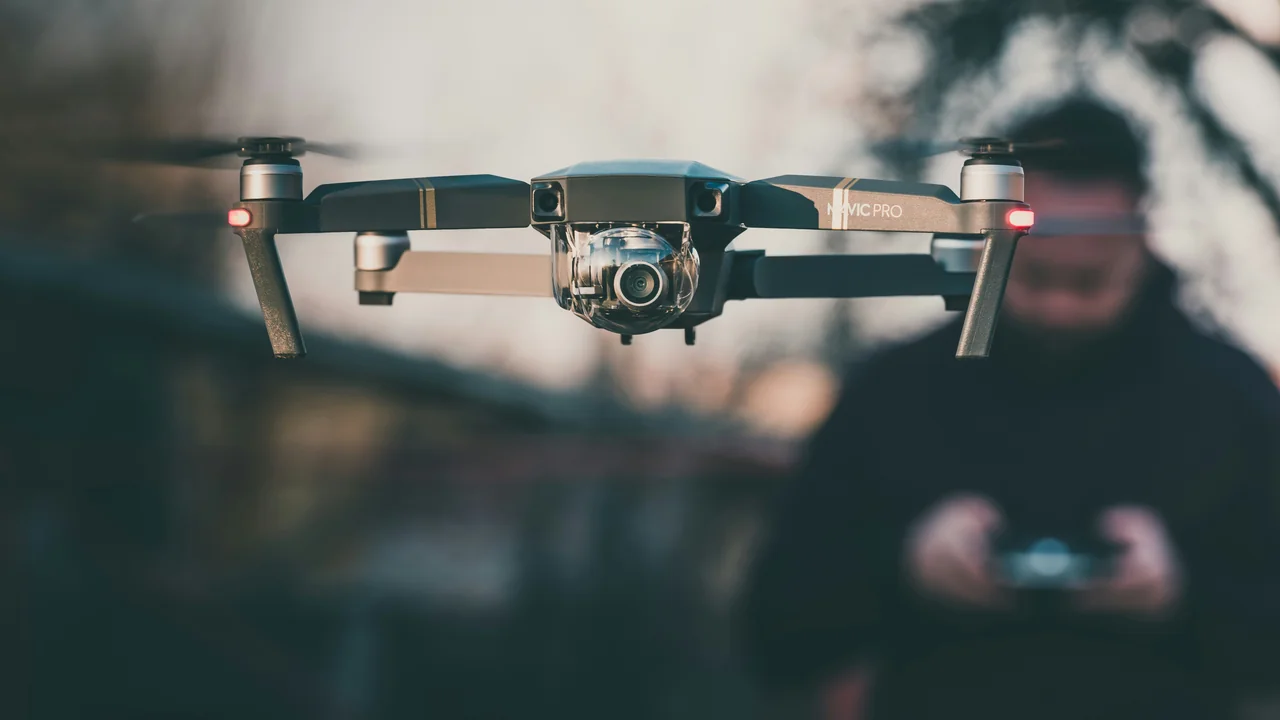
If you are planning to fly a drone in Quebec in 2026, you need to navigate a complex set of overlapping rules from Transport Canada, Parks Canada, and the provincial park authority SEPAQ. Understanding Quebec drone regulations is essential whether you are a resident pilot or a tourist visiting Montreal or Quebec City. This guide covers everything from federal registration requirements to specific restrictions in Montreal airspace, SEPAQ parks, and UNESCO heritage sites, ensuring you know exactly where you can and cannot fly.
What Are the Federal Transport Canada RPAS Rules for Quebec Pilots?
All drone operations in Quebec fall under Transport Canada’s Canadian Aviation Regulations (CARs) Part IX, which apply to Remotely Piloted Aircraft Systems (RPAS). These are the baseline rules that every pilot must follow before considering provincial or municipal restrictions.
The most critical threshold is 250 grams. If your drone weighs more than 250 grams at take-off, you must register it with Transport Canada (free of charge) and obtain a Pilot Certificate. For basic operations (flying in uncontrolled airspace, away from people), you need the free Basic RPAS Pilot Certificate, which requires passing an online exam. For advanced operations (flying near people or in controlled airspace), you need the Advanced RPAS Pilot Certificate, which involves an in-person flight review.
Altitude is strictly limited to 122 metres (400 feet) above ground level (AGL). You must keep your drone within visual line-of-sight at all times, and you cannot fly near airports, heliports, or emergency scenes without proper authorization. Airspace data is managed by NAV CANADA and accessible through the DroneZone portal.
Drone Rules Montreal: Navigating CYUL Trudeau and CYHU Airspace
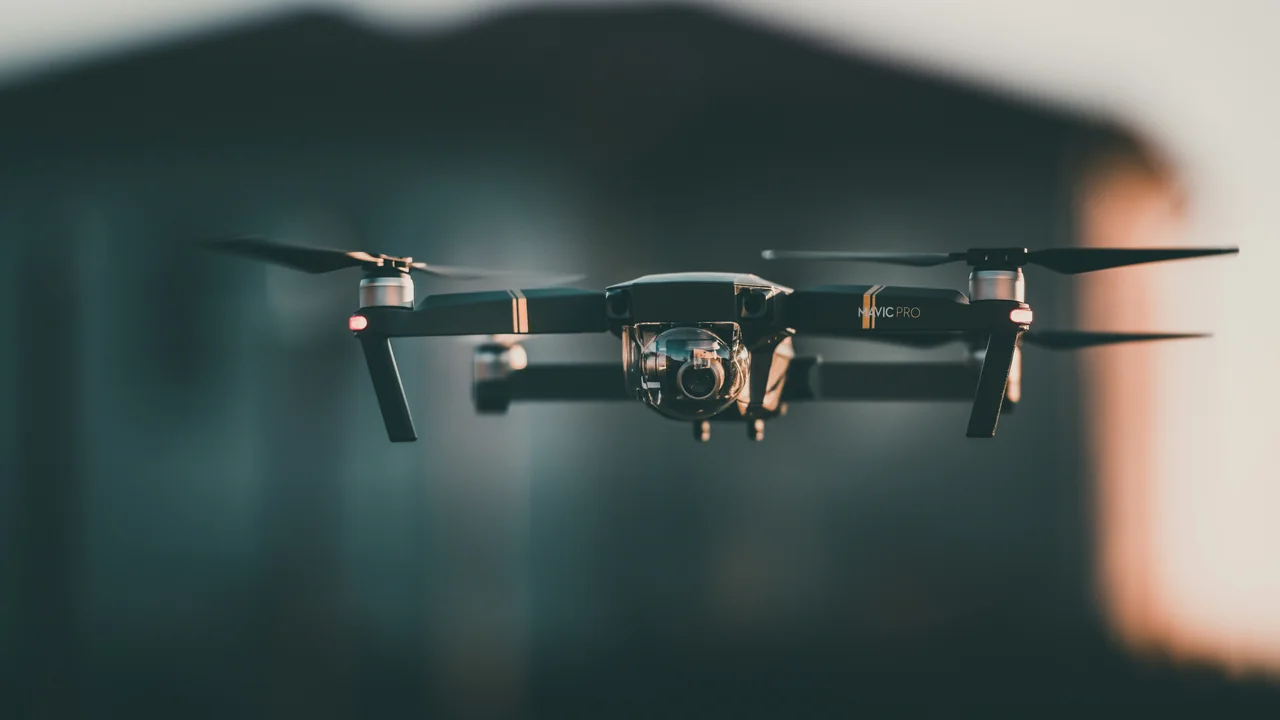
Montreal presents one of the most challenging airspace environments in Canada for drone pilots. The city is surrounded by controlled airspace associated with two major airports: Pierre Elliott Trudeau International Airport (CYUL) and Montréal/Saint-Hubert Airport (CYHU).
CYUL is a Class C airspace extending from the surface up to 3,000 feet AGL in a radius of approximately 10 nautical miles. Flying a drone in this zone without an Advanced RPAS Pilot Certificate and a Special Flight Operations Certificate (SFOC) from Transport Canada is illegal. The same applies to CYHU, which also has Class D airspace. In practice, most of downtown Montreal, including the Plateau, Old Montreal, and the Olympic Stadium area, falls within these controlled zones.
If you hold a Basic RPAS Certificate, you are restricted to flying in uncontrolled (Class G) airspace, which in Montreal is primarily found far from the city centre, such as in the western suburbs or agricultural areas. Always use the NAV CANADA DroneZone app or the No-Fly Zone Checker before launching to confirm your exact location.
Drone Laws Quebec City: CYQB Airspace and Heritage Restrictions
Quebec City’s airspace is dominated by Jean Lesage International Airport (CYQB), a Class C airport with controlled airspace extending to 3,000 feet AGL. The city centre, including Old Quebec, lies partially within this zone. Additionally, Quebec City has a heliport at the Hôpital de l’Enfant-Jésus, which creates a 1.8-kilometre (1-nautical-mile) no-fly zone.
Beyond airspace, Old Quebec (Vieux-Québec) is a UNESCO World Heritage Site. While Transport Canada does not explicitly ban drones over heritage sites, local bylaws and heritage protection regulations may apply. The City of Quebec has not enacted a specific drone ban, but the combination of controlled airspace and heritage sensitivity means you should exercise extreme caution. The narrow streets and high density of tourists make it a high-risk environment for recreational flying.
For pilots holding an Advanced RPAS Certificate, it is possible to request airspace authorization through NAV CANADA’s DroneZone portal to fly near CYQB, but this requires an SFOC and is rarely granted for recreational purposes.
Quebec Provincial Parks Drones: SEPAQ Rules and Permits
SEPAQ (Société des établissements de plein air du Québec) manages Quebec’s provincial parks, wildlife reserves, and tourist accommodations. The default policy across all SEPAQ territories is a blanket prohibition on drone take-off and landing within park boundaries, unless a specific permit is obtained.
This ban covers all SEPAQ-administered land, including national parks like Mont-Tremblant, Bic, and Gaspésie, as well as wildlife reserves like Laurentides and Portneuf. The rationale is based on wildlife disturbance, visitor safety, and noise pollution. Permits are issued only for scientific research, film production, or special events, and require a detailed application submitted weeks in advance. Recreational pilots should not expect approval.
| SEPAQ Territory Type | Drone Policy | Permit Required? |
|---|---|---|
| National Parks (e.g., Mont-Tremblant) | Prohibited | Yes (rarely granted) |
| Wildlife Reserves (e.g., Laurentides) | Prohibited | Yes (rarely granted) |
| Tourist Accommodations (e.g., Sépaq resorts) | Prohibited | Yes (rarely granted) |
Laurentides Drone Rules: Flying in the Laurentides Wildlife Reserve
The Laurentides Wildlife Reserve (Réserve faunique des Laurentides) is a vast SEPAQ-managed area north of Quebec City, popular for canoeing, fishing, and hiking. As with all SEPAQ territories, drone flights are prohibited without a permit. This applies to all sectors of the reserve, including the popular Jacques-Cartier River valley and the many lakes.
The reserve is also home to significant wildlife populations, including moose, black bears, and caribou. Drones can cause severe stress to these animals, especially during calving season (May to July). Even if you were to launch from outside the reserve boundary, flying over SEPAQ land is technically a violation of their policy, as the restriction covers the airspace above the territory.
If you are staying at a SEPAQ-managed camp or chalet within the reserve, the drone ban applies to the entire property. Your best option is to fly on adjacent Crown land, which is generally open, provided you respect all Transport Canada rules.
Mont-Tremblant Drone Rules: SEPAQ’s Flagship Park
Mont-Tremblant National Park (Parc national du Mont-Tremblant) is one of Quebec’s most popular provincial parks, attracting hikers, skiers, and nature lovers. SEPAQ explicitly prohibits drones in all national parks, including Mont-Tremblant. This ban is strictly enforced by park wardens who patrol trails and campgrounds.
The park covers 1,510 square kilometres of rugged terrain, including the famous Mont-Tremblant summit and the Diable River. Even if you see no other visitors, launching a drone is not permitted. The only exception is for authorized research or commercial filming projects with a valid SEPAQ permit, which requires liability insurance and a detailed flight plan.
For pilots staying in the Mont-Tremblant resort village (which is not part of the national park), you may fly over the village and surrounding areas, provided you are outside the park boundary and respect Transport Canada airspace rules. The closest controlled airspace is from Mont-Tremblant International Airport (CST9), a small aerodrome, so check for any NOTAMs before flying.
Parks Canada National Parks: La Mauricie and Forillon
Parks Canada, the federal agency, bans drones in all national parks, national historic sites, and national marine conservation areas across Canada. This includes two significant parks in Quebec: La Mauricie National Park and Forillon National Park.
La Mauricie National Park, located north of Trois-Rivières, is known for its rolling hills and over 150 lakes. Drones are strictly prohibited anywhere within park boundaries. The same applies to Forillon National Park at the tip of the Gaspé Peninsula, which features dramatic cliffs and seabird colonies. The ban is enforced by Parks Canada wardens, and violators can face fines of up to C$25,000.
The only way to fly in these parks is with a Parks Canada research permit, which is rarely issued and requires months of advance planning. For recreational pilots, the message is clear: avoid all Parks Canada sites entirely.
Quebec Crown Land: Are Drones Allowed on Terres de la Couronne?
Crown land in Quebec (terres de la Couronne) represents about 92% of the province’s land area and is managed by the Ministère des Ressources naturelles et des Forêts. Unlike SEPAQ territories, Crown land is generally open to drone flights, provided you follow all Transport Canada regulations.
This is excellent news for recreational pilots looking for remote flying locations. Crown land areas north of Montreal, in the Laurentians, and throughout the Abitibi-Témiscamingue region offer vast, uncontrolled airspace. However, you must still respect altitude limits, avoid wildlife, and stay at least 30 metres from people, vehicles, and buildings (unless you have explicit permission).
Be aware that Crown land may overlap with wildlife reserves, ecological reserves, or protected areas that have their own drone restrictions. Always check local signage and use the No-Fly Zone Checker to confirm your location is not within a restricted zone. Additionally, if you are on Crown land that borders a SEPAQ park, ensure you do not fly over the park’s airspace.
Old Quebec UNESCO World Heritage Site: Drone Restrictions
Old Quebec (Vieux-Québec) is a UNESCO World Heritage Site, and while UNESCO itself does not regulate drones, the site’s designation adds layers of local sensitivity. The City of Quebec has not enacted a specific bylaw banning drones over the historic district, but the area falls almost entirely within the CYQB controlled airspace, making it inaccessible for Basic RPAS Certificate holders.
Even for Advanced pilots with airspace authorization, flying over Old Quebec is strongly discouraged due to the density of pedestrians, narrow streets, and the presence of federal buildings (such as the Citadelle) that have their own security restrictions. The Quebec government has also expressed concerns about drone noise affecting the heritage ambience, and future municipal bylaws may impose additional restrictions.
Your safest option for capturing aerial footage of Old Quebec is to fly from the Plains of Abraham (Parc des Champs-de-Bataille), a large open space west of the old city. However, even there, you must confirm you are outside controlled airspace and avoid flying over crowds. As of 2026, no provincial or municipal law explicitly bans drones over the UNESCO site, but the airspace limitations effectively prevent most recreational flights.
Final Thoughts on Flying Drones in Quebec in 2026
Quebec offers diverse flying opportunities, from remote Crown land in the Laurentians to the urban challenges of Montreal and Quebec City. The key to staying legal is understanding the three layers of regulation: federal Transport Canada rules, federal Parks Canada bans, and provincial SEPAQ restrictions.
For most recreational pilots, your best bet is to fly on Crown land outside of controlled airspace. Always carry your registration and pilot certificate, and check airspace status before every flight using the No-Fly Zone Checker. If you are visiting from another country, note that Transport Canada requires foreign pilots to follow the same rules, including registration for drones over 250 grams.
Remember that SEPAQ parks and Parks Canada sites are completely off-limits for recreational drones. Respecting these boundaries not only keeps you legal but also protects Quebec’s wildlife and natural beauty for future generations.
Frequently Asked Questions
Are drones allowed in Quebec Provincial Parks?
No, drones are not allowed in Quebec provincial parks managed by SEPAQ without a special permit. This includes all national parks like Mont-Tremblant, Bic, and Gaspésie, as well as wildlife reserves like Laurentides. Permits are only issued for scientific research or commercial filming, and recreational flights are never approved. Launching a drone from outside the park boundary and flying over it is also a violation of SEPAQ policy.
Can I fly a drone in Montreal?
Flying a drone in Montreal is highly restricted due to the controlled airspace around Pierre Elliott Trudeau International Airport (CYUL) and Saint-Hubert Airport (CYHU). Most of the city centre falls within Class C or D controlled airspace, which requires an Advanced RPAS Pilot Certificate and a Special Flight Operations Certificate (SFOC) from Transport Canada. Basic RPAS Certificate holders are limited to uncontrolled (Class G) airspace, which is found primarily in the outer suburbs and agricultural areas. Always check the NAV CANADA DroneZone app before flying.
What are the drone laws in Quebec?
Quebec drone laws are based on Transport Canada’s federal CARs Part IX, which require registration and a pilot certificate for drones over 250 grams. Altitude is limited to 122 metres (400 feet) AGL, and drones must remain within visual line-of-sight. Additionally, Quebec has provincial restrictions: SEPAQ parks ban drones entirely, and Parks Canada bans drones in national parks like La Mauricie and Forillon. Crown land is generally open for flying, provided you respect airspace and safety rules. Always verify airspace using the No-Fly Zone Checker.
Are drones banned near Old Quebec City?
Drones are not explicitly banned by municipal bylaw over Old Quebec City, but the area falls mostly within the controlled airspace of Jean Lesage International Airport (CYQB). This means Basic RPAS Certificate holders cannot fly there legally. Even for Advanced pilots, flying over the UNESCO World Heritage Site is discouraged due to pedestrian density and heritage sensitivity. The Plains of Abraham offer a safer alternative, but you must still confirm you are outside controlled airspace.
Can I fly in La Mauricie National Park?
No, drones are strictly prohibited in La Mauricie National Park, as it is a Parks Canada-administered site. The ban applies to all drones, regardless of weight or purpose, and is enforced by park wardens. Violators can face fines of up to C$25,000. The only exception is for authorized research projects with a Parks Canada permit, which are rarely granted. For recreational flying, look for Crown land outside the park boundaries.
Are drones allowed on Quebec Crown Land?
Yes, drones are generally allowed on Quebec Crown land (terres de la Couronne), provided you follow all Transport Canada regulations. Crown land covers about 92% of the province and offers excellent flying opportunities in remote areas. However, you must avoid wildlife reserves, ecological reserves, and any area that overlaps with SEPAQ or Parks Canada territory. Always check local signage and use the No-Fly Zone Checker to confirm your location is not restricted.
Last updated: June 25, 2026
- Transport Canada – Drone Safety (tc.canada.ca/en/aviation/drone-safety)
- SEPAQ – Drone Policy (sepaq.com)
- Parks Canada – Aircraft and Drone Use (pc.gc.ca)
- NAV CANADA – DroneZone Portal
- Canadian Aviation Regulations Part IX
Drone Allowed
DroneAllowed editor covering drone regulations, aviation law, and aerial photography across USA, UK, Canada & Australia.