
South Carolina Drone Laws 2026: Myrtle Beach, Charleston & Rules
 13 min read
2,423 words
13 min read
2,423 words
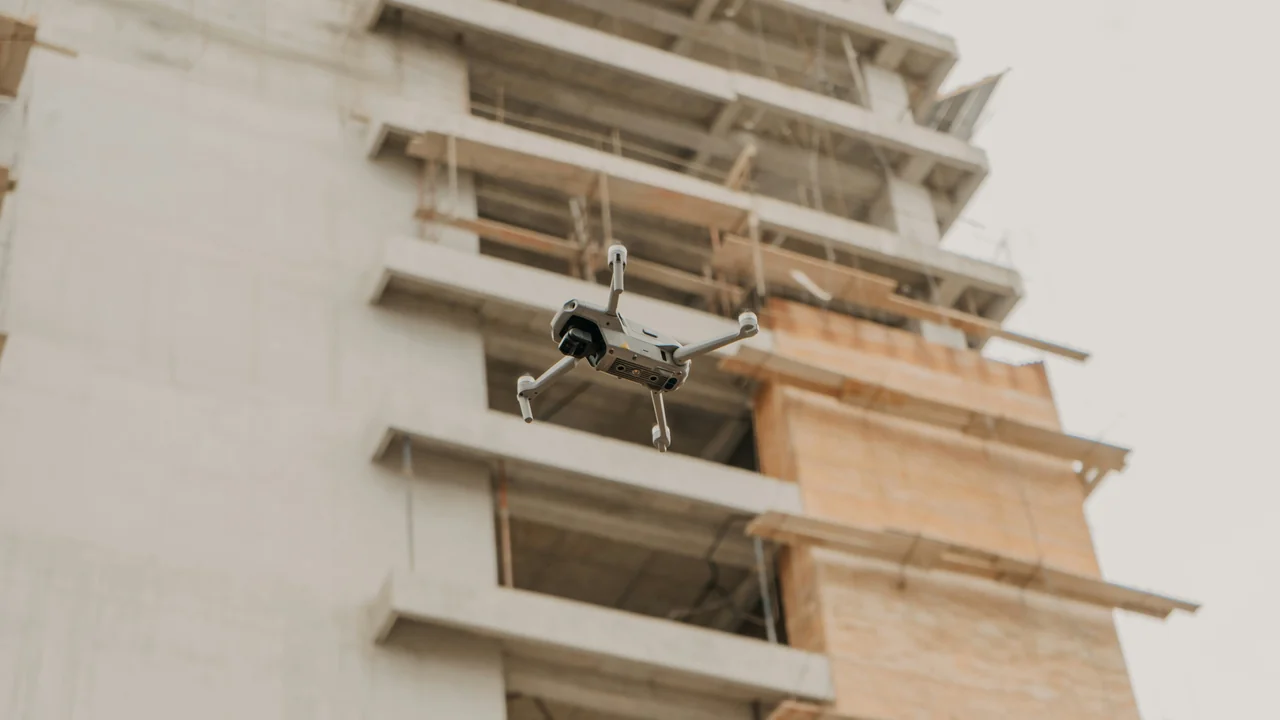
If you are planning to fly a drone in South Carolina in 2026, especially around popular destinations like Myrtle Beach or Charleston, you need to understand a layered set of rules that go far beyond the basic FAA guidelines. South Carolina drone regulations are a combination of federal airspace rules, state-level statutes, and strict local ordinances that can turn a casual beach flight into a costly mistake. This guide breaks down exactly where you can fly, where you cannot, and what specific rules apply to the state’s most visited areas, including Congaree National Park, Hilton Head, and the state park system.
What Are the Federal FAA Drone Rules You Must Follow in South Carolina?
Before diving into state-specific laws, you must comply with the FAA’s baseline requirements. These apply to every drone flight in the United States, including all of South Carolina.
If your drone weighs more than 0.55 pounds (250 grams), you must register it with the FAA through the FAA DroneZone. This includes popular models like the DJI Mini 4 Pro (249g) which avoids registration only if flown strictly for recreational purposes and without any modifications that increase weight. The registration costs $5 and is valid for three years. You must also fly below 400 feet above ground level (AGL), keep your drone within visual line of sight, and never fly over people or moving vehicles unless you have a Part 107 waiver. For commercial operations, a Part 107 Remote Pilot Certificate is mandatory.
What Does South Carolina State Law (SC Code 55-1-30) Say About Drones?
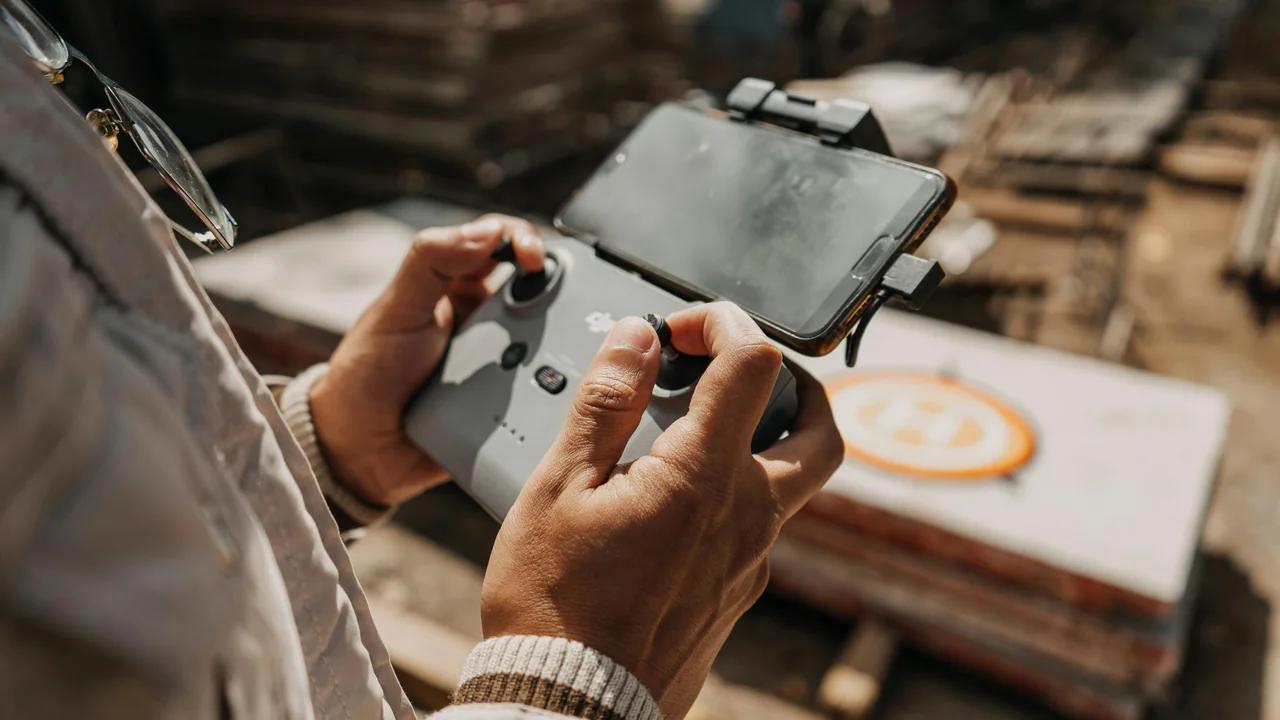
South Carolina has its own drone statute codified as SC Code Section 55-1-30. This law was enacted to address privacy concerns and restrict certain uses of drones by law enforcement and private citizens alike. The key provision prohibits the use of drones for surveillance of individuals or private property without consent. This means you cannot fly your drone over someone’s backyard, through their open windows, or over private gatherings to record video. Violating this law is a misdemeanor punishable by fines and potential jail time. For pilots, this translates into a practical rule: always maintain a respectful distance from private residences and avoid hovering over people who are not part of your flight crew. The law does not ban recreational flying, but it creates a legal trap for careless operators.
Can You Fly a Drone at Congaree National Park?
No. Congaree National Park, located near Columbia, is the only old-growth bottomland hardwood forest in the entire National Park Service system. As with all National Park Service (NPS) lands, drones are strictly prohibited. The NPS ban, enacted in 2014, applies to launching, landing, and operating drones within park boundaries. This includes the popular Boardwalk Loop Trail and the Congaree River. Rangers actively patrol and issue citations. The fine can be up to $5,000. There are no exceptions for recreational or commercial pilots. If you want to photograph the ancient cypress trees, you must do so from the ground.
What Are the Drone Rules at Kings Mountain National Military Park and Cowpens National Battlefield?
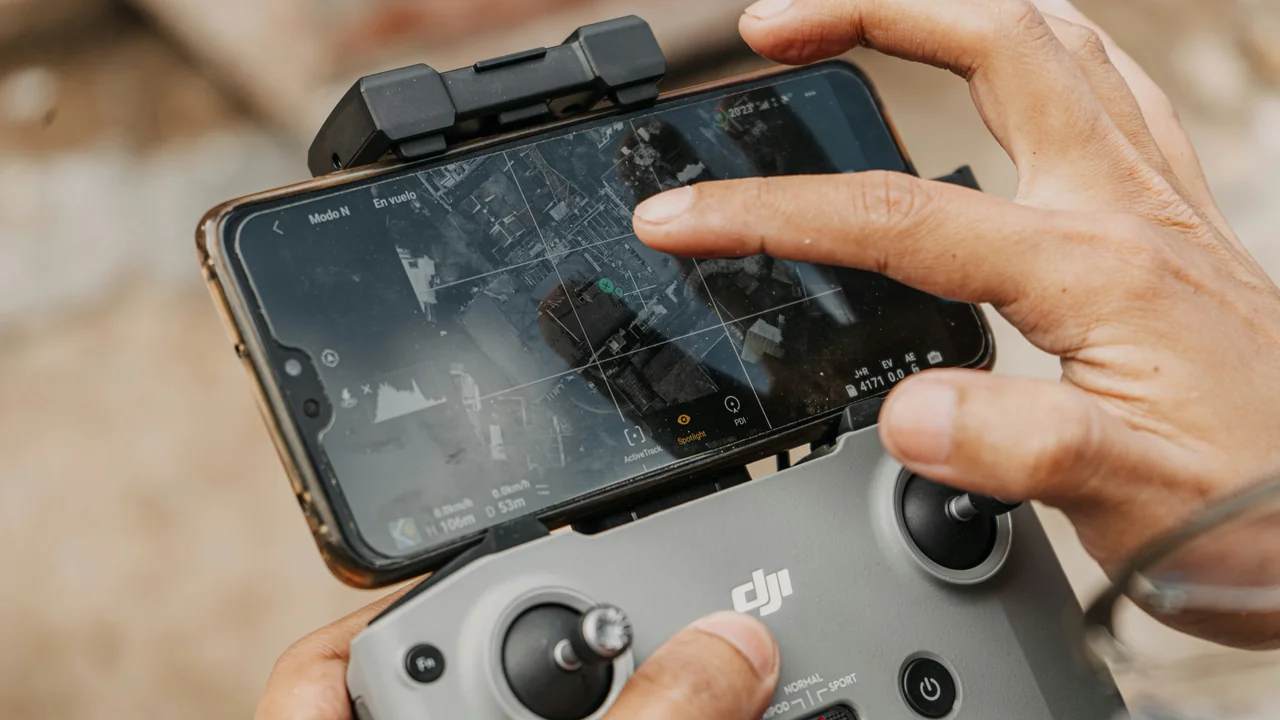
Both Kings Mountain National Military Park and Cowpens National Battlefield are part of the NPS system and are subject to the same drone ban. Kings Mountain, near the North Carolina border, is a historic Revolutionary War site with wooded trails and a visitor center. Cowpens, located near Chesnee, is another battlefield where the ban is strictly enforced. Park signage clearly indicates the no-drone policy. If you are caught flying, your drone may be confiscated and you could face federal charges. The best alternative is to fly in nearby state parks or private land with permission, but never within the NPS boundaries.
Drone Laws Myrtle Beach: Can You Fly on the Grand Strand?
Myrtle Beach is one of the most visited beach destinations in the United States, but its drone laws are among the most restrictive for coastal cities. The primary issue is Myrtle Beach International Airport (MYR), which creates Class D airspace that extends directly over the popular Grand Strand beach area. The Class D airspace covers a radius of about 5 miles from the airport and extends from the surface up to 2,500 feet. This means you cannot fly a drone on most of the public beach without prior authorization from the FAA via the LAANC system.
Myrtle Beach City Ordinances
Beyond the FAA airspace, the City of Myrtle Beach has its own municipal code that prohibits drone operations over city-owned parks and beaches without a special permit. This includes the entire oceanfront boardwalk area, the Myrtle Beach State Park (which is a state park, see below), and all public beach access points. The city ordinance is enforced by local police, and fines start at $250. The only legal way to fly in Myrtle Beach is to find a private property owner who gives you written permission to launch from their land, and you must still comply with FAA airspace restrictions. Even then, you cannot fly over people or the beach itself.
Drone Laws Charleston SC: Navigating Historic District and Airport Airspace
Charleston presents a unique challenge for drone pilots due to its combination of historic district density, Charleston International Airport (CHS), and military airspace. CHS is a Class C airport with a surface area that covers downtown Charleston and extends outward. You must obtain LAANC authorization before flying anywhere within the Class C ring. The historic district, with its narrow streets and high tourist traffic, is not a safe or legal place to fly due to the prohibition on flying over people.
Marine Corps Air Station Beaufort and Military Restricted Areas
South of Charleston, Marine Corps Air Station Beaufort is a major military installation. The airspace around it is restricted and often has Temporary Flight Restrictions (TFRs) that are not always published on standard apps. You must check the FAA’s NOTAM system before flying anywhere near Beaufort. The restricted area extends several miles from the base and is actively monitored by military radar. Flying into this airspace can result in interception by military aircraft and severe penalties.
Hilton Head Drone Rules: What About the Resort Island?
Hilton Head Island is served by Hilton Head Airport (HHH), which is a Class D airport. The Class D airspace covers the entire island and extends from the surface to 2,500 feet. This means you need LAANC authorization for every flight on Hilton Head. Additionally, the Town of Hilton Head Island has its own noise and privacy ordinances that restrict drone operations near residential areas and resorts. Many of the island’s gated communities and golf resorts have private rules banning drones. You must contact the property management before flying. The public beaches on Hilton Head are also within the Class D zone, making them effectively off-limits without prior authorization.
South Carolina State Parks and Drones: What Is the Policy?
The South Carolina Department of Parks, Recreation & Tourism (SCPRT) has a clear policy: drones are prohibited in all South Carolina State Parks unless you obtain a special use permit. This includes popular parks like Hunting Island State Park, which is a coastal barrier island near Beaufort known for its lighthouse and beaches. The permit is rarely granted to recreational pilots and is typically reserved for commercial film production or scientific research. You cannot launch, land, or operate a drone from any state park property. The fine for violating this policy is up to $500 and possible confiscation of your drone. The ban applies to all 47 state parks, including Table Rock State Park, Devils Fork State Park, and Paris Mountain State Park.
Where You Can Fly in SC
- Private land with owner permission
- Rural areas outside controlled airspace
- Some county parks (check local rules)
- Open farmland (avoid livestock)
Where You Cannot Fly
- All NPS lands (Congaree, Kings Mountain, Cowpens)
- All SC State Parks
- Myrtle Beach public beaches and city parks
- Within 5 miles of any airport without LAANC
How to Check Airspace Before Flying in South Carolina
Before every flight, you must check the FAA’s airspace map. The easiest way is to use the FAA’s B4UFLY app or a third-party tool like our No-Fly Zone Checker. This tool will show you the controlled airspace around airports like MYR, CHS, and HHH, as well as military restricted zones near Beaufort and other sensitive areas. You can also use our Weight Checker to confirm if your drone needs registration.
Use the B4UFLY app or No-Fly Zone Checker to identify controlled airspace near your planned flight location.
If you are in controlled airspace, submit a LAANC request through an approved service provider (like AirMap or Kittyhawk). Approval is often instant for altitudes under 200 feet.
Verify that the city or county does not have its own drone ban. Myrtle Beach, Charleston, and Hilton Head all have local restrictions.
Ensure you have permission to launch from private property if you are not on public land.
Final Thoughts on South Carolina Drone Laws in 2026
Flying a drone in South Carolina requires careful planning. The combination of FAA airspace, state privacy laws, and local ordinances creates a complex web that can easily trap an unprepared pilot. Myrtle Beach and Charleston are the most restricted areas due to their airports and high tourist density. Your safest bet is to fly in rural areas away from airports, state parks, and national parks. Always check airspace before launching, and never assume a beach or park is open for drone use. If you stick to private land with permission and remain below 400 feet, you can enjoy South Carolina’s diverse landscapes without legal trouble.
Frequently Asked Questions
Are drones allowed at Myrtle Beach?
Drones are generally not allowed on the public beaches or city parks of Myrtle Beach due to a combination of FAA Class D airspace from Myrtle Beach International Airport and a city ordinance prohibiting drone operations without a permit. The Class D airspace covers the entire Grand Strand beach area, requiring LAANC authorization for any flight. Even with authorization, the city ordinance bans launching or landing on public property. The only legal way to fly near Myrtle Beach is from private property with the owner’s written permission, while still adhering to FAA altitude and airspace rules.
Can I fly a drone in Charleston South Carolina?
You can fly a drone in Charleston, but only in areas outside the Class C airspace of Charleston International Airport (CHS) or with prior LAANC authorization. The historic district and downtown areas are within the controlled airspace and also have high pedestrian density, making it illegal to fly over people. You must avoid Marine Corps Air Station Beaufort to the south. Most legal flights in Charleston occur in rural parts of the county or over private land with permission. Always check the FAA’s airspace map before flying.
What are the drone rules near Myrtle Beach Airport?
Myrtle Beach International Airport (MYR) is a Class D airport with a controlled airspace radius of approximately 5 miles from the airport, extending from the surface to 2,500 feet. You cannot fly a drone within this airspace without prior LAANC authorization, which is typically granted for altitudes below 200 feet in certain areas. The airspace covers most of the Grand Strand, including the oceanfront. Violating this airspace can result in FAA enforcement actions, including fines up to $11,000 per violation. Always request authorization through an approved LAANC service provider before flying near MYR.
Are drones banned in South Carolina State Parks?
Yes, drones are banned in all 47 South Carolina State Parks unless you obtain a special use permit from the South Carolina Department of Parks, Recreation & Tourism. This includes popular parks like Hunting Island State Park, Table Rock State Park, and Devils Fork State Park. The ban covers launching, landing, and operating drones from any park property. Permits are rarely granted to recreational pilots and are typically reserved for commercial film production or scientific research. Violating this policy can result in fines up to $500 and confiscation of your drone.
Can I fly a drone at Congaree National Park?
No, drones are strictly prohibited at Congaree National Park, as they are in all National Park Service units. Congaree is the only old-growth bottomland hardwood forest in the NPS system, and the ban is enforced by park rangers. You cannot launch, land, or operate a drone anywhere within the park boundaries, including the Boardwalk Loop Trail and the Congaree River. Fines for violating the ban can reach up to $5,000. The nearest legal flying areas are outside the park on private land with permission.
What is South Carolina’s drone law?
South Carolina’s primary drone law is SC Code Section 55-1-30, which prohibits the use of drones for surveillance of individuals or private property without consent. This law makes it illegal to fly a drone over private residences, through open windows, or over private gatherings to record video or take photos. Violating this law is a misdemeanor punishable by fines and potential jail time. The law does not ban recreational flying but creates a legal requirement to respect privacy. It applies in addition to all FAA regulations and local ordinances.
Last updated: June 25, 2026
- Federal Aviation Administration (faa.gov)
- South Carolina Code of Laws Section 55-1-30
- National Park Service (nps.gov)
- South Carolina Department of Parks, Recreation & Tourism
- City of Myrtle Beach Municipal Code
Drone Allowed
DroneAllowed editor covering drone regulations, aviation law, and aerial photography across USA, UK, Canada & Australia.