
Can You Fly a Drone Over a Cemetery? (National Cemetery Rules & More)
 17 min read
3,212 words
17 min read
3,212 words
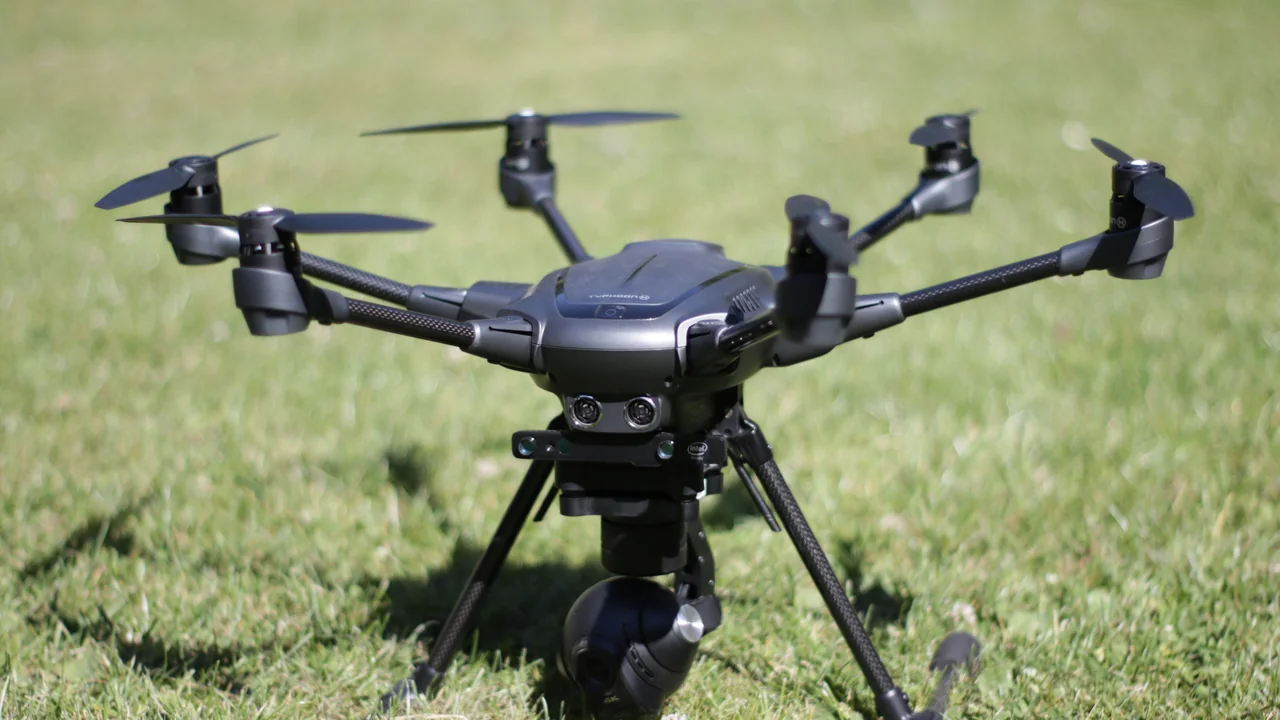
If you are wondering can you fly a drone over a cemetery, the short answer is: it depends entirely on who owns and manages the land. There is no single FAA rule that bans drone flights over all cemeteries, but a complex patchwork of federal, state, and local regulations applies depending on whether the cemetery is a national veterans cemetery, a private burial ground, or a historic site. In this guide, you will learn the specific rules for every type of cemetery in the United States, plus key considerations for the UK and Australia, so you can fly legally and respectfully.
Is There a Blanket FAA Ban on Flying Drones Over Cemeteries?
The Federal Aviation Administration (FAA) does not have a specific rule that prohibits drone flights over all cemeteries. The FAA regulates the national airspace and focuses on safety, not land use. However, that does not mean you can simply launch your drone over any cemetery. The FAA’s rules on flying over people, operating within controlled airspace, and maintaining visual line of sight still apply. What makes cemetery flights complex is that the land itself is governed by property law, and each cemetery owner sets their own policies.
National Cemetery Drone Ban: What the VA Says
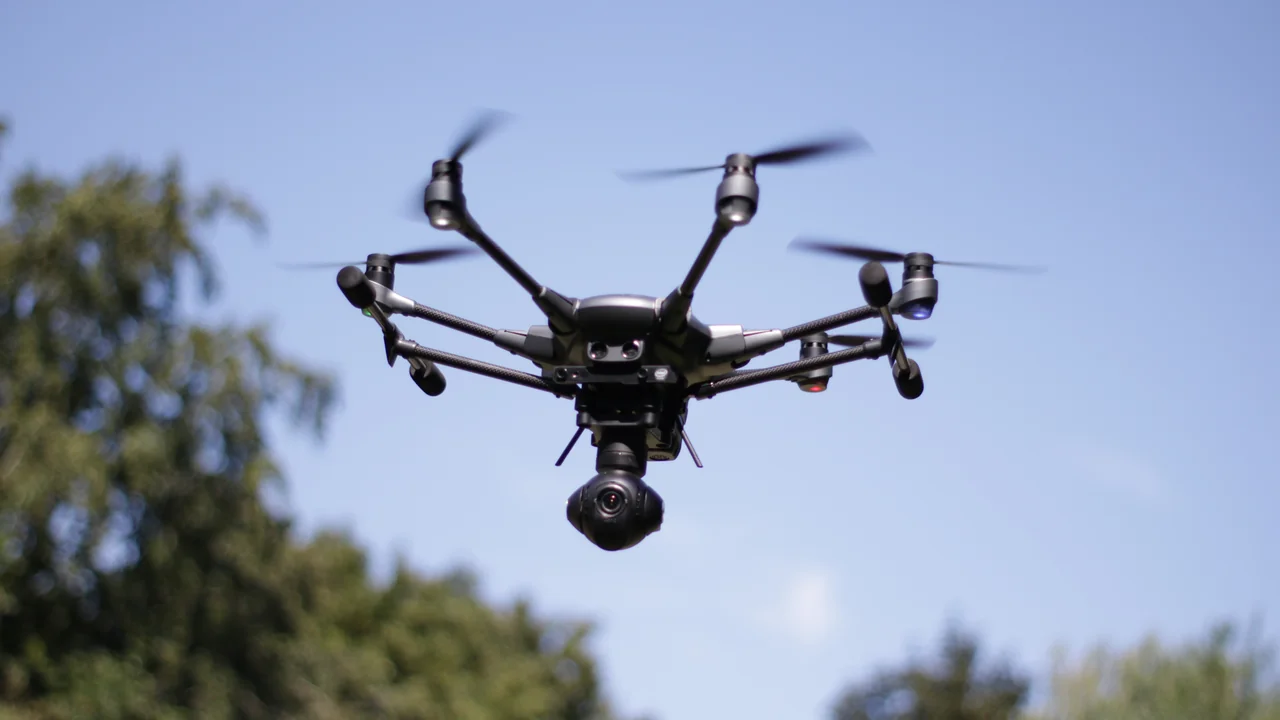
The most significant restriction comes from the U.S. Department of Veterans Affairs (VA), which manages the National Cemetery Administration (NCA). There are 155 national cemeteries across the United States, and the VA has a clear policy: drones are prohibited unless you obtain written permission from the cemetery superintendent.
To get permission, you must submit a written request explaining the purpose of your flight, the drone model you plan to use, and the specific dates and times. The superintendent will evaluate each request on a case-by-case basis. In practice, permission is rarely granted for recreational flights. Memorial events, official ceremonies, and approved research projects are more likely to receive approval.
Arlington National Cemetery: A Complete Ban
Arlington National Cemetery is the most famous veterans cemetery in the United States, but it is not managed by the VA. It falls under the Department of the Army and is located within the Washington, D.C. Flight Restricted Zone (FRZ). Drones are completely banned at Arlington National Cemetery. There is no exception for hobbyists, photographers, or even media. The airspace restrictions alone make it illegal to fly within a 15-nautical-mile radius of the D.C. area without special FAA authorization, which is virtually impossible to obtain for recreational drone flights.
State Veterans Cemeteries: Rules Vary by State
Each state operates its own network of veterans cemeteries, and the rules vary widely. Some states, like California and Texas, have adopted policies similar to the VA’s written-permission requirement. Others, such as New York, explicitly ban drones in all state-operated veterans cemeteries. A few states have no specific drone policy, which means you must rely on general state park rules or local ordinances.
| State Veterans Cemetery Type | Typical Drone Policy | Best Course of Action |
|---|---|---|
| VA National Cemeteries | Written permission required from superintendent | Submit formal request; expect denial for recreational flights |
| State-Operated Veterans Cemeteries | Varies by state; often mirrors VA policy | Contact the state Department of Veterans Affairs directly |
| Arlington National Cemetery | Complete ban due to DC FRZ | Do not attempt to fly; penalties include fines and confiscation |
NPS-Managed Historic Cemeteries: Gettysburg, Antietam, and More
The National Park Service (NPS) manages dozens of historic cemeteries that are part of larger battlefield parks or national memorials. Gettysburg National Military Park, Antietam National Battlefield, and the cemetery at the USS Arizona Memorial are all NPS sites. The NPS has a clear policy: drones are banned in all national parks, including the cemeteries within them. This ban is not negotiable. You cannot fly a drone over any NPS-managed cemetery, regardless of whether you are filming a family grave or capturing landscape shots.
Private Cemeteries: Private Property Rules Apply
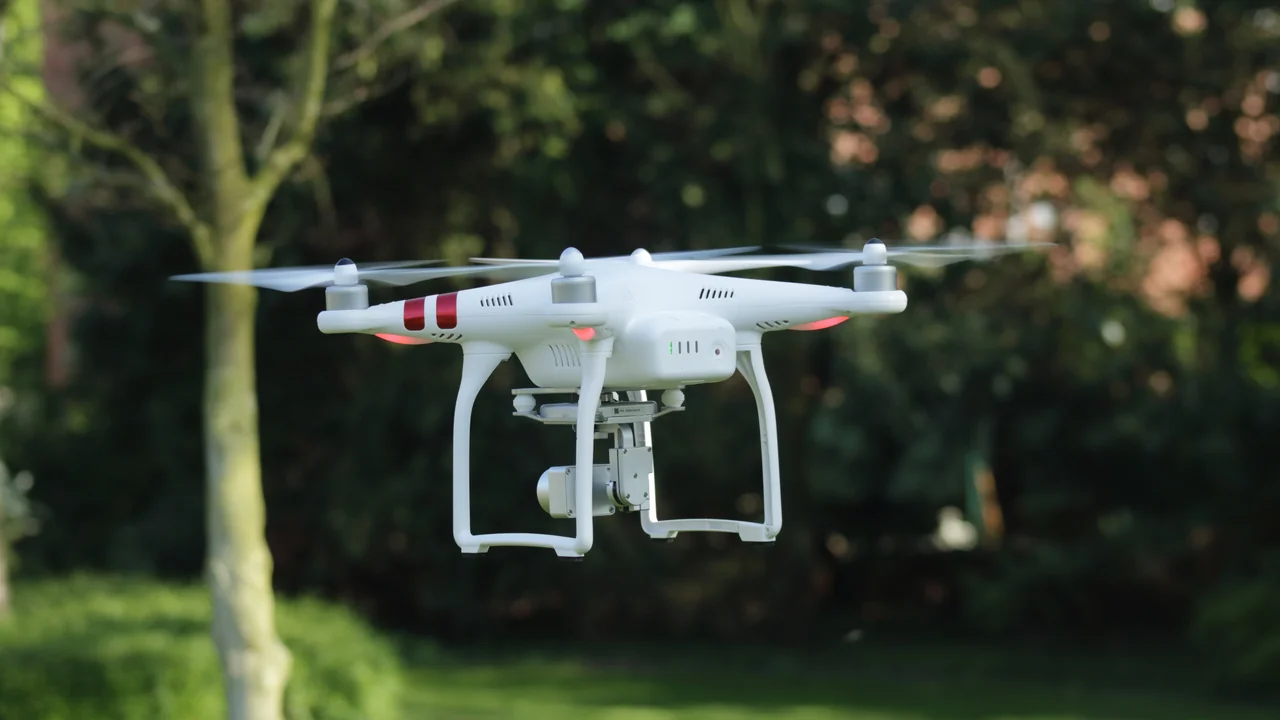
Private cemeteries are owned by religious organizations, families, or corporations. Because these are private properties, the owner has the right to prohibit drone flights. Even if there is no posted sign, you should assume that flying a drone over a private cemetery requires permission from the cemetery operator. Trespassing laws apply to the airspace immediately above the property, and the FAA’s rules on flying over private land do not override the landowner’s rights.
Pros of Getting Permission
- Legal protection from trespass claims
- Positive relationship with cemetery staff
- Ability to fly during off-hours for better lighting
Cons of Flying Without Permission
- Risk of trespassing citation
- Possible drone confiscation by security
- Damage to reputation and trust
Municipal and County Cemeteries: Local Government Rules
Many cemeteries are owned and operated by cities, towns, or counties. These are public properties, but they are not public parks. Local governments often have specific ordinances that regulate drone flights over city-owned cemeteries. For example, the City of Los Angeles prohibits drone flights over all city-owned cemeteries without a permit. In Chicago, the city’s park district bans drones in all cemeteries within its jurisdiction. You must check the local municipal code or contact the cemetery office before flying.
Historic Cemeteries and Preservation Overlays
Historic cemeteries may have additional protections under local preservation ordinances. If a cemetery is listed on the National Register of Historic Places, the local historic preservation commission may have rules about low-altitude overflights that could disturb fragile headstones or archaeological features. Drone downdraft can dislodge loose stones or scatter soil, which is a legitimate concern for preservationists. Always verify whether the cemetery has a historic overlay before launching.
Ethical Considerations: Filming Funerals and Grieving Families
Beyond legal restrictions, there is a strong ethical case against flying a drone over a cemetery during active funerals or when families are present. Privacy laws in most states restrict filming people in situations where they have a reasonable expectation of privacy. A funeral is arguably the most private moment in a person’s life. Even if you are legally allowed to fly, buzzing a drone over a graveside service is deeply disrespectful. Most professional drone photographers avoid cemeteries entirely during business hours, reserving flights for early morning or late evening when the grounds are empty.
Drone at a Funeral: What the Law Says
Flying a drone at a funeral is one of the most legally risky drone operations you can attempt. Beyond the cemetery-specific rules, you must consider state privacy laws. Many states have enacted “funeral privacy” laws that explicitly ban drone flights within a certain distance of a funeral service. In Florida, for example, it is a felony to operate a drone within 500 feet of a funeral or memorial service. In Louisiana, the law prohibits drones from flying below 500 feet over a funeral. These laws carry fines and potential jail time.
Photography in Cemeteries: Drone vs. Ground-Level
Ground-level photography in cemeteries is generally allowed, provided you do not disturb visitors or damage property. Drone overflight adds complexity because it introduces noise, visual intrusion, and the perception of surveillance. If you want aerial shots of a cemetery, your best approach is to contact the cemetery office in advance, explain your project, and ask for written permission. Many cemetery operators will grant access during off-hours if you demonstrate professionalism and respect.
International Rules: UK and Australia
UK: Church of England Churchyards and Commonwealth War Graves
In the United Kingdom, most cemeteries are owned by the Church of England or local councils. The Civil Aviation Authority (CAA) does not have a specific ban on drones over cemeteries, but the landowner’s permission is required. Churchyards are private property of the church, and flying a drone over them without permission could be considered trespass. The Commonwealth War Graves Commission (CWGC), which maintains war cemeteries across the UK and Europe, has a policy that prohibits drone flights over its sites without prior written approval. You must contact the CWGC’s media office to request permission.
Australia: RSL War Memorials and Local Rules
In Australia, the Civil Aviation Safety Authority (CASA) regulates drone operations, but cemetery rules are set by state and local governments. Many Returned and Services League (RSL) war memorials and veterans cemeteries have specific policies against drone flights. For example, the Australian War Memorial in Canberra bans drones entirely. Local councils in cities like Sydney and Melbourne have enacted by-laws that prohibit drone flights over cemeteries within their jurisdiction. Always check with the local council and the specific cemetery management before flying.
How to Check Cemetery Drone Rules Before You Fly
Before you launch your drone near any cemetery, follow this step-by-step process to ensure you are compliant:
Determine whether the cemetery is federal (VA or NPS), state, municipal, private, or religious. Each category has different rules.
Use the FAA’s B4UFLY app or our No-Fly Zone Checker to see if the cemetery falls within controlled airspace, a TFR, or a restricted zone like the DC FRZ.
Call or email the cemetery administrator. Ask specifically about drone policies. Get written permission if required.
Search for city or county drone ordinances that might apply to cemeteries. Some municipalities have blanket bans on drone flights over all public property.
If there is a funeral or visitors present, postpone your flight. Respect for the grieving always takes precedence over getting the shot.
Summary: Flying a Drone Over a Cemetery — What You Need to Know
Can you fly a drone over a cemetery? Yes, but only if you have verified the ownership, obtained the necessary permissions, and ensured no funerals or grieving families are present. The safest approach is to avoid VA national cemeteries and NPS-managed historic cemeteries entirely, as the bureaucratic hurdles are high and the ethical risks are significant. For private and municipal cemeteries, always request written permission first. Use our No-Fly Zone Checker to check airspace restrictions before planning any cemetery flight.
Frequently Asked Questions
Can you fly a drone over a cemetery legally?
Yes, it can be legal, but it depends on the cemetery’s ownership and management. There is no federal law banning drones over all cemeteries, but VA national cemeteries require written permission from the superintendent, and NPS-managed cemeteries are completely off-limits. Private cemeteries are private property, so you need the landowner’s consent. Always check local ordinances and avoid flying during funerals or when families are present.
Are drones banned at national cemeteries?
Drones are not automatically banned at all national cemeteries, but the VA’s policy requires written permission from the cemetery superintendent before any drone operation. In practice, permission is rarely granted for recreational flights. Arlington National Cemetery is a special case — it is located within the D.C. Flight Restricted Zone, making drone flights completely illegal there. State veterans cemeteries have varying rules, so you must check with the specific facility.
Can I fly a drone at Arlington National Cemetery?
No, you cannot fly a drone at Arlington National Cemetery under any circumstances. The cemetery is located within the Washington, D.C. Flight Restricted Zone (FRZ), which prohibits all drone operations without special FAA authorization. Additionally, the U.S. Army, which manages the site, has its own ban on unmanned aircraft. Violating this ban can result in federal fines, criminal charges, and confiscation of your drone.
Do you need permission to fly a drone at a private cemetery?
Yes, you need permission from the cemetery owner or operator before flying a drone over a private cemetery. Private cemeteries are owned by religious organizations, families, or corporations, and they have the right to prohibit drone flights on their property. Even if there are no posted signs, you should contact the cemetery office and request written authorization. Flying without permission could result in trespassing charges.
Is it legal to fly a drone over a graveyard?
Flying a drone over a graveyard is legal only if you comply with all applicable rules. The term “graveyard” often refers to a churchyard or small private burial ground, which is private property requiring landowner permission. If the graveyard is part of a larger park or historic site, additional restrictions may apply. You must also follow FAA airspace rules, avoid flying over people, and respect local privacy laws, especially during funerals.
What are the rules for drones at veterans cemeteries?
For VA national cemeteries, you must obtain written permission from the superintendent before flying a drone. State veterans cemeteries have rules that vary by state — some require permits, while others ban drones outright. Arlington National Cemetery is completely off-limits due to the D.C. FRZ. The best practice is to contact the specific cemetery directly and ask for their drone policy in writing before planning any flight.
What Happens If You Violate Cemetery Drone Rules
Violating cemetery drone rules can lead to penalties ranging from warnings to federal prosecution. The severity depends on the jurisdiction and whether you caused harm or disturbance.
Local municipal cemeteries typically issue citations under city ordinances. Fines range from $100 to $1,000 for first offenses. Private cemeteries may ban you from the property permanently and pursue civil trespass claims.
If you capture images of funeral services without consent, you may face additional legal action under state privacy laws. Several states, including Florida, Texas, and New York, have specific statutes prohibiting drone surveillance of grieving families.
Exceptions to Cemetery Drone Bans
Most cemetery drone bans include specific exceptions. Understanding these can help you determine if your flight is lawful.
| Exception Type | Typical Requirements | Common Examples |
|---|---|---|
| Historic documentation | Written permission from cemetery management and proof of preservation project | Aerial survey of historic headstones for restoration |
| Research or archaeology | Institutional approval and specific flight plan | Mapping burial plots for genealogical research |
| Emergency services | Official request from law enforcement or fire department | Search and rescue in cemetery grounds |
| Funeral live streaming | Explicit consent from the deceased’s family and cemetery approval | Broadcasting a graveside service to remote relatives |
How to Request Permission to Fly a Drone Over a Cemetery
If you have a legitimate reason to fly, follow this process to request permission legally.
Determine if it’s federal, state, municipal, or private. This tells you which authority to contact.
Check the cemetery’s website or call the administrative office. Ask for their written drone policy.
Write a letter or email explaining your purpose, flight plan, drone model, and safety measures. Include your FAA registration or Part 107 certificate.
Never rely on verbal permission. Get a signed document that specifies dates, times, and any restrictions.
Post signs or have staff inform visitors that a drone will be operating. Respect anyone who objects.
What to Do If You Witness a Drone Violating Cemetery Rules
If you see a drone flying over a cemetery during a funeral or disturbing visitors, do not confront the pilot directly. Instead, follow these steps.
- Note the drone’s color, size, and any markings
- Record the time and location of the flight
- Report to cemetery staff immediately
- If on federal property, contact the VA Police or NPS Law Enforcement
- For municipal cemeteries, call local non-emergency police
- Do not attempt to interfere with the drone’s flight path
Interfering with a drone could expose you to liability under federal aircraft interference laws. Let authorities handle the situation.
Final Thoughts on Flying Drones Over Cemeteries
Flying a drone over a cemetery is rarely worth the risk. The combination of federal bans on national cemeteries, private property rights at most other sites, and the ethical need to respect grieving families creates a near-total prohibition in practice.
If you must capture aerial footage of a cemetery, your safest option is to film from a public right-of-way outside the cemetery boundaries. Keep your drone at least 100 feet away from any burial plots and avoid flying during funeral hours. Always check with the FAA for airspace restrictions and with the cemetery for specific policies before you fly.
For more guidance on where you can and cannot fly, read our guide on drone laws in the United States.
Can I fly a drone over a cemetery for a family member’s funeral?
Only with explicit permission from the cemetery and consent from all immediate family members. Even then, you must follow FAA rules. Most cemeteries will deny this request to avoid setting a precedent.
Is flying a drone over a cemetery illegal?
It depends on the cemetery. Flying over a national cemetery is a federal violation. Over private or municipal cemeteries, it may violate local ordinances or trespass laws. Always check the specific rules.
Can I fly a drone over a cemetery at night?
Night flying over a cemetery is still subject to the same bans and restrictions. Additionally, you must comply with FAA night flying requirements, including anti-collision lighting. Unauthorized night flights are more likely to alarm security and neighbors.
What is the fine for flying a drone over Arlington National Cemetery?
Violators face up to $5,000 in fines and possible federal trespass charges. The U.S. Park Police actively patrol the area and have detained drone pilots in the past.
Do cemetery drone bans apply to toy drones or sub-250g drones?
Yes. Weight exemptions under FAA rules do not override cemetery policies. Even a DJI Mini 4 Pro weighing under 250 grams is subject to the same bans if the cemetery prohibits drones.
Last updated: July 04, 2026
- U.S. Department of Veterans Affairs, National Cemetery Administration Policy on Unmanned Aircraft Systems
- National Park Service, Director’s Order #100: Unmanned Aircraft Systems
- Federal Aviation Administration, 14 CFR Part 107 and Special Rule for Model Aircraft
- Commonwealth War Graves Commission, Drone Policy
- Civil Aviation Safety Authority (Australia), Part 101 of the CASR
Drone Allowed
DroneAllowed editor covering drone regulations, aviation law, and aerial photography across USA, UK, Canada & Australia.