
Can You Fly a Drone Over a Stadium? FAA Rules, TFRs & Event Restrictions
 15 min read
2,819 words
15 min read
2,819 words
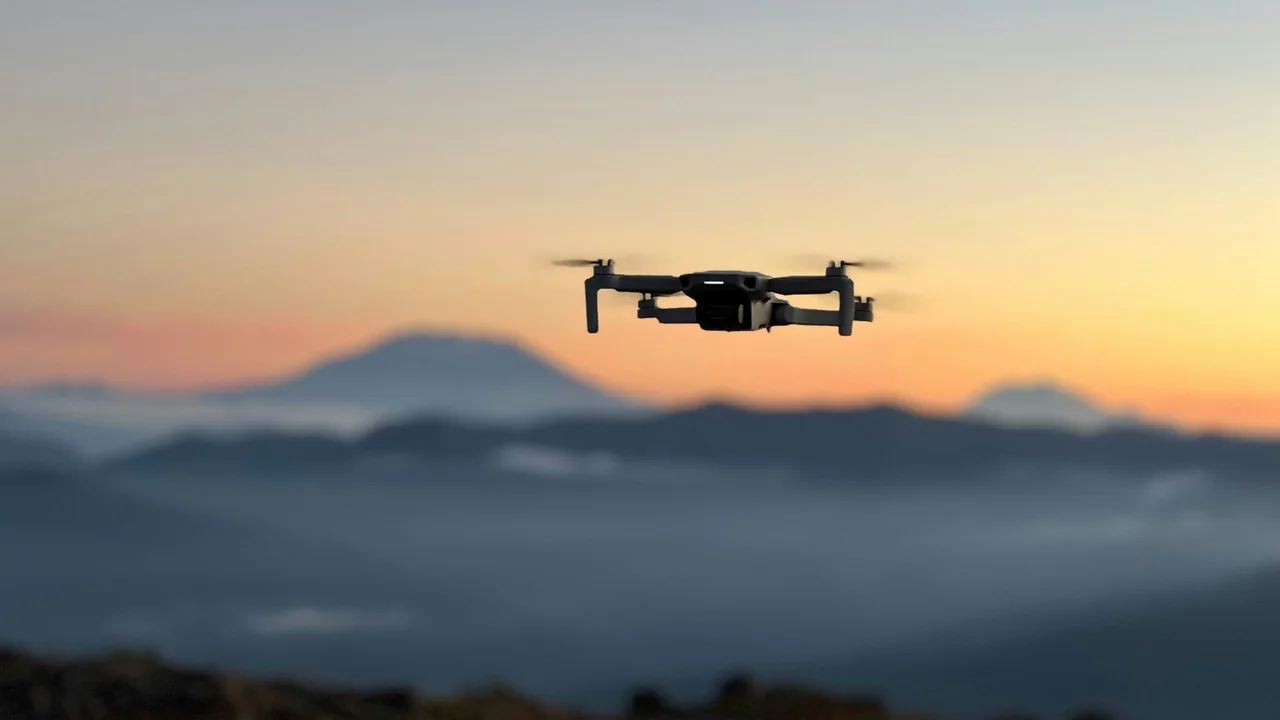
You’ve probably seen the aerial shots from professional sports broadcasts and wondered if you could capture the same view with your drone at a local stadium. The short answer is no. The FAA has a specific, automatic no-fly zone over stadiums during events, and the penalties are steep. In this guide, we’ll break down exactly what the rules are, why they exist, what happens if you break them, and how the regulations differ in the UK, Australia, and Canada. You’ll learn the difference between flying during a game and flying over an empty stadium, and what the 2026 Safer Skies Act means for drone pilots near major venues.
Can You Fly a Drone Over a Stadium Under FAA Rules?
The FAA’s rule on stadium overflight is one of the most straightforward and strictly enforced drone restrictions in the United States. The answer is a clear no during any covered sporting event. The regulation is codified in 14 CFR § 99.7, which establishes a temporary flight restriction (TFR) that is automatically in effect without needing a specific NOTAM to be filed. This TFR prohibits drone operations within a 3-nautical-mile radius of any stadium or venue hosting an NFL, MLB, NCAA Division I football, NASCAR, or IndyCar event. The restriction applies from one hour before the scheduled start of the event until one hour after the event concludes.
What does this mean for your flight? If you are within three miles of an NFL stadium on a Sunday afternoon, you are in a no-fly zone. The same applies to MLB parks during games, NASCAR tracks during races, and major college football stadiums. The restriction is not optional and does not require a waiver for recreational or commercial pilots. The only exceptions are for aircraft operating under an air traffic control clearance or for law enforcement and emergency response operations.
Which US Stadiums Are Specifically Covered by the FAA TFR?
The FAA’s list of covered venues is extensive and includes virtually every major professional and Division I college sports venue in the country. This includes all 30 NFL stadiums, all 30 MLB ballparks, all NBA arenas during playoff games, all NASCAR tracks, and the Indianapolis Motor Speedway. The restriction also applies to NCAA Division I football stadiums with a seating capacity of 30,000 or more. This means if you are near any of these venues during a scheduled event, the TFR is active. The list is not published as a single document but is defined by the type and scale of event being held.
| Sport / Event | Venue Examples | When Restriction Applies |
|---|---|---|
| NFL | All 32 stadiums (e.g., SoFi Stadium, Lambeau Field) | 1 hour before to 1 hour after game |
| MLB | All 30 ballparks (e.g., Yankee Stadium, Dodger Stadium) | 1 hour before to 1 hour after game |
| NCAA Division I Football | Stadiums with 30,000+ capacity (e.g., Ohio Stadium, Bryant-Denny Stadium) | 1 hour before to 1 hour after game |
| NASCAR | All tracks (e.g., Daytona International Speedway, Talladega Superspeedway) | 1 hour before to 1 hour after race |
| IndyCar | Indianapolis Motor Speedway | 1 hour before to 1 hour after event |
| NBA Playoffs | All arenas hosting playoff games | 1 hour before to 1 hour after game |
What Are the Penalties for Flying a Drone Over a Stadium?
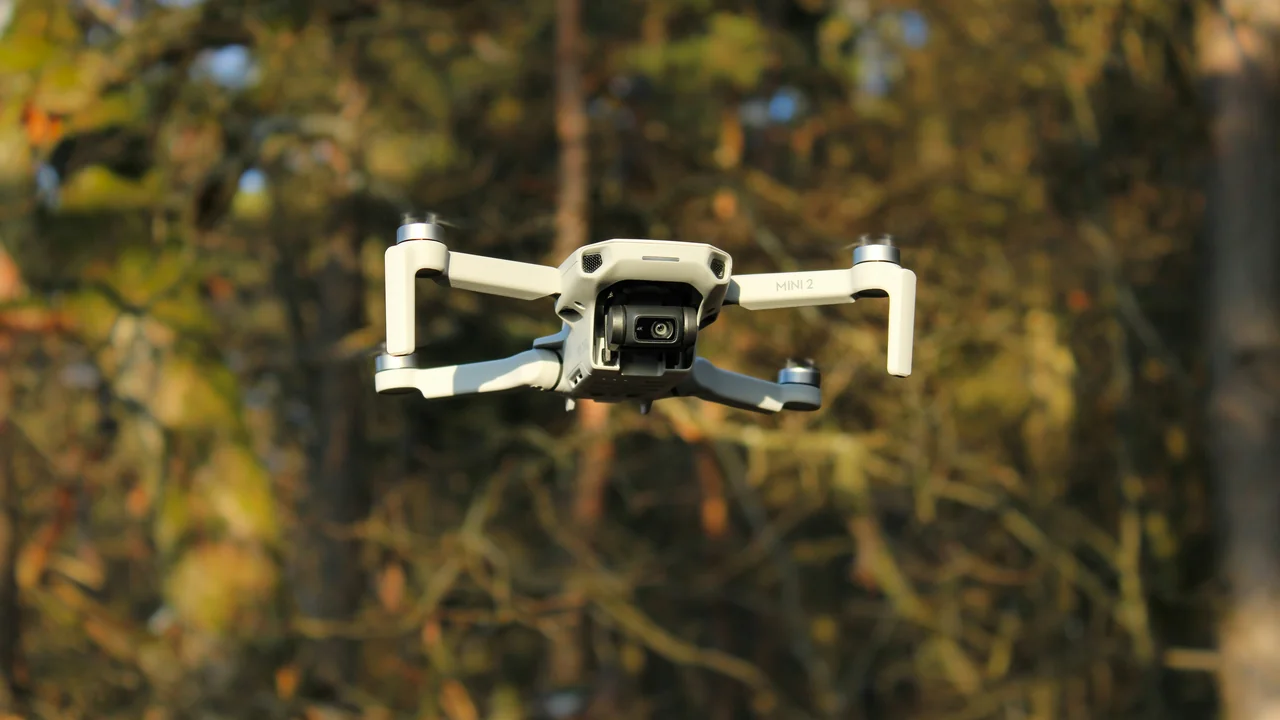
The penalties for violating the stadium TFR are severe and can ruin your flying career. The FAA can impose civil penalties of up to $20,000 per violation. In addition, the FAA may suspend or revoke your Part 107 Remote Pilot Certificate or your recreational flyer registration. Beyond the civil fine, flying a drone over a stadium during an event can also lead to criminal charges, including reckless endangerment or interference with a sporting event, which can carry jail time. The 2026 Safer Skies Act has further empowered law enforcement at stadiums with counter-drone authority, meaning security personnel can now actively disable or capture drones operating in the restricted zone.
How Many Drone Incidents Have Occurred Over Stadiums?
Stadium drone incursions are a significant and growing problem. In 2023 alone, there were 2,845 unauthorized drone incursions over NFL stadiums. This number represents only the incidents that were detected and reported. The actual number is likely higher. These incursions pose a serious safety risk to players, officials, and spectators. A drone collision with a player or a lighting rig could cause catastrophic injury. The FAA and the Department of Homeland Security have made stadium security a top priority, and enforcement has increased dramatically since the 2023 season.
Can You Fly a Drone Over an Empty Stadium?
This is where the rules become less absolute. The FAA’s TFR only applies during the event window. Outside of that time, there is no specific airspace restriction that prohibits flying over a stadium. However, the stadium itself is almost always private property. Flying over private property is not inherently illegal under FAA regulations, but you can be cited for trespassing if you are physically on the property to launch or recover your drone. Additionally, if you are flying low enough to be considered an intrusion on the stadium’s use of the airspace, you could face a civil lawsuit for nuisance or invasion of privacy.
What does this mean for your flight? If you want to photograph an empty stadium, you need to obtain explicit permission from the stadium owner or management. This is rarely granted for recreational purposes. Most professional and college stadiums have strict no-drone policies that apply at all times, regardless of whether an event is happening. You should also use our No-Fly Zone Checker to verify that no other airspace restrictions, such as a nearby airport or military base, apply to your intended flight location.
What About Flying Near a Stadium During a Non-Event Day?
On a non-event day, the TFR is not active. However, you must still comply with all other drone regulations. You cannot fly over people without their consent, you must maintain visual line of sight, and you cannot fly in a manner that is reckless or endangers persons or property. If you are flying near an empty stadium, you should also be aware that many stadiums are located in congested urban areas with additional airspace restrictions, such as Class B or Class C airspace around major airports. Always check the airspace map before you fly.
What Are the Stadium Drone Rules in the UK?
The UK has its own specific rules for stadium overflight, enforced by the Civil Aviation Authority (CAA). The CAA has established Flight Restriction Zones (FRZs) around all Premier League and Championship football grounds, as well as other major sporting venues. These FRZs are registered and published, and they are visible on the DJI Fly Safe map and other drone flight planning apps. The restriction typically extends to a radius of 1 to 2 kilometers from the stadium, and it applies during events and for a period before and after. Flying a drone within an FRZ during a match is a criminal offense and can result in fines and imprisonment.
How Does Australia Regulate Drones Over Stadiums?
Australia’s Civil Aviation Safety Authority (CASA) takes a similar approach to the US and UK. During major sporting events, CASA issues specific NOTAMs that create temporary flight restrictions around stadiums. These NOTAMs are event-specific and must be checked before every flight. Additionally, all stadiums are considered populous areas, and flying over a stadium during an event would almost certainly violate the standard operating condition that prohibits flying over a large gathering of people. The penalties in Australia include fines of up to $11,000 for individuals and $55,000 for corporations, as well as potential jail time for reckless operations.
What Are the Drone Rules for Stadiums in Canada?
Transport Canada has a similar system of event-specific TFRs for major sporting events. These are issued through NOTAMs and apply to venues hosting NHL, CFL, and other major league games. The restriction typically covers a radius of 1 to 3 nautical miles from the venue, depending on the event. As in the US, flying a drone over a stadium during a game is illegal and can result in fines of up to $3,000 for recreational flyers and up to $15,000 for commercial operators. Transport Canada also has the authority to seize your drone and suspend your pilot certificate.
How Can You Check if a Stadium Is a No-Fly Zone?
Before you even consider flying near a stadium, you must verify the airspace status. The best tool for this is our No-Fly Zone Checker, which aggregates data from the FAA, CAA, CASA, and Transport Canada. Additionally, you should use the B4UFLY app for US locations, the Drone Assist app for the UK, and the OpenSky app for Australia. For Canada, the NAV CANADA Drone Flight Planning app is essential. Never rely solely on a visual check or a general knowledge of the rules. The TFRs are dynamic and can change based on the event schedule.
Summary: Final Thoughts on Flying a Drone Over a Stadium
The rule is simple: do not fly your drone over a stadium during a sporting event. The FAA’s automatic TFR, the UK’s FRZs, and the event-specific NOTAMs in Australia and Canada all exist to protect the safety of players, officials, and spectators. The penalties are severe, and enforcement is active and increasing. The 2026 Safer Skies Act has given stadium security the tools to stop your drone in mid-air. Even for empty stadiums, you need explicit permission from the property owner. Your best course of action is to always check the airspace using our No-Fly Zone Checker before any flight near a major venue. When in doubt, stay away.
Frequently Asked Questions
Can you fly a drone over a football stadium?
No, you cannot fly a drone over a football stadium during a game. The FAA has an automatic TFR that prohibits drone operations within a 3-nautical-mile radius of any NFL or NCAA Division I football stadium from one hour before the game until one hour after. Violating this rule can result in fines of up to $20,000 and potential criminal charges. Outside of game times, the stadium is private property, and you need explicit permission from the venue owner to fly.
Is it illegal to fly a drone at an NFL game?
Yes, it is illegal to fly a drone at an NFL game. The FAA’s stadium TFR applies to all NFL games, and there are no waivers for recreational or commercial drone pilots. The restriction covers the airspace within 3 nautical miles of the stadium from one hour before kickoff until one hour after the final whistle. Law enforcement and stadium security, empowered by the 2026 Safer Skies Act, actively monitor for drones and can use counter-drone technology to disable them.
What is the FAA rule for drones near stadiums?
The FAA rule for drones near stadiums is codified in 14 CFR § 99.7. It establishes an automatic temporary flight restriction (TFR) that prohibits drone operations within a 3-nautical-mile radius of any venue hosting an NFL, MLB, NCAA Division I football, NASCAR, or IndyCar event. The restriction applies from one hour before the event starts until one hour after it ends. This TFR is automatic and does not require a specific NOTAM to be filed for each game.
Can I fly my drone over an empty stadium?
Technically, the FAA’s TFR does not apply to an empty stadium outside of event hours, but the stadium is almost always private property. Flying over an empty stadium without permission could lead to trespassing charges if you launch from the property, or a civil lawsuit for nuisance or invasion of privacy. Most professional and college stadiums have strict no-drone policies that apply at all times. You must obtain written permission from the stadium management before flying.
Are drones banned at all sporting events?
Drones are banned at all major professional and Division I college sporting events in the United States. The FAA’s stadium TFR specifically covers NFL, MLB, NCAA Division I football, NASCAR, and IndyCar events. In the UK, the CAA has established Flight Restriction Zones around Premier League and Championship grounds. In Australia and Canada, event-specific NOTAMs create temporary no-fly zones. Smaller local sporting events may not have specific TFRs, but flying over any gathering of people is generally prohibited by standard drone operating rules.
How far from a stadium can I fly a drone?
In the United States, you must stay at least 3 nautical miles away from any stadium hosting a covered event during the restriction period. This distance is measured from the stadium itself, not from the property line. In the UK, the Flight Restriction Zone radius is typically 1 to 2 kilometers from the venue, but you should check the specific geofence for each stadium. In Australia and Canada, the distance is specified in the event NOTAM and can vary from 1 to 3 nautical miles. Always use a flight planning app to verify your distance.
Can I fly a drone over a stadium if I have a Part 107 license?
No. The FAA’s Special Security Instructions under 14 CFR § 99.7 apply to all drone operations, including Part 107 commercial pilots. There is no waiver or exemption for flying over a stadium during a restricted event. Even with a waiver for nighttime operations or flights over people, the stadium TFR overrides those permissions. The only exception is if you have explicit authorization from the FAA and the event operator for official purposes, such as news coverage or security monitoring.
What happens if I accidentally fly over a stadium?
If you inadvertently fly over a stadium during a restricted event, the FAA may issue a warning for first-time, unintentional violations. However, if you cross the stadium boundary or enter the 3-nautical-mile TFR, you face civil penalties up to $27,500 per violation. Criminal penalties can apply if the FAA determines the flight was intentional or reckless. The best course of action is to immediately land your drone and contact the FAA’s Flight Standards District Office (FSDO) to report the incident.
Does the stadium drone ban apply to college and high school games?
Yes, the FAA’s restriction applies to any “sporting event” that meets the definition in 14 CFR § 99.7. This includes NCAA college football games, basketball tournaments, and even high school championship games if they are ticketed events with a defined start and end time. However, regular-season high school games that are not ticketed and do not have security restrictions may fall outside the rule. Always check for a NOTAM or TFR before flying near any large gathering.
Can I fly a drone over a stadium if it’s not game day?
Yes, you can fly over an empty stadium when no event is taking place, provided you follow standard FAA rules. You must keep the drone under 400 feet AGL, stay within visual line of sight, and avoid flying over people who are not part of the operation. However, some stadiums may have private property restrictions or local ordinances that prohibit drone takeoffs from their property. Always get permission from the stadium management before launching from their land.
How do I check if a stadium has a TFR active?
You can check for active stadium TFRs using the FAA’s official website at tfr.faa.gov, or through flight planning apps like B4UFLY, AirMap, or Kittyhawk. These apps show real-time geofences and provide alerts when you approach a restricted area. For stadiums outside the U.S., check with the local aviation authority: the CAA in the UK, CASA in Australia, or Transport Canada. Always verify the TFR status on the day of your flight, as restrictions can be issued with little notice.
Last updated: July 04, 2026
- Federal Aviation Administration (faa.gov) – 14 CFR § 99.7 Special Security Instructions
- Civil Aviation Authority (caa.co.uk) – Flight Restriction Zones for Sporting Venues
- Transport Canada (tc.canada.ca) – Temporary Flight Restrictions for Events
- Civil Aviation Safety Authority (casa.gov.au) – Drone Safety Rules for Events
Drone Allowed
DroneAllowed editor covering drone regulations, aviation law, and aerial photography across USA, UK, Canada & Australia.