
Kansas Drone Laws 2026: Tallgrass Prairie, Wichita & Rules
 13 min read
2,514 words
13 min read
2,514 words
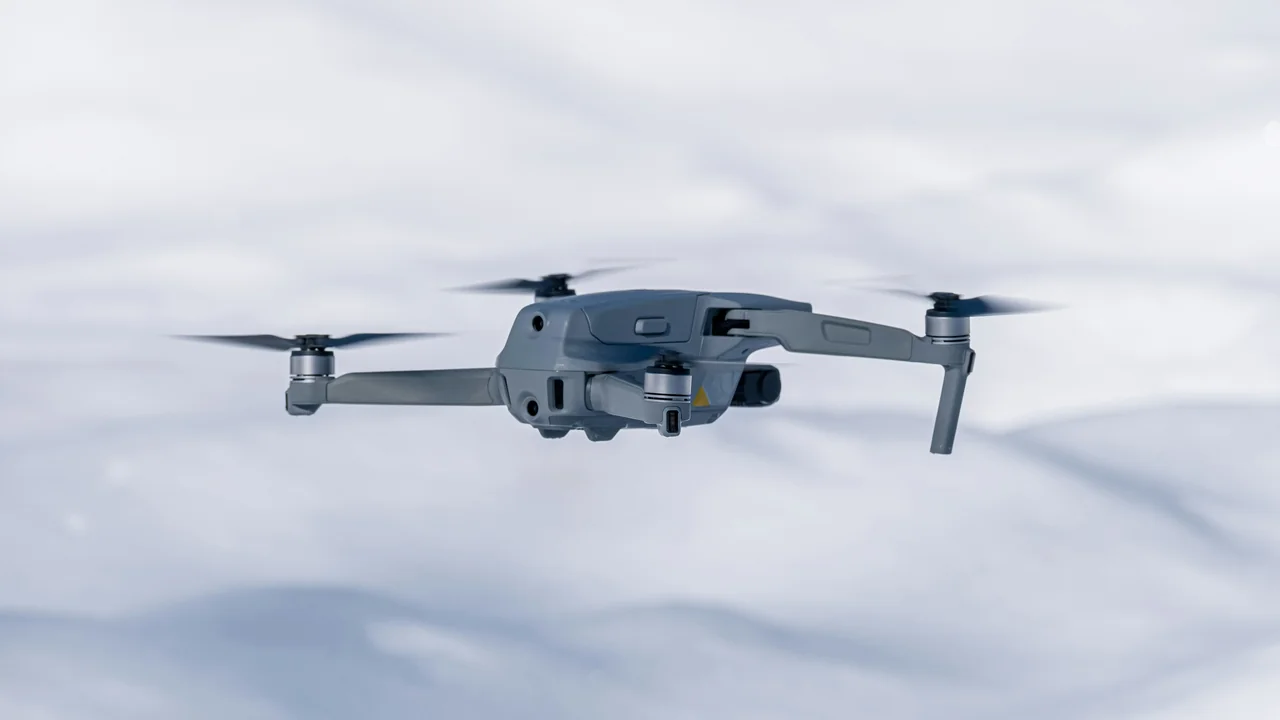
If you are a drone operator in Kansas, you are navigating a unique airspace environment. The Sunflower State is home to Wichita, the “Air Capital of the World,” where major manufacturers like Boeing, Cessna, and Textron Aviation operate, creating complex controlled airspace. Beyond the cities, you will find the Tallgrass Prairie National Preserve, a national park unit with a strict drone ban, and expansive state parks with their own rules. This guide to Kansas drone laws 2026 covers everything from the federal FAA baseline to specific local restrictions, helping you fly legally across the state, from the Flint Hills to the Missouri border.
What Are the Federal FAA Drone Rules I Must Follow in Kansas?
Before considering any Kansas-specific laws, you must comply with the Federal Aviation Administration (FAA) regulations. These are the baseline for all drone operations in the United States. The FAA has exclusive authority over navigable airspace, meaning state and local laws cannot contradict these federal rules.
The core requirement is registration. If your drone weighs more than 0.55 pounds (250 grams), you must register it with the FAA through the FAA DroneZone website. The registration fee is $5 and is valid for three years. You must mark your registration number on the outside of your drone. You can use our Weight Checker to determine if your aircraft requires registration.
For recreational flyers, you must pass The Recreational UAS Safety Test (TRUST) and carry proof of passage. For commercial operations, you need a Part 107 Remote Pilot Certificate. Regardless of your purpose, you must always yield to manned aircraft, keep your drone in visual line of sight, and never fly above 400 feet above ground level (AGL). Controlled airspace, such as around airports in Wichita (ICT) or Kansas City (MCI), requires prior authorization through the LAANC system.
Does Kansas Have a State-Specific Drone Law? (KSA 3-3802)
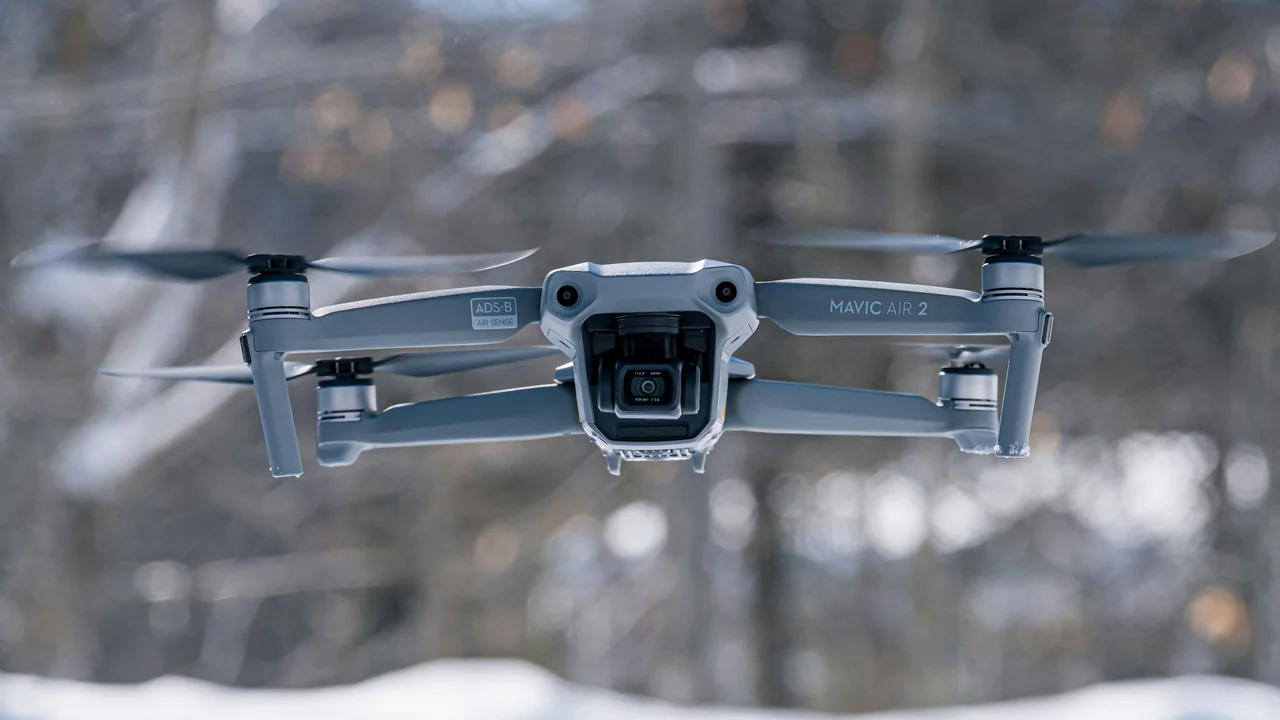
Yes, Kansas has enacted a state statute specifically addressing unmanned aircraft systems. This law is codified as KSA 3-3802. It is important to understand that this law does not create new flight restrictions but rather clarifies the state’s position on drone operations, particularly regarding privacy and law enforcement.
The statute addresses the use of drones for surveillance. It generally prohibits law enforcement from using a drone to gather evidence or conduct surveillance without a warrant, with exceptions for emergencies like a hostage situation or imminent threat to life. For civilian operators, the law does not impose a blanket ban on photography, but it reinforces existing privacy laws. You cannot use a drone to intentionally peer into a private residence or business in a manner that violates a person’s reasonable expectation of privacy.
Can I Fly a Drone at Tallgrass Prairie National Preserve?
The Tallgrass Prairie National Preserve is a unique unit of the National Park Service (NPS) located in the Flint Hills near Strong City. The answer is direct: drones are banned at Tallgrass Prairie. This is not a Kansas-specific rule but a national NPS policy that applies to all park units.
The NPS policy, outlined in 36 CFR 1.5, prohibits the launching, landing, or operation of unmanned aircraft on lands and waters administered by the National Park Service. This includes the preserve’s trails, visitor center, and the historic ranch buildings. The ban is in place to protect the natural soundscape, wildlife, and visitor experience. The prairie is home to bison, and drone flights can stress the herd.
What Are the Drone Rules for Cimarron National Grassland?
In contrast to the NPS, the Cimarron National Grassland, managed by the U.S. Forest Service (USFS), is generally open to drone operations. This area in southwestern Kansas is the largest public land area in the state and offers wide-open spaces ideal for flying.
However, “generally open” does not mean “no rules.” You must still follow all FAA regulations, including staying below 400 feet AGL and yielding to any manned aircraft that might be crop dusting or flying low. The USFS also requires that you do not disturb wildlife, including the lesser prairie-chicken, which is a protected species in the area. You cannot operate a drone in a manner that harasses or displaces animals. Additionally, you must avoid launching or landing from designated wilderness areas or developed recreation sites like campgrounds if local signage prohibits it.
How Do I Navigate Wichita’s Airspace? (Drone Laws Wichita)
Wichita presents a unique challenge for drone pilots due to its dense concentration of aviation manufacturing and testing facilities. The city is home to Wichita Dwight D. Eisenhower National Airport (ICT), McConnell Air Force Base (IAB), and multiple general aviation airports like Beech Factory Airport (BEC) and Colonel James Jabara Airport (AAO). The airspace is a complex patchwork of Class C, Class D, and restricted areas.
When researching drone laws Wichita, the primary concern is airspace authorization. The entire area around ICT is Class C airspace. You must use the FAA’s LAANC system to request real-time authorization to fly in these controlled zones. Denials are common near the runways of Boeing and Textron Aviation facilities due to test flights. The city of Wichita itself does not have a separate municipal drone ordinance that bans flying in public parks, but you must adhere to FAA airspace rules.
What About the Kansas City Metro Airspace (MO/KS Border)?
The Kansas City metropolitan area straddles the border between Kansas and Missouri, creating a complex airspace environment. On the Kansas side, Johnson County is heavily influenced by Kansas City International Airport (MCI) and Charles B. Wheeler Downtown Airport (MKC). Most of Johnson, Wyandotte, and Leavenworth counties fall under Class B or Class C airspace shelves.
Flying near the Kansas Speedway or Legends shopping district requires careful pre-flight planning. The airspace is busy with commercial airline traffic approaching MCI and general aviation traffic from New Century AirCenter (IXD). You must use LAANC for every flight in this region. There are no local county ordinances in Johnson County that ban drones outright, but the FAA airspace constraints are significant. Always check a No-Fly Zone Checker before launching in this corridor.
Can I Fly a Drone Near Fort Riley Military Base?
Fort Riley is a major U.S. Army installation in north-central Kansas, near Junction City and Manhattan. The airspace over and around Fort Riley is heavily restricted. The base creates a large military restricted area, typically designated as R-3501 or similar, which is closed to all civilian drone operations without specific, prior permission from the base commander.
This restriction extends outward from the base boundaries. You cannot fly near the main gate, training areas, or airfields like Marshall Army Airfield. The restricted airspace often has a floor of the surface (SFC) and extends upward. Even if you are outside the physical fence line, the FAA airspace restriction applies. Violating this can result in federal charges under 18 U.S.C. § 32 (destruction of aircraft) or 49 U.S.C. § 46307 (interference with aircraft). The safest rule is to stay at least 3 nautical miles away from the base boundary.
What Are the Rules for Drones in Kansas State Parks?
The Kansas Department of Wildlife and Parks (KDWP) manages the state park system, which includes popular locations like Eisenhower State Park, Milford State Park, and Clinton State Park. The official policy is that drones are permitted in Kansas state parks, but with specific operational restrictions that differ from the NPS ban.
You can launch and land a drone in a Kansas state park provided you do not disturb other visitors or wildlife. You must maintain a safe distance from campgrounds, swimming beaches, and boat ramps. The KDWP explicitly prohibits flying over developed areas where people are congregated. You cannot use a drone to harass wildlife, which includes flying low over nesting birds or bison herds in parks like the Maxwell Wildlife Refuge. If a park ranger determines your flight is causing a disturbance, you can be asked to land immediately and may be cited under state park regulations.
| Location | Drone Policy | Key Restriction |
|---|---|---|
| Tallgrass Prairie NPS | Banned | Federal law (36 CFR 1.5) |
| Cimarron National Grassland | Allowed | No wildlife harassment; avoid developed sites |
| Kansas State Parks (KDWP) | Allowed (with restrictions) | No disturbance to visitors; stay away from beaches/campgrounds |
| Fort Riley | Banned | Restricted military airspace |
| Wichita Airspace (ICT) | LAANC Required | Class C airspace; test flight zones |
Pros of Flying in Kansas
- Wide-open public grasslands (Cimarron) with minimal airspace
- State parks generally allow drones
- Low population density in western Kansas reduces privacy concerns
Cons of Flying in Kansas
- Complex military and manufacturing airspace near Wichita and Fort Riley
- National parks (Tallgrass Prairie) are completely off-limits
- Strong wind conditions on the plains can be challenging for small drones
Final Thoughts on Flying Drones in Kansas
Kansas offers a diverse drone flying experience, from the open skies of the Cimarron National Grassland to the constrained airspace of Wichita’s aviation corridor. The key to legal operation is understanding the distinction between federal airspace rules, state privacy laws (KSA 3-3802), and federal land management policies. You have significant freedom in state parks and on the grasslands, but you face a strict ban in national parks and near military installations. Always pre-plan your flight using LAANC for controlled airspace and respect the privacy of residents. Before your next flight, use our No-Fly Zone Checker to confirm your launch point is clear of restrictions.
Frequently Asked Questions
Are drones allowed in Kansas?
Yes, drones are generally allowed in Kansas, subject to FAA regulations and state laws. The state does not have a blanket ban on drone operations. However, you must comply with the FAA’s registration, airspace, and operational rules. Kansas state law (KSA 3-3802) primarily addresses privacy and law enforcement surveillance, not recreational or commercial flight. The key restrictions come from federal land management agencies, such as the National Park Service ban at Tallgrass Prairie.
Can I fly a drone at Tallgrass Prairie?
No, you cannot fly a drone at Tallgrass Prairie National Preserve. The National Park Service has a nationwide ban on the operation of unmanned aircraft in all park units. This applies to the entire preserve, including trails, the visitor center, and the backcountry. Launching, landing, or operating a drone from within the preserve boundaries is a violation of federal regulation 36 CFR 1.5 and can result in a fine.
What are the drone rules in Wichita?
The primary drone rules in Wichita revolve around FAA airspace authorization. Wichita’s airspace is controlled by Wichita Dwight D. Eisenhower National Airport (ICT), which is Class C airspace. You must obtain LAANC authorization before flying in most of the city. Additionally, you must avoid restricted airspace around McConnell Air Force Base and respect the operations of aircraft manufacturers like Boeing and Textron Aviation. The city does not have a local ordinance banning drones in parks, but FAA rules take precedence.
What is the Kansas drone law?
The primary Kansas drone law is codified as KSA 3-3802. This statute does not establish state-wide no-fly zones. Instead, it focuses on the use of drones for surveillance. It requires law enforcement to obtain a warrant before using a drone for evidence gathering, with exceptions for emergencies. For civilian operators, the law reinforces privacy protections by prohibiting the use of a drone to intentionally view a person in a private place where they have a reasonable expectation of privacy.
Are drones legal in Kansas State Parks?
Yes, drones are legal in Kansas State Parks managed by the Kansas Department of Wildlife and Parks (KDWP), but with restrictions. You are allowed to launch and land a drone provided you do not disturb other visitors, wildlife, or park operations. You must stay away from developed areas like campgrounds, swimming beaches, and boat ramps. If a park ranger determines your flight is causing a disturbance, you can be ordered to land and may face a citation.
Can I fly near Fort Riley military base?
No, you should not fly near Fort Riley military base without explicit permission from the base commander. The airspace over and around Fort Riley is a military restricted area, typically designated as R-3501. This airspace is closed to civilian drone operations. Flying into this restricted zone can be considered a threat to national security and can result in interception by military aircraft, federal charges, and severe fines. The safest practice is to maintain a distance of at least 3 nautical miles from the base boundary.
Do I need to register my drone with the state of Kansas?
No. Kansas does not have a state-level drone registration system. Only FAA federal registration is required for drones over 0.55 lbs.
Can I fly a drone in a Kansas state park without a permit?
Yes, for recreational flying, as long as you follow KDWP rules: no disturbance of wildlife, no interference with visitors, and no commercial activity without a special use permit.
Is it legal to fly a drone over private property in Kansas?
Kansas law KSA 3-3802 prohibits flying below 400 feet over private property without the owner’s consent if you intend to conduct surveillance. For general recreational flying, stay at least 200 feet away from structures and people.
What happens if I fly a drone near Fort Riley?
Fort Riley is a restricted military installation. Flying within 3 nautical miles of the base boundary without prior authorization is illegal. Violations can result in federal charges, fines, and seizure of equipment.
Can I fly my drone in the Kansas City metro area?
Yes, but carefully. The Kansas City metro includes Class B airspace around MCI, Class C airspace around Johnson County Executive Airport, and numerous Class D airports. Always use LAANC authorization through an FAA-approved app before flying within 5 miles of any airport.
Last updated: June 25, 2026
- Federal Aviation Administration (faa.gov)
- Kansas Legislature — KSA 3-3802
- National Park Service — 36 CFR 1.5
- U.S. Forest Service — Cimarron National Grassland
- Kansas Department of Wildlife and Parks
Drone Allowed
DroneAllowed editor covering drone regulations, aviation law, and aerial photography across USA, UK, Canada & Australia.