
City Of Church Hill Drone Laws 2026: Complete Guide for Drone Pilots
 10 min read
1,944 words
10 min read
1,944 words
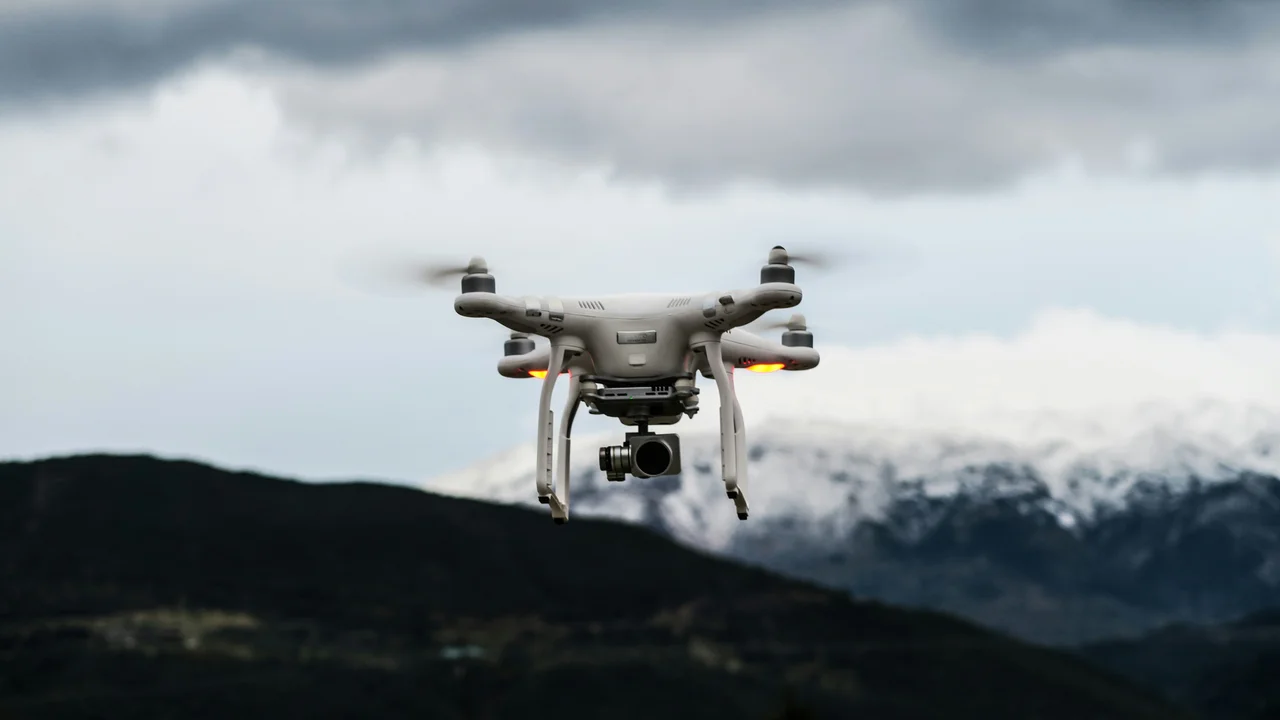
If you are a drone pilot planning to fly in Church Hill, Tennessee, the rules are primarily set by the Federal Aviation Administration (FAA) with some local considerations. The city of Church Hill drone laws do not include a separate municipal drone ordinance as of 2026, meaning FAA regulations are your primary guide. This guide covers everything from registration and airspace restrictions to where you can legally launch your drone in Church Hill.
What Are the Rules for City of Church Hill Drone Laws?
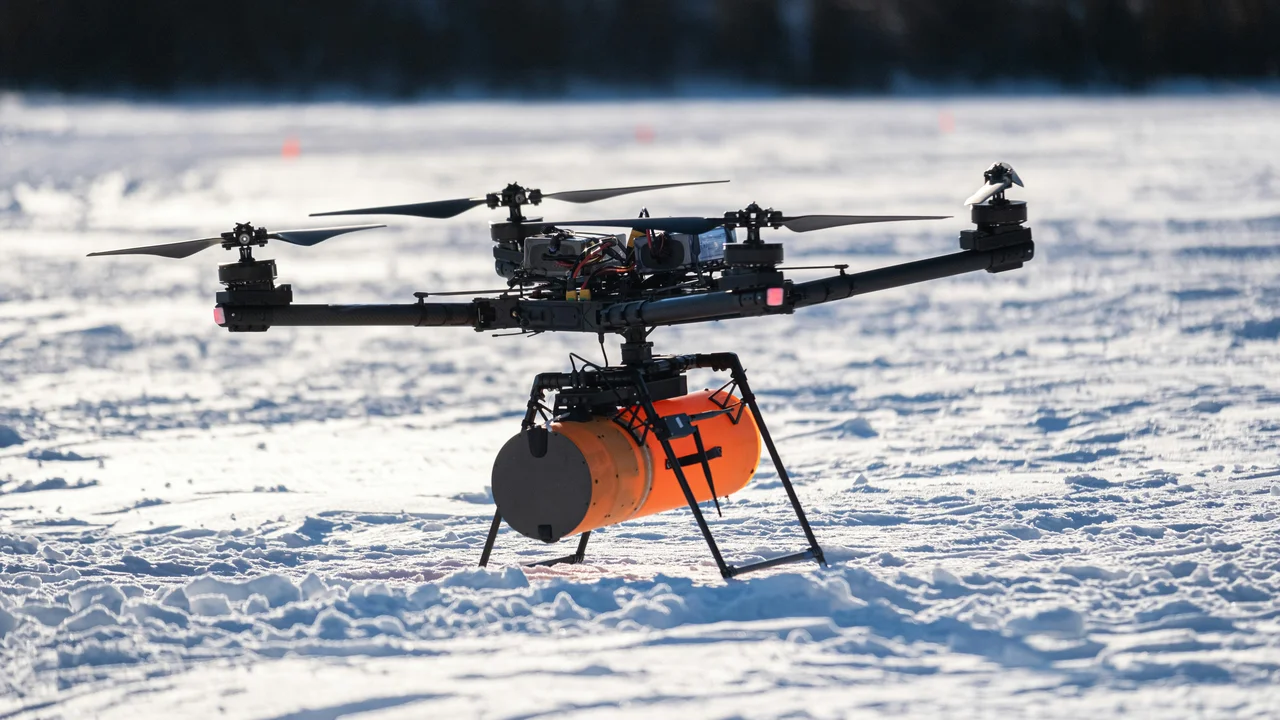
The rules for city of Church Hill drone laws are a combination of federal FAA regulations and basic state-level restrictions. Church Hill has not enacted its own local drone ordinance, so you must follow the FAA’s Part 107 rules for commercial pilots or the Exception for Recreational Flyers. The key rule is that you cannot fly over people or moving vehicles without proper authorization, and you must keep your drone within visual line of sight at all times.
For recreational flyers, you need to pass the TRUST (The Recreational UAS Safety Test) and carry proof of completion. Commercial operators need a Part 107 Remote Pilot Certificate. The FAA also sets a maximum altitude of 400 feet above ground level (AGL) for all drone flights.
Regulatory Authority and Framework
The FAA is the sole authority for airspace regulation in the United States, including over Church Hill, Tennessee. The city government does not have its own drone laws or permits specifically for drone operations. This means you do not need to get a local permit from Church Hill to fly, but you must comply with all FAA rules.
Tennessee state law (Tennessee Code Annotated § 42-8-101) prohibits flying drones over certain critical infrastructure like power plants and correctional facilities. However, this does not create a blanket ban on drone use within city limits. The FAA’s airspace classifications and any temporary flight restrictions (TFRs) take precedence over local rules.
Registration and Certification Requirements
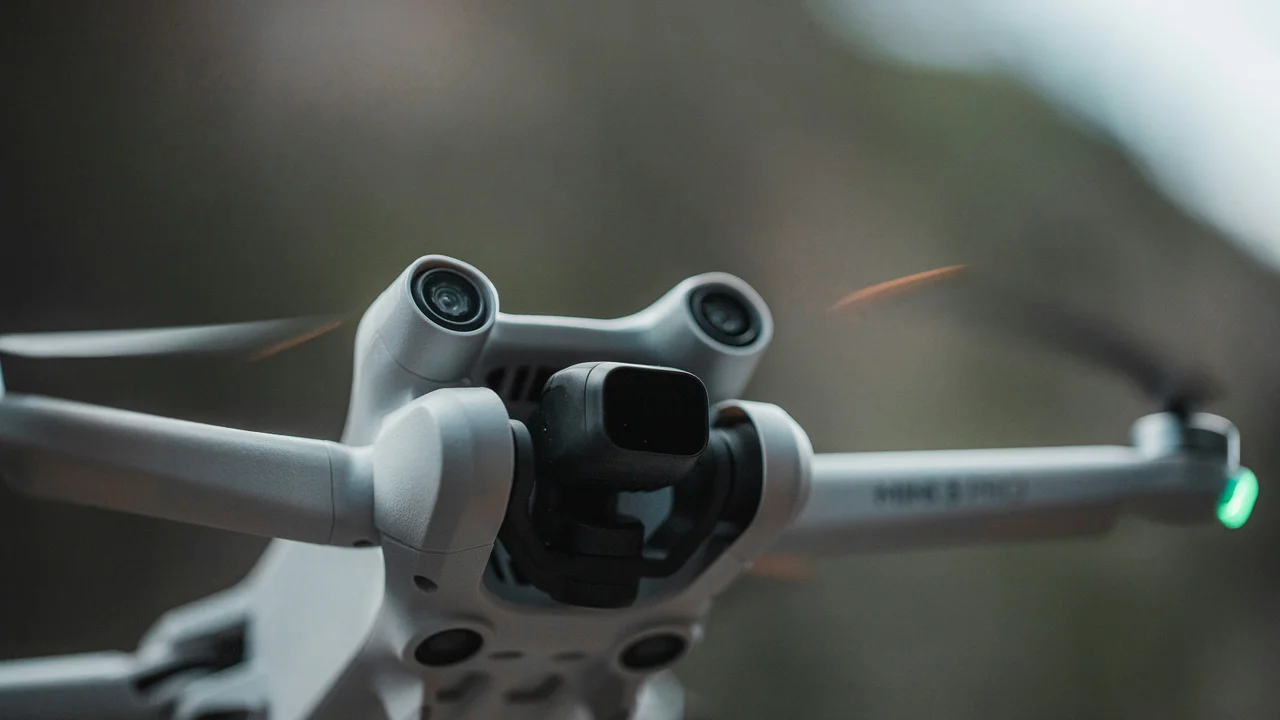
Under the city of Church Hill drone laws, registration is required for any drone that weighs more than 0.55 pounds (250 grams). This includes popular models like the DJI Mini 4 Pro (under 250g) and the DJI Mavic 3 (over 250g). Registration is done through the FAA DroneZone website and costs $5, valid for three years.
Do You Need to Register a DJI Mini 4 Pro in Church Hill?
No, you do not need to register a DJI Mini 4 Pro in Church Hill. The DJI Mini 4 Pro weighs less than 0.55 pounds (249 grams), placing it under the FAA’s registration threshold. However, you must still pass the TRUST test and carry proof of completion if flying recreationally. Commercial operators flying a Mini 4 Pro still need a Part 107 certificate, even though the drone itself is exempt from registration.
Commercial vs. Recreational Pilot Requirements
| Pilot Type | Required Certification | Registration Needed? |
|---|---|---|
| Recreational (drone over 0.55 lbs) | TRUST test + FAA registration | Yes |
| Recreational (drone under 0.55 lbs) | TRUST test only | No |
| Commercial (any weight) | Part 107 Remote Pilot Certificate | Yes (if over 0.55 lbs) |
No-Fly Zones and Restricted Areas in Church Hill
When flying under city of Church Hill drone laws, the most critical no-fly zones are near the Tri-Cities Airport (TRI), which is approximately 10 miles south of Church Hill. The airport has Class D airspace that extends up to 2,500 feet AGL. You must get LAANC authorization to fly within this controlled airspace.
Other restricted areas include Hawkins County Memorial Hospital (a medical facility with helipads) and any active emergency response scenes. The Tennessee Valley Authority (TVA) has a power substation in the area, and flying over it is prohibited under state law. Additionally, the Holston Army Ammunition Plant, located about 15 miles northeast, is a restricted area with no drone flights allowed.
Where You Can Legally Fly in Church Hill
Church Hill offers several areas where drone flying is permissible under the city of Church Hill drone laws. Public parks like Church Hill City Park and the Church Hill Greenway are open for drone use, provided you follow FAA rules and do not disturb park visitors. The rural areas east of the city, near the Holston River, offer open fields with less airspace congestion.
You can fly over private property only with the landowner’s permission. Tennessee state law allows property owners to restrict drone flights over their land, but there is no state law that creates a low-altitude trespass. The FAA maintains that airspace above private property is federally regulated, but you should always seek permission to avoid conflicts.
Check Airspace
Use the FAA’s B4UFLY app or the No-Fly Zone Checker to see if your location is in controlled airspace near Tri-Cities Airport.
Verify Your Drone Weight
Use the Weight Checker Tool to confirm if your drone needs FAA registration.
Get LAANC Authorization
If flying within 5 miles of Tri-Cities Airport, request LAANC authorization through an approved app like AirMap or Kittyhawk.
Respect Privacy
Avoid flying over homes, schools, or crowded areas. Keep a safe distance from people and vehicles.
Penalties for Violating Drone Laws in Church Hill
Penalties for breaking the city of Church Hill drone laws can be severe. The FAA can issue civil fines up to $27,500 for non-compliance with Part 107 rules, and criminal penalties can reach $250,000 or imprisonment for deliberate violations like flying in restricted airspace. Local law enforcement can charge you with trespassing or invasion of privacy under Tennessee state law, which carries fines up to $2,500 and potential jail time.
If you fly over the Tri-Cities Airport without authorization, the FAA may issue a suspension or revocation of your pilot certificate. For recreational flyers, repeated violations can result in a ban from using the FAA DroneZone portal, effectively grounding all future flights.
Summary
The city of Church Hill drone laws in 2026 are straightforward: follow FAA regulations, avoid restricted areas near Tri-Cities Airport and critical infrastructure, and respect private property. There are no local drone ordinances to worry about, but you must register your drone if it weighs over 0.55 pounds and pass the TRUST test for recreational flying. For commercial pilots, a Part 107 certificate is mandatory. Use the No-Fly Zone Checker before every flight to stay compliant.
Frequently Asked Questions
What are the rules for city of church hill drone laws?
The rules for city of Church Hill drone laws are primarily FAA regulations, including a 400-foot altitude limit, visual line of sight requirements, and no-fly zones near Tri-Cities Airport. Church Hill does not have its own local drone ordinance, so you only need to follow federal and state laws. You must also avoid flying over critical infrastructure like power plants and correctional facilities under Tennessee state law.
Do I need to register my drone for city of church hill drone laws?
Registration depends on your drone’s weight. If your drone weighs more than 0.55 pounds (250 grams), you must register it with the FAA through the DroneZone website for a $5 fee valid for three years. Drones under 0.55 pounds, like the DJI Mini 4 Pro, do not need registration but still require TRUST certification for recreational use. Commercial pilots need a Part 107 certificate regardless of drone weight.
Are there restricted areas relevant to city of church hill drone laws?
Yes, the primary restricted area is the Class D airspace around Tri-Cities Airport (TRI), which requires LAANC authorization to fly within. Other restricted zones include Hawkins County Memorial Hospital’s helipad, TVA power substations, and the Holston Army Ammunition Plant. Flying over these areas without permission can result in FAA enforcement actions. Always use the No-Fly Zone Checker to identify restrictions before flying.
What are the penalties for breaking rules related to city of church hill drone laws?
Penalties for violating city of Church Hill drone laws include FAA civil fines up to $27,500 per violation and criminal fines up to $250,000 for deliberate violations. Local law enforcement can charge you with trespassing under Tennessee law, which carries fines up to $2,500 and potential jail time. For serious violations like flying into restricted airspace, the FAA can suspend or revoke your pilot certificate permanently.
Do I need a license to fly a drone in Church Hill, TN?
You need the FAA TRUST certificate (free, online, no expiration) for recreational flights. If you fly commercially or for any non-recreational purpose, you must hold a Part 107 Remote Pilot Certificate from the FAA. No local license is required beyond federal certification.
Can I fly my DJI Mini 3 Pro in Church Hill parks?
No. Church Hill Municipal Code § 14-206 specifically prohibits drone takeoff, landing, and operation in any city park unless you obtain prior written permission from the City Manager. This applies to all drones regardless of weight, including sub-250g models like the DJI Mini 3 Pro.
What is the maximum altitude for drones in Church Hill?
The FAA limits all drone flights to 400 feet above ground level (AGL) nationwide, including Church Hill. If you are flying within 3 nautical miles of Hawkins County Memorial Airport, you must additionally coordinate with air traffic control before exceeding 100 feet AGL.
Is the Holston Army Ammunition Plant a no-fly zone for drones?
Yes. The Holston Army Ammunition Plant is entirely off-limits for drone operations. It is a sensitive national security facility, and flying over or near it can result in federal arrest, seizure of equipment, and criminal prosecution under 18 U.S.C. § 795 for violating national defense airspace restrictions.
What happens if I fly my drone over someone’s house in Church Hill?
You risk being charged with trespassing under Tennessee Code § 39-14-405, which carries fines up to $2,500 and potential jail time. While the FAA controls airspace, low-altitude flights that intrude on private property can lead to civil lawsuits for invasion of privacy or nuisance. Always maintain a safe distance and obtain permission before overflying private residences.
Can I fly a drone at night in Church Hill?
Yes, if you comply with FAA Part 107 rules for night operations: your drone must have anti-collision lighting visible for 3 statute miles, and you must have completed the updated Part 107 knowledge test covering night flight. Recreational pilots must also equip anti-collision lights.
What should I do if someone complains about my drone flight?
Land immediately and de-escalate. Do not argue. Explain that you are following FAA regulations. If law enforcement is called, cooperate fully and provide your FAA registration certificate and TRUST certificate. Do not resist if asked to stop flying, even if you believe you are within your rights.
Last updated: July 14, 2026
Drone Allowed
DroneAllowed editor covering drone regulations, aviation law, and aerial photography across USA, UK, Canada & Australia.