
JFK Airport Drone Laws 2026: Class B Airspace, No-Fly Zone & Rules
 14 min read
2,799 words
14 min read
2,799 words
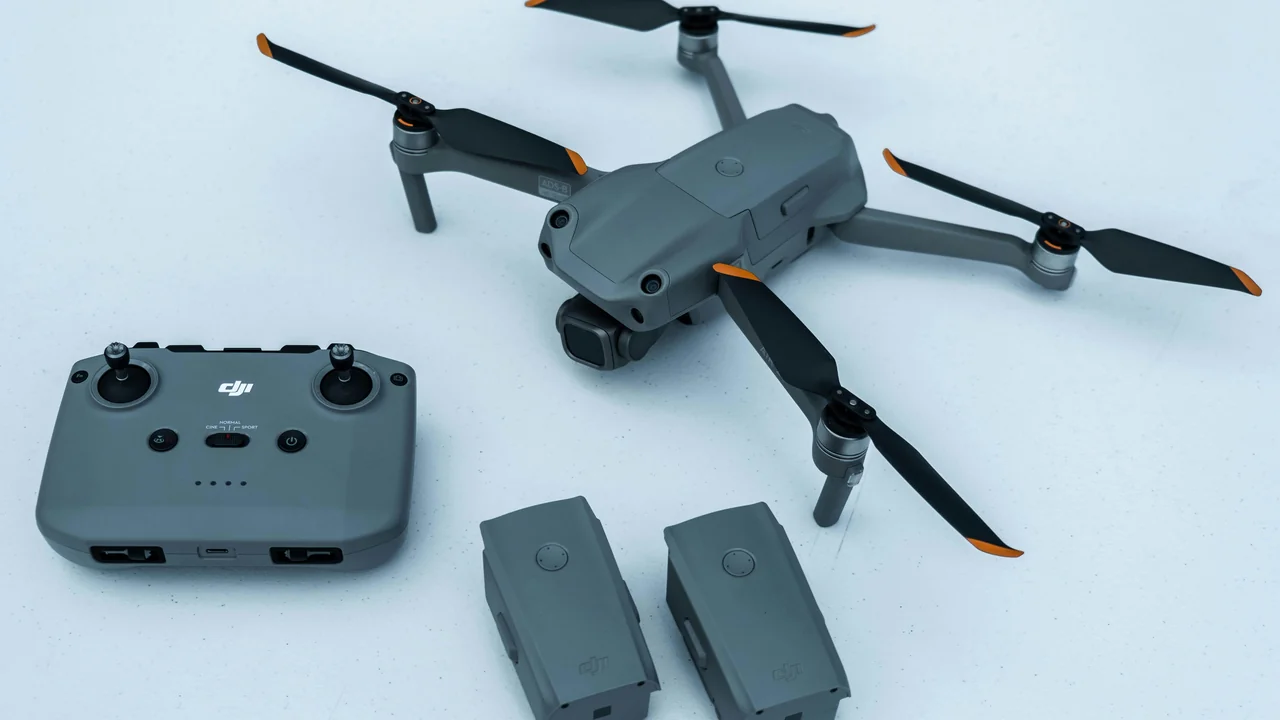
If you are a drone pilot living in or planning to fly in New York City, the single most important regulation you need to understand is JFK airport drone laws. John F. Kennedy International Airport (KJFK) sits at the center of one of the most complex and restrictive Class B airspace structures in the United States, covering nearly the entire New York metropolitan area. In this guide, you will learn exactly where you can and cannot fly, why LAANC is not an option near JFK, how to navigate the overlapping restrictions with LaGuardia and Newark, and the specific steps you must take to get legal authorization to operate your drone anywhere near Queens, Brooklyn, or Long Island.
What Is JFK Airport’s Class B Airspace and How Does It Affect Drone Operations?
JFK’s Class B airspace is among the largest in the country, designed to protect the high volume of commercial air traffic arriving and departing from the airport. The airspace is structured in concentric rings that extend outward from the runway centerline. The surface area, known as the “core,” is a 5-nautical-mile (5.75-mile) radius from the airport that reaches from the ground up to 7,000 feet. This means that within that radius, you are inside controlled airspace at zero feet above ground level (AGL) — there is no altitude at which you can fly without explicit authorization.
Beyond the core, the Class B airspace extends outward in stepped shelves. The 10-nautical-mile ring covers all of Brooklyn and most of Queens, with the floor rising to 1,500 feet AGL. The outer shelf reaches 30 nautical miles from JFK, with a floor of 7,000 feet AGL. For a drone pilot operating a sub-250 gram or a standard recreational drone, the practical effect is simple: unless you are well north of the Bronx or far out on eastern Long Island, you are inside JFK’s controlled airspace.
Does JFK Airport Offer LAANC Authorization for Drone Flights?
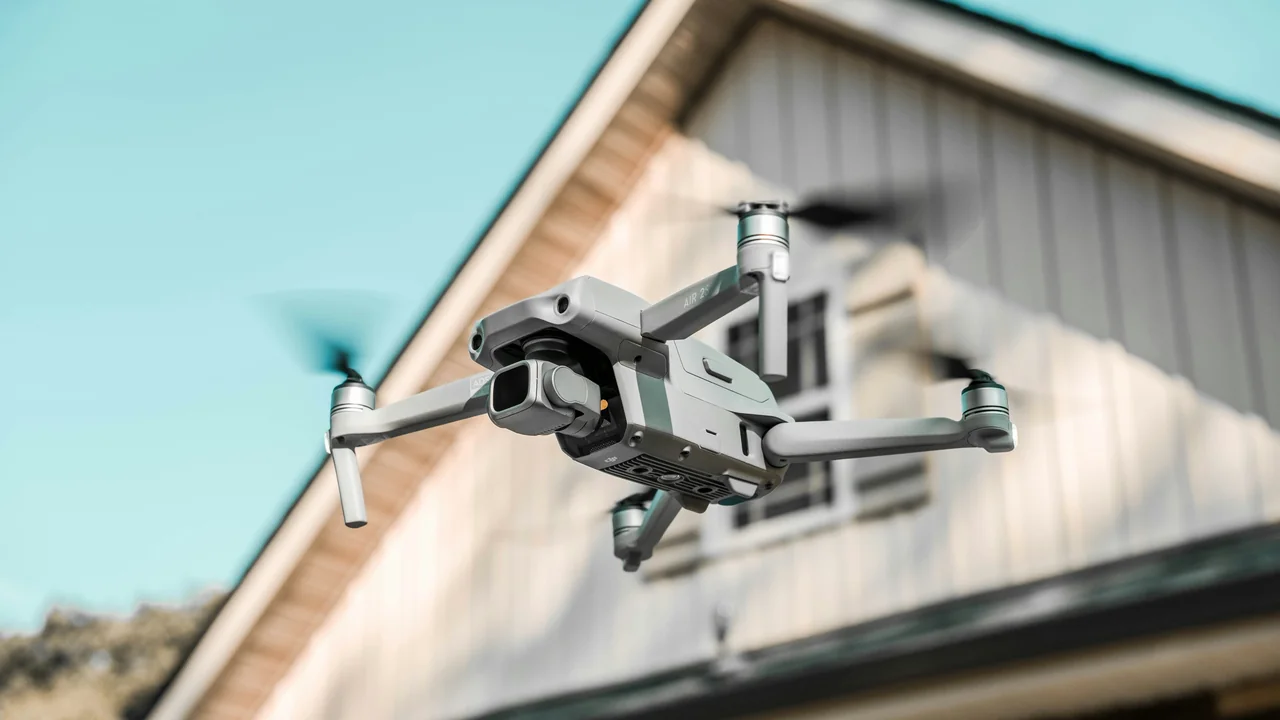
No. JFK does not participate in the Low Altitude Authorization and Notification Capability (LAANC) system. This is a critical distinction that catches many drone pilots off guard. LAANC allows pilots to receive near-instantaneous airspace authorization through apps like Aloft or Kittyhawk for most controlled airports across the country. However, JFK, along with LaGuardia (LGA) and Newark (EWR), is classified as a “no-LAANC” airport, meaning you cannot use these automated systems to get approval.
Instead, you must submit a manual airspace authorization request through the No-Fly Zone Checker and the FAA DroneZone portal. This process requires you to wait up to 90 days for a response, and approvals are not guaranteed. The FAA reviews each request on a case-by-case basis, considering factors like your flight altitude, location relative to runways, and the specific time of day. For a pilot who wants to fly in Brooklyn or Queens for a weekend shoot, this timeline is often impractical.
Create or log into your account at faadronezone.faa.gov. You must have a valid Part 107 certificate or recreational registration.
Choose the option for controlled airspace near a Part 77 airport. You will need to provide your exact GPS coordinates, flight altitude, and duration of operation.
Expect a processing time of 60 to 90 days. The FAA may approve, deny, or request additional information. Do not fly while your request is pending.
If approved, you will receive a PDF authorization letter with specific conditions including altitude limits, time windows, and any restricted zones you must avoid.
How Do JFK, LaGuardia, and Newark Airspace Overlap Create a Triple Restriction?
The New York metropolitan area is unique because three major airports — JFK, LaGuardia (LGA), and Newark Liberty (EWR) — are located within 15 miles of each other. Their Class B airspace boundaries overlap significantly, creating a patchwork of controlled zones that covers the entire region from southern Connecticut down to central New Jersey. For a drone pilot in Queens or Brooklyn, you are not just dealing with JFK’s airspace; you are also inside LGA’s Class B and, depending on your exact location, EWR’s outer shelf.
This triple restriction means that even if you are far enough from JFK to be outside its surface area, you may still be inside LGA’s core or EWR’s lateral limits. For example, flying in Astoria or Long Island City places you under both JFK’s and LGA’s Class B airspace. The FAA treats each airport independently, so you would need separate authorization for each airspace you enter. In practice, this makes most of New York City a de facto no-fly zone for recreational drone pilots without pre-approved waivers.
What Are the Specific No-Fly Zones Near JFK Airport for Drones?
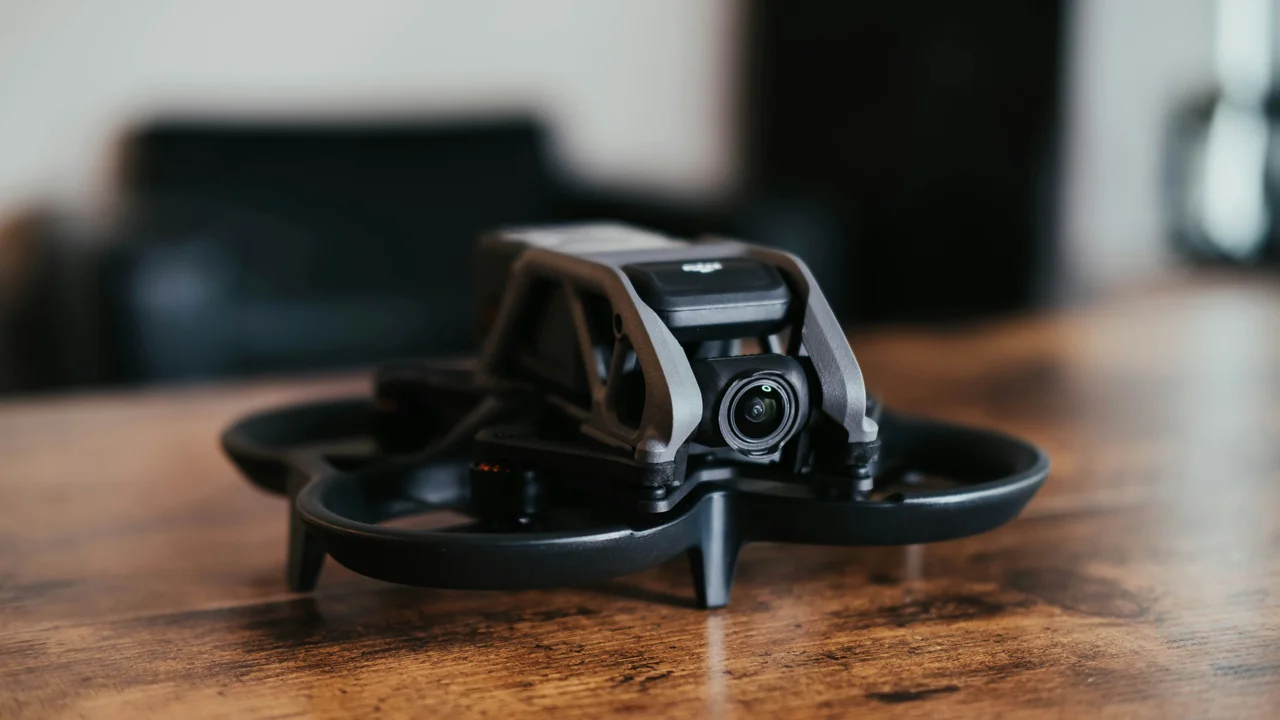
Beyond the general Class B airspace restrictions, there are several specific no-fly zones near JFK that drone pilots must be aware of. These areas carry double or triple restrictions that make drone flight essentially impossible without special government waivers.
Jamaica Bay Wildlife Refuge and Gateway National Recreation Area
Jamaica Bay Wildlife Refuge, which is part of the Gateway National Recreation Area administered by the National Park Service (NPS), sits directly under JFK’s approach and departure paths. The NPS has a blanket ban on drone launches, landings, and operations on all lands and waters under its jurisdiction. This means you cannot fly a drone anywhere in Jamaica Bay, including the water, the marshlands, or the trails. The restriction applies regardless of altitude, and the NPS enforces it with fines and potential criminal penalties.
Because Jamaica Bay is also inside JFK’s Class B surface area, you face a double prohibition: the FAA’s airspace rules and the NPS’s land-use ban. Even if you somehow obtained FAA authorization to fly at 50 feet over the bay, the NPS ban would still prevent you from launching from any park property. There is no legal way to fly a drone over Jamaica Bay without a special use permit from the NPS, which is rarely granted for recreational purposes.
Rockaway Beach and Far Rockaway
Rockaway Beach and the Far Rockaway peninsula are popular locations for scenic flights, but they sit directly under JFK’s approach path. The entire peninsula is within 5 nautical miles of JFK’s runways, placing it inside the Class B surface area. You are prohibited from flying at any altitude without FAA authorization. Additionally, the New York City Department of Parks and Recreation bans drone operations on all city park property, which includes the beach and boardwalk. Even if you launch from the sidewalk outside the park, you still must comply with FAA airspace rules.
Belt Parkway Corridor and Shore Parkway
The Belt Parkway corridor, which runs along the southern edge of Brooklyn and Queens, is a popular scenic area for photographers. However, this corridor is entirely inside JFK’s Class B airspace. From the Verrazzano-Narrows Bridge eastward to JFK itself, the airspace floor starts at ground level. You cannot legally fly a drone along the Belt Parkway, over Shore Parkway, or over the adjacent waterfront parks without prior FAA authorization. The FAA considers this area to be high-risk due to its proximity to JFK’s departure and arrival routes.
Can You Fly a Drone in Queens or Brooklyn Near JFK?
The short answer is: almost never without prior authorization. Queens and Brooklyn are almost entirely inside JFK’s Class B airspace. The only exceptions are small areas in northern Queens near the Bronx border, where the Class B floor rises to 700 feet AGL. However, even those areas are still inside LGA’s airspace. For practical purposes, if you live in or want to fly in Queens or Brooklyn, you must assume you are in controlled airspace.
The FAA defines “near” as within 5 nautical miles of an airport for notification purposes, but for JFK, the restriction extends far beyond that. The 10-nautical-mile ring covers all of Brooklyn and most of Queens. This includes neighborhoods like Williamsburg, Bushwick, Crown Heights, Flatbush, and Bensonhurst. Even if you are flying a sub-250 gram drone like a DJI Mini 4 Pro, you are still subject to the same airspace rules — weight does not exempt you from Class B restrictions.
| Location | Distance from JFK | Class B Floor | Can You Fly Without Authorization? |
|---|---|---|---|
| Downtown Brooklyn | 8 NM | 1,500 ft AGL | No — inside controlled airspace |
| Williamsburg | 9 NM | 1,500 ft AGL | No — inside controlled airspace |
| Astoria | 10 NM | 1,500 ft AGL | No — also inside LGA Class B |
| Far Rockaway | 3 NM | Surface | No — inside surface area |
| Jamaica Bay | 2 NM | Surface | No — NPS ban + FAA restriction |
| Northern Queens (near Bronx) | 12 NM | 700 ft AGL | No — inside LGA Class B |
How to Get Authorization to Fly Near JFK Airport
If you have a legitimate need to fly near JFK — for example, as a Part 107 commercial pilot conducting a real estate shoot or infrastructure inspection — you must follow the manual authorization process. Here is what you need to know.
Step 1: Determine Your Exact Coordinates
Before you submit any request, you must know the precise GPS coordinates of your intended launch point and flight area. Use a mapping tool like Google Maps or a drone-specific app to get latitude and longitude to six decimal places. The FAA will not accept vague descriptions like “near the Brooklyn Bridge.” You must be specific.
Step 2: Submit Through FAA DroneZone
Log into the FAA DroneZone portal and select “Airspace Authorization.” You will need to upload your Part 107 certificate (or recreational registration number), your liability insurance information if applicable, and a detailed flight plan. The flight plan must include your maximum altitude, the duration of the operation, and any contingency procedures for lost link or emergency landing.
Step 3: Wait for Review and Approval
As noted earlier, the review process can take 60 to 90 days. The FAA will coordinate with JFK’s air traffic control tower to determine whether your flight can be accommodated. If approved, your authorization letter will include specific conditions such as “not to exceed 50 feet AGL” or “operations only between 2:00 AM and 5:00 AM.” You must carry this letter with you during all flights.
Step 4: Use a Visual Observer
In most cases near JFK, the FAA requires you to have a visual observer (VO) who maintains constant visual contact with your drone. This is because the airspace is so congested that a lost-link situation could be catastrophic. The VO must be able to see the drone at all times and communicate with you via radio or hand signals.
What About Recreational Drone Flying Near JFK?
Recreational drone pilots face the same airspace restrictions as commercial pilots. The FAA does not grant exemptions for hobbyists. If you want to fly a drone in a park in Brooklyn or Queens for fun, you must still go through the same authorization process. The only difference is that recreational pilots do not need a Part 107 certificate, but they must pass the TRUST (The Recreational UAS Safety Test) and register their drone if it weighs more than 0.55 pounds (250 grams).
In practice, the 90-day wait time makes recreational flying near JFK nearly impossible for most people. If you are visiting New York for a weekend and want to fly over the East River or Central Park, you will not be able to get authorization in time. Your best option is to travel to areas outside the Class B airspace, such as upstate New York or parts of New Jersey beyond Newark’s airspace.
Pros of Flying Outside NYC
- No LAANC or authorization delays
- Fewer altitude restrictions
- Less risk of FAA enforcement
- Access to open landscapes
Cons of Flying Near JFK
- 90-day authorization wait
- Altitude limits as low as 50 feet
- Triple airspace overlap
- NPS bans on parkland
Final Thoughts on JFK Airport Drone Laws
JFK airport drone laws create one of the most restrictive flying environments in the United States. The combination of a no-LAANC policy, triple airspace overlap with LGA and EWR, and additional NPS bans over Jamaica Bay means that most of New York City is effectively off-limits for drone pilots without months of advance planning. If you are determined to fly in Queens or Brooklyn, your only legal path is to submit a manual authorization request through the FAA DroneZone and wait for approval. For the vast majority of recreational pilots, the practical advice is to fly elsewhere. Use the No-Fly Zone Checker to identify safe flying locations outside the New York metro area before you plan your next flight.
Frequently Asked Questions
How far from JFK can I fly a drone?
You cannot legally fly a drone anywhere within JFK’s Class B airspace without prior FAA authorization. The surface area extends 5 nautical miles (5.75 miles) from the airport, and the outer shelves reach 30 nautical miles. In practice, you need to be at least 30 nautical miles from JFK to be completely outside its controlled airspace. That means flying in areas like the Catskills or northern New Jersey beyond Newark’s airspace.
Is New York City inside JFK’s Class B airspace?
Yes, all five boroughs of New York City — Manhattan, Brooklyn, Queens, the Bronx, and Staten Island — are inside JFK’s Class B airspace. The entire city lies within the 10-nautical-mile ring, and most of it is within the 5-nautical-mile surface area. Additionally, Manhattan and the Bronx are also inside LaGuardia’s Class B airspace, creating a double restriction. You cannot fly a drone anywhere in New York City without FAA authorization.
Can I get LAANC authorization near JFK?
No, JFK does not participate in the LAANC system. You cannot use apps like Aloft or Kittyhawk to get near-instantaneous authorization. Instead, you must submit a manual airspace authorization request through the FAA DroneZone portal, which takes 60 to 90 days to process. This is true for both recreational and commercial pilots. The same restriction applies to LaGuardia and Newark airports.
What is the no-fly zone radius around JFK airport?
The FAA does not define a specific no-fly zone radius for drones, but the Class B airspace creates a de facto no-fly zone. The surface area extends 5 nautical miles (5.75 miles) from the airport, and the controlled airspace covers a 30-nautical-mile radius. Additionally, the National Park Service bans drones over Jamaica Bay Wildlife Refuge and Gateway National Recreation Area, which are directly under JFK’s approach path. Any drone operation within 5 nautical miles of JFK without authorization is considered a serious violation.
Can I fly a drone in Queens near JFK?
No, you cannot fly a drone in Queens near JFK without prior FAA authorization. Queens is almost entirely inside JFK’s Class B surface area or its inner shelf. The only possible exception is the far northern tip of Queens near the Bronx border, but that area is still inside LaGuardia’s Class B airspace. Even sub-250 gram drones like the DJI Mini 4 Pro are subject to these restrictions. You must submit a manual authorization request and wait for approval before flying anywhere in Queens.
How do I get authorization to fly near JFK drone?
To get authorization to fly near JFK, you must submit a manual airspace authorization request through the FAA DroneZone portal. You will need your Part 107 certificate (or recreational registration), exact GPS coordinates of your launch point, maximum altitude, and a detailed flight plan. The FAA reviews each request in coordination with JFK’s air traffic control tower, and the process takes 60 to 90 days. If approved, you will receive an authorization letter with specific conditions that you must follow during your flight.
Last updated: July 04, 2026
- Federal Aviation Administration (FAA) — UAS Facility Maps
- FAA DroneZone — Airspace Authorization Portal
- National Park Service — Gateway National Recreation Area Drone Policy
- 14 CFR Part 77 — Safe, Efficient Use, and Preservation of the Navigable Airspace
Drone Allowed
DroneAllowed editor covering drone regulations, aviation law, and aerial photography across USA, UK, Canada & Australia.