
Gatwick Airport Drone Laws 2026: The FRZ, 2018 Incident & Rules
 13 min read
2,585 words
13 min read
2,585 words
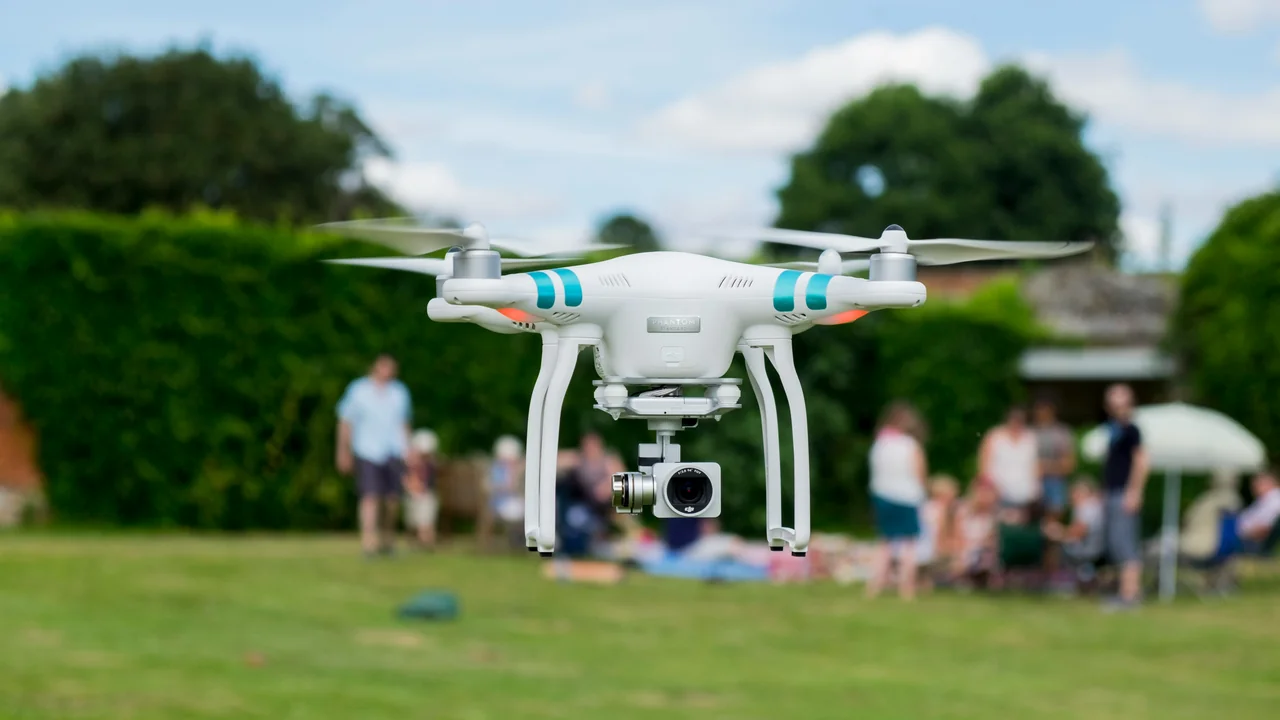
If you are a drone pilot living in or near Crawley, Horley, or Redhill, you likely already know that Gatwick Airport dominates the local airspace. The Gatwick airport drone laws are some of the strictest in the United Kingdom, and for good reason. In December 2018, the now-infamous Gatwick drone incident caused a 36-hour shutdown of the UK’s second busiest airport, affecting 140,000 passengers and costing over £50 million. This guide explains the current Flight Restriction Zone (FRZ), how the 2018 event reshaped UK legislation, and what it means for your drone flights in 2026.
What Is the Gatwick Airport Drone No-Fly Zone (FRZ)?
The Gatwick airport drone no-fly zone, officially called the Flight Restriction Zone (FRZ), is a protected area of airspace around LGW (ICAO code EGKK). Under current UK law, the FRZ extends to a 5-kilometre radius from the airport reference point, plus two long extensions along the runway centreline. These extensions stretch 5 kilometres beyond the runway ends, creating a shape that resembles a flattened oval or a “polo mint” on the map.
Gatwick is a single-runway airport (Runway 08L/26R), meaning all takeoffs and landings are concentrated on one axis. This makes the centreline extensions particularly important — any drone flying along the approach path presents an immediate safety risk to arriving and departing aircraft. The FRZ covers the entire area, including the airport perimeter, the terminal buildings, and the surrounding airspace up to 2,000 feet above ground level (AGL).
How the 2018 Gatwick Drone Incident Changed UK Law

The Gatwick drone incident of December 19–21, 2018, is the single most consequential drone event in British aviation history. Between 21:00 on 19 December and 14:00 on 21 December, multiple reports of drones near the runway forced Gatwick to suspend all operations. Over 1,000 flights were cancelled, stranding 140,000 passengers during the peak Christmas travel period. The British Army deployed the counter-drone system, and Sussex Police conducted an extensive search, but no operator was ever identified.
The incident exposed a critical gap in UK law. At the time, the FRZ around UK airports was only 1 kilometre in radius. The CAA and Department for Transport responded rapidly. Within months, the government announced a consultation that led to the extension of all UK airport FRZs to 5 kilometres. The Air Navigation (Amendment) Order 2019 came into effect on 13 March 2019, making it illegal to fly a drone within 5 kilometres of any protected aerodrome without permission.
Were Drones Actually Responsible for the Gatwick Shutdown?
This remains one of the most debated questions in aviation security. Despite the widespread belief that drones caused the shutdown, no physical evidence of a drone was ever recovered. Some credible theories suggest the sightings were misidentified birds — specifically, a flock of gulls or geese that appeared on radar and were visually mistaken for drones by multiple witnesses. A 2020 study by the University of Oxford raised the possibility of “mass hysteria” or confirmation bias among airport staff and police.
What is certain is that the Gatwick drone incident cost the UK aviation industry an estimated £50 million in lost revenue, compensation, and security upgrades. The police investigation cost a further £790,000. No arrests were ever made, and the case remains open. For drone pilots, the lesson is clear: even unconfirmed sightings can trigger a catastrophic response, and the legal consequences for flying near an airport are severe.
Areas Inside the Gatwick FRZ: Where You Cannot Fly
The Gatwick FRZ covers a significant portion of West Sussex and Surrey. If you live in any of the following areas, your drone is subject to the 5-kilometre restriction unless you have ATC authorisation:
- Crawley — the entire town lies within the FRZ, including Three Bridges, Pound Hill, and Furnace Green.
- Horley — the town centre and surrounding residential areas are inside the zone.
- Redhill (southern parts) — areas south of the A23, including Salfords and Earlswood, fall within the FRZ.
- Charlwood — the village is directly adjacent to the airport boundary.
- Smallfield — this village sits just outside the 5km radius but is still under the centreline extension.
- Copthorne — the village and the Copthorne Hotel are inside the FRZ.
To verify whether a specific location is inside the Gatwick FRZ, use the CAA’s Drone Assist app or the No-Fly Zone Checker before planning any flight.
Can You Fly a Drone Near Gatwick Airport in 2026?
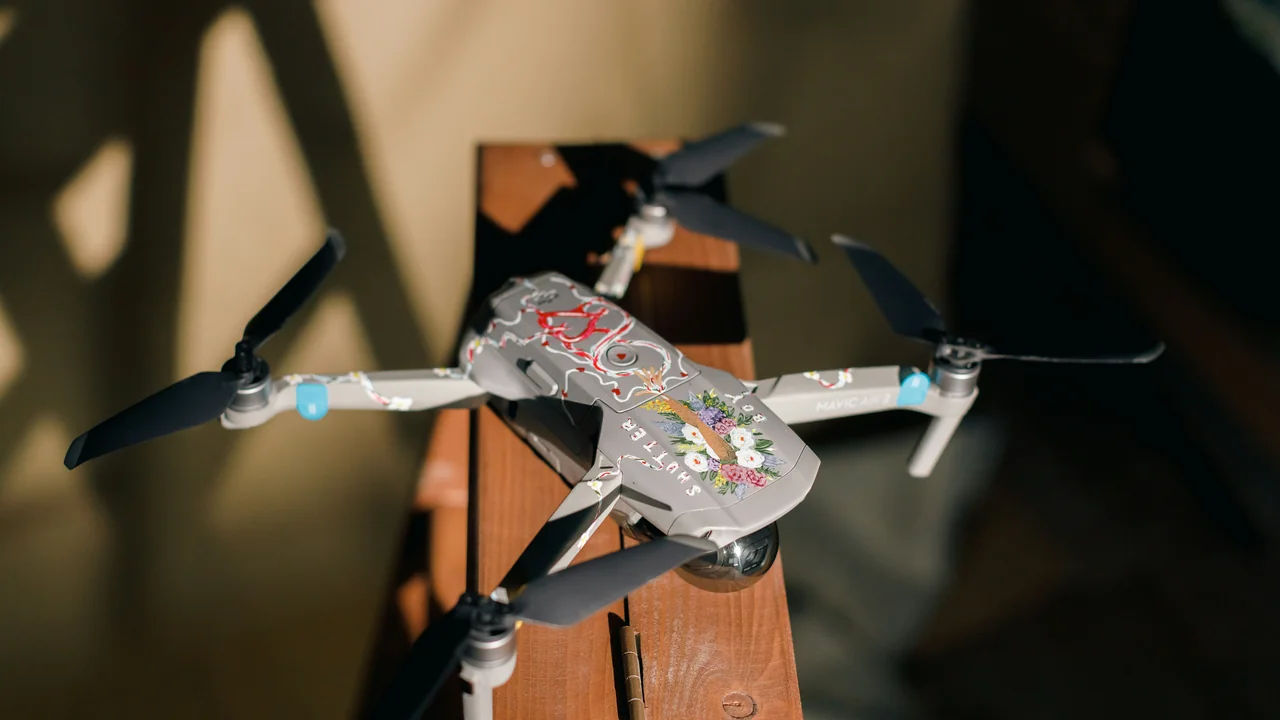
The answer is almost certainly no if you are within the 5-kilometre FRZ without authorisation. However, there are limited scenarios where flight may be permitted:
Authorised Flights
- ATC authorisation via NATS or CAA for commercial operations
- Police or emergency service drone operations
- Airport infrastructure inspections with prior permission
Prohibited Flights
- Any recreational flight inside the FRZ
- Commercial flight without ATC approval
- Flights within the centreline extensions regardless of radius
To obtain ATC authorisation, you must submit a detailed flight plan to NATS at least 28 days in advance, demonstrating that your operation poses no risk to air traffic. This is typically only granted for essential work such as runway inspections, wildlife surveys, or media filming with strict safety protocols. For most drone pilots, the FRZ is effectively a no-fly zone.
What About the Surrey Hills AONB?
The Surrey Hills Area of Outstanding Natural Beauty (AONB) lies partly outside the Gatwick FRZ. The southern edge of the AONB, including areas around Dorking, Box Hill, and Leith Hill, is generally accessible for drone flight provided you follow the Drone Code. However, the northern parts of the AONB near Reigate and Redhill are inside the FRZ. Always check a current airspace map before launching.
Ashdown Forest: A Better Alternative for South London Pilots
Ashdown Forest (East Sussex), famous as the setting for Winnie-the-Pooh’s Hundred Acre Wood, lies south of Gatwick’s FRZ. Most of the forest is outside the 5-kilometre zone, making it a viable location for recreational drone flight. However, be aware that Ashdown Forest is a National Landscape (formerly AONB) and has its own byelaws. You must not disturb wildlife or other visitors, and you should avoid flying over the forest’s many walking trails and car parks.
How to Check Airspace Before Flying Near Gatwick
Before every flight, you must check whether your chosen location is inside the Gatwick FRZ or any other restricted airspace. The CAA recommends using the Drone Assist app (developed by NATS) or the Altitude Angel app. Both show real-time airspace restrictions, including temporary danger areas and NOTAMs (Notices to Airmen). You can also use the No-Fly Zone Checker for a quick pre-flight check.
Launch the app on your mobile device before you travel to the flying site.
Use the map to confirm you are outside the Gatwick FRZ and any other restricted zones.
Look for any NOTAMs or temporary airspace changes that might affect your flight.
For commercial operations, ensure you have the necessary permissions and insurance.
Enforcement: Sussex Police Drone Unit
Sussex Police operates a dedicated drone unit that actively patrols the airspace around Gatwick. Officers use counter-drone technology, including radio frequency detectors and drone-jamming equipment, to identify and ground illegal drones. If you are caught flying inside the Gatwick FRZ without authorisation, you can expect your drone to be seized, a fine of up to £5,000, and potential prosecution under the Air Navigation Order. In serious cases, you could face imprisonment for endangering an aircraft.
Gatwick Drone Laws: Registration and Licensing Requirements
Even if you are flying outside the Gatwick FRZ, you must comply with UK drone registration and licensing rules. The CAA requires all drone operators with a drone weighing 250 grams or more to register for an Operator ID (£9 per year, valid for 12 months) and a Flyer ID (free, no expiry). You must display your Operator ID on your drone and carry your Flyer ID when flying. For commercial flights or flights near people, you also need an A2 Certificate of Competency (A2 CofC).
| Requirement | Cost | Who Needs It |
|---|---|---|
| Operator ID | £9/year | All operators with drone >250g |
| Flyer ID | Free | All drone pilots (online theory test) |
| A2 CofC | ~£150 (training) | Commercial pilots & those flying near people |
Final Thoughts: Flying Responsibly Near Gatwick
The Gatwick airport drone laws exist to protect passengers, aircraft, and the integrity of UK airspace. The 2018 Gatwick drone incident was a watershed moment that demonstrated the catastrophic consequences of irresponsible drone use. Whether the sightings were genuine drones or misidentified birds is almost irrelevant — the response reshaped legislation and enforcement practices across the country. As a drone pilot, your responsibility is to know the rules, check the airspace, and never fly inside the Gatwick FRZ without explicit ATC authorisation. Use the No-Fly Zone Checker before every flight, and always follow the Drone Code.
Frequently Asked Questions
What is the Gatwick drone no-fly zone?
The Gatwick drone no-fly zone is the Flight Restriction Zone (FRZ) that extends 5 kilometres from the airport reference point, plus centreline extensions 5 kilometres beyond each runway end. This creates a protected area that covers Crawley, Horley, parts of Redhill, Charlwood, and Smallfield. Any drone flight inside this zone without prior ATC authorisation is illegal under UK law.
What happened in the Gatwick drone incident 2018?
Between 19 and 21 December 2018, multiple reports of drones near the runway forced Gatwick Airport to suspend all operations for 36 hours. Over 1,000 flights were cancelled, affecting 140,000 passengers during the Christmas travel period. The British Army deployed counter-drone technology, and Sussex Police conducted an extensive investigation, but no operator was ever identified. The incident cost the aviation industry an estimated £50 million.
Can I fly a drone near Gatwick Airport?
You cannot fly a drone inside the 5-kilometre Gatwick FRZ without prior ATC authorisation from NATS. This applies to both recreational and commercial flights. For most drone pilots, the FRZ is effectively a no-fly zone. If you are outside the FRZ, you may fly provided you follow the Drone Code, keep below 400 feet AGL, and maintain a safe distance from people and property.
How big is Gatwick’s FRZ?
Gatwick’s FRZ has a radius of 5 kilometres from the airport reference point, with two centreline extensions that add an extra 5 kilometres beyond each end of the single runway. The total area covered is approximately 110 square kilometres, extending into parts of West Sussex and Surrey. The FRZ reaches up to 2,000 feet AGL.
Were drones actually responsible for the Gatwick incident?
This remains disputed. No physical evidence of a drone was ever recovered, and some credible theories suggest the sightings may have been misidentified birds, specifically a flock of gulls or geese. A 2020 University of Oxford study raised the possibility of confirmation bias among witnesses. However, the incident led to significant law changes regardless of the root cause.
What changed in UK drone law after Gatwick?
The most significant change was the extension of all UK airport FRZs from 1 kilometre to 5 kilometres, which came into effect on 13 March 2019 under the Air Navigation (Amendment) Order 2019. The government also introduced mandatory registration for drone operators and strengthened police enforcement powers. The Gatwick incident directly accelerated the implementation of these stricter regulations.
Can I fly a DJI Mini 4 Pro near Gatwick Airport?
No. The DJI Mini 4 Pro weighs under 250g, which exempts it from the UK’s operator registration requirement, but it is not exempt from airspace restrictions. You still cannot fly within the 5 km FRZ or any restricted airspace around Gatwick without prior permission from NATS and the airport.
What happens if I fly a drone inside the Gatwick FRZ?
You face immediate arrest under the Police Act 1996 and prosecution under the Air Navigation Order. Penalties include an unlimited fine and up to five years in prison. Sussex Police actively patrol the FRZ with drone detection equipment and respond to every reported sighting.
Do I need to register my drone if I only fly outside the FRZ?
Yes, if your drone weighs 250g or more. The UK CAA requires all drone operators with drones over 250g to register as an operator (cost £9 per year) and pass the online flyer ID test. This applies regardless of whether you fly near an airport.
Can I fly a drone in Crawley or Horley under 400 feet?
No. Both towns fall entirely within the Gatwick FRZ. Even if you stay under 400 feet AGL, you are still inside the 5 km no-fly zone. The altitude restriction applies only outside the FRZ — inside the FRZ, any drone flight is prohibited unless you have explicit permission.
How do I get permission to fly inside the Gatwick FRZ?
You must apply to NATS (National Air Traffic Services) via the Drone Assist app or the NATS Airspace Approval Portal. Approval is rarely granted for recreational flights and only for specific commercial operations with a valid Part 107 equivalent (PfCO or CAA permission). Expect a processing time of 7–14 days.
Does the Gatwick FRZ change during holidays or reduced flight schedules?
No. The 5 km FRZ is a permanent restriction based on the airport’s geographical location, not its operational hours. Even when the airport is closed (e.g., overnight or during reduced operations in winter), the airspace restriction remains in full force.
Can I fly a drone in Tilgate Park or Worth Park?
No. Both parks are located within the Gatwick FRZ (Tilgate Park is approximately 3 km from the airport). The FRZ applies to all land within the 5 km radius, including public parks, gardens, and open fields. No recreational drone flying is permitted.
What is the difference between the FRZ and the restricted airspace (R-areas) near Gatwick?
The FRZ is a 5 km radius around the airport where all drone flights are prohibited. Restricted airspace (R-areas) are additional zones, often military or sensitive sites, that may have separate restrictions. Around Gatwick, the FRZ is the primary restriction — there are no additional R-areas overlapping the FRZ itself.
Do model aircraft have the same restrictions as drones near Gatwick?
Yes. The Air Navigation Order applies equally to model aircraft (including fixed-wing models, helicopters, and multirotors) as it does to drones. The 5 km FRZ prohibits all unmanned aircraft operations, regardless of whether they are camera-equipped or flown for hobby purposes.
Can I fly a drone in the Gatwick FRZ if I am a certified commercial pilot?
Even with a valid PfCO or CAA operational authorisation, you cannot fly inside the FRZ without specific permission from NATS and the airport. The standard permission for commercial operations does not override the FRZ restriction — you must apply for a separate airspace access request.
Last updated: July 04, 2026
- UK Civil Aviation Authority (caa.co.uk)
- Air Navigation Order 2016 (as amended)
- Department for Transport — Drone safety report 2019
- NATS Drone Assist app and airspace data
- Sussex Police — Drone enforcement policy
Drone Allowed
DroneAllowed editor covering drone regulations, aviation law, and aerial photography across USA, UK, Canada & Australia.