
Can You Fly a Drone Over a Hospital? Rules, Helipad Restrictions & What to Know
 16 min read
3,076 words
16 min read
3,076 words
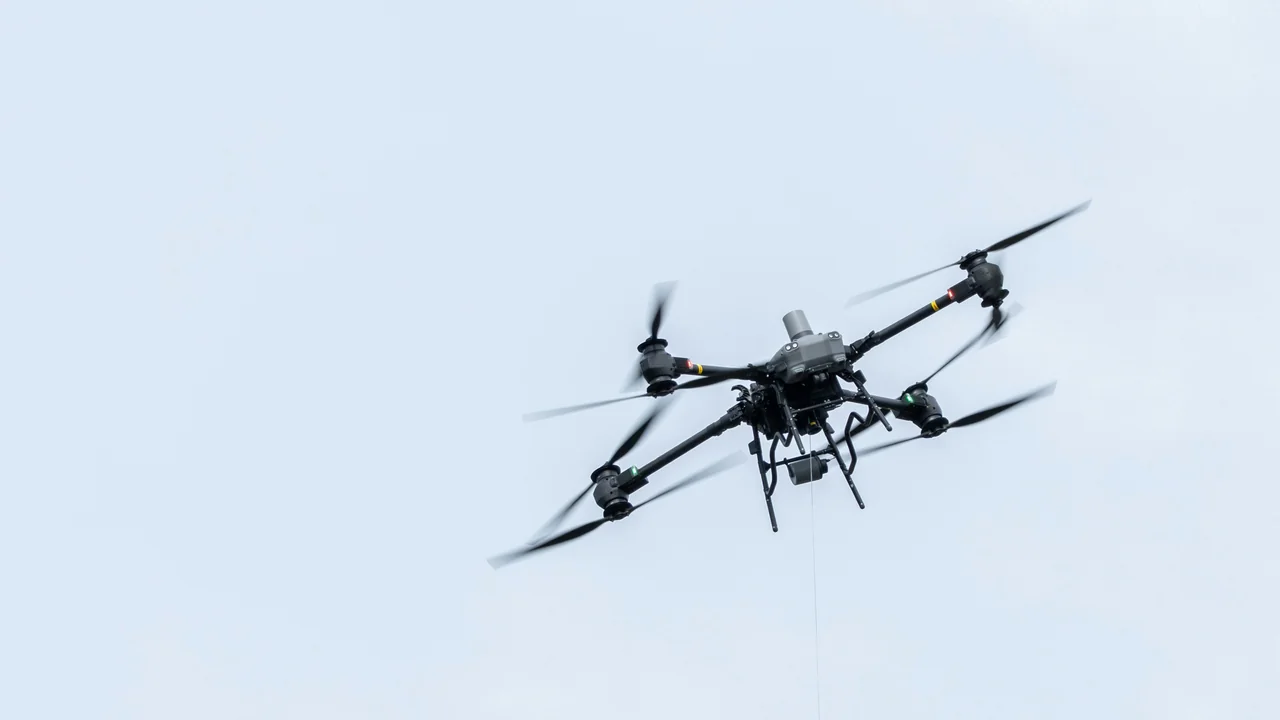
Can You Fly a Drone Over a Hospital? The FAA Has No Blanket Ban
If you have ever wondered, “Can you fly a drone over a hospital?” you are not alone. This is one of the most common questions pilots ask, and the answer is more nuanced than a simple yes or no. In this guide, we will break down the federal rules, the critical helipad restrictions, state-level laws, and international regulations in the UK and Australia, so you know exactly what is at stake before you fly near a medical facility.
The short answer is that the Federal Aviation Administration (FAA) does not have a specific rule that automatically makes every hospital a no-fly zone for drones. This surprises many pilots. Unlike airports, stadiums, or national security sites, hospitals are not listed in the FAA’s statutory no-fly zones under 14 CFR Part 107 or the Special Rule for Model Aircraft. However, this does not mean you have a green light to fly over any hospital. The absence of a blanket federal ban places the responsibility squarely on you as the pilot to assess the risks and comply with other regulations.
What this means for your flight: You must still follow all standard Part 107 rules, including staying below 400 feet AGL, maintaining visual line of sight, and not flying over people or moving vehicles unless you have a waiver. If a hospital has a helipad, the situation changes dramatically, as we will cover next.
Hospital Helipad Drone No-Fly: The Critical Restriction
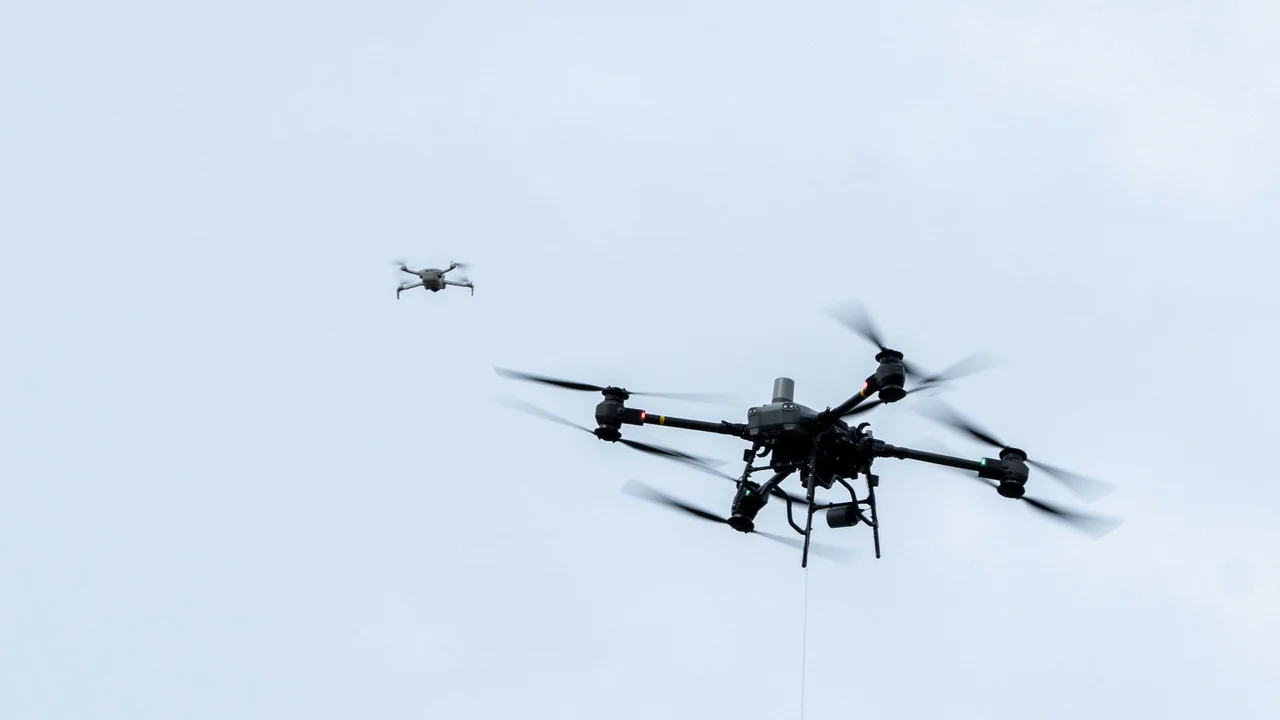
The single most important restriction when considering a drone near hospital rules is the presence of a helipad. Hospital helipads are used by air ambulances—helicopter emergency medical services (HEMS)—that operate under extreme time pressure and often in low-visibility conditions. The FAA’s Advisory Circular 150/5390-2C on heliport design specifies approach and departure corridors that drones must not obstruct.
What Are Helipad Approach and Departure Corridors?
Every helipad has defined approach and departure paths, typically at a 15:1 slope ratio (one foot of vertical clearance for every 15 feet of horizontal distance). This means a drone flying at 200 feet AGL could be directly in the path of an incoming air ambulance half a mile away. The FAA considers any obstruction in these corridors a serious safety hazard. While the FAA does not publish a static map of these corridors for every hospital, the responsibility falls on you to identify helipads and avoid them.
NOTAMs During Active Air Ambulance Operations
When an air ambulance is inbound or departing a hospital, the facility or local air traffic control may issue a Notice to Air Missions (NOTAM) temporarily restricting the airspace around the helipad. While NOTAMs are more common near airports, hospitals with high-volume helipads (such as Level I trauma centers) may issue them. You can check NOTAMs through the FAA’s website or apps like ForeFlight. If a NOTAM is active, flying over the hospital is illegal, regardless of the absence of a permanent no-fly zone.
State-Level Drone Hospital Restrictions: Know Your Local Laws
While the FAA does not ban drones over hospitals, several states have enacted laws that do. These state-level drone hospital restrictions typically classify hospitals as “critical infrastructure” or “protected facilities.” For example, states like Florida, Texas, and New York have laws making it illegal to operate a drone over a hospital without permission. Penalties can include fines and even jail time.
What this means for your flight: Before flying near any hospital, research your state’s drone laws. Look for terms like “critical infrastructure,” “healthcare facility,” or “hospital no-fly zone.” If your state has such a law, you must comply or face legal consequences.
Drone Over Medical Centre UK: CAA Rules and NHS Operations
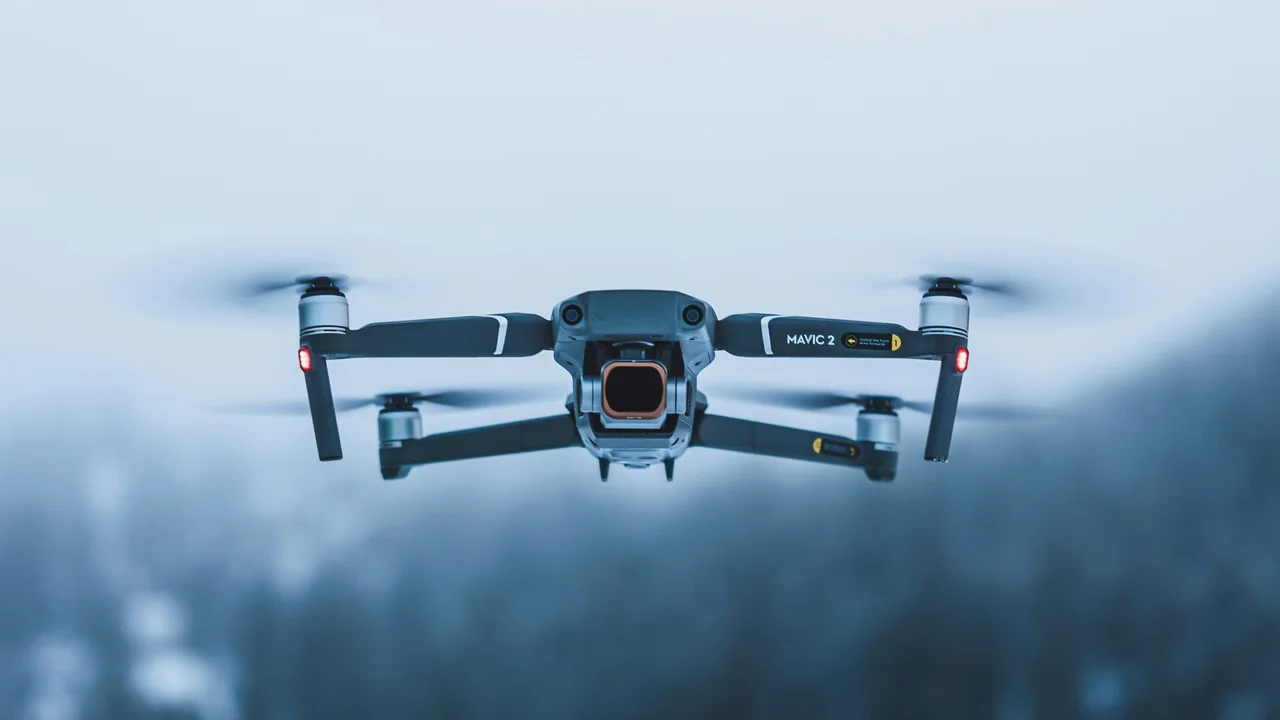
In the United Kingdom, the Civil Aviation Authority (CAA) does not have a blanket ban on flying drones over hospitals either. However, the UK has its own set of rules that effectively restrict such flights. The Air Navigation Order 2016 and the Drone Code require you to keep your drone at least 50 meters away from people, vehicles, and buildings not under your control. A hospital is a building full of people, so you would need to stay 50 meters away from the structure itself.
Helipads and Flight Restriction Zones (FRZs) in the UK
When a hospital helipad is active, the area around it can become a Flight Restriction Zone (FRZ). The CAA’s rules state that you must not fly within the FRZ of an active helipad. Unlike permanent FRZs around airports, hospital helipad FRZs are dynamic—they exist only when the helipad is in use. This makes it even more dangerous because you cannot rely on a static map. You must be aware of air ambulance activity in real time.
UK HEMS operations, such as the London Air Ambulance or local NHS trusts, operate around the clock. These helicopters often land on small, rooftop helipads surrounded by buildings. A drone in the approach path is a catastrophic risk. The CAA has prosecuted drone pilots for flying near air ambulances, with fines reaching thousands of pounds.
Is Flying Drone Over Hospital Illegal in Australia? CASA’s Stance
In Australia, the Civil Aviation Safety Authority (CASA) follows a similar pattern. There is no specific rule that bans drones over every hospital, but the existing regulations make it nearly impossible to do so legally. Under the Part 101 rules, you cannot fly a drone over a populated area or near emergency operations. A hospital is both a populated area and a site of potential emergency operations.
Helipad Proximity and CASA’s Rules
CASA’s rules require you to keep your drone at least 30 meters away from people and not fly over any area where emergency services are operating. If a hospital has a helipad, and an air ambulance is inbound, the entire area around the hospital becomes an emergency operations zone. CASA has issued strong warnings about drones near hospitals, especially after incidents where drones delayed air ambulance landings.
Pros of Avoiding Hospital Flights
- Zero risk of interfering with air ambulance
- No legal exposure under state or federal law
- Protects patient privacy and public trust
Cons of Flying Over Hospitals
- Potential criminal charges under state law
- Risk of causing a helicopter accident
- Public backlash and loss of drone flying privileges
Ethical Considerations: Patient Privacy and Data Protection
Beyond the legal and safety issues, there is a strong ethical argument against flying drones over hospitals. Hospitals house patients in vulnerable states. A drone flying near windows can easily capture video or photos of patients, medical procedures, or private conversations. This raises serious privacy concerns, and in many jurisdictions, it could violate data protection laws.
UK GDPR and Patient Privacy
In the UK, the General Data Protection Regulation (GDPR) and the Data Protection Act 2018 apply to any footage you capture. If your drone camera records identifiable patients, you are processing personal data without consent. The Information Commissioner’s Office (ICO) can fine you up to £17.5 million or 4% of your annual turnover. Even in the US, where federal privacy laws are weaker, filming patients without consent could lead to civil lawsuits for invasion of privacy.
What this means for your flight: Even if you legally can fly over a hospital, you should not. The risk of capturing someone in a private moment is too high. Use common sense and respect the dignity of patients.
Practical Advice: Why You Should Avoid Flying Over Hospitals
After reviewing all the rules, the safest and most responsible answer to “can you fly a drone over a hospital” is: do not do it. The combination of unpredictable helipad activity, state-level bans, privacy concerns, and public safety makes it a high-risk maneuver with little reward. There are plenty of other locations to fly that do not involve these complications.
- Check for helipads using apps like AirMap or the FAA’s VFR map before your flight.
- Research state and local laws regarding drones over critical infrastructure.
- Always maintain a safe distance from buildings and people—at least 50 meters (UK) or 30 meters (Australia).
- Use a No-Fly Zone Checker to identify restricted areas near your flight path.
- If you see an air ambulance approaching, land your drone immediately and wait until it has passed.
Can You Fly a Drone Over a Hospital in Canada? Transport Canada’s Rules
If you are piloting in Canada, Transport Canada applies a risk-based framework under the Canadian Aviation Regulations (CARs). For recreational or basic operations, you must stay 30 meters away from people not involved in your flight, and you cannot fly over emergency scenes or areas where first responders are actively working. Hospitals qualify as both a populated area and a potential emergency scene.
For advanced operations near a hospital, you need a Special Flight Operations Certificate (SFOC). This is mandatory if you plan to fly within the controlled airspace that often surrounds major hospital helipads. Without an SFOC, Transport Canada considers any flight over a hospital as a violation of Section 901.25 (recreational) or 903.01 (basic operations) of the CARs.
What About Flying Over a Hospital at Night?
Night operations over hospitals add another layer of complexity. In the United States, the FAA requires a Part 107 waiver for night flights unless you are flying under the recreational exception with anti-collision lighting. Even with a waiver, flying over a hospital at night poses unique risks:
- Helipad lighting can be confusing — you may misjudge your altitude relative to landing aircraft.
- Night air ambulance operations are common — helicopters often land without warning at Level 1 trauma centers.
- Local noise ordinances may be stricter at night, and hospital administrators are more likely to report a drone buzzing over patient rooms after dark.
In the UK, the CAA prohibits night flights unless you hold a valid PfCO (Permission for Commercial Operations) that specifically authorizes night operations. Even then, you must maintain direct visual line of sight and remain below 400 feet. Flying over an NHS hospital at night without explicit permission from both the CAA and the hospital trust is almost certain to result in a complaint to the police.
How to Get Permission to Fly Over a Hospital (If You Must)
There are rare legitimate reasons to fly over a hospital — for example, inspecting a helipad, surveying solar panel installations, or filming a training exercise. If you need to do this, follow these steps:
Call the facilities management or security office. Explain your project and ask for written permission. Be prepared to show your FAA Part 107 certificate, CAA PfCO, or equivalent license.
Use tools like AirMap, FAA B4UFLY, or CASA’s OpenSky to see if the hospital lies within controlled airspace or a TFR zone. If it does, you need an airspace authorization from the relevant authority before you can fly.
In the US, apply for a Part 107 waiver for operations over people or night flight if needed. In Canada, apply for an SFOC. In Australia, request a permission from CASA under Part 101. Expect processing times of 30–90 days.
If the hospital has a heliport with an ATC tower, contact them before your flight. They may require you to maintain a specific altitude or avoid the approach path during certain hours.
Final Thoughts
The question of whether you can fly a drone over a hospital does not have a simple yes or no answer, but the responsible answer is clear. The FAA does not impose a blanket ban, but the presence of helipads, state laws, and ethical considerations create a web of restrictions that make such flights inadvisable. Your priority as a drone pilot should always be safety—for yourself, for patients, and for the air ambulance crews who risk their lives to save others. Use tools like the No-Fly Zone Checker to plan your flights, and when in doubt, choose a different location. The sky is big enough for everyone.
Frequently Asked Questions
Can you legally fly a drone over a hospital?
There is no blanket federal law in the US that makes it illegal to fly a drone over a hospital. However, state-level laws may classify hospitals as critical infrastructure and prohibit drone flights over them. Additionally, if the hospital has a helipad, flying in the approach or departure path of an air ambulance is extremely dangerous and may violate FAA regulations. Always check local laws and avoid flying near helipads.
Is a hospital a drone no-fly zone?
No, hospitals are not automatically designated as drone no-fly zones by the FAA. Unlike airports or military bases, they are not listed in the FAA’s permanent restricted airspace. However, many states have passed laws creating no-fly zones over hospitals, and active helipad operations can generate temporary restrictions through NOTAMs. You should treat hospitals as high-risk areas and avoid flying over them unless you have explicit permission.
Are there drone restrictions near hospital helipads?
Yes, there are significant restrictions near hospital helipads. The FAA’s Advisory Circular 150/5390-2C defines approach and departure corridors that must remain clear of obstructions, including drones. Flying a drone in these corridors can interfere with air ambulance operations and is considered a safety hazard. In the UK, active helipads generate Flight Restriction Zones (FRZs), and in Australia, CASA prohibits flying near emergency operations. Always maintain a wide berth around any helipad.
What are the rules for flying drones near NHS hospitals UK?
The CAA’s Drone Code requires you to keep your drone at least 50 meters away from people, vehicles, and buildings not under your control. Since NHS hospitals are large buildings with many people, you must stay at least 50 meters away from the structure itself. Additionally, if the hospital has an active helipad, the area becomes a Flight Restriction Zone (FRZ). Flying over a congested area like a hospital is also prohibited under UK law, making most hospital overflights illegal.
Is it illegal to fly a drone over a hospital in Australia?
Under CASA’s Part 101 rules, it is illegal to fly a drone over a populated area or near emergency operations. A hospital qualifies as both. If the hospital has a helipad and an air ambulance is operating, the entire area becomes an emergency operations zone. CASA has issued strong warnings against flying drones near hospitals, and violators can face significant fines. Even without a helipad, flying over a hospital is likely illegal due to the populated area restriction.
What happens if a drone interferes with an air ambulance?
Interfering with an air ambulance can have severe consequences. In the US, the FAA can revoke your pilot certificate and impose civil penalties of up to $27,500. If the interference causes an accident, you could face criminal charges including reckless endangerment or even manslaughter. In the UK, the CAA has prosecuted drone pilots for flying near air ambulances, resulting in fines of several thousand pounds. Beyond the legal penalties, you could be responsible for delaying critical medical care, potentially costing a patient their life.
Can I fly my drone over a hospital parking lot?
Technically yes, if you stay below 400 feet and avoid people. However, hospital parking lots are often adjacent to helipads or emergency vehicle routes. You risk being reported if a helicopter is landing or if a patient sees your drone as a privacy threat. It is safer to find an alternative location.
What happens if my drone crashes into a hospital helipad?
You face immediate FAA investigation, possible criminal charges under 18 U.S.C. § 32 (destruction of aircraft facilities), and civil lawsuits from the hospital and any affected patients. In the UK, the CAA can revoke your PfCO permanently. In Australia, CASA can impose fines up to AUD $11,100.
Do hospital no-fly zones appear on drone apps?
Not always. Apps like DJI Fly and AirMap show airport and heliport airspace, but they do not show hospital property boundaries or patient privacy zones. You must manually check local laws and hospital policies. Do not rely solely on app data.
Is it legal to fly a drone over a children’s hospital?
No — and the ethical stakes are even higher. Children’s hospitals often have helipads for pediatric air ambulances, and patient privacy laws (like HIPAA in the US) are strictly enforced. Flying over a children’s hospital without permission is reckless and could result in felony charges if any patient is harmed or distressed.
Can I fly my drone near a hospital to film an ambulance?
No. Emergency scenes are protected airspace in most countries. Filming an ambulance arriving at a hospital could interfere with medical staff, delay patient care, or capture protected health information. Wait until the ambulance has entered the building and move to a location at least 150 feet away from any entrance.
Last updated: July 04, 2026
- Federal Aviation Administration (FAA) — Advisory Circular 150/5390-2C
- Civil Aviation Authority (CAA UK) — The Drone Code and Air Navigation Order 2016
- Civil Aviation Safety Authority (CASA Australia) — Part 101 Rules
- Transport Canada — Canadian Aviation Regulations (CARs) Part IX
- U.S. Department of Health & Human Services — HIPAA Privacy Rule
Drone Allowed
DroneAllowed editor covering drone regulations, aviation law, and aerial photography across USA, UK, Canada & Australia.