Oregon Drone Laws 2026: Crater Lake, Coast & State Park Rules
 14 min read
2,635 words
14 min read
2,635 words
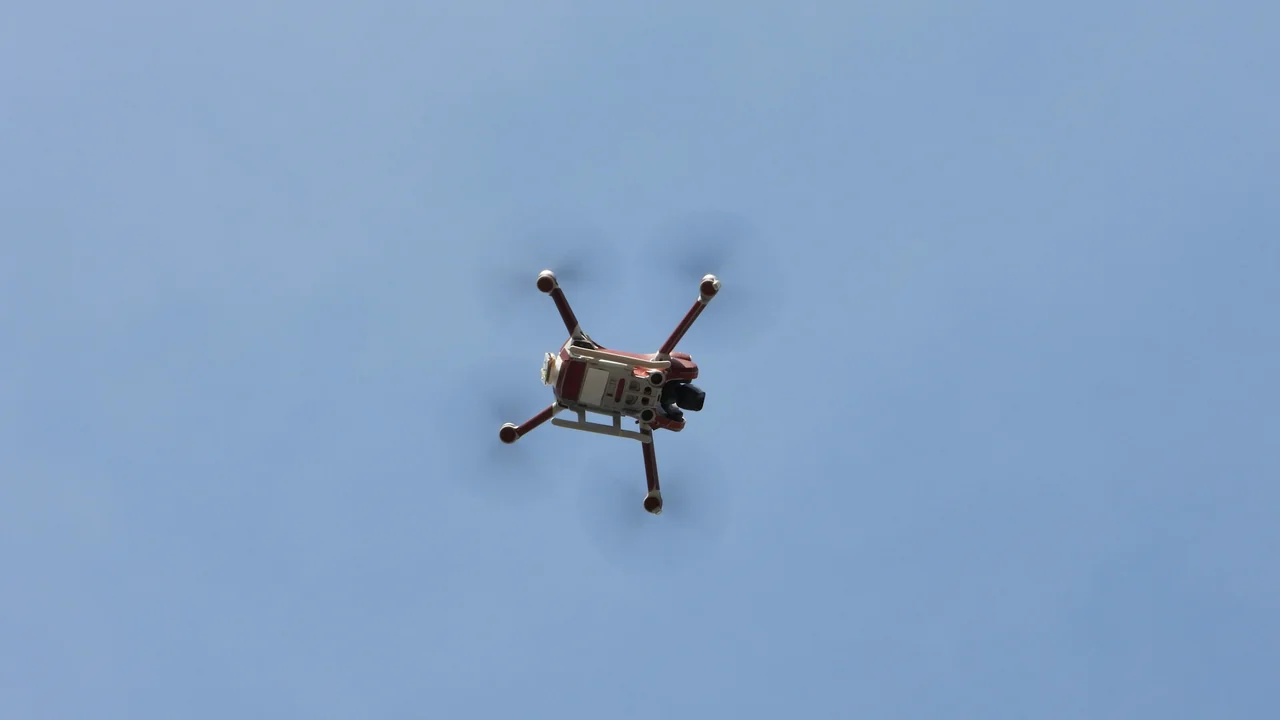
If you are planning to fly your drone in Oregon in 2026, you need to understand a layered set of rules that go far beyond the basic FAA regulations. Oregon drone laws are defined by a mix of federal airspace rules, strict National Park Service bans, Oregon State Parks permit requirements, and unique coastal policies from the Oregon Parks and Recreation Department (OPRD). Whether your goal is to capture the deep blue of Crater Lake, the dramatic cliffs of the Oregon coast, or the iconic Multnomah Falls, this guide will walk you through exactly where you can fly, what permits you need, and what penalties you risk if you ignore the rules. We cover Crater Lake, the coast, Portland airspace, the Columbia River Gorge, and every other major flying location in the state.
Federal FAA Baseline: The Rules That Apply Everywhere in Oregon
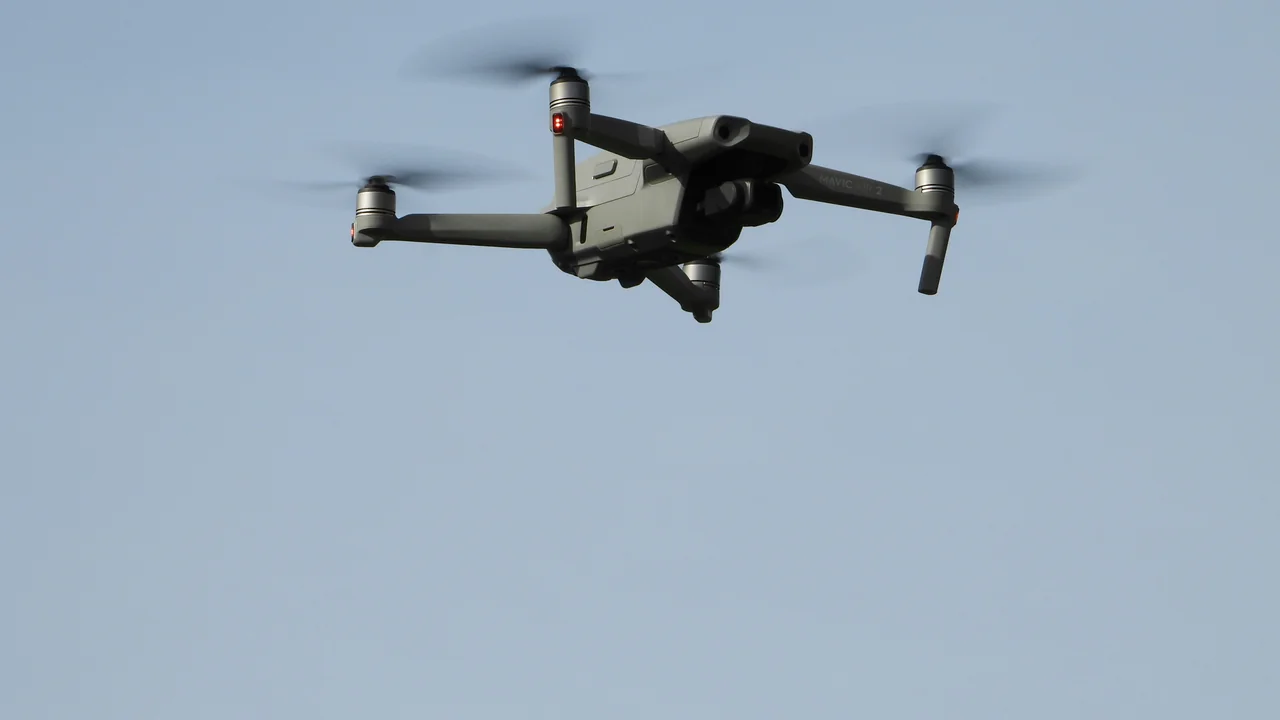
Before you consider any state or local restrictions, you must comply with the Federal Aviation Administration (FAA) rules. These are non-negotiable and apply to every drone flight in the United States, including all of Oregon.
If your drone weighs more than 0.55 pounds (250 grams), you must register it with the FAA through the FAA DroneZone before your first flight. The fee is $5 and the registration is valid for three years. You must also pass the TRUST test (The Recreational UAS Safety Test) and carry proof of both registration and test completion when you fly. For commercial operations, you need a Part 107 Remote Pilot Certificate. You cannot fly above 400 feet above ground level (AGL), you must keep your drone in visual line of sight, and you cannot fly over people or moving vehicles without a waiver. Always check airspace before you fly using a tool like the No-Fly Zone Checker.
Drone Rules at Crater Lake National Park: Banned Without Exception
Crater Lake is one of the most iconic natural landmarks in the Pacific Northwest, but the drone rules here are absolute. As a unit of the National Park Service (NPS), Crater Lake National Park enforces a complete and permanent ban on all unmanned aircraft, including drones of any size.
Why Is Crater Lake a No-Fly Zone?
The NPS ban is rooted in the Wilderness Act and the park’s enabling legislation. Drones create noise pollution that disrupts the natural soundscape, disturb wildlife such as bald eagles and peregrine falcons, and intrude on the experience of other visitors. The ban applies to takeoff, landing, and operation from any location within park boundaries. Even if you launch from outside the park and fly over the lake, you are violating the rule.
If you want aerial footage of Crater Lake, your only legal option is to hire a licensed commercial operator who has obtained a Special Use Permit from the NPS, which is rarely granted and only for research or official documentation purposes. The nearest legal flying locations are in the surrounding Umpqua National Forest and Winema National Forest, which are generally open to drone flight under USFS rules.
Oregon Coast Drone Laws: What the OPRD Says About State Beaches
The Oregon coast is a major draw for drone pilots, with its rugged cliffs, sea stacks, and endless sandy beaches. However, the rules are not as simple as “fly anywhere over the ocean.” The Oregon Parks and Recreation Department (OPRD) manages the state’s beach areas, and their policy is nuanced.
Can You Fly a Drone on Oregon Beaches?
The short answer is yes, but with significant restrictions. OPRD allows drone operation on state-managed beaches, but only if you follow these rules:
- You must not harass or disturb wildlife, including seabirds, seals, and sea lions. Federal laws like the Marine Mammal Protection Act also apply.
- You must not fly over people on the beach, including sunbathers, surfers, or groups gathered at tide pools.
- You must maintain a 500-foot distance from any nesting birds, particularly during the spring and summer breeding season.
- You cannot fly from or over state park campgrounds, day-use areas, or parking lots without a permit.
For commercial filming or photography on state-managed beaches, you must obtain a Commercial Filming Permit from OPRD. The fee is $100 for a 14-day permit or $500 for an annual permit. This applies even if you are a solo Part 107 operator flying for a client. The permit application process requires proof of insurance and a detailed description of your flight plan.
Oregon State Parks Drones: Permit Required for All Flights
Oregon State Parks have a specific policy that differs from the NPS ban. While drones are not completely banned, they are heavily regulated. You cannot simply walk into a state park and launch your drone.
Do You Need a Permit to Fly in Oregon State Parks?
Yes. For any drone flight in an Oregon State Park, you need a Special Use Permit. This applies to both recreational and commercial pilots. The permit is not free and requires application in advance. The park manager will evaluate your request based on potential impacts to visitors, wildlife, and park resources.
| Park Type | Drone Policy | Permit Required? | Fee |
|---|---|---|---|
| Oregon State Parks (e.g., Silver Falls, Fort Stevens) | Allowed with permit only | Yes (Special Use Permit) | Varies (typically $50-$200) |
| Oregon Coast State Parks (e.g., Cape Perpetua) | Allowed with permit on beaches; banned in developed areas | Yes | Varies |
| Oregon Caves National Monument | Banned (NPS) | N/A | N/A |
Drone Laws in Portland: Navigating PDX Airspace
Portland is the largest city in Oregon, and its airspace is complex. The Portland International Airport (PDX) is a Class C airspace, meaning there are strict altitude and authorization requirements.
Flying a Drone Near PDX
If you are within 5 miles of PDX, you must use the LAANC (Low Altitude Authorization and Notification Capability) system to obtain real-time airspace authorization. The PDX controlled airspace extends in a 5-nautical-mile radius from the airport, with altitude limits varying from 0 to 400 feet depending on the specific grid. You can check your exact location using the No-Fly Zone Checker before you fly.
Legal Flying Spots in Portland
- Forest Park (city park — check local rules)
- Mount Tabor Park (city park — no blanket ban)
- Willamette River waterfront (avoiding crowds)
Restricted Areas in Portland
- PDX Class C airspace (LAANC required)
- Washington Park (city park with zoo — likely restricted)
- Portland International Airport (no-fly zone)
Portland city parks do not have a citywide drone ban, but individual parks may have specific rules. Always check with Portland Parks & Recreation before flying in any park. The safest approach is to fly over the Willamette River away from bridges and populated areas.
Columbia River Gorge Drone Rules: A Complex Mix of Jurisdictions
The Columbia River Gorge National Scenic Area (NSA) is one of the most popular drone destinations in Oregon, but it is also one of the most legally complex. The NSA is managed by both the U.S. Forest Service (USFS) and the National Park Service (NPS), depending on the specific area.
USFS Areas in the Gorge: Generally Open
Most of the Columbia River Gorge is within the Mount Hood National Forest and the Gifford Pinchot National Forest, which are managed by the USFS. On USFS land, drones are generally allowed as long as you follow FAA rules and do not disturb wildlife or other visitors. You do not need a permit for recreational flight on USFS land, but commercial operations require a Special Use Permit from the forest service.
NPS Areas in the Gorge: Banned
However, certain specific areas within the Gorge are managed by the NPS and are off-limits. This includes the Oregon Caves National Monument (though not technically in the Gorge) and any designated wilderness areas within the NSA. The most confusing part for pilots is the Multnomah Falls area.
Multnomah Falls Drone Rules: Popular but Restricted
Multnomah Falls is the most visited natural attraction in the Pacific Northwest. The area around the falls is managed by the U.S. Forest Service, but it is also within the Columbia River Gorge NSA. The USFS has implemented a temporary flight restriction (TFR) over the Multnomah Falls viewing area during peak tourist season (May through September).
If you are caught flying at Multnomah Falls during the TFR, you face a federal fine of up to $10,000. Do not attempt it. The USFS rangers are vigilant and have issued citations in recent years.
John Day Fossil Beds: NPS Ban
John Day Fossil Beds National Monument is another NPS unit in Oregon. As with Crater Lake, drones are completely banned within the monument boundaries. The park is famous for its colorful Painted Hills, and many pilots are tempted to fly there for aerial photos. Do not. The ban is absolute, and the NPS enforces it strictly.
Willamette National Forest and Other USFS Land: Generally Open
For drone pilots looking for open flying space, the national forests of Oregon are your best bet. The Willamette National Forest, Umpqua National Forest, Deschutes National Forest, and others are managed by the USFS and generally allow drone flight.
What Are the Rules for Flying in USFS Land?
- Follow all FAA rules (registration, altitude, line of sight).
- Do not fly over or near wildfire operations. This is a federal crime.
- Do not disturb wildlife, especially during calving or nesting seasons.
- Do not fly in designated Wilderness Areas (e.g., Three Sisters Wilderness, Mount Jefferson Wilderness). Drones are considered “mechanical transport” and are banned in wilderness.
- For commercial operations, you need a Special Use Permit from the local ranger district.
Commercial Filming Permits for State Land in Oregon
If you are a commercial drone operator, you need to understand the permit requirements for state-managed land. The Oregon Parks and Recreation Department (OPRD) requires a Commercial Filming Permit for any drone flight on state park land, including beaches. The same applies to the Oregon Department of Transportation (ODOT) for flights over state highways and bridges.
The permit application process is straightforward but requires lead time. You will need to provide proof of insurance (minimum $1 million liability), a description of your flight plan, and the purpose of the footage. The fee is $100 for a 14-day permit or $500 for an annual permit. For ODOT-managed land, the process is similar but handled through the ODOT Film Office.
Final Thoughts: Flying Legally in Oregon in 2026
Oregon offers some of the most spectacular drone flying opportunities in the United States, but the legal landscape is fragmented. The key takeaway is this: Know your jurisdiction before you launch. National Park Service land (Crater Lake, John Day Fossil Beds, Oregon Caves) is a complete no-fly zone. Oregon State Parks require a permit for any flight. The coast is generally open but with strict wildlife and crowd restrictions. National forests are your best bet for open flying, but avoid wilderness areas and wildfire operations.
Before any flight, check airspace with the No-Fly Zone Checker and verify your drone’s weight with the Weight Checker. If you are flying commercially, always secure the necessary permits from the managing agency. Oregon’s natural beauty is worth preserving, and responsible flying ensures that these areas remain accessible to drone pilots for years to come.
Frequently Asked Questions
Are drones allowed at Crater Lake?
No, drones are strictly banned at Crater Lake National Park. The National Park Service prohibits the launching, landing, or operation of unmanned aircraft within park boundaries. This includes flying over the lake from outside the park. Violators face fines of up to $5,000 and potential confiscation of their drone. The nearest legal flying locations are in the surrounding Umpqua National Forest.
Can I fly a drone on Oregon beaches?
Yes, you can fly a drone on Oregon state-managed beaches, but with restrictions. You must not disturb wildlife, fly over crowds, or operate within 500 feet of nesting birds. If you are on a state park beach (like Cannon Beach), you need a Special Use Permit from OPRD for commercial flights. Recreational flights are allowed but must follow all OPRD rules. Launching from state park campgrounds or day-use areas is prohibited without a permit.
What are the drone laws in Portland?
Portland airspace is controlled by the Portland International Airport (PDX) Class C airspace. You must use the LAANC system to obtain authorization before flying within 5 miles of PDX. City parks in Portland do not have a blanket drone ban, but individual parks may have specific rules. The safest legal flying spots include Forest Park and the Willamette River waterfront, provided you avoid crowds and follow FAA rules.
Are drones allowed in the Columbia River Gorge?
It depends on the specific area. Most of the Columbia River Gorge is managed by the USFS and allows drone flight without a permit for recreational use. However, designated wilderness areas and NPS-managed sites within the Gorge are off-limits. The Multnomah Falls area has a temporary flight restriction during peak tourist season. Always check the specific jurisdiction before flying.
Can I fly a drone in Oregon State Parks?
Yes, but only with a Special Use Permit from the Oregon Parks and Recreation Department. This applies to both recreational and commercial pilots. The permit requires advance application, proof of insurance for commercial flights, and a fee that varies by park. Flying without a permit in an Oregon State Park can result in a citation and confiscation of your drone.
Do I need a permit to fly in Oregon National Forests?
For recreational flights, no permit is required on USFS land in Oregon, as long as you follow FAA rules and avoid designated Wilderness Areas. For commercial flights, you need a Special Use Permit from the local ranger district. The permit process typically takes two to four weeks and requires proof of insurance. Always check with the specific forest service office before flying commercially.
Last updated: June 25, 2026
- Federal Aviation Administration (faa.gov)
- National Park Service (nps.gov)
- Oregon Parks and Recreation Department (oregon.gov/oprd)
- U.S. Forest Service (fs.usda.gov)
- Columbia River Gorge National Scenic Area (gorgecommission.org)
Drone Allowed
DroneAllowed editor covering drone regulations, aviation law, and aerial photography across USA, UK, Canada & Australia.