
DJI Mini 2 SE Review 2026: Best Entry-Level Drone Under 250g?
 14 min read
2,768 words
If you are looking for the absolute cheapest way to get a DJI camera drone that flies well and shoots 4K video, the DJI Mini 2 SE is the answer. In this DJI Mini 2 SE review, we will break down exactly what this drone offers in 2026, how its camera compares to the Mini 3, and whether it is actually worth buying over the newer DJI Neo. By the end, you will know if this sub-250g budget drone is the right first drone for you.
DJI Mini 2 SE Review: Design and Weight (Under 250g)
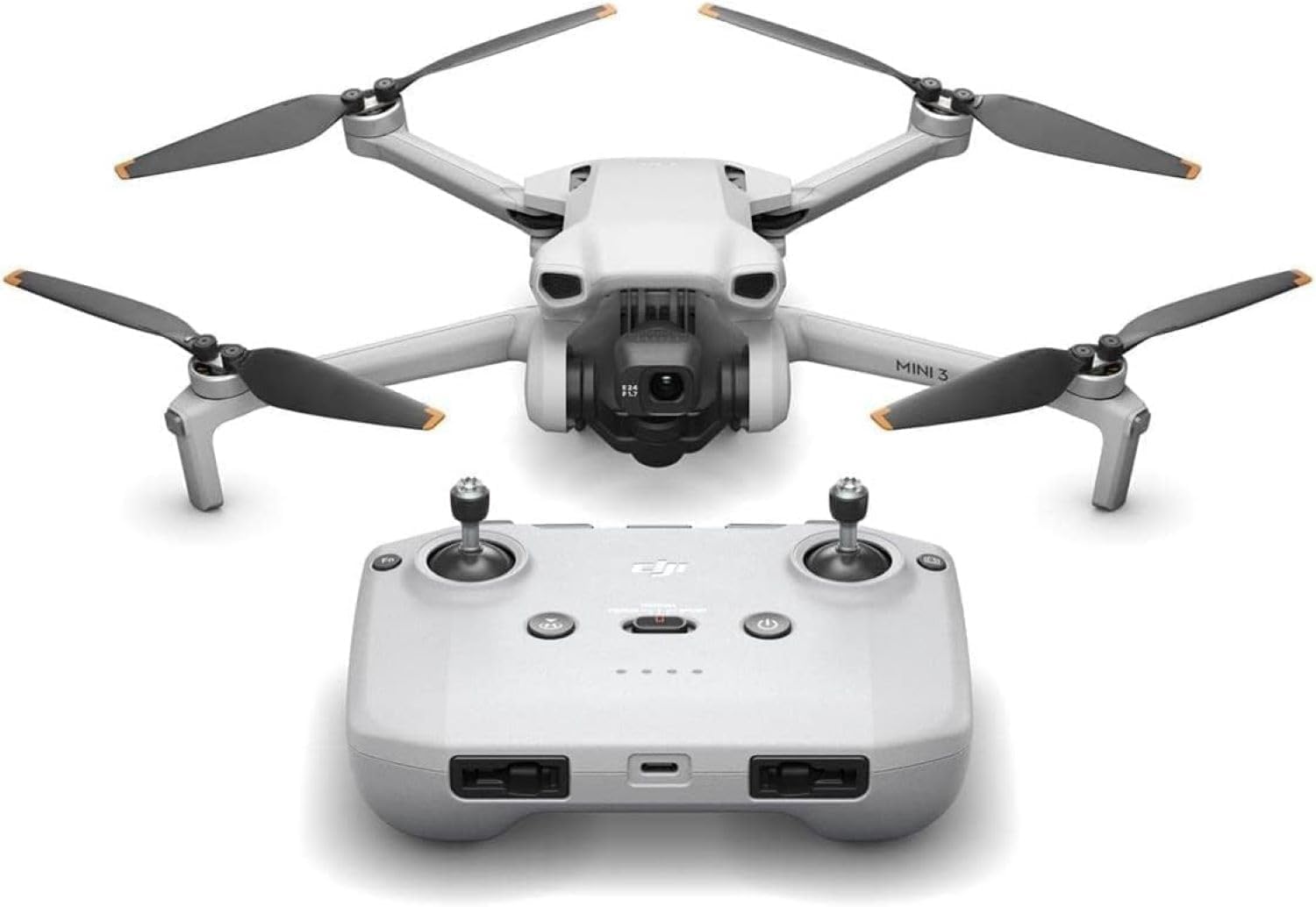
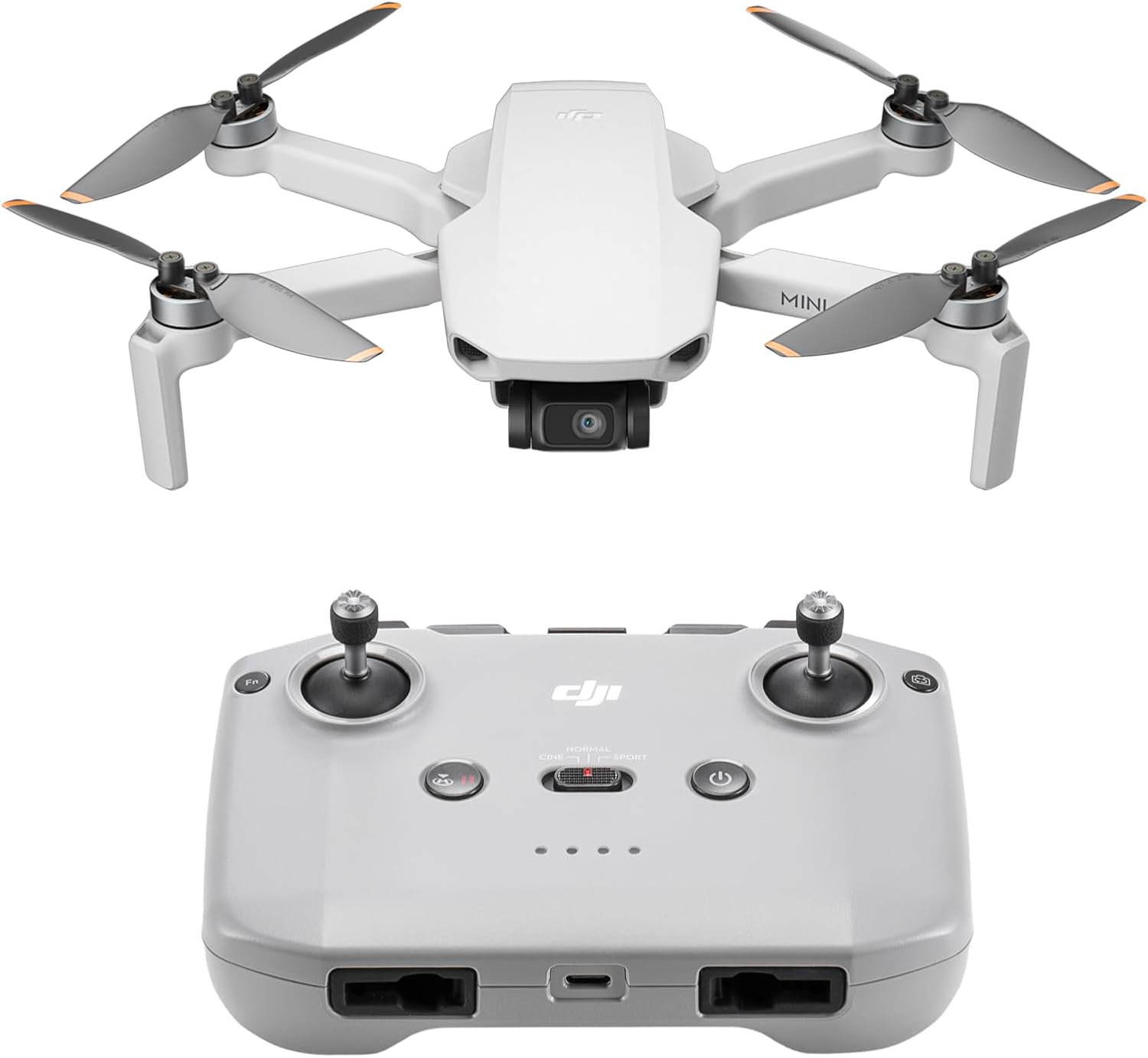
The DJI Mini 2 SE weighs exactly 246 grams, which keeps it under the FAA’s 250-gram registration threshold in the United States. This is a critical feature for budget buyers because you do not need to pay the $5 FAA registration fee or carry a registration number on the drone when flying for recreation.
The drone uses a foldable design that collapses into a compact shape roughly the size of a smartphone. It feels slightly lighter and more plasticky than the Mini 3, but the build quality is solid for the price point. The arms snap into place with a satisfying click, and the propellers fold flat for storage.
DJI Mini 2 SE Camera: The 1/2.3″ Sensor Limitation
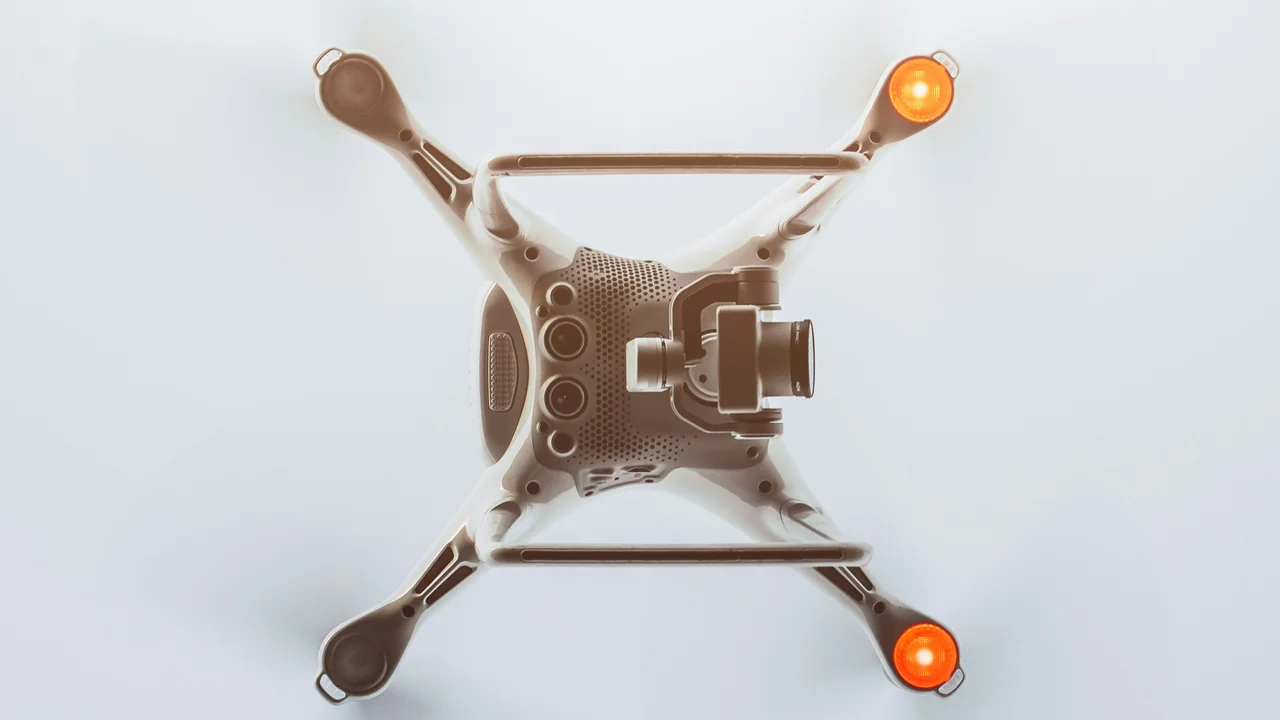
The most important spec in any DJI Mini 2 SE review is the camera. The Mini 2 SE uses a 1/2.3-inch CMOS sensor, which is the same size sensor found in older DJI drones like the original Mavic Mini. It captures 12-megapixel photos and 4K video at 30 frames per second with a fixed f/2.8 aperture.
Compared to the DJI Mini 3’s 1/1.3-inch sensor, the Mini 2 SE’s sensor is significantly smaller. This means less light capture, more noise in low-light conditions, and noticeably less dynamic range. In bright daylight the footage is acceptable for social media, but the Mini 3 will produce clearly better image quality in almost every scenario.
Is the DJI Mini 2 SE Camera Good Enough for Beginners?
Yes, for absolute beginners who have never flown a drone before, the Mini 2 SE camera is good enough. The 4K/30fps video is sharp and stable thanks to the 3-axis mechanical gimbal. You will get smooth footage that looks great on a phone screen or tablet. The QuickShots feature (Dronie, Rocket, Circle, Helix) makes it easy to capture cinematic moves automatically.
However, if you care about image quality and plan to edit footage professionally, the Mini 2 SE will leave you wanting more. The fixed aperture means you cannot adjust depth of field, and the smaller sensor struggles in overcast or evening conditions.
DJI Mini 3
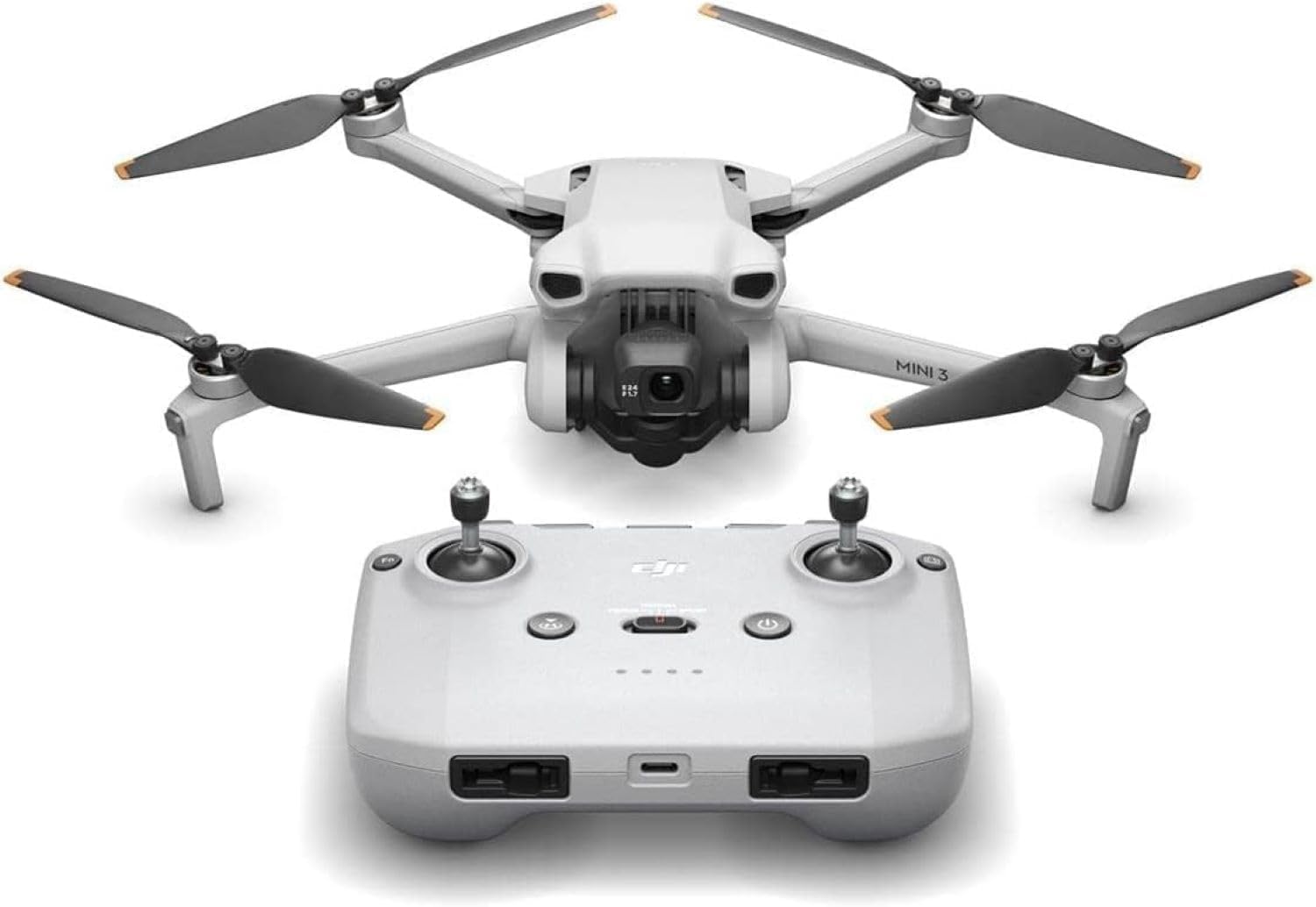
DJI Mini 3, 3-Axis Mechanical Gimbal Mini Camera Drone | 4K HDR Video, 38-Min Flight Time, up to 32800ft (10km) Video Transmission, True Vertical Shooting, GPS Auto Return
Check Price on AmazonDJI Mini 3 Fly More Combo
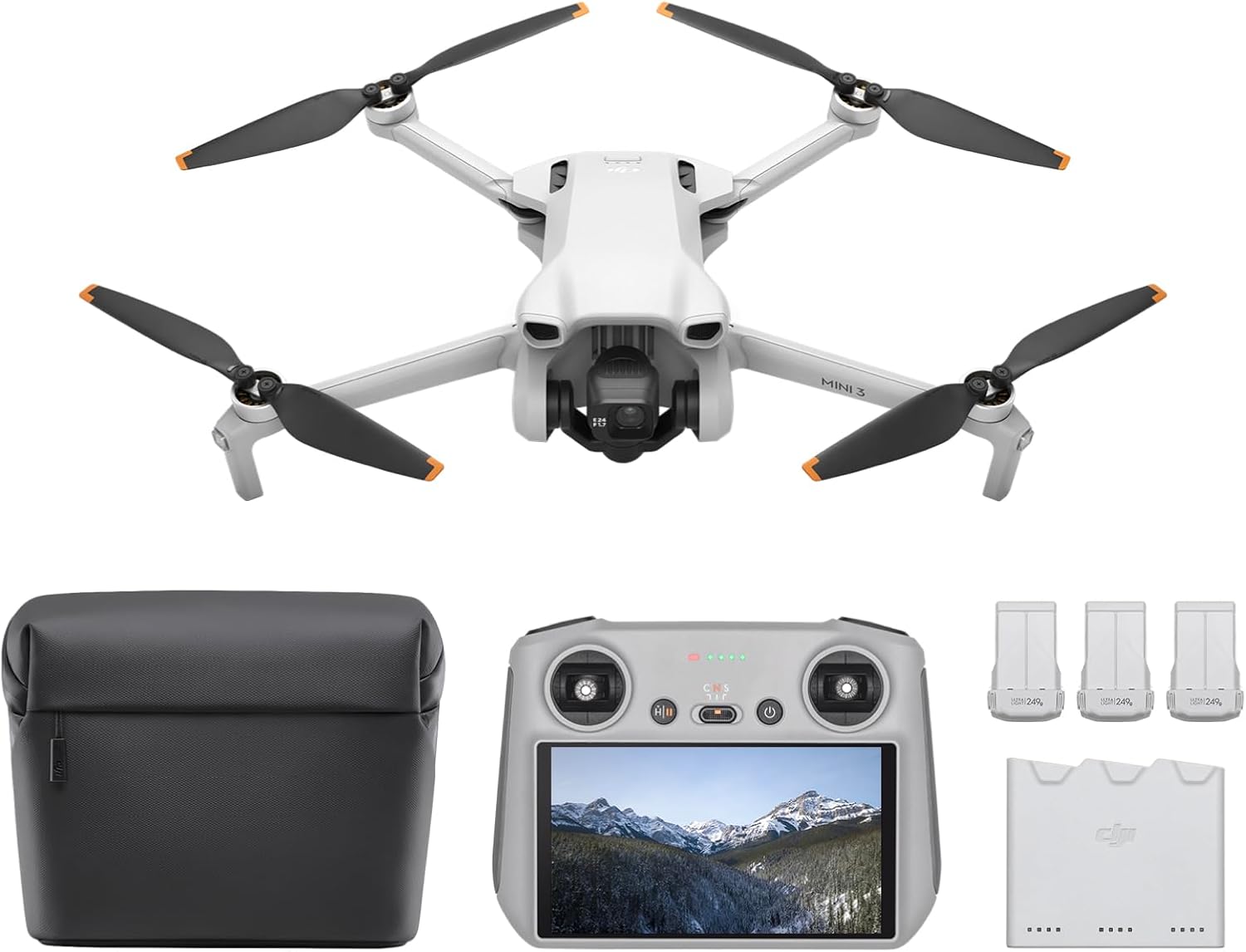
DJI Mini 3 Fly More Combo With DJI RC, 3 Batteries | Lightweight Camera Drone With 4K HDR Video, 114-Min Flight Time, Vertical Shooting, 32800ft (10km) Video Transmission
Check Price on AmazonDJI Mini 3 With DJI RC
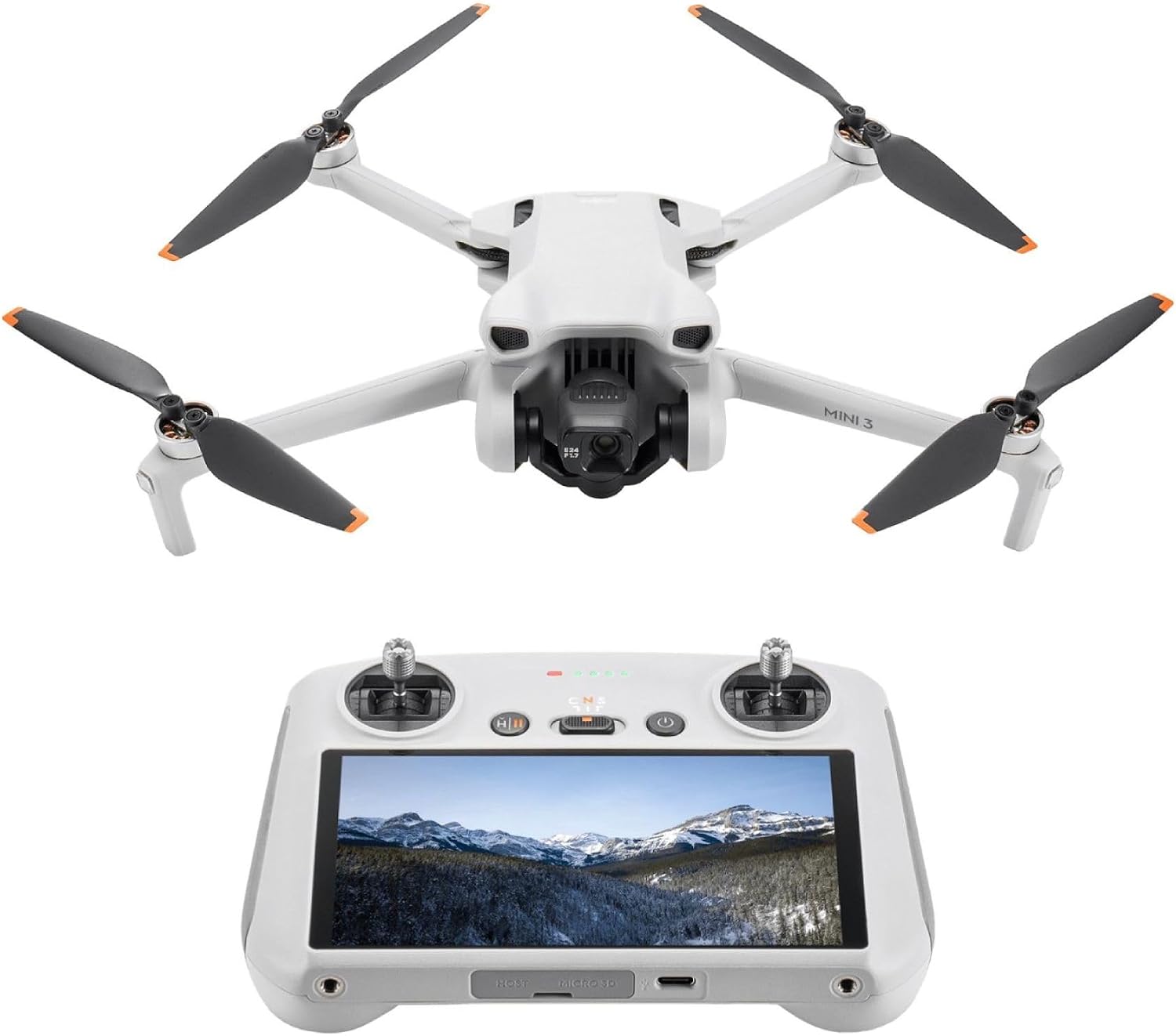
DJI Mini 3 With DJI RC, 3-Axis Mechanical Gimbal Mini Camera Drone | 4K HDR Video, 38-Min Flight Time, up to 32800ft (10km) Video Transmission, Vertical Shooting, GPS Auto Return
Check Price on AmazonDJI Mini 2 SE vs DJI Mini 3: Which Should You Buy in 2026?
In 2026, the price difference between the DJI Mini 2 SE and the DJI Mini 3 has narrowed significantly. The Mini 3 often sells for only $50–$80 more than the Mini 2 SE. For that small premium, you get a much larger 1/1.3-inch sensor with true vertical shooting capability and a wider f/1.7 aperture.
| Feature | DJI Mini 2 SE | DJI Mini 3 |
|---|---|---|
| Sensor Size | 1/2.3-inch | 1/1.3-inch |
| Aperture | f/2.8 fixed | f/1.7 fixed |
| Video Resolution | 4K/30fps | 4K/30fps |
| Vertical Shooting | No (crop) | Yes (true vertical) |
| Obstacle Avoidance | None | None |
| Flight Time | 31 minutes | 38 minutes |
| Weight | 246g | 249g |
Our recommendation is clear: unless you are on the strictest possible budget, choose the Mini 3 over the Mini 2 SE in 2026. The camera improvement alone justifies the extra cost. The Mini 2 SE only makes sense if you find a deep discount or need the absolute cheapest DJI drone with a gimbal.
Carrying Hard Case for DJI Avata 360 Drone
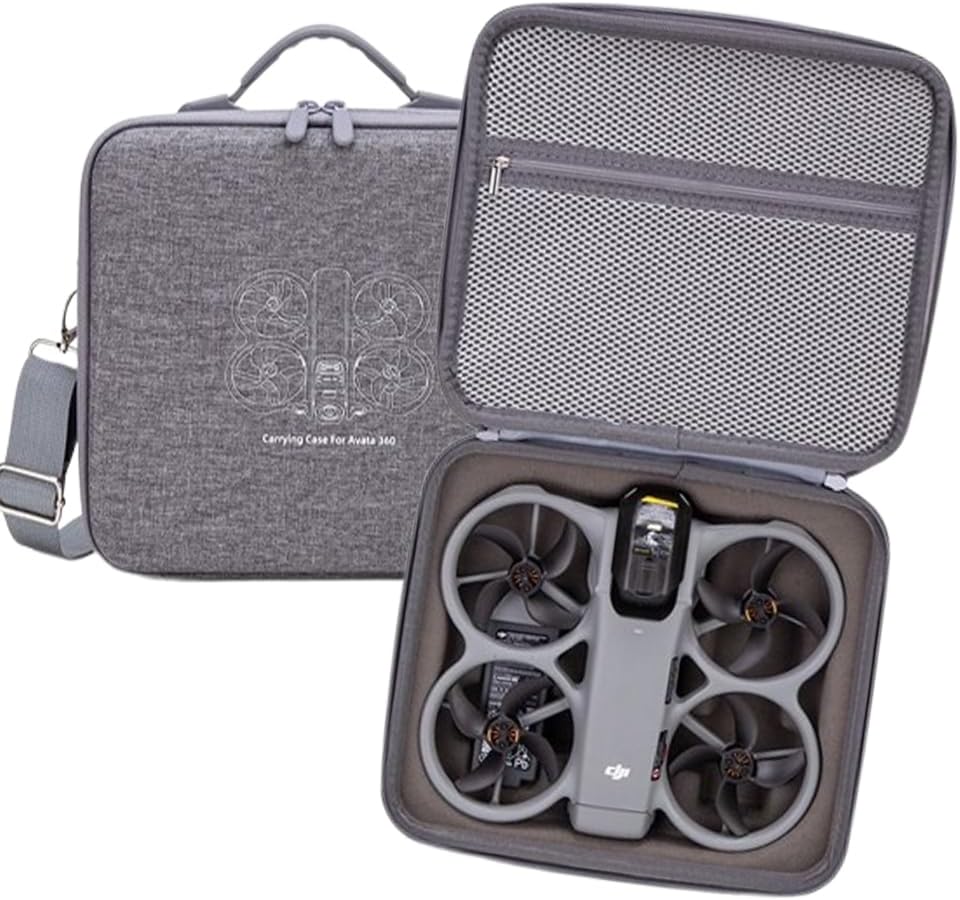
Carrying Hard Case for DJI Avata 360 Drone - Portable Travel Bag for Goggles N3/RC Motion 3 Controller
Check Price on AmazonHard Case for Antigravity A1 Drone
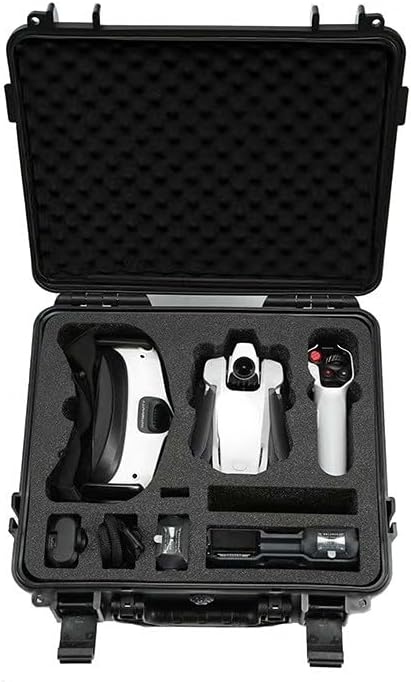
Hard Case for Antigravity A1 Drone, Waterproof Protective Carry Case, Anti-Fall Storage Bag Fit for Drone, Batteries, Goggles, Accessories & RC Gear [Only Protect Shell]
Check Price on AmazonDJI Mini 2 SE vs DJI Neo: Which Budget Drone Wins?
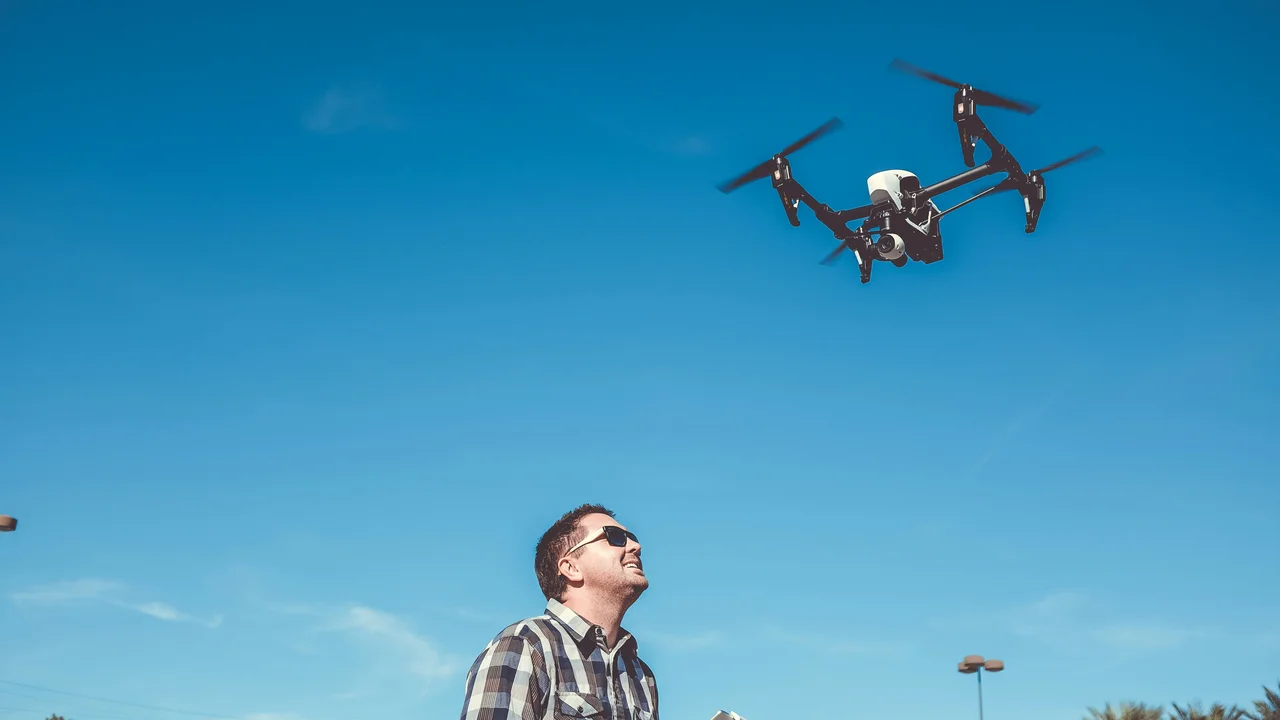
The DJI Neo entered the market as an even cheaper alternative to the Mini 2 SE, weighing only 135 grams. The Neo lacks a gimbal entirely — it uses electronic image stabilization (EIS) instead. This means the Neo’s footage is noticeably more shaky and less smooth than the Mini 2 SE’s gimbal-stabilized video.
The Mini 2 SE also comes with the dedicated RC-N1 controller, which gives you proper control sticks and a much better flying experience. The Neo relies on smartphone tilt controls or optional controllers sold separately. For anyone who wants to actually fly and film, the Mini 2 SE is the better choice despite being slightly heavier.
DJI Mini 2 SE Pros
- 3-axis mechanical gimbal for smooth video
- Dedicated RC-N1 controller included
- 10km O3 transmission range
- 4K/30fps video quality
DJI Mini 2 SE Cons
- Small 1/2.3″ sensor
- No obstacle avoidance sensors
- 31-minute battery (shorter than Mini 3)
- No vertical shooting mode
DJI Mini 2 SE Flight Performance and Transmission
The Mini 2 SE uses DJI’s O3 transmission system, the same system found in the Mini 3 and Mini 4 Pro. This gives you a maximum transmission range of 10 kilometers (6.2 miles) in ideal conditions. In real-world flying with obstacles and interference, you can reliably fly 2–3 kilometers without signal dropout.
The drone handles wind well for its weight class. It can fly in winds up to 38 kph (Level 5), which is impressive for a 246-gram drone. The flight experience is smooth and predictable, making it an excellent trainer drone for beginners. The lack of obstacle avoidance means you must be careful near trees and buildings — there is no automatic braking.
Battery Life: 31 Minutes Real-World Testing
DJI rates the Mini 2 SE battery at 31 minutes of flight time. In real-world conditions with moderate wind and standard flying, expect about 24–26 minutes. This is shorter than the Mini 3’s 38-minute rating and noticeably less than the Mini 4 Pro. For a budget drone, 24 minutes of actual flight time is still very usable for a single battery session.
Is the DJI Mini 2 SE Worth Buying in 2026?
The DJI Mini 2 SE occupies a very specific niche in 2026: it is the cheapest DJI drone that still has a mechanical gimbal and a dedicated controller. If you are buying a first drone for a child or teenager, or you want the lowest possible entry cost into DJI’s ecosystem, the Mini 2 SE delivers.
However, the camera quality gap to the Mini 3 is real and significant. Anyone who plans to keep their drone for more than a year should strongly consider spending the extra $50–$80 for the Mini 3. The Mini 2 SE is a great drone, but it is a 2021-era camera sensor in a 2026 market. For the same reason, the Mini 4 Pro offers far more features at a higher price point.
The camera, while limited to 2.7K video and 12MP photos, produces usable footage for social media and casual sharing. The 31-minute battery life is competitive at this price point, and the Ocusync 2.0 transmission system provides reliable connectivity up to 10 kilometers in open environments. For the $339 price tag, the Mini 2 SE delivers core functionality without unnecessary frills.
That said, the Mini 2 SE is not for everyone. If you need 4K video, vertical shooting for social media, or advanced obstacle avoidance, the Mini 3 or Neo are better investments. But if your goal is to learn drone flying on a budget and capture decent aerial photos and videos, the Mini 2 SE remains one of the best entry-level drones in 2026.
DJI continues to support the Mini 2 SE with firmware updates and spare parts, ensuring long-term usability. The drone’s lightweight design also means fewer travel restrictions, making it an excellent companion for vacations and outdoor adventures.
Final Thoughts: Is the DJI Mini 2 SE Still a Smart Buy in 2026?
The DJI Mini 2 SE remains a capable entry-level drone in 2026, but only for the right buyer. If your budget is under $300 and you want a reliable, sub-250g drone for casual flying and basic photo/video work, it gets the job done. The 4K camera is adequate for social media, the 31-minute flight time is solid, and the lack of registration requirements in most countries is a genuine convenience.
However, the missing obstacle sensors, limited wind resistance, and lack of ActiveTrack make it a poor choice for serious content creators or beginners who want safety nets. If you can stretch your budget to the Mini 3 or even the Neo, you’ll get significantly better value, especially if you plan to fly in windy conditions or want automated tracking shots.
Buy the Mini 2 SE if:
- Your budget is strictly under $300
- You want a sub-250g drone for travel
- You only need basic 4K video and photos
- You don’t need obstacle sensors or automated modes
Skip the Mini 2 SE if:
- You plan to fly in winds over 20 mph
- You need ActiveTrack or follow-me modes
- You want a drone for professional content creation
- You’re a beginner who wants obstacle avoidance for safety
Frequently Asked Questions
Is the DJI Mini 2 SE worth buying in 2026?
The DJI Mini 2 SE is worth buying in 2026 only if you find it at a significant discount (under $300) or need the absolute cheapest DJI drone with a gimbal. For most buyers, the Mini 3 offers a much better camera for only $50–$80 more. The Mini 2 SE excels as a first drone for children or as a backup travel drone where losing it would not be a disaster.
DJI Mini 2 SE vs DJI Neo which is better?
The DJI Mini 2 SE is better than the DJI Neo for anyone who wants smooth, stable video footage. The Mini 2 SE has a 3-axis mechanical gimbal, while the Neo relies on electronic stabilization. The Mini 2 SE also includes a dedicated RC-N1 controller, whereas the Neo uses smartphone tilt controls. The Neo is lighter at 135g and cheaper, but the Mini 2 SE provides a much better flying and filming experience.
DJI Mini 2 SE vs DJI Mini 3 camera quality?
The DJI Mini 3 has significantly better camera quality than the Mini 2 SE. The Mini 3 uses a 1/1.3-inch sensor compared to the Mini 2 SE’s 1/2.3-inch sensor. This means the Mini 3 captures more light, has better dynamic range, and performs much better in low-light conditions. The Mini 3 also supports true vertical shooting for social media, while the Mini 2 SE requires cropping. In bright daylight the difference is noticeable; in overcast or evening light the Mini 3 is clearly superior.
What camera sensor does DJI Mini 2 SE have?
The DJI Mini 2 SE has a 1/2.3-inch CMOS sensor. This is the same sensor size used in the original DJI Mavic Mini and many older smartphone cameras. It captures 12-megapixel still images and 4K video at 30 frames per second. The aperture is fixed at f/2.8, meaning you cannot adjust the depth of field. This sensor size is smaller than the 1/1.3-inch sensor found in the Mini 3 and Mini 3 Pro.
How long does DJI Mini 2 SE battery last?
DJI rates the Mini 2 SE battery at 31 minutes of flight time. In real-world conditions with moderate wind and standard flying patterns, you can expect 24 to 26 minutes of actual flight time per battery. This is shorter than the Mini 3’s 38-minute rating and the Mini 4 Pro’s 34-minute rating. The battery is a 2250 mAh Li-ion pack and takes about 90 minutes to charge fully.
Is DJI Mini 2 SE good for beginners?
Yes, the DJI Mini 2 SE is an excellent drone for absolute beginners. It is lightweight at 246 grams, easy to fly with the included RC-N1 controller, and has beginner-friendly features like automatic takeoff and landing, altitude hold, and QuickShots. The lack of obstacle avoidance means beginners should practice in open areas, but the drone’s stable flight characteristics and low cost make it a forgiving learning platform. It is also under the FAA’s 250-gram threshold, so recreational flyers do not need to register it.
Do I need to register the DJI Mini 2 SE with the FAA?
For recreational use, no. The Mini 2 SE weighs under 250 grams, which exempts it from FAA registration under Section 44809. However, if you plan to use it for commercial purposes (Part 107), you must register regardless of weight.
Can the DJI Mini 2 SE shoot 4K video?
No. The Mini 2 SE records a maximum of 2.7K video at 30fps. If you need 4K, consider the Mini 3 or Mini 4 Pro.
How does the Mini 2 SE compare to the DJI Neo?
The Mini 2 SE offers better flight stability, longer battery life (31 vs 18 minutes), and a superior camera with a 3-axis gimbal. The Neo is more portable and has obstacle avoidance but lacks gimbal stabilization and has shorter flight time.
Is the DJI Mini 2 SE good for wind?
It handles winds up to Level 5 (19-24 mph) thanks to its aerodynamic design and stable flight controller. However, for consistent results in strong winds, the heavier Mini 3 performs better.
Does the Mini 2 SE have follow-me mode?
No. The Mini 2 SE lacks ActiveTrack or any follow-me functionality. For that feature, you need the Mini 3 or higher.
Do I need to register a DJI Mini 2 SE with the FAA?
No, if you fly it purely for recreation in the United States. The Mini 2 SE weighs exactly 249g, which is under the FAA’s 250g registration threshold. However, if you use it for commercial purposes (e.g., paid real estate photography), you must register it under Part 107 and obtain a Remote Pilot Certificate.
Can the DJI Mini 2 SE fly in rain or snow?
No. The Mini 2 SE is not weather-sealed. DJI rates it as Level 5 wind resistance only. Moisture can damage the electronics and motors. Never fly in rain, snow, or fog. Even heavy condensation can cause a flyaway or crash.
Does the Mini 2 SE have a microSD card slot?
Yes, it has a microSD card slot on the side of the aircraft. It supports cards up to 256GB (UHS-I Speed Class 3 or higher). A card is not included in the box, so budget an extra $15–$25 for a reliable card like the Samsung EVO Select.
How far can the Mini 2 SE fly from the controller?
DJI claims a maximum transmission range of 10 km (6.2 miles) with the OcuSync 2.0 system under ideal, unobstructed conditions. In real-world environments with Wi-Fi interference and obstacles, expect about 2–3 km (1.2–1.9 miles) before signal loss. Always fly within visual line of sight as required by law.
Can I use the Mini 2 SE with a smartphone only (no remote controller)?
No. The Mini 2 SE requires the included DJI RC-N1 remote controller to fly. You cannot control it via smartphone alone. The remote connects to your phone via a USB cable to display the live feed through the DJI Fly app.
Is the DJI Mini 2 SE compatible with DJI Goggles?
No. The Mini 2 SE does not support DJI Goggles or any FPV system. It is designed for line-of-sight flying only. If you want FPV capability, you need the DJI FPV Combo or a dedicated FPV drone like the Cinewhoop series.
What is the warranty on the DJI Mini 2 SE?
DJI offers a standard 1-year limited warranty against manufacturing defects. For crash coverage, you can purchase DJI Care Refresh (2-year plan) for about $50, which covers accidental damage, water damage, and flyaways at a reduced replacement fee.
Last updated: July 14, 2026
Drone Allowed
DroneAllowed editor covering drone regulations, aviation law, and aerial photography across USA, UK, Canada & Australia.