
Texas A&M Drone Laws 2026: Campus Policy, College Station & Rules
 11 min read
2,173 words
Understanding Texas A&M Drone Laws: University Policy vs. State Law
The foundation of drone operations at Texas A&M is a two-tier system: federal FAA rules combined with the university’s own policy, all sitting under the umbrella of Texas state law. The Texas A&M drone policy is not a simple “no drones” sign; it is a structured authorization process managed by the university’s Environmental Health & Safety (EHS) department. Any operation on university-owned or controlled property—including the main College Station campus, the RELLIS Campus, and the Texas A&M Health Science Center—requires prior approval.
Critically, Texas has a state preemption law (Govt. Code Ch. 423) that prevents cities like College Station from adding their own drone restrictions on top of state law. This means that while the city cannot create a separate ordinance banning drones, the university itself, as a property owner, retains the right to regulate operations on its land. For the pilot, this means you must navigate the university’s policy, not the city’s, for flights on campus.
Can You Fly a Drone at Texas A&M? The Authorization Process
The short answer is: yes, but only with explicit authorization. The Texas A&M drone policy, formally known as the “Unmanned Aircraft Systems (UAS) Policy,” requires all operators to submit a request through the university’s EHS department at least 14 business days before the planned flight. This applies to both recreational and commercial operators, including students, faculty, staff, and visitors.
How to Get Authorization to Fly on the Texas A&M Campus
Go to the Texas A&M EHS website and complete the UAS Flight Request form. You will need to provide your FAA registration number, proof of insurance (if commercial), and a detailed flight plan including area, altitude, and duration.
EHS will evaluate your request against campus events, airspace restrictions (Easterwood Airport), and security concerns. This can take up to 14 business days.
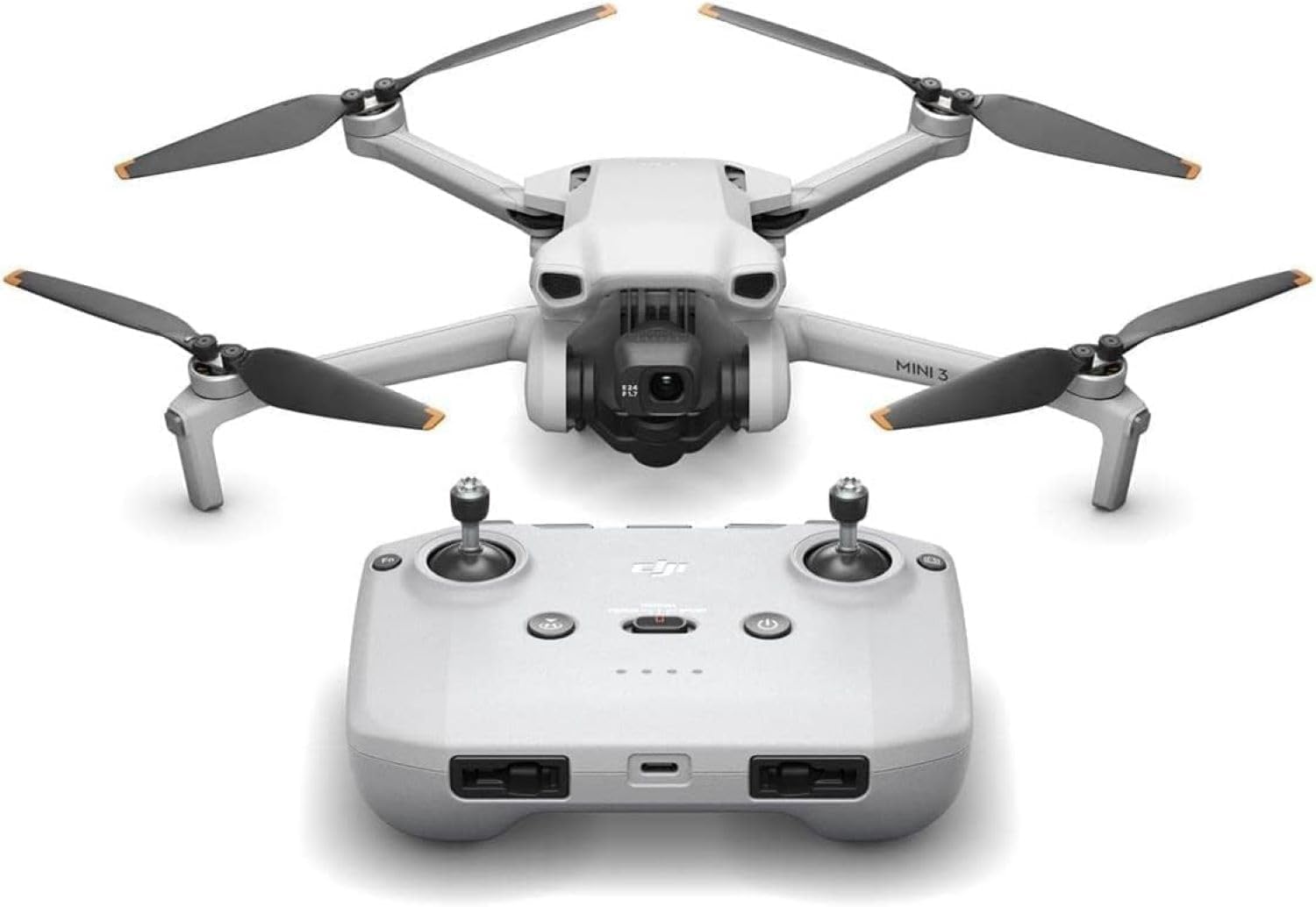
DJI Mini 3
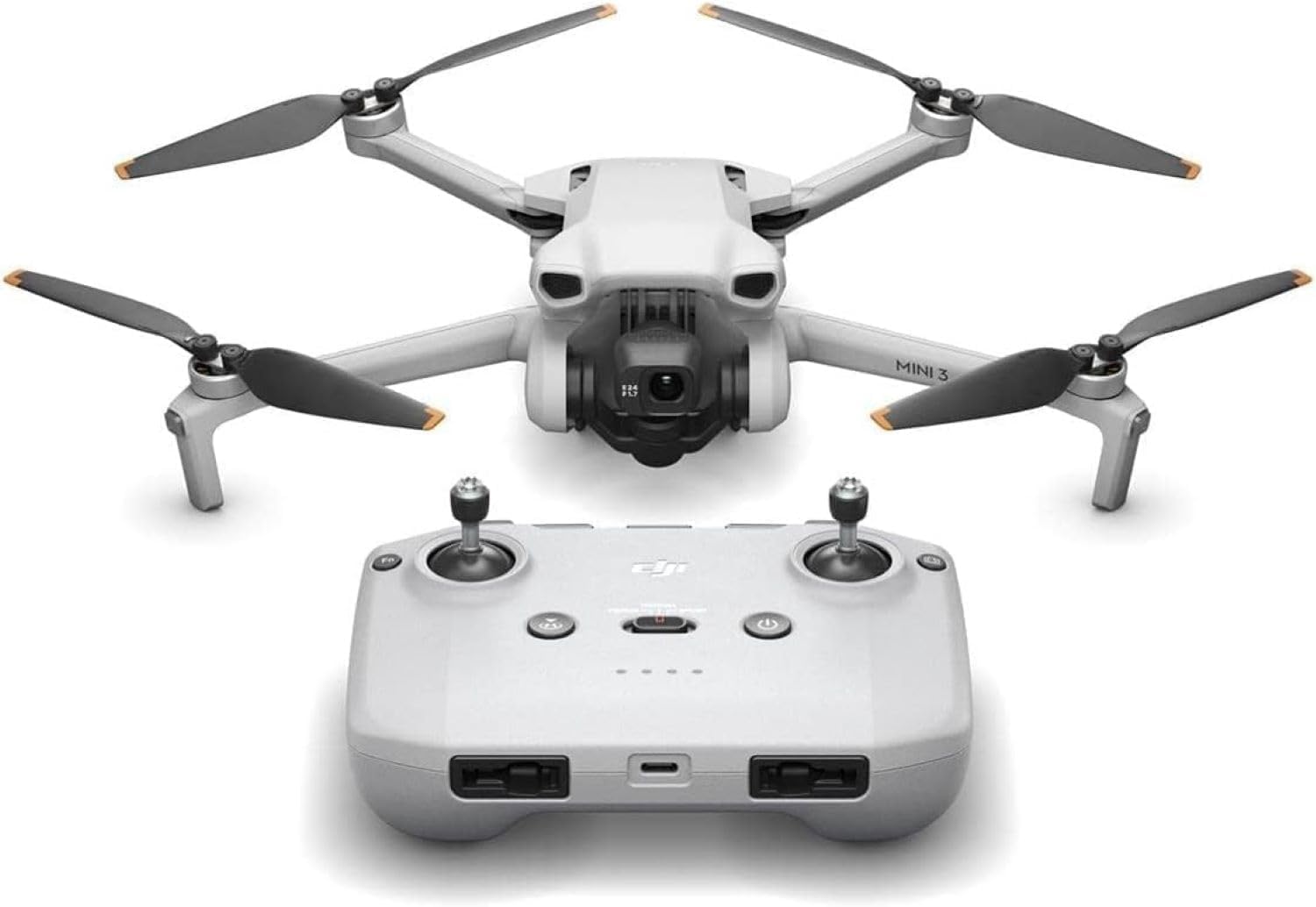
DJI Mini 3, 3-Axis Mechanical Gimbal Mini Camera Drone | 4K HDR Video, 38-Min Flight Time, up to 32800ft (10km) Video Transmission, True Vertical Shooting, GPS Auto Return
Check Price on AmazonDJI Mini 3 Fly More Combo
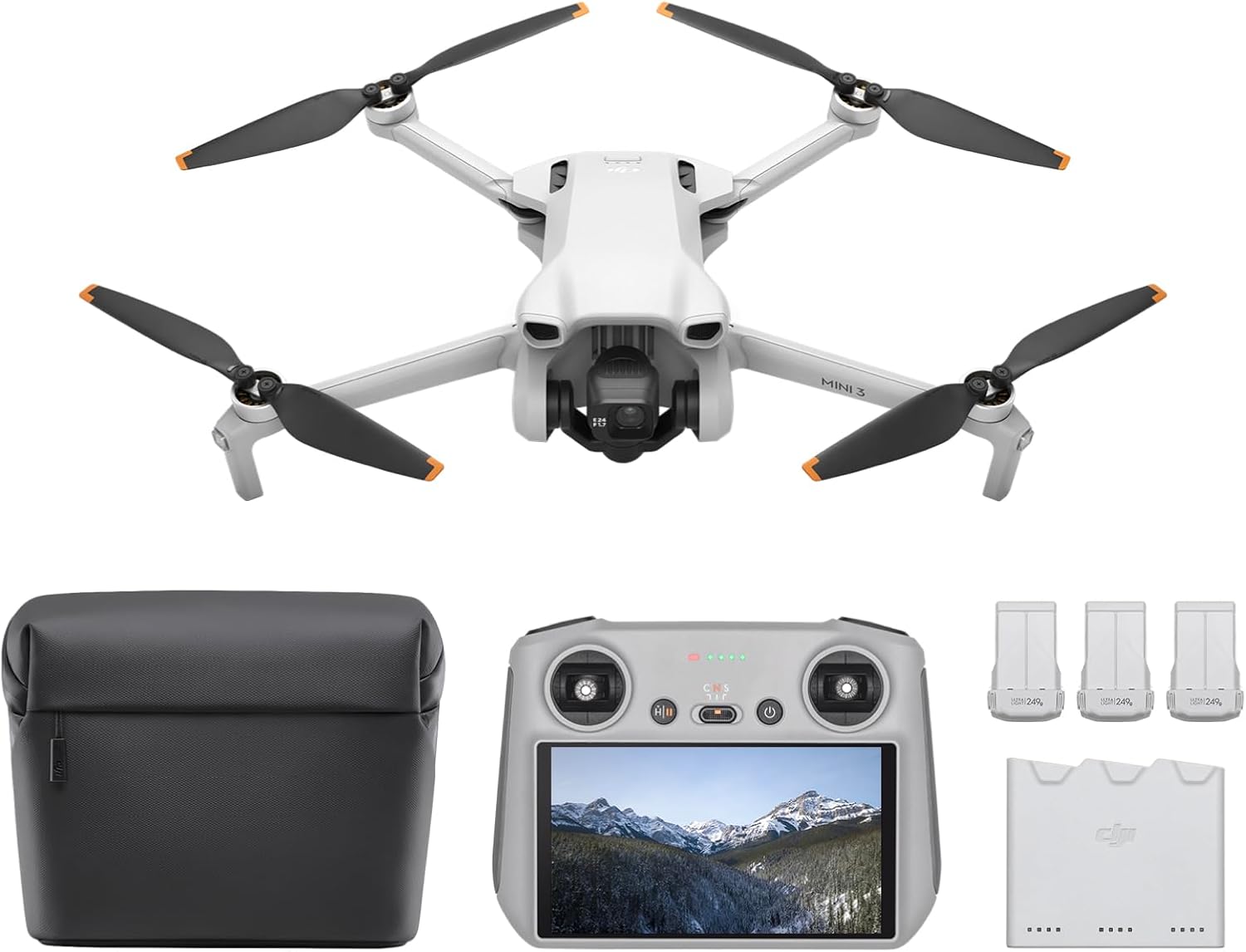
DJI Mini 3 Fly More Combo With DJI RC, 3 Batteries | Lightweight Camera Drone With 4K HDR Video, 114-Min Flight Time, Vertical Shooting, 32800ft (10km) Video Transmission
Check Price on AmazonDJI Mini 3 With DJI RC
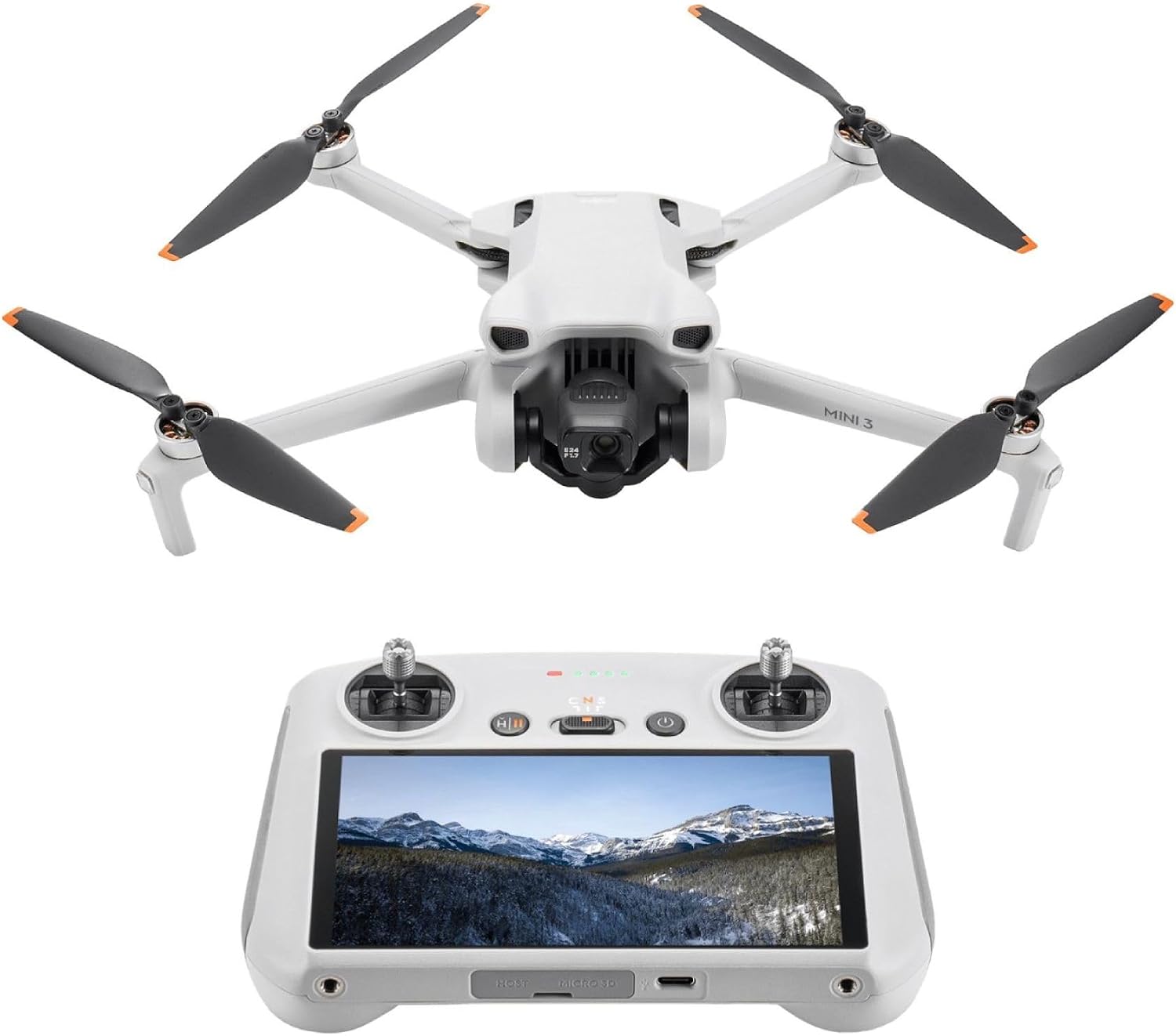
DJI Mini 3 With DJI RC, 3-Axis Mechanical Gimbal Mini Camera Drone | 4K HDR Video, 38-Min Flight Time, up to 32800ft (10km) Video Transmission, Vertical Shooting, GPS Auto Return
Check Price on AmazonIf approved, you will receive a written authorization with specific conditions. You must carry this document while flying and present it to campus police upon request.
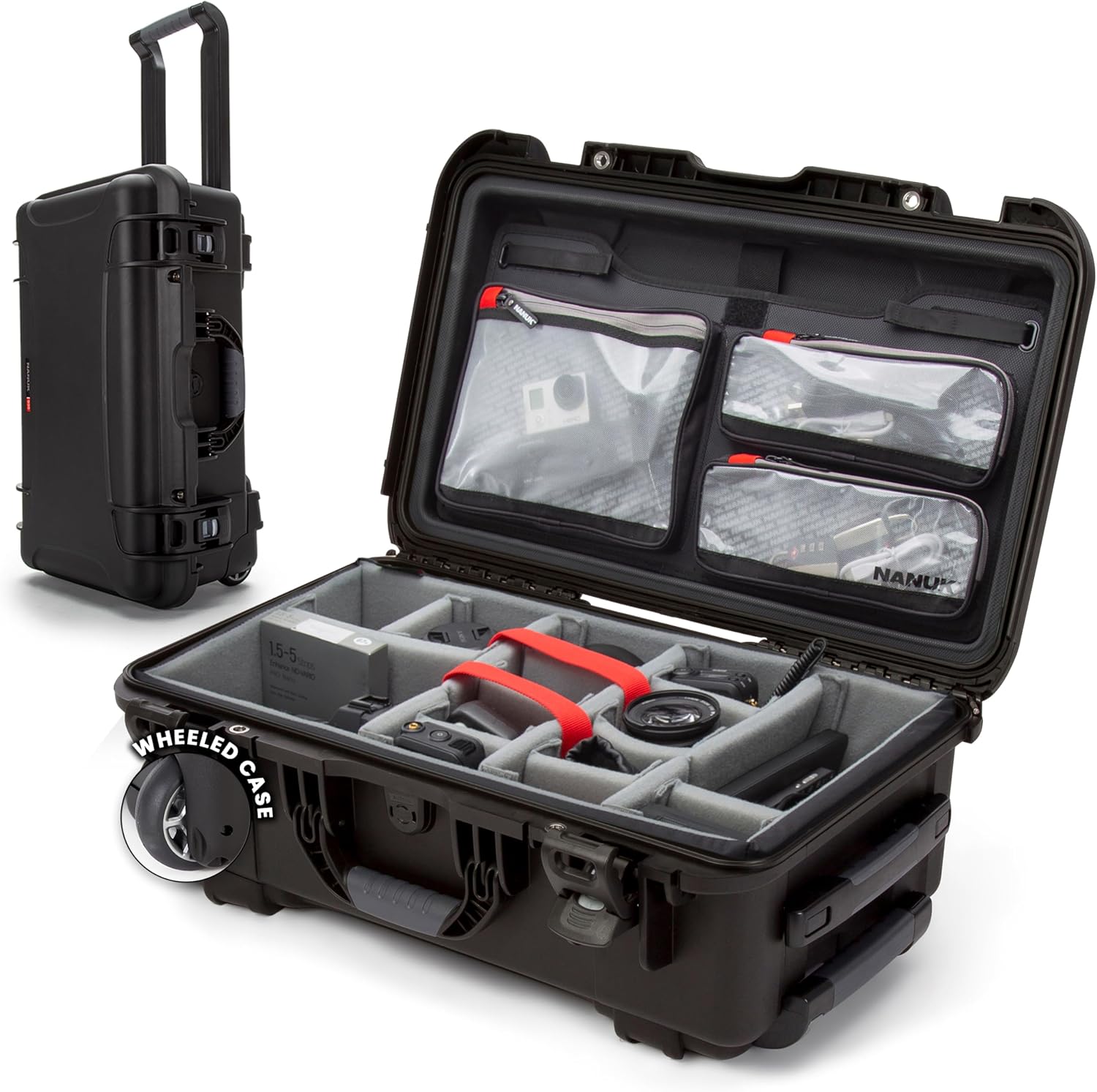
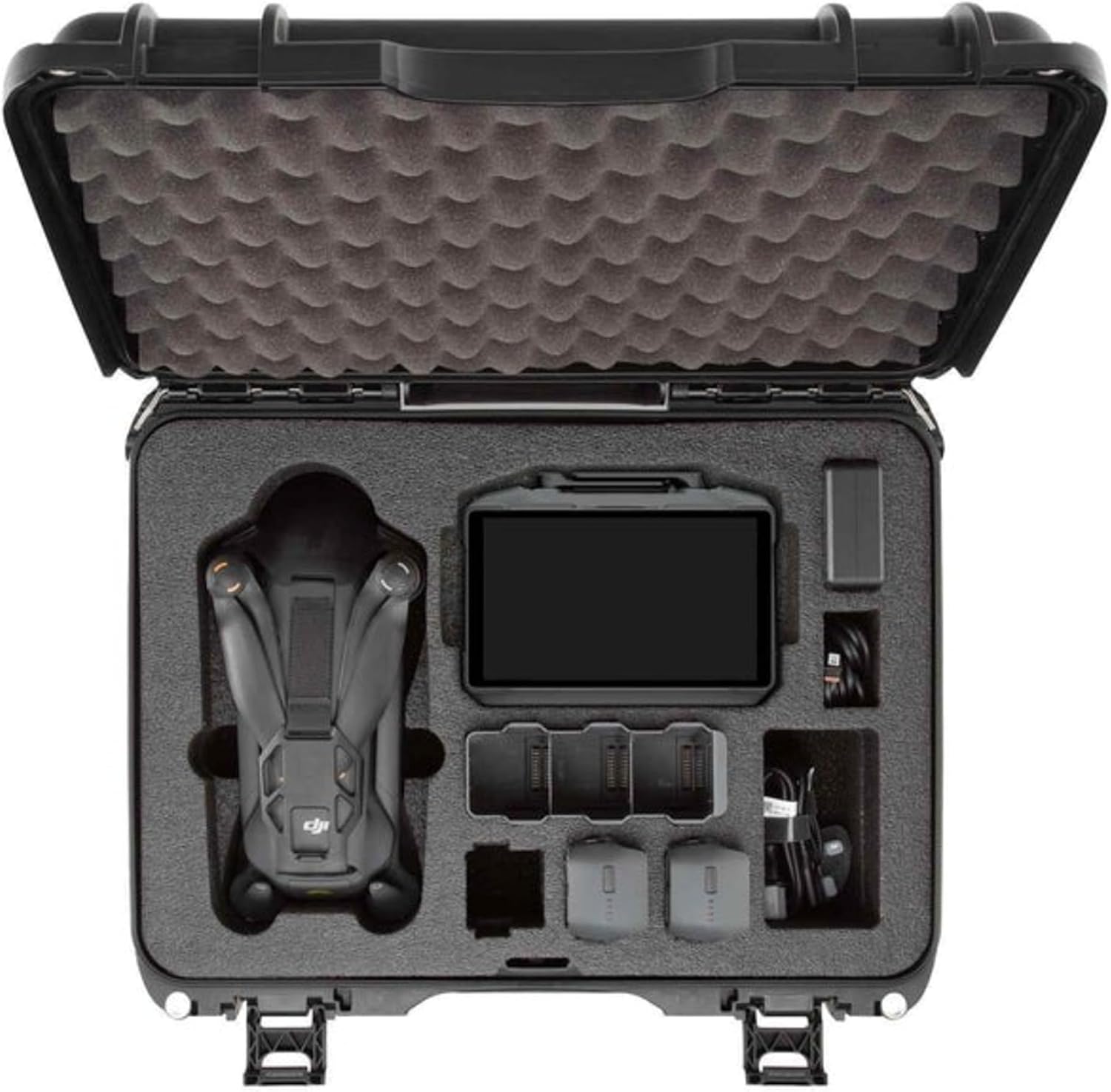
Carrying Hard Case for DJI Avata 360 Drone
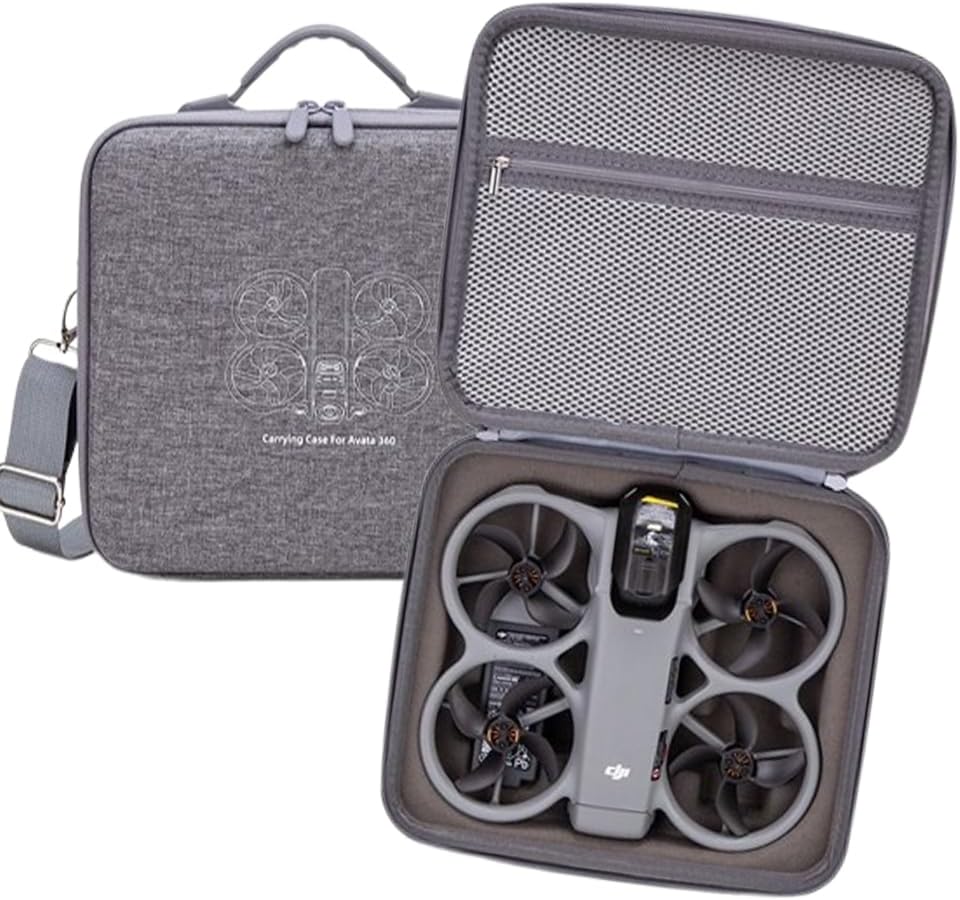
Carrying Hard Case for DJI Avata 360 Drone - Portable Travel Bag for Goggles N3/RC Motion 3 Controller
Check Price on AmazonHard Case for Antigravity A1 Drone
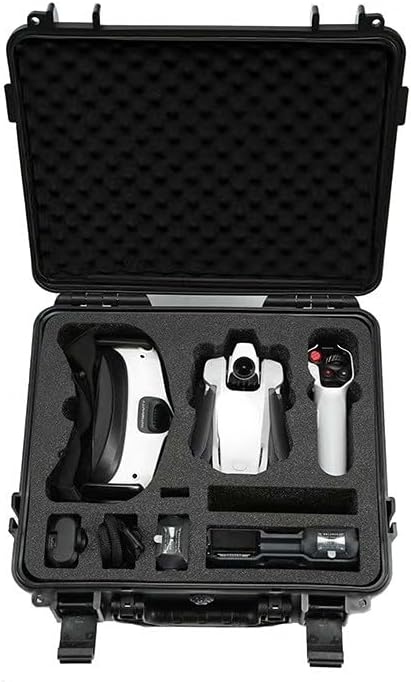
Hard Case for Antigravity A1 Drone, Waterproof Protective Carry Case, Anti-Fall Storage Bag Fit for Drone, Batteries, Goggles, Accessories & RC Gear [Only Protect Shell]
Check Price on AmazonBecause Easterwood Airport (CLL) creates Class D airspace over the academic core, you must also obtain a LAANC authorization from the FAA for any flight within the controlled airspace. The university approval does not override FAA airspace rules.
College Station Drone Rules: The Preemption Reality
College Station itself operates under the Texas preemption law. This means the city has not enacted any local drone ordinances that go beyond state law. For pilots flying off campus—say in a public park or over a residential area—the primary restrictions come from the FAA. However, the city does own and manage several parks and green spaces. While the city cannot ban drones in these areas by ordinance, it can enforce park-use rules that may restrict takeoff and landing from city property. Always check with the College Station Parks and Recreation Department for specific park rules.
Easterwood Airport (CLL): Class D Airspace Over the Academic Core
Easterwood Airport is located directly on the Texas A&M campus, just east of the main academic buildings and Kyle Field. It is a Class D airport, meaning it has controlled airspace from the surface up to 2,500 feet AGL within a 4.4 nautical mile radius. This airspace covers the entire central campus, including the Memorial Student Center, the Academic Building, and the Engineering Quad.
For drone pilots, this is the single most significant restriction. You cannot fly in Class D airspace without prior authorization from the FAA via the LAANC system. The university’s EHS approval is separate and does not grant you LAANC access. You must obtain both. The LAANC authorization process is typically automated for most Part 107 pilots, but the proximity to Kyle Field and the Bush Library may trigger manual review.
| Airspace Element | Details |
|---|---|
| Airport Identifier | CLL (Easterwood Field) |
| Airspace Type | Class D (surface to 2,500 ft AGL) |
| Radius | 4.4 nautical miles |
| LAANC Availability | Yes, for Part 107 pilots; manual review possible |
| Distance from Campus Core | Directly adjacent (east side) |
Kyle Field: Drone Restrictions During Texas A&M Football Games
Kyle Field, one of the largest college football stadiums in the United States with a capacity of over 102,000, presents a unique drone restriction. During SEC home games, the FAA typically issues a Temporary Flight Restriction (TFR) over the stadium. This TFR extends from the surface up to 3,000 feet AGL within a 3 nautical mile radius of the stadium. It is active from one hour before kickoff until one hour after the game ends.
This TFR is not negotiable. Even if you have LAANC authorization for the Class D airspace, the TFR overrides it. Flying a drone during a game at Kyle Field is a federal offense that can result in fines and criminal charges. The TFR also applies to the surrounding areas, including the RELLIS Campus and parts of Bryan.
George Bush Presidential Library: Federal Security Zone
The George Bush Presidential Library and Museum is located on the Texas A&M campus, near the west side of the academic core. While it is not a designated “no-fly zone” on FAA sectional charts, it is a federal facility with Secret Service jurisdiction. The U.S. Secret Service can impose additional restrictions on drone operations near the library, especially when the facility is hosting events or when former presidents or dignitaries are visiting.
In practice, the Texas A&M EHS policy treats the area around the library as a high-security zone. Authorization for flights within 500 feet of the library building is rarely granted. Pilots should avoid this area entirely, as any perceived threat could result in federal law enforcement involvement.
RELLIS Campus: The Texas A&M UAS Test Site
The Texas A&M Engineering RELLIS Campus in Bryan is one of the most advanced unmanned aircraft system (UAS) test sites in the United States. It is a designated UAS test range operated under a FAA Certificate of Authorization (COA). This facility is used for research, testing, and training by Texas A&M faculty, students, and industry partners. The airspace above RELLIS is controlled and restricted for research operations.
For the general public, flying at the RELLIS Campus is strictly prohibited without explicit authorization from the Texas A&M Engineering Experiment Station (TEES). The site has its own airspace agreements with the FAA, and unauthorized drones can interfere with sensitive research flights, including those testing beyond visual line of sight (BVLOS) operations.
RELLIS Campus
- Designated UAS test site
- FAA COA for research flights
- BVLOS operations possible
- Restricted to authorized personnel
Main Campus (College Station)
- Class D airspace (CLL)
- Requires EHS + LAANC authorization
- Kyle Field TFR on game days
- Bush Library security zone
Flying in the Brazos Valley: Rural Class G Airspace
Outside the immediate College Station and Bryan urban areas, the Brazos Valley offers extensive Class G uncontrolled airspace. This includes the rural agricultural areas south of campus toward Snook and Caldwell, and east toward Navasota. In these areas, drone operations are generally straightforward as long as you follow FAA rules: stay under 400 feet AGL, keep the drone in visual line of sight, and avoid flying over people or moving vehicles.
The Texas A&M Forest Service, a statewide agency, conducts drone operations for wildfire monitoring and research in these rural areas. While they do not restrict public airspace, their operations may create temporary advisories. Always check NOTAMs before flying in the Brazos Valley, especially during wildfire season.
Texas A&M Forest Service Drone Operations
The Texas A&M Forest Service operates a fleet of drones for wildfire suppression, damage assessment, and forestry research. These operations often take place in rural areas of the Brazos Valley and across Texas. While their flights are coordinated with the FAA, they do not create permanent no-fly zones. However, if you encounter a Forest Service drone operation, you should vacate the area immediately to avoid interfering with emergency response.
Final Thoughts on Texas A&M Drone Laws
Flying a drone at Texas A&M in 2026 requires careful planning and a clear understanding of the layered restrictions. The university’s policy is one of the most structured in the nation, but it is navigable if you follow the proper authorization process. Your first step should always be to check the Texas A&M EHS website and submit a flight request well in advance. Second, use the FAA’s LAANC system to verify airspace authorization around Easterwood Airport. Third, avoid Kyle Field on game days and the George Bush Library entirely. For flights off campus in College Station, the Texas preemption law works in your favor, but always respect private property and park rules. Before you fly, use our No-Fly Zone Checker to identify any active TFRs or restricted airspace near your planned flight area.
Frequently Asked Questions
Can you fly a drone at Texas A&M?
Yes, but only with prior written authorization from the Texas A&M Environmental Health & Safety (EHS) department. All drone operations on university-owned or controlled property require a submitted flight request at least 14 business days in advance. Even recreational pilots flying sub-250g drones must obtain this authorization.
What is Texas A&M’s drone policy?
The Texas A&M drone policy is a formal UAS operations policy managed by the EHS department. It requires all operators to submit a flight request, undergo a risk assessment, and receive written approval before flying. The policy applies to all university campuses, including College Station, RELLIS, and the Health Science Center. It does not replace FAA airspace rules; pilots must also obtain LAANC authorization for flights in Class D airspace.
Is Easterwood Airport on the Texas A&M campus?
Yes, Easterwood Airport (CLL) is located directly on the Texas A&M campus, just east of the main academic buildings and Kyle Field. It is a Class D airport with controlled airspace from the surface up to 2,500 feet AGL within a 4.4 nautical mile radius. This airspace covers the central campus and requires LAANC authorization for all drone flights.
Can I fly a drone near Kyle Field Texas A&M?
You can fly near Kyle Field only when there is no active TFR (Temporary Flight Restriction) in place. During SEC home games, the FAA issues a TFR from the surface up to 3,000 feet AGL within a 3 nautical mile radius, active from one hour before kickoff to one hour after the game ends. Outside of game days, you still need LAANC authorization for the Class D airspace and university EHS approval.
What is the TFR for Texas A&M football games?
The TFR for Texas A&M football games at Kyle Field is a stadium TFR issued by the FAA. It covers a 3 nautical mile radius around the stadium from the surface up to 3,000 feet AGL. The TFR is active one hour before kickoff and ends one hour after the game concludes. It applies to all aircraft, including drones, and violations can result in federal fines and criminal charges.
Is the George Bush Library a no-fly zone at Texas A&M?
The George Bush Presidential Library is not a permanent no-fly zone on FAA sectional charts, but it is a federal facility with Secret Service jurisdiction. The Texas A&M EHS policy treats the area as a high-security zone, and authorization for flights within 500 feet of the library is rarely granted. Pilots should avoid this area entirely to prevent federal law enforcement involvement.
Last updated: July 04, 2026
- Texas A&M Environmental Health & Safety (UAS Policy)
- FAA UAS Data Exchange (LAANC)
- Texas Government Code Chapter 423
- FAA Temporary Flight Restrictions (TFRs)
Drone Allowed
DroneAllowed editor covering drone regulations, aviation law, and aerial photography across USA, UK, Canada & Australia.