

Can You Fly a Drone Over Moving Vehicles? (FAA & UK CAA Rules)
 15 min read
2,903 words
Can You Fly a Drone Over Cars? The Short Answer
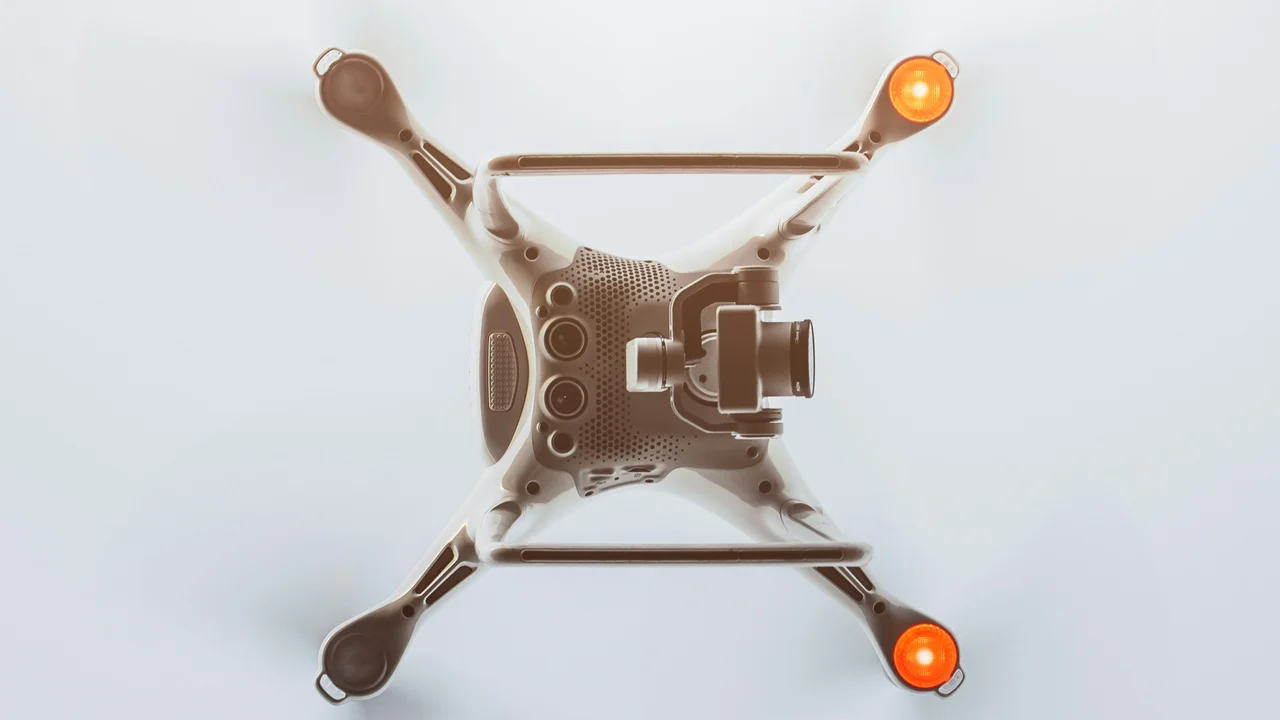
No, you generally cannot fly a drone directly over moving vehicles, including cars, trucks, trains, and boats, under FAA Part 107 rules. The FAA’s regulation on this is specific and often overlooked: Part 107.145 prohibits operating a drone over moving vehicles unless the drone meets strict Category 4 requirements or you have a waiver. This rule is separate from the more commonly discussed over-people restrictions, and it applies to both commercial and recreational pilots. In this guide, we break down exactly what the FAA and UK CAA rules mean for your flights, including when exceptions apply and how to avoid common violations.
LENTION 3.3FT Long Cable USB C Hub
LENTION 3.3FT Long Cable USB C Hub, 4K HDMI, 100W PD, USB 3.0, Card Reader 3A & LED Indicator Stable Driver Adapter, for macOS, iOS/iPadOS, Windows & ChromeOS (C36p-1M, Space Gray)
Check Price on Amazon17-in-1 USB C Hub 65W Powered Adapter, 10Gbps, Dual PD 45W

17-in-1 USB C Hub 4K@60Hz, 65W Powered Adapter, 10Gbps, Dual PD 45W PD 100W Charging, 3×USB-C 3.2+6×USB-A 3.0, SD/TF 105MB/s, 3.3ft Cable, Aluminum Desktop USB Hub for MacBook Pro/Air/Mac Mini
Check Price on AmazonLENTION USB-C Hub, HDMI, 100W PD, 2 USB-C, 2 USB 3.0, Card Reader

LENTION USB-C Hub, 4K@60Hz HDMI, 100W PD, 2 USB-C, 2 USB 3.0, Card Reader 2A & 2C Work Simultaneously, Stable Driver 3.0 Certified, for macOS, iOS/iPadOS, Windows & ChromeOS (CE19, Black)
Check Price on AmazonWhether you are filming a highway for a commercial project or simply crossing a road during a recreational flight, understanding the drone over moving vehicles laws is essential. We’ll cover the specific FAA rule, UK CAA’s 50-meter rule, practical implications for bridge flying and boat traffic, and what happens when you fly over a stationary vehicle versus a moving one.
3 FT Power Strip
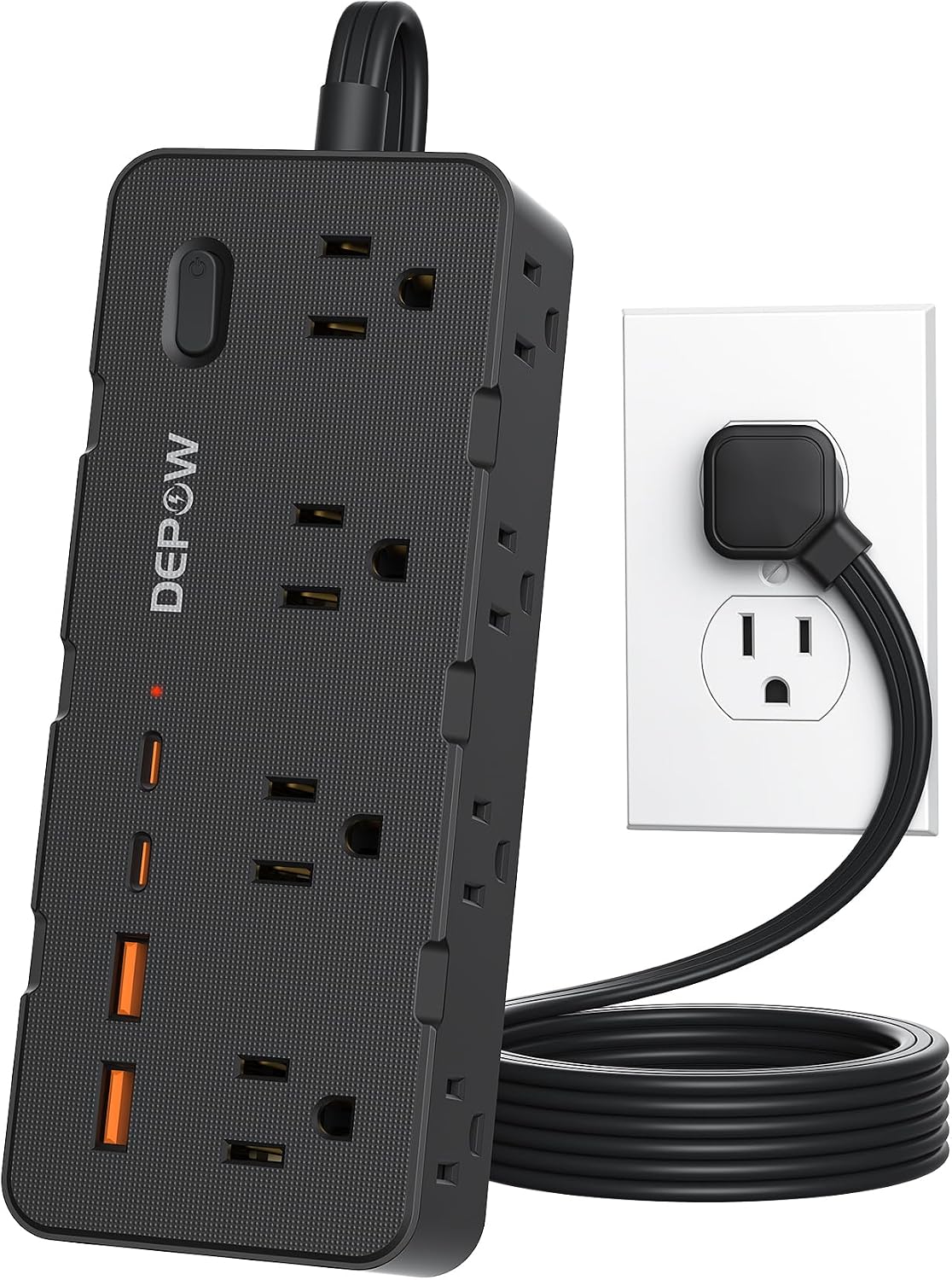
3 FT Power Strip, Extension Cord with 8 AC Outlets + 4 USB (2 USB-C), Black Flat Plug, Compact 3FT Flat Cord Keeps Desktop Neat. 1700J Surge Protection, 1625W, Great for Home Office, Dorm, Nightstand
Check Price on AmazonHICOBER USB C SD Card Reader

HICOBER USB C SD Card Reader, 3-in-1 for Laptop, Phone, Tablet, Black Durable aluminum body helps dissipate heat quickly for stable performance; reads SD, TF and USB drives up to 2TB via USB-C
Check Price on Amazon64GB Micro SD Card with SD Card Reader
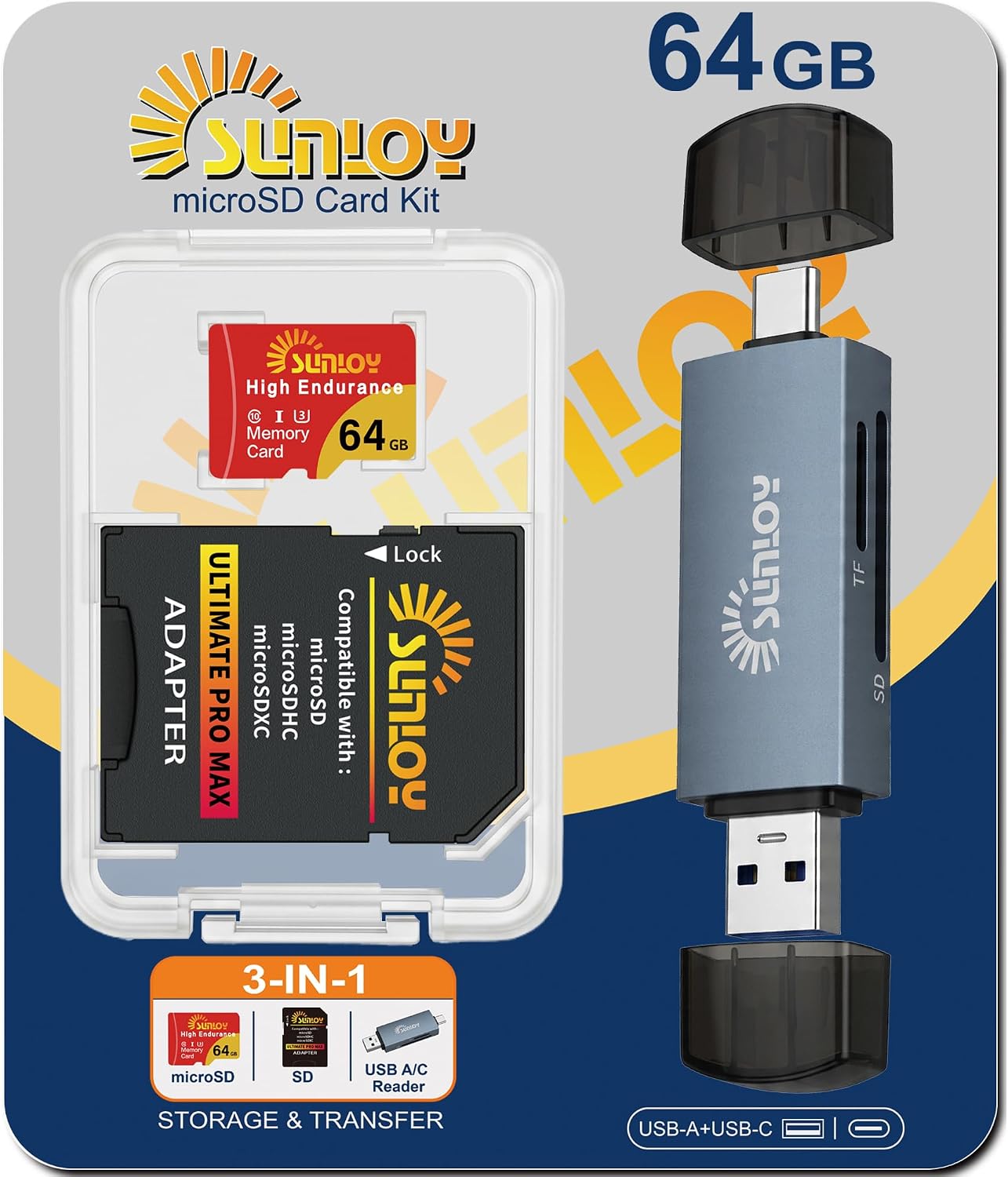
64GB Micro SD Card with SD Card Reader USB3.0 A/C Dual Slots & SD Adapter UHS-I, C10, U3, V30, A1, 4K UHD, USB 3.0 Memory Card Reader for iPhone 17/16/15, MacBook, iPad, Laptop, PC, Drone, Game Console
Check Price on AmazonFAA Rule: Drones Over Moving Vehicles (Part 107.145)
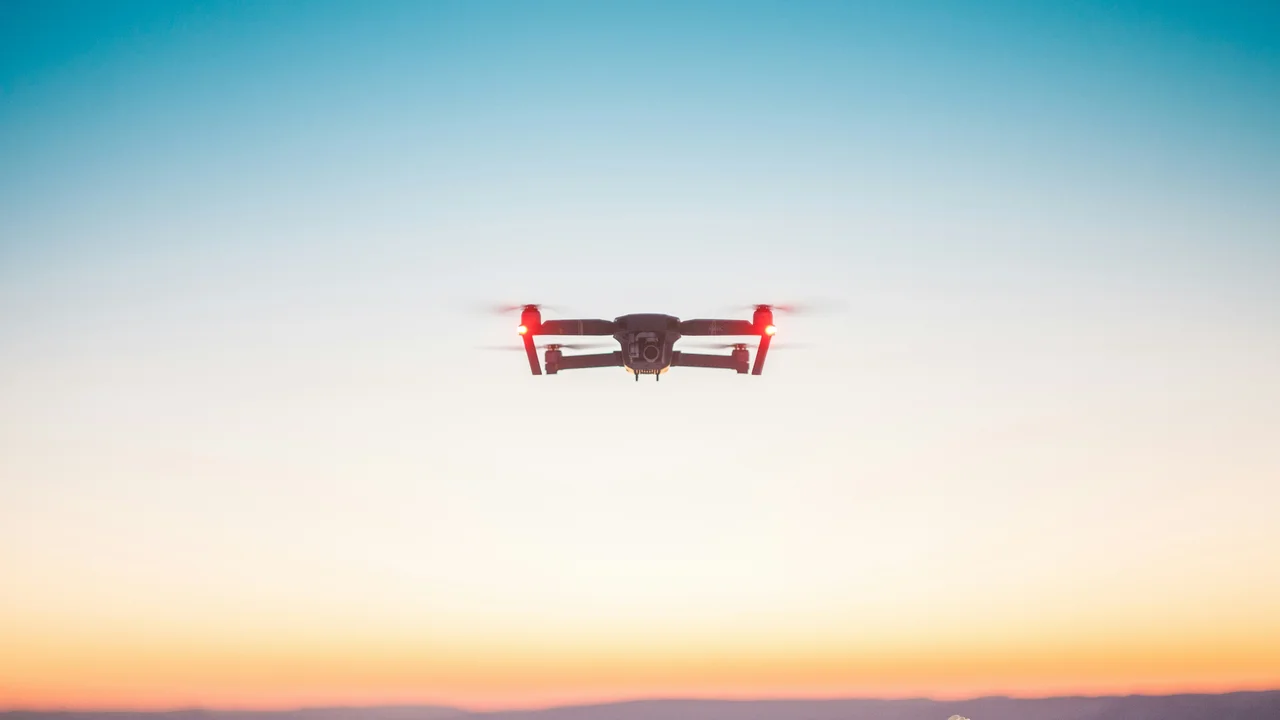
The FAA’s rule on flying drones over moving vehicles is found in 14 CFR Part 107.145. This regulation states that you cannot operate a small unmanned aircraft over a moving vehicle unless the operation meets one of the following conditions:
- The drone is a Category 4 aircraft (meaning it has an airworthiness certificate and is designed to minimize injury to people).
- The operation is conducted in a closed- or restricted-access area where all moving vehicles are controlled and no uninvolved people are present.
- You have obtained a waiver from the FAA specifically authorizing the operation.
What does this mean for your flight? If you are flying over a highway, a road with traffic, a train track with an active train, or a waterway with moving boats, you are likely violating FAA rules unless you are in a controlled area. The rule applies even if the vehicle is moving slowly—a car in a parking lot that is driving counts as a moving vehicle.
What Counts as a Moving Vehicle Under FAA Rules?
The FAA defines a moving vehicle broadly. It includes:
- Cars, trucks, motorcycles, and buses on roads and highways
- Trains on active tracks
- Boats, ships, and personal watercraft on waterways
- Aircraft on runways or taxiways (though separate rules apply for airports)
- Construction vehicles in active use
Stationary vehicles are treated differently. If a car is parked in a lot or stopped at a traffic light, you can fly over it under certain conditions (discussed below). The key distinction is whether the vehicle is moving and whether it is occupied.
DJI Mini 3
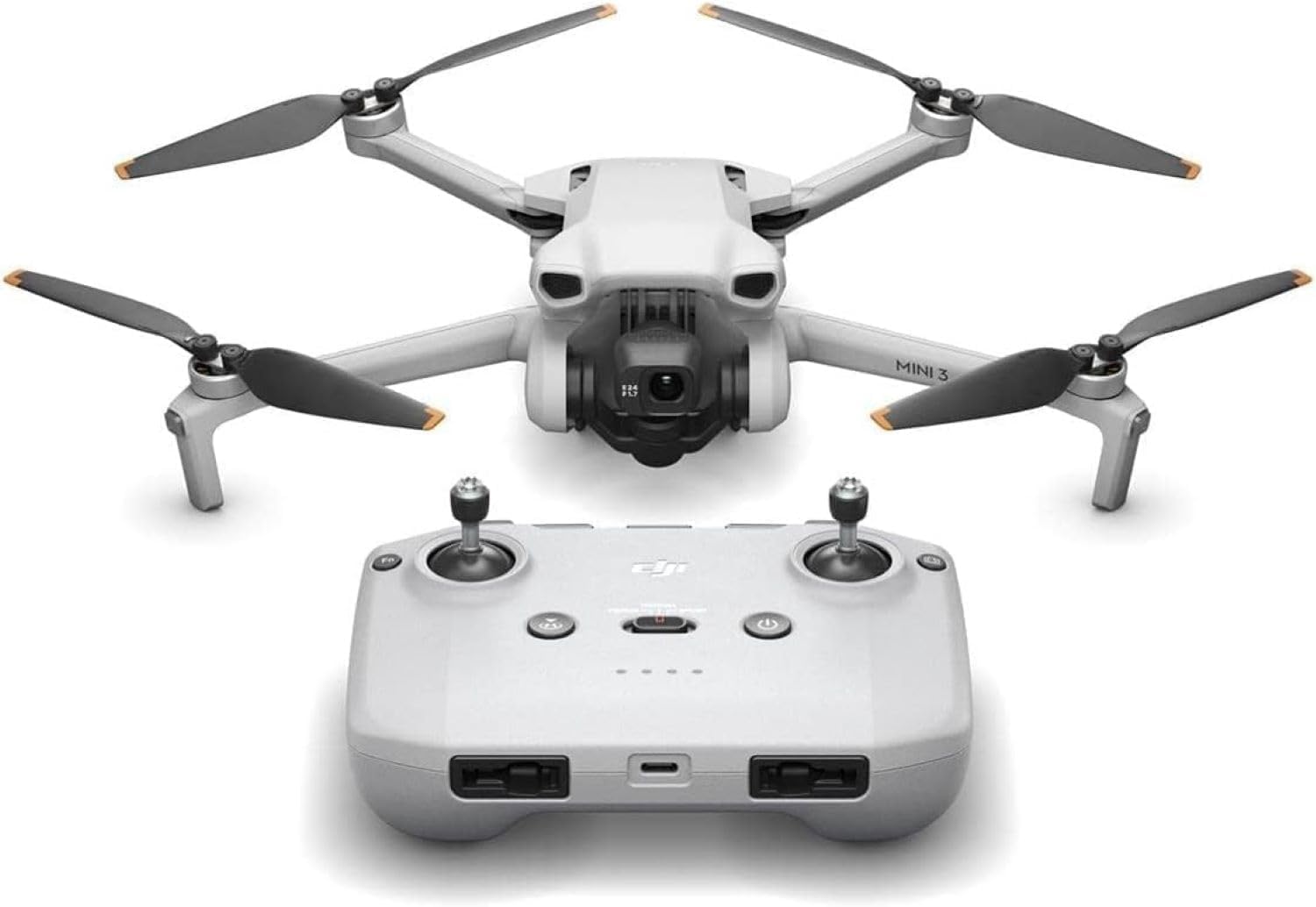
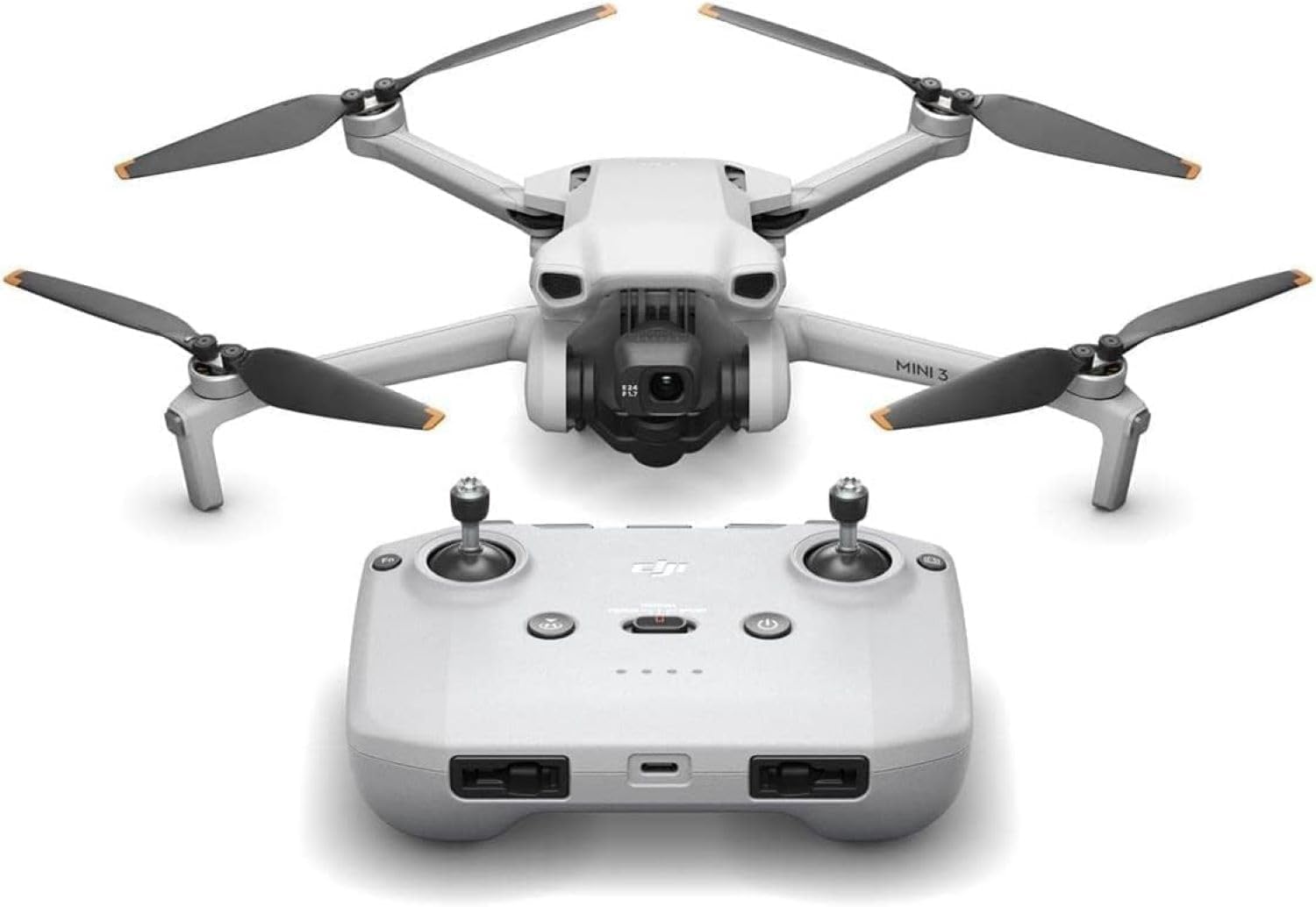
DJI Mini 3, 3-Axis Mechanical Gimbal Mini Camera Drone | 4K HDR Video, 38-Min Flight Time, up to 32800ft (10km) Video Transmission, True Vertical Shooting, GPS Auto Return
Check Price on AmazonDJI Mini 3 Fly More Combo
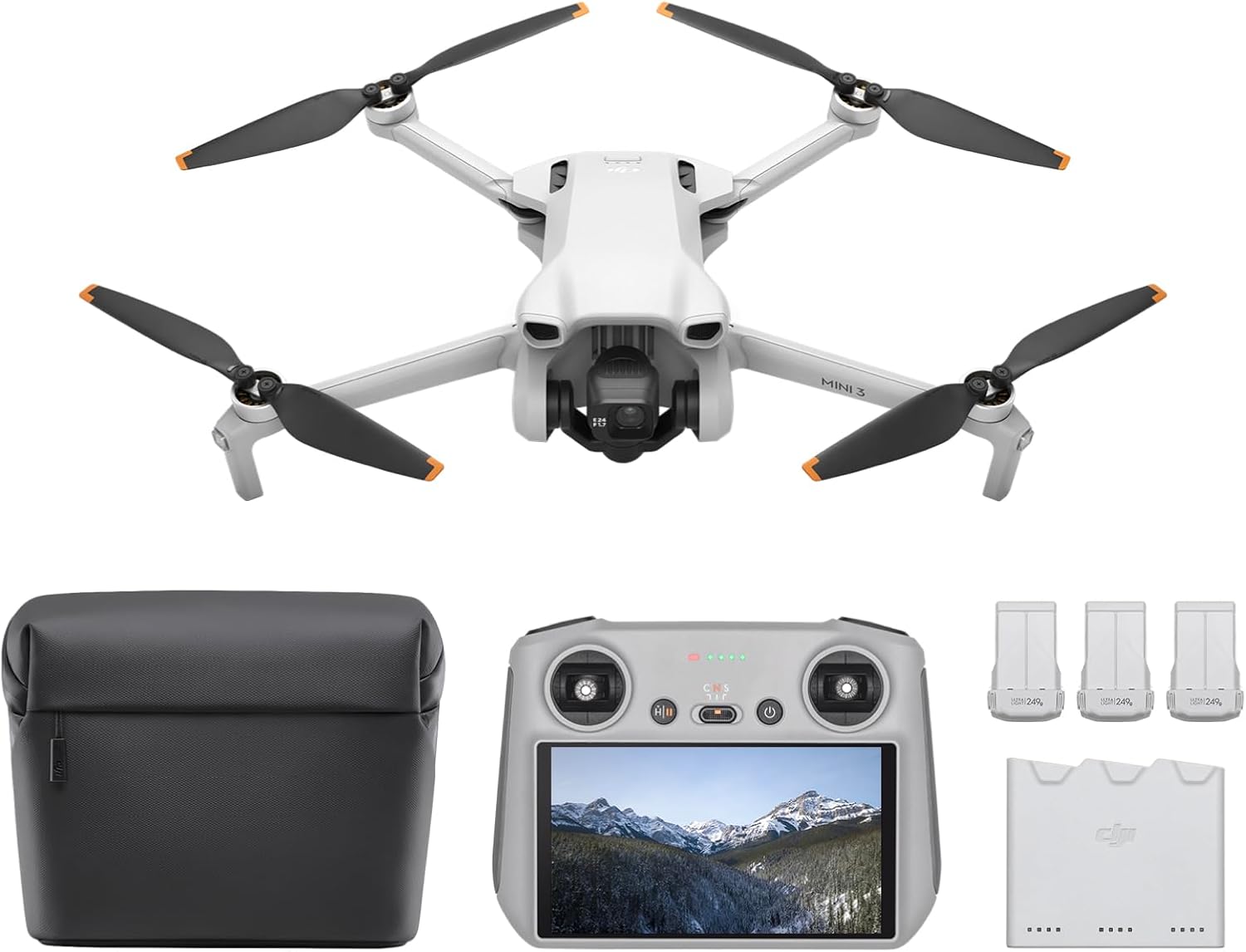
DJI Mini 3 Fly More Combo With DJI RC, 3 Batteries | Lightweight Camera Drone With 4K HDR Video, 114-Min Flight Time, Vertical Shooting, 32800ft (10km) Video Transmission
Check Price on AmazonDJI Mini 3 With DJI RC
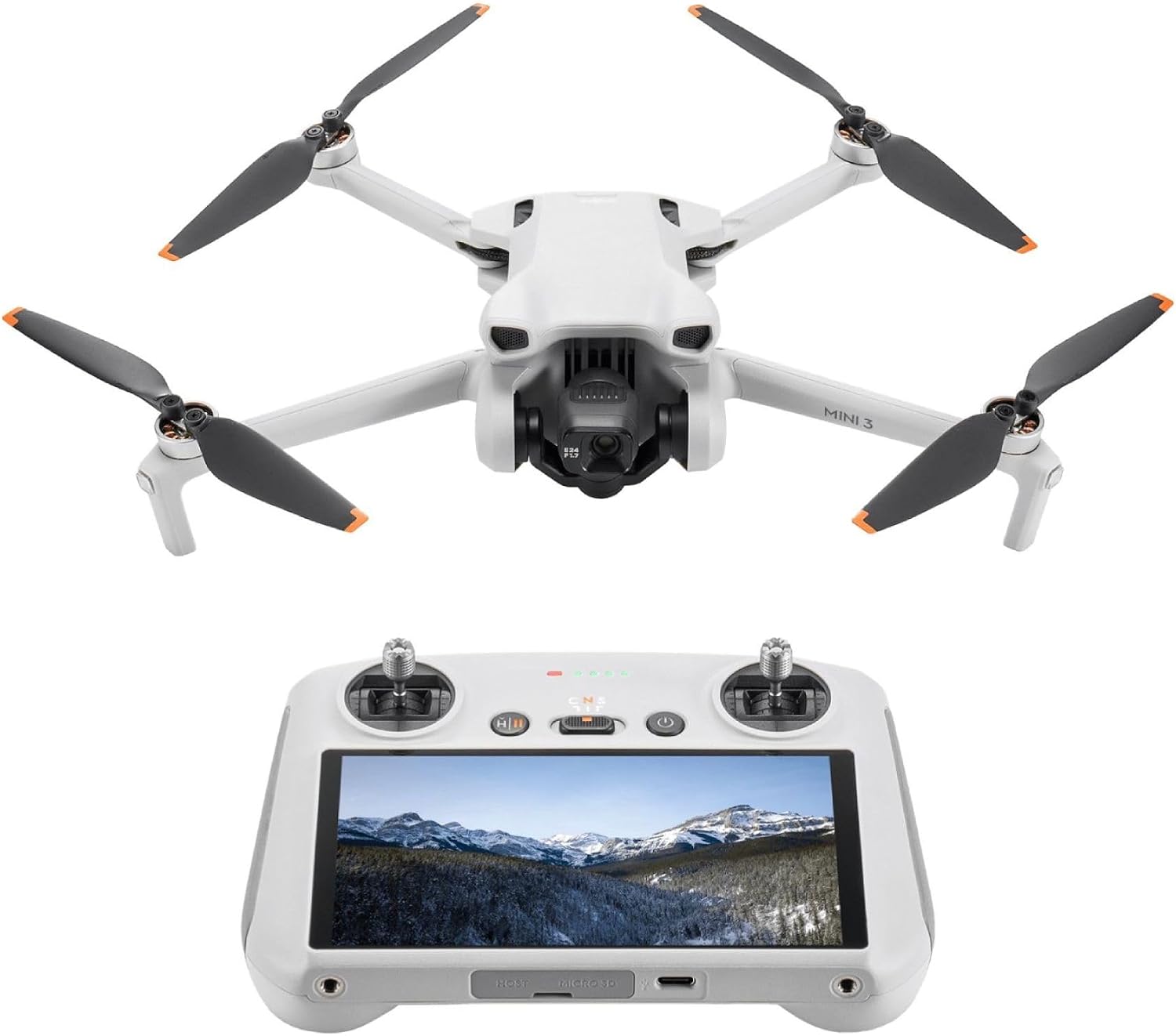
DJI Mini 3 With DJI RC, 3-Axis Mechanical Gimbal Mini Camera Drone | 4K HDR Video, 38-Min Flight Time, up to 32800ft (10km) Video Transmission, Vertical Shooting, GPS Auto Return
Check Price on AmazonCan I Fly a Drone Over a Highway?
The short answer is no—unless you meet the strict exceptions. Flying a drone directly over a highway with moving traffic is prohibited under FAA Part 107.145. This is one of the most common scenarios where drone pilots get into trouble, especially when trying to capture cinematic highway shots or bridge approaches.
However, there is a nuance: you can fly alongside a highway or over the shoulder as long as you are not directly above moving traffic. For example, you can fly from one side of a road to the other if you cross at an angle that keeps you over the median or shoulder, not over the lanes with moving cars. But hovering directly above a highway lane is always a violation unless you have a waiver.
Highway Filming for Commercial Projects
If you are a Part 107 commercial pilot wanting to film traffic for a documentary, advertisement, or news segment, you have limited options. You can:
- Film from the side of the road, keeping the drone over a stationary position (like a tripod) but not over moving cars
- Use a wide-angle lens to capture traffic from a distance without flying directly over it
- Apply for an FAA waiver under Part 107.145—this is possible but requires a detailed safety case and may take weeks to process
Category 1-3 Drones Over Stationary Vehicles
The FAA allows drones to fly over stationary vehicles under certain conditions. This is where the Category 1, 2, and 3 classifications come into play. These categories are part of the FAA’s over-people rule (Part 107.39), but they also apply to vehicles when the vehicle is not moving.
Carrying Hard Case for DJI Avata 360 Drone
Carrying Hard Case for DJI Avata 360 Drone - Portable Travel Bag for Goggles N3/RC Motion 3 Controller
Check Price on AmazonHard Case for Antigravity A1 Drone
Hard Case for Antigravity A1 Drone, Waterproof Protective Carry Case, Anti-Fall Storage Bag Fit for Drone, Batteries, Goggles, Accessories & RC Gear [Only Protect Shell]
Check Price on Amazon| Category | Weight/Design | Can Fly Over Stationary Vehicles? | Can Fly Over Moving Vehicles? |
|---|---|---|---|
| Category 1 | Under 0.55 lbs (250g) and no exposed rotating parts | Yes | No |
| Category 2 | Meets FAA means of compliance (e.g., low kinetic energy) | Yes | No |
| Category 3 | Meets FAA means of compliance (higher kinetic energy) | Yes, in controlled areas | No |
| Category 4 | Has airworthiness certificate | Yes | Yes |
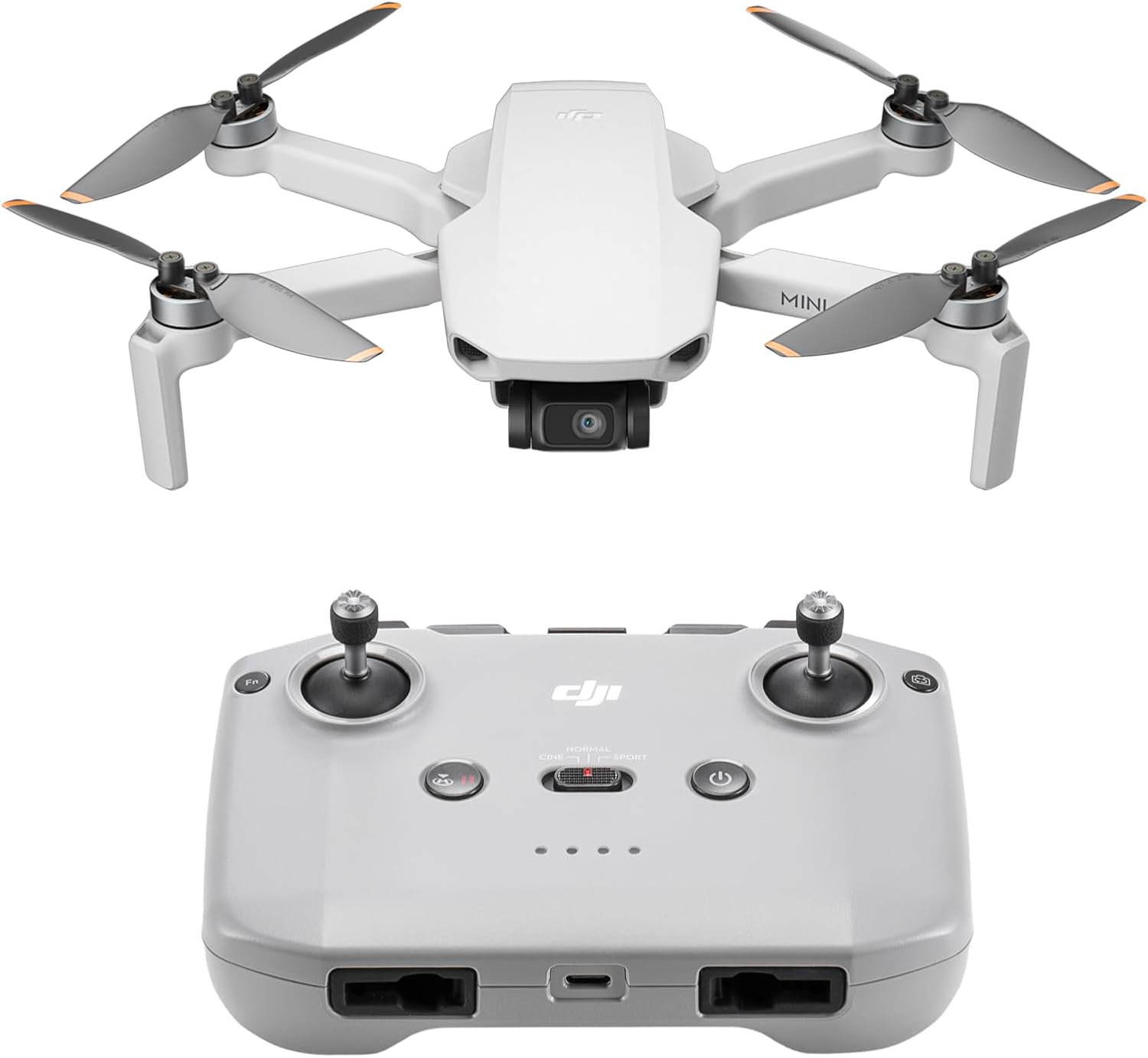
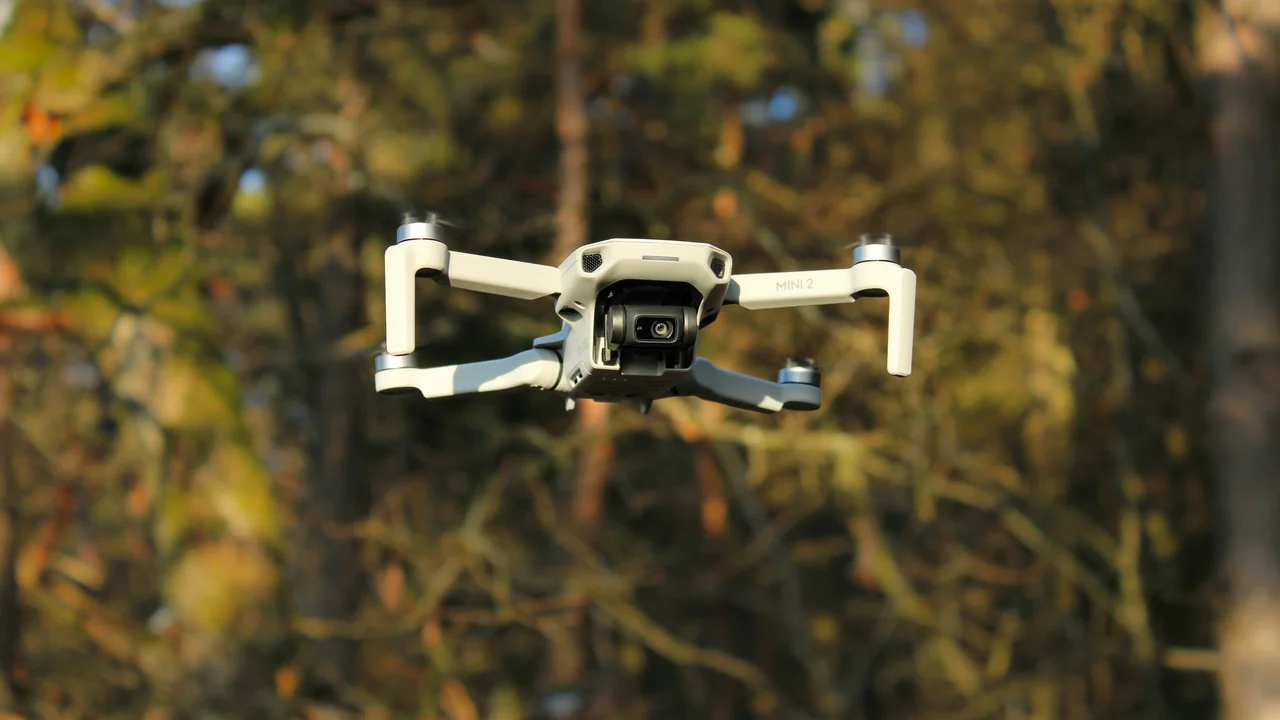
For example, a DJI Mini 4 Pro (under 250g) is a Category 1 drone. You can fly it over a parked car or a car stopped at a traffic light, but you cannot fly it over a moving car on the highway. The weight threshold does not exempt you from the moving vehicle rule.
Exception: Sustained Flight Over Moving Vehicles (Category 4 or Waiver)
The only way to legally fly a drone over moving vehicles without a waiver is to use a Category 4 drone. Category 4 aircraft have been issued an airworthiness certificate by the FAA, meaning they are designed and tested to minimize injury to people in the event of a crash. These are typically larger, more expensive drones used for specialized operations like public safety or infrastructure inspection.
For most consumer and prosumer drone pilots, obtaining a Category 4 drone is not practical. The alternative is to apply for an FAA waiver under Part 107.145. The waiver process requires you to submit a detailed safety plan, including how you will mitigate risks to people on the ground. The FAA has approved waivers for operations like:
- Traffic monitoring by news stations
- Bridge inspections over active roadways
- Agricultural spraying over moving farm vehicles
However, waivers are not guaranteed, and the process can take weeks. For most hobbyists and commercial pilots, the practical answer is: do not fly over moving vehicles.
Bridge Flying: Above the Structure vs Above Traffic
Bridge flying is a common scenario where the moving vehicle rule creates confusion. If you are flying over a bridge, you must distinguish between flying over the bridge structure itself and flying over the traffic on the bridge.
Flying over the bridge structure (the concrete, steel, or pedestrian walkway) is generally allowed if the bridge is not occupied by moving vehicles. For example, if you are flying over a pedestrian bridge or a bridge with a closed lane for construction, you can operate there as long as you are not over moving cars.
Flying over traffic on the bridge is prohibited under the same FAA rule. Even if the bridge is elevated and the traffic is below, you cannot fly directly over the lanes with moving vehicles. This applies to both highway bridges and smaller road bridges.
Drone Rules Moving Vehicles UK: CAA 50-Meter Rule
In the United Kingdom, the Civil Aviation Authority (CAA) has a different approach. Under the UK drone regulations (CAP 722), you must maintain a minimum horizontal distance of 50 meters (164 feet) from any uninvolved person. Cars with occupants are considered uninvolved people for the purpose of this rule.
This means you cannot fly your drone directly over a car with people inside. The 50-meter rule applies horizontally, not just vertically. So if you are flying alongside a road, you must keep your drone at least 50 meters away from any car that has occupants. This effectively prevents you from flying over moving vehicles on UK roads.
For example, if you are flying a DJI Avata 2 near a country road, you must ensure you are at least 50 meters from any car with occupants. This rule applies to both recreational and commercial flights under the UK’s Open Category (A1, A2, A3).
Filming roads from the side is generally allowed as long as you are not directly over the vehicles and you maintain the 50-meter distance. You can capture traffic from a stationary position on the side of the road, using a zoom lens to get close-up shots without violating the rule.
Australia CASA: Similar Restrictions
Australia’s Civil Aviation Safety Authority (CASA) has similar restrictions. Under Part 101 of the Civil Aviation Safety Regulations, you cannot operate a drone over a moving vehicle unless you have specific approval. The rule is designed to prevent injury to people in vehicles and to avoid causing accidents.
In Australia, you must also maintain a minimum distance of 30 meters (98 feet) from people, which includes people in vehicles. This effectively prevents flying over moving cars, trains, or boats. CASA has granted some approvals for specific operations, such as traffic monitoring for state road authorities, but these are rare for hobbyists.
Are Moving Cars Considered People for Drone Rules?
This is a common point of confusion. The answer depends on the country:
- USA (FAA): No, moving cars are not considered people under Part 107. The rule on flying over moving vehicles (Part 107.145) is a separate regulation from the over-people rule (Part 107.39). However, the practical effect is similar—you cannot fly over moving cars.
- UK (CAA): Yes, cars with occupants are treated as uninvolved people for the 50-meter rule. This means you must keep your drone at least 50 meters horizontally from any occupied vehicle.
- Australia (CASA): Yes, people in vehicles are considered people for the 30-meter distance rule.
This distinction matters because the FAA’s over-people rule (Category 1-4) does not automatically prohibit flying over moving cars—the separate Part 107.145 rule does. Many pilots wrongly assume that if their drone is Category 1 (under 250g), they can fly over cars. This is incorrect.
Practical Implications for Your Drone Flights
Understanding the drone over moving vehicles rules has real-world implications for your flights. Here are common scenarios and how to handle them:
Do This
- Fly over stationary vehicles (parked cars, stopped traffic at red lights)
- Fly alongside roads at a safe distance (50m in UK, 30m in Australia)
- Use wide-angle lenses to capture traffic from a distance
- Film from the side of the road or from a bridge structure (not over traffic)
Avoid This
- Flying directly over moving cars on highways or local roads
- Hovering above active train tracks
- Flying over moving boats or ships
- Crossing a road at low altitude over moving traffic
Landscape shots crossing a highway at altitude: If you are flying a scenic route and need to cross a highway, plan your flight path to cross at a point where there is no traffic (e.g., a bridge over the highway) or cross quickly at high altitude (400 feet) while ensuring you are not directly over moving cars. Even at 400 feet, the FAA considers this a violation if you are over moving vehicles.
Boat traffic: The same rules apply to boats. If you are flying over a lake or river, you cannot fly directly over moving boats with occupants. You can fly over the water away from boats or over stationary boats.
- Always check for moving vehicles before flying over any road, track, or waterway
- Plan your flight path to avoid overflying moving traffic
- If you need to film traffic, consider using a stationary camera or a drone with a waiver
- Remember that the rule applies to all moving vehicles, including bicycles, scooters, and golf carts
Summary
Flying a drone over moving vehicles is strictly regulated in the US, UK, and Australia. Under FAA Part 107.145, you cannot operate over moving cars, trains, or boats unless you meet strict Category 4 requirements or have a waiver. The UK CAA’s 50-meter rule from uninvolved people effectively prohibits overflying occupied vehicles. Australia’s CASA has similar restrictions with a 30-meter distance rule.
For most drone pilots, the practical takeaway is simple: avoid flying directly over moving vehicles. Plan your flights to stay over stationary ground, use side-angle shots for traffic scenes, and always check local regulations before flying near roads or waterways. If you need to film traffic for a commercial project, consider applying for an FAA waiver or using a stationary camera setup instead.
Frequently Asked Questions
Can I fly my drone over a highway?
No, you cannot fly your drone over a highway with moving traffic under FAA Part 107.145 unless you have a waiver or are using a Category 4 drone. The rule applies to both commercial and recreational pilots. Even at high altitudes (400 feet), flying over moving vehicles on a highway is prohibited because the drone could fall or lose control and cause an accident. You can fly alongside the highway or over the shoulder as long as you are not directly above moving cars.
Are drones allowed over moving cars FAA?
No, the FAA does not allow drones over moving cars under standard Part 107 operations. The regulation (14 CFR Part 107.145) specifically prohibits operating a small unmanned aircraft over a moving vehicle unless the drone is Category 4 (airworthiness certificate) or the operation is in a closed-access area with no uninvolved people. This rule is separate from the over-people rule (Part 107.39) and applies to all moving vehicles, including cars, trucks, trains, and boats. Recreational pilots are also subject to this restriction.
What is the FAA rule on drones over vehicles?
The FAA rule on drones over vehicles is 14 CFR Part 107.145, which states: “No person may operate a small unmanned aircraft over a moving vehicle” unless the operation meets one of three exceptions: the drone is Category 4 (airworthiness certificate), the operation is in a closed- or restricted-access area with no uninvolved people, or the operator has obtained a waiver from the FAA. The rule applies to all moving vehicles, including cars, trains, boats, and aircraft on runways. Violating this rule can result in fines and enforcement action.
Can I film traffic from a drone legally?
You can film traffic from a drone as long as you do not fly directly over moving vehicles. For example, you can set up your drone on the side of the road and film traffic from a stationary position, or you can fly alongside a road at a safe distance (at least 50 meters in the UK, 30 meters in Australia, and avoiding overflight in the US). In the US, you can use a wide-angle lens to capture traffic from a distance without violating the over-vehicle rule. For commercial projects, consider applying for an FAA waiver if you need to fly directly over traffic.
Can I fly a drone over a boat?
No, you cannot fly a drone over a moving boat with occupants under FAA Part 107.145. Boats are considered moving vehicles, and the same restrictions apply as for cars and trains. If the boat is stationary (anchored or docked) and unoccupied, you can fly over it. However, if the boat is moving or has people on board, you must avoid overflight. In the UK, the 50-meter rule applies to boats with occupants, meaning you must keep your drone at least 50 meters horizontally from any occupied boat.
Are moving cars considered people for drone rules?
It depends on the country. In the US (FAA), moving cars are not considered people under the over-people rule (Part 107.39), but they are regulated under a separate rule (Part 107.145) that prohibits flying over moving vehicles. In the UK (CAA), cars with occupants are treated as uninvolved people for the 50-meter distance rule. In Australia (CASA), people in vehicles are considered people for the 30-meter distance rule. This distinction is important because the FAA’s over-people rule does not automatically prohibit flying over cars—you must also comply with the moving vehicle rule.
Last updated: July 14, 2026
- FAA 14 CFR Part 107.145 – Operation over moving vehicles
- FAA 14 CFR Part 107.39 – Operation over people
- UK CAA CAP 722 – Unmanned Aircraft System Operations in UK Airspace
- Australia CASA Part 101 – Unmanned aircraft and rockets
NANUK 935 Pro Photo Kit Camera Case
NANUK 935 Pro Photo Kit Camera Case, Waterproof Wheeled Hard Case, Carry-On, Black
Check Price on AmazonNANUK 925 DJI Mavic 4 Pro Creator Combo
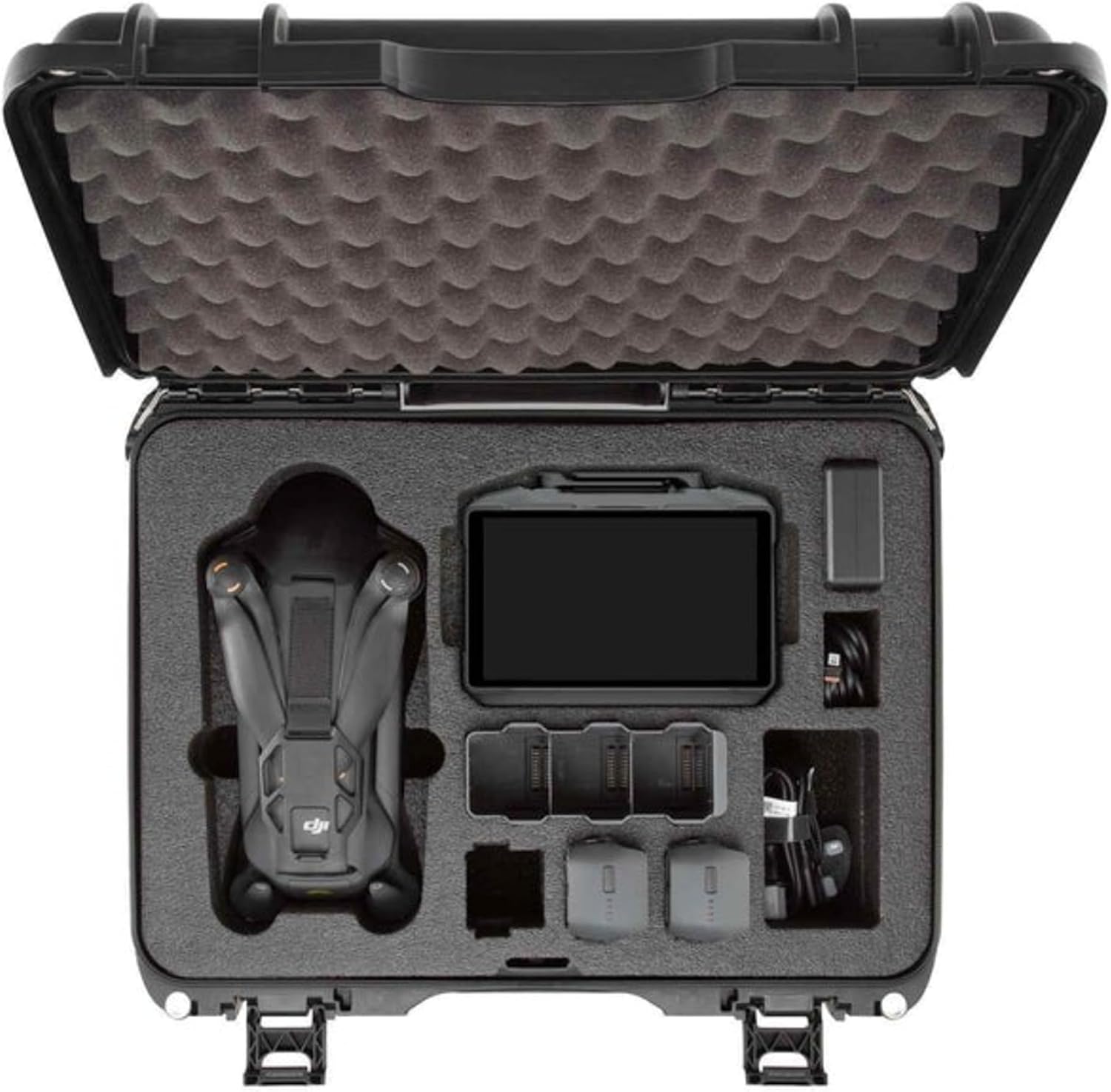
NANUK 925 DJI Mavic 4 Pro Creator Combo - Waterproof Hard Case with Drone Foam Insert, Crushproof, Portable Travel Case, Made in Canada (18.7” x 14.8”x 7”) - Black
Check Price on Amazon Drone Allowed
DroneAllowed editor covering drone regulations, aviation law, and aerial photography across USA, UK, Canada & Australia.