
Mass Drone Laws 2026: Complete Guide for Drone Pilots
 10 min read
1,946 words
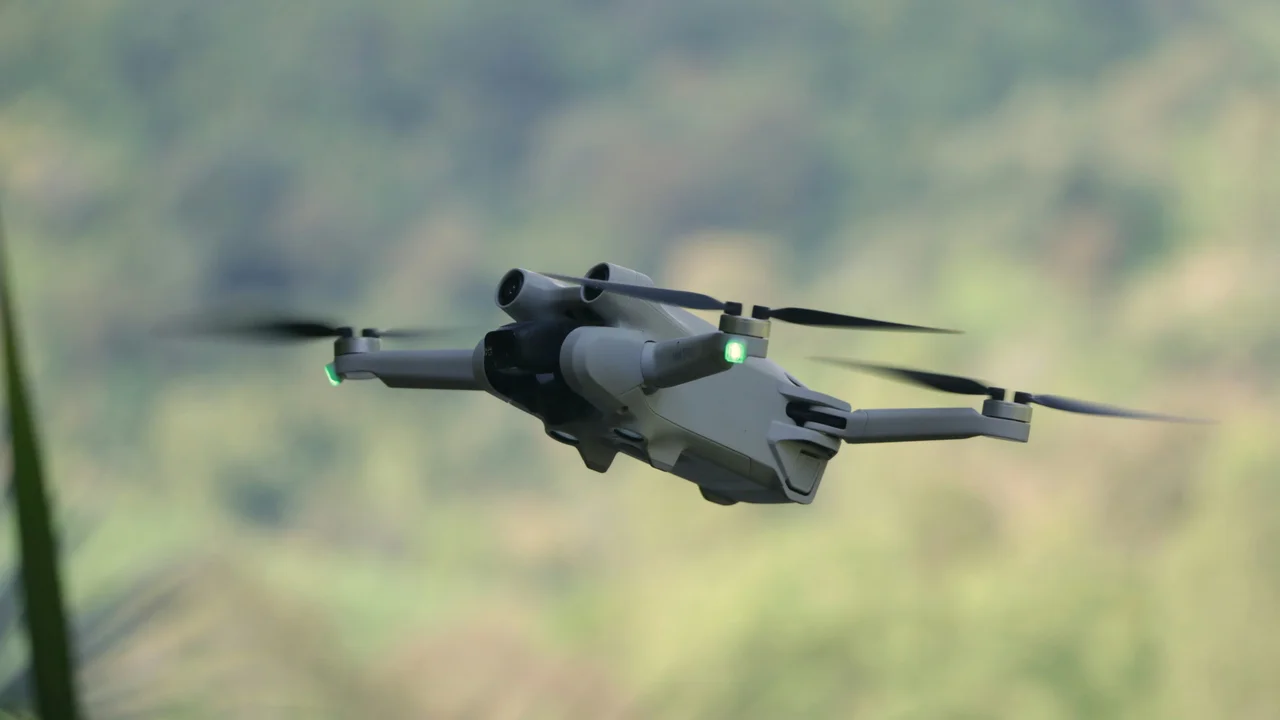
Understanding Mass Drone Laws in 2026
Mass drone laws refer to the specific regulations governing drone operations in the state of Massachusetts. If you are a drone pilot in Massachusetts, you must follow a combination of federal FAA rules and state-level laws. This guide covers everything you need to know to fly legally and safely in the Bay State.
LENTION 3.3FT Long Cable USB C Hub
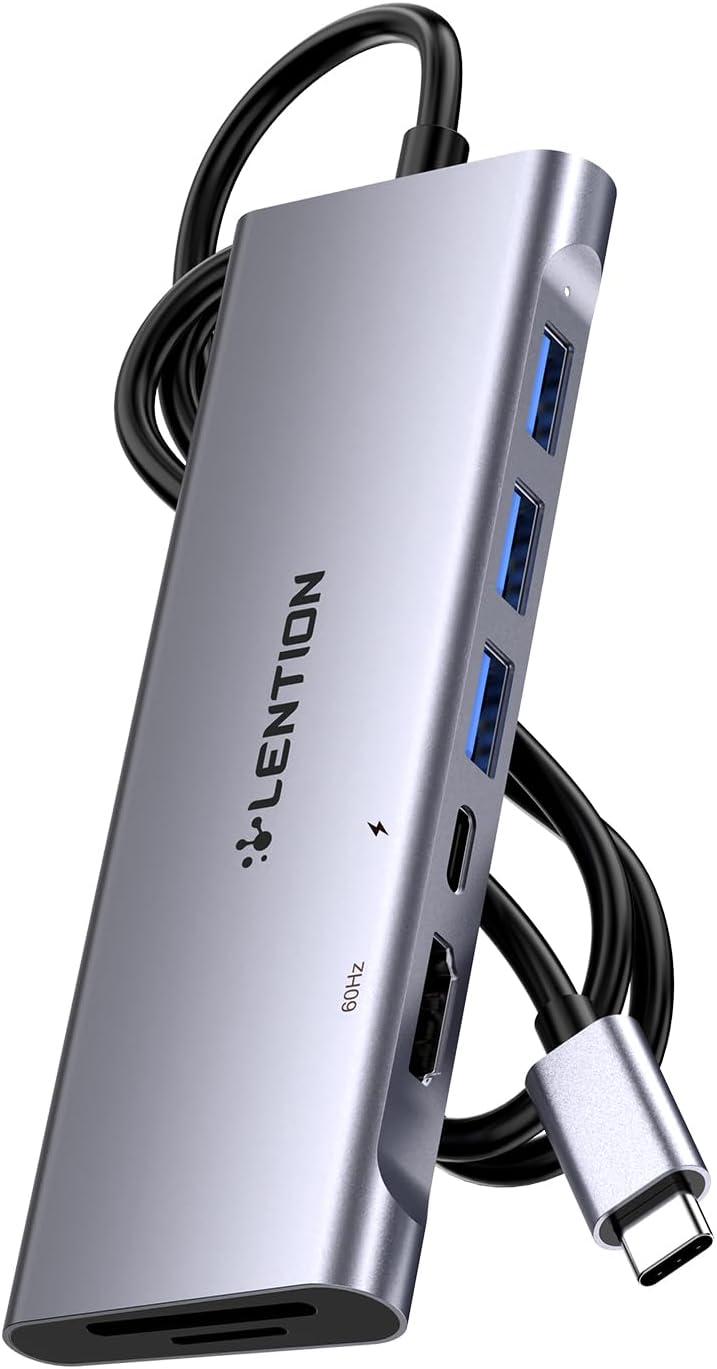
LENTION 3.3FT Long Cable USB C Hub, 4K HDMI, 100W PD, USB 3.0, Card Reader 3A & LED Indicator Stable Driver Adapter, for macOS, iOS/iPadOS, Windows & ChromeOS (C36p-1M, Space Gray)
Check Price on Amazon17-in-1 USB C Hub 65W Powered Adapter, 10Gbps, Dual PD 45W
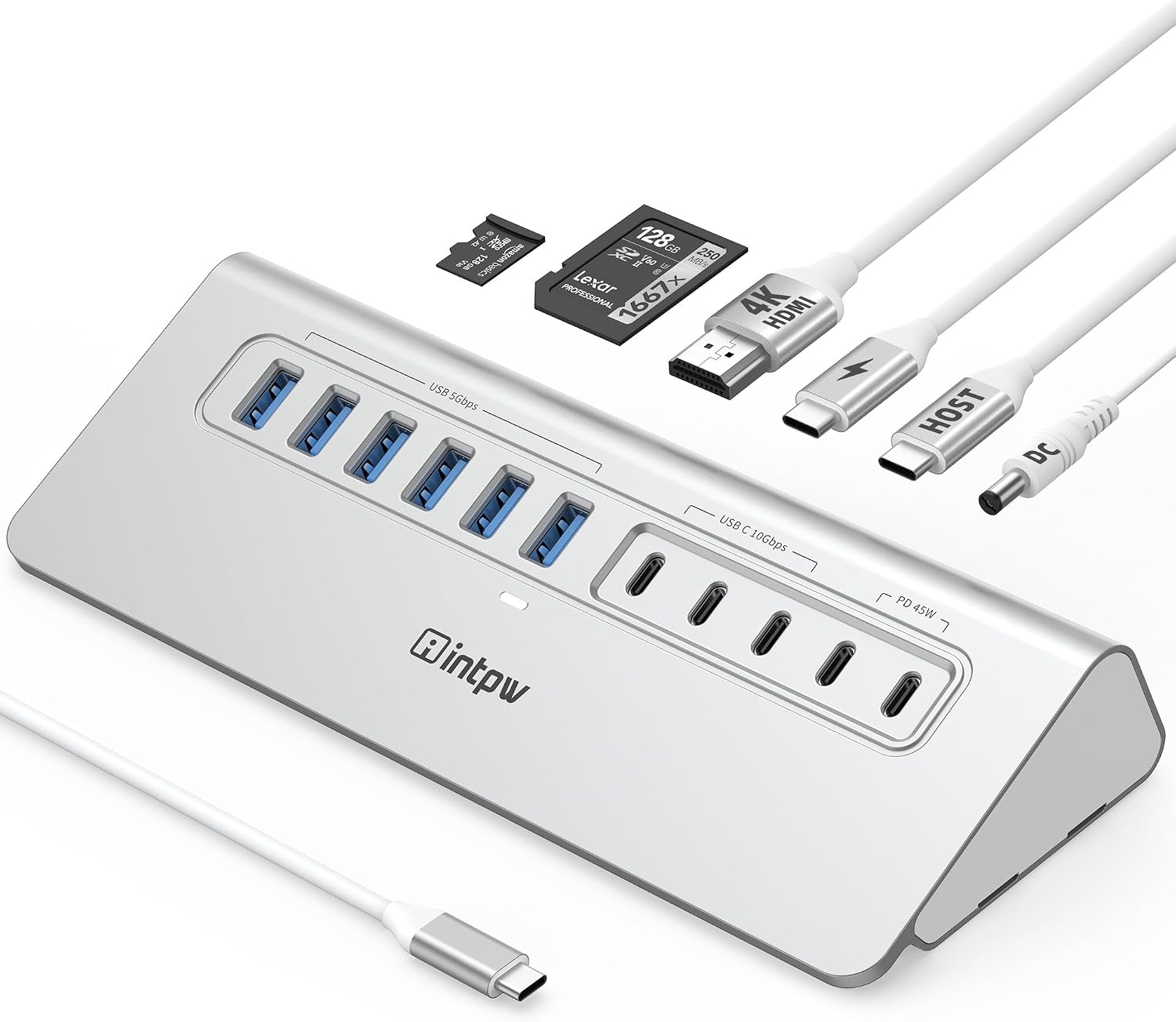
17-in-1 USB C Hub 4K@60Hz, 65W Powered Adapter, 10Gbps, Dual PD 45W PD 100W Charging, 3×USB-C 3.2+6×USB-A 3.0, SD/TF 105MB/s, 3.3ft Cable, Aluminum Desktop USB Hub for MacBook Pro/Air/Mac Mini
Check Price on AmazonLENTION USB-C Hub, HDMI, 100W PD, 2 USB-C, 2 USB 3.0, Card Reader
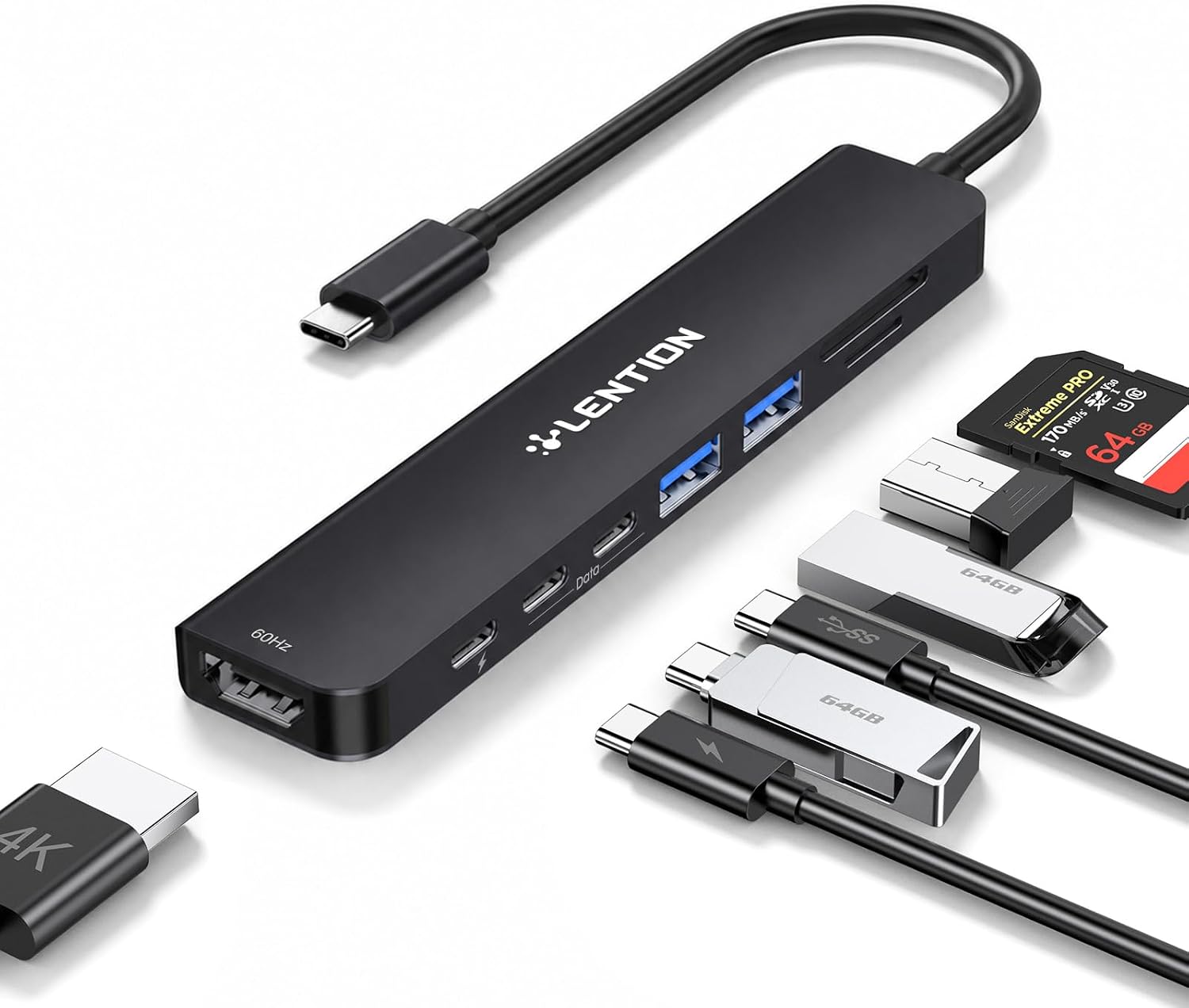
LENTION USB-C Hub, 4K@60Hz HDMI, 100W PD, 2 USB-C, 2 USB 3.0, Card Reader 2A & 2C Work Simultaneously, Stable Driver 3.0 Certified, for macOS, iOS/iPadOS, Windows & ChromeOS (CE19, Black)
Check Price on AmazonMassachusetts has some of the strictest drone laws in the United States, particularly regarding privacy, no-fly zones, and law enforcement interactions. You will learn about registration requirements, where you can and cannot fly, penalties for violations, and practical tips for staying compliant.
3 FT Power Strip
3 FT Power Strip, Extension Cord with 8 AC Outlets + 4 USB (2 USB-C), Black Flat Plug, Compact 3FT Flat Cord Keeps Desktop Neat. 1700J Surge Protection, 1625W, Great for Home Office, Dorm, Nightstand
Check Price on AmazonHICOBER USB C SD Card Reader
HICOBER USB C SD Card Reader, 3-in-1 for Laptop, Phone, Tablet, Black Durable aluminum body helps dissipate heat quickly for stable performance; reads SD, TF and USB drives up to 2TB via USB-C
Check Price on Amazon64GB Micro SD Card with SD Card Reader
64GB Micro SD Card with SD Card Reader USB3.0 A/C Dual Slots & SD Adapter UHS-I, C10, U3, V30, A1, 4K UHD, USB 3.0 Memory Card Reader for iPhone 17/16/15, MacBook, iPad, Laptop, PC, Drone, Game Console
Check Price on AmazonWhat Are the Core Rules for Mass Drone Laws?
The core rules for mass drone laws fall under two main categories: federal FAA regulations and Massachusetts state statutes. All drone pilots must follow FAA Part 107 (commercial) or Section 44809 (recreational) rules. Massachusetts adds additional restrictions on privacy, trespassing, and flying near critical infrastructure.
Key federal rules include registering any drone weighing over 0.55 lbs (250g) through the FAA DroneZone for a $5 fee valid for three years. You must keep your drone within visual line of sight, fly at or below 400 feet AGL, and avoid manned aircraft. Massachusetts state law prohibits flying over private property without permission and bans drones equipped with weapons.
Who Enforces Mass Drone Laws?
The Federal Aviation Administration (FAA) is the primary authority for all drone operations in the United States, including Massachusetts. The FAA enforces airspace rules, registration requirements, and pilot certification. However, Massachusetts state and local law enforcement agencies can enforce state-specific laws related to privacy, trespassing, and public safety.
Local police departments in cities like Boston, Cambridge, and Worcester may have additional ordinances that restrict drone takeoff and landing from public property. Always check both FAA and local regulations before flying.
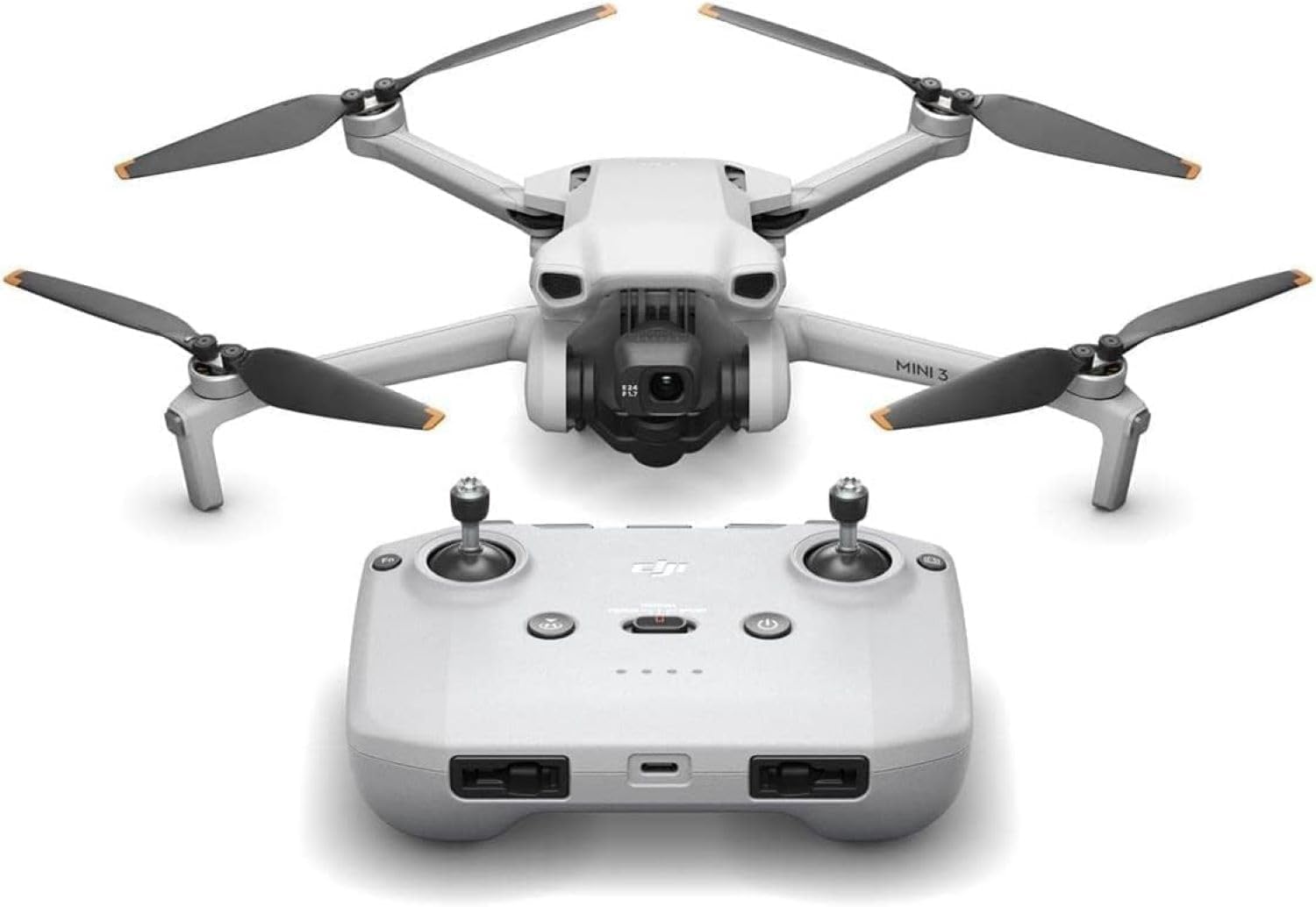
DJI Mini 3
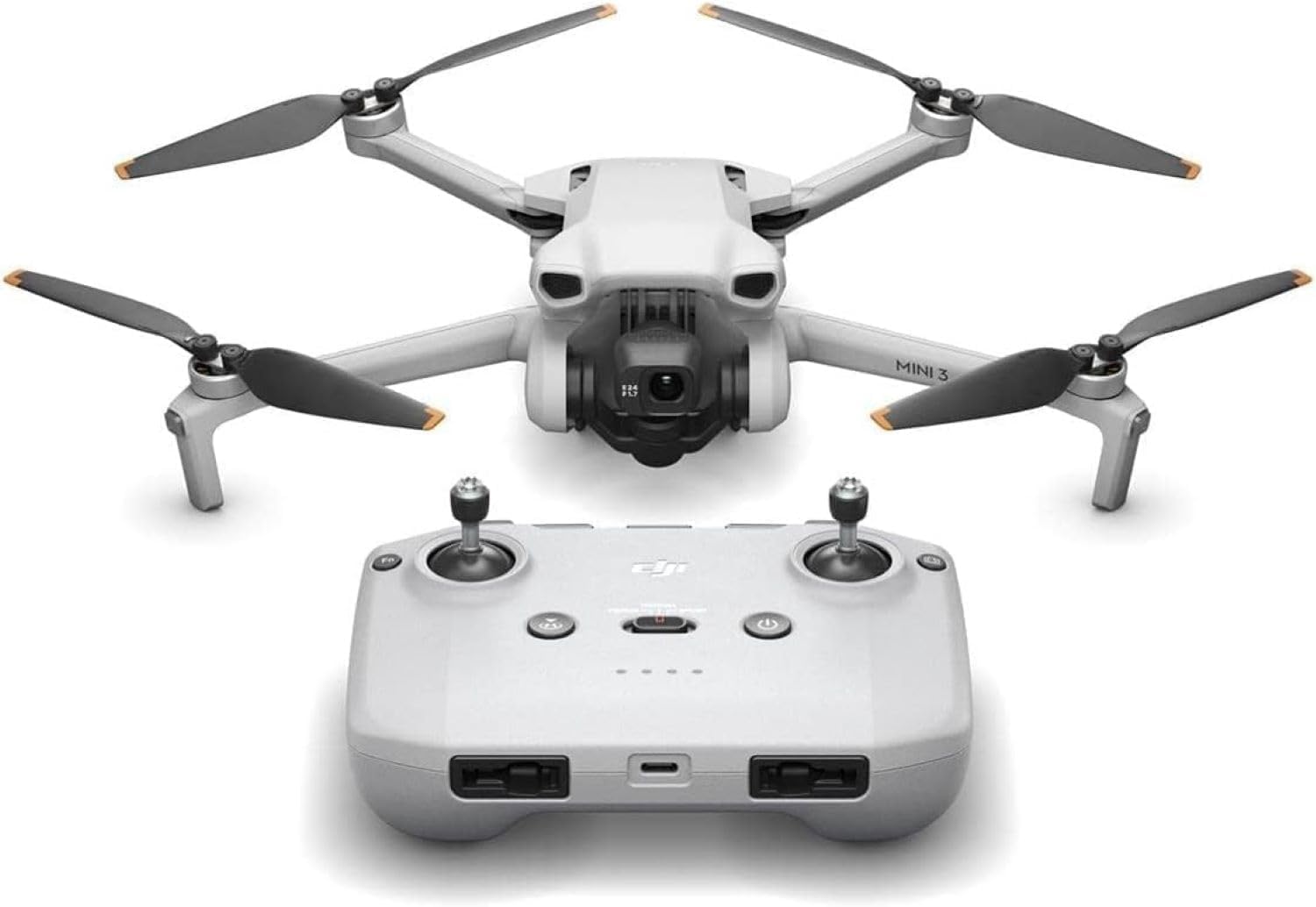
DJI Mini 3, 3-Axis Mechanical Gimbal Mini Camera Drone | 4K HDR Video, 38-Min Flight Time, up to 32800ft (10km) Video Transmission, True Vertical Shooting, GPS Auto Return
Check Price on AmazonDJI Mini 3 Fly More Combo
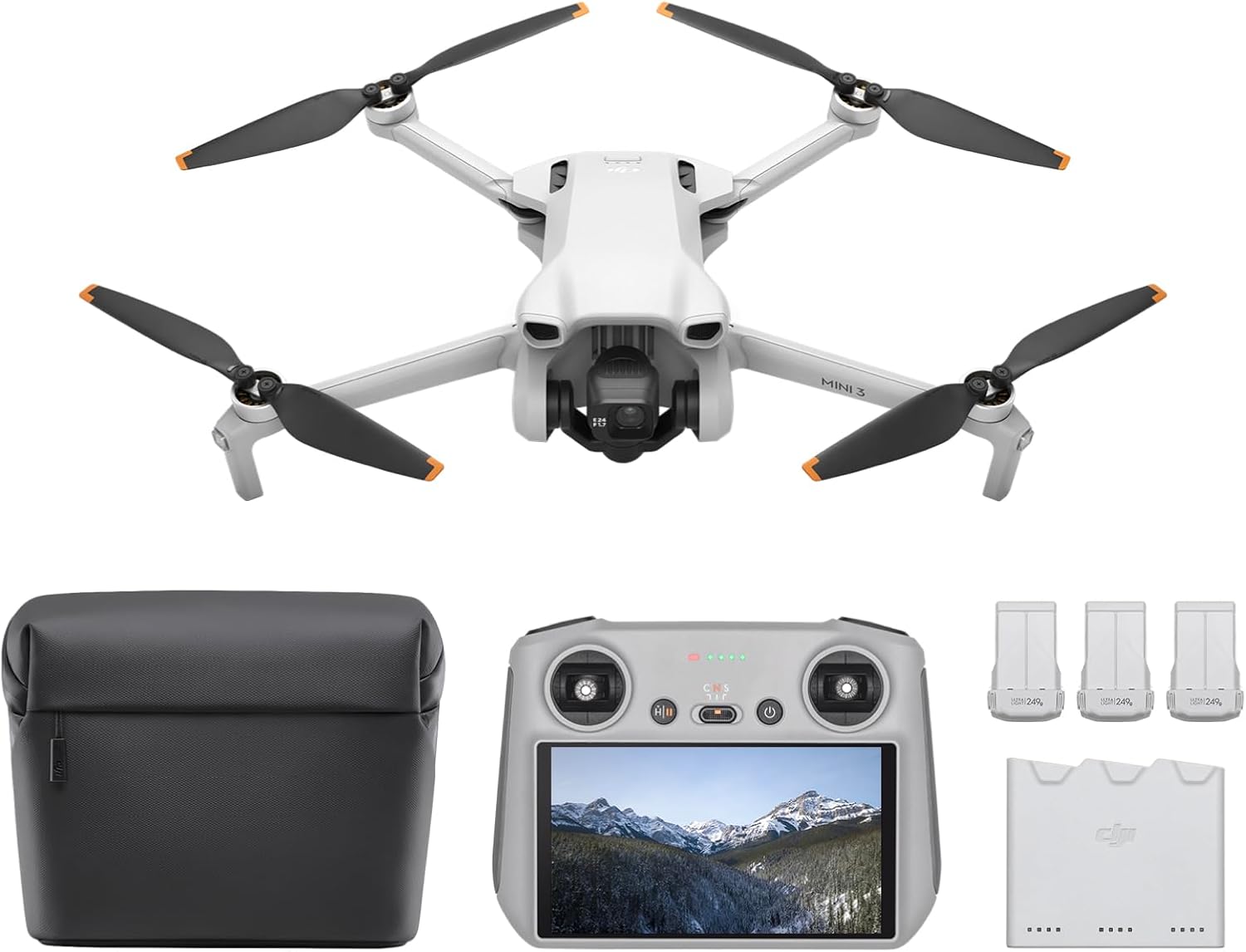
DJI Mini 3 Fly More Combo With DJI RC, 3 Batteries | Lightweight Camera Drone With 4K HDR Video, 114-Min Flight Time, Vertical Shooting, 32800ft (10km) Video Transmission
Check Price on AmazonDJI Mini 3 With DJI RC
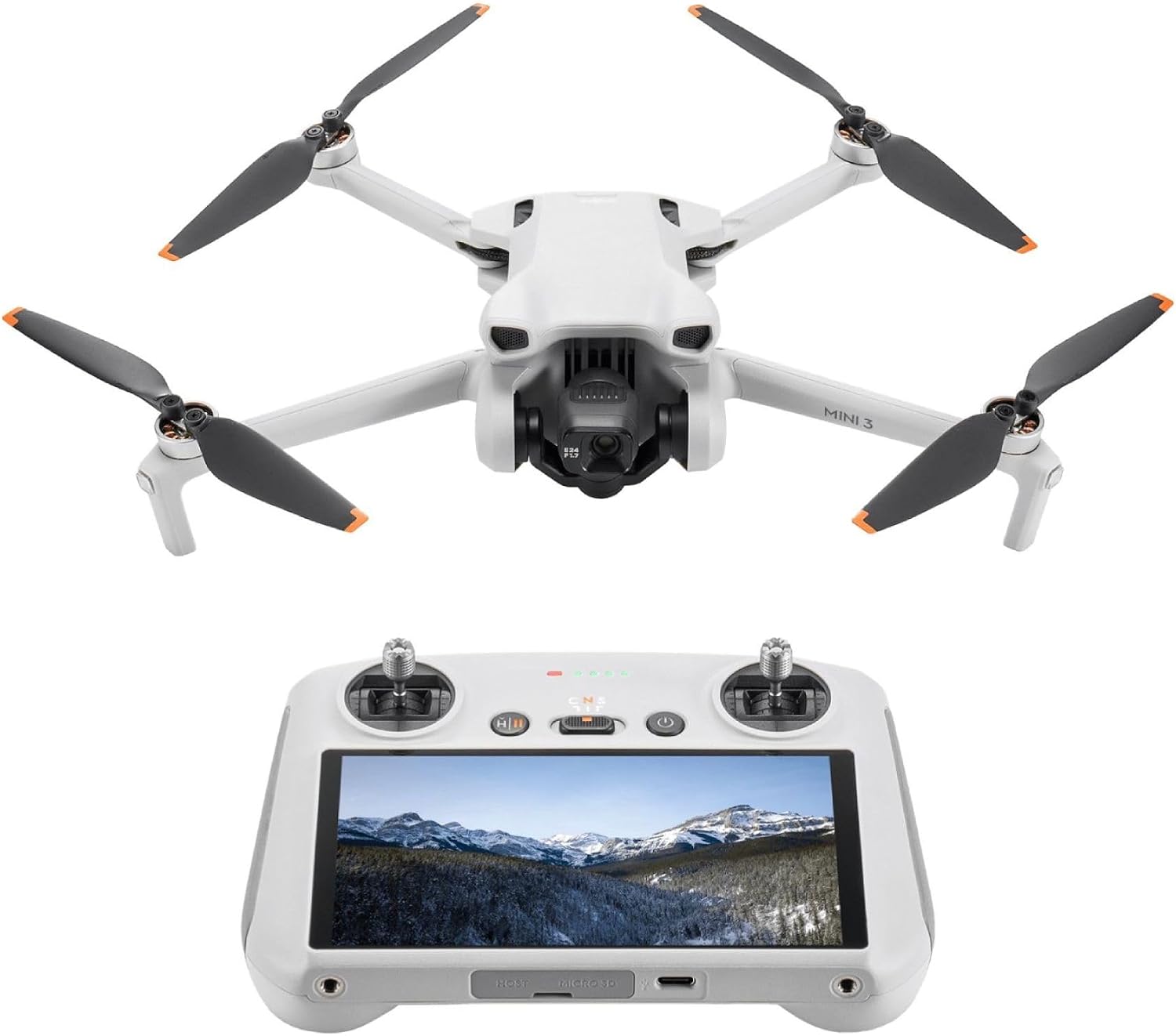
DJI Mini 3 With DJI RC, 3-Axis Mechanical Gimbal Mini Camera Drone | 4K HDR Video, 38-Min Flight Time, up to 32800ft (10km) Video Transmission, Vertical Shooting, GPS Auto Return
Check Price on AmazonDo You Need to Register Your Drone for Mass Drone Laws?
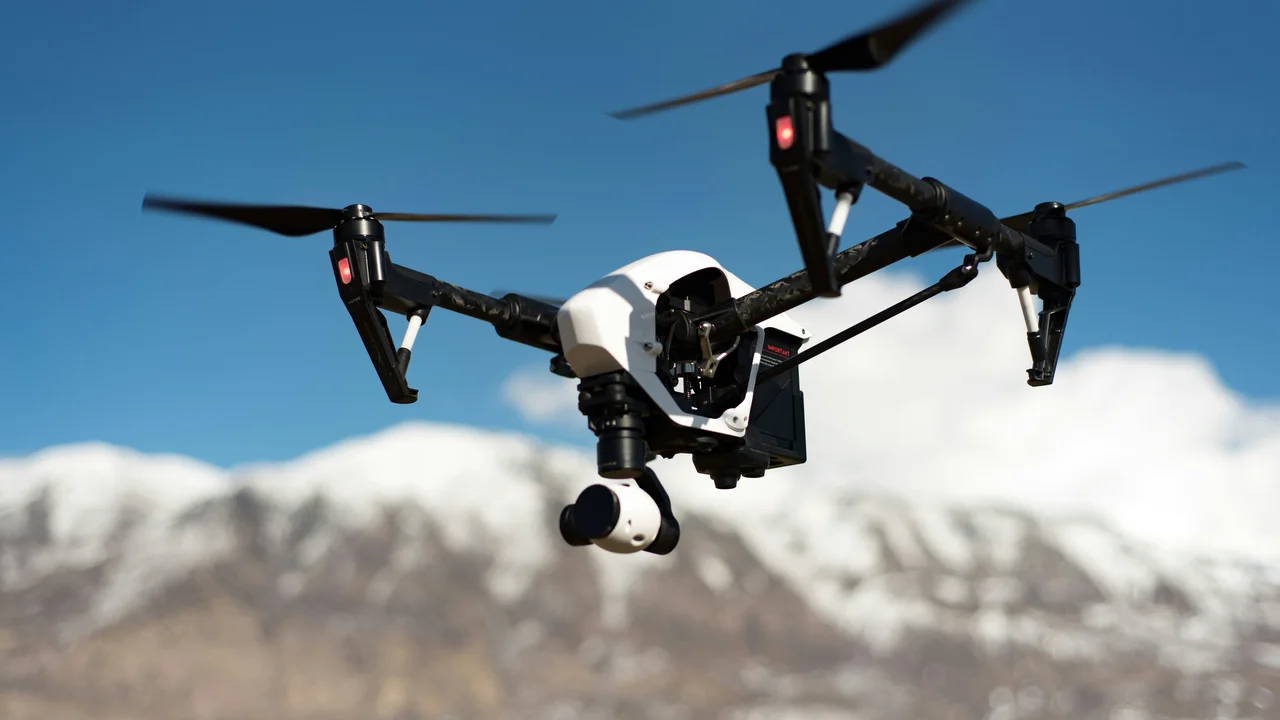
Yes, if your drone weighs more than 0.55 lbs (250g), you must register it with the FAA through the DroneZone website. The registration fee is $5 and is valid for three years. You must display your registration number on the outside of your drone.
Massachusetts does not have a separate state registration system. However, you must carry proof of FAA registration and a valid Remote Pilot Certificate (for commercial operations) or a TRUST certificate (for recreational flying) whenever you fly.
If your drone weighs under 0.55 lbs, like a DJI Neo, you do not need to register with the FAA for recreational use. However, you still must follow all airspace rules. Use our Weight Checker Tool to confirm your drone’s classification.
Where Can You Legally Fly Under Mass Drone Laws?
You can fly in most uncontrolled (Class G) airspace in Massachusetts without prior authorization. This includes many rural areas, parks, and open fields. However, you must stay at or below 400 feet AGL and maintain visual line of sight at all times.
Carrying Hard Case for DJI Avata 360 Drone
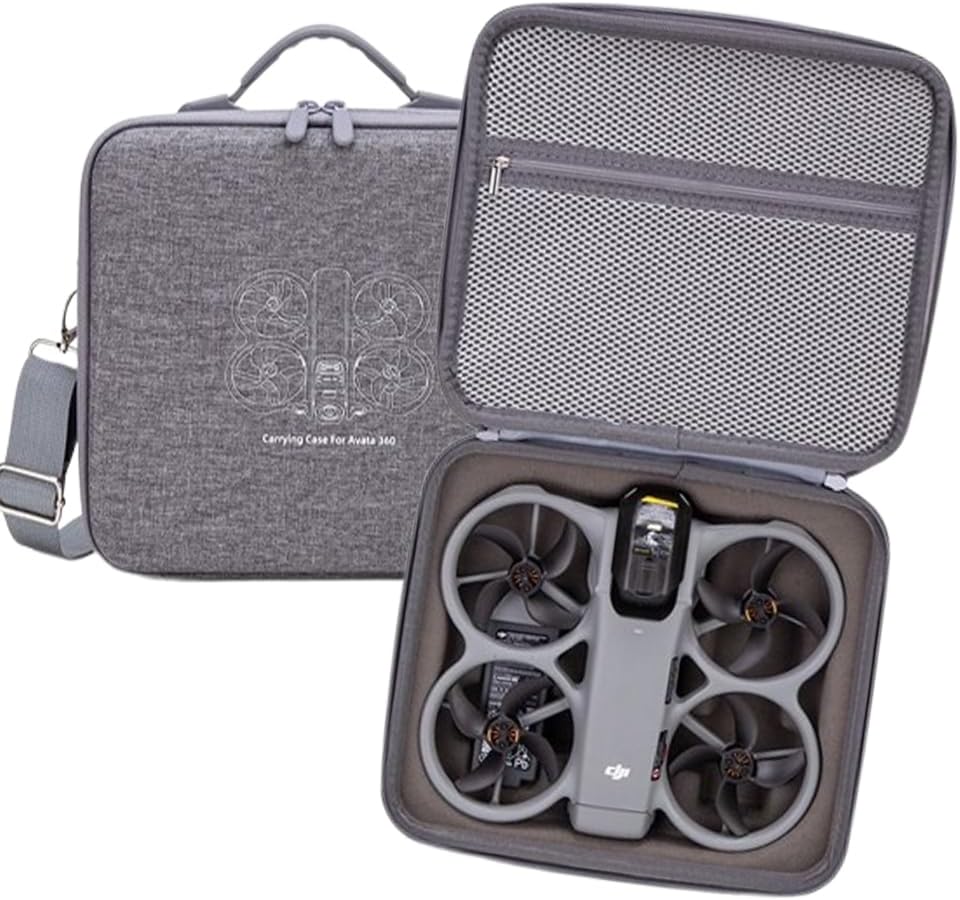
Carrying Hard Case for DJI Avata 360 Drone - Portable Travel Bag for Goggles N3/RC Motion 3 Controller
Check Price on AmazonHard Case for Antigravity A1 Drone
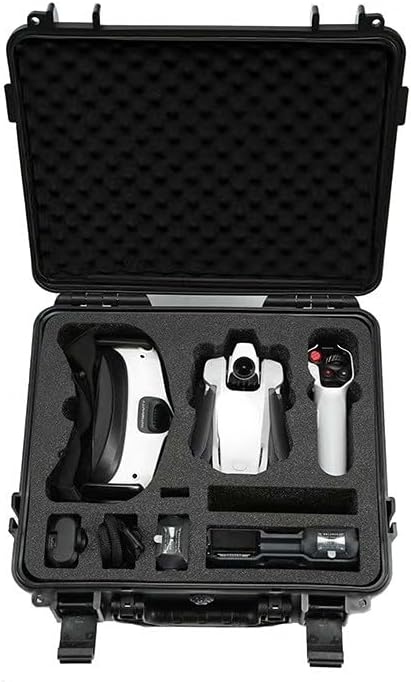
Hard Case for Antigravity A1 Drone, Waterproof Protective Carry Case, Anti-Fall Storage Bag Fit for Drone, Batteries, Goggles, Accessories & RC Gear [Only Protect Shell]
Check Price on AmazonFor controlled airspace (Class B, C, D, and E), you need FAA authorization through the LAANC system. Major airports like Boston Logan International Airport (BOS), Worcester Regional Airport (ORH), and Nantucket Memorial Airport (ACK) have controlled airspace that extends several miles. You can request LAANC authorization through approved apps like ALOFT or Kittyhawk.
Restricted Areas and No-Fly Zones in Massachusetts
Mass drone laws include several permanent no-fly zones. You cannot fly within 5 miles of any airport without notifying the airport operator and air traffic control (for recreational pilots) or obtaining LAANC authorization (for Part 107 pilots). Additionally, Massachusetts law prohibits flying over critical infrastructure facilities within 250 feet.
Other restricted areas include:
- Military bases like Fort Devens and Joint Base Cape Cod
- National parks and historic sites (federal law)
- Prisons and correctional facilities (250-foot buffer)
- Power plants, dams, and water treatment facilities
- Active emergency response scenes (police, fire, medical)
Use our No-Fly Zone Checker tool to check specific locations before you fly. This tool integrates FAA airspace data with Massachusetts state restrictions.
Mass Drone Laws for Commercial vs. Recreational Pilots
Mass drone laws apply differently to commercial and recreational pilots. Commercial operators must hold a Part 107 Remote Pilot Certificate from the FAA, pass a knowledge test, and register their drones. Recreational pilots must pass the TRUST test and follow the FAA’s recreational model aircraft rules.
| Requirement | Commercial (Part 107) | Recreational (TRUST) |
|---|---|---|
| Registration | Required (over 0.55 lbs) | Required (over 0.55 lbs) |
| Pilot Certificate | Part 107 Remote Pilot Certificate | TRUST certificate (free online) |
| Airspace Authorization | LAANC for controlled airspace | LAANC for controlled airspace |
| State Privacy Laws | Must comply | Must comply |
| Insurance | Recommended | Not required but recommended |
If you are flying a drone under 250g like the DJI Mini 4 Pro, you still need the TRUST certificate for recreational use but may not need FAA registration. Use our Registration Calculator to determine if your drone needs to be registered.
Privacy Laws and Mass Drone Laws
Massachusetts has strong privacy protections that affect drone pilots. State law prohibits using a drone to capture images or video of individuals on private property without their consent. This includes flying over backyards, through windows, or recording people in areas where they have a reasonable expectation of privacy.
The law also bans drones equipped with weapons of any kind. This includes firearms, tasers, and even pepper spray. Violating these privacy laws can result in criminal charges and civil lawsuits.
Do
- Fly over public spaces and roads
- Request permission before flying over private property
- Use a camera only in areas where no privacy is expected
- Keep logs of your flights
Don’t
- Fly over backyards or through windows
- Record people without consent in private settings
- Equip your drone with any weapon
- Fly near schools or playgrounds at low altitudes
Penalties for Violating Mass Drone Laws
Violating mass drone laws can result in both federal and state penalties. FAA violations for flying in restricted airspace, failing to register, or operating without a certificate can lead to civil penalties up to $27,500 per violation. Criminal penalties can reach $250,000 in fines and up to three years in prison for reckless operations.
Massachusetts state penalties include fines up to $5,000 and potential jail time for privacy violations or flying near critical infrastructure. Local ordinances in cities like Boston may add additional fines for taking off or landing in public parks without a permit.
How to Stay Compliant With Mass Drone Laws
Staying compliant requires a proactive approach. Start by registering your drone with the FAA if it weighs over 0.55 lbs. Complete the TRUST test for recreational flying or obtain your Part 107 certificate for commercial work. Always check airspace before each flight using the LAANC system or our No-Fly Zone Checker.
When flying in Massachusetts, respect private property boundaries. If you plan to fly over someone’s land, get written permission first. Keep your drone below 400 feet and maintain visual line of sight. Avoid flying near critical infrastructure, schools, hospitals, and emergency scenes.
Use the FAA DroneZone for drones over 0.55 lbs. Fee is $5 for 3 years.
Take the TRUST test (free) or pass the Part 107 knowledge exam.
Use LAANC apps or our No-Fly Zone Checker before every flight.
Respect privacy, avoid critical infrastructure, and never fly over people without permission.
If you are flying an FPV drone like the DJI Avata 2, remember that you still need a visual observer unless you have a waiver. Massachusetts does not have special FPV rules beyond FAA requirements.
Mass Drone Laws and Local Ordinances
Many Massachusetts cities and towns have their own drone ordinances. Boston, for example, prohibits drone takeoff and landing from all city-owned property without a permit. Cambridge has similar restrictions. These local laws can be stricter than state or federal rules.
Before flying in any Massachusetts municipality, check with the local police department or city hall. Some towns, like Church Hill, have specific drone laws that may surprise you. Always verify local rules to avoid fines.
If you are flying near the Canadian border, note that Massachusetts drone laws do not apply in Canada. For flights near the border, see our guide on Canada Drone Laws Under 250g.
Summary: Flying Safely Under Mass Drone Laws
Mass drone laws in 2026 require you to follow FAA registration and airspace rules while also respecting Massachusetts-specific privacy and infrastructure restrictions. Register your drone if it weighs over 0.55 lbs, complete the required certification, and always check airspace before flying. Respect private property and avoid no-fly zones like critical infrastructure and emergency scenes.
For most recreational pilots flying sub-250g drones like the DJI Neo or DJI Mini series, the main requirements are the TRUST certificate, visual line of sight, and staying under 400 feet. Commercial pilots need Part 107 certification and LAANC authorization for controlled airspace. Use the tools on this site to verify your drone’s weight, check no-fly zones, and calculate registration requirements.
Frequently Asked Questions
What are the rules for mass drone laws?
Mass drone laws require you to follow FAA regulations for registration, pilot certification, and airspace compliance, plus Massachusetts state laws on privacy and no-fly zones. You must register any drone over 0.55 lbs (250g) with the FAA for a $5 fee valid for three years. State law prohibits flying over private property without permission and bans drones within 250 feet of critical infrastructure like power plants and prisons.
Do I need to register my drone for mass drone laws?
Yes, you must register your drone with the FAA if it weighs more than 0.55 lbs (250g). Registration is done through the FAA DroneZone website and costs $5 for three years. Drones under 0.55 lbs, like the DJI Neo, do not require FAA registration for recreational use, but you still need a TRUST certificate and must follow all airspace rules.
Are there restricted areas relevant to mass drone laws?
Yes, Massachusetts has several restricted areas under mass drone laws. You cannot fly within 5 miles of airports without authorization, within 250 feet of critical infrastructure facilities, or over military bases, national parks, and prisons. State law also prohibits flying over active emergency scenes. Always use a no-fly zone checker tool before flying to identify restricted areas.
What are the penalties for breaking rules related to mass drone laws?
Penalties for violating mass drone laws can include FAA civil fines up to $27,500 per violation and criminal penalties up to $250,000 and three years in prison for reckless operations. Massachusetts state penalties add fines up to $5,000 and potential jail time for privacy violations or flying near critical infrastructure. Local ordinances in cities like Boston may impose additional fines for unauthorized takeoffs from public property.
Last updated: July 14, 2026
- Federal Aviation Administration (faa.gov)
- Massachusetts General Laws, Chapter 90, Section 39I
- FAA DroneZone (faadronezone.faa.gov)
- Massachusetts Department of Conservation and Recreation (mass.gov/dcr)
NANUK 935 Pro Photo Kit Camera Case
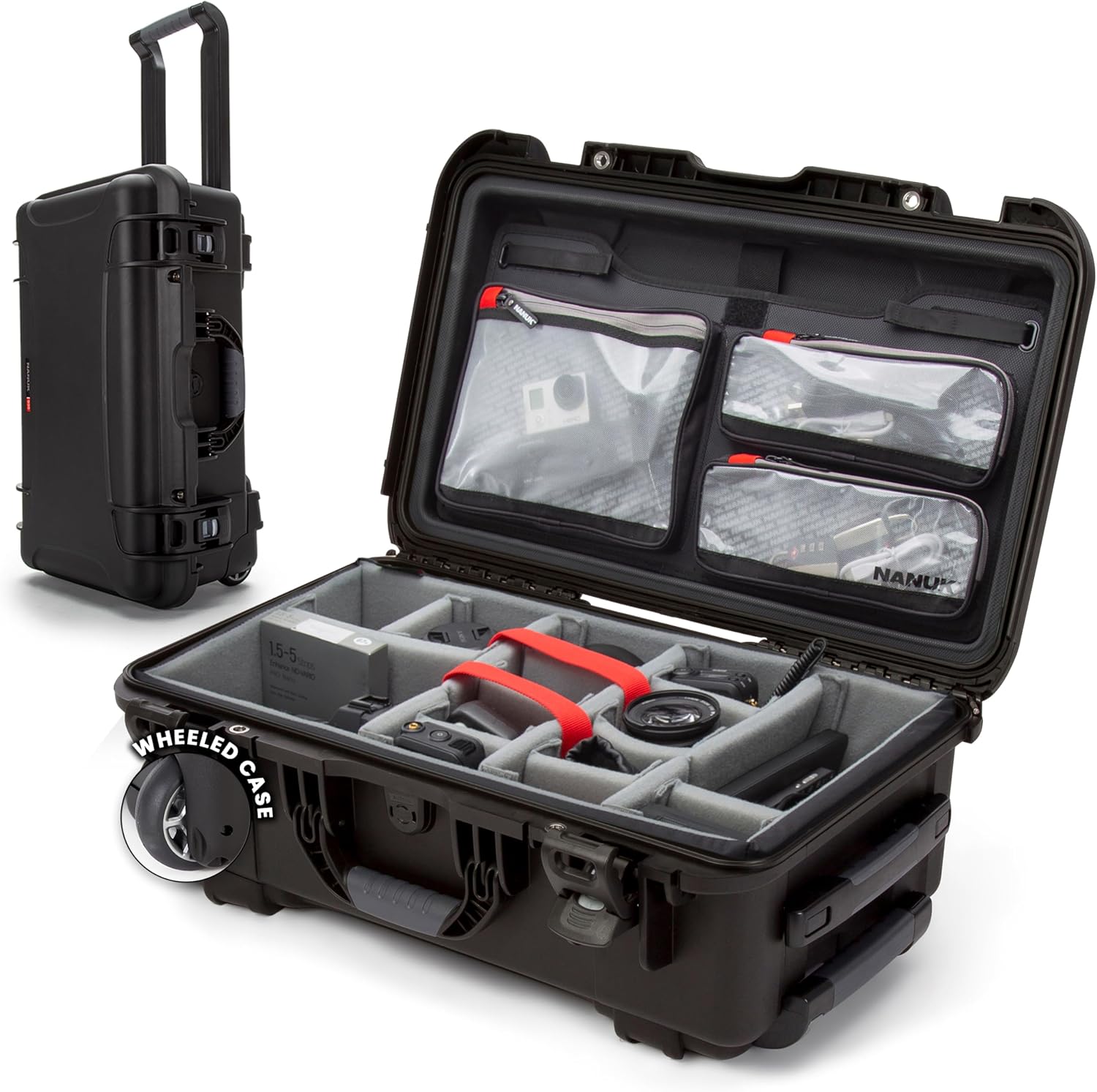
NANUK 935 Pro Photo Kit Camera Case, Waterproof Wheeled Hard Case, Carry-On, Black
Check Price on AmazonNANUK 925 DJI Mavic 4 Pro Creator Combo
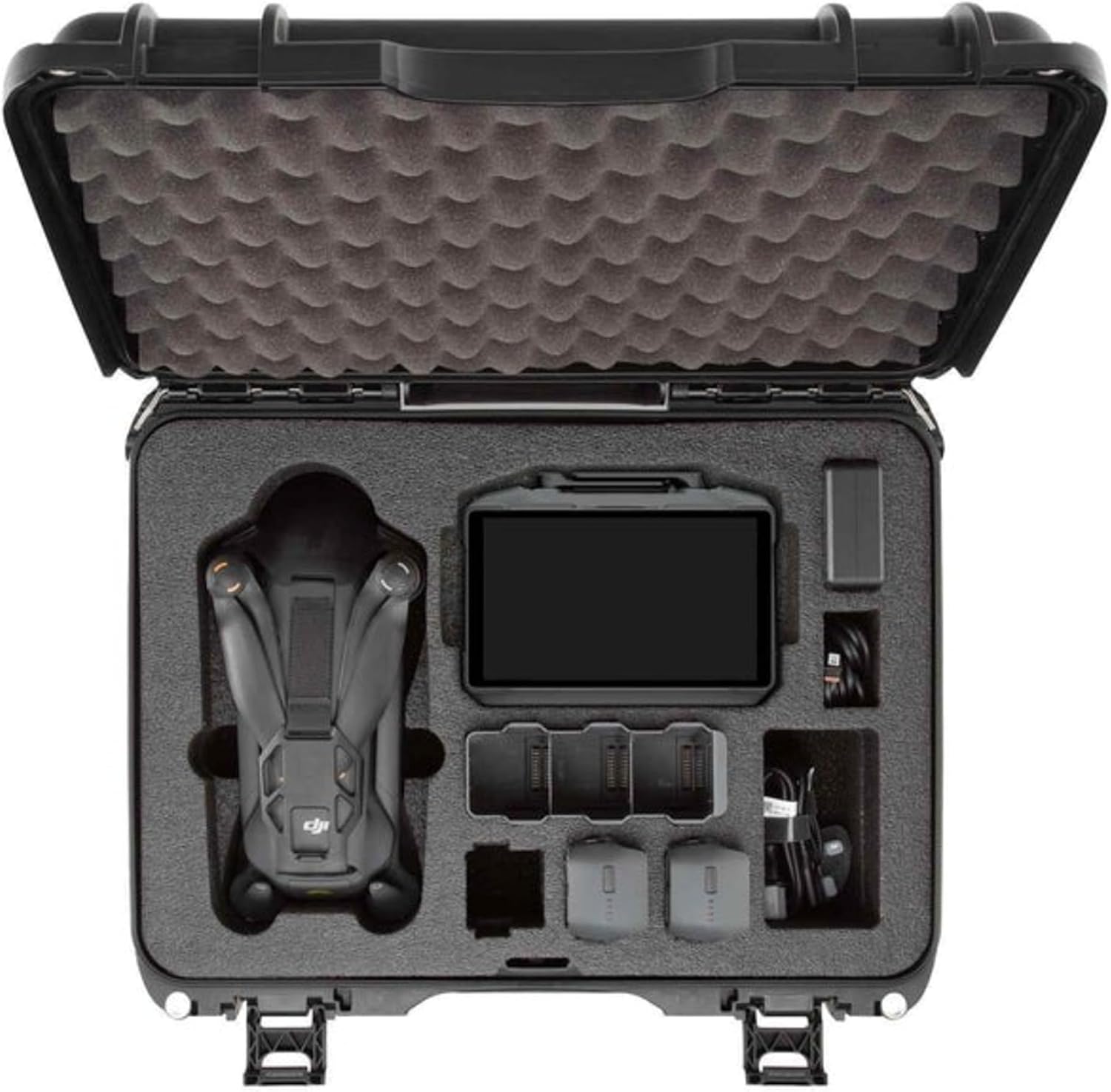
NANUK 925 DJI Mavic 4 Pro Creator Combo - Waterproof Hard Case with Drone Foam Insert, Crushproof, Portable Travel Case, Made in Canada (18.7” x 14.8”x 7”) - Black
Check Price on Amazon Drone Allowed
DroneAllowed editor covering drone regulations, aviation law, and aerial photography across USA, UK, Canada & Australia.