Australia Drone Law 2026: Complete Guide for Drone Pilots
 14 min read
2,652 words
If you are a drone pilot planning to fly in Australia, you need to understand the Australia drone law enforced by the Civil Aviation Safety Authority (CASA). The core rule is simple: any drone weighing 250 grams or more must be registered, and you must follow standard operating conditions that keep you and others safe. This guide covers everything from registration fees to no-fly zones, giving you the exact steps to fly legally in Australia in 2026.
LENTION 3.3FT Long Cable USB C Hub
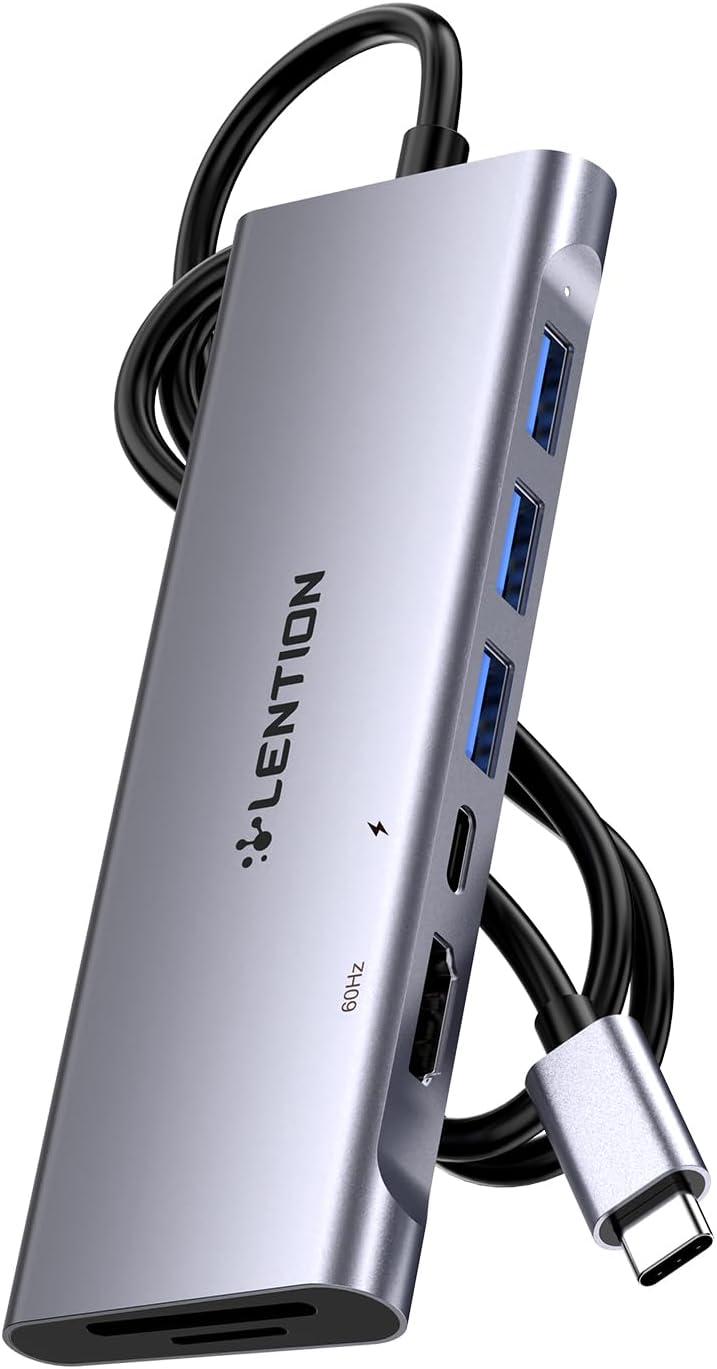
LENTION 3.3FT Long Cable USB C Hub, 4K HDMI, 100W PD, USB 3.0, Card Reader 3A & LED Indicator Stable Driver Adapter, for macOS, iOS/iPadOS, Windows & ChromeOS (C36p-1M, Space Gray)
Check Price on Amazon17-in-1 USB C Hub 65W Powered Adapter, 10Gbps, Dual PD 45W
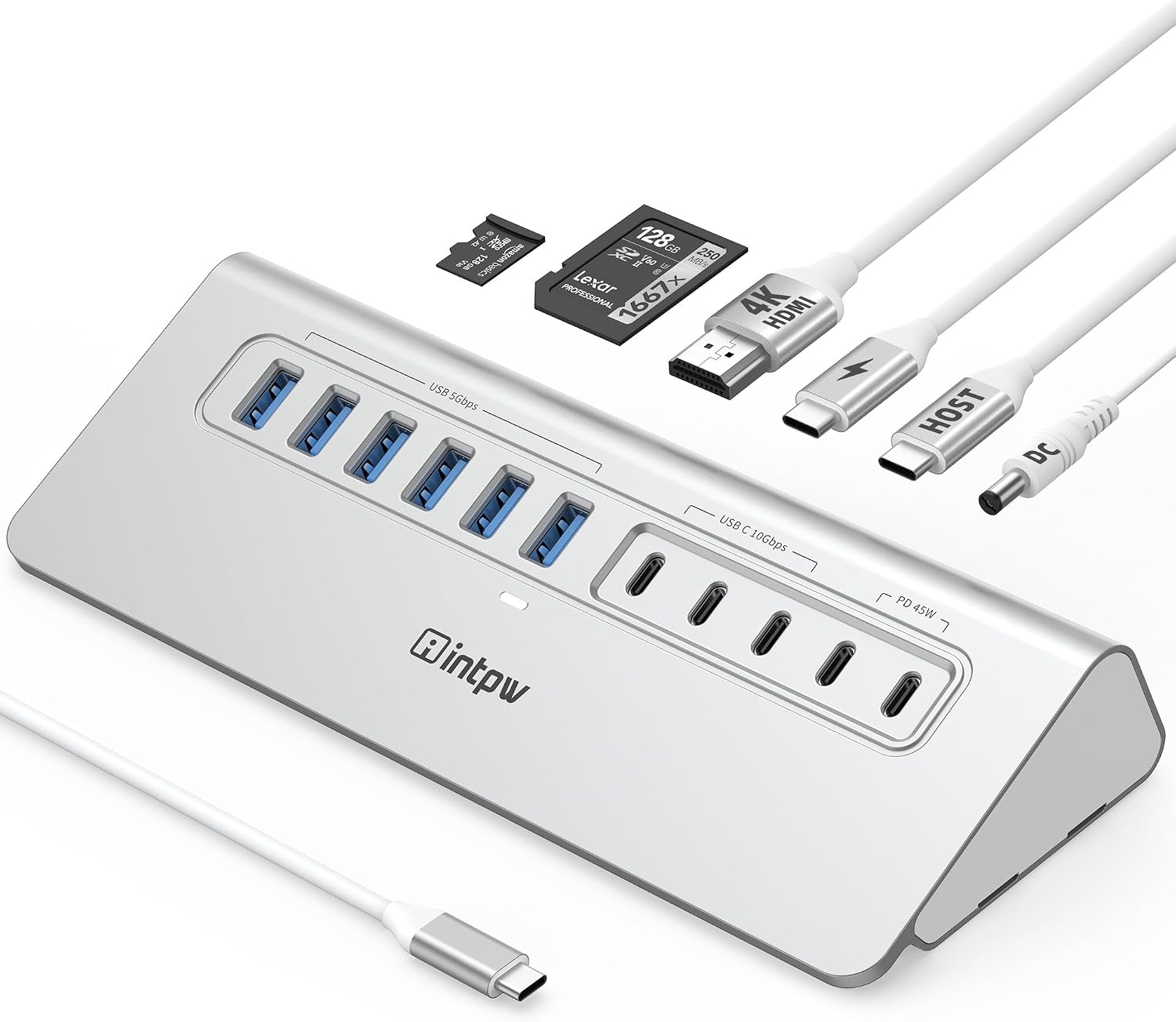
17-in-1 USB C Hub 4K@60Hz, 65W Powered Adapter, 10Gbps, Dual PD 45W PD 100W Charging, 3×USB-C 3.2+6×USB-A 3.0, SD/TF 105MB/s, 3.3ft Cable, Aluminum Desktop USB Hub for MacBook Pro/Air/Mac Mini
Check Price on AmazonLENTION USB-C Hub, HDMI, 100W PD, 2 USB-C, 2 USB 3.0, Card Reader
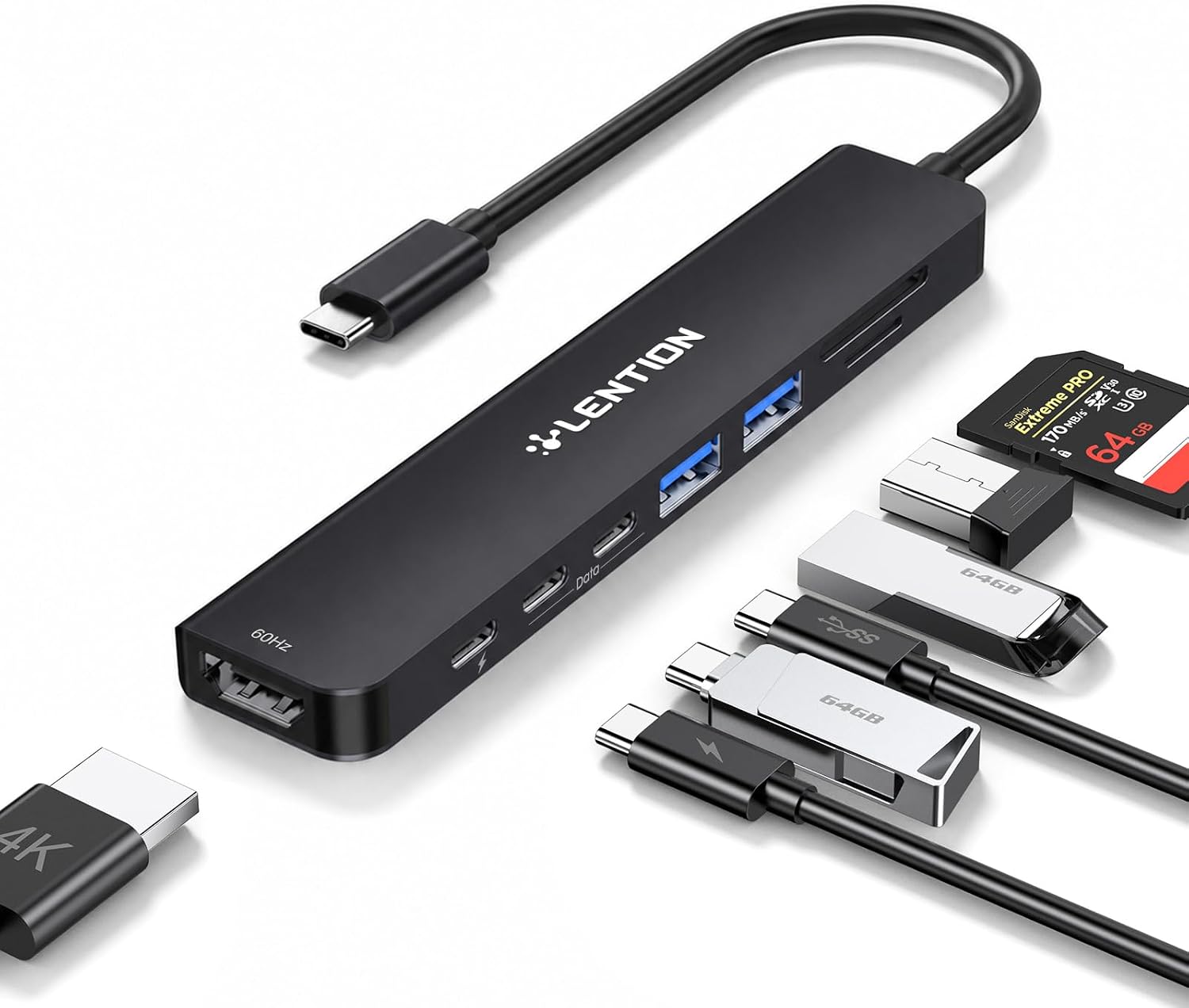
LENTION USB-C Hub, 4K@60Hz HDMI, 100W PD, 2 USB-C, 2 USB 3.0, Card Reader 2A & 2C Work Simultaneously, Stable Driver 3.0 Certified, for macOS, iOS/iPadOS, Windows & ChromeOS (CE19, Black)
Check Price on AmazonWhat Is the Regulatory Authority for Australia Drone Law?
The Civil Aviation Safety Authority (CASA) is the sole government body responsible for regulating all drone operations in Australia. CASA’s framework is based on the Civil Aviation Safety Regulations 1998 (CASR), specifically Part 101 and the newer Part 107 for commercial operations. If you are flying recreationally or commercially, CASA’s rules apply nationwide, superseding any local council bylaws in most cases.
3 FT Power Strip
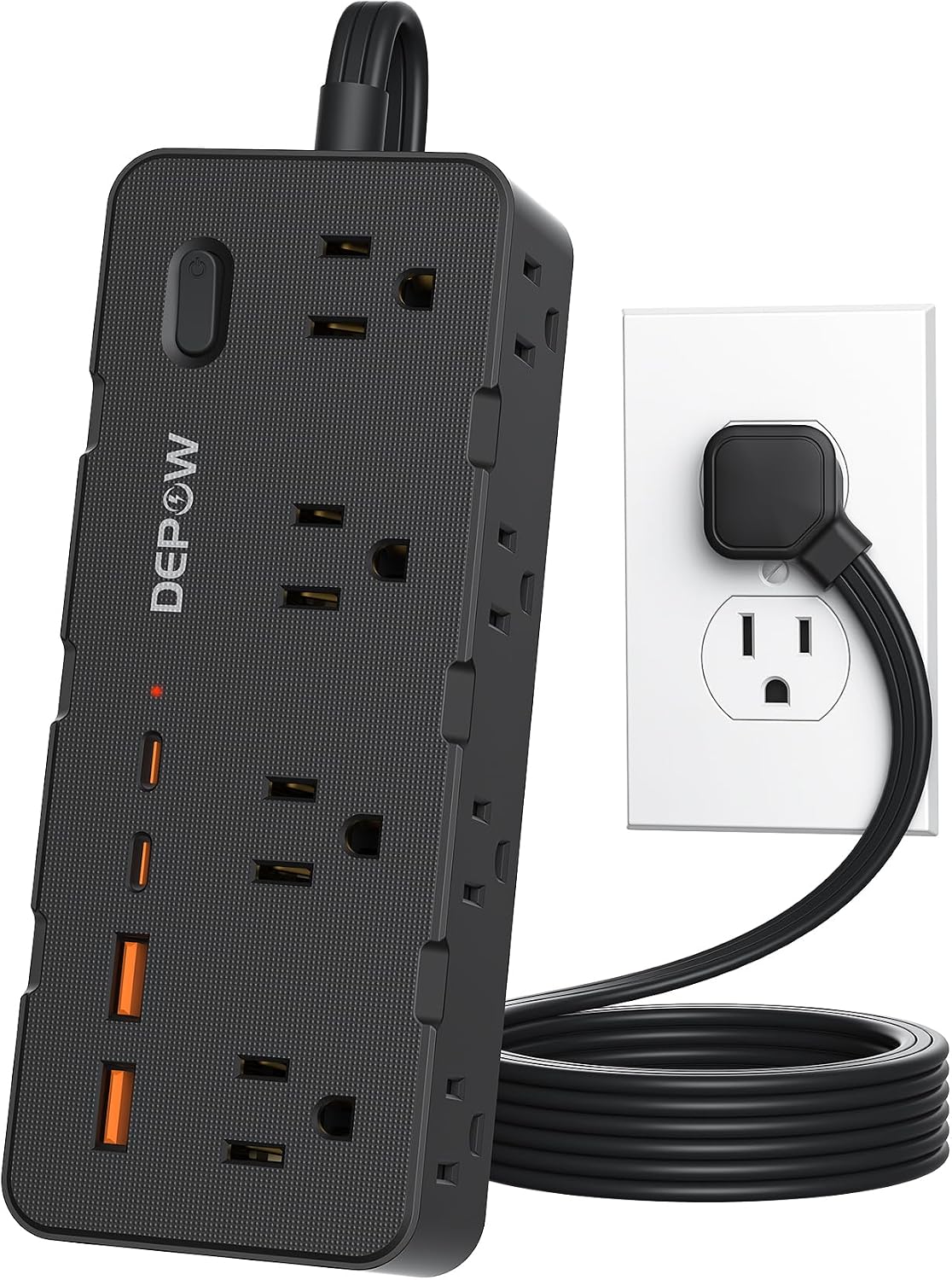
3 FT Power Strip, Extension Cord with 8 AC Outlets + 4 USB (2 USB-C), Black Flat Plug, Compact 3FT Flat Cord Keeps Desktop Neat. 1700J Surge Protection, 1625W, Great for Home Office, Dorm, Nightstand
Check Price on AmazonHICOBER USB C SD Card Reader
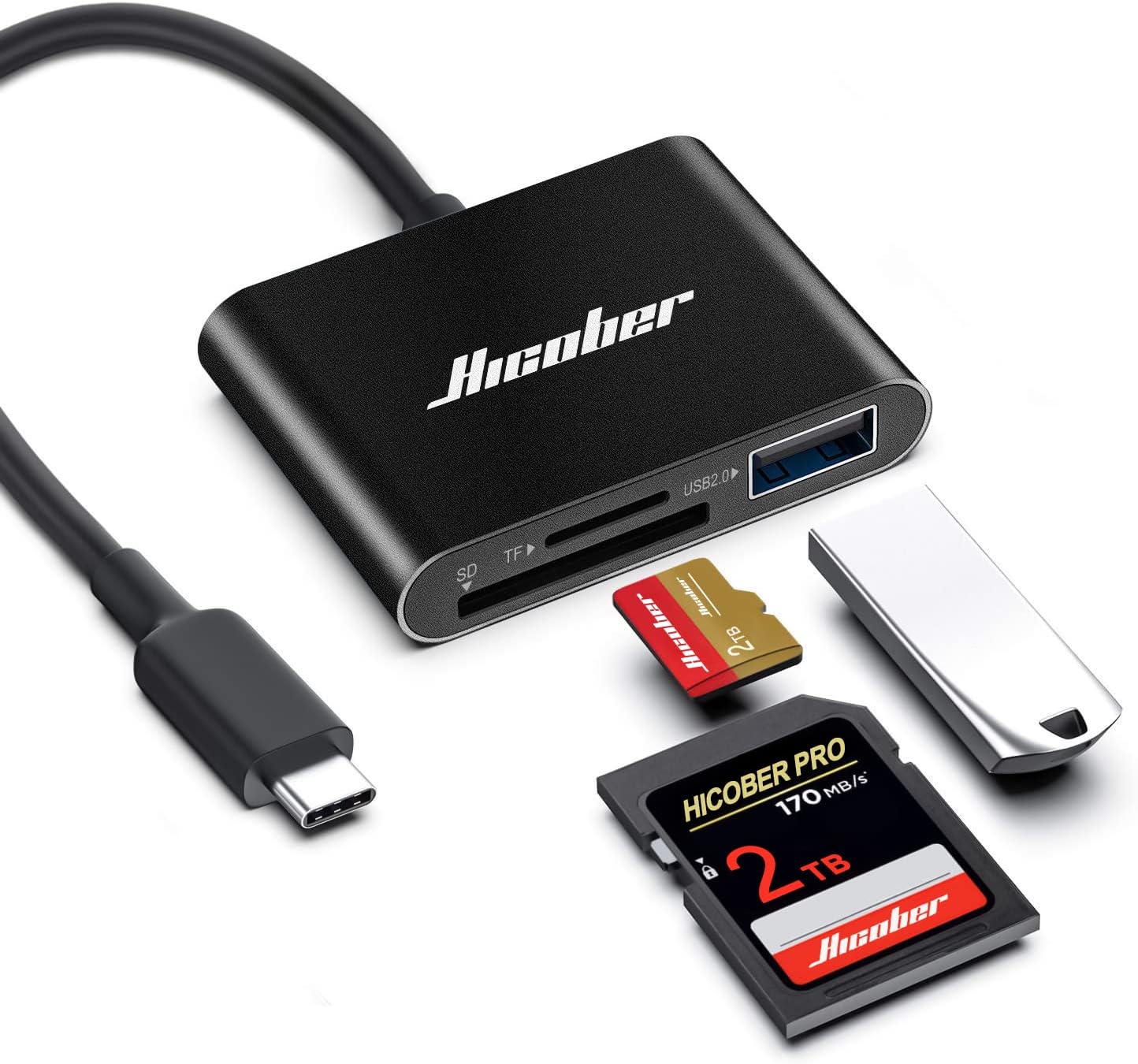
HICOBER USB C SD Card Reader, 3-in-1 for Laptop, Phone, Tablet, Black Durable aluminum body helps dissipate heat quickly for stable performance; reads SD, TF and USB drives up to 2TB via USB-C
Check Price on Amazon64GB Micro SD Card with SD Card Reader
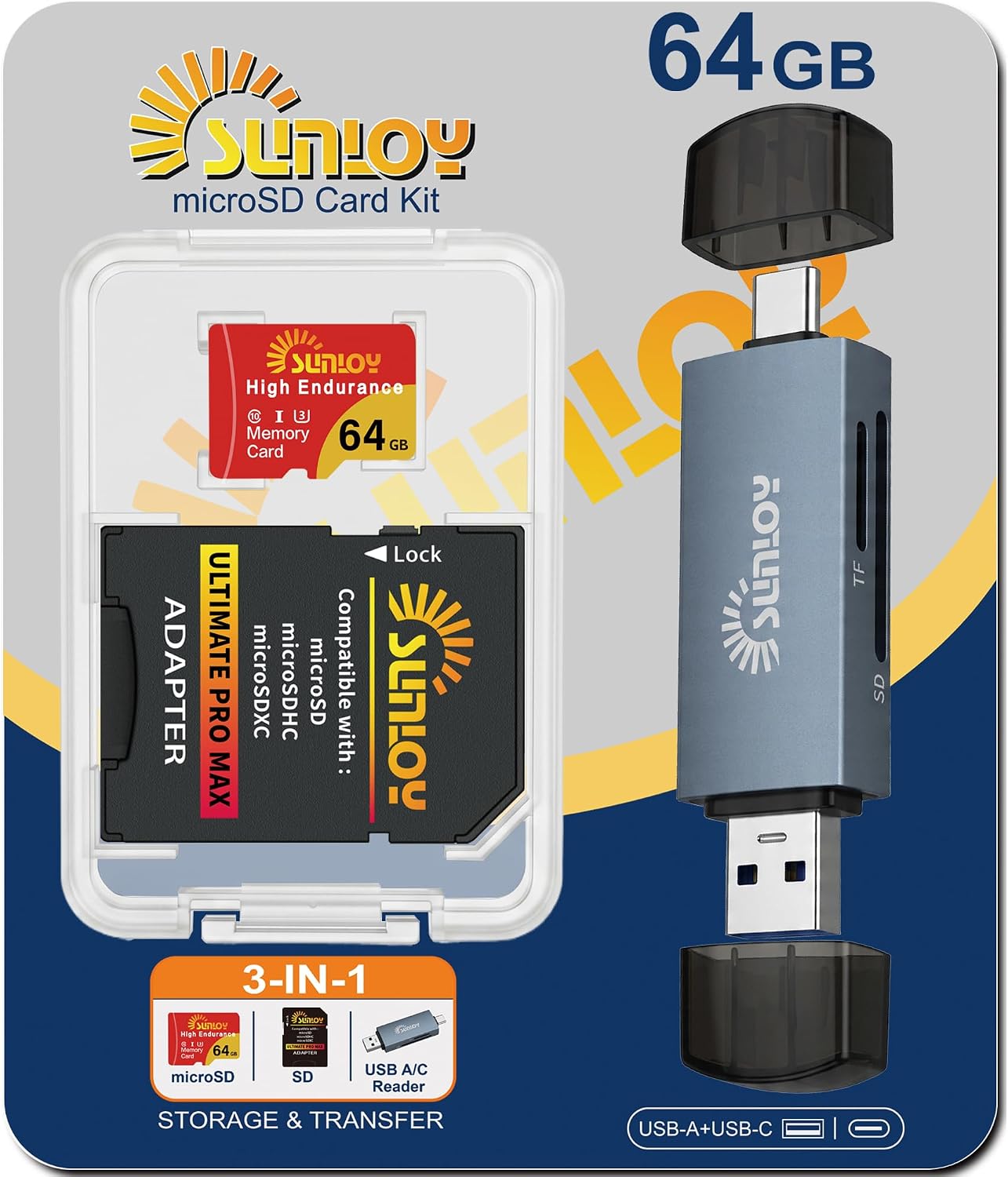
64GB Micro SD Card with SD Card Reader USB3.0 A/C Dual Slots & SD Adapter UHS-I, C10, U3, V30, A1, 4K UHD, USB 3.0 Memory Card Reader for iPhone 17/16/15, MacBook, iPad, Laptop, PC, Drone, Game Console
Check Price on AmazonFor airspace management, CASA works with Airservices Australia, which provides the “Can I Fly There?” interactive map. This tool is essential for checking restrictions before every flight. Unlike some countries where local police enforce drone rules, CASA has its own enforcement officers who can issue fines and take legal action.
Do You Need to Register Your Drone Under Australia Drone Law?
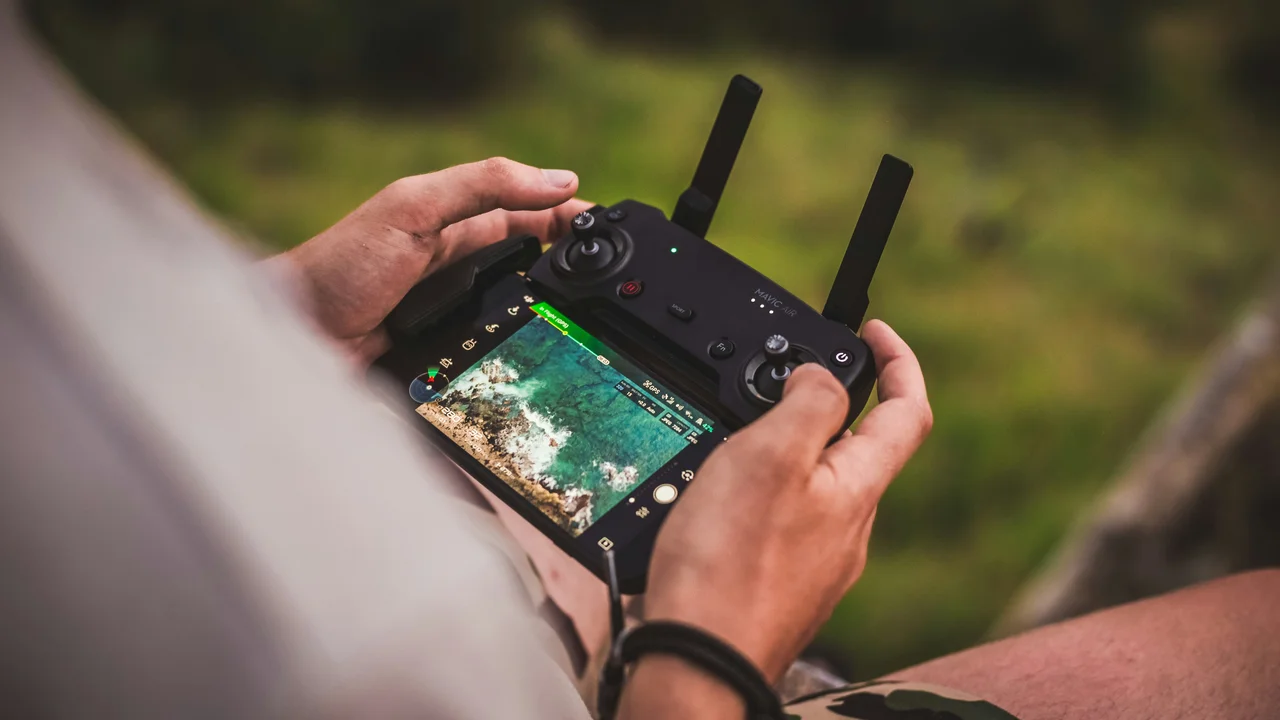
Yes, registration is mandatory for any drone that weighs 250 grams or more at take-off. This includes the battery, payload, and any accessories. The registration system is managed through the myRPA portal at myrpas.casa.gov.au. The fee is A$20 per year for recreational pilots and A$40 per year for commercial operators.
Registration Process for Drones Under 250g
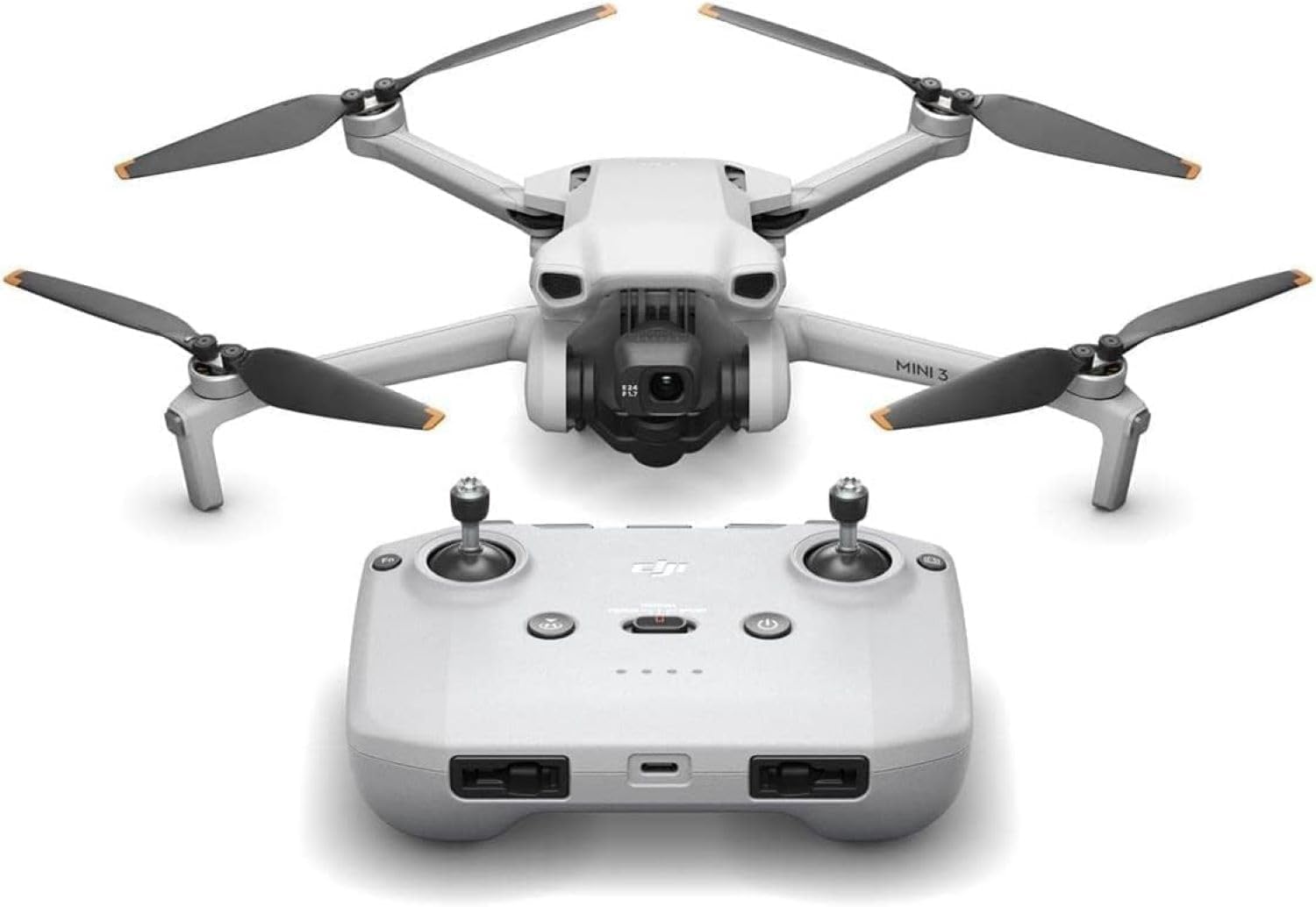
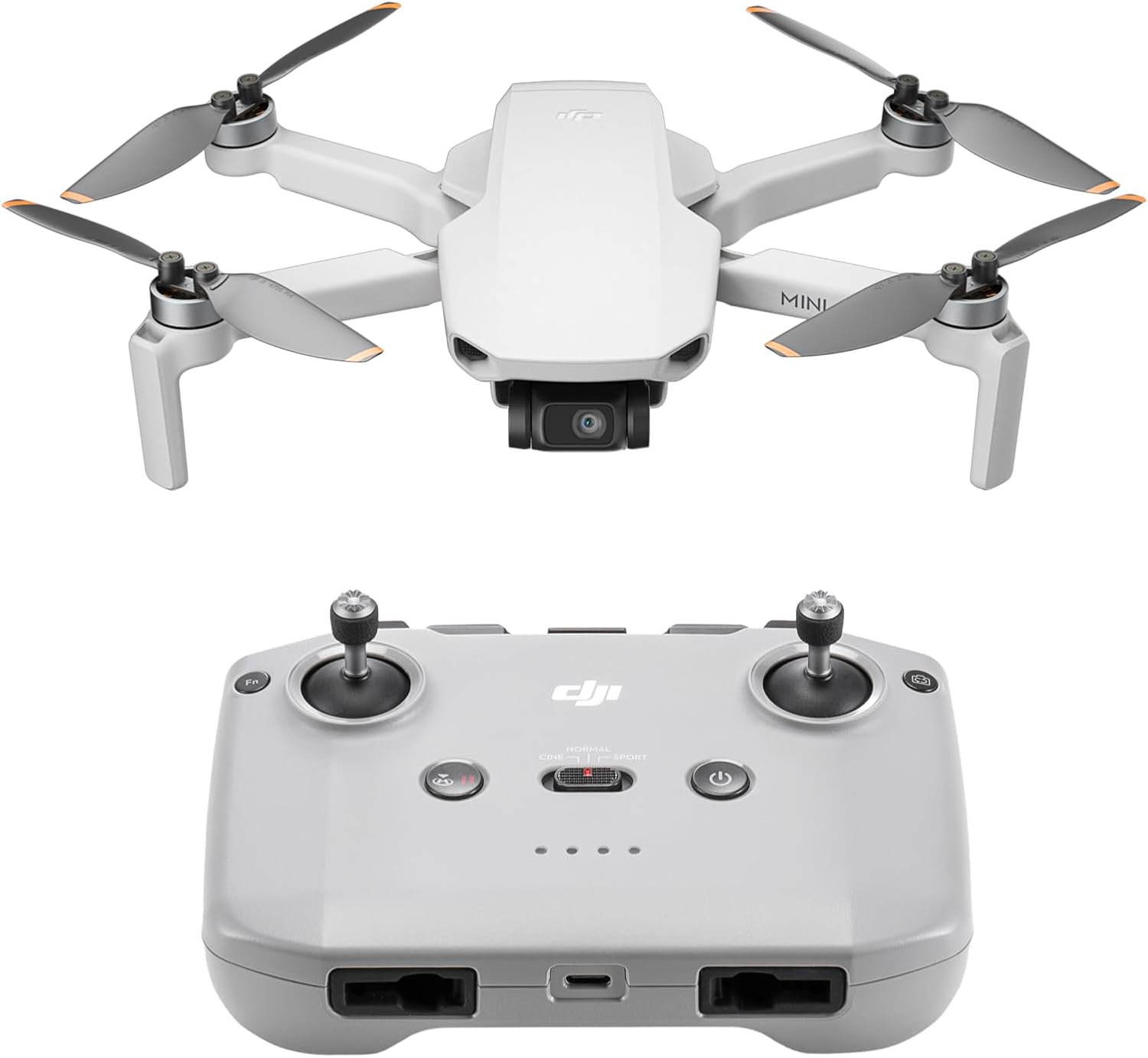
Drones weighing less than 250 grams, such as the DJI Neo or the older DJI Mini series, are exempt from registration. However, you must still follow all other standard operating conditions, including the 120-metre altitude limit and the requirement to keep your drone within visual line of sight. If you add a payload that pushes the weight over 250 grams, registration becomes mandatory.
How to Register Your Drone Step by Step
DJI Mini 3
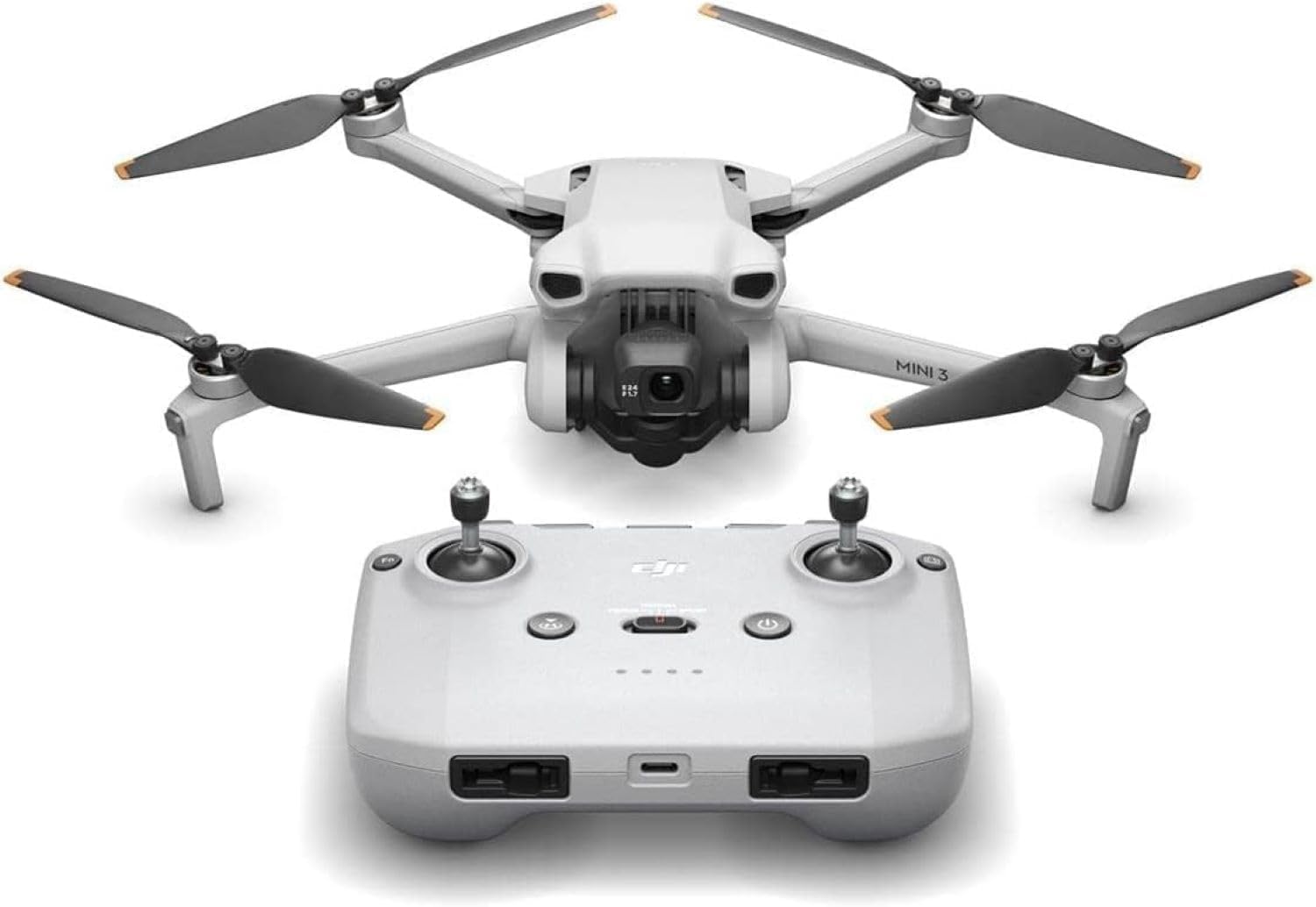
DJI Mini 3, 3-Axis Mechanical Gimbal Mini Camera Drone | 4K HDR Video, 38-Min Flight Time, up to 32800ft (10km) Video Transmission, True Vertical Shooting, GPS Auto Return
Check Price on AmazonDJI Mini 3 Fly More Combo
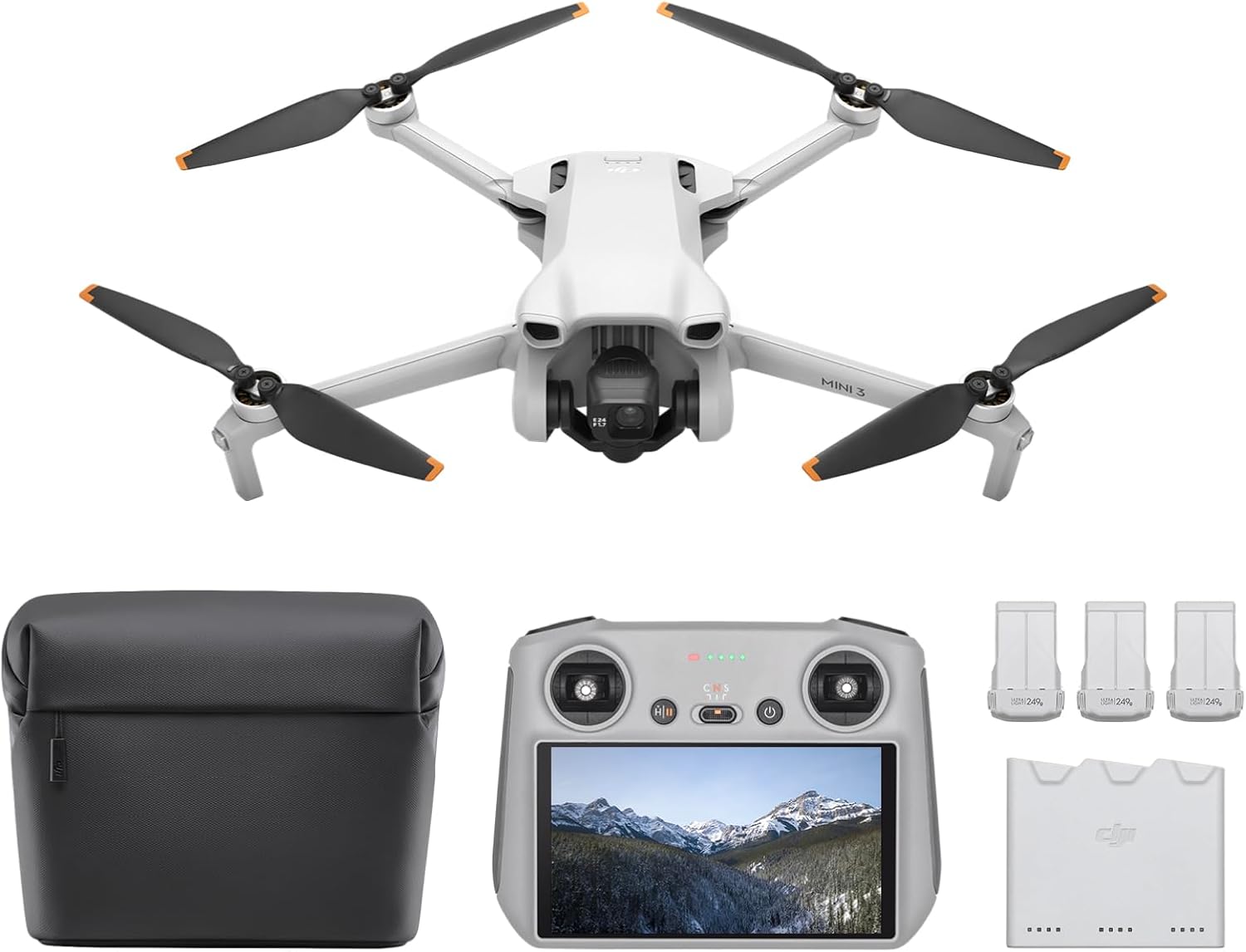
DJI Mini 3 Fly More Combo With DJI RC, 3 Batteries | Lightweight Camera Drone With 4K HDR Video, 114-Min Flight Time, Vertical Shooting, 32800ft (10km) Video Transmission
Check Price on AmazonDJI Mini 3 With DJI RC
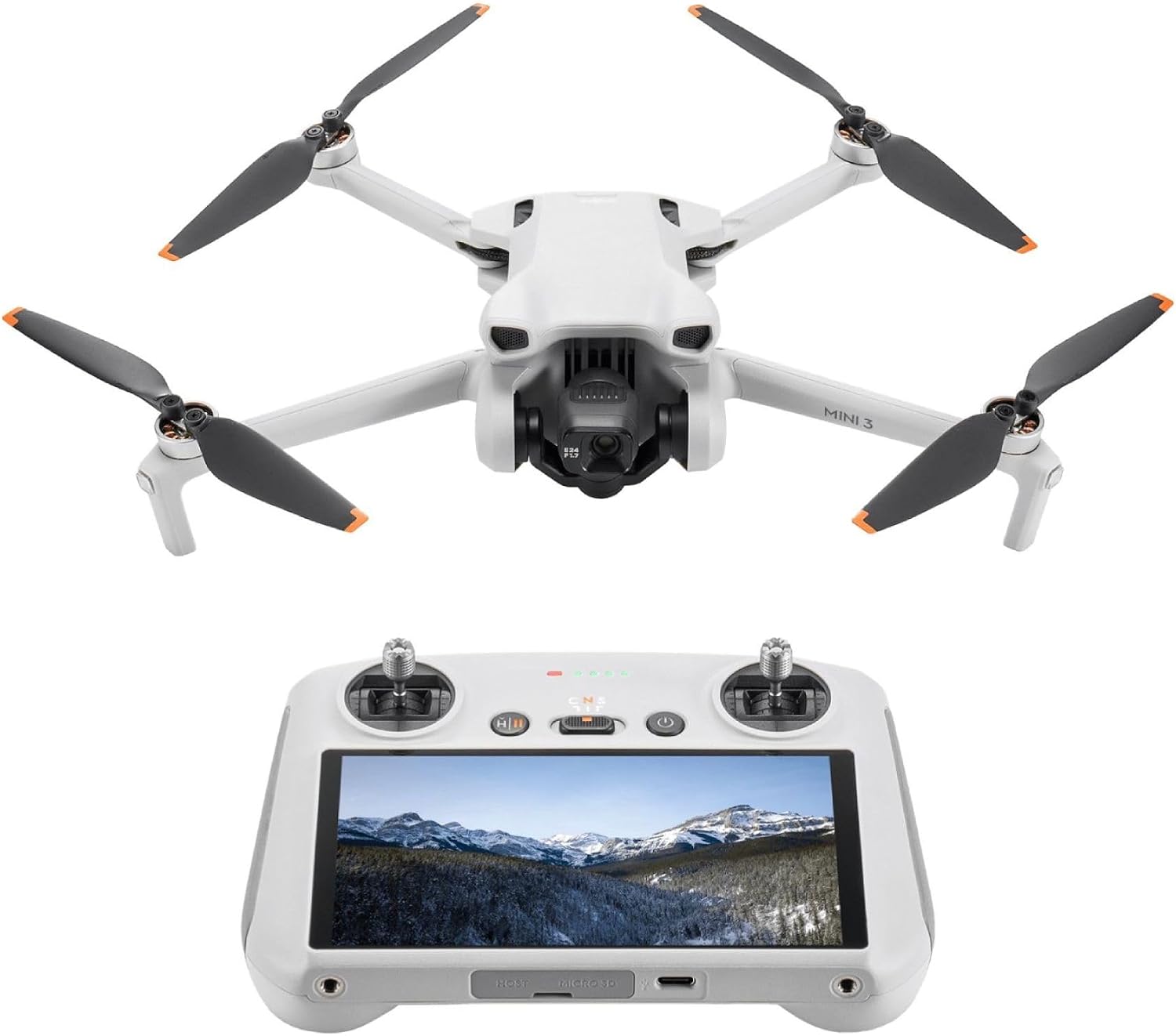
DJI Mini 3 With DJI RC, 3-Axis Mechanical Gimbal Mini Camera Drone | 4K HDR Video, 38-Min Flight Time, up to 32800ft (10km) Video Transmission, Vertical Shooting, GPS Auto Return
Check Price on AmazonVisit myrpas.casa.gov.au and register with your email and personal details. You will need a valid Australian address.
Enter the drone’s make, model, and serial number. You can register multiple drones under one account.
Carrying Hard Case for DJI Avata 360 Drone
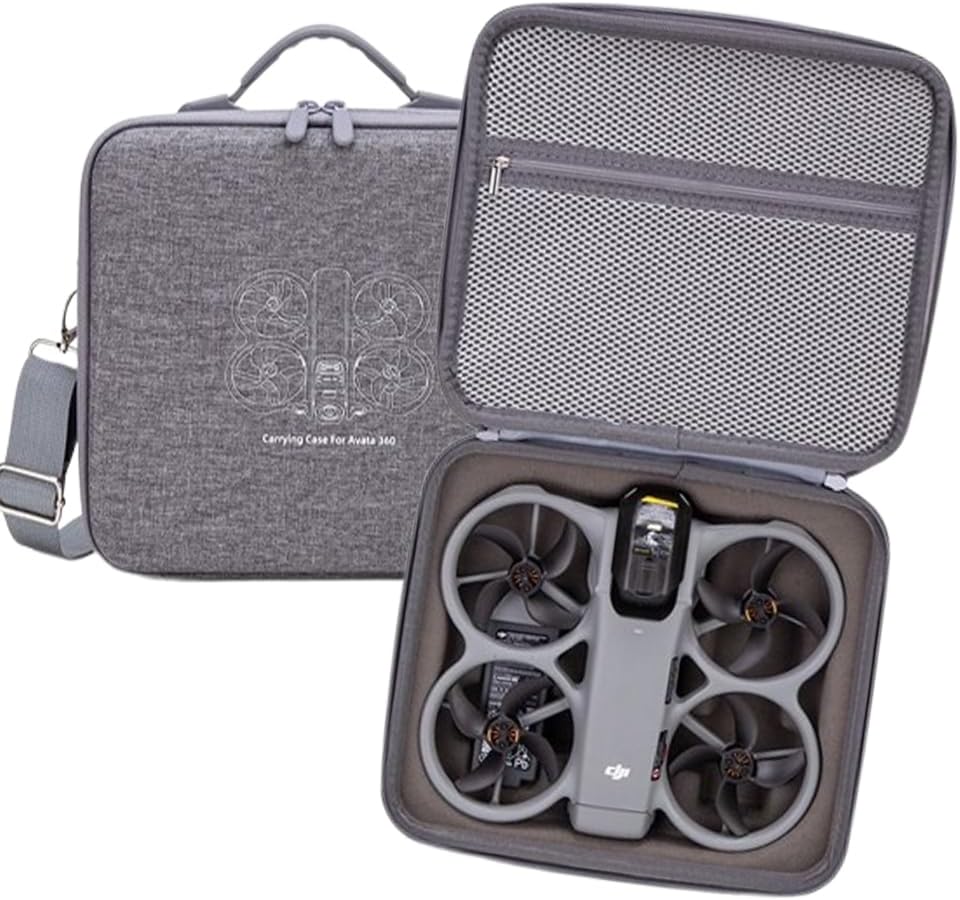
Carrying Hard Case for DJI Avata 360 Drone - Portable Travel Bag for Goggles N3/RC Motion 3 Controller
Check Price on AmazonHard Case for Antigravity A1 Drone
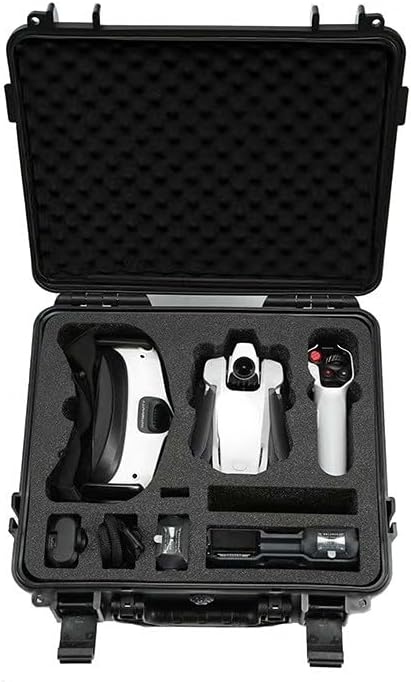
Hard Case for Antigravity A1 Drone, Waterproof Protective Carry Case, Anti-Fall Storage Bag Fit for Drone, Batteries, Goggles, Accessories & RC Gear [Only Protect Shell]
Check Price on AmazonPay the A$20 annual fee via credit card. Your registration is valid for 12 months from the date of payment.
You must display your registration number on the drone in a visible location. Use a permanent marker or a label.
What Are the Standard Operating Conditions for Australia Drone Law?
CASA defines a set of “standard operating conditions” that apply to all drone flights under 2 kilograms. These are the baseline rules you must follow every time you fly. For drones between 2kg and 25kg, additional conditions apply, and you may need an excluded RPA operator’s certificate (ReOC).
- Fly only during daylight hours (sunrise to sunset).
- Keep your drone within visual line of sight at all times.
- Do not fly over people, crowds, or populated areas.
- Stay at least 30 metres away from people, buildings, and vehicles.
- Do not fly within 5.5 kilometres of a controlled aerodrome (airport).
- Maximum altitude is 120 metres (400 feet) above ground level.
- Do not fly near emergency operations, including fires and police incidents.
Where Can You Legally Fly Under Australia Drone Law?
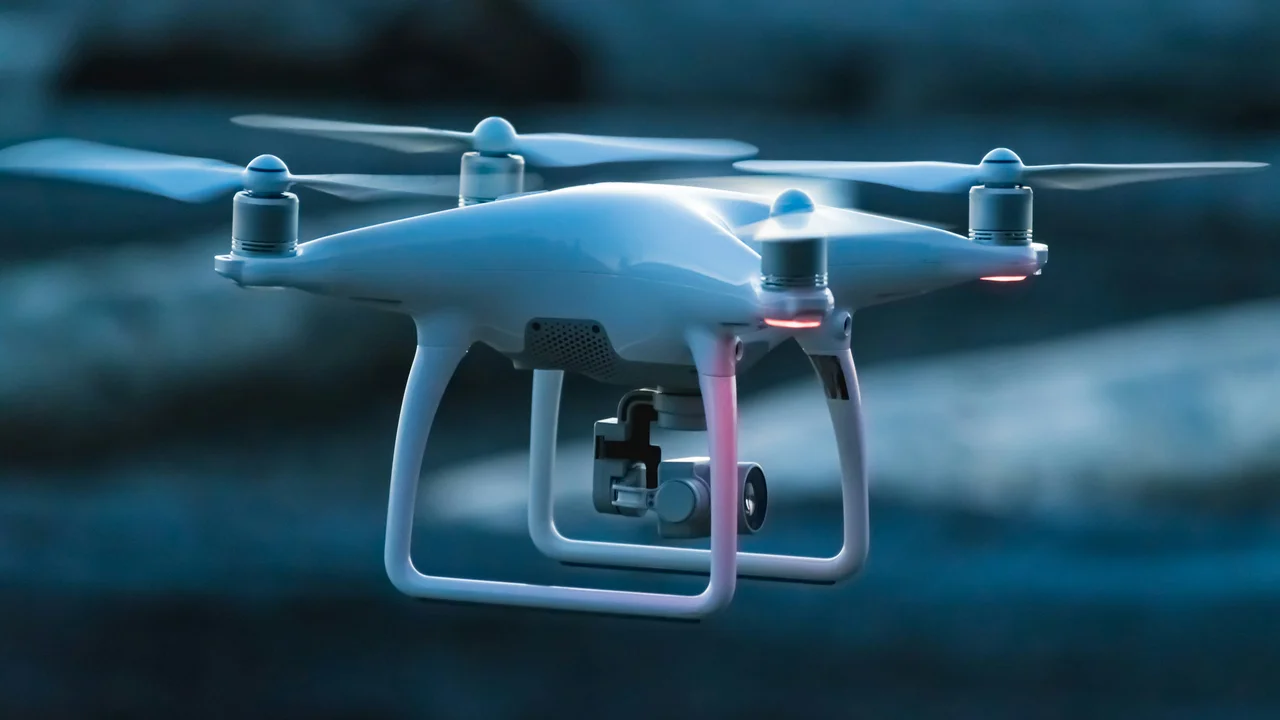
You can fly in most public spaces, including parks, beaches, and rural areas, provided you follow the standard operating conditions. CASA does not require permission to fly over public land, but you must respect state and territory park rules. National parks are generally off-limits unless you have a specific permit from the park authority.
Flying in National Parks and Protected Areas
Each state and territory manages its own national parks. In New South Wales, for example, flying a drone in a national park is prohibited unless you hold a licence from the NSW National Parks and Wildlife Service. Similar rules apply in Queensland, Victoria, and Western Australia. Always check the specific park’s website before flying.
Flying Near Airports and Helipads
The 5.5km buffer around controlled airports is a hard rule. However, you can fly closer if you have prior permission from the airport operator and CASA. This is rare for recreational pilots. Helipads have a 1.5km buffer. Use the No-Fly Zone Checker tool to confirm your location before every flight.
What Are the Restricted Areas and No-Fly Zones?
Australia has several categories of no-fly zones under Australia drone law. These include permanent restricted areas (such as military bases and prisons) and temporary restrictions (such as major events and bushfire zones).
| Zone Type | Description | Penalty for Violation |
|---|---|---|
| Controlled Aerodromes | 5.5km buffer around major airports | Up to A$11,100 |
| Military Bases | Permanent restricted airspace | Criminal charges possible |
| Prisons and Correctional Facilities | Full no-fly zone within 3km | Up to A$11,100 |
| Emergency Incidents | Temporary restrictions for fires, floods, police operations | Up to A$11,100 + imprisonment |
| Major Events (e.g., Grand Prix) | Temporary restricted airspace during events | Up to A$11,100 |
How to Check for Temporary Restrictions
CASA issues temporary restricted areas through the Notice to Airmen (NOTAM) system. You can check these on the Airservices Australia website or through third-party apps like OpenSky. Always check on the day of your flight, as restrictions can be activated with very short notice, especially during bushfire season.
What Are the Penalties for Breaking Australia Drone Law?
CASA takes enforcement seriously. Penalties range from on-the-spot fines to criminal prosecution for serious breaches. The maximum penalty for flying a drone that endangers life or property is A$11,100 per offence. For commercial operators, the fines can be higher, and you risk losing your RePL or ReOC.
Common Infractions
- Flying an unregistered drone (250g+) — A$1,110 fine
- Flying within 5.5km of an airport — up to A$11,100
- Flying over a crowd — up to A$11,100
- Flying beyond visual line of sight — A$1,110 fine
Serious Offences
- Endangering an aircraft — up to 2 years imprisonment
- Flying over a bushfire — up to A$11,100 and imprisonment
- Flying near a police operation — up to A$11,100
- Failure to comply with CASA investigation — up to A$11,100
Do You Need a Licence for Commercial Operations?
Yes. If you are flying a drone for commercial purposes — meaning you receive any form of payment, even reimbursement for expenses — you need a Remote Pilot Licence (RePL) and your operator needs a Remotely Piloted Aircraft Operator’s Certificate (ReOC). The RePL requires passing a theory exam and a practical flight assessment with a CASA-approved training organisation.
For drones under 2 kilograms, you can operate under the “excluded RPA” category, which requires an operator accreditation rather than a full ReOC. This accreditation is obtained through an online course on the CASA website and costs A$0. However, you must still hold a RePL if you fly a drone over 2 kilograms commercially.
How Does Australia Drone Law Compare to Other Countries?
Australia’s drone regulations are similar to those in the United States (FAA) and Canada (Transport Canada), but there are key differences. The 250-gram registration threshold is the same as in the US, but Australia’s annual fee of A$20 is much lower than the US equivalent. The 120-metre altitude limit is consistent with most countries.
One major difference is Australia’s strict no-fly zone around prisons. This is unique to Australia and reflects the country’s focus on security. Additionally, Australia does not have a “recreational exemption” like the US — all drone operations, whether recreational or commercial, must follow the same basic safety rules.
For comparison, you can read our guide on Canada Drone Laws Under 250g to see how the rules differ.
What Drones Are Popular for Flying in Australia?
Given the 250-gram registration threshold, many pilots choose lightweight drones to avoid the registration requirement. The DJI Neo Review 2026 highlights a sub-250g drone that is ideal for beginners. For those who need more advanced features, the Drone With Camera Reviews guide covers models that balance performance with Australian compliance.
FPV (first-person view) flying is also popular in Australia, but it requires a spotter unless you have an exemption. The DJI Avata 2 Review 2026 is a good option for FPV pilots who want a ready-to-fly system that meets Australian standards.
Final Thoughts on Australia Drone Law
Flying a drone in Australia is straightforward if you follow the rules. Register your drone if it weighs 250 grams or more, stay within the 120-metre altitude limit, and always check for no-fly zones using CASA’s tools. The penalties for violations are steep, so spending a few minutes before each flight to confirm your location is legal is worthwhile.
For commercial pilots, obtaining the RePL and ReOC is a necessary investment. The process is well-documented, and CASA provides ample resources to help you comply. Use the Weight Checker Tool to confirm your drone’s classification, and always err on the side of caution when flying near restricted areas.
Australia drone law is broadly similar to other Western nations but has several distinctive features. The table below compares key requirements across major jurisdictions.
| Requirement | Australia (CASA) | USA (FAA) | UK (CAA) | Canada (TC) |
|---|---|---|---|---|
| Registration threshold | 250g+ | 250g+ | 250g+ | 250g+ |
| Max altitude (AGL) | 400 ft (120 m) | 400 ft (120 m) | 400 ft (120 m) | 400 ft (120 m) |
| VLOS requirement | Yes | Yes | Yes | Yes |
| Commercial licence needed | RePL + ReOC | Part 107 | GVC/A2 CofC | SFOC or Basic/Advanced |
| Distance from people | 30 m | None (must not endanger) | 50 m (A3) | 30 m (Basic) |
| Distance from airports | 5.5 km | 5 miles (~8 km) | Varies by airspace | 5.6 km (controlled) |
| Night flying allowed | Yes (with lights) | Yes (with lights) | Yes (A2/A3) | Yes (Advanced ops) |
Australia’s 30-meter distance from people rule is stricter than the US FAA’s approach, which only requires that you not endanger people. However, Australia is more permissive than the UK’s 50-meter rule for A3 category flights. The 5.5 km airport buffer is also slightly less restrictive than the US 5-mile rule.
Given the strict registration requirements under Australia drone law for drones over 250g, many pilots opt for sub-250g models to avoid registration while still capturing quality footage. The DJI Mini 4 Pro and Mini 3 Pro are the most popular choices for recreational flyers.
For commercial operators, the DJI Mavic 3 Enterprise and Autel EVO II series are common choices due to their advanced sensors and payload capabilities. The DJI Phantom 4 RTK remains popular for survey and mapping work.
Australia drone law is well-structured and safety-focused, but it demands compliance from every operator. The key takeaways are simple: register your drone if it weighs 250g or more, stay below 400 feet, keep 30 meters from people, and avoid airports and restricted areas. For commercial work, invest in the proper RePL and ReOC certifications.
Failure to follow these rules carries real financial and legal consequences, but responsible flying is straightforward. Use CASA’s “Can I Fly There?” app before every flight, and you’ll stay on the right side of the law. Australia offers some of the most spectacular drone flying locations in the world — from the Great Barrier Reef to the Outback — and following the rules ensures you can enjoy them safely and legally.
Frequently Asked Questions
What are the rules for Australia drone law?
The core rules under Australia drone law require you to register any drone weighing 250 grams or more with CASA, keep your drone within visual line of sight, and stay below 120 metres altitude. You must also maintain a 30-metre distance from people, buildings, and vehicles, and avoid flying within 5.5 kilometres of controlled airports. These rules apply to all drone operations, whether recreational or commercial.
Do I need to register my drone for Australia drone law?
Yes, registration is required if your drone weighs 250 grams or more at take-off. The process is done through the myRPA portal on the CASA website, and the annual fee is A$20 for recreational pilots. Drones under 250 grams, such as the DJI Mini series, are exempt from registration but must still follow all other standard operating conditions.
Are there restricted areas relevant to Australia drone law?
Yes, Australia drone law defines several restricted areas including 5.5km buffers around controlled airports, 3km buffers around prisons, and permanent no-fly zones over military bases and national parks. Temporary restrictions are also common during bushfires, major events, and emergency operations. Always check the “Can I Fly There?” app or Airservices Australia NOTAMs before flying.
What are the penalties for breaking rules related to Australia drone law?
Penalties for violating Australia drone law range from on-the-spot fines of A$1,110 for minor infractions like flying an unregistered drone, to maximum fines of A$11,100 for serious breaches such as flying near airports or over crowds. Criminal prosecution is possible for endangering aircraft, with penalties including up to 2 years imprisonment. CASA enforcement officers actively patrol popular flying sites.
Can I fly a drone in national parks in Australia?
No. Flying drones in national parks is prohibited under state and territory legislation unless you have a specific permit from the park authority. This includes all NSW National Parks, Victoria’s Parks, and Queensland National Parks. Penalties apply.
Do I need a licence to fly a DJI Mini 4 Pro in Australia?
No, for recreational use. The DJI Mini 4 Pro weighs 249g, which is below the 250g registration threshold. You can fly it without a licence or registration, but you must still follow all standard operating conditions: stay below 400 ft, keep 30 m from people, and avoid airports.
Can I fly a drone over private property in Australia?
Yes, but with restrictions. You can fly over private property as long as you maintain 30 meters distance from people and do not hover over a person’s home in a way that constitutes nuisance or invasion of privacy. State trespass laws may also apply if you land on private property without permission.
What happens if I fly a drone near an airport in Australia?
Flying within 5.5 km of a controlled airport is illegal and dangerous. CASA can issue on-the-spot fines of A$1,110, escalate to court-imposed fines up to A$11,100, and in cases where aircraft are endangered, pursue criminal charges with up to 2 years imprisonment.
Is drone insurance required in Australia?
No, liability insurance is not legally required for recreational flyers under Australia drone law. However, it is strongly recommended. For commercial operators holding a ReOC, public liability insurance is typically required by CASA as part of the operations manual.
Can I fly a drone at night in Australia?
Yes, provided your drone is equipped with anti-collision lights visible for at least 3 nautical miles. You must also maintain direct visual line of sight (VLOS) of the drone at all times, which is more challenging at night. No additional permission is needed for recreational flights.
Last updated: July 14, 2026
- Civil Aviation Safety Authority (CASA) — casa.gov.au
- Civil Aviation Safety Regulations 1998 (CASR) Part 101 and Part 107
- Airservices Australia — airservicesaustralia.com
NANUK 935 Pro Photo Kit Camera Case
NANUK 935 Pro Photo Kit Camera Case, Waterproof Wheeled Hard Case, Carry-On, Black
Check Price on AmazonNANUK 925 DJI Mavic 4 Pro Creator Combo
NANUK 925 DJI Mavic 4 Pro Creator Combo - Waterproof Hard Case with Drone Foam Insert, Crushproof, Portable Travel Case, Made in Canada (18.7” x 14.8”x 7”) - Black
Check Price on Amazon Drone Allowed
DroneAllowed editor covering drone regulations, aviation law, and aerial photography across USA, UK, Canada & Australia.