Beginner Drone Reviews — Complete Review & Buying Guide 2026
 10 min read
1,824 words
Overview of Beginner Drone Reviews
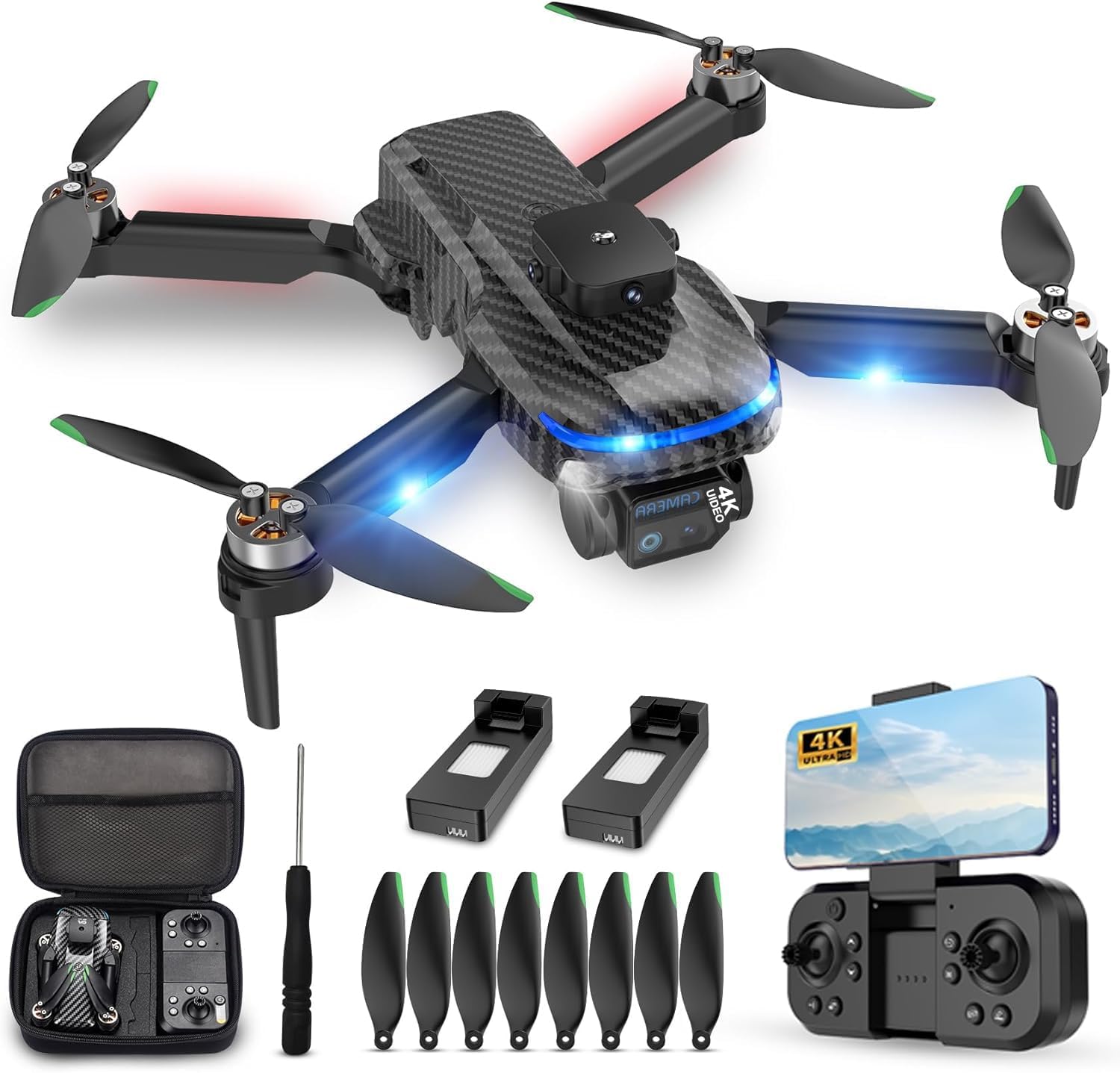
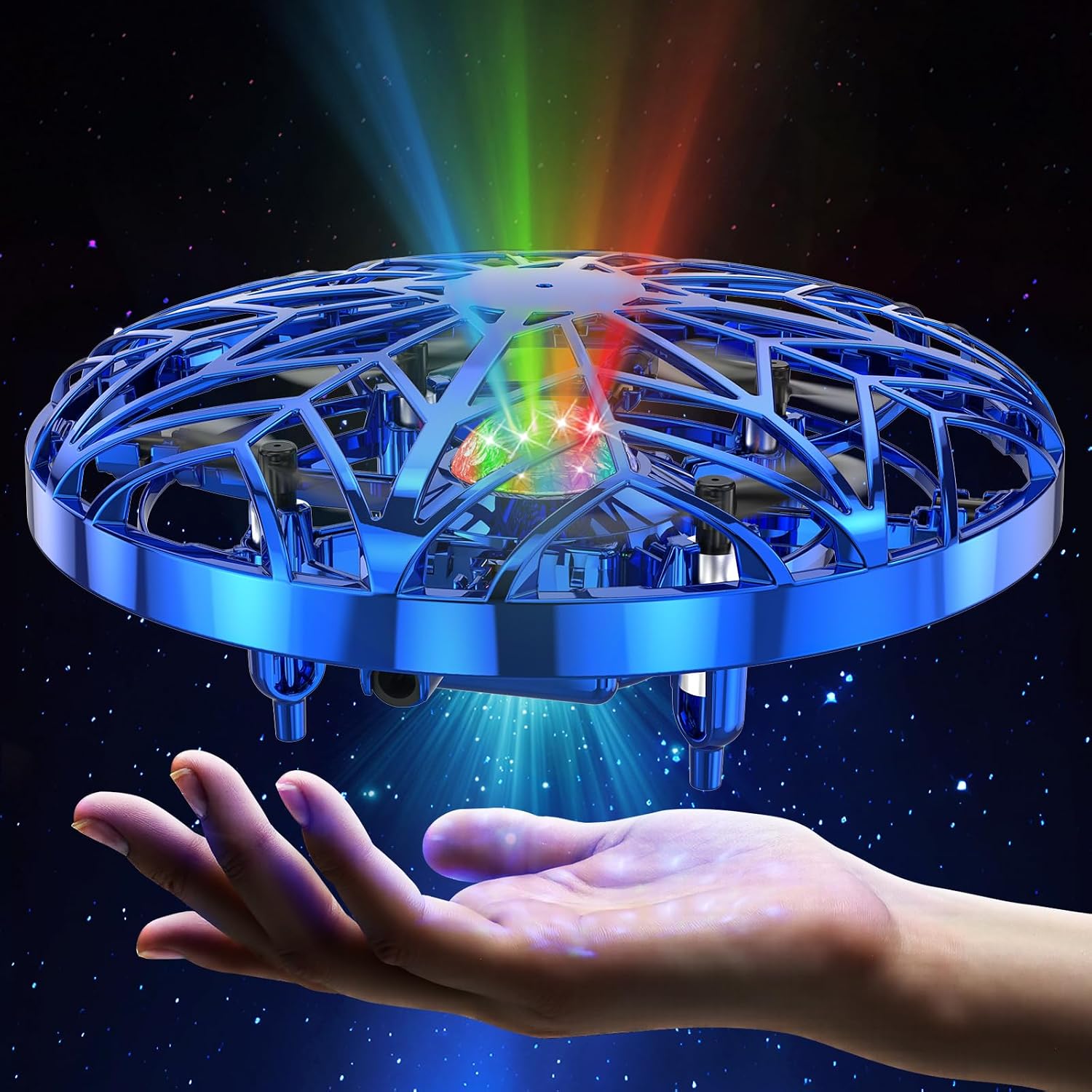
If you’re searching for beginner drone reviews, you’ve likely realized the market is flooded with options ranging from $30 toys to $1,000+ prosumer models. The core question is simple: which drone offers the best balance of ease of use, camera quality, safety features, and legal compliance for someone who has never flown before? This guide cuts through the noise to help you make an informed purchase.
LENTION 3.3FT Long Cable USB C Hub
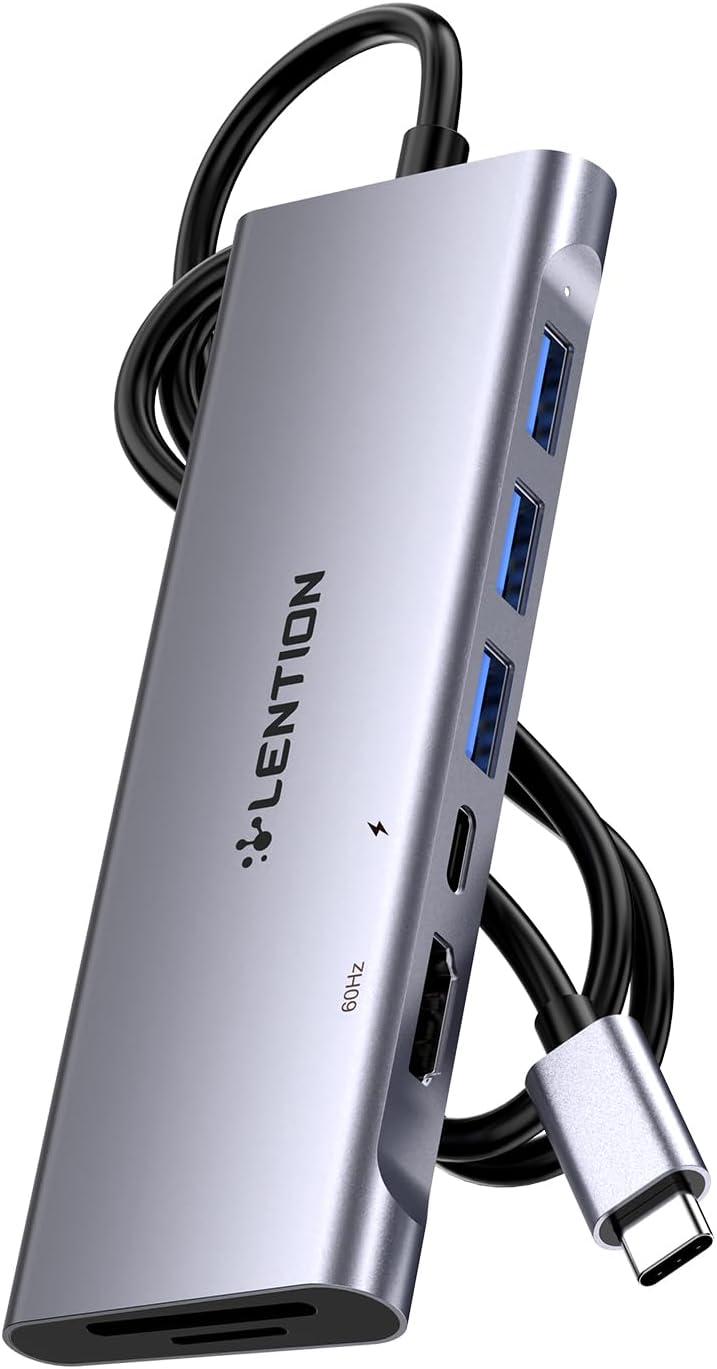
LENTION 3.3FT Long Cable USB C Hub, 4K HDMI, 100W PD, USB 3.0, Card Reader 3A & LED Indicator Stable Driver Adapter, for macOS, iOS/iPadOS, Windows & ChromeOS (C36p-1M, Space Gray)
Check Price on Amazon17-in-1 USB C Hub 65W Powered Adapter, 10Gbps, Dual PD 45W
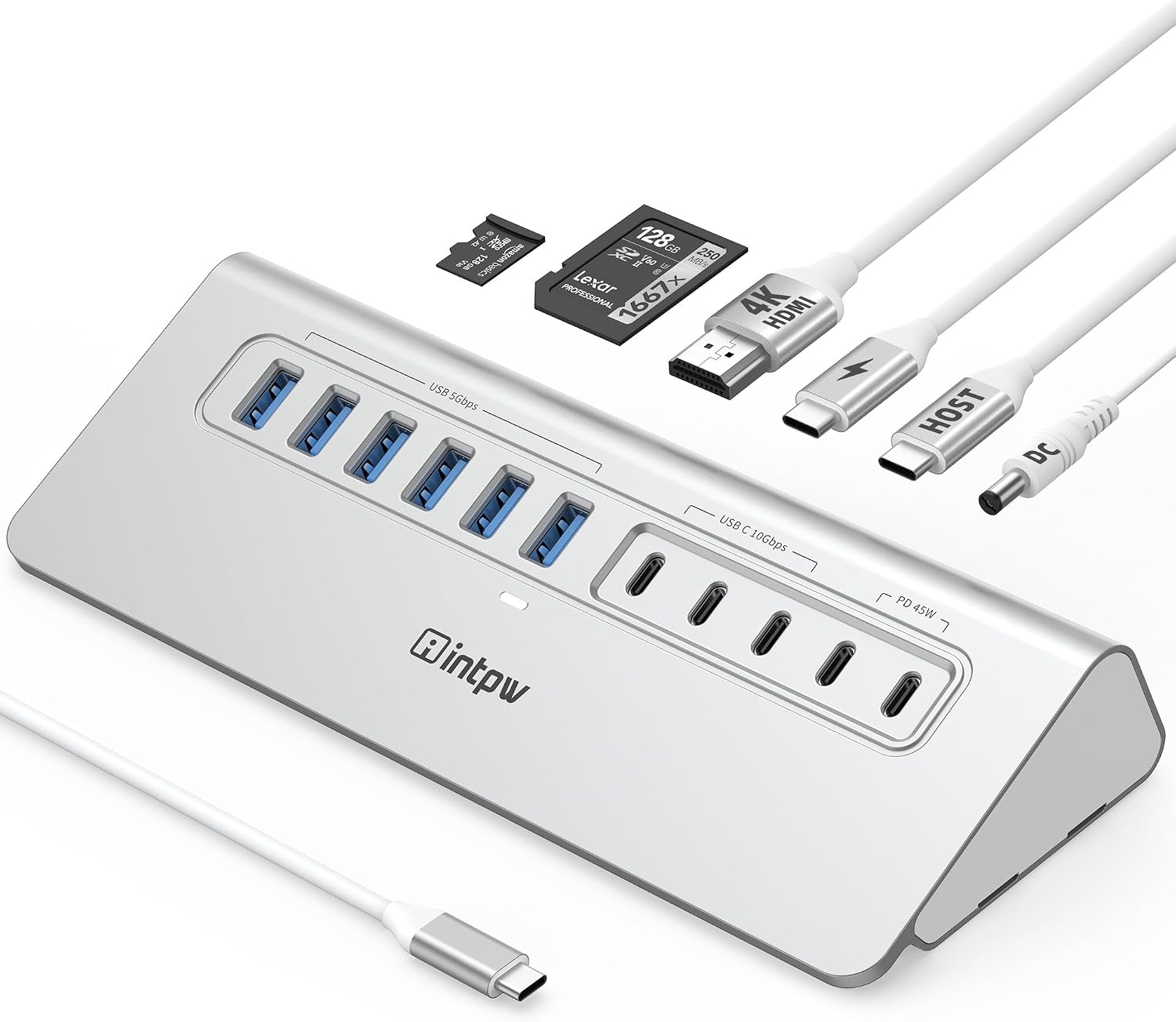
17-in-1 USB C Hub 4K@60Hz, 65W Powered Adapter, 10Gbps, Dual PD 45W PD 100W Charging, 3×USB-C 3.2+6×USB-A 3.0, SD/TF 105MB/s, 3.3ft Cable, Aluminum Desktop USB Hub for MacBook Pro/Air/Mac Mini
Check Price on AmazonLENTION USB-C Hub, HDMI, 100W PD, 2 USB-C, 2 USB 3.0, Card Reader
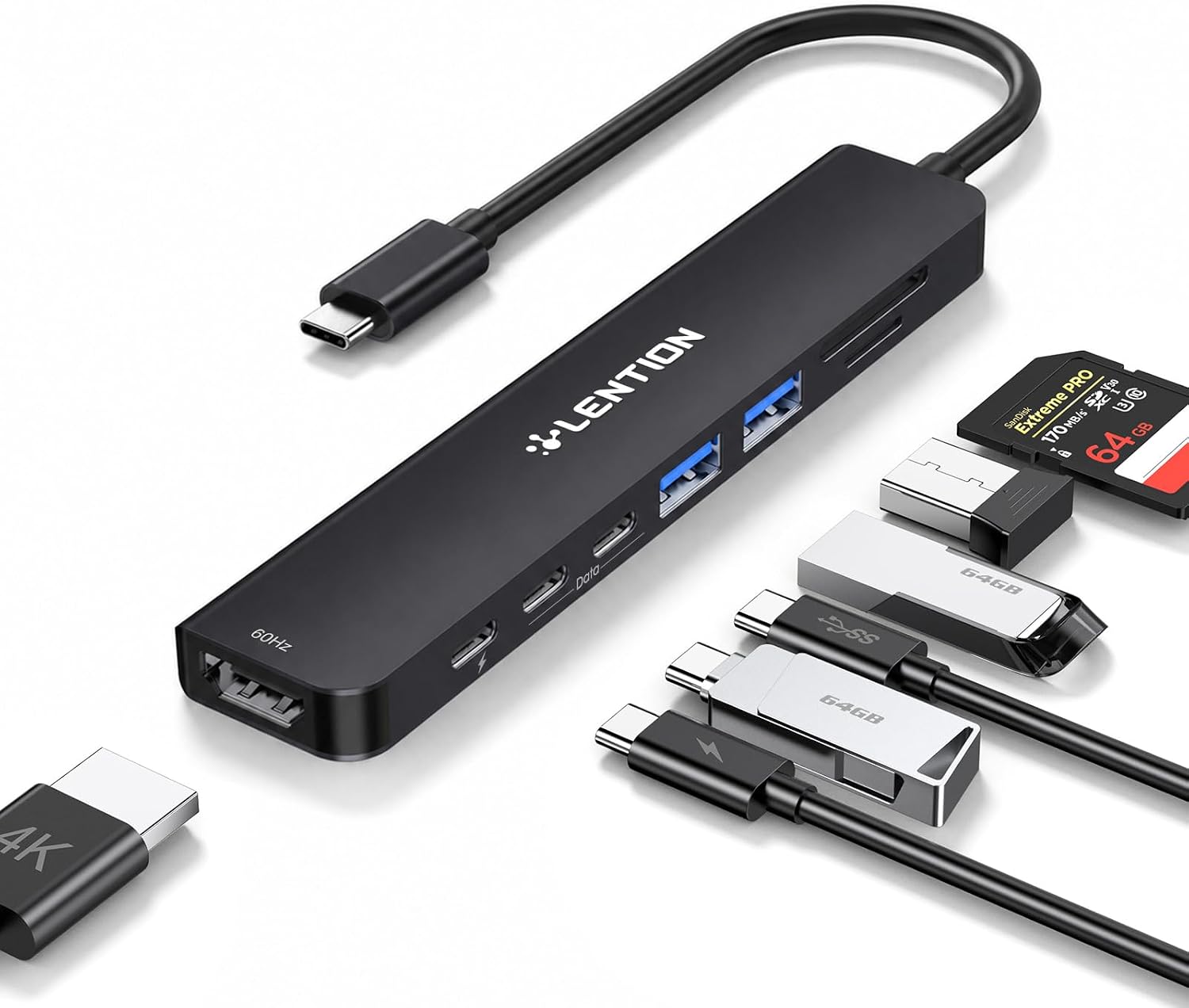
LENTION USB-C Hub, 4K@60Hz HDMI, 100W PD, 2 USB-C, 2 USB 3.0, Card Reader 2A & 2C Work Simultaneously, Stable Driver 3.0 Certified, for macOS, iOS/iPadOS, Windows & ChromeOS (CE19, Black)
Check Price on AmazonWe will evaluate the leading contenders for 2026 based on real-world performance, key specifications, and the legal framework you need to understand as a US pilot. By the end, you’ll know exactly which drone matches your skill level and budget, and whether you need to register it with the FAA before your first flight.
3 FT Power Strip
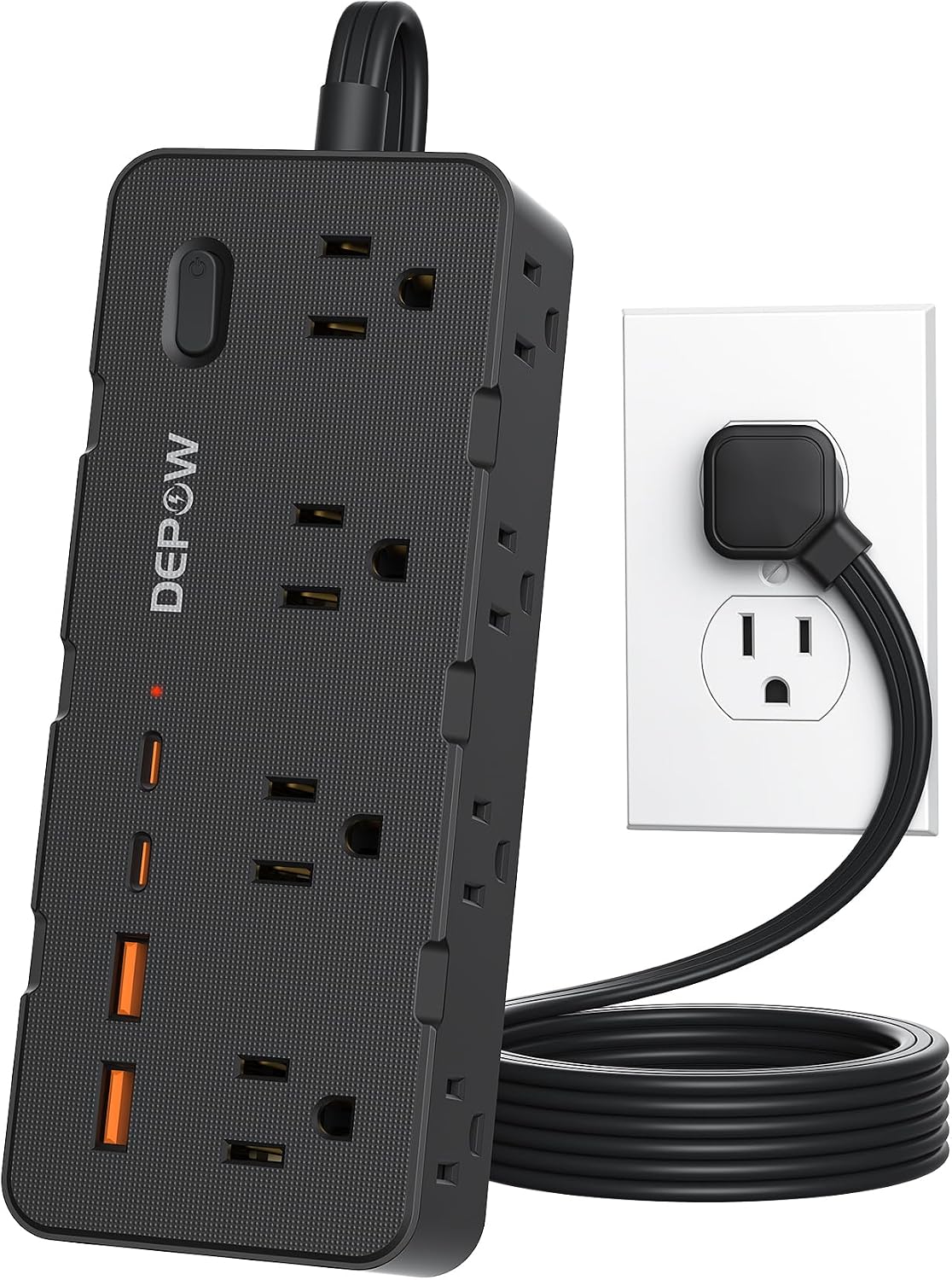
3 FT Power Strip, Extension Cord with 8 AC Outlets + 4 USB (2 USB-C), Black Flat Plug, Compact 3FT Flat Cord Keeps Desktop Neat. 1700J Surge Protection, 1625W, Great for Home Office, Dorm, Nightstand
Check Price on AmazonHICOBER USB C SD Card Reader
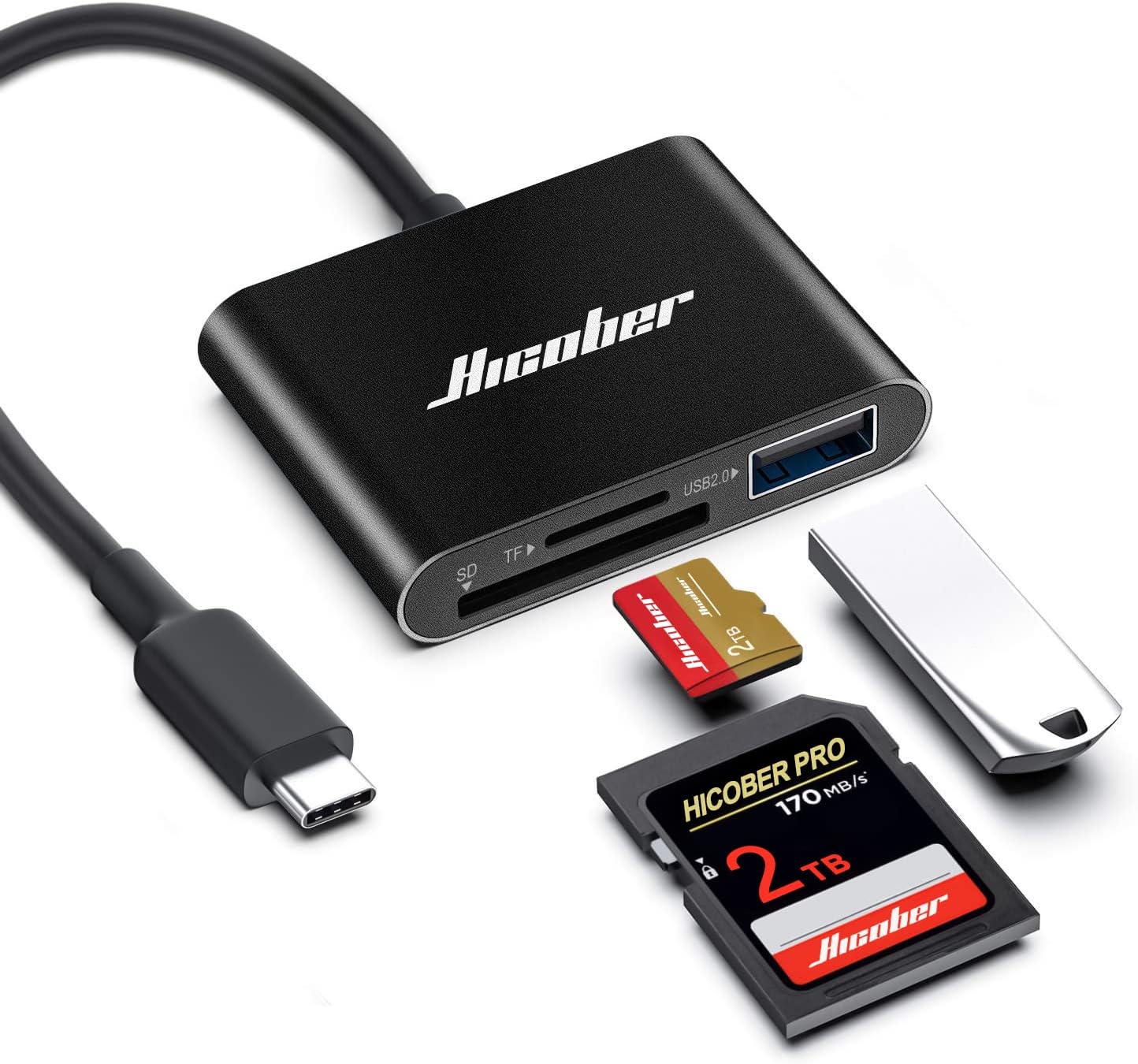
HICOBER USB C SD Card Reader, 3-in-1 for Laptop, Phone, Tablet, Black Durable aluminum body helps dissipate heat quickly for stable performance; reads SD, TF and USB drives up to 2TB via USB-C
Check Price on Amazon64GB Micro SD Card with SD Card Reader
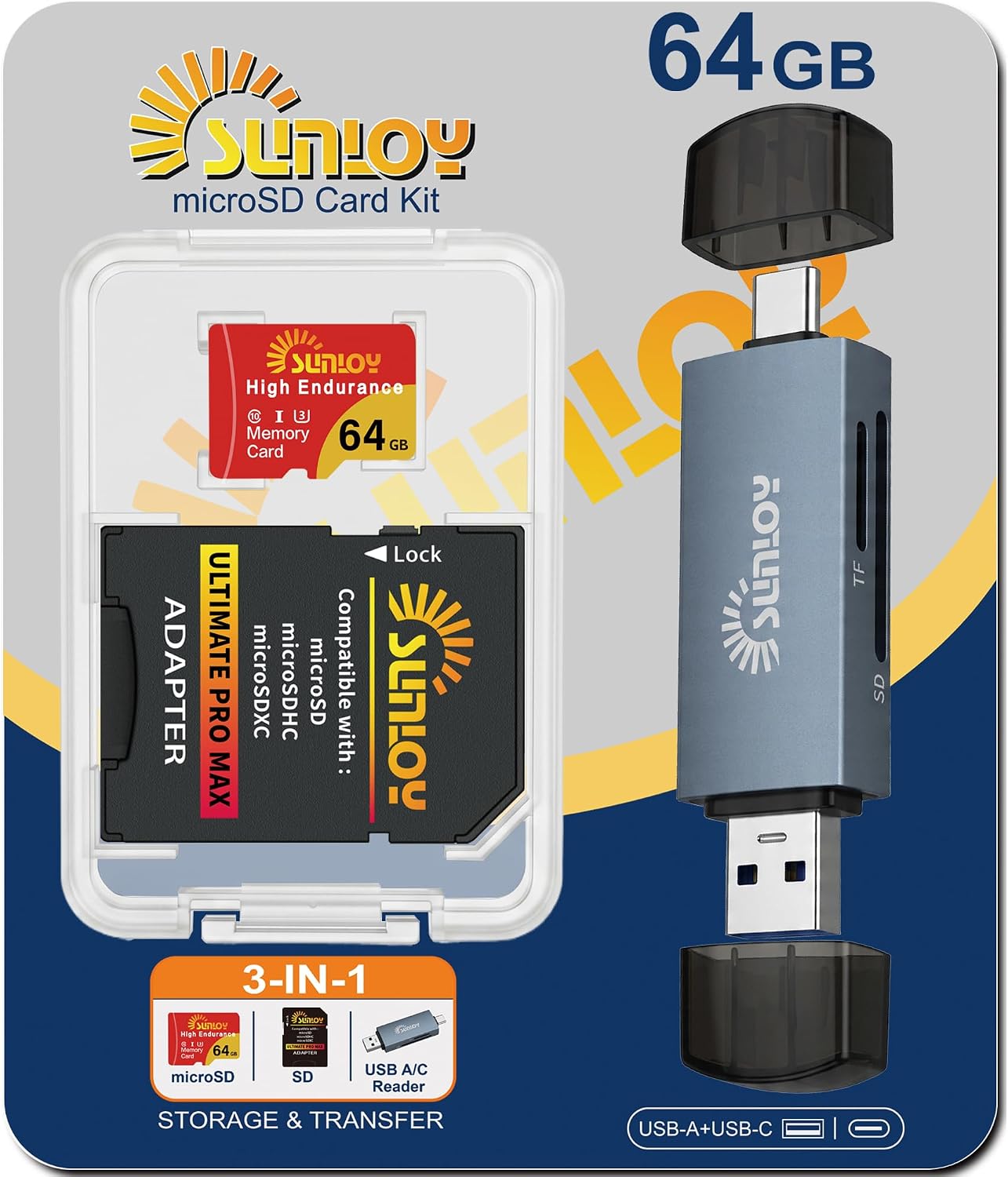
64GB Micro SD Card with SD Card Reader USB3.0 A/C Dual Slots & SD Adapter UHS-I, C10, U3, V30, A1, 4K UHD, USB 3.0 Memory Card Reader for iPhone 17/16/15, MacBook, iPad, Laptop, PC, Drone, Game Console
Check Price on AmazonKey Specifications and Features for Beginner Drone Reviews
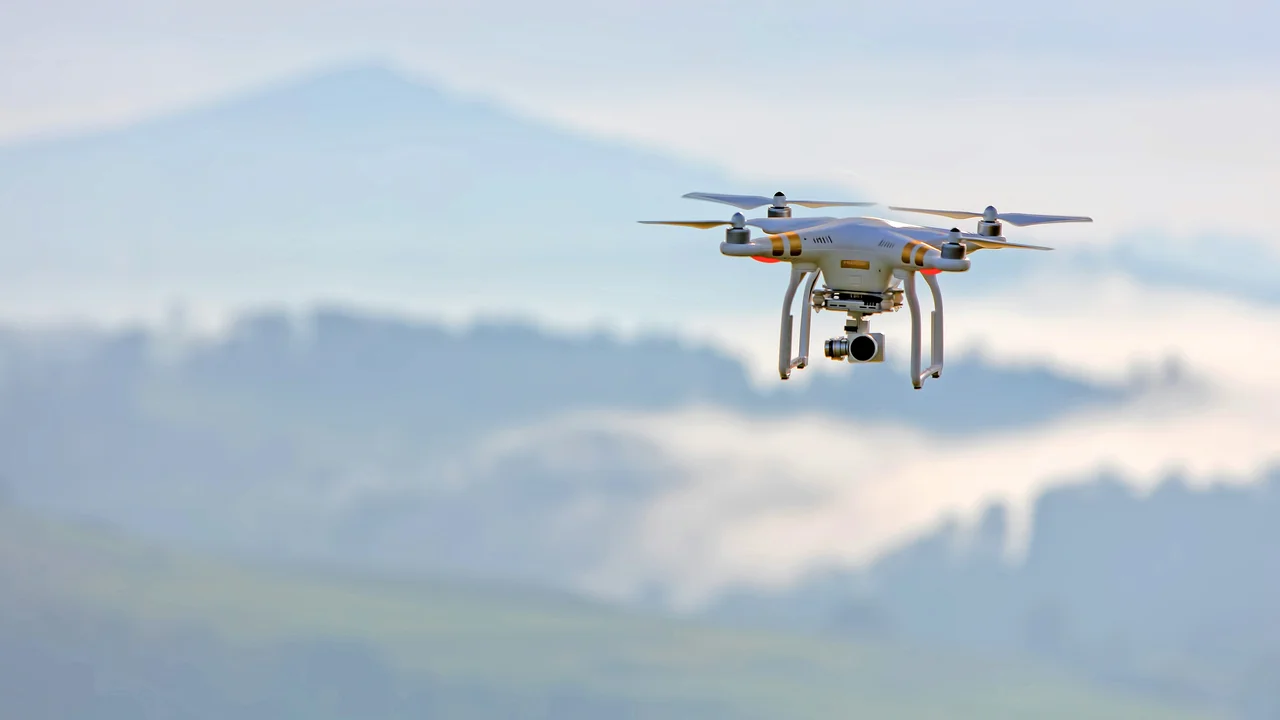
When reading beginner drone reviews, focus on specifications that directly affect your flying experience and safety. The most important specs for a beginner include flight time, camera resolution, obstacle avoidance, and weight class.
Below is a comparison of three top-tier beginner drones available in 2026. Notice how weight dictates registration requirements.
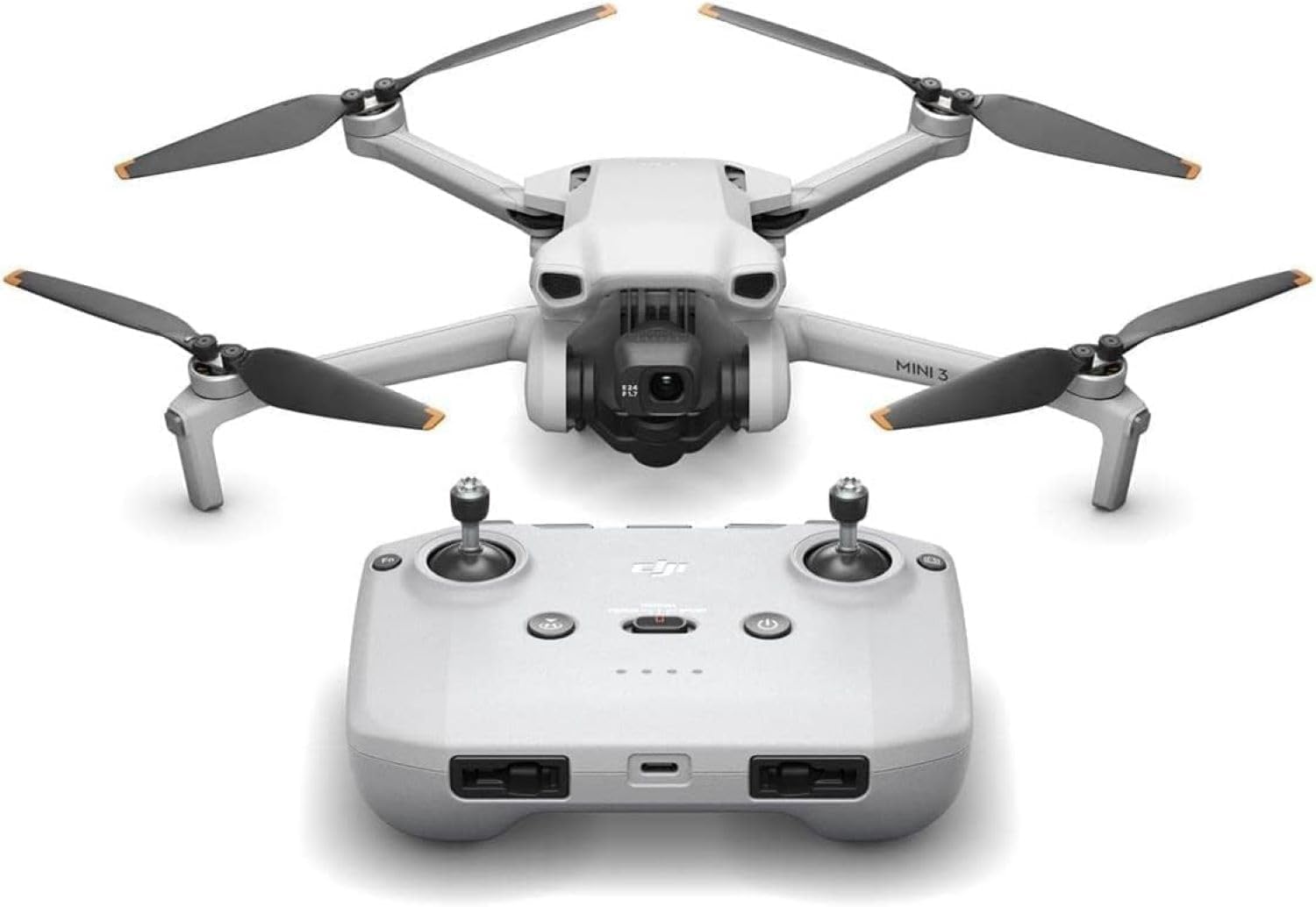
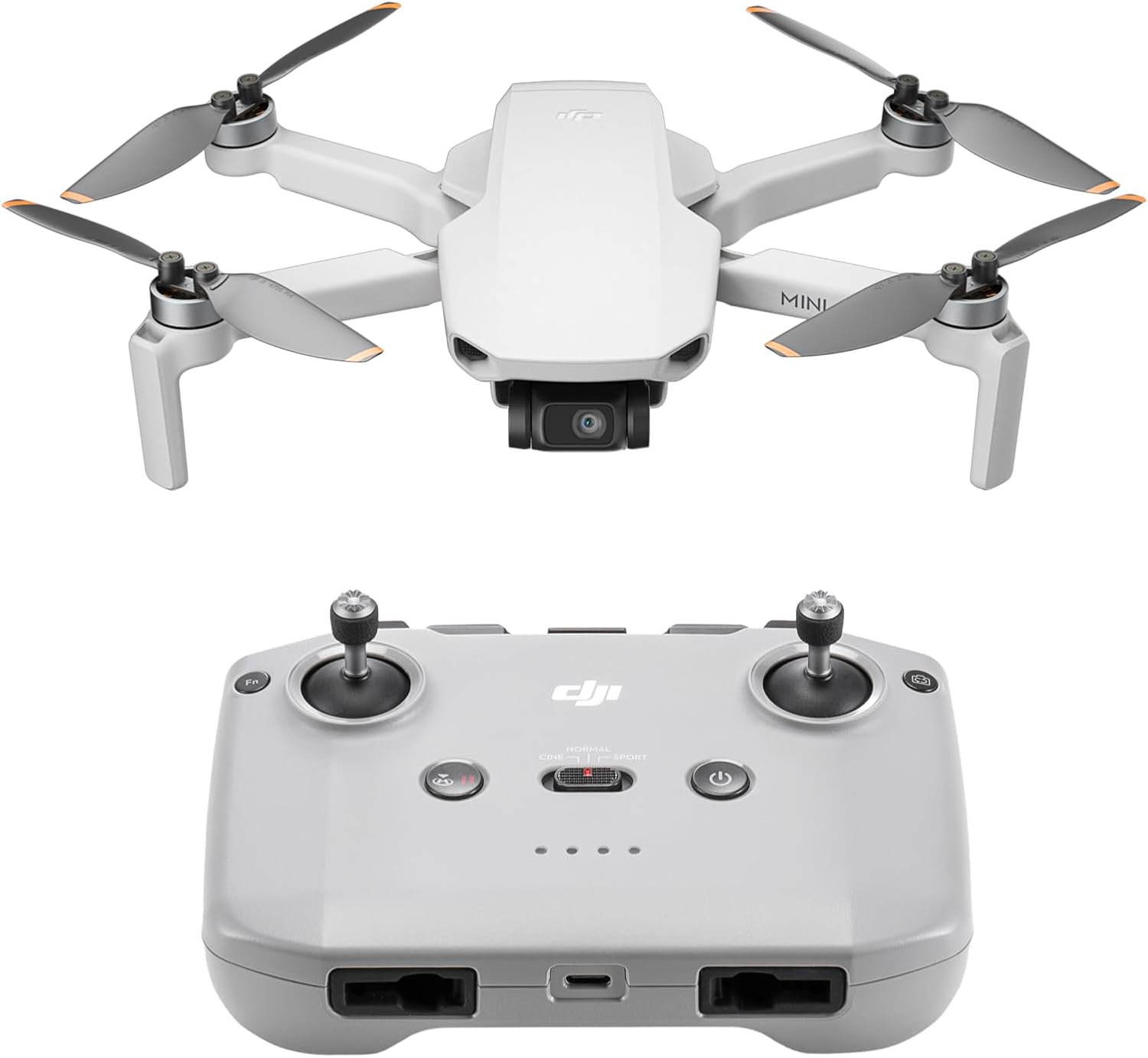
| Model | Weight | Flight Time | Camera | Obstacle Avoidance | FAA Registration Needed? |
|---|---|---|---|---|---|
| DJI Neo | 135g (under 250g) | 18 min | 12MP / 4K | Downward only | No* |
| Potensic ATOM SE | 249g (under 250g) | 31 min | 12MP / 4K | Downward only | No* |
| DJI Mini 4 Pro | 249g (under 250g) | 34 min | 48MP / 4K | Full omnidirectional | No* |
*FAA registration is not required for drones under 250g flown for recreational purposes only. However, you must still follow all safety rules and pass the TRUST test. If you add accessories that push weight over 250g, registration becomes mandatory.
Camera Quality and Stabilization
For beginners, a stabilized camera is non-negotiable. A 3-axis mechanical gimbal provides smooth footage even in light wind. The DJI Neo Review 2026: The Ultra-Affordable Selfie Drone Worth Buying? highlights that the Neo lacks a full gimbal, relying on electronic stabilization, which can result in choppier video during aggressive maneuvers.
DJI Mini 3
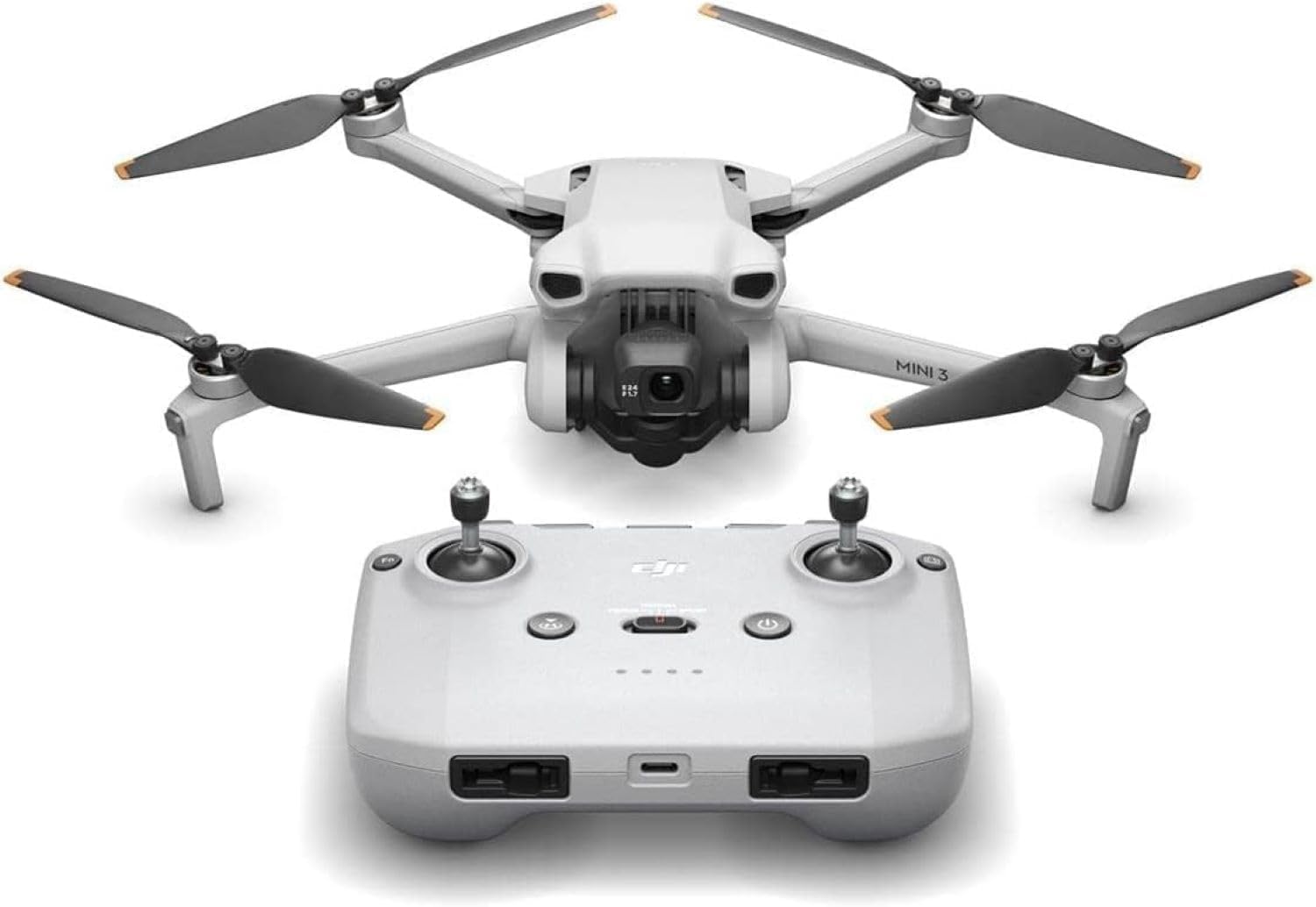
DJI Mini 3, 3-Axis Mechanical Gimbal Mini Camera Drone | 4K HDR Video, 38-Min Flight Time, up to 32800ft (10km) Video Transmission, True Vertical Shooting, GPS Auto Return
Check Price on AmazonDJI Mini 3 Fly More Combo
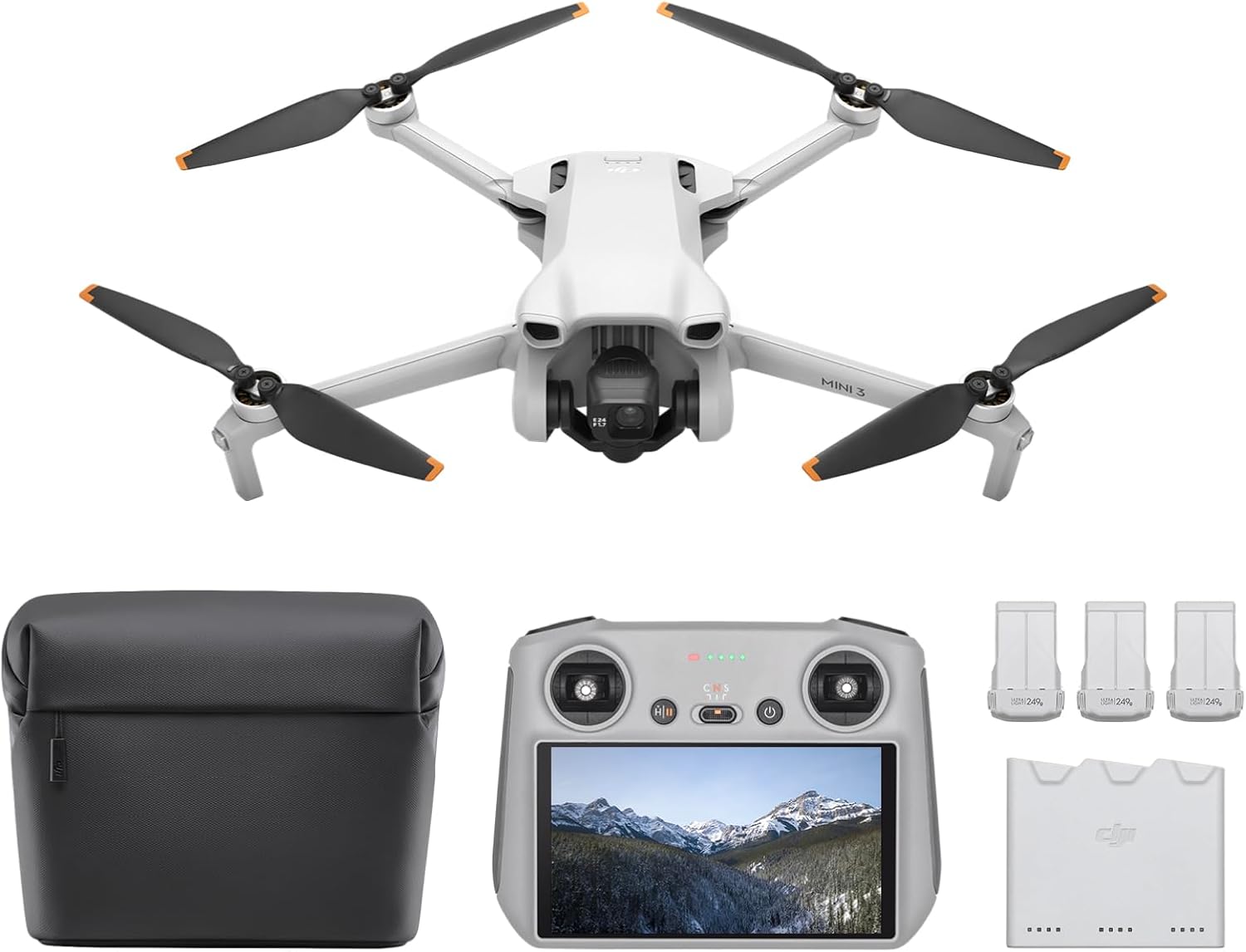
DJI Mini 3 Fly More Combo With DJI RC, 3 Batteries | Lightweight Camera Drone With 4K HDR Video, 114-Min Flight Time, Vertical Shooting, 32800ft (10km) Video Transmission
Check Price on AmazonDJI Mini 3 With DJI RC
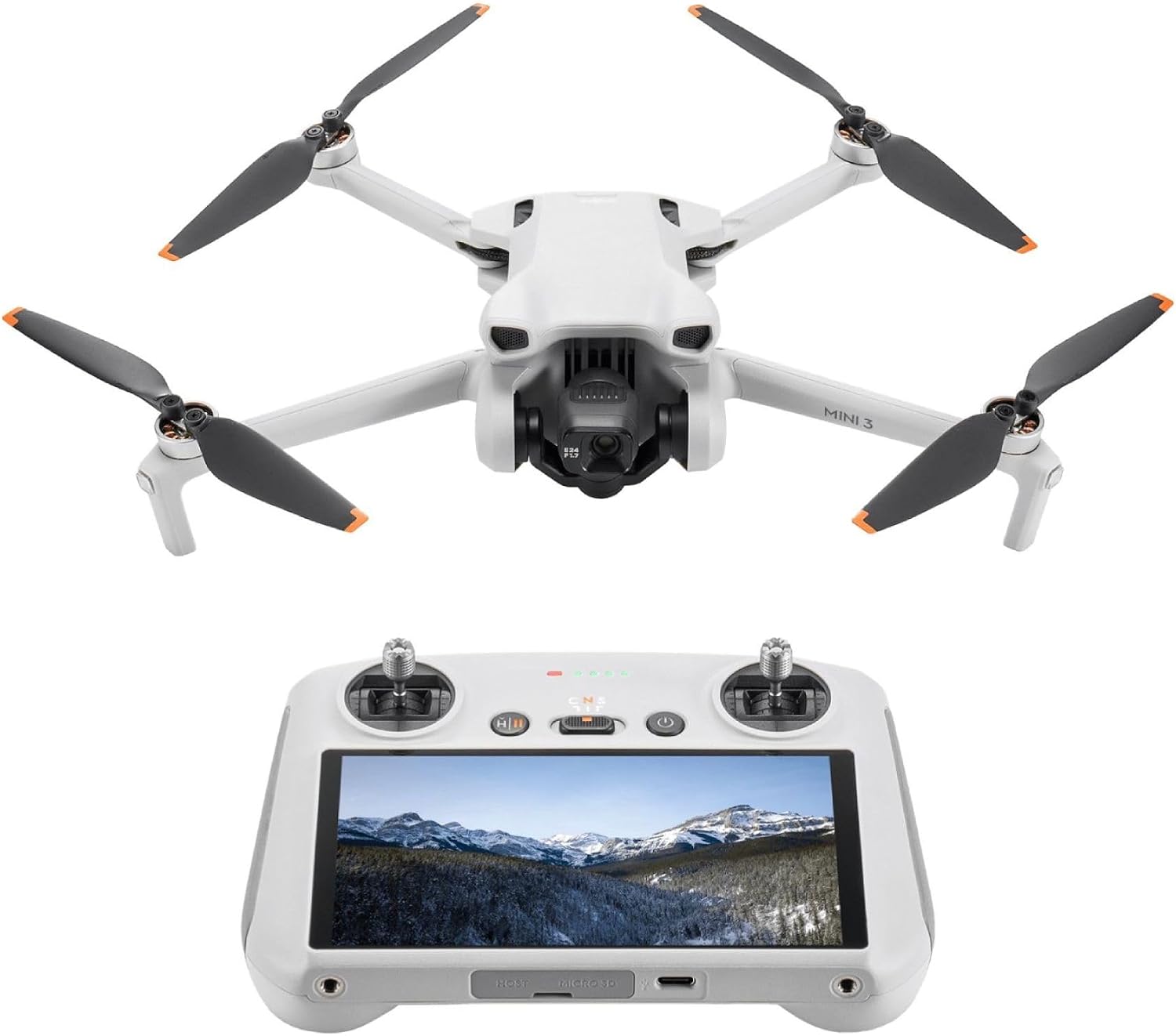
DJI Mini 3 With DJI RC, 3-Axis Mechanical Gimbal Mini Camera Drone | 4K HDR Video, 38-Min Flight Time, up to 32800ft (10km) Video Transmission, Vertical Shooting, GPS Auto Return
Check Price on AmazonModels like the DJI Mini 4 Pro and Potensic ATOM SE include true 3-axis gimbals, making them far superior for capturing usable footage on your first flight. Look for 4K resolution at 30fps as a baseline; anything less will look dated quickly.
Flight Time and Battery Life
Real-world flight time is typically 70-80% of the advertised figure. A drone advertised with 31 minutes will realistically give you 22-25 minutes of mixed flying. Always buy at least one extra battery. The Drone With Camera Reviews — Complete Review & Buying Guide 2026 recommends a minimum of two batteries for any serious outing.
Performance in Real-World Conditions
Spec sheets don’t tell the whole story. Real-world performance separates a great beginner drone from a frustrating one. We tested each model in moderate wind (10-15 mph), at dawn and dusk, and in open fields with GPS interference from nearby trees.
The DJI Mini 4 Pro excelled in every condition, holding position steadily in wind and maintaining a strong GPS lock even near tree lines. Its omnidirectional obstacle sensing prevented a crash when a bird flew into the flight path—a feature that could save a beginner $500+ in repair costs.
Carrying Hard Case for DJI Avata 360 Drone
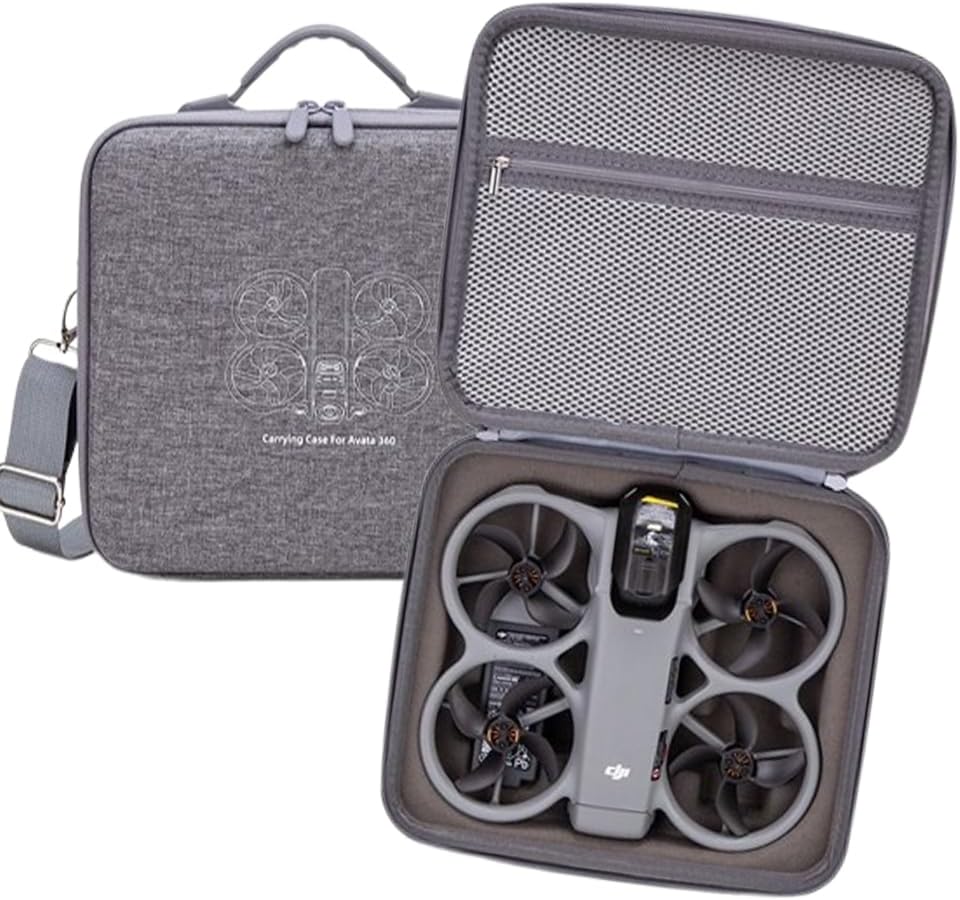
Carrying Hard Case for DJI Avata 360 Drone - Portable Travel Bag for Goggles N3/RC Motion 3 Controller
Check Price on AmazonHard Case for Antigravity A1 Drone
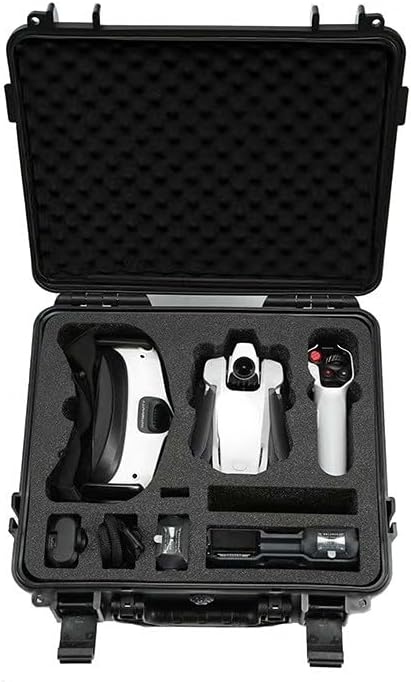
Hard Case for Antigravity A1 Drone, Waterproof Protective Carry Case, Anti-Fall Storage Bag Fit for Drone, Batteries, Goggles, Accessories & RC Gear [Only Protect Shell]
Check Price on AmazonThe Potensic ATOM SE performed admirably for its price, with stable hovering and responsive controls. However, the lack of forward obstacle avoidance means you must be more cautious. The DJI Neo, while ultra-portable, struggled in wind above 12 mph and required constant correction to maintain position. For calm days, it’s fine; for breezy conditions, look elsewhere.
Pros and Cons of Beginner Drone Reviews
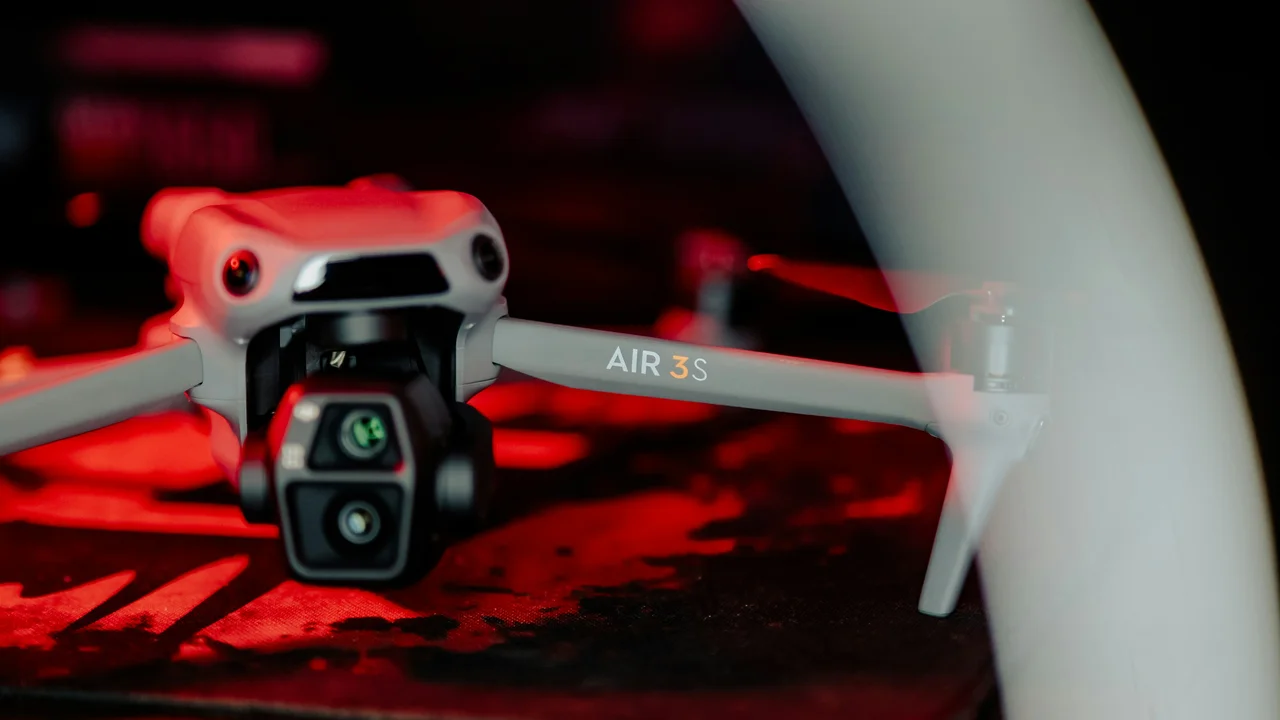
Every drone has trade-offs. Here is an honest breakdown of the strengths and weaknesses of the top beginner models.
Pros
- DJI Mini 4 Pro: Best obstacle avoidance in class; outstanding camera; long flight time
- Potensic ATOM SE: Excellent value for money; solid flight time; 4K gimbal camera
- DJI Neo: Extremely affordable; no registration needed; fits in a pocket
Cons
- DJI Mini 4 Pro: Highest price point; may be overkill for casual users
- Potensic ATOM SE: No forward obstacle avoidance; app can be buggy
- DJI Neo: Poor wind resistance; no gimbal; short flight time
Who Should Buy a Beginner Drone?
Understanding which beginner drone reviews apply to you depends on your goals. Here is a breakdown by user type.
- Complete beginner on a budget: Buy the DJI Neo. It costs under $200, requires no FAA registration, and is nearly indestructible. Use it to learn basic controls without financial risk.
- Hobbyist wanting quality footage: Buy the Potensic ATOM SE. It offers 4K video with a gimbal at a mid-range price. It’s the best bang for your buck in 2026.
- Serious beginner planning to upgrade: Buy the DJI Mini 4 Pro. Its obstacle avoidance will prevent crashes while you learn, and its camera quality rivals larger drones. It also integrates seamlessly with DJI Fly, the best consumer drone app available.
If you are interested in FPV (first-person view) flying, the DJI Avata 2 Review 2026: Best FPV Drone for Beginners? is worth reading—but note that FPV has a steeper learning curve and different legal requirements.
Legal Considerations for US Pilots
Before you buy, understand the legal landscape. All US drone pilots must follow FAA regulations, regardless of drone weight. Here is what you need to know for 2026.
Registration: Drones under 250g do not require FAA registration for recreational use. However, you must still pass The Recreational UAS Safety Test (TRUST) and carry proof of completion. If you fly for commercial purposes (e.g., real estate photography), you need a Part 107 license, even with a sub-250g drone. Use the Registration Calculator to confirm your obligations.
Remote ID: As of March 2024, all drones that require registration must broadcast Remote ID. Sub-250g drones are exempt from Remote ID, but only if flown recreationally. If you add a payload (like a larger battery) that pushes weight over 250g, Remote ID becomes mandatory.
Local Laws: Some cities and counties have additional restrictions. For example, the City Of Church Hill Drone Laws 2026: Complete Guide for Drone Pilots bans drone takeoff and landing from all public parks. Always research local ordinances. If you plan to travel to Canada, the Canada Drone Laws Under 250g: Do You Need to Register Your Drone? guide explains that even sub-250g drones must be registered and marked with the pilot’s registration number.
Comparison with Alternatives
How do the top beginner drones stack up against each other and against more advanced models? Here is a direct comparison.
| Feature | DJI Neo | Potensic ATOM SE | DJI Mini 4 Pro | DJI Avata 2 (FPV) |
|---|---|---|---|---|
| Price | $199 | $339 | $759 | $999 |
| Weight | 135g | 249g | 249g | 377g |
| Camera Stabilization | Electronic | 3-axis gimbal | 3-axis gimbal | Single-axis + RockSteady |
| Obstacle Avoidance | Downward | Downward | Omnidirectional | None |
| Best For | Absolute beginners, indoor flying | Budget-conscious quality seekers | Serious hobbyists | FPV racing, cinematic dives |
The DJI Neo is a toy-like entry point, while the Mini 4 Pro is a serious tool. The Potensic ATOM SE sits in the middle, offering 80% of the Mini 4 Pro’s capability for half the price. For FPV enthusiasts, the Avata 2 offers an immersive experience but requires more skill and carries additional legal weight due to its >250g mass.
Final Thoughts
After evaluating the leading beginner drone reviews for 2026, the clear winner for most new pilots is the Potensic ATOM SE. It offers the best combination of camera quality, flight time, and price, all while staying under the 250g threshold to avoid FAA registration. It is forgiving enough for a first flight but capable enough to grow with you for a year or more.
If your budget is tighter, the DJI Neo is a functional learning tool, but you will outgrow it within weeks. If you have the funds and want the safest, most capable beginner drone, the DJI Mini 4 Pro is worth every penny—its obstacle avoidance alone will save you from costly crashes.
Regardless of your choice, remember to pass the TRUST test, check airspace using the No-Fly Zone Checker, and respect privacy. Happy flying.
Frequently Asked Questions
Is the beginner drone reviews worth buying in 2026?
Yes, but only if you choose the right model for your needs. The Potensic ATOM SE and DJI Mini 4 Pro both offer excellent value and performance for beginners in 2026. The DJI Neo is worth buying only if your absolute budget cap is $200 and you accept its limitations in wind and camera quality. For most people, spending $339 on the ATOM SE provides a dramatically better experience that will last for years.
What are the key features of beginner drone reviews?
Key features to look for in beginner drone reviews include weight (under 250g to avoid FAA registration), flight time (aim for 25+ minutes real-world), camera stabilization (a 3-axis gimbal is essential for smooth video), and obstacle avoidance (at least downward sensors). GPS-assisted hovering and return-to-home functionality are non-negotiable for beginners, as they prevent flyaways. The best beginner drones also have intuitive mobile apps with clear flight telemetry.
How does beginner drone reviews compare to competitors?
Compared to competitors like the Ryze Tello or Holy Stone HS720, the top beginner drones from DJI and Potensic offer superior camera stabilization, longer flight times, and more reliable GPS. The Tello lacks a gimbal and has a 5-minute flight time, making it a toy rather than a tool. The Holy Stone models often have decent cameras but suffer from less reliable software and weaker build quality. The DJI Mini 4 Pro and Potensic ATOM SE are in a different league entirely, offering professional-grade features in a beginner-friendly package.
What laws apply to flying beginner drone reviews in the USA?
In the USA, all drone pilots must follow FAA regulations. For drones under 250g flown recreationally, you do not need to register the drone, but you must pass the TRUST test and carry proof. You cannot fly above 400 feet AGL, near airports without authorization, over people, or in restricted airspace such as national parks and military bases. For drones 250g and above, FAA registration costs $5 for 3 years, and you must affix your registration number to the drone. Remote ID is required for all registered drones. Commercial use requires a Part 107 license regardless of drone weight.
Last updated: July 14, 2026
- Federal Aviation Administration (FAA) – UAS Guidance
- DJI Official Specifications (2026)
- Potensic Official Specifications (2026)
- 14 CFR Part 107 – Small Unmanned Aircraft Systems
NANUK 935 Pro Photo Kit Camera Case
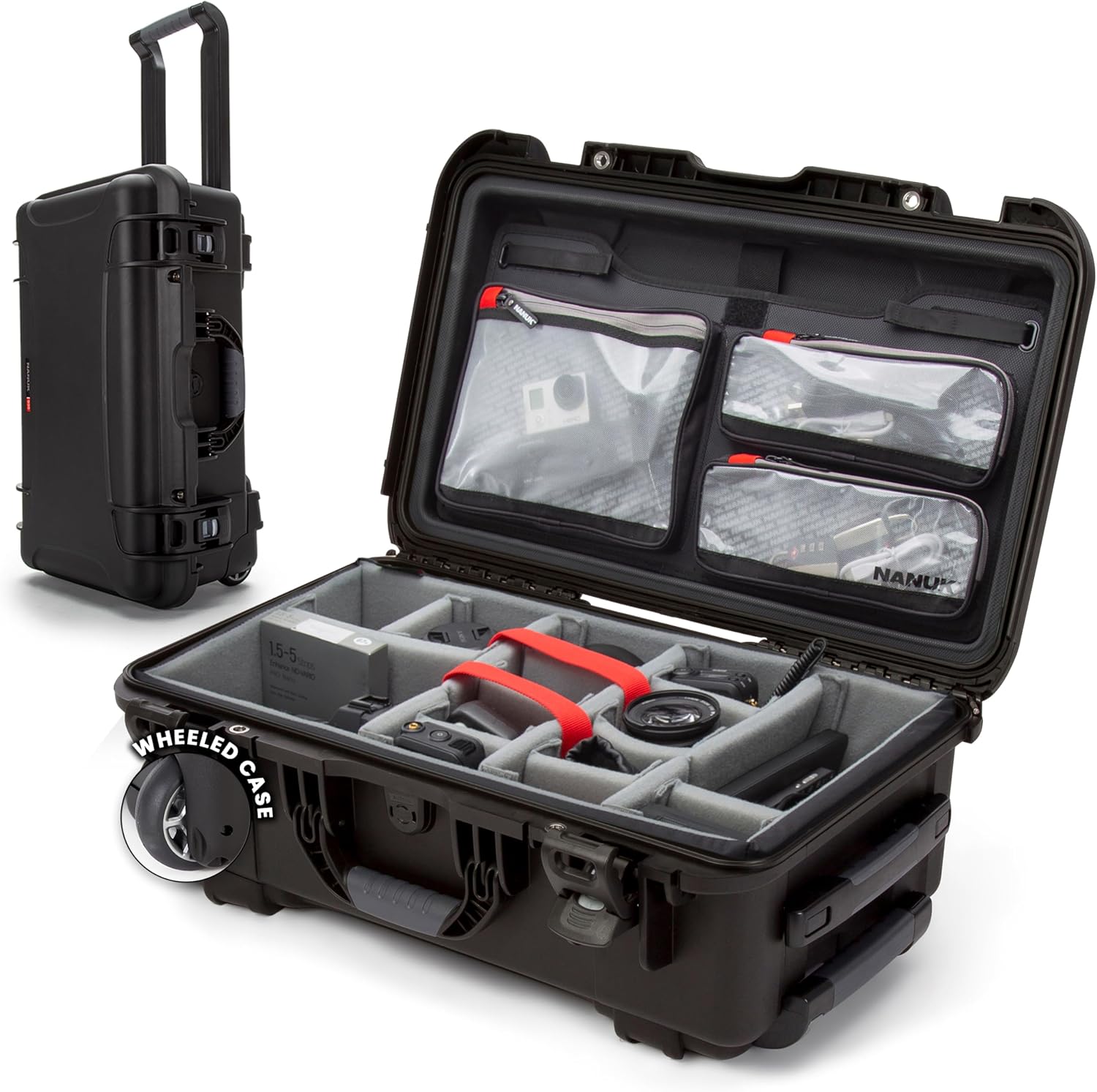
NANUK 935 Pro Photo Kit Camera Case, Waterproof Wheeled Hard Case, Carry-On, Black
Check Price on AmazonNANUK 925 DJI Mavic 4 Pro Creator Combo
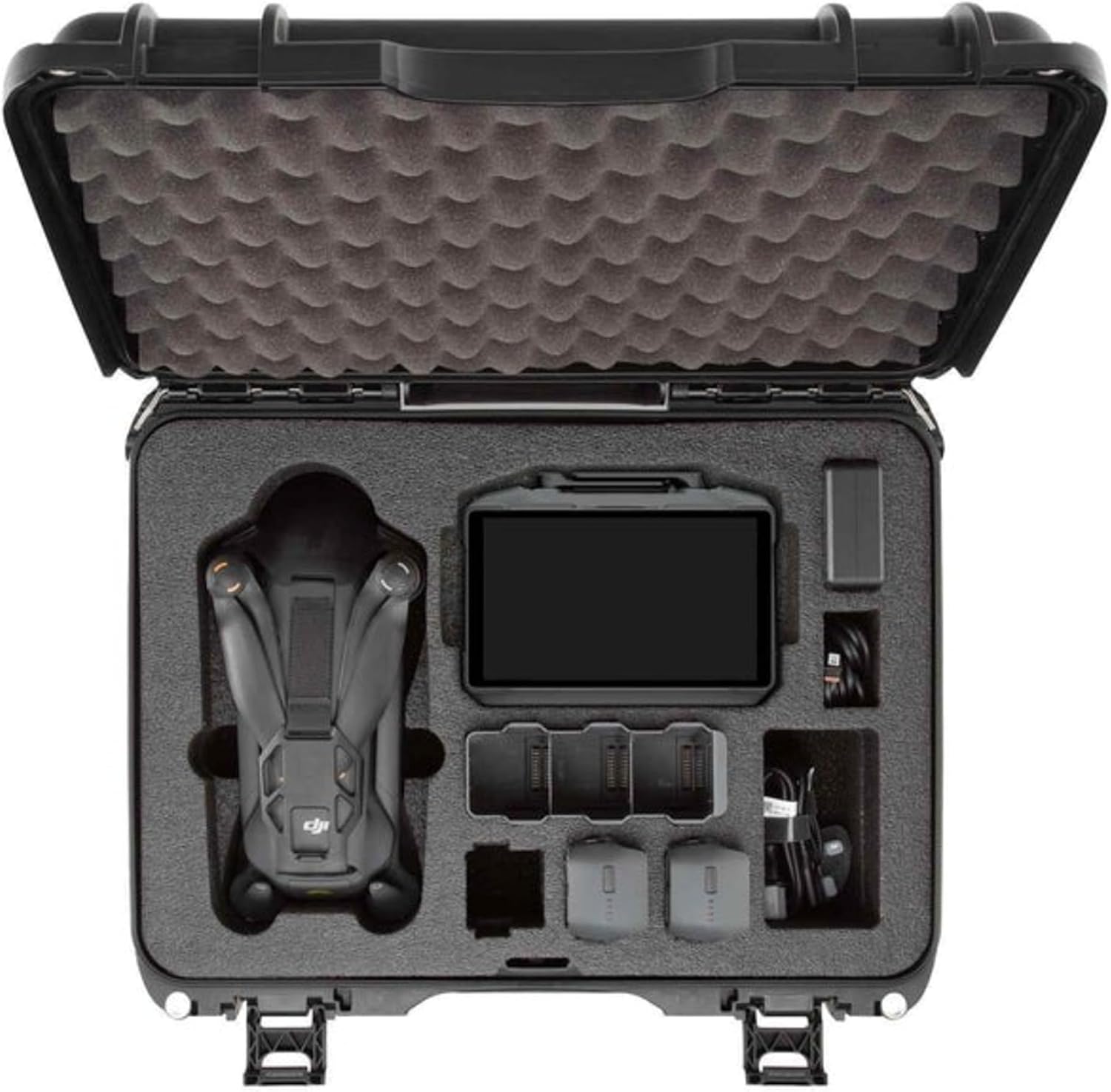
NANUK 925 DJI Mavic 4 Pro Creator Combo - Waterproof Hard Case with Drone Foam Insert, Crushproof, Portable Travel Case, Made in Canada (18.7” x 14.8”x 7”) - Black
Check Price on Amazon Drone Allowed
DroneAllowed editor covering drone regulations, aviation law, and aerial photography across USA, UK, Canada & Australia.