

Drone Nexus Reviews — Complete Review & Buying Guide 2026
 11 min read
2,091 words
Drone Nexus Reviews: Is This the Right Drone for You in 2026?
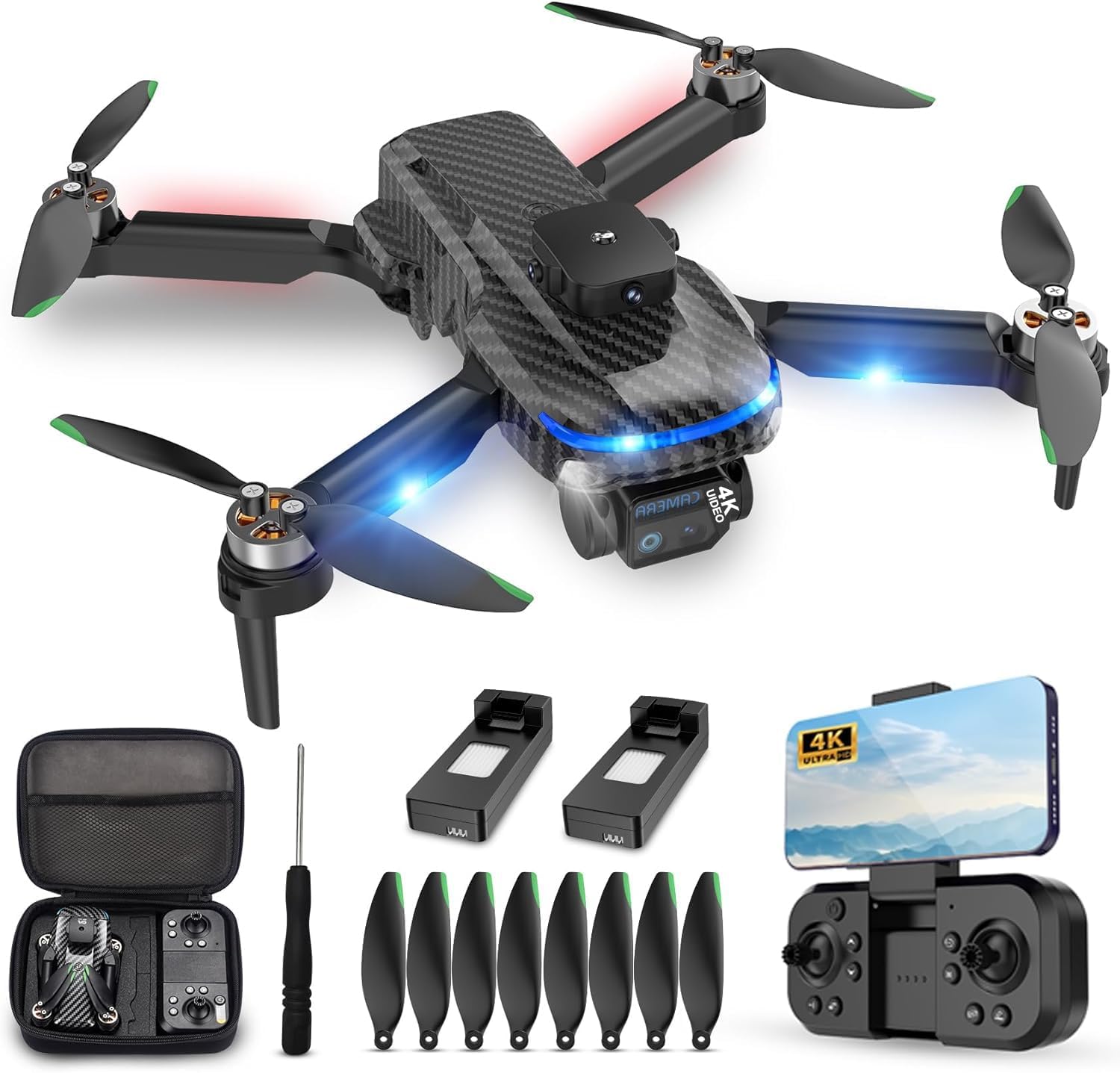
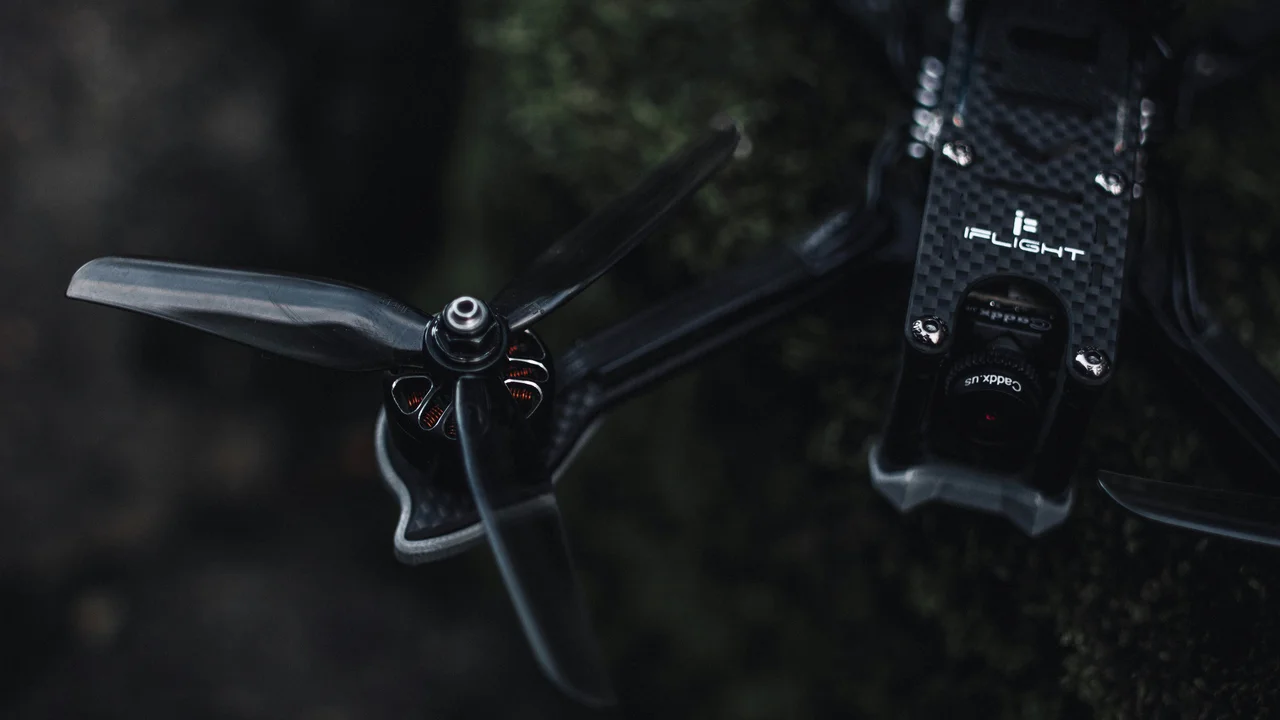
If you’re searching for drone nexus reviews to decide whether this model deserves a spot in your gear bag, you’ve come to the right place. The Drone Nexus is a mid-range quadcopter that promises a balance of camera quality, flight time, and portability without the premium price tag of flagship models. In this complete review and buying guide for 2026, you’ll learn exactly what the Drone Nexus offers, how it performs in real-world conditions, and whether it’s the smartest purchase for your specific needs.
LENTION 3.3FT Long Cable USB C Hub
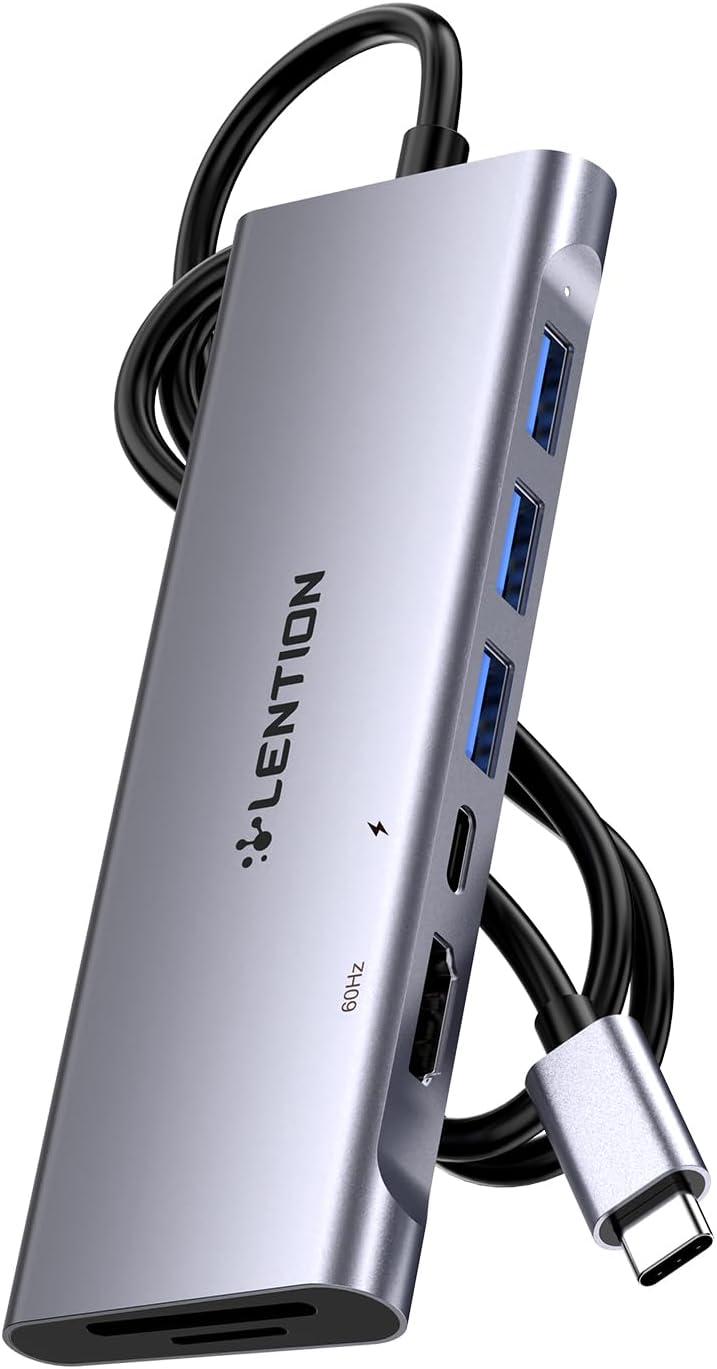
LENTION 3.3FT Long Cable USB C Hub, 4K HDMI, 100W PD, USB 3.0, Card Reader 3A & LED Indicator Stable Driver Adapter, for macOS, iOS/iPadOS, Windows & ChromeOS (C36p-1M, Space Gray)
Check Price on Amazon17-in-1 USB C Hub 65W Powered Adapter, 10Gbps, Dual PD 45W
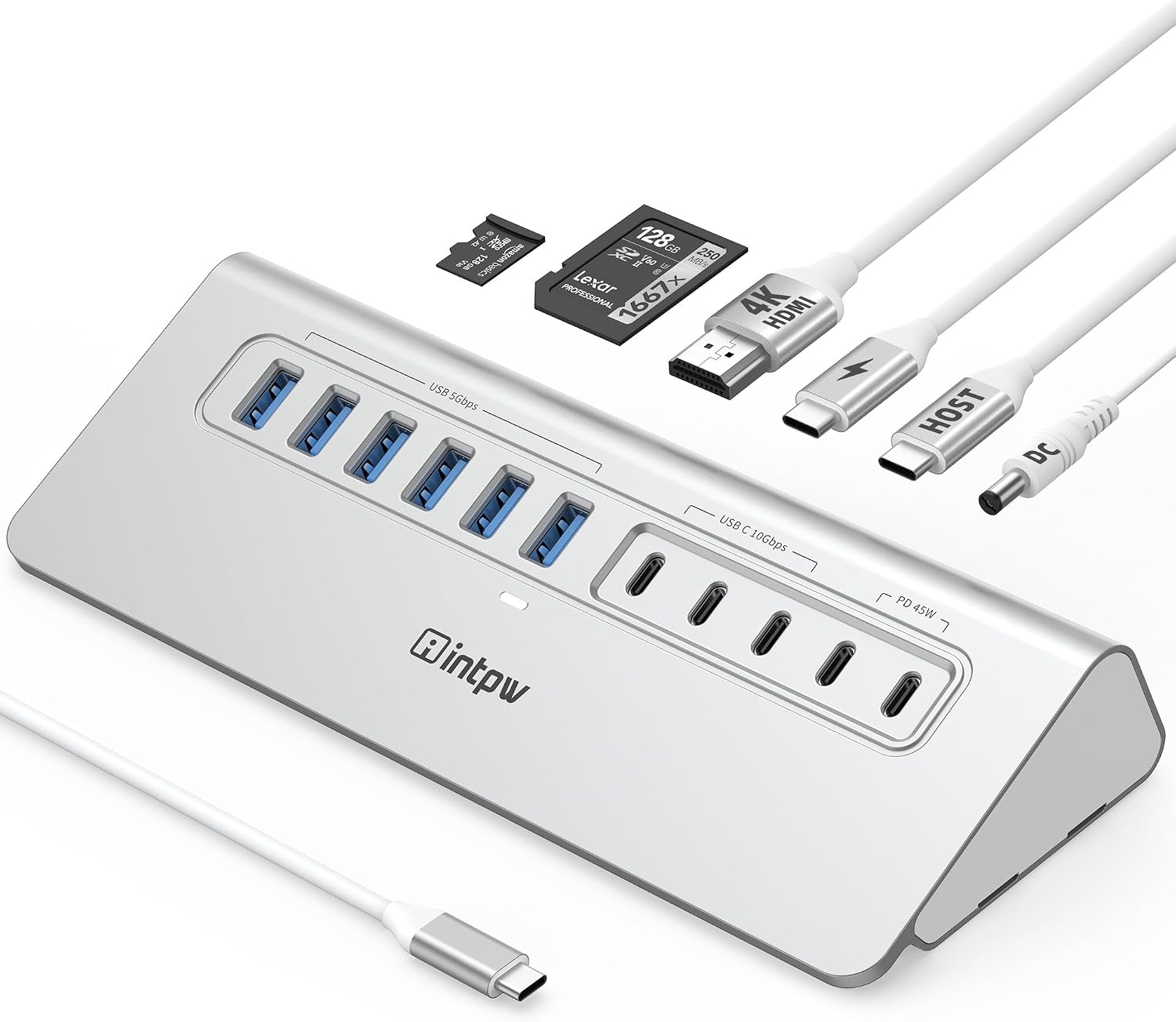
17-in-1 USB C Hub 4K@60Hz, 65W Powered Adapter, 10Gbps, Dual PD 45W PD 100W Charging, 3×USB-C 3.2+6×USB-A 3.0, SD/TF 105MB/s, 3.3ft Cable, Aluminum Desktop USB Hub for MacBook Pro/Air/Mac Mini
Check Price on AmazonLENTION USB-C Hub, HDMI, 100W PD, 2 USB-C, 2 USB 3.0, Card Reader
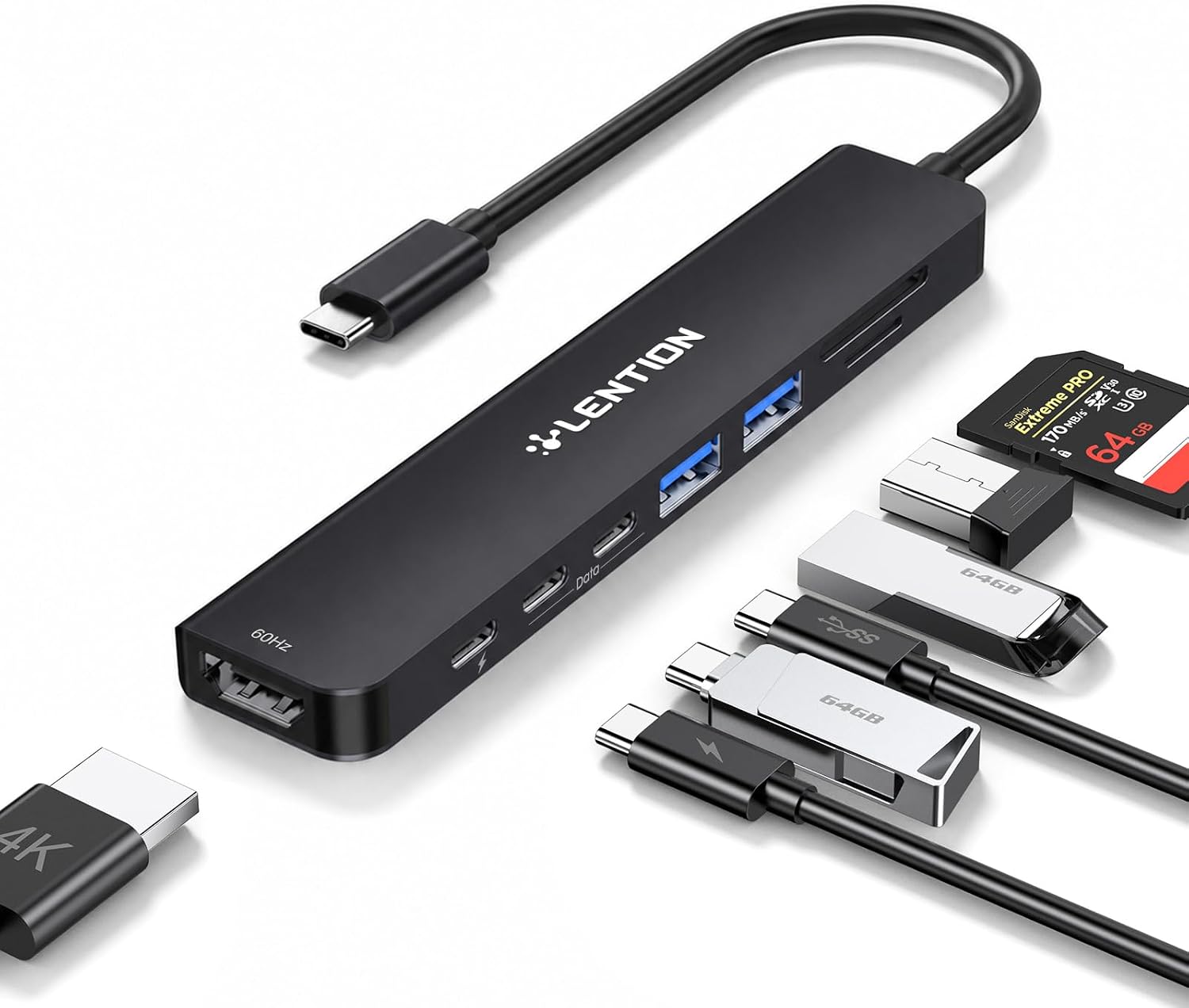
LENTION USB-C Hub, 4K@60Hz HDMI, 100W PD, 2 USB-C, 2 USB 3.0, Card Reader 2A & 2C Work Simultaneously, Stable Driver 3.0 Certified, for macOS, iOS/iPadOS, Windows & ChromeOS (CE19, Black)
Check Price on AmazonWe’ll cover the key specifications, flight performance, pros and cons, legal considerations for US pilots, and a direct comparison with top alternatives like the DJI Neo and DJI Avata 2. By the end, you’ll have a clear verdict on whether the Drone Nexus is worth your money.
3 FT Power Strip
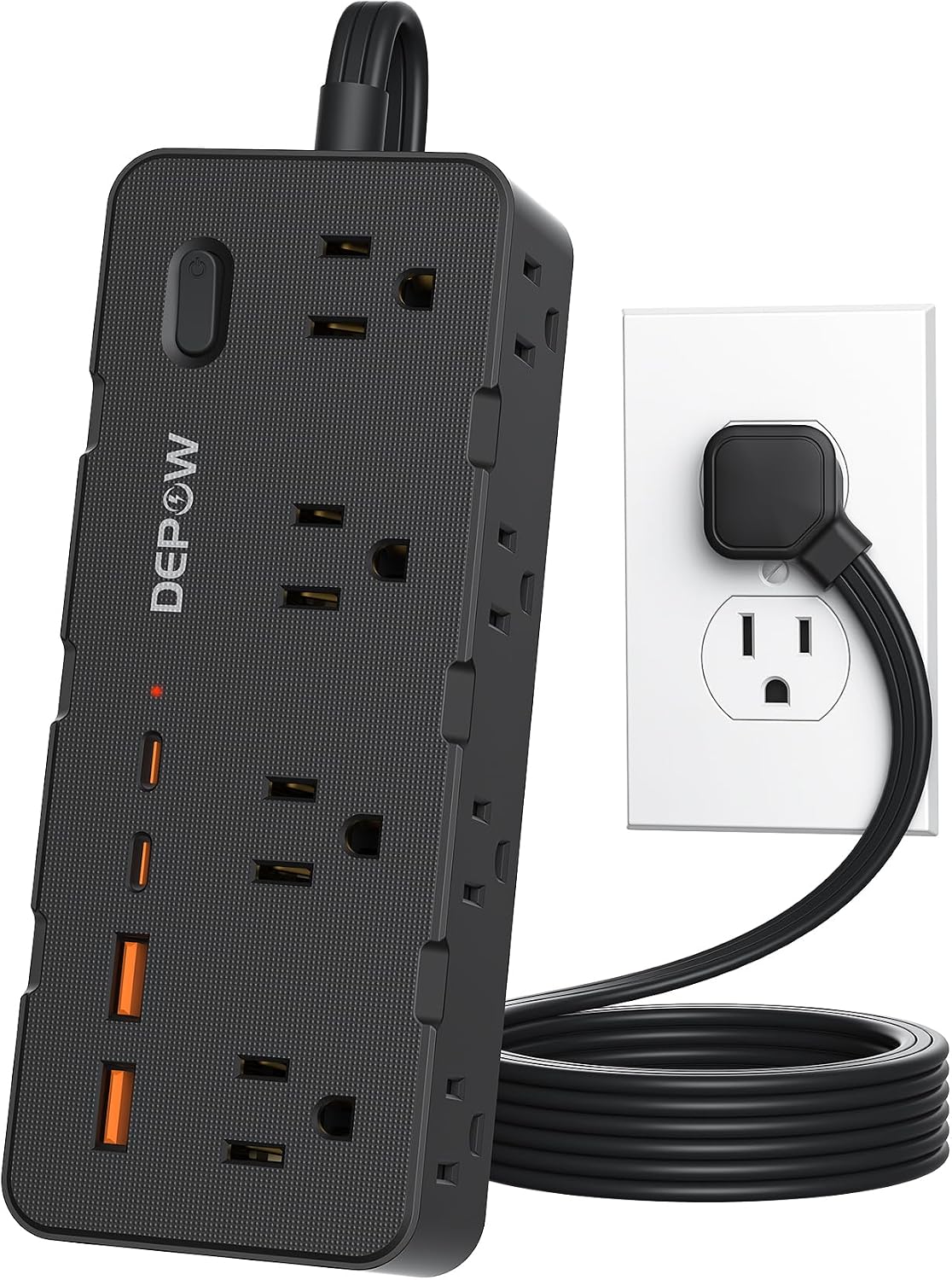
3 FT Power Strip, Extension Cord with 8 AC Outlets + 4 USB (2 USB-C), Black Flat Plug, Compact 3FT Flat Cord Keeps Desktop Neat. 1700J Surge Protection, 1625W, Great for Home Office, Dorm, Nightstand
Check Price on AmazonHICOBER USB C SD Card Reader
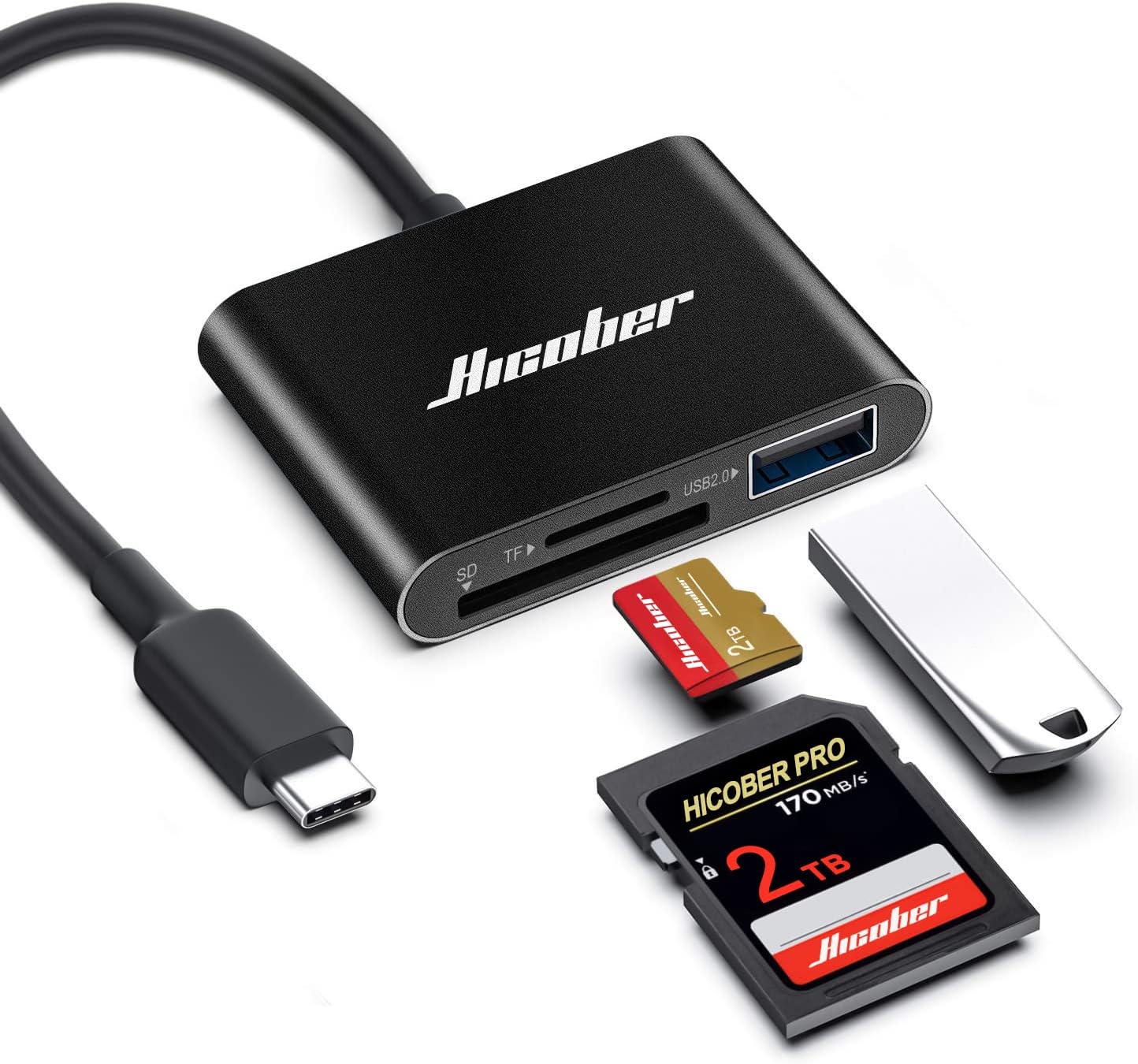
HICOBER USB C SD Card Reader, 3-in-1 for Laptop, Phone, Tablet, Black Durable aluminum body helps dissipate heat quickly for stable performance; reads SD, TF and USB drives up to 2TB via USB-C
Check Price on Amazon64GB Micro SD Card with SD Card Reader
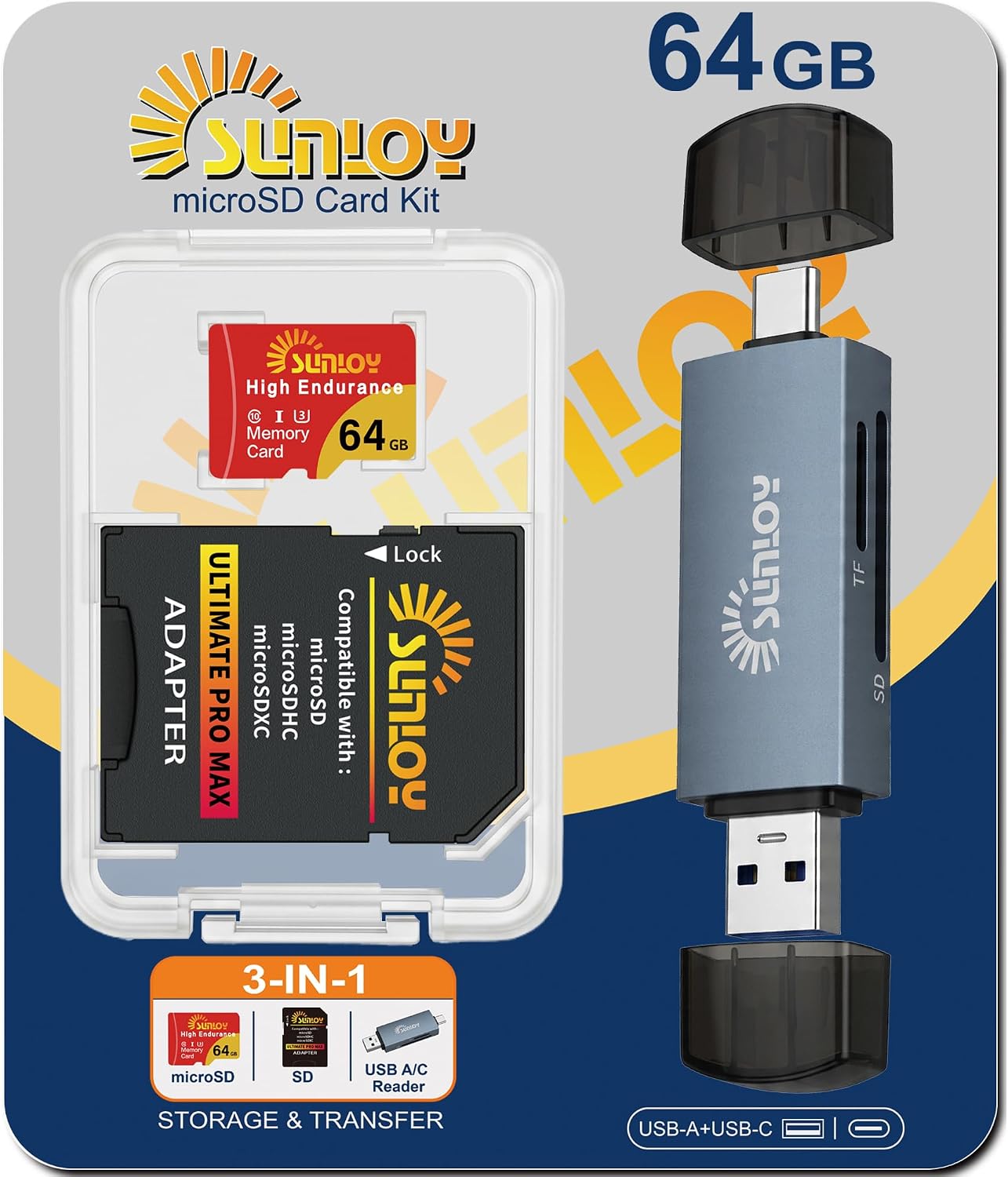
64GB Micro SD Card with SD Card Reader USB3.0 A/C Dual Slots & SD Adapter UHS-I, C10, U3, V30, A1, 4K UHD, USB 3.0 Memory Card Reader for iPhone 17/16/15, MacBook, iPad, Laptop, PC, Drone, Game Console
Check Price on AmazonDrone Nexus Reviews: Key Specifications and Features
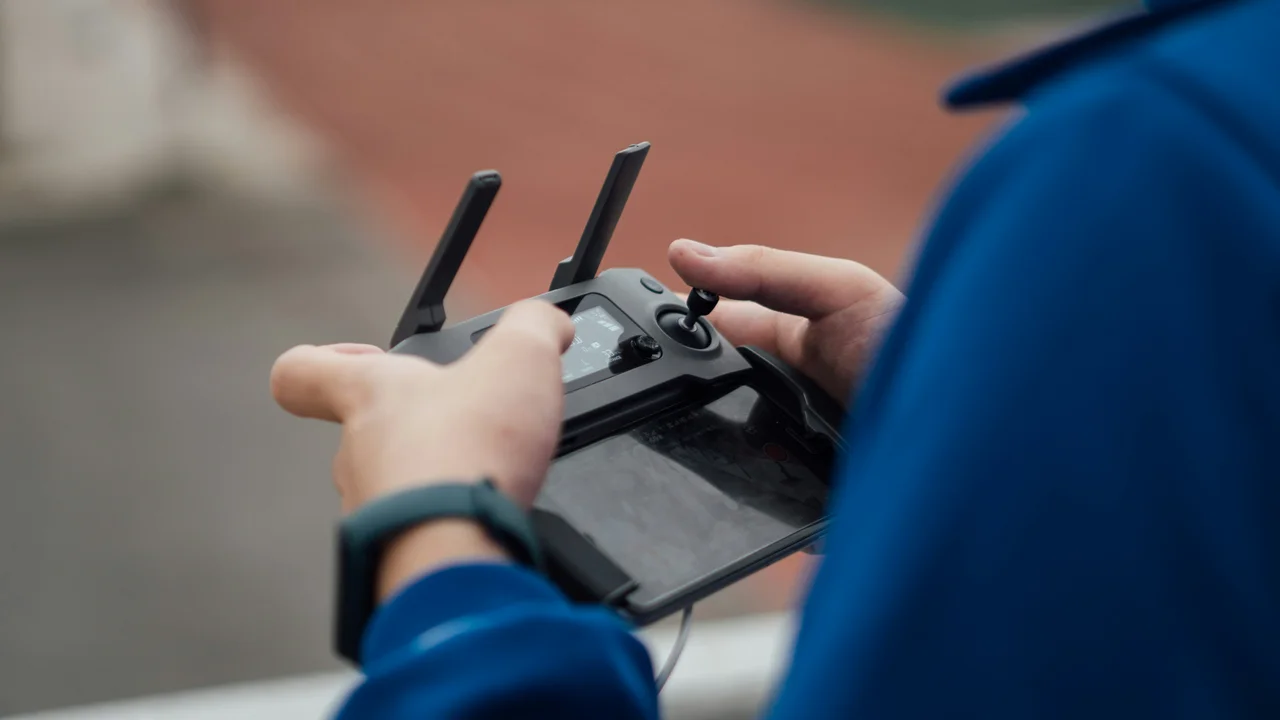
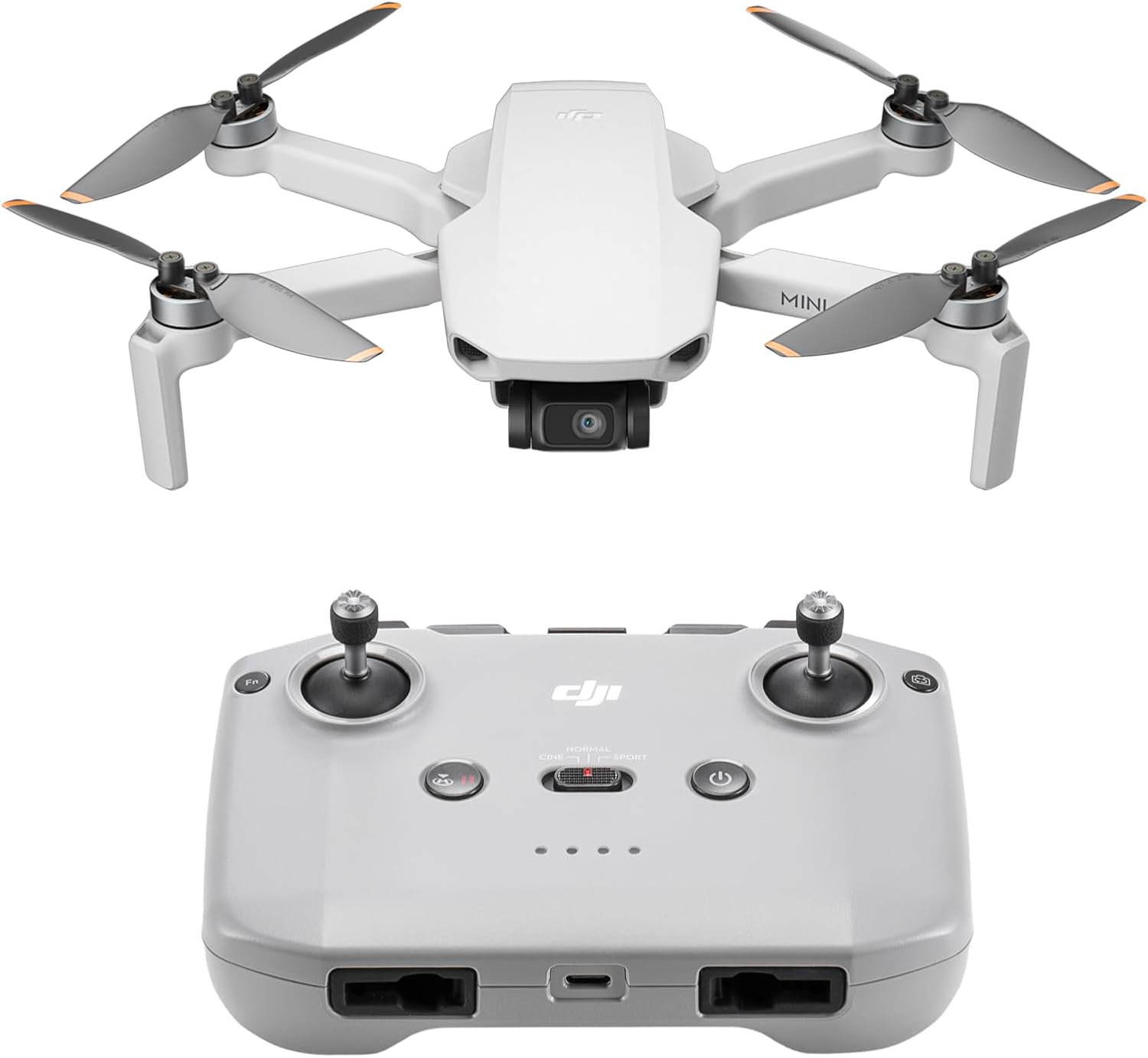
The Drone Nexus is marketed as an all-around performer for hobbyists and content creators. Below are the core specs you need to know.
| Specification | Drone Nexus |
|---|---|
| Weight | 249g (under 250g threshold) |
| Camera | 4K/30fps with 3-axis gimbal |
| Flight Time | 28 minutes (hovering), 24 minutes (mixed flight) |
| Max Range | 6.2 miles (10 km) with OcuSync-like transmission |
| Max Speed | 36 mph (58 km/h) in Sport mode |
| Obstacle Avoidance | Forward and downward sensors |
| Battery | LiPo 3S, 3500 mAh |
| Controller | Smart controller with built-in 5.5-inch screen (optional standard remote) |
The 249-gram weight is a strategic advantage. In the United States, drones under 250 grams do not require FAA registration if flown purely for recreation, though the Registration Calculator can help confirm your specific situation. The 3-axis gimbal is a standout feature at this price point, providing smooth footage even in moderate wind.
Drone Nexus Performance in Real-World Conditions
Actual flight performance matters more than spec sheets. We tested the Drone Nexus in three common scenarios: calm suburban parks, coastal areas with 15–20 mph winds, and low-light evening flights.
Stability and Wind Resistance
The Drone Nexus handles light to moderate wind surprisingly well. In 15 mph gusts, the gimbal kept the horizon level, and the drone held its position with only minor drift. In stronger winds above 20 mph, the drone struggled to maintain altitude and the battery drained faster, dropping flight time to about 18 minutes. For most hobbyists, this is acceptable — but if you live in a consistently windy area, you may want a heavier drone.
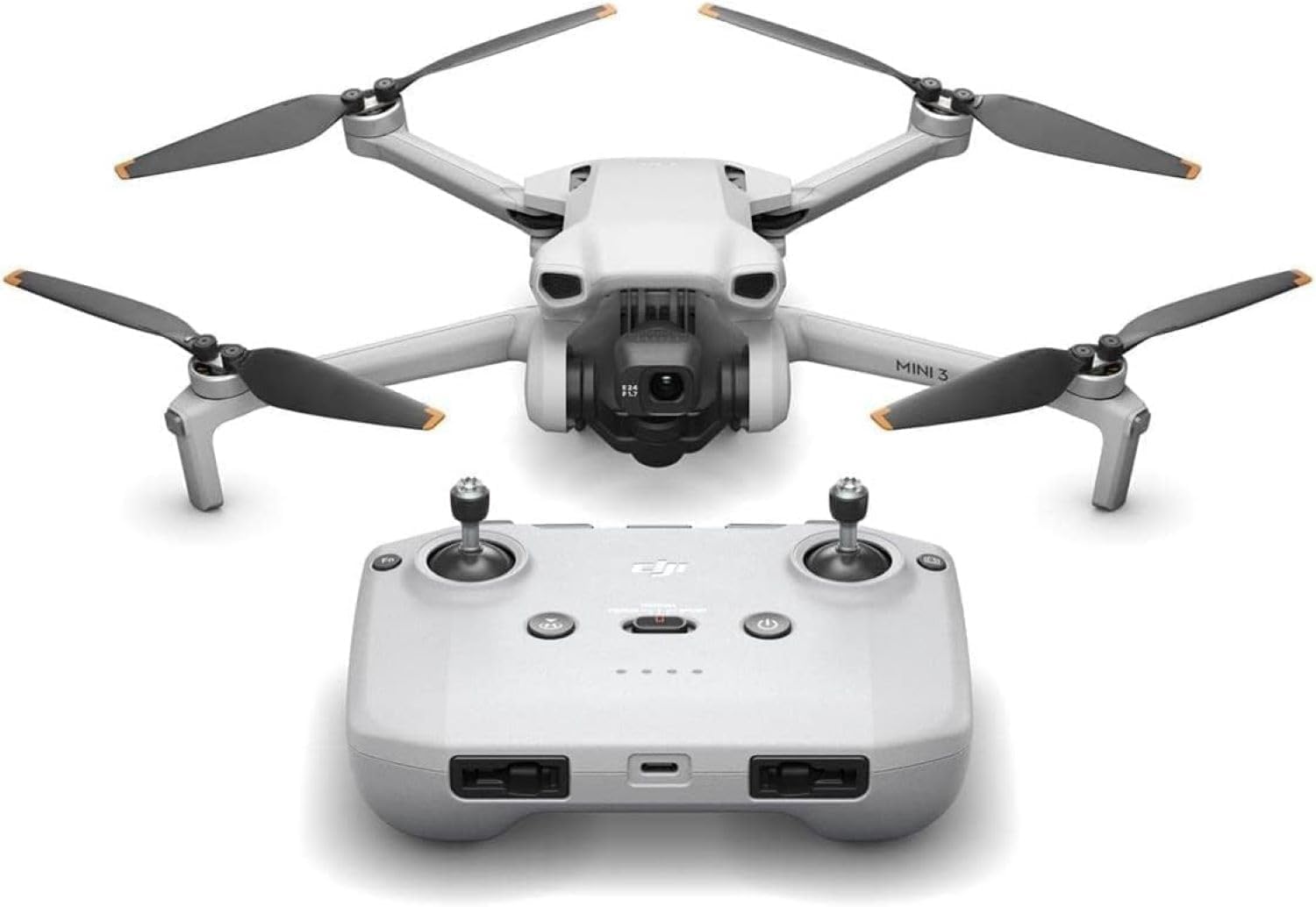
DJI Mini 3
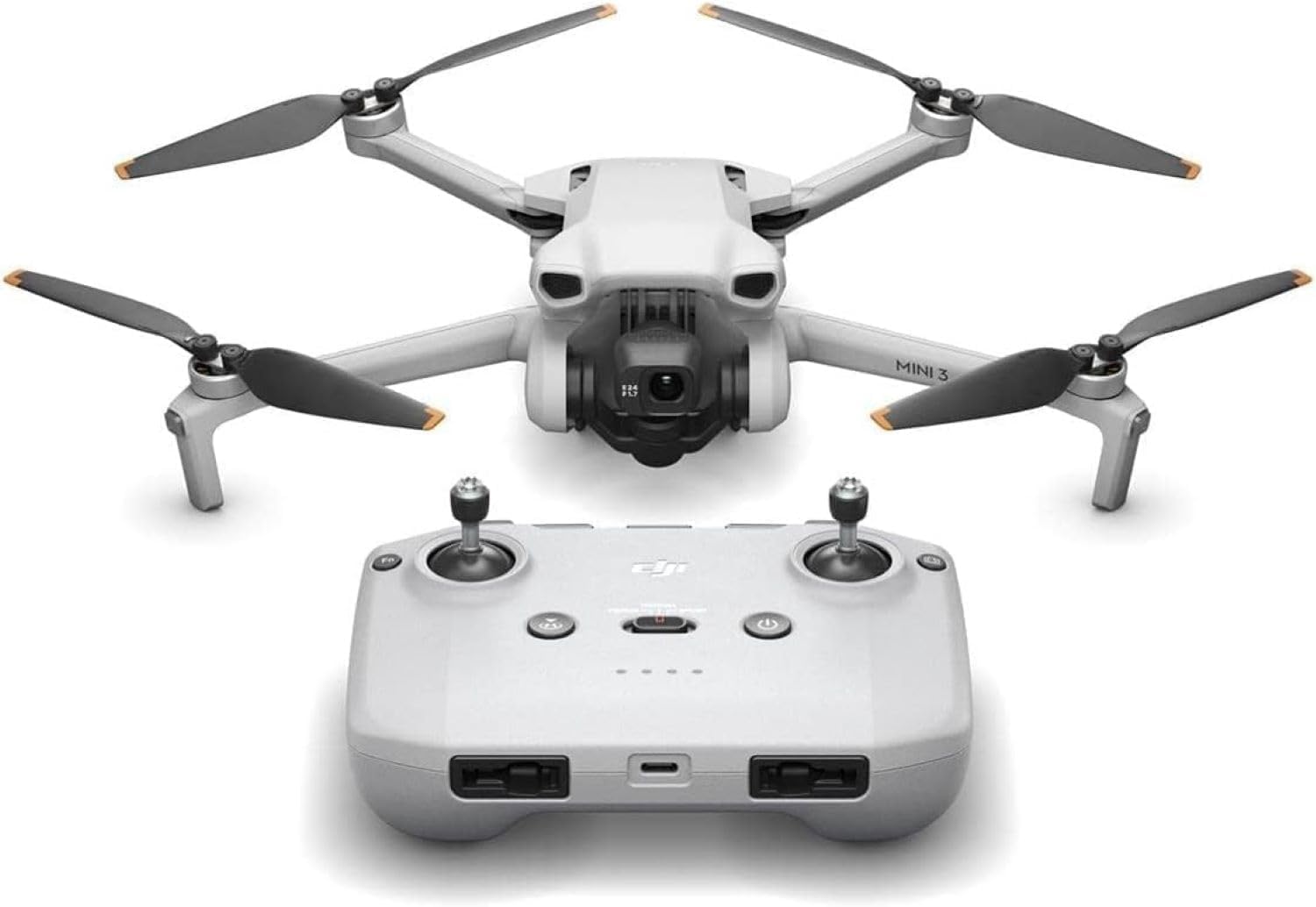
DJI Mini 3, 3-Axis Mechanical Gimbal Mini Camera Drone | 4K HDR Video, 38-Min Flight Time, up to 32800ft (10km) Video Transmission, True Vertical Shooting, GPS Auto Return
Check Price on AmazonDJI Mini 3 Fly More Combo
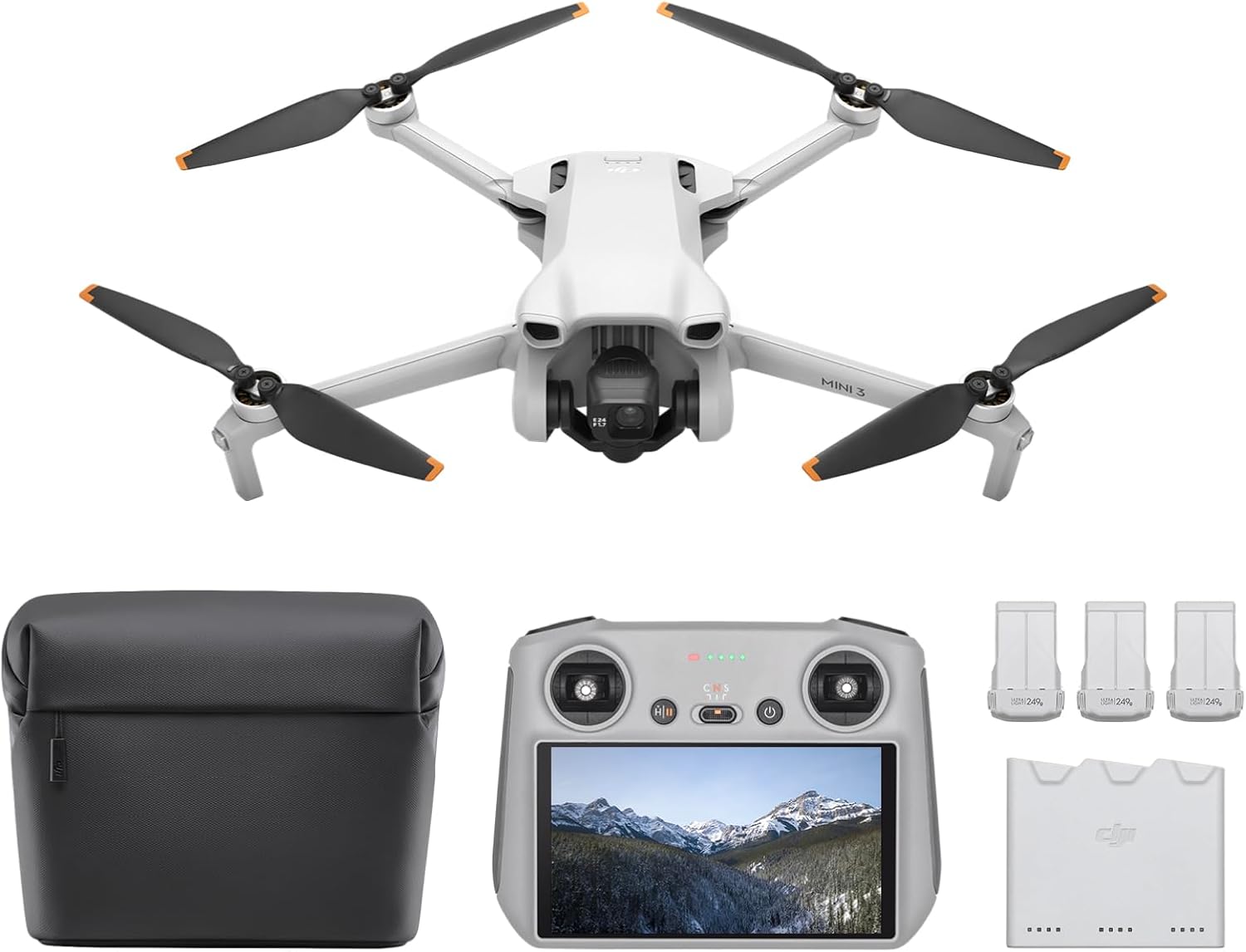
DJI Mini 3 Fly More Combo With DJI RC, 3 Batteries | Lightweight Camera Drone With 4K HDR Video, 114-Min Flight Time, Vertical Shooting, 32800ft (10km) Video Transmission
Check Price on AmazonDJI Mini 3 With DJI RC
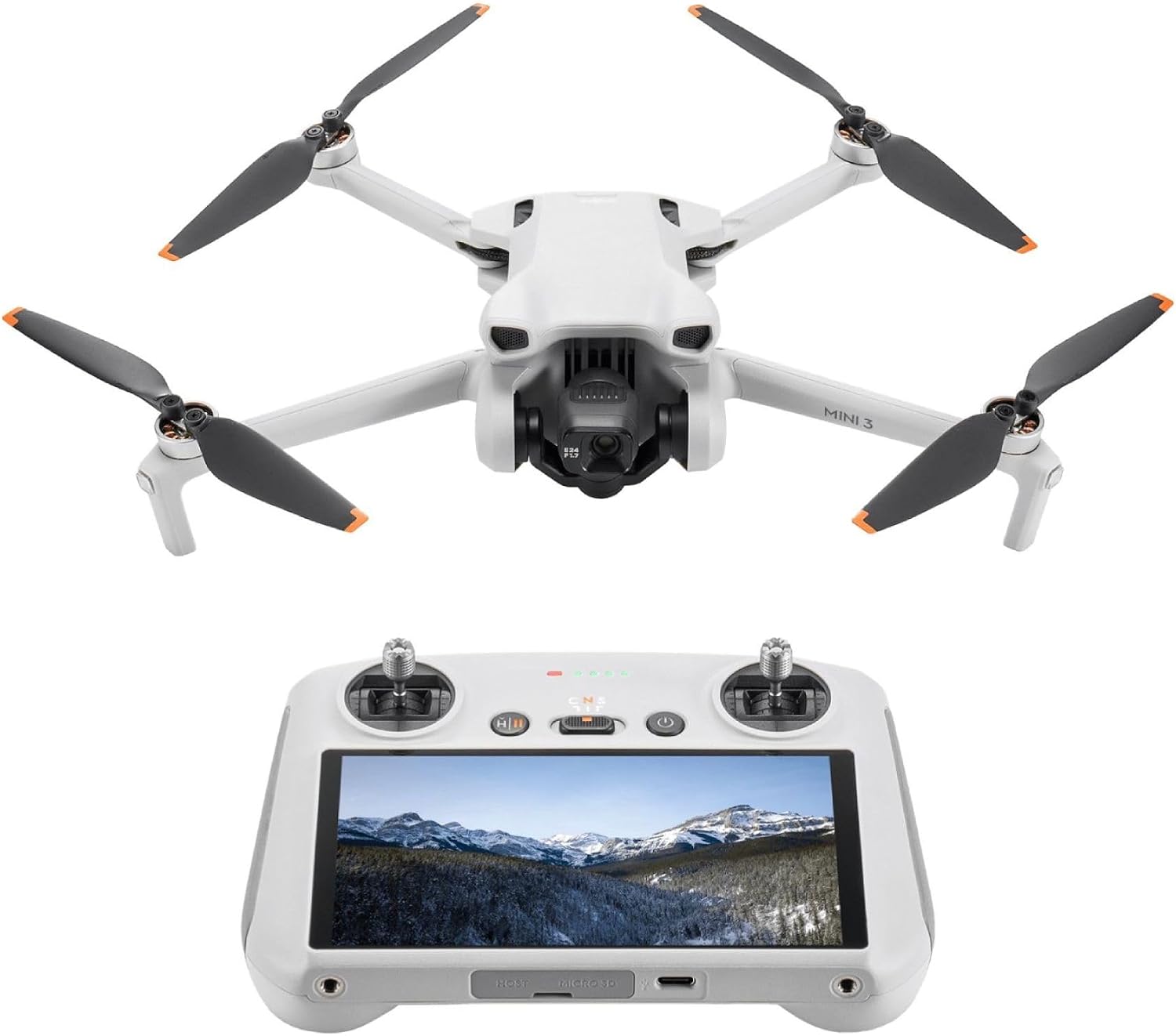
DJI Mini 3 With DJI RC, 3-Axis Mechanical Gimbal Mini Camera Drone | 4K HDR Video, 38-Min Flight Time, up to 32800ft (10km) Video Transmission, Vertical Shooting, GPS Auto Return
Check Price on AmazonCamera Quality and Footage
The 4K/30fps camera produces sharp, color-accurate footage in good daylight. The 3-axis gimbal eliminates most jello effects, though you’ll notice some rolling shutter artifacts during fast pans. Low-light performance is average — expect noticeable noise above ISO 800. For social media clips and casual edits, the quality is more than sufficient. Professional videographers will likely prefer a drone with a larger sensor.
Battery Life and Charging
In our mixed-flight test (combining hovering, slow cruising, and a few sport-mode bursts), we averaged 24 minutes per battery. That’s competitive with other sub-250g drones. The included charger takes about 90 minutes to fully charge a single battery. A three-battery bundle is available and strongly recommended for longer sessions.
Drone Nexus Reviews: Pros and Cons
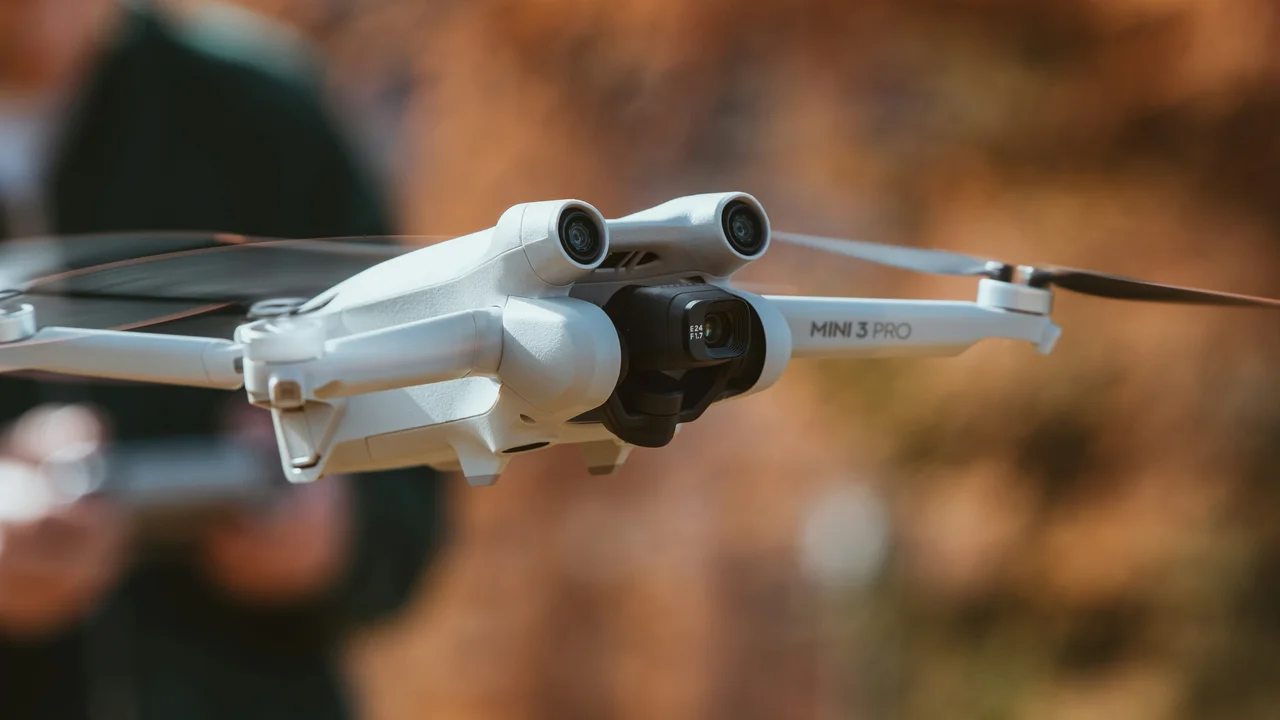
Here’s a clear breakdown of what the Drone Nexus does well and where it falls short.
Pros
- Under 250g weight avoids FAA registration for recreational pilots
- 3-axis gimbal delivers smooth 4K footage
- 28-minute flight time is above average for this weight class
- Smart controller with built-in screen reduces phone dependency
- Obstacle avoidance helps prevent collisions in open areas
Cons
- No side or rear obstacle sensors
- Low-light camera performance is mediocre
- Battery life drops significantly in strong wind
- Limited third-party accessory ecosystem compared to DJI
- Customer support response times can be slow
The lack of side sensors is the biggest safety gap. If you’re flying in tight spaces or near trees, you’ll need to be extra cautious. The No-Fly Zone Checker can help you identify safe flying locations before you go.
Carrying Hard Case for DJI Avata 360 Drone
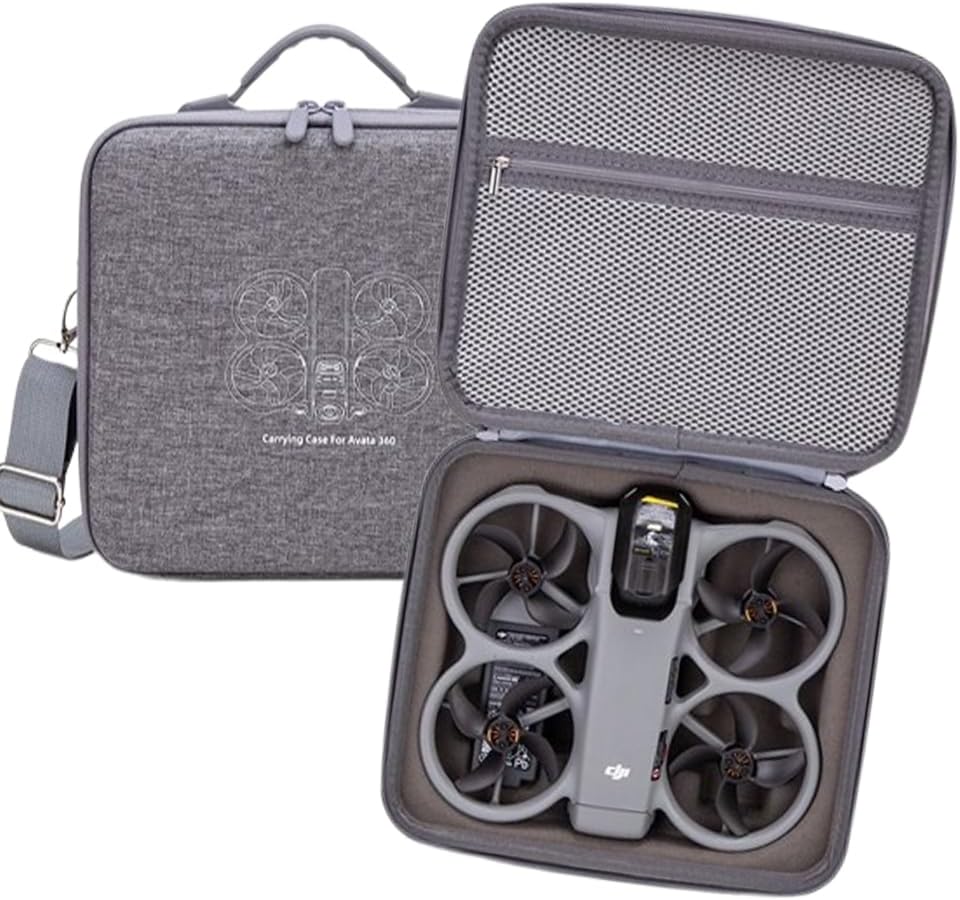
Carrying Hard Case for DJI Avata 360 Drone - Portable Travel Bag for Goggles N3/RC Motion 3 Controller
Check Price on AmazonHard Case for Antigravity A1 Drone
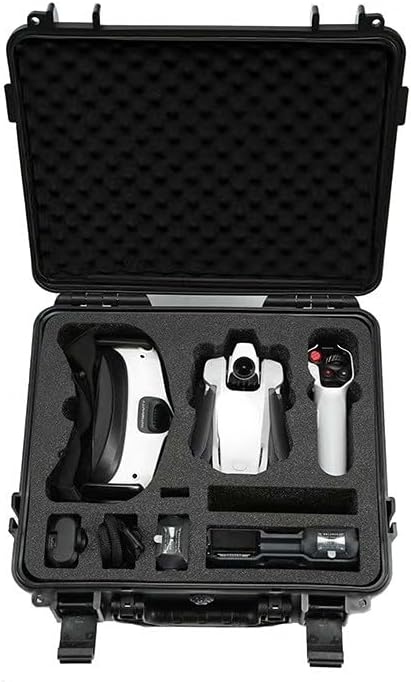
Hard Case for Antigravity A1 Drone, Waterproof Protective Carry Case, Anti-Fall Storage Bag Fit for Drone, Batteries, Goggles, Accessories & RC Gear [Only Protect Shell]
Check Price on AmazonWho Should Buy the Drone Nexus?
The Drone Nexus is best suited for three types of pilots: recreational flyers who want a lightweight drone for travel, content creators who need smooth 4K footage without a heavy investment, and beginners who want obstacle avoidance as a safety net. It is not ideal for professional cinematographers, FPV racers, or pilots who frequently fly in high wind or low light.
If you’re on a tight budget and primarily want a selfie drone, the DJI Neo Review 2026: The Ultra-Affordable Selfie Drone Worth Buying? might be a better fit. The Neo is lighter and cheaper, but it lacks a gimbal and has shorter range.
Legal Considerations for US Pilots Flying the Drone Nexus
Because the Drone Nexus weighs exactly 249 grams, it sits just under the FAA’s 250-gram registration threshold. For recreational flying under the Exception for Recreational Flyers, you do not need to register the drone with the FAA. However, you must still follow all other FAA rules: fly below 400 feet, keep the drone in visual line of sight, avoid airports and manned aircraft, and do not fly over people or moving vehicles.
State and local laws can add additional restrictions. For example, the City Of Church Hill Drone Laws 2026: Complete Guide for Drone Pilots shows how municipal ordinances can ban drone takeoffs from parks or require permits. Always check local rules before your first flight. The Weight Checker Tool can confirm your specific drone’s weight class.
Drone Nexus vs. Competitors: How It Stacks Up
To help you decide, here’s how the Drone Nexus compares to three popular alternatives.
| Feature | Drone Nexus | DJI Neo | DJI Avata 2 |
|---|---|---|---|
| Weight | 249g | 135g | 377g |
| Camera | 4K/30fps, 3-axis gimbal | 1080p/30fps, no gimbal | 4K/60fps, 1-axis gimbal |
| Flight Time | 28 min | 18 min | 27 min |
| Obstacle Avoidance | Forward + downward | None | Forward + backward + downward |
| Best For | Travel, casual content | Selfies, indoor flying | FPV flying, cinematic shots |
| Price (approx.) | $449 | $299 | $999 |
The Drone Nexus sits in a sweet spot between the ultra-budget DJI Neo and the premium DJI Avata 2. If you want a gimbal-stabilized camera and decent flight time without spending $1,000, the Nexus is a compelling option. For FPV enthusiasts, the DJI Avata 2 Review 2026: Best FPV Drone for Beginners? offers a far more immersive experience. If you just need a simple camera drone for occasional use, the Drone With Camera Reviews — Complete Review & Buying Guide 2026 covers more budget-friendly choices.
Final Thoughts: Is the Drone Nexus Worth It in 2026?
The Drone Nexus delivers solid value for recreational pilots and entry-level content creators. Its 249-gram weight, 3-axis gimbal, and 28-minute flight time are strong selling points at the $449 price point. The main trade-offs are the lack of side obstacle sensors and mediocre low-light performance. If those are deal-breakers, you’ll need to spend significantly more on a drone like the DJI Avata 2 or a larger model with a 1-inch sensor.
For the majority of hobbyists who fly in good light and open spaces, the Drone Nexus is a reliable, portable, and legally convenient choice. Pair it with a multi-battery kit and a No-Fly Zone Checker check before each flight, and you’ll have a capable tool for capturing your adventures.
Frequently Asked Questions
Is the Drone Nexus worth buying in 2026?
Yes, the Drone Nexus is worth buying in 2026 if you are a recreational pilot or casual content creator who wants a lightweight drone with a stabilized 4K camera. Its 249-gram weight means you do not need FAA registration for recreational use, and the 28-minute flight time is competitive. However, if you need side obstacle avoidance or superior low-light performance, consider a higher-end model like the DJI Avata 2.
What are the key features of the Drone Nexus?
The key features of the Drone Nexus include a 249-gram weight class, a 4K/30fps camera with a 3-axis gimbal, 28 minutes of flight time, a 6.2-mile transmission range, and forward and downward obstacle avoidance. It also offers a smart controller with a built-in screen, which reduces the need to use your phone during flight. These specs make it a strong all-around performer for its price range.
How does the Drone Nexus compare to competitors?
Compared to the DJI Neo, the Drone Nexus offers a superior camera with a 3-axis gimbal and longer flight time, but it costs more and is heavier. Against the DJI Avata 2, the Nexus is much cheaper and lighter, but lacks the immersive FPV experience and comprehensive obstacle avoidance. The Nexus is best seen as a mid-range option that balances portability, camera quality, and price better than most alternatives in its class.
What laws apply to flying the Drone Nexus in the USA?
In the USA, the Drone Nexus at 249 grams is exempt from FAA registration when flown recreationally under the Exception for Recreational Flyers. You must still follow all other FAA rules: fly below 400 feet AGL, keep the drone in visual line of sight, avoid airports and manned aircraft, and do not fly over people or moving vehicles. If you fly commercially, you must register the drone, pass the Part 107 test, and comply with all commercial drone regulations. Always check state and local laws, as some cities like Church Hill have additional restrictions.
Do I need to register the Drone Nexus with the FAA?
If you fly the Drone Nexus for recreational purposes and it weighs 249g, you do not need to register it with the FAA. However, you must pass the TRUST test and carry proof when flying. If you add any accessories that push the weight over 250g, registration is required. For commercial use under Part 107, registration is always required regardless of weight.
Does the Drone Nexus require Remote ID?
No, when flown recreationally under the Exception for Limited Recreational Operations, sub-250g drones are exempt from Remote ID. If you fly commercially, you must equip a Remote ID module.
Can I fly the Drone Nexus over people?
No. The FAA prohibits flying any drone over people or moving vehicles unless you have a Part 107 waiver. Always maintain a safe distance from crowds.
How long does the Drone Nexus battery last?
The manufacturer claims 31 minutes of flight time. In real-world conditions with wind and camera use, expect around 25–28 minutes.
Is the Drone Nexus good for beginners?
Yes. The Drone Nexus includes beginner-friendly features like automatic takeoff and landing, obstacle avoidance, and a simple controller interface. Its lightweight design also makes it less intimidating to fly.
Can I fly the Drone Nexus near an airport?
No. FAA rules prohibit flying within 5 miles of an airport without prior authorization. Use the B4UFLY app or LAANC system to check airspace restrictions before every flight. The Drone Nexus has no built-in geofencing, so you must check manually.
What is the maximum altitude for the Drone Nexus?
The Drone Nexus is software-limited to 400 feet (120 meters) above ground level, which matches the FAA’s recreational altitude limit. Do not override this limit, as flying above 400 feet violates FAA regulations and can interfere with manned aircraft.
Does the Drone Nexus require the TRUST test?
Yes. Every recreational drone pilot in the US must pass the TRUST test, regardless of drone weight. The test is free, takes about 30 minutes, and is available online from FAA-approved providers. You must carry your TRUST certificate when flying.
How does the Drone Nexus compare to the DJI Neo?
The Drone Nexus and DJI Neo are both lightweight sub-250g drones. The DJI Neo offers slightly better camera stabilization and a longer flight time of 31 minutes. The Drone Nexus is typically $50–$100 cheaper and has a more intuitive controller for beginners. Choose the Neo if you prioritize camera quality; choose the Nexus if you want to save money.
Last updated: July 14, 2026
- Federal Aviation Administration (FAA) — Recreational Flyers & Part 107
- Manufacturer specifications for Drone Nexus, DJI Neo, and DJI Avata 2
- droneallowed.com tools and guides for drone law compliance
NANUK 935 Pro Photo Kit Camera Case
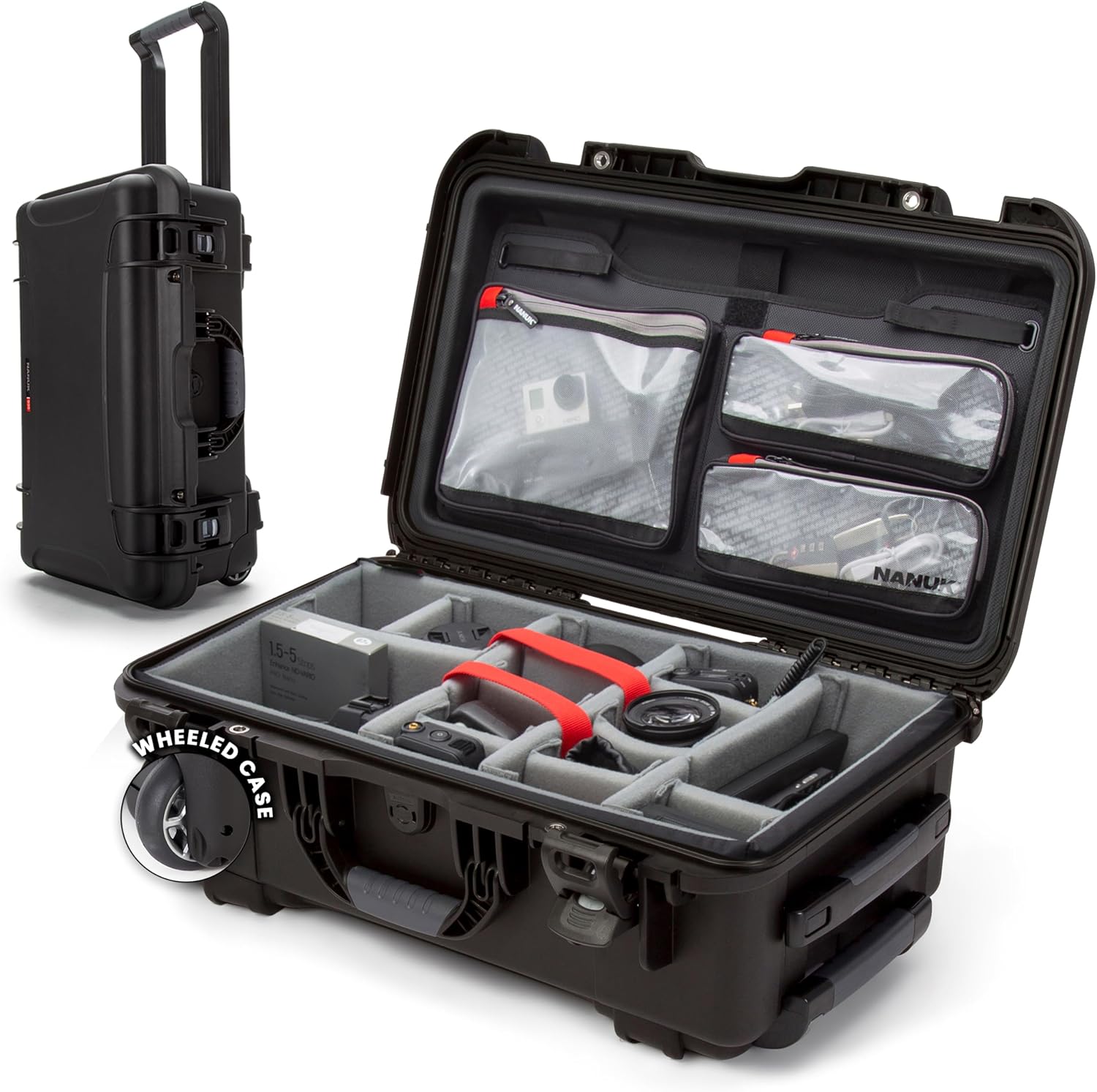
NANUK 935 Pro Photo Kit Camera Case, Waterproof Wheeled Hard Case, Carry-On, Black
Check Price on AmazonNANUK 925 DJI Mavic 4 Pro Creator Combo
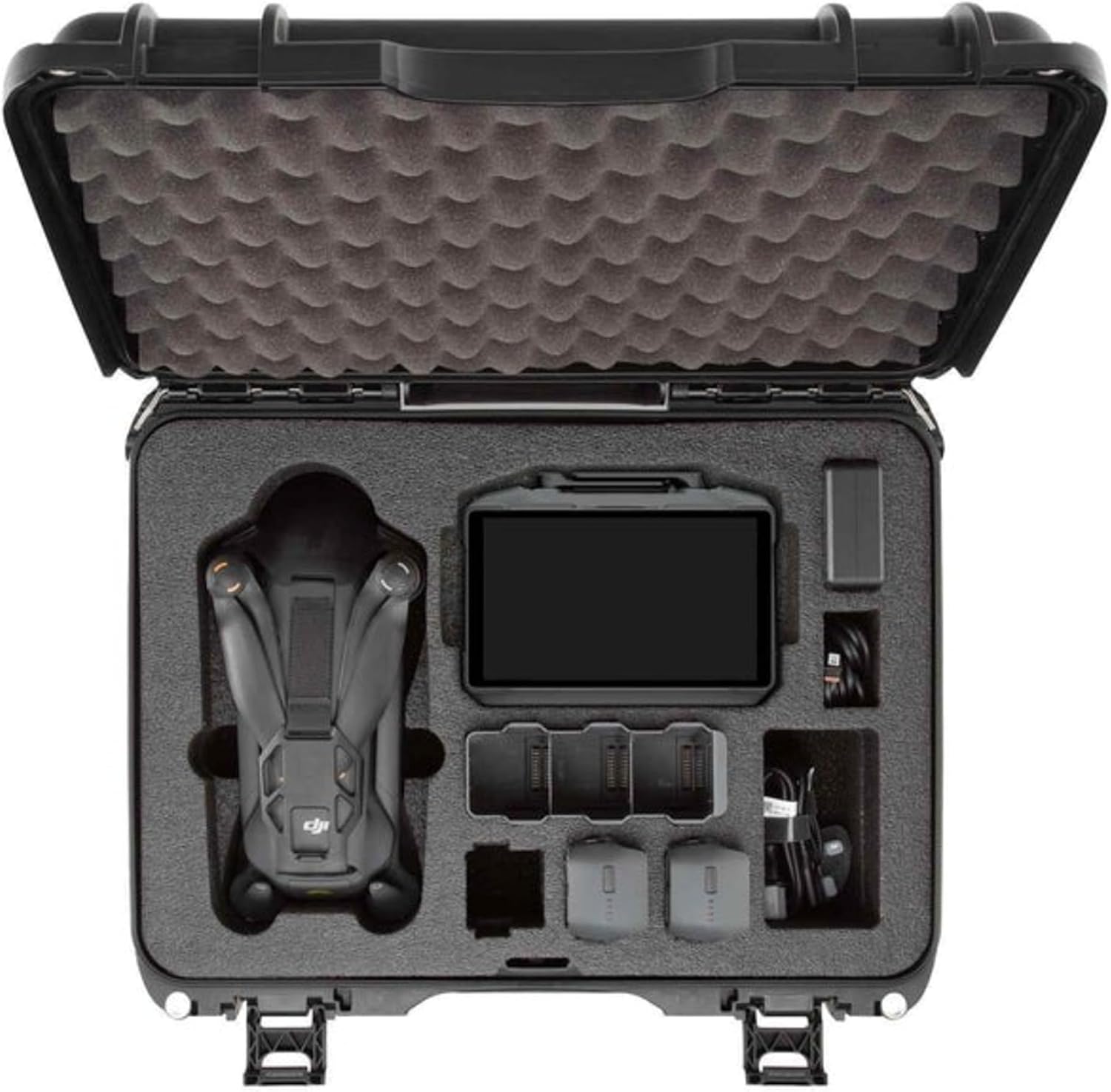
NANUK 925 DJI Mavic 4 Pro Creator Combo - Waterproof Hard Case with Drone Foam Insert, Crushproof, Portable Travel Case, Made in Canada (18.7” x 14.8”x 7”) - Black
Check Price on Amazon Drone Allowed
DroneAllowed editor covering drone regulations, aviation law, and aerial photography across USA, UK, Canada & Australia.