

Can You Fly a Drone in the Rain? (Weather Rules & Safety Guide 2026)
 11 min read
2,113 words
Can You Fly a Drone in the Rain? The Short Answer
No, you should not fly a drone in the rain. While the FAA does not have a specific regulation that says “thou shalt not fly a drone in precipitation,” flying in rain almost always violates the Visual Line of Sight (VLOS) rule, which is a core requirement for all drone operations in the United States. Rain reduces visibility, obscures your drone, and introduces water to sensitive electronics that are not designed to get wet. This guide explains the legal reality, the physical risks to your drone, and what you need to know about flying in wet weather in 2026.
LENTION 3.3FT Long Cable USB C Hub
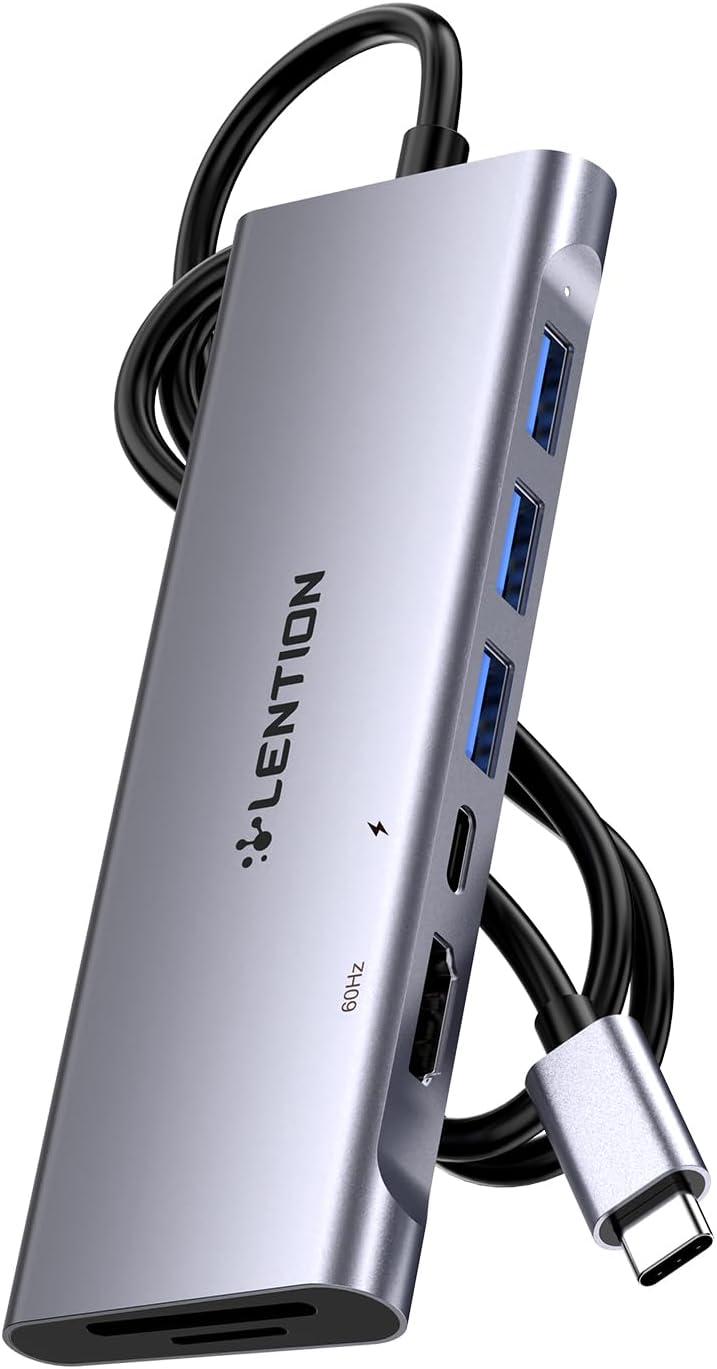
LENTION 3.3FT Long Cable USB C Hub, 4K HDMI, 100W PD, USB 3.0, Card Reader 3A & LED Indicator Stable Driver Adapter, for macOS, iOS/iPadOS, Windows & ChromeOS (C36p-1M, Space Gray)
Check Price on Amazon17-in-1 USB C Hub 65W Powered Adapter, 10Gbps, Dual PD 45W
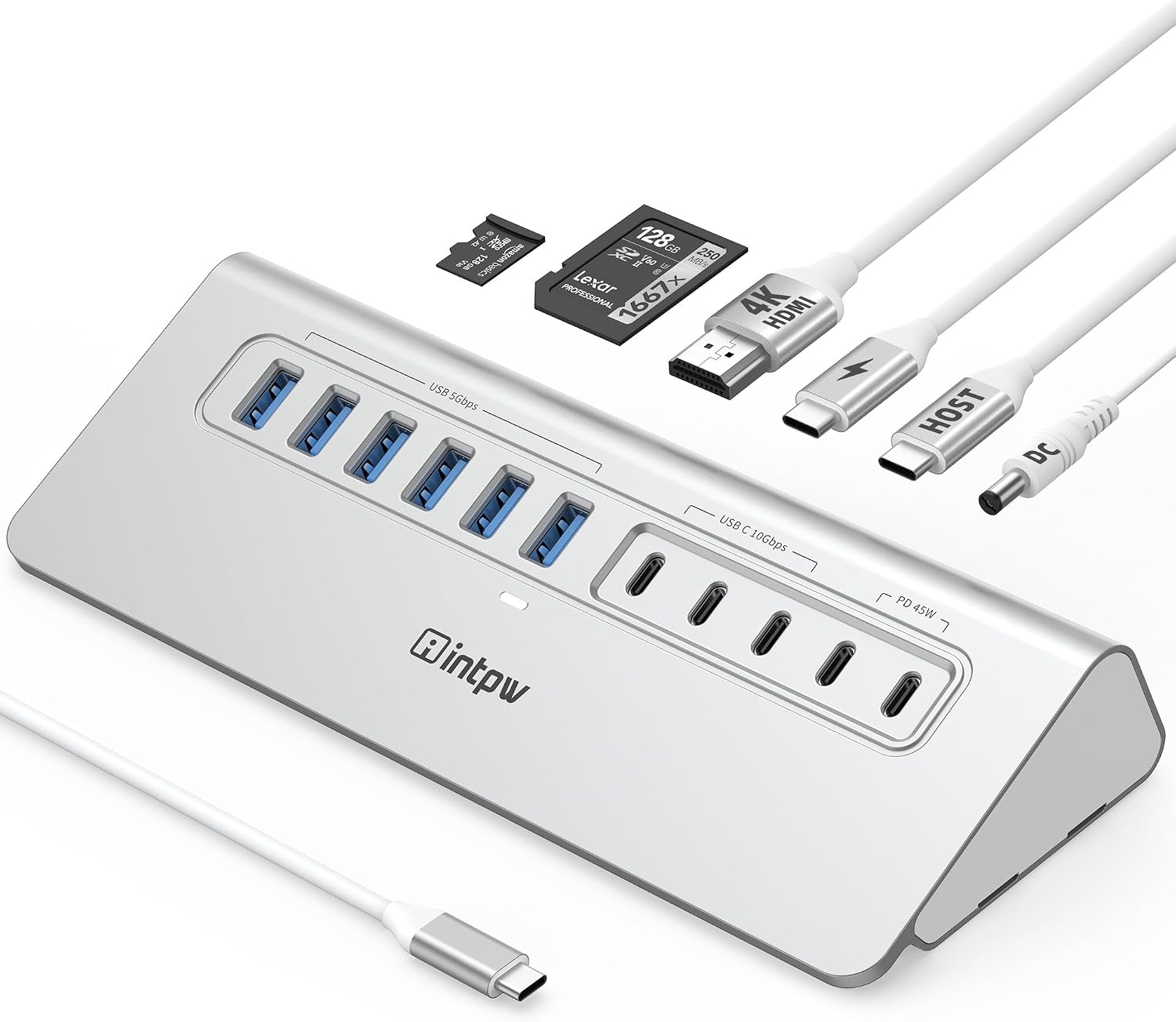
17-in-1 USB C Hub 4K@60Hz, 65W Powered Adapter, 10Gbps, Dual PD 45W PD 100W Charging, 3×USB-C 3.2+6×USB-A 3.0, SD/TF 105MB/s, 3.3ft Cable, Aluminum Desktop USB Hub for MacBook Pro/Air/Mac Mini
Check Price on AmazonLENTION USB-C Hub, HDMI, 100W PD, 2 USB-C, 2 USB 3.0, Card Reader
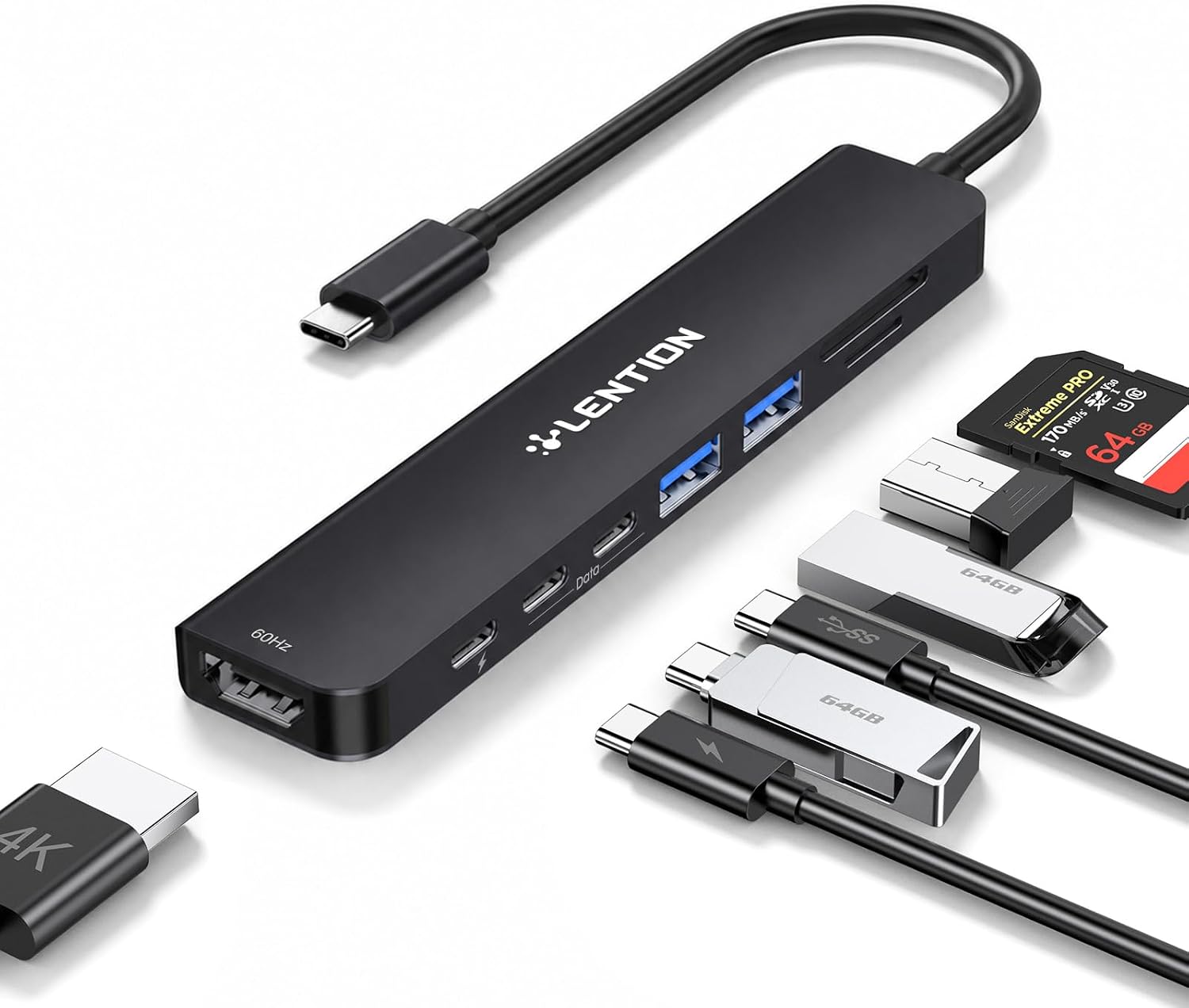
LENTION USB-C Hub, 4K@60Hz HDMI, 100W PD, 2 USB-C, 2 USB 3.0, Card Reader 2A & 2C Work Simultaneously, Stable Driver 3.0 Certified, for macOS, iOS/iPadOS, Windows & ChromeOS (CE19, Black)
Check Price on AmazonFAA Drone Rain Rules: Is There a Legal Ban?
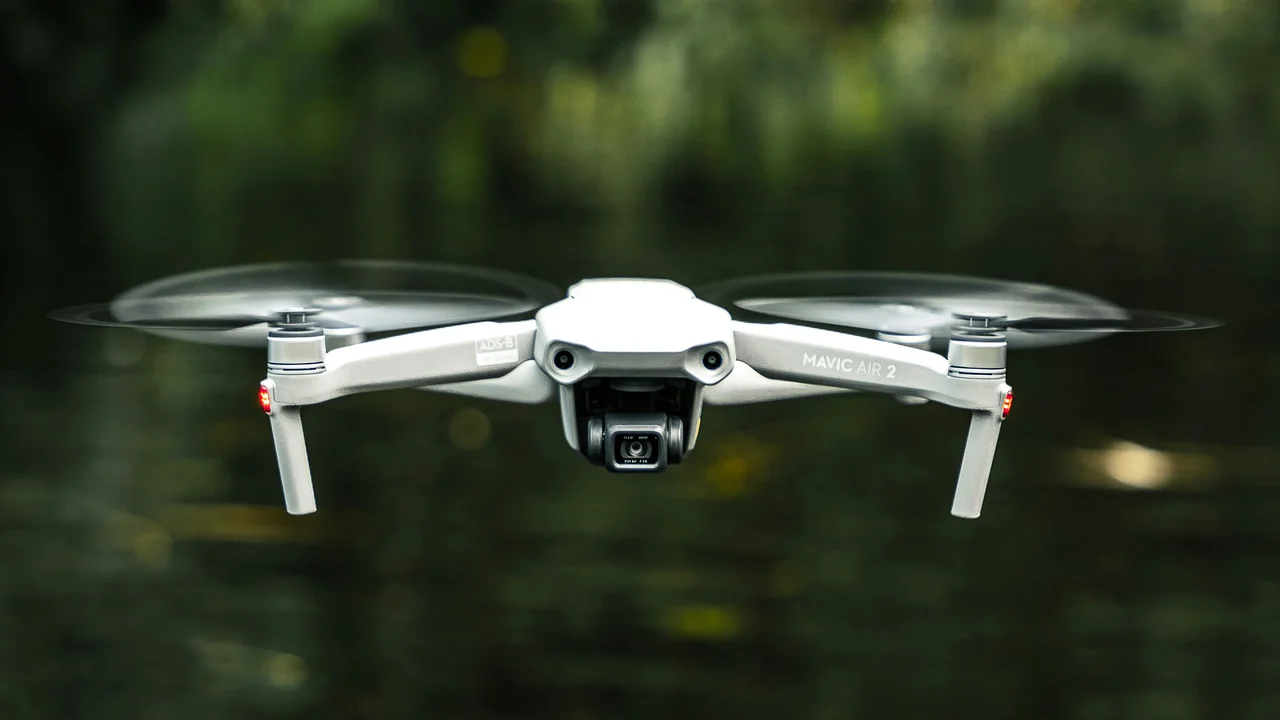
The FAA does not list “rain” as a prohibited weather condition in Part 107 or Section 44809 (the recreational exception). However, two critical rules effectively ban flying in rain: the Visual Line of Sight (VLOS) requirement and the requirement to operate in a manner that does not endanger people or property.
3 FT Power Strip
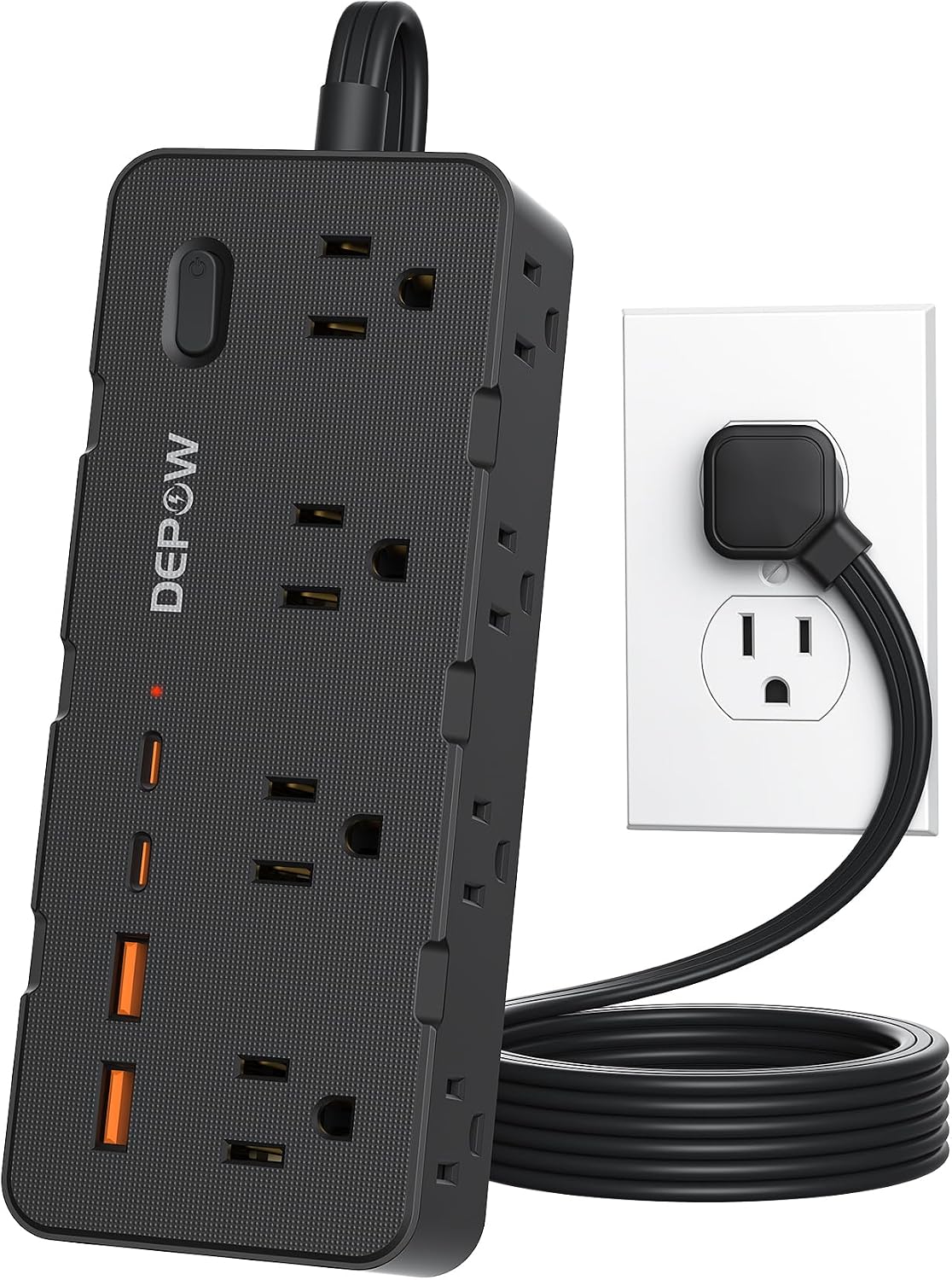
3 FT Power Strip, Extension Cord with 8 AC Outlets + 4 USB (2 USB-C), Black Flat Plug, Compact 3FT Flat Cord Keeps Desktop Neat. 1700J Surge Protection, 1625W, Great for Home Office, Dorm, Nightstand
Check Price on AmazonHICOBER USB C SD Card Reader
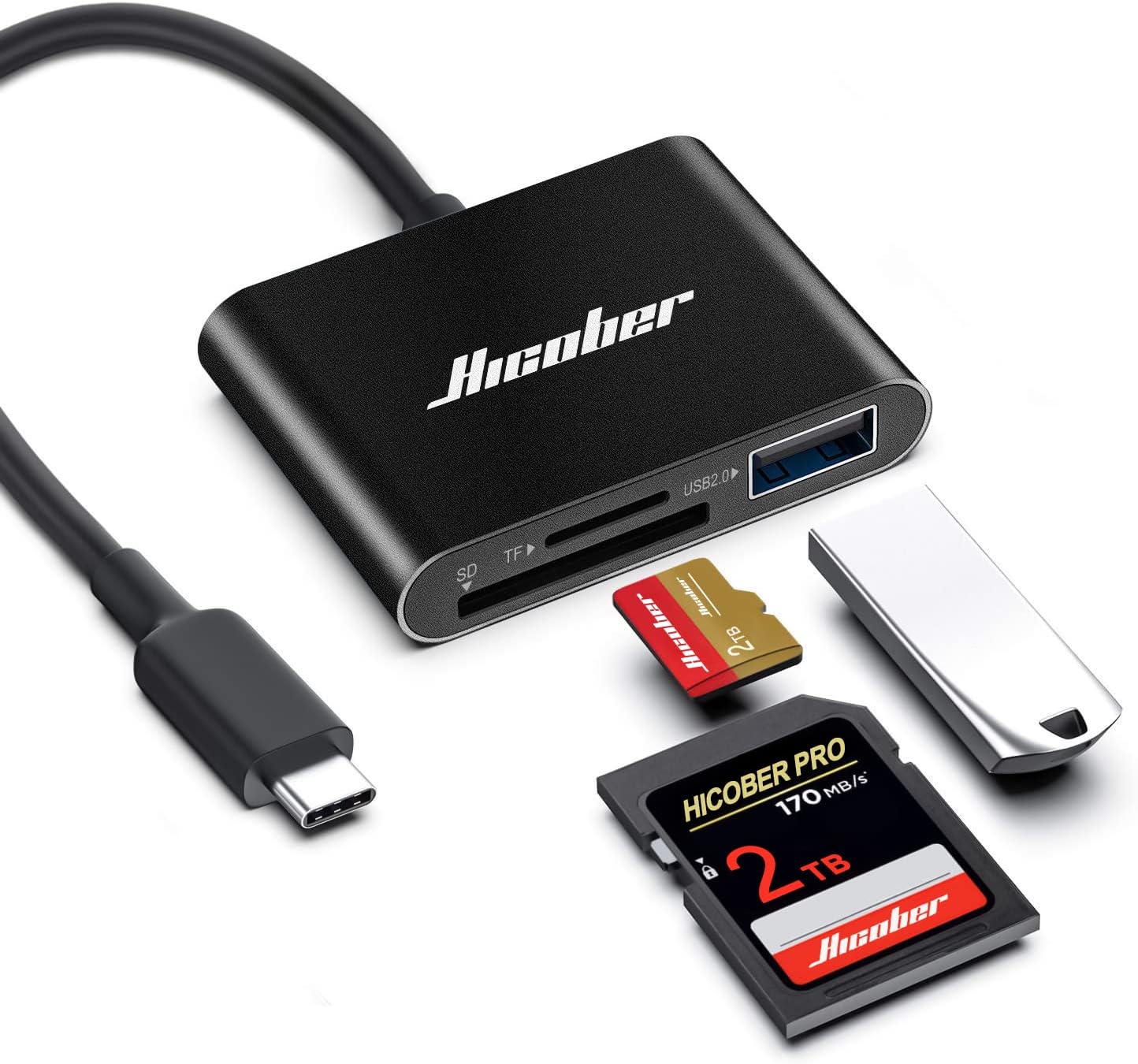
HICOBER USB C SD Card Reader, 3-in-1 for Laptop, Phone, Tablet, Black Durable aluminum body helps dissipate heat quickly for stable performance; reads SD, TF and USB drives up to 2TB via USB-C
Check Price on Amazon64GB Micro SD Card with SD Card Reader
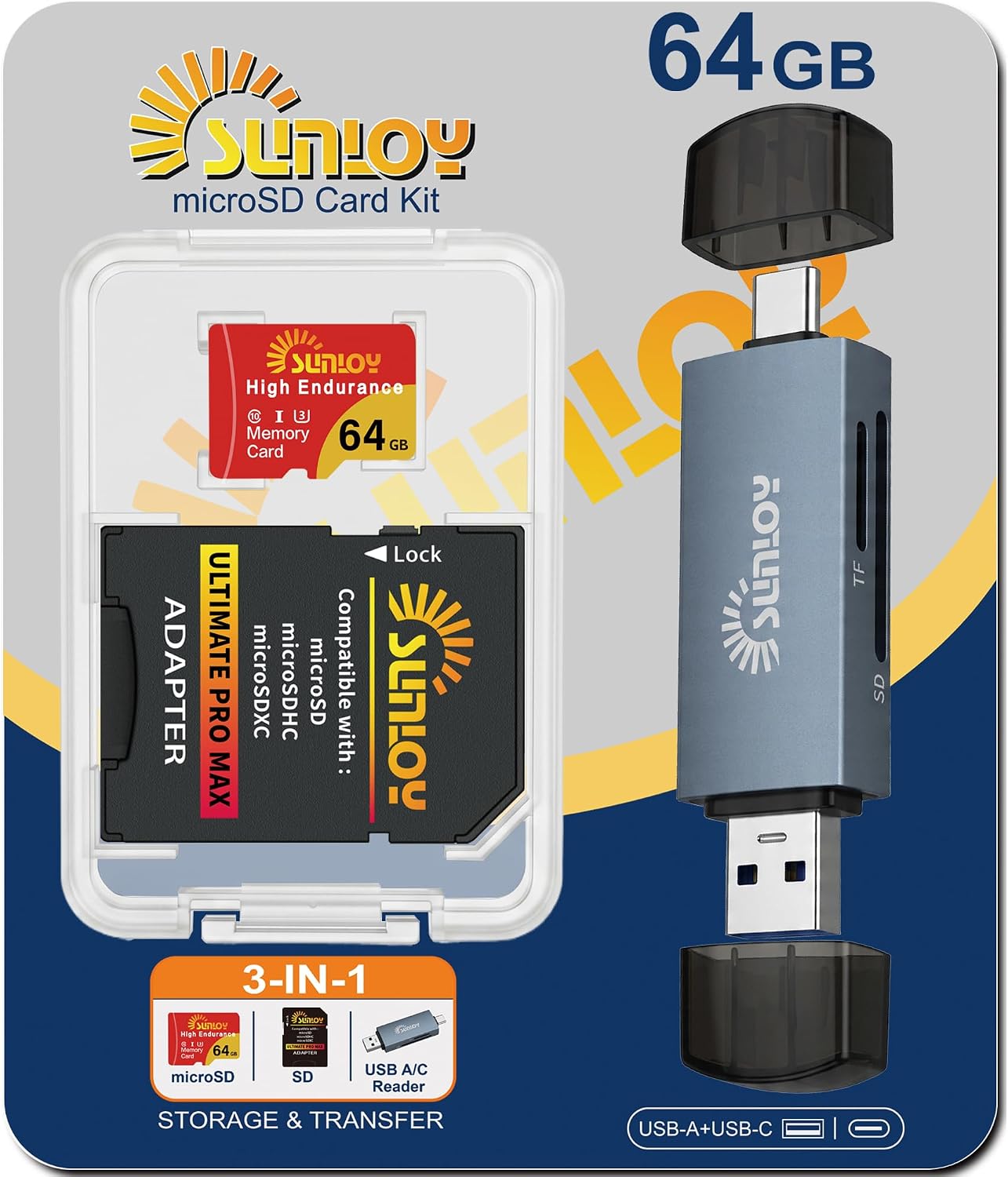
64GB Micro SD Card with SD Card Reader USB3.0 A/C Dual Slots & SD Adapter UHS-I, C10, U3, V30, A1, 4K UHD, USB 3.0 Memory Card Reader for iPhone 17/16/15, MacBook, iPad, Laptop, PC, Drone, Game Console
Check Price on AmazonVisual Line of Sight (VLOS) and Rain
FAA regulation §107.31 requires that the remote pilot in command (PIC) or a visual observer must be able to see the unmanned aircraft with unaided vision at all times. Rain, especially moderate to heavy rain, dramatically reduces visibility. If you cannot clearly see your drone to maintain orientation and avoid obstacles, you are breaking the law. This is the primary legal mechanism that makes flying in rain illegal for most pilots.
UK CAA, Australia CASA, and Transport Canada: Same Logic
The same principle applies in other major jurisdictions. The UK CAA mandates VLOS under Article 95 of the ANO 2016. Australia’s CASA requires VLOS under CASR 101.055. Transport Canada requires VLOS under CAR 901.11. In every case, rain that degrades visibility below the minimum required for safe VLOS makes the flight illegal. There is no specific “rain ban,” but the VLOS rule is the functional equivalent.
Is It Safe to Fly a Drone in the Rain?
Even if the legal grey area allowed it, flying a drone in the rain is rarely safe for your equipment. Consumer drones are not designed to handle water. The physical risks are significant and often irreversible.
Water Damage to Motors and ESCs
Most drone motors are “coreless” or “brushless” motors with exposed windings. Water entering the motor housing can cause short circuits, corrosion, and bearing failure. The Electronic Speed Controllers (ESCs) are also vulnerable. A single drop of water on a motor controller can cause an immediate loss of thrust.
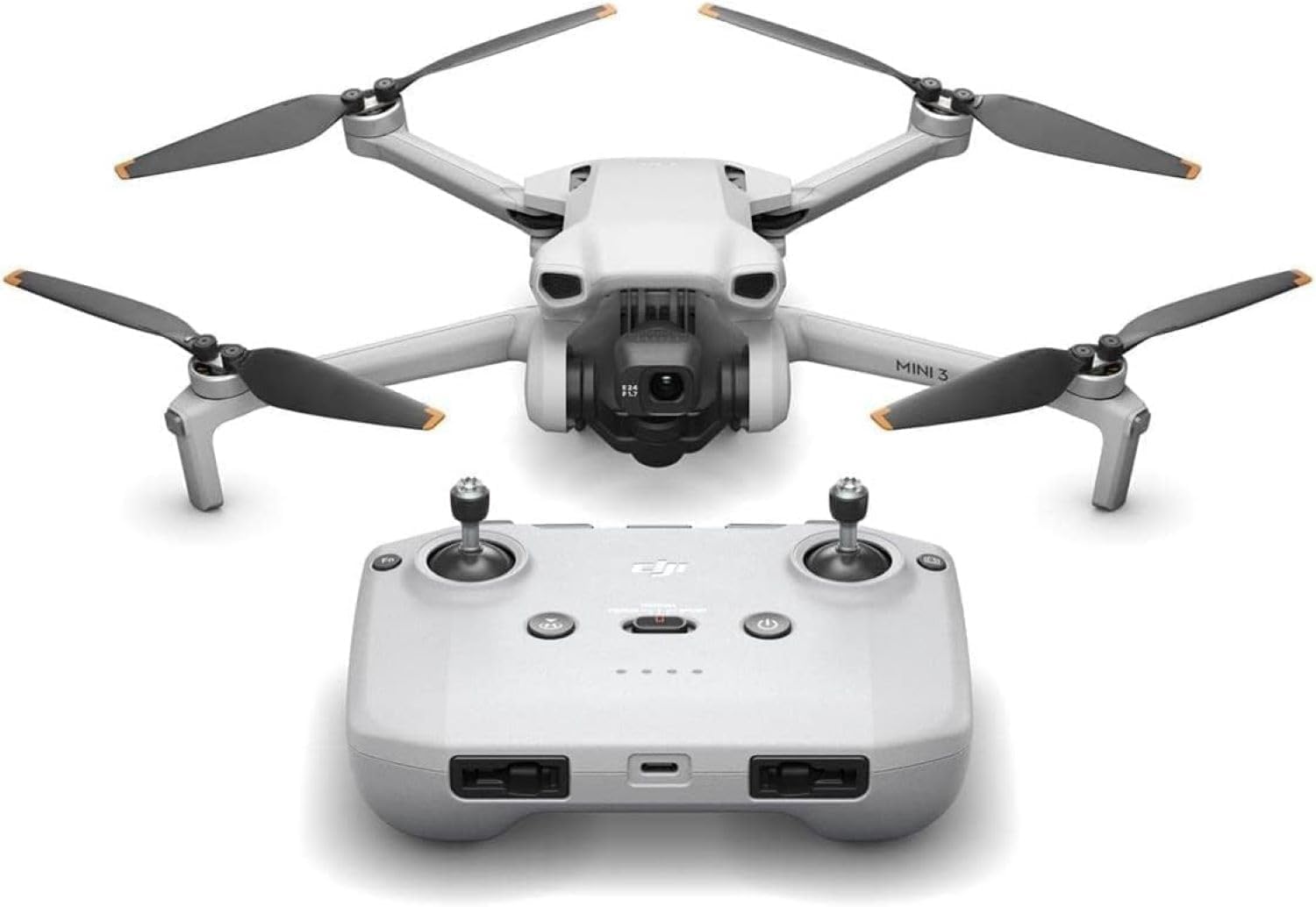
DJI Mini 3
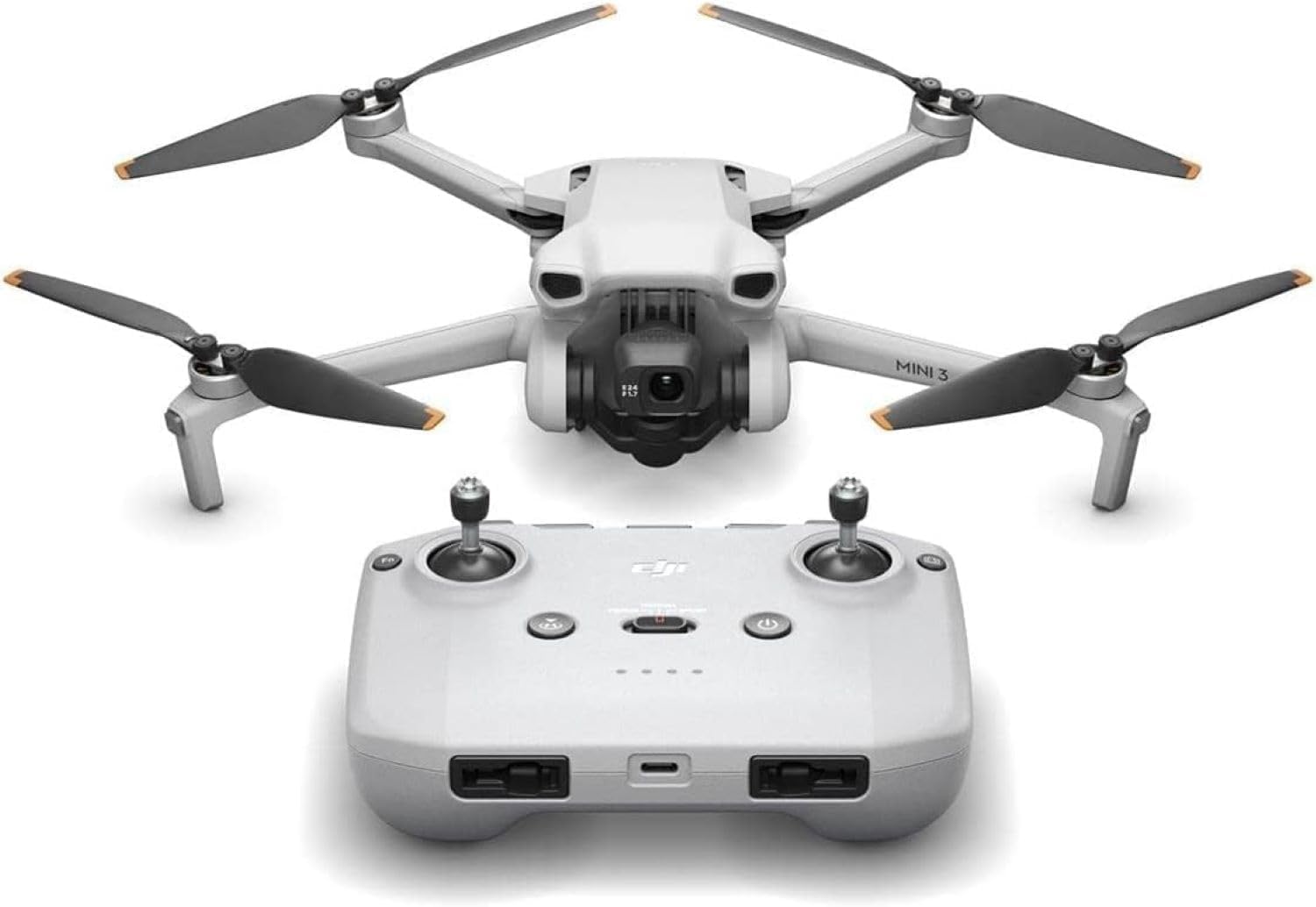
DJI Mini 3, 3-Axis Mechanical Gimbal Mini Camera Drone | 4K HDR Video, 38-Min Flight Time, up to 32800ft (10km) Video Transmission, True Vertical Shooting, GPS Auto Return
Check Price on AmazonDJI Mini 3 Fly More Combo
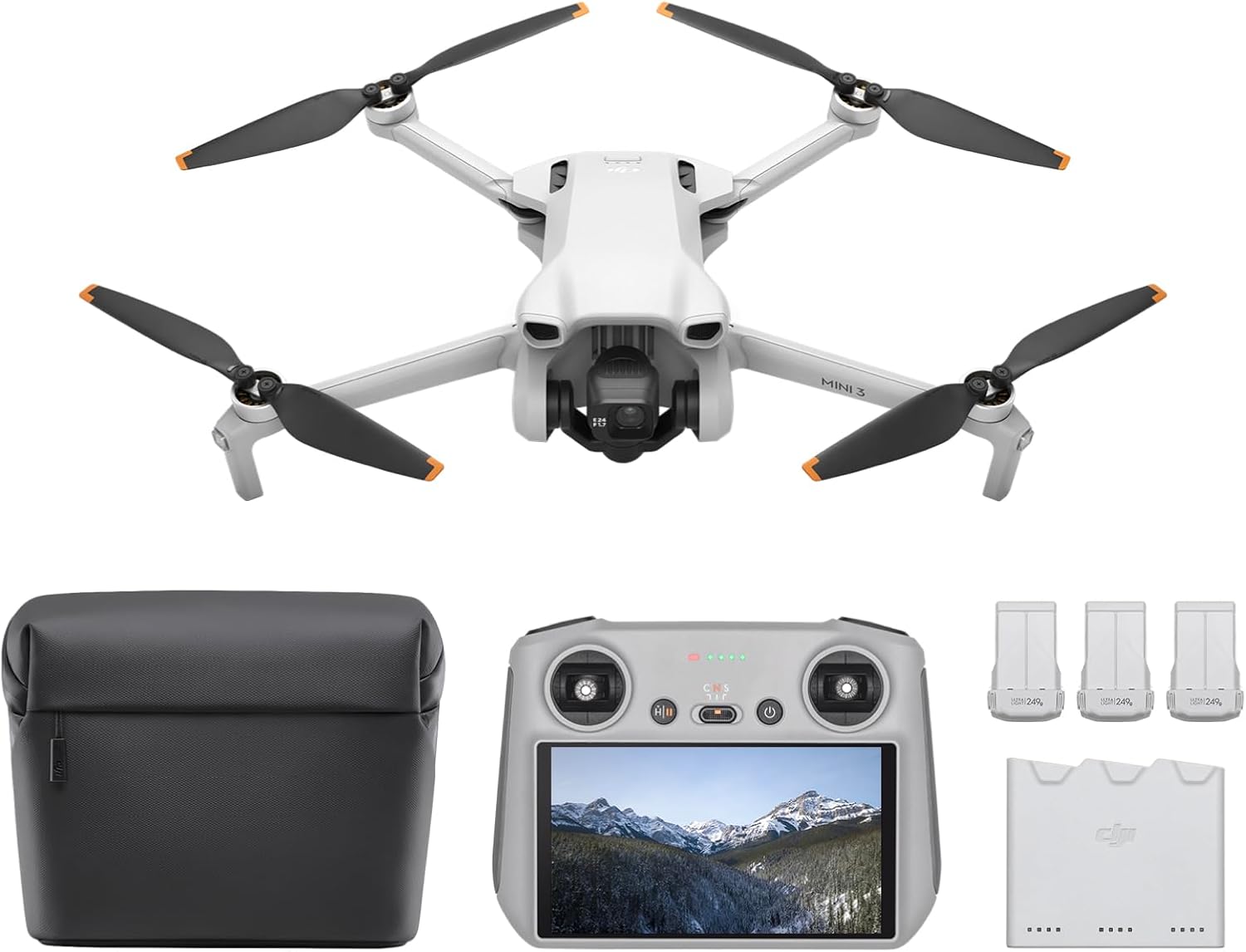
DJI Mini 3 Fly More Combo With DJI RC, 3 Batteries | Lightweight Camera Drone With 4K HDR Video, 114-Min Flight Time, Vertical Shooting, 32800ft (10km) Video Transmission
Check Price on AmazonDJI Mini 3 With DJI RC
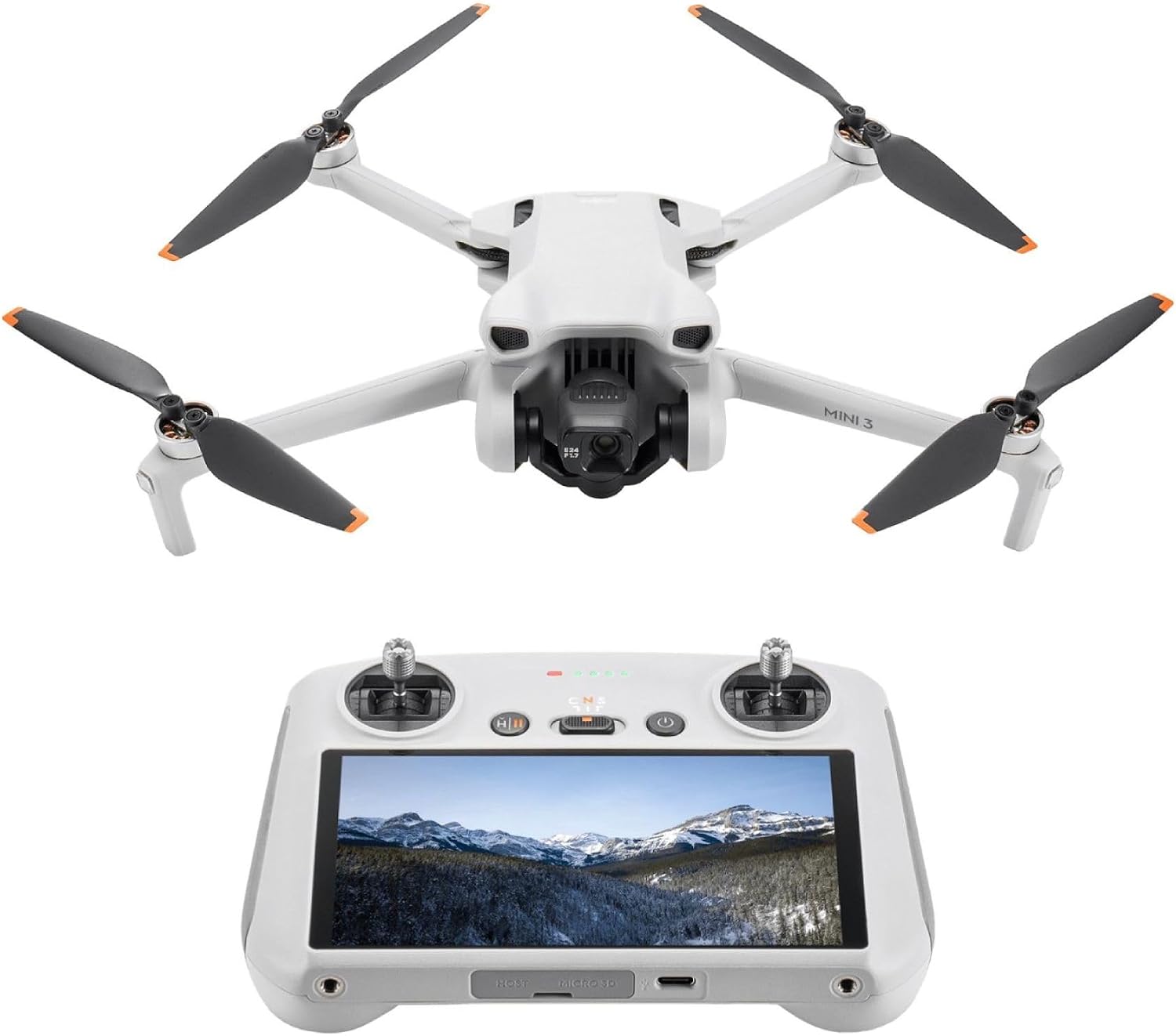
DJI Mini 3 With DJI RC, 3-Axis Mechanical Gimbal Mini Camera Drone | 4K HDR Video, 38-Min Flight Time, up to 32800ft (10km) Video Transmission, Vertical Shooting, GPS Auto Return
Check Price on AmazonBattery Connector Risk
The battery connector is the most vulnerable point on any drone. Water bridging the positive and negative terminals can cause a short circuit, leading to a sudden power loss mid-flight. This is an immediate crash risk. Always inspect battery connectors for moisture before and after any flight in damp conditions.
Camera and Gimbal Damage
The camera and gimbal assembly on drones like the DJI Mini 4 Pro or DJI Air 3 are not sealed. Water can seep into the gimbal motors, causing erratic movement or complete failure. The lens coating can also be damaged by water spots.
DJI Drone Rain Ratings: What the Specifications Say
DJI does not officially rate any of its consumer drones for water resistance. This means flying any DJI Mini, Air, or Mavic series drone in rain voids the warranty and carries significant risk.
| Drone Model | Official IP Rating | Rain Safe? | Warranty Coverage for Rain Damage |
|---|---|---|---|
| DJI Mini 4 Pro | None | No | Voided |
| DJI Mini 3 Pro | None | No | Voided |
| DJI Air 3 | None | No | Voided |
| DJI Mavic 3 Series | None | No | Voided |
| DJI Avata 2 | None | No | Voided |
| DJI Matrice 350 RTK | IP45 | Light rain only | Limited |
What About the DJI Neo?
The DJI Neo Review 2026 confirms the Neo also lacks any official IP rating. It is a lightweight drone designed for selfies and casual flying, not for weather resistance. Do not fly it in rain.
Carrying Hard Case for DJI Avata 360 Drone
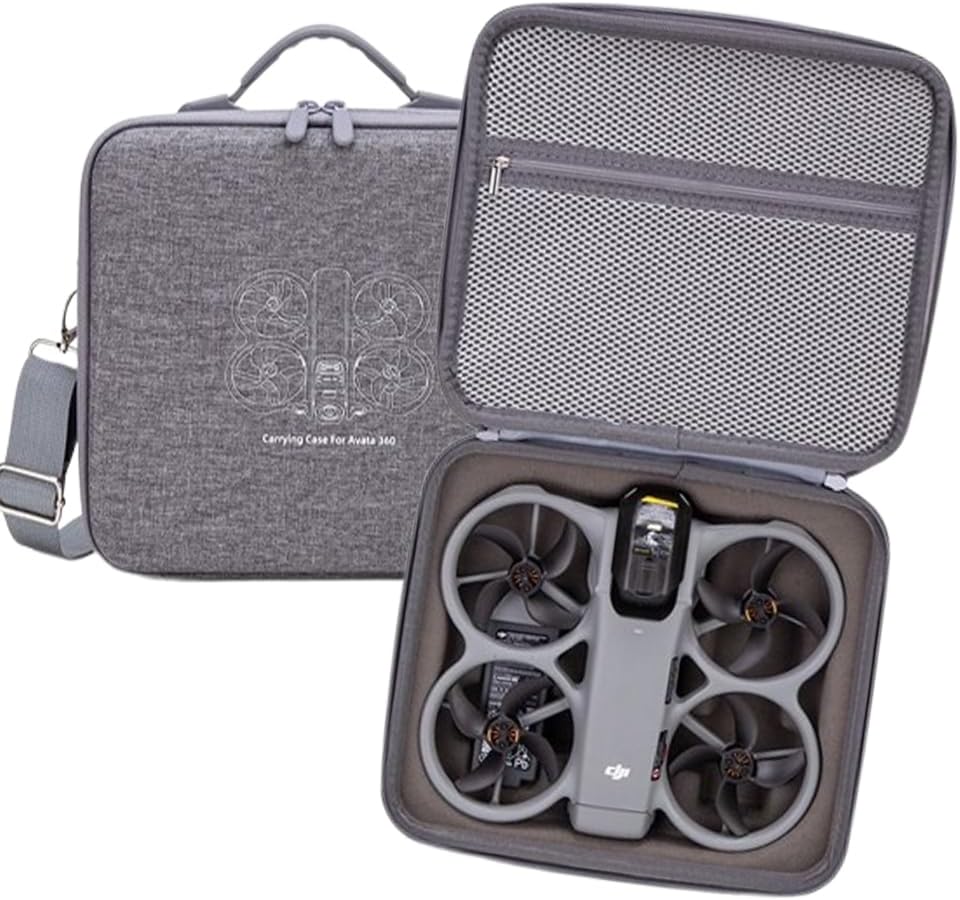
Carrying Hard Case for DJI Avata 360 Drone - Portable Travel Bag for Goggles N3/RC Motion 3 Controller
Check Price on AmazonHard Case for Antigravity A1 Drone
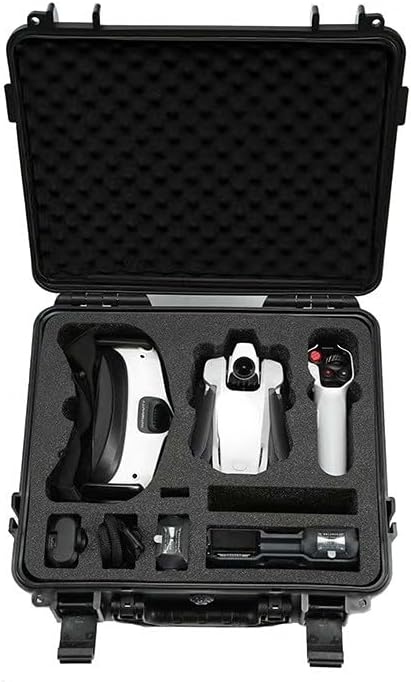
Hard Case for Antigravity A1 Drone, Waterproof Protective Carry Case, Anti-Fall Storage Bag Fit for Drone, Batteries, Goggles, Accessories & RC Gear [Only Protect Shell]
Check Price on AmazonWaterproof Drones: Are There Any Options?
If you absolutely need to fly in wet conditions, you need a drone with an official IP rating. These are typically industrial or specialized models, not consumer toys.
IP-Rated Drones for Rain
- DJI Matrice 350 RTK: IP45 rating — protected against water jets from any direction. Can handle light rain but not submersion.
- Parrot Anafi USA: IP53 rating — protected against dust and light rain. Designed for professional use.
- Swellpro Splash Drone 4: Designed for water landings. IP67 rating — can survive submersion up to 1 meter for 30 minutes.
- PowerVision PowerEgg X Wizard: IP67 rating with the waterproof accessory kit. Can land on water.
Flying in Light Drizzle vs Heavy Rain
The difference between light drizzle and heavy rain is significant for both legal compliance and equipment safety.
Light Drizzle
- VLOS may still be possible if visibility is good
- Risk of water on lens and gimbal
- Battery connector still vulnerable
- Warranty voided if damage occurs
- Not recommended, but some pilots attempt it
Heavy Rain
- VLOS almost certainly broken
- Immediate risk of motor and ESC failure
- High probability of crash
- Warranty voided
- Never fly in heavy rain
What to Do If Your Drone Gets Wet
If you accidentally fly into rain or your drone gets splashed, follow these steps immediately.
Bring the drone down as quickly and safely as possible. Do not try to fly back through more rain.
Disconnect the battery immediately to prevent short circuits. Dry the battery connectors with a lint-free cloth.
Use a microfiber cloth to dry all external surfaces. Open any accessible ports (USB, SD card slot) and dry with a cotton swab.
Place the drone and battery in a sealed container with silica gel packets or uncooked rice for 24-48 hours. This absorbs internal moisture.
After drying, inspect for corrosion. If you see any signs of water damage, do not fly. Contact DJI support or your local repair shop.
Warranty Implications of Rain Damage
DJI’s standard warranty explicitly excludes water damage. The same applies to Autel, Parrot, and almost all consumer drone manufacturers. If your drone is damaged by rain, you will pay for repairs out of pocket. DJI Care Refresh (the extended warranty) also does not cover water damage in most regions. Always read the fine print.
Post-Flight Drying Procedures
Even if you only fly in light drizzle, always perform a post-flight drying procedure. This extends the life of your drone and prevents long-term corrosion.
- Wipe down the entire drone with a dry microfiber cloth.
- Remove the propellers and dry the motor shafts.
- Open the battery compartment and dry the contacts.
- Store the drone in a dry, ventilated area with the battery removed.
- Check the gimbal for any moisture or condensation.
Summary: Can You Fly a Drone in the Rain?
The FAA does not explicitly ban flying in rain, but the VLOS rule effectively prohibits it in all but the lightest drizzle. Even then, the risk of water damage to your drone is high, and the warranty will not cover it. For consumer drones like the DJI Mini 4 Pro, DJI Air 3, and DJI Avata 2, the answer is clear: do not fly in the rain. If you need to operate in wet conditions, invest in a waterproof drone like the Swellpro Splash or DJI Matrice 350 RTK. For most pilots, the safest and most legal choice is to wait for clear skies.
Frequently Asked Questions
Can I fly a DJI Mini 4 Pro in the rain?
No, you should not fly a DJI Mini 4 Pro in the rain. The Mini 4 Pro has no official IP rating for water resistance. Flying it in rain violates the FAA’s Visual Line of Sight (VLOS) rule because rain reduces visibility. Additionally, any water damage voids the standard DJI warranty and DJI Care Refresh coverage.
Is it illegal to fly a drone in the rain?
There is no specific FAA regulation that says “flying in rain is illegal.” However, the Visual Line of Sight (VLOS) rule under §107.31 requires you to see your drone at all times. Rain that degrades visibility below this threshold makes the flight illegal. In practice, flying in moderate to heavy rain almost always violates VLOS. The same logic applies under UK CAA, Australia CASA, and Transport Canada regulations.
What drones can fly in rain?
Only drones with an official IP (Ingress Protection) rating can safely fly in rain. Examples include the DJI Matrice 350 RTK (IP45), Parrot Anafi USA (IP53), and the Swellpro Splash Drone 4 (IP67). Consumer drones like the DJI Mini 4 Pro, DJI Air 3, and DJI Mavic 3 series have no IP rating and are not designed for wet weather.
What happens if my drone gets wet?
If your drone gets wet, water can damage the motors, Electronic Speed Controllers (ESCs), battery connector, and camera gimbal. Immediate actions include landing safely, removing the battery, drying all external surfaces, and placing the drone in a sealed container with silica gel for 24-48 hours. Water damage typically voids the manufacturer’s warranty, leaving you responsible for repair costs.
Is flying a drone in light rain OK?
Flying in light drizzle is a grey area. If you can maintain clear visual line of sight (VLOS) and the rain is extremely light, some pilots attempt it. However, even light rain can create a film on your camera lens, making it hard to judge distance. The risk of water entering the battery connector or motors remains high, and the warranty will not cover any resulting damage. Most experts recommend avoiding all rain flights.
What is the IP rating for DJI drones?
Most consumer DJI drones, including the Mini 4 Pro, Mini 3 Pro, Air 3, Mavic 3 series, and Avata 2, have no official IP rating. The only DJI drone with a significant IP rating is the Matrice 350 RTK, which has an IP45 rating, meaning it is protected against dust and low-pressure water jets from any direction. No DJI consumer drone is rated for submersion or heavy rain.
Can I fly my DJI Mini 3 Pro in light rain?
No. The DJI Mini 3 Pro has no IP rating. Even light rain can damage the gimbal motor and battery contacts. Land immediately if rain starts during flight.
Is it legal to fly a drone in the rain under FAA Part 107?
There is no specific FAA rule against rain, but Part 107 requires you to operate safely and maintain visual line of sight. Rain reduces visibility, which can violate the VLOS requirement. You could also face enforcement if rain causes a crash.
What is the most waterproof consumer drone?
The SwellPro SplashDrone 4 is the most waterproof consumer drone with an IP67 rating. It can float on water and survive submersion up to 1 meter for 30 minutes. The DJI Agras T40 is also waterproof but is designed for agricultural spraying, not photography.
Does DJI Care Refresh cover water damage?
Yes, but only if the damage is reported as an accident. DJI may deny claims if flight logs show you flew in heavy rain. The replacement fee is typically 50–70% of the retail price.
Can I use a drone in snow?
Snow is safer than rain because frozen moisture does not conduct electricity as readily. However, snow can still block cooling vents and cause ice buildup on propellers. Keep flights short and dry the drone thoroughly afterward.
Last updated: July 14, 2026
- FAA Part 107 Regulations (14 CFR Part 107)
- FAA Advisory Circular 107-2
- UK CAA CAP 722 (Unmanned Aircraft System Operations in UK Airspace)
- Australia CASA Part 101 (Unmanned Aircraft and Rockets)
- Transport Canada CAR 901 (Remotely Piloted Aircraft Systems)
- DJI Official Specifications and Warranty Documents
NANUK 935 Pro Photo Kit Camera Case
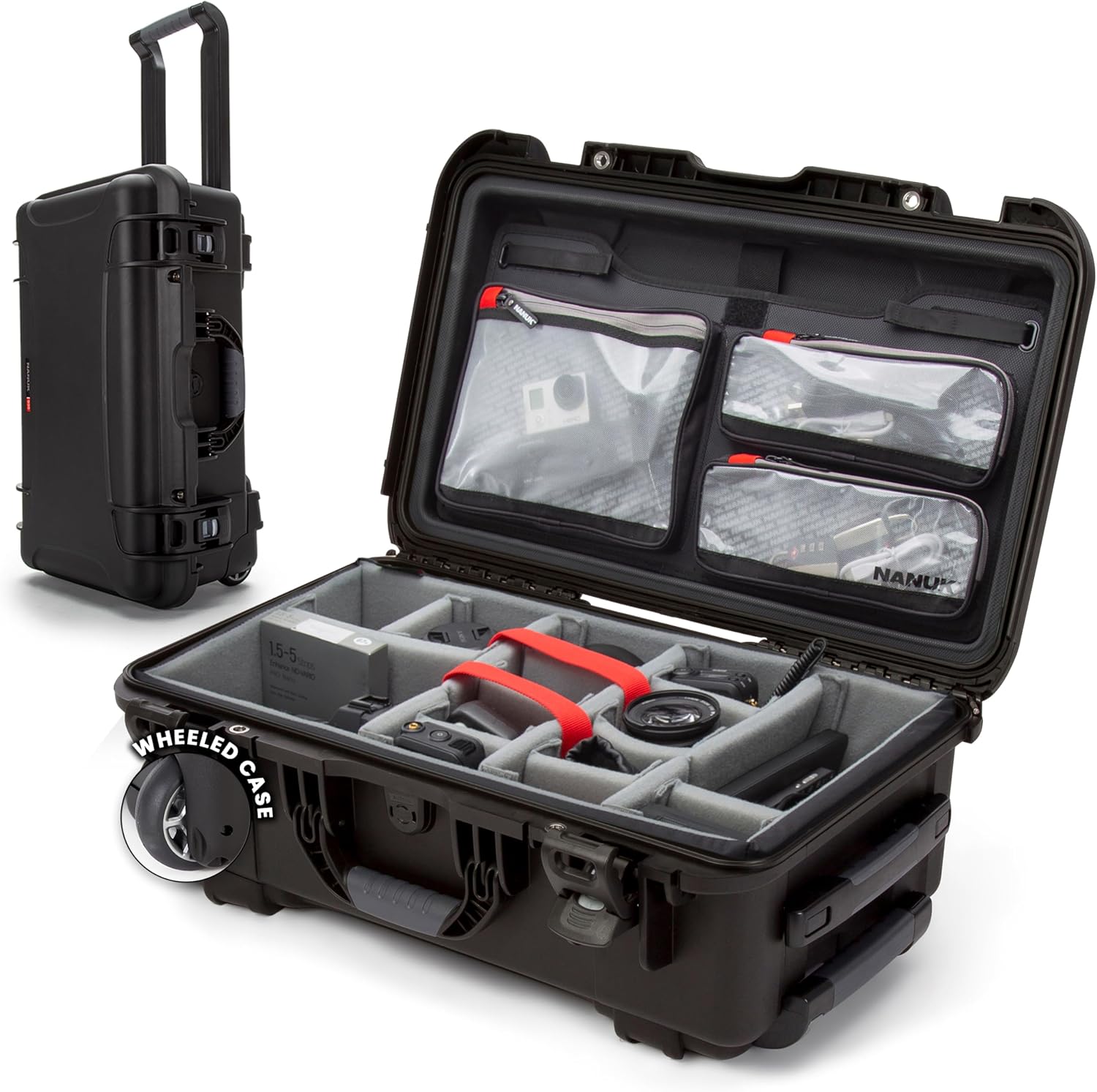
NANUK 935 Pro Photo Kit Camera Case, Waterproof Wheeled Hard Case, Carry-On, Black
Check Price on AmazonNANUK 925 DJI Mavic 4 Pro Creator Combo
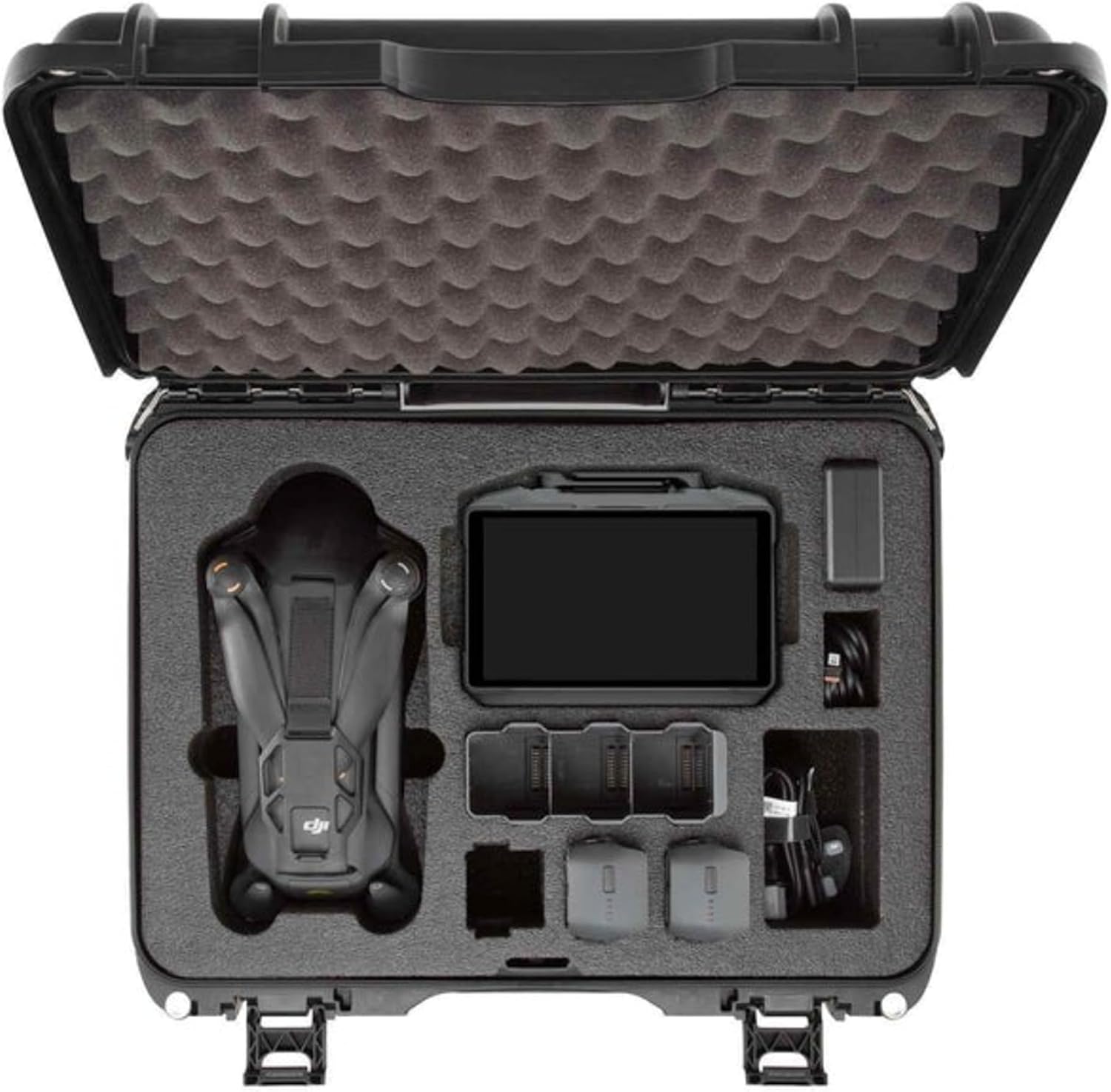
NANUK 925 DJI Mavic 4 Pro Creator Combo - Waterproof Hard Case with Drone Foam Insert, Crushproof, Portable Travel Case, Made in Canada (18.7” x 14.8”x 7”) - Black
Check Price on Amazon Drone Allowed
DroneAllowed editor covering drone regulations, aviation law, and aerial photography across USA, UK, Canada & Australia.