Dji Drones Review — Complete Review & Buying Guide 2026
 11 min read
2,055 words
DJI Drones Review: The Definitive Buying Guide for 2026
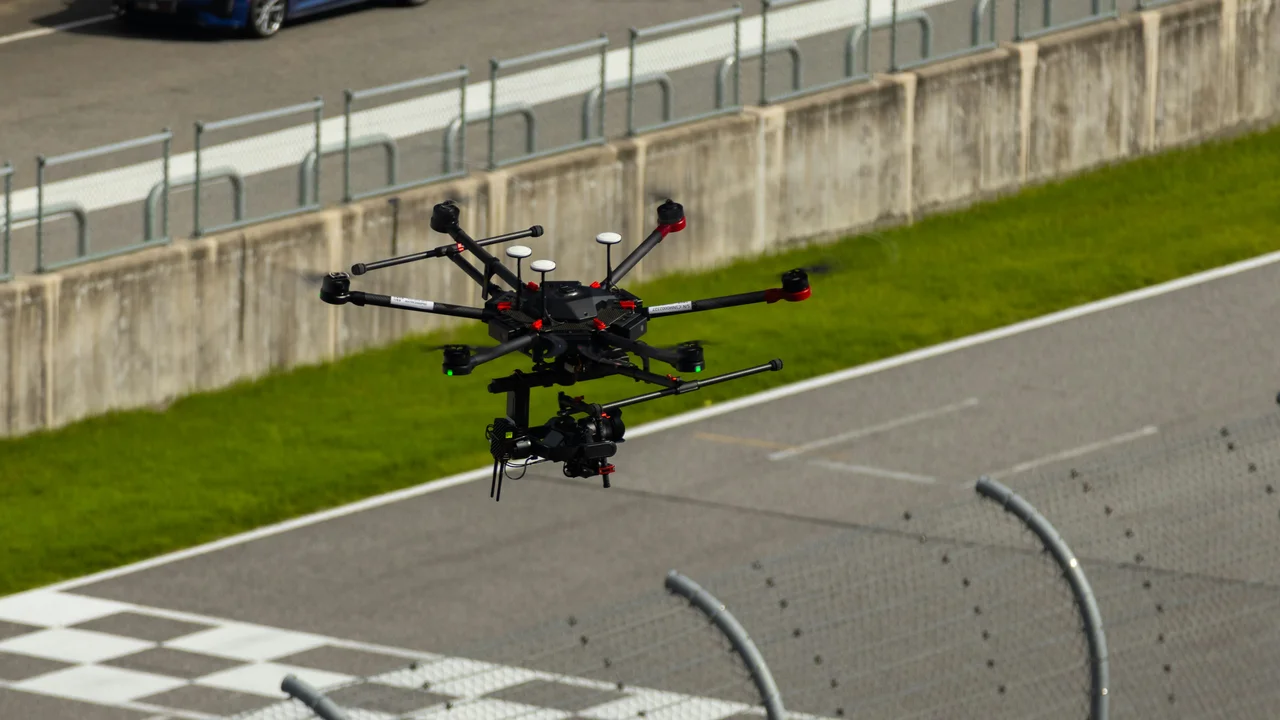
If you’re looking for a comprehensive dji drones review to decide which model fits your needs and budget in 2026, you’ve come to the right place. DJI remains the dominant force in consumer and prosumer drones, offering everything from the ultra-portable Mini 4 Pro to the cinema-grade Inspire 3. This guide breaks down the key specifications, real-world performance, legal requirements for US pilots, and direct comparisons to help you make a confident purchase.
LENTION 3.3FT Long Cable USB C Hub
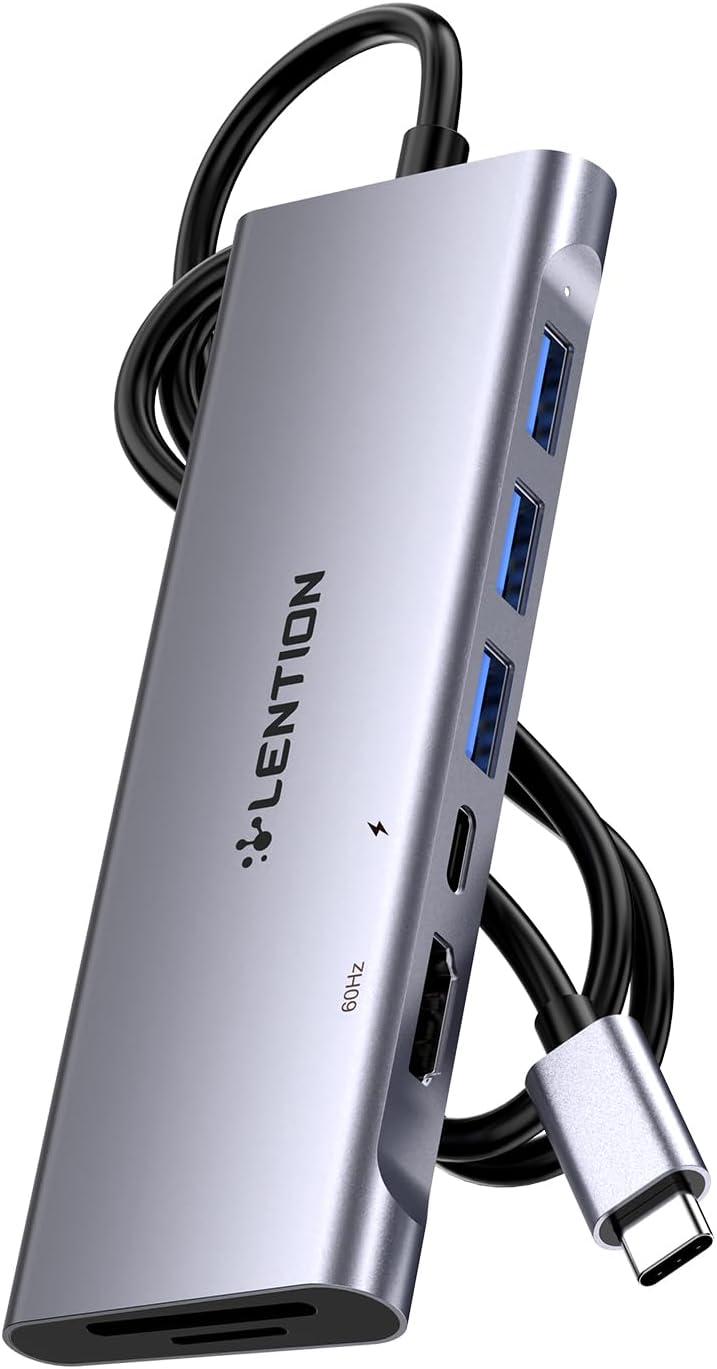
LENTION 3.3FT Long Cable USB C Hub, 4K HDMI, 100W PD, USB 3.0, Card Reader 3A & LED Indicator Stable Driver Adapter, for macOS, iOS/iPadOS, Windows & ChromeOS (C36p-1M, Space Gray)
Check Price on Amazon17-in-1 USB C Hub 65W Powered Adapter, 10Gbps, Dual PD 45W
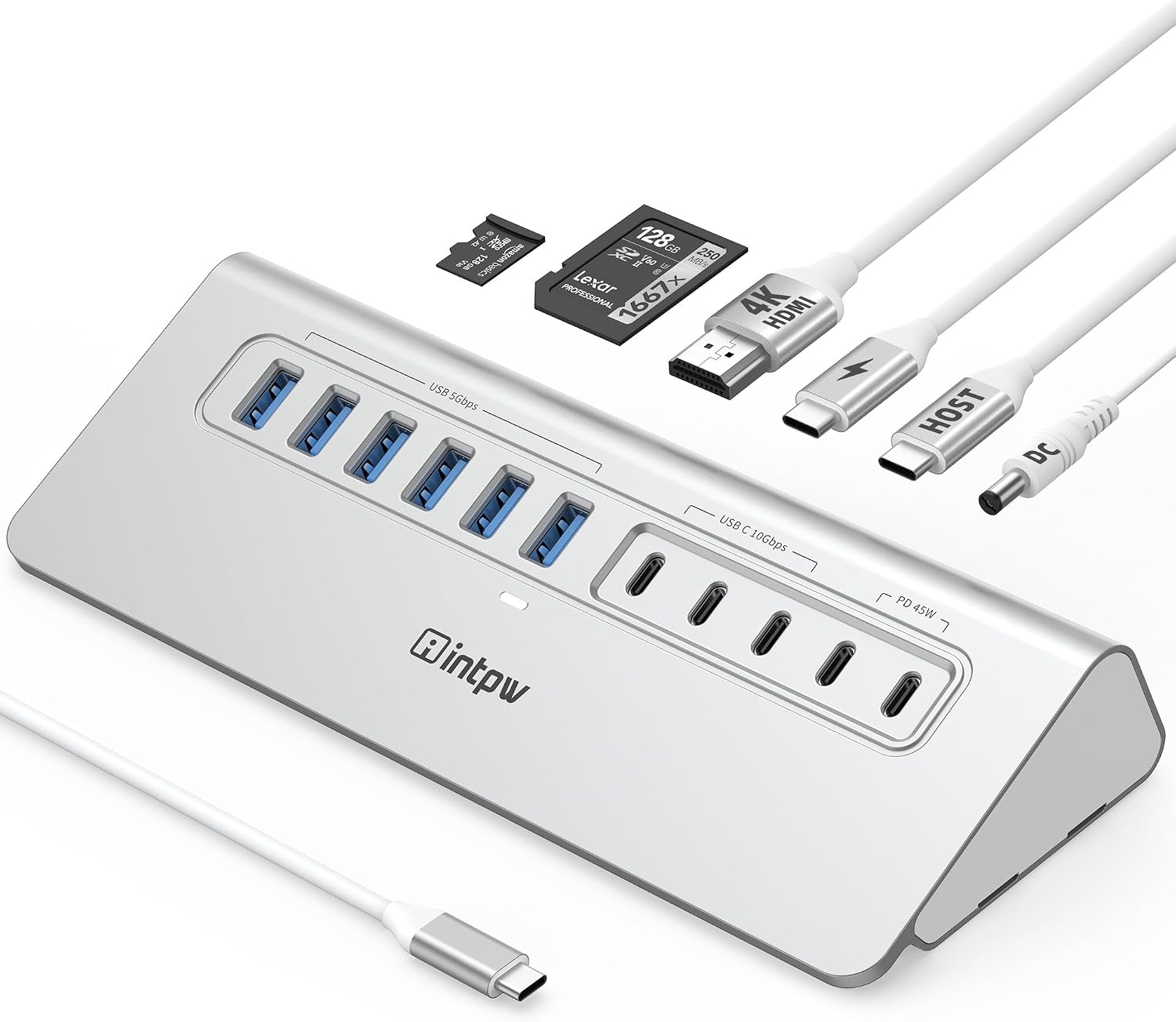
17-in-1 USB C Hub 4K@60Hz, 65W Powered Adapter, 10Gbps, Dual PD 45W PD 100W Charging, 3×USB-C 3.2+6×USB-A 3.0, SD/TF 105MB/s, 3.3ft Cable, Aluminum Desktop USB Hub for MacBook Pro/Air/Mac Mini
Check Price on AmazonLENTION USB-C Hub, HDMI, 100W PD, 2 USB-C, 2 USB 3.0, Card Reader
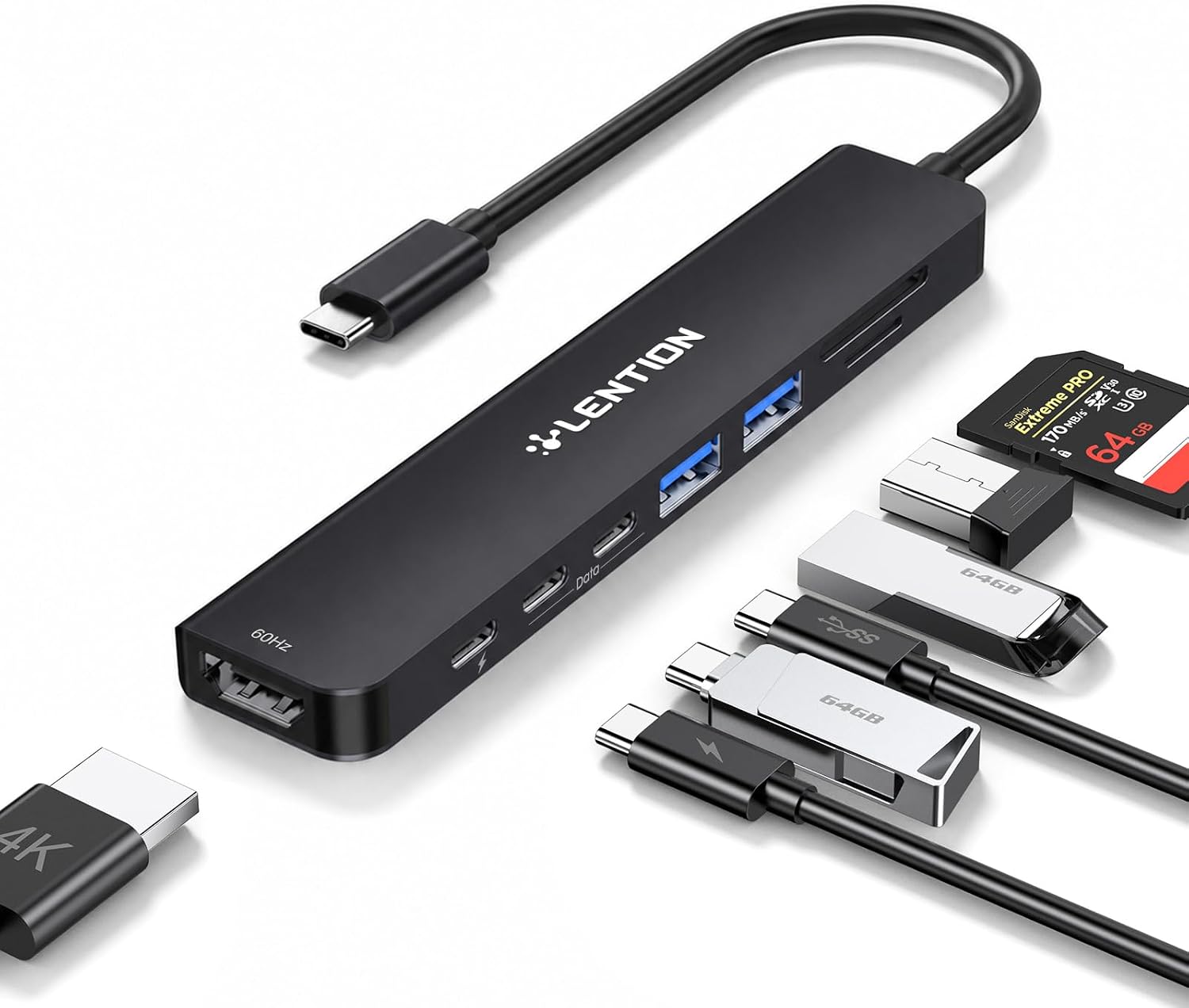
LENTION USB-C Hub, 4K@60Hz HDMI, 100W PD, 2 USB-C, 2 USB 3.0, Card Reader 2A & 2C Work Simultaneously, Stable Driver 3.0 Certified, for macOS, iOS/iPadOS, Windows & ChromeOS (CE19, Black)
Check Price on AmazonWe’ll cover the entire current lineup, including the DJI Mavic 4 Pro, Air 3S, Mini 4 Pro, Avata 2, and the new Neo. You’ll learn about camera quality, flight performance, obstacle avoidance, and the critical drone laws that apply to each weight class. By the end, you’ll know exactly which DJI drone is right for your flying style and skill level.
3 FT Power Strip
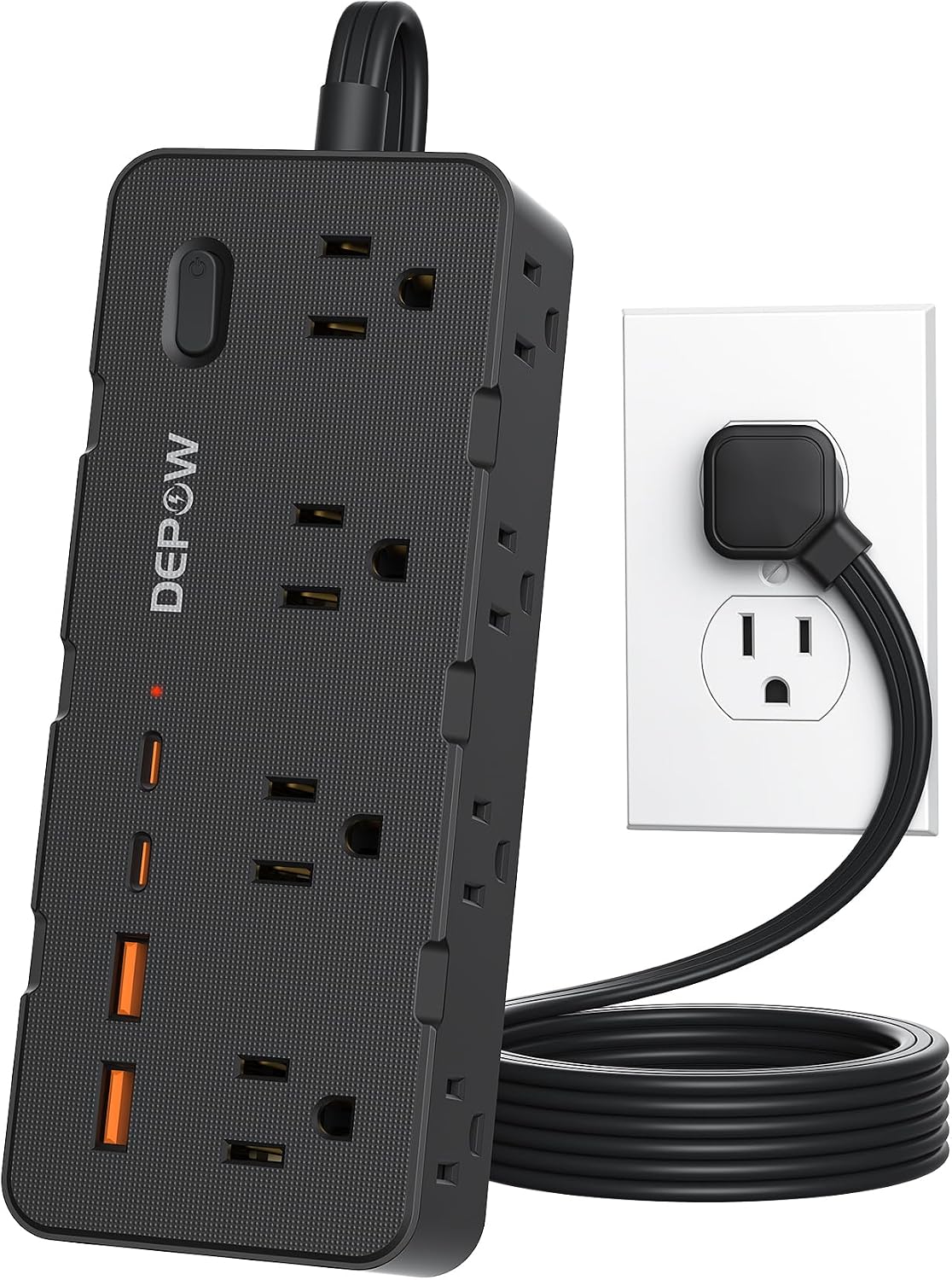
3 FT Power Strip, Extension Cord with 8 AC Outlets + 4 USB (2 USB-C), Black Flat Plug, Compact 3FT Flat Cord Keeps Desktop Neat. 1700J Surge Protection, 1625W, Great for Home Office, Dorm, Nightstand
Check Price on AmazonHICOBER USB C SD Card Reader
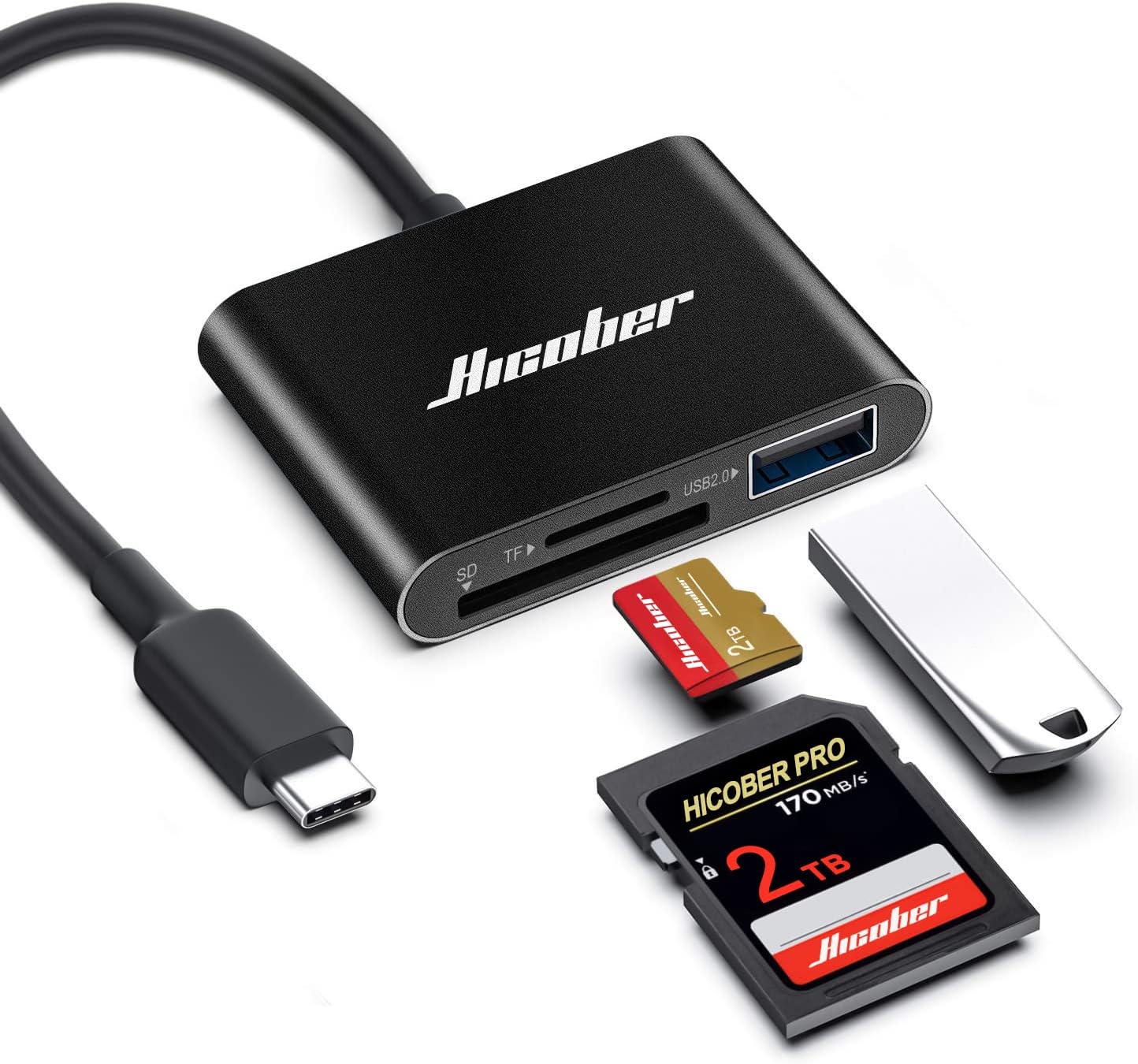
HICOBER USB C SD Card Reader, 3-in-1 for Laptop, Phone, Tablet, Black Durable aluminum body helps dissipate heat quickly for stable performance; reads SD, TF and USB drives up to 2TB via USB-C
Check Price on Amazon64GB Micro SD Card with SD Card Reader
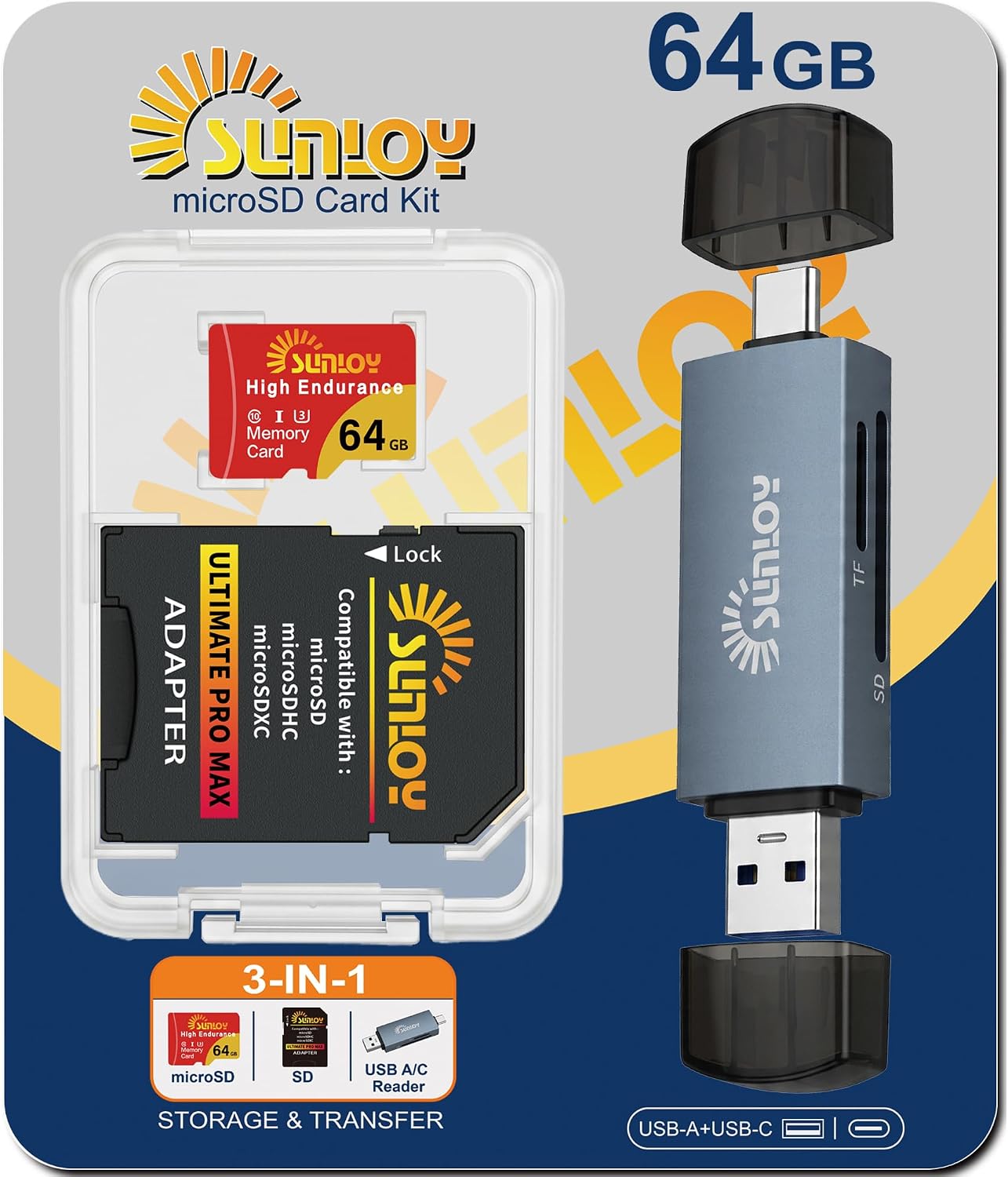
64GB Micro SD Card with SD Card Reader USB3.0 A/C Dual Slots & SD Adapter UHS-I, C10, U3, V30, A1, 4K UHD, USB 3.0 Memory Card Reader for iPhone 17/16/15, MacBook, iPad, Laptop, PC, Drone, Game Console
Check Price on AmazonDJI Drone Lineup Overview: Which Model Is Right for You?
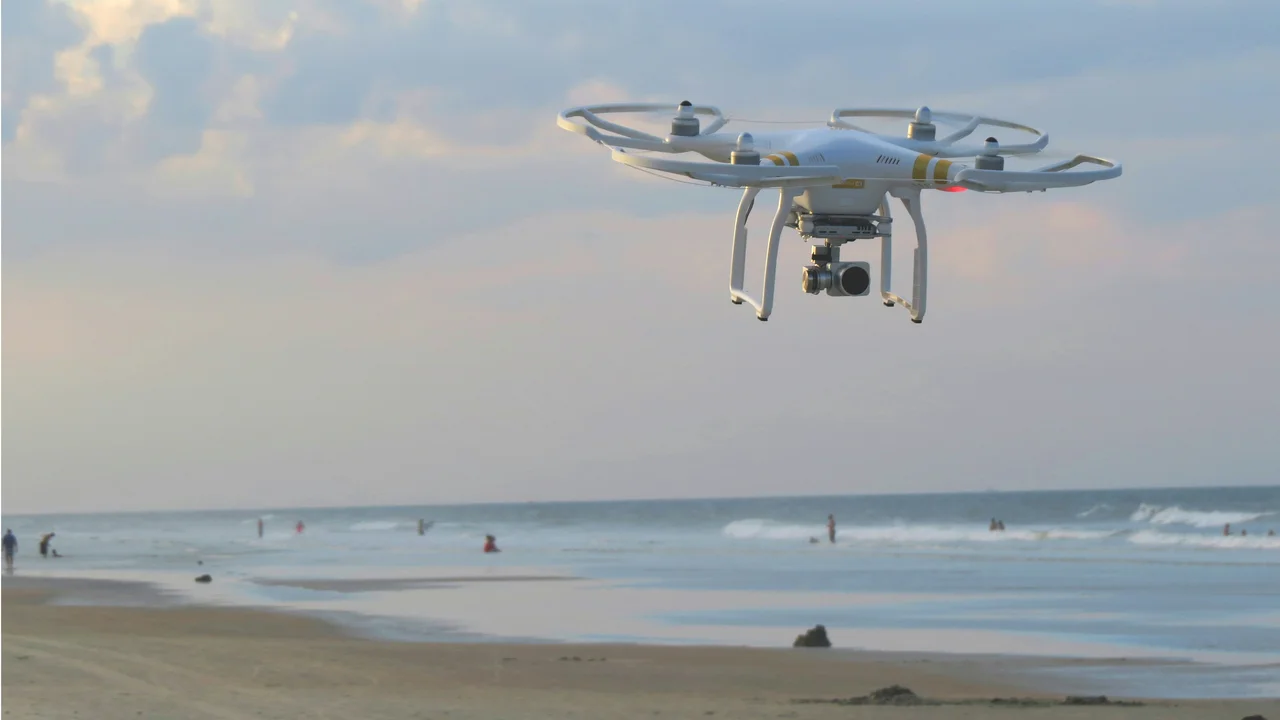
DJI’s 2026 lineup covers five distinct categories: ultra-light selfie drones, compact travel drones, mid-range all-rounders, prosumer flagships, and FPV (first-person view) drones. Each model targets a specific user, from beginners to professional cinematographers.
| Model | Weight | Camera Sensor | Obstacle Avoidance | Best For |
|---|---|---|---|---|
| DJI Neo | 169g | 1/2-inch 12MP | None (downward only) | Selfies, casual flying |
| DJI Mini 4 Pro | 249g | 1/1.3-inch 48MP | Omnidirectional | Travel, beginners, vloggers |
| DJI Air 3S | 724g | 1-inch 20MP (dual camera) | Omnidirectional | Enthusiasts, social media creators |
| DJI Mavic 4 Pro | 1,050g | 4/3-inch 20MP (adjustable aperture) | Omnidirectional + LiDAR | Pro photographers, filmmakers |
| DJI Avata 2 | 377g | 1/1.3-inch 48MP | Forward + downward only | FPV racing, immersive flying |
Key Specifications and Features of DJI Drones in 2026
Camera Quality Across the DJI Lineup
The camera is the primary reason most buyers choose DJI. The DJI Mavic 4 Pro leads with a 4/3-inch CMOS sensor and adjustable aperture (f/2.0 to f/11), offering unmatched dynamic range for professional work. It shoots 5.1K video at 50fps and 4K at 120fps. The DJI Air 3S features a dual-camera system with a 1-inch main sensor and a 1/1.3-inch telephoto lens, giving you 3x optical zoom without losing quality.
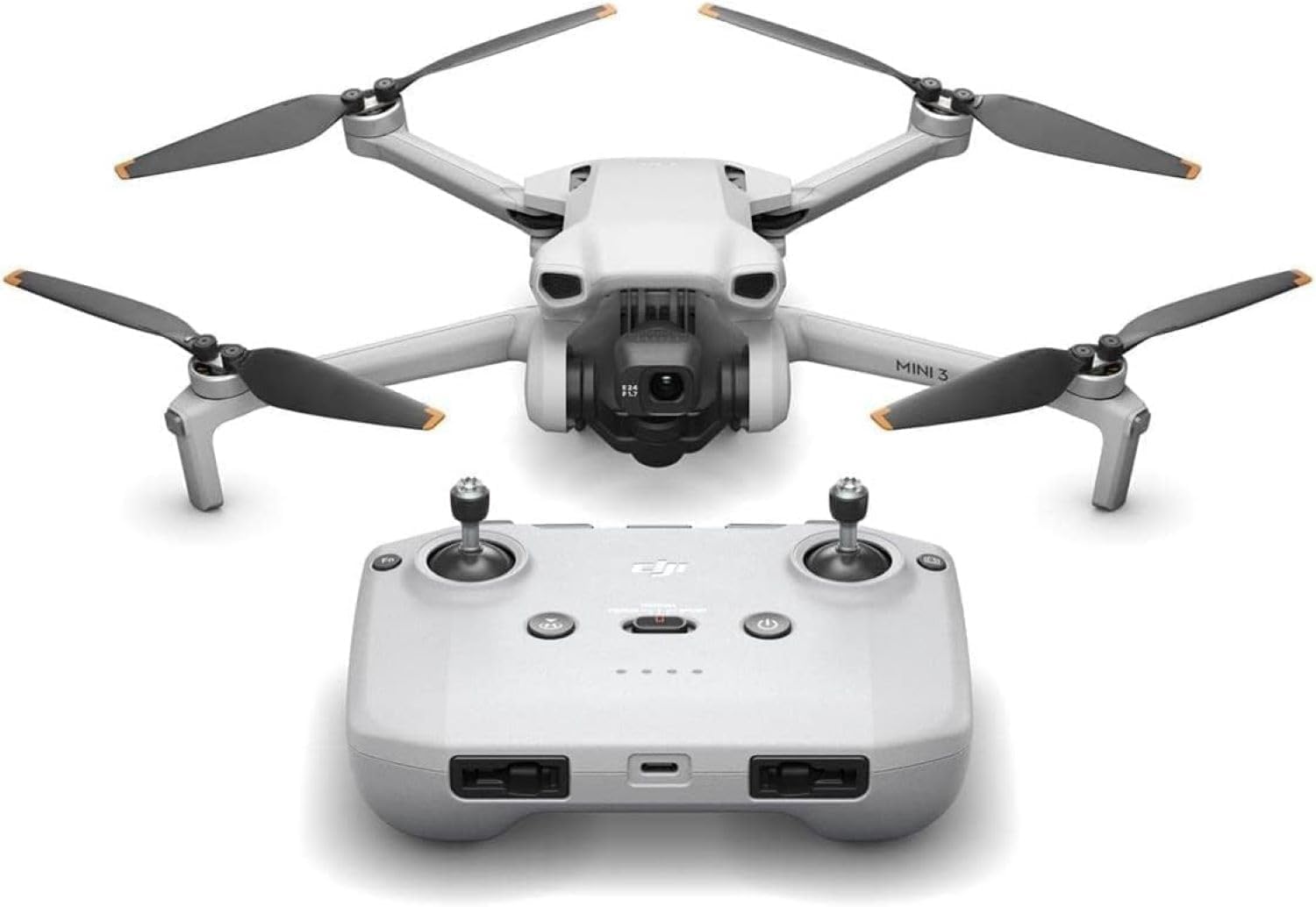
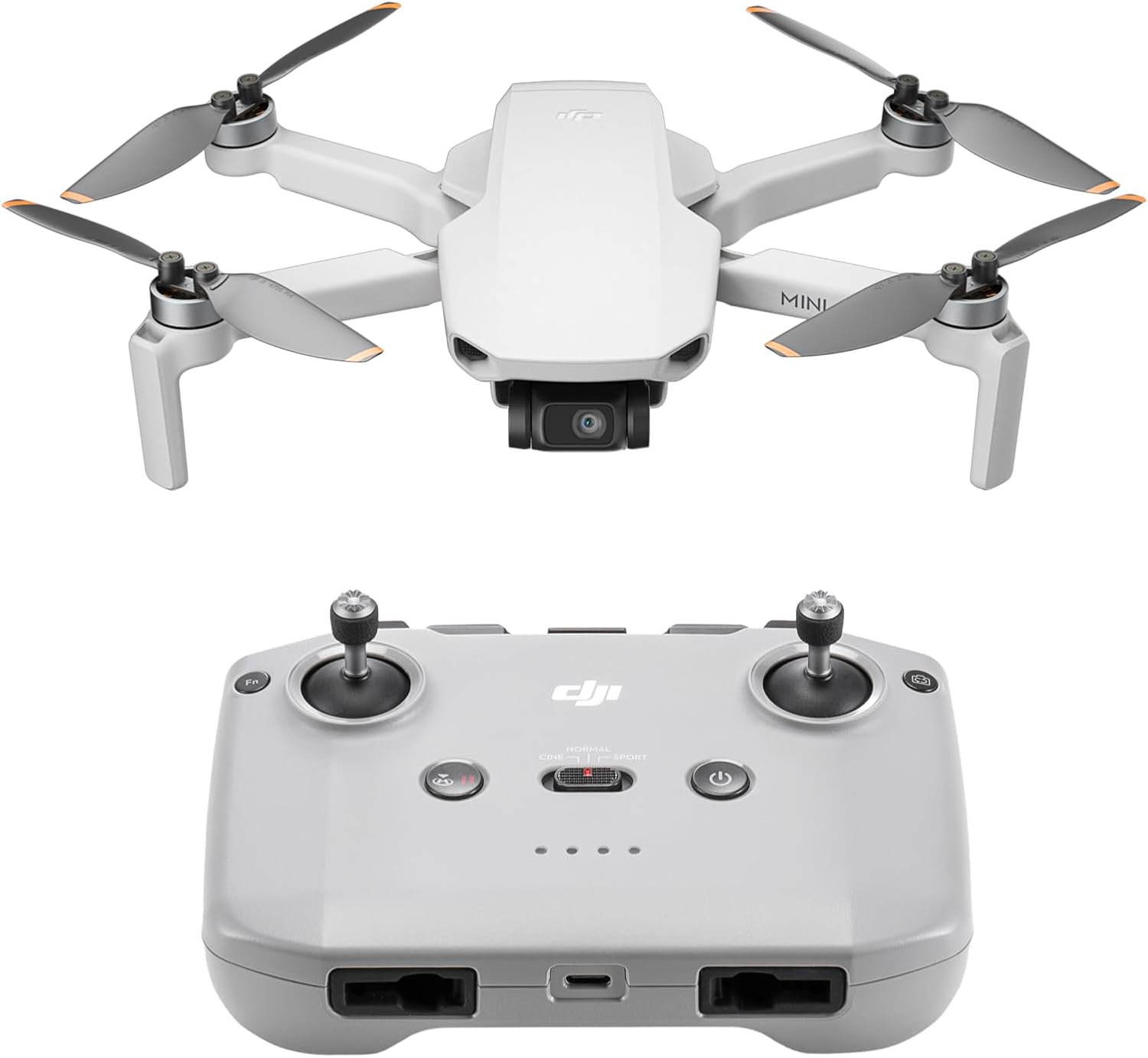
The DJI Mini 4 Pro uses a 1/1.3-inch sensor with 48MP stills and 4K/100fps video, which is remarkable for a sub-250g drone. The DJI Neo, at 169g, has a smaller 1/2-inch sensor that delivers decent 12MP photos and 4K/30fps video, but it lacks the dynamic range of larger models.
Flight Performance and Battery Life
Flight time varies significantly by model. The DJI Mavic 4 Pro offers up to 45 minutes in ideal conditions, thanks to its larger battery. The DJI Air 3S provides 42 minutes, while the Mini 4 Pro delivers 34 minutes with the standard battery or 45 minutes with the Plus battery (which pushes it over 250g). The Avata 2 manages about 23 minutes due to its FPV design and aggressive flying style.
DJI Mini 3
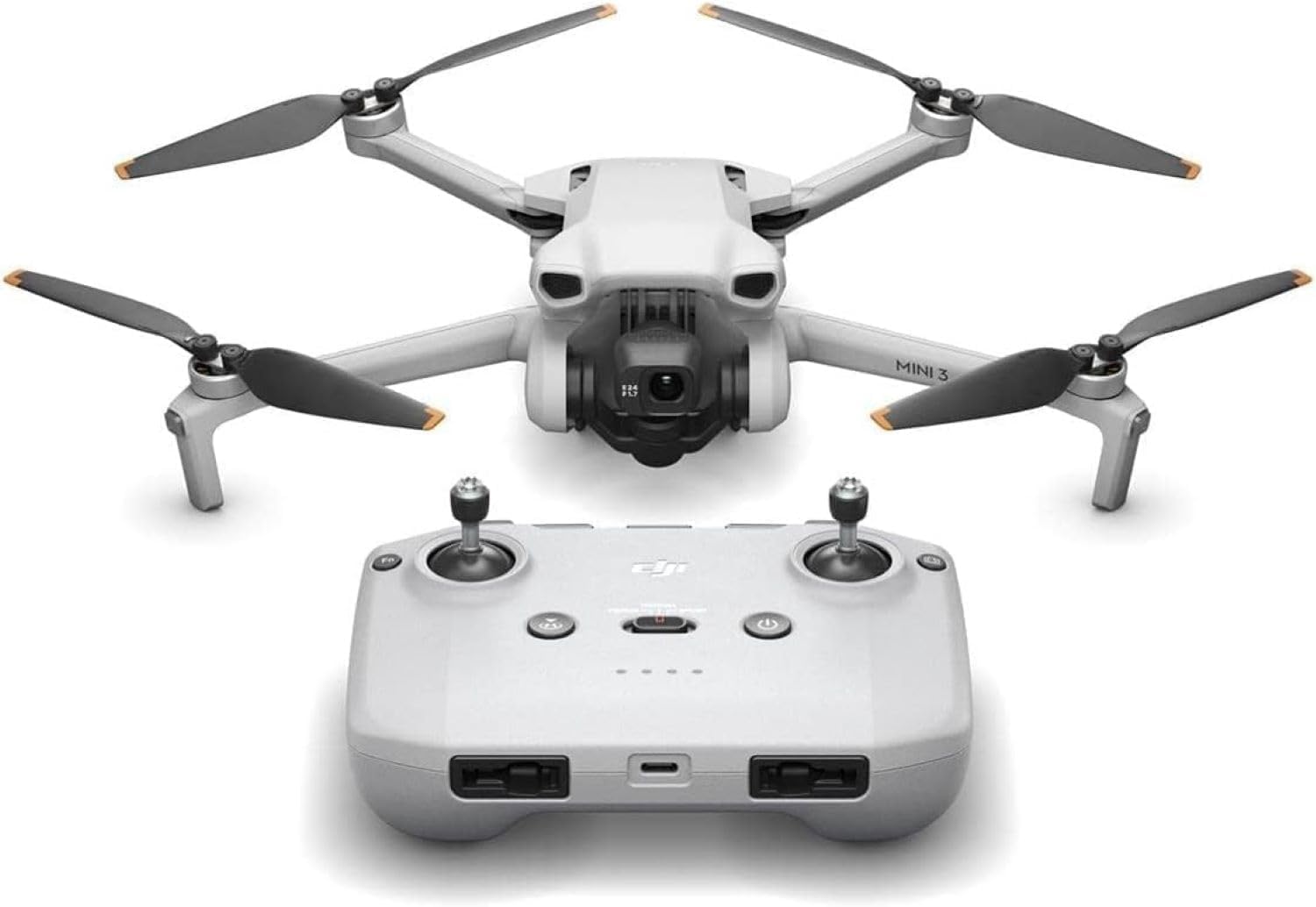
DJI Mini 3, 3-Axis Mechanical Gimbal Mini Camera Drone | 4K HDR Video, 38-Min Flight Time, up to 32800ft (10km) Video Transmission, True Vertical Shooting, GPS Auto Return
Check Price on AmazonDJI Mini 3 Fly More Combo
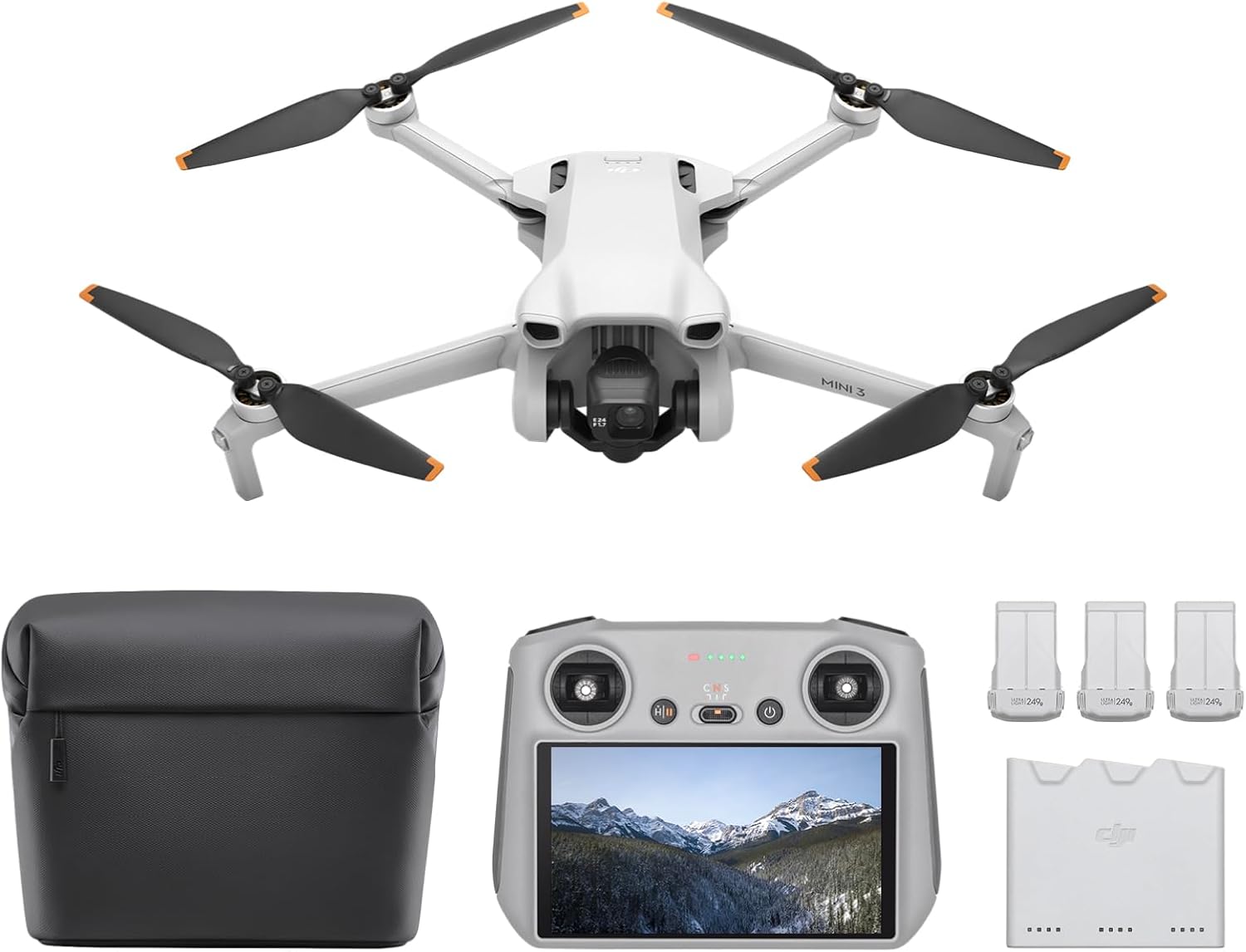
DJI Mini 3 Fly More Combo With DJI RC, 3 Batteries | Lightweight Camera Drone With 4K HDR Video, 114-Min Flight Time, Vertical Shooting, 32800ft (10km) Video Transmission
Check Price on AmazonDJI Mini 3 With DJI RC
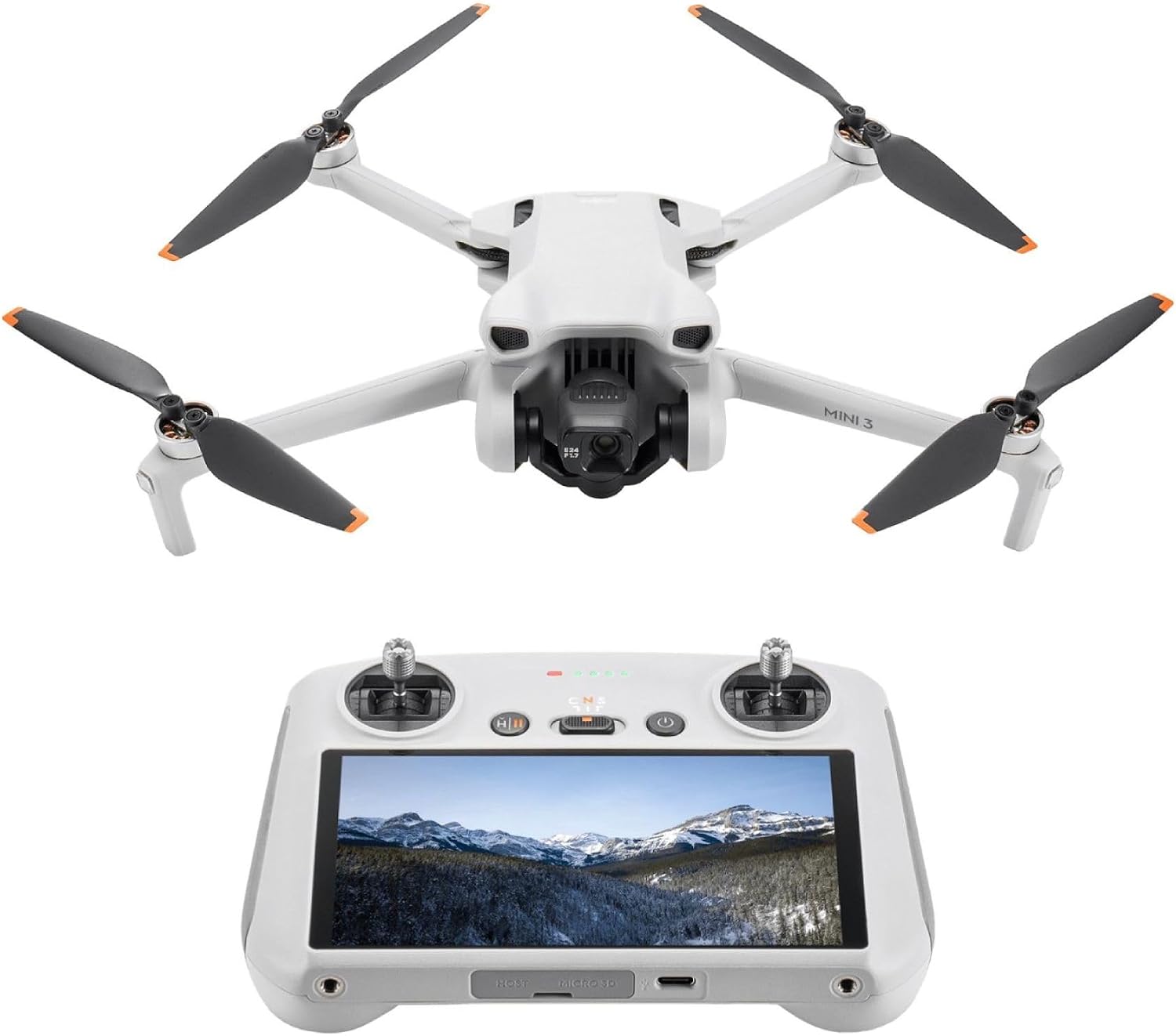
DJI Mini 3 With DJI RC, 3-Axis Mechanical Gimbal Mini Camera Drone | 4K HDR Video, 38-Min Flight Time, up to 32800ft (10km) Video Transmission, Vertical Shooting, GPS Auto Return
Check Price on AmazonWind resistance is a key factor. The Mavic 4 Pro and Air 3S handle winds up to 12 m/s (27 mph) comfortably, while the Mini 4 Pro can manage 10 m/s. The Neo is best flown in calm conditions under 8 m/s.
Obstacle Avoidance Systems
DJI’s obstacle avoidance technology varies dramatically between models. The Mavic 4 Pro has omnidirectional vision sensors plus a forward-facing LiDAR, making it nearly collision-proof in most scenarios. The Air 3S and Mini 4 Pro both feature omnidirectional obstacle sensing, but the Mini’s system is slightly less effective in low light. The Avata 2 only has forward and downward sensors, which is standard for FPV drones. The Neo has only a downward sensor for landing.
Real-World Performance: What Flying DJI Drones Actually Feels Like
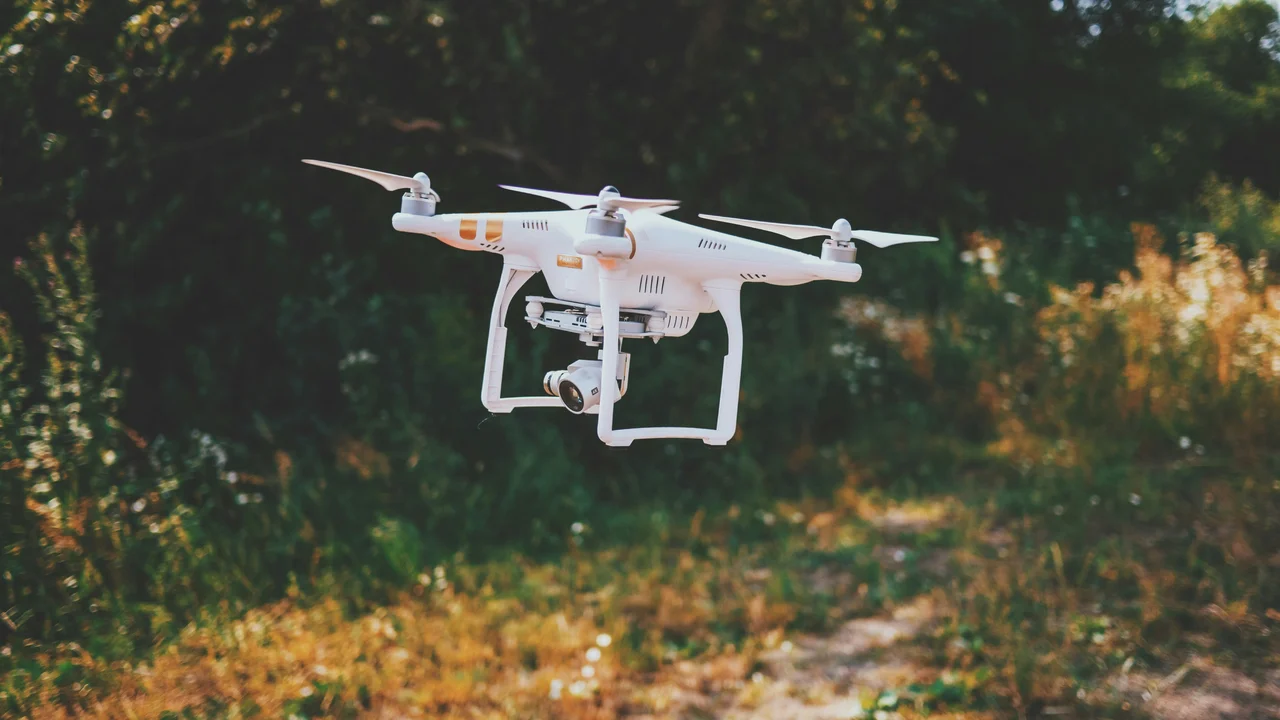
In practice, DJI drones deliver a polished, reliable experience that few competitors match. The DJI Mavic 4 Pro feels rock-solid in the air, even in moderate winds. Its ActiveTrack 5.0 subject tracking is incredibly accurate, locking onto a person, car, or animal and following through complex environments. The adjustable aperture is a game-changer for controlling exposure without ND filters.
The DJI Air 3S strikes an excellent balance between portability and capability. The dual-camera system means you can switch from wide to telephoto shots mid-flight, which is perfect for real estate or event photography. The omnidirectional obstacle avoidance gives you confidence to fly in tighter spaces, like between trees or under bridges.
Carrying Hard Case for DJI Avata 360 Drone
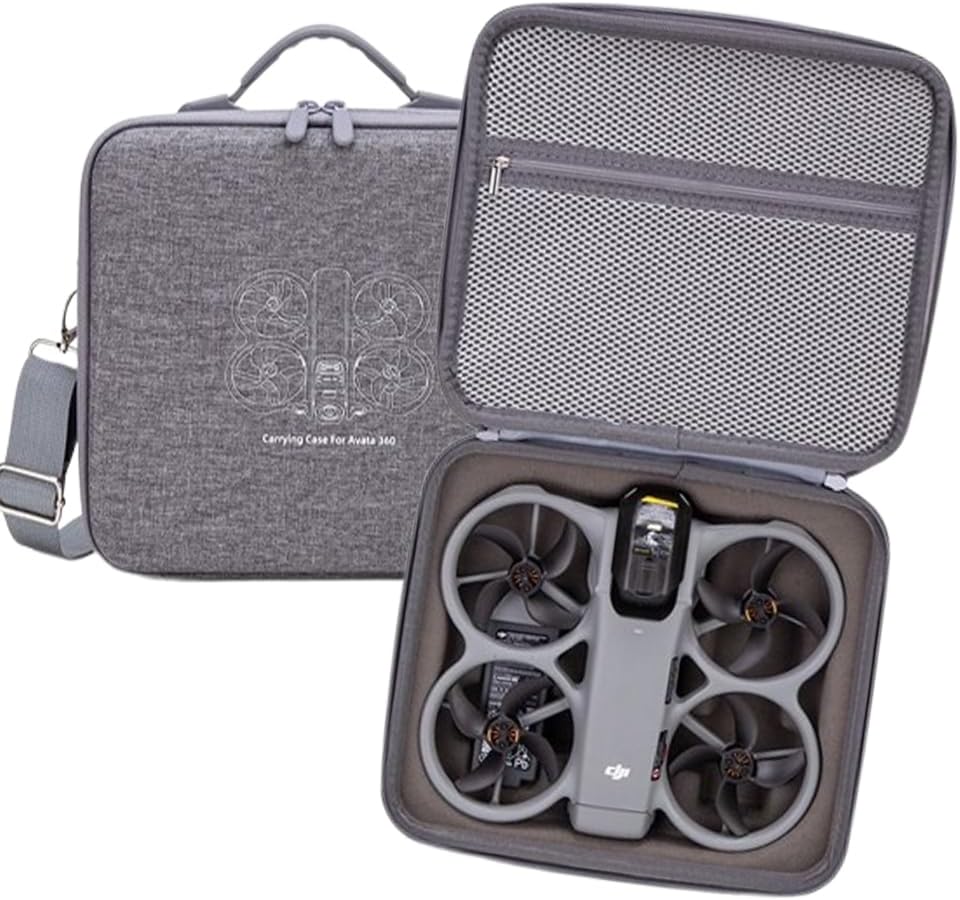
Carrying Hard Case for DJI Avata 360 Drone - Portable Travel Bag for Goggles N3/RC Motion 3 Controller
Check Price on AmazonHard Case for Antigravity A1 Drone
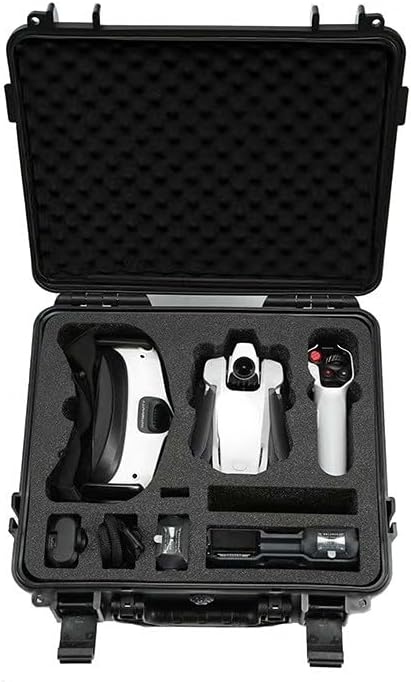
Hard Case for Antigravity A1 Drone, Waterproof Protective Carry Case, Anti-Fall Storage Bag Fit for Drone, Batteries, Goggles, Accessories & RC Gear [Only Protect Shell]
Check Price on AmazonThe DJI Mini 4 Pro is the best travel drone on the market. At 249g, it fits in a jacket pocket and doesn’t require FAA registration for recreational use (though you still must follow all other rules). Its 4K/100fps slow-motion video is stunning for its size. The DJI Avata 2 delivers an exhilarating FPV experience. The new motion controller 3 makes it easy for beginners to fly like a pro, but the learning curve for manual mode is steep.
The DJI Neo is a niche product. It’s perfect for quick selfies, following you on a hike, or capturing casual moments. But the lack of a gimbal (it uses electronic stabilization) means footage is noticeably less smooth than any other DJI drone. The 169g weight means no FAA registration, but the flight time of about 18 minutes and limited wind resistance are real drawbacks.
Pros and Cons of DJI Drones in 2026
Pros
- Industry-leading camera quality across all price points
- Excellent obstacle avoidance on Pro and Air models
- Reliable GPS and return-to-home functionality
- Large ecosystem of accessories and software
- Strong resale value compared to competitors
Cons
- Higher price than comparable Autel or Hubsan models
- DJI Fly app requires internet connection for some features
- Geo-fencing can be restrictive in some areas
- Battery prices are high ($80–$200 per pack)
- Customer support can be slow for warranty claims
Who Should Buy a DJI Drone?
If you value image quality, flight stability, and a proven ecosystem, DJI is the right choice. The DJI Mini 4 Pro is ideal for travelers, vloggers, and anyone who wants the best camera in a sub-250g package. The DJI Air 3S suits serious hobbyists and semi-professionals who need dual cameras and longer flight times. The DJI Mavic 4 Pro is for professional photographers and filmmakers who demand the highest image quality and reliability.
The DJI Avata 2 is perfect for FPV enthusiasts and anyone wanting an immersive flying experience without building a custom quad. The DJI Neo is best for absolute beginners or casual users who want a no-registration drone for occasional selfies. If you’re unsure about weight classes, use our Weight Checker Tool to see where your drone falls.
Legal Considerations for US Pilots Flying DJI Drones
Flying a DJI drone in the United States requires understanding FAA regulations that vary by weight and purpose. The DJI Mini 4 Pro and Neo weigh under 250g, which means recreational pilots do not need to register with the FAA. However, you still must follow all other Part 107 rules if flying for commercial purposes, including passing the Part 107 exam.
Drones over 250g, like the Air 3S (724g), Mavic 4 Pro (1,050g), and Avata 2 (377g), must be registered with the FAA. Registration costs $5 and is valid for three years. You must label your drone with the registration number. All DJI drones have Remote ID built in, which broadcasts your drone’s location and ID to authorities. This is mandatory for all drones over 250g and for any drone used commercially.
You cannot fly over people or moving vehicles without a Part 107 waiver, even with a small drone. The Mini 4 Pro‘s 249g weight does not exempt you from this rule. Always check local airspace before flying using our No-Fly Zone Checker. DJI’s own GEO system will also restrict flight in many controlled zones, but you can request unlocking for legitimate purposes.
DJI Drones vs. Competitors: How Do They Compare?
Autel Robotics is the main competitor to DJI in the US market. The Autel Evo Lite+ offers a 1-inch sensor and adjustable aperture at a similar price to the DJI Air 3S. Autel drones do not have DJI’s geo-fencing restrictions, which some pilots prefer. However, DJI’s obstacle avoidance, app stability, and accessory ecosystem are superior.
For sub-250g drones, the Hubsan Zino Mini Pro is a cheaper alternative to the Mini 4 Pro, but it lacks the same camera quality and obstacle avoidance. The Potensic Atom 3 is another budget option, but its 4K video is softer and the flight app is less polished.
For FPV, the DJI Avata 2 competes with custom-built drones using DJI’s own O4 video transmission system. The Avata 2 is easier to fly out of the box, but a custom build offers better performance for experienced pilots. The DJI Neo has no direct competitor at its price and weight—it’s in a category of its own.
For a deeper look at the FPV side, read our DJI Avata 2 Review 2026: Best FPV Drone for Beginners?. And for a broader camera drone comparison, check Drone With Camera Reviews — Complete Review & Buying Guide 2026.
Verdict and Recommendation: Which DJI Drone Should You Buy in 2026?
After testing every current DJI model, our recommendation depends on your primary use case. For most people, the DJI Mini 4 Pro is the best all-around drone. It offers professional-grade camera quality, excellent obstacle avoidance, and the convenience of sub-250g registration exemption. It’s the drone we recommend to 80% of buyers.
If you need dual cameras for real estate or travel vlogging, spend the extra money on the DJI Air 3S. The telephoto lens is genuinely useful. If you’re a professional photographer or filmmaker, the DJI Mavic 4 Pro is the only choice—its 4/3-inch sensor and adjustable aperture are unmatched.
The DJI Avata 2 is a fantastic entry point into FPV flying, but only if you’re willing to learn manual mode. The DJI Neo is a fun gadget, but not a serious tool for photography or videography. For beginners, the DJI Neo Review 2026: The Ultra-Affordable Selfie Drone Worth Buying? offers more detail on whether it’s right for you.
Remember to check local laws, especially if you plan to travel. For example, Canada has different rules for sub-250g drones—read our Canada Drone Laws Under 250g: Do You Need to Register Your Drone? guide before crossing the border.
Frequently Asked Questions
Is the DJI drone worth buying in 2026?
Yes, DJI drones remain the best choice for most pilots in 2026. The Mini 4 Pro offers the best balance of portability, camera quality, and safety features. The Mavic 4 Pro is unmatched for professional work. However, if you dislike geo-fencing or want to avoid DJI’s ecosystem, consider Autel Robotics as an alternative. For the average buyer, the investment is well worth it.
What are the key features of DJI drones?
Key features across the DJI lineup include omnidirectional obstacle avoidance on Pro and Air models, 4K to 5.1K video recording, GPS-based return-to-home, and the DJI Fly app for flight planning. The Mavic 4 Pro adds a 4/3-inch sensor and adjustable aperture. The Mini 4 Pro weighs under 250g, avoiding FAA registration. The Avata 2 offers immersive FPV flight with a motion controller.
How does DJI compare to competitors?
DJI drones generally offer better camera quality, more reliable obstacle avoidance, and a larger accessory ecosystem than competitors like Autel, Hubsan, or Potensic. The main trade-off is price—DJI models are typically 10-20% more expensive. Autel drones lack geo-fencing restrictions, which some pilots prefer. For sub-250g drones, no competitor matches the Mini 4 Pro’s camera and safety features.
What laws apply to flying DJI drones in the USA?
FAA regulations require registration for any DJI drone over 250g, including the Air 3S, Mavic 4 Pro, and Avata 2. The Mini 4 Pro and Neo (under 250g) do not require registration for recreational use. All DJI drones have built-in Remote ID. You must fly below 400 feet AGL, maintain visual line of sight, and avoid flying over people or moving vehicles without a waiver. Always check local airspace with our No-Fly Zone Checker.
Last updated: July 14, 2026
- Federal Aviation Administration (faa.gov)
- DJI Official Specifications (dji.com)
- Part 107 Small Unmanned Aircraft Systems (14 CFR Part 107)
NANUK 935 Pro Photo Kit Camera Case
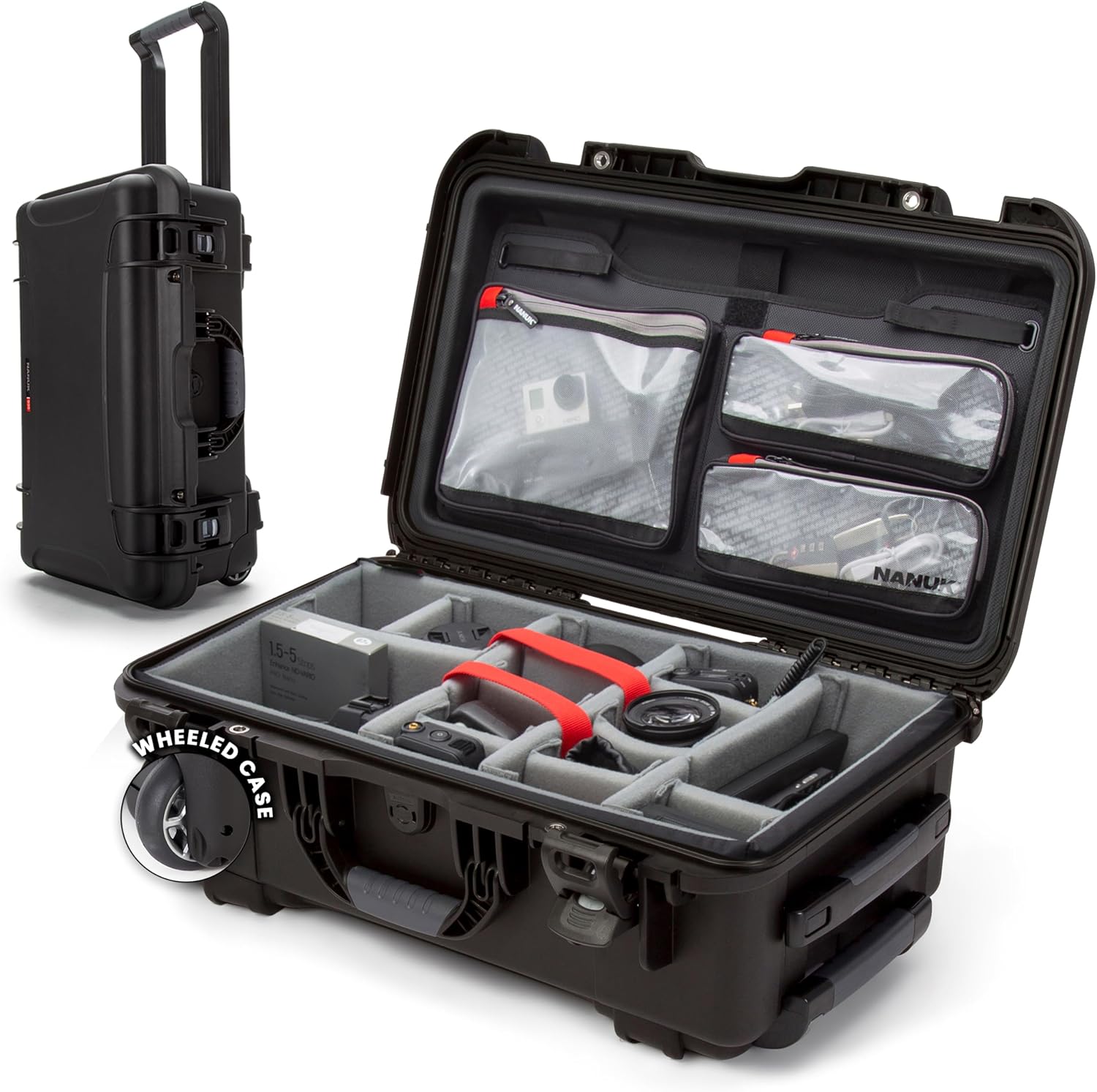
NANUK 935 Pro Photo Kit Camera Case, Waterproof Wheeled Hard Case, Carry-On, Black
Check Price on AmazonNANUK 925 DJI Mavic 4 Pro Creator Combo
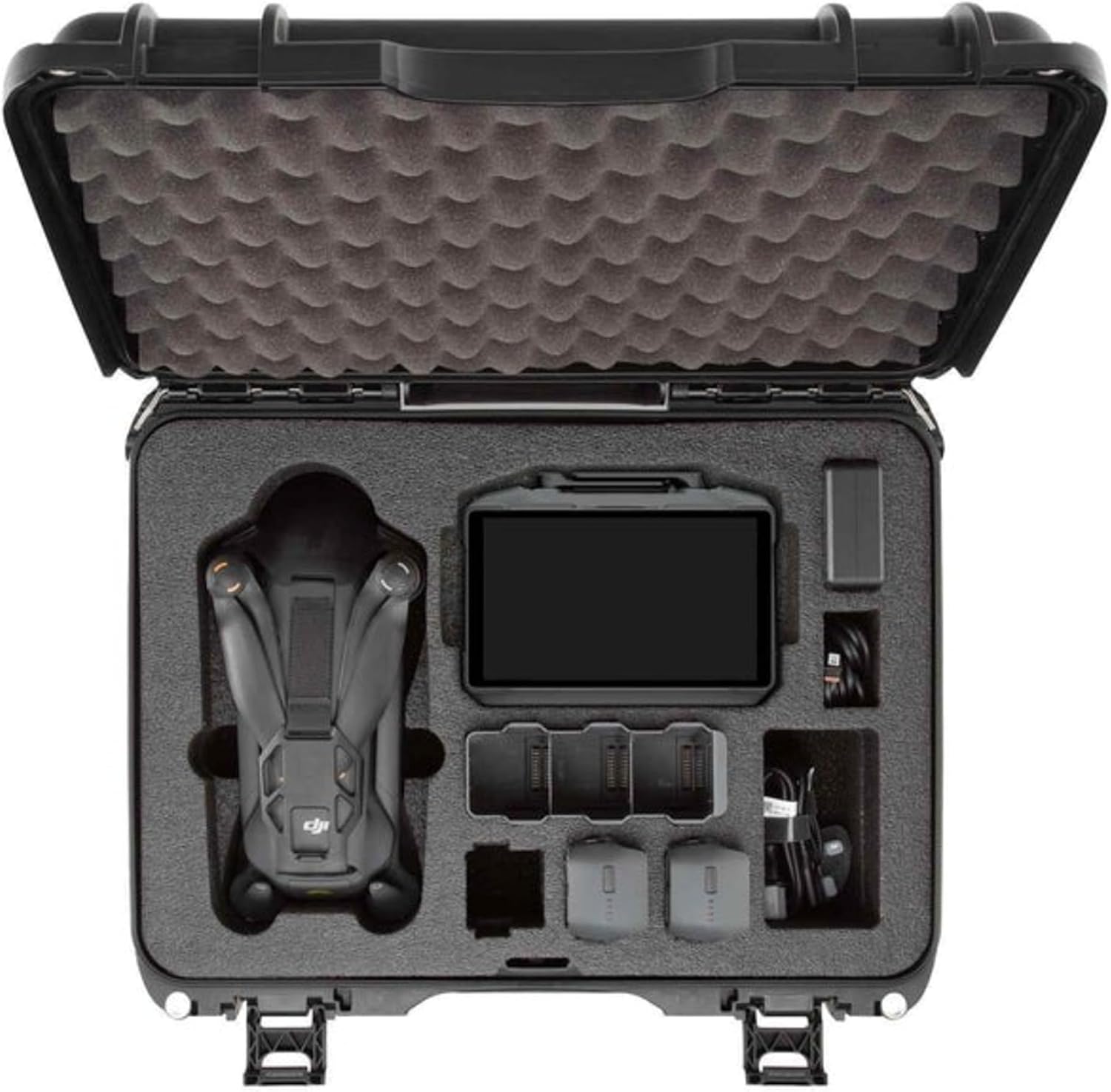
NANUK 925 DJI Mavic 4 Pro Creator Combo - Waterproof Hard Case with Drone Foam Insert, Crushproof, Portable Travel Case, Made in Canada (18.7” x 14.8”x 7”) - Black
Check Price on Amazon Drone Allowed
DroneAllowed editor covering drone regulations, aviation law, and aerial photography across USA, UK, Canada & Australia.