British Drone Laws 2026: Complete Guide for Drone Pilots
 9 min read
1,787 words
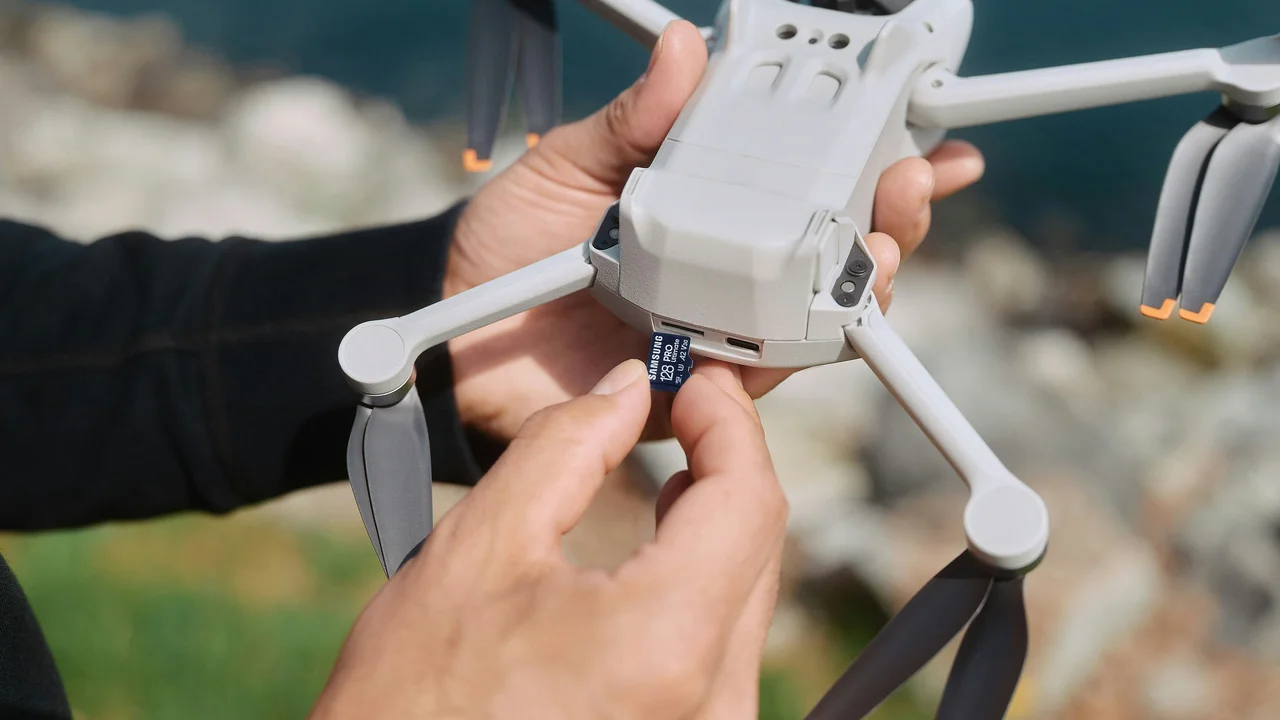
British drone laws are set by the Civil Aviation Authority (CAA) and the Air Navigation Order 2016, with significant updates rolling out through 2026. If you fly a drone in the United Kingdom, you must follow the CAA’s Drone and Model Aircraft Code, which applies to all drones weighing between 0.55 lbs (250g) and 55 lbs (25kg). This guide covers every rule you need to know — registration, no-fly zones, penalties, and where you can legally fly — so you can stay compliant and avoid fines.
LENTION 3.3FT Long Cable USB C Hub
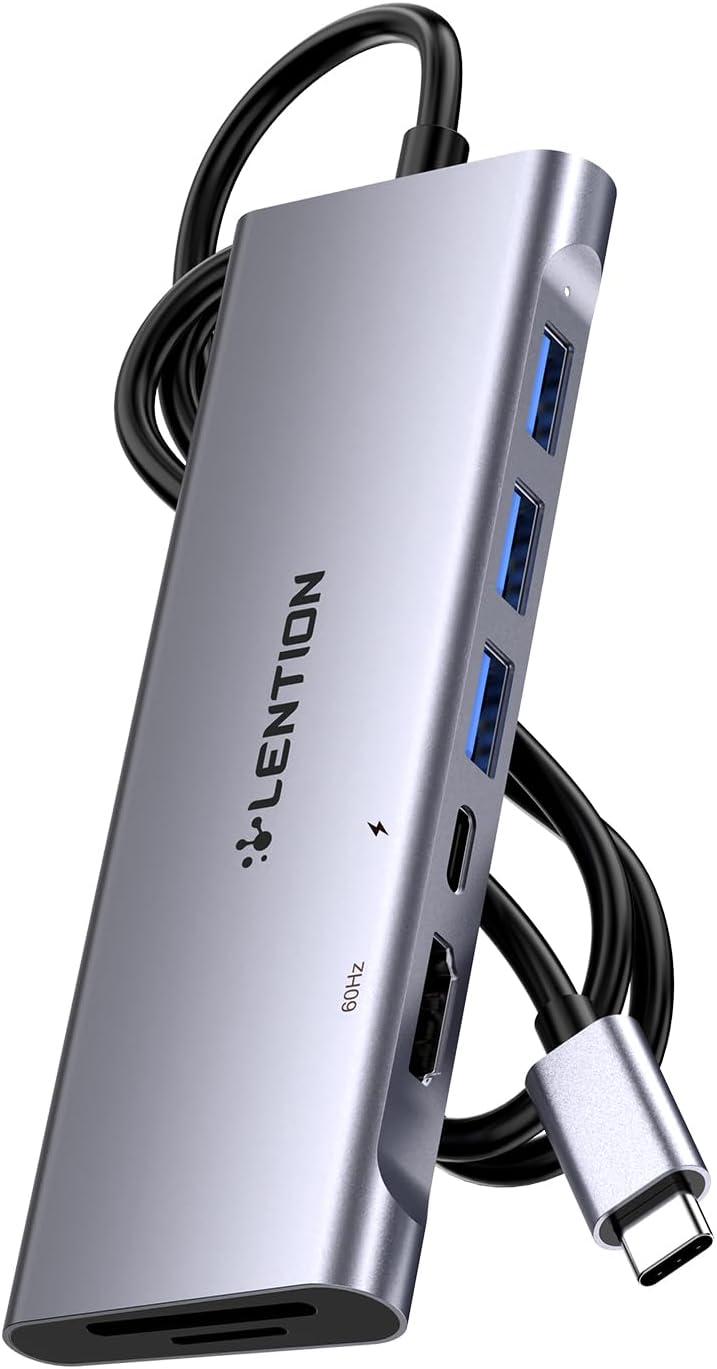
LENTION 3.3FT Long Cable USB C Hub, 4K HDMI, 100W PD, USB 3.0, Card Reader 3A & LED Indicator Stable Driver Adapter, for macOS, iOS/iPadOS, Windows & ChromeOS (C36p-1M, Space Gray)
Check Price on Amazon17-in-1 USB C Hub 65W Powered Adapter, 10Gbps, Dual PD 45W
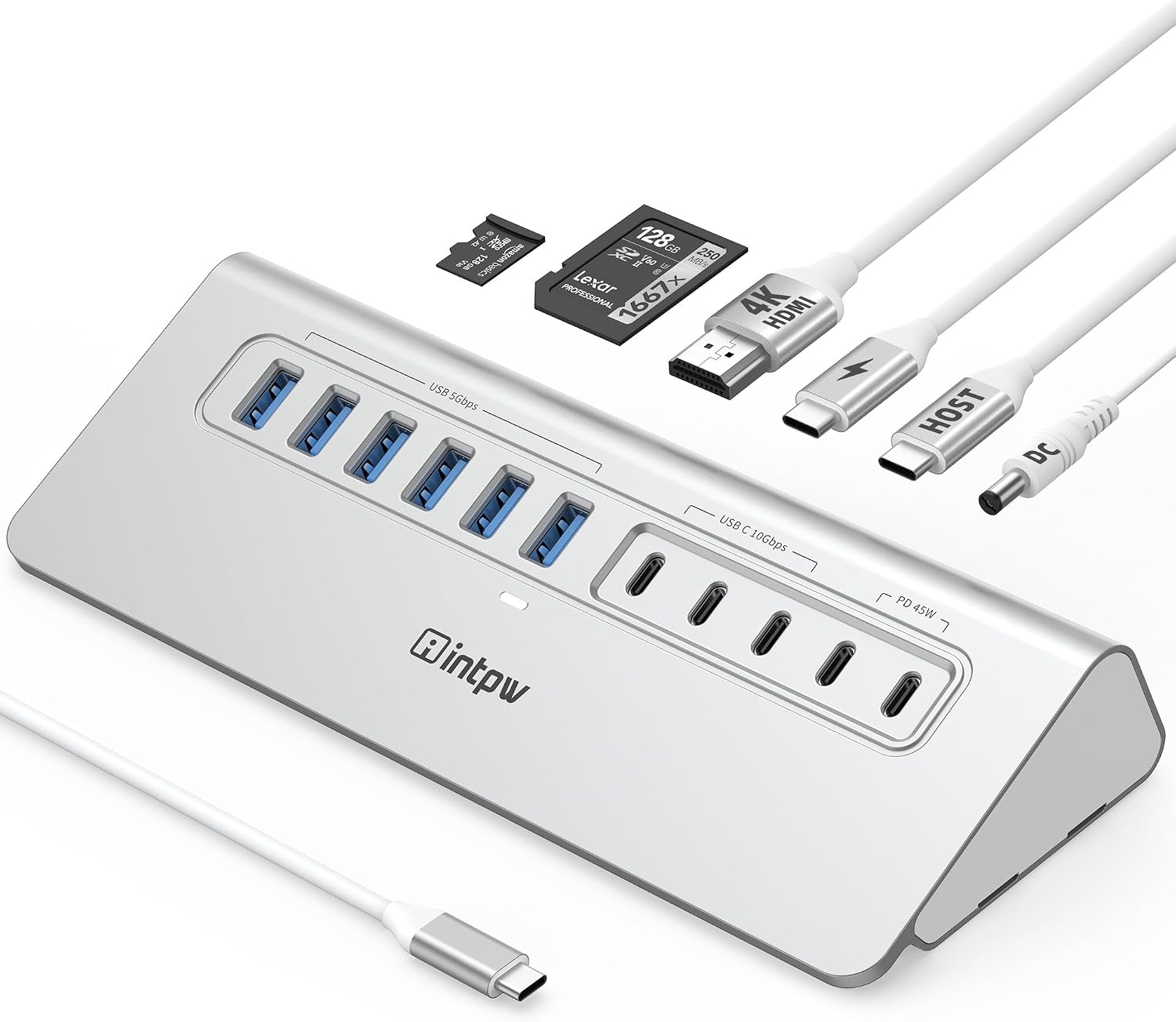
17-in-1 USB C Hub 4K@60Hz, 65W Powered Adapter, 10Gbps, Dual PD 45W PD 100W Charging, 3×USB-C 3.2+6×USB-A 3.0, SD/TF 105MB/s, 3.3ft Cable, Aluminum Desktop USB Hub for MacBook Pro/Air/Mac Mini
Check Price on AmazonLENTION USB-C Hub, HDMI, 100W PD, 2 USB-C, 2 USB 3.0, Card Reader
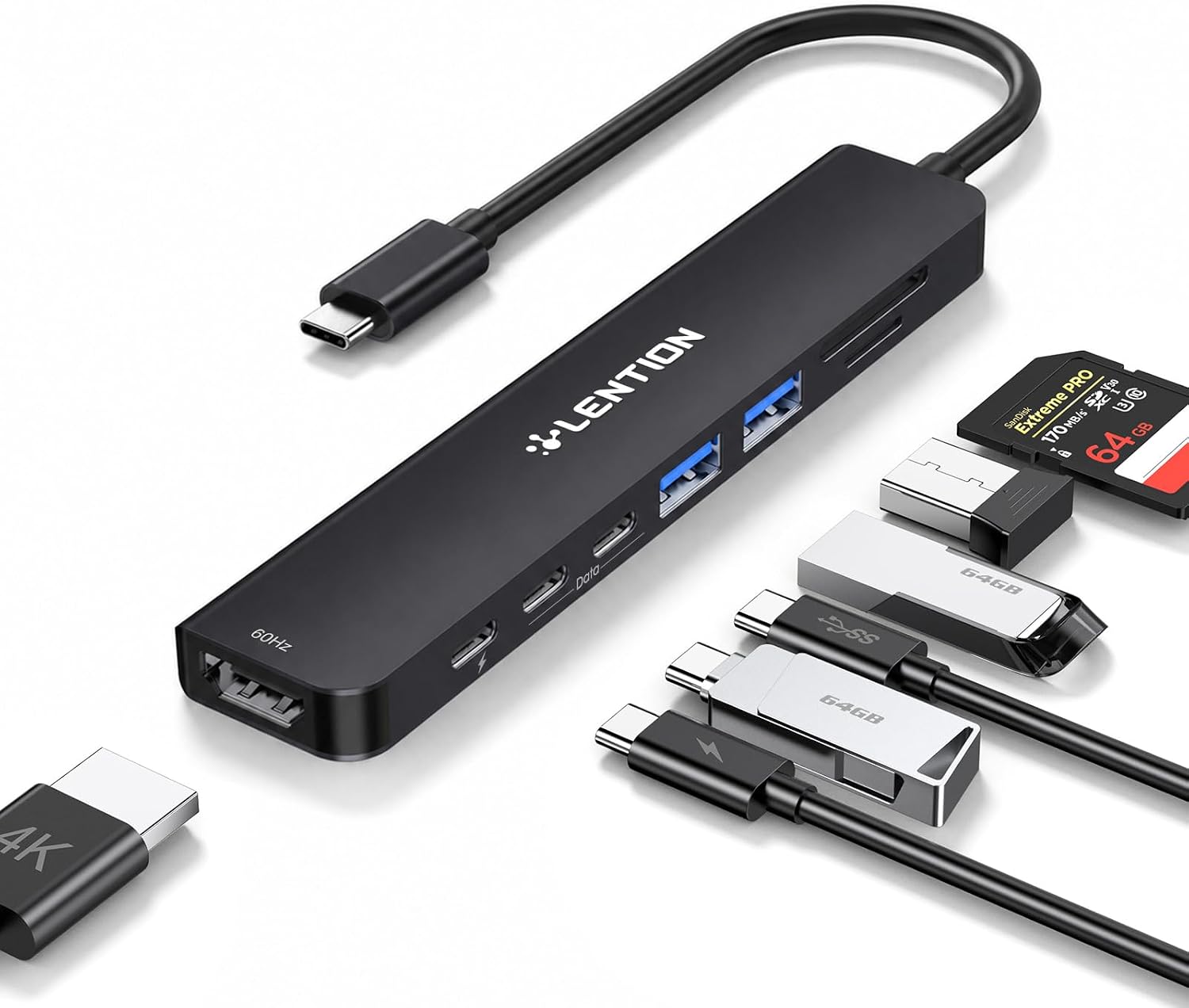
LENTION USB-C Hub, 4K@60Hz HDMI, 100W PD, 2 USB-C, 2 USB 3.0, Card Reader 2A & 2C Work Simultaneously, Stable Driver 3.0 Certified, for macOS, iOS/iPadOS, Windows & ChromeOS (CE19, Black)
Check Price on AmazonWhat Are the Core British Drone Laws in 2026?
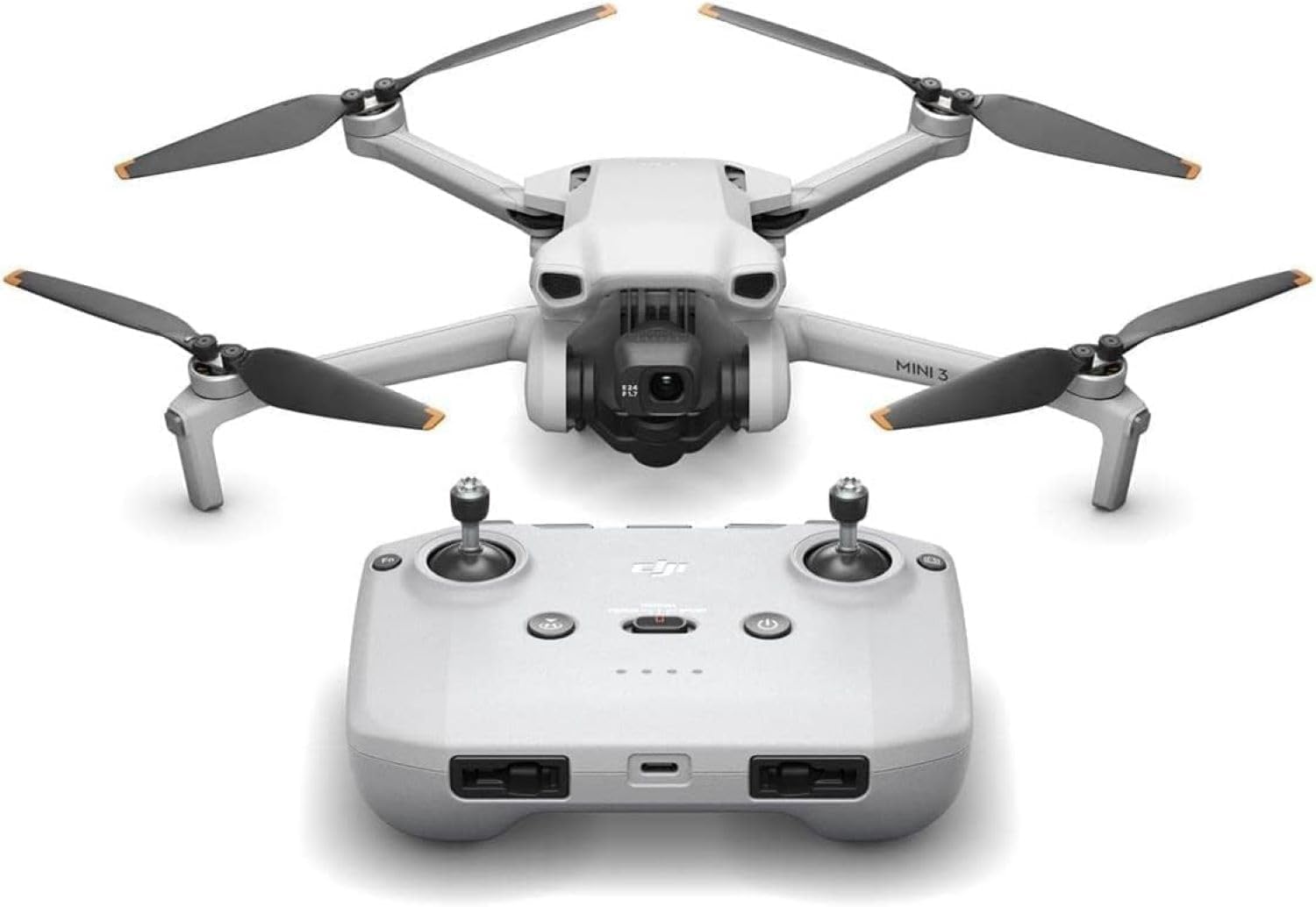
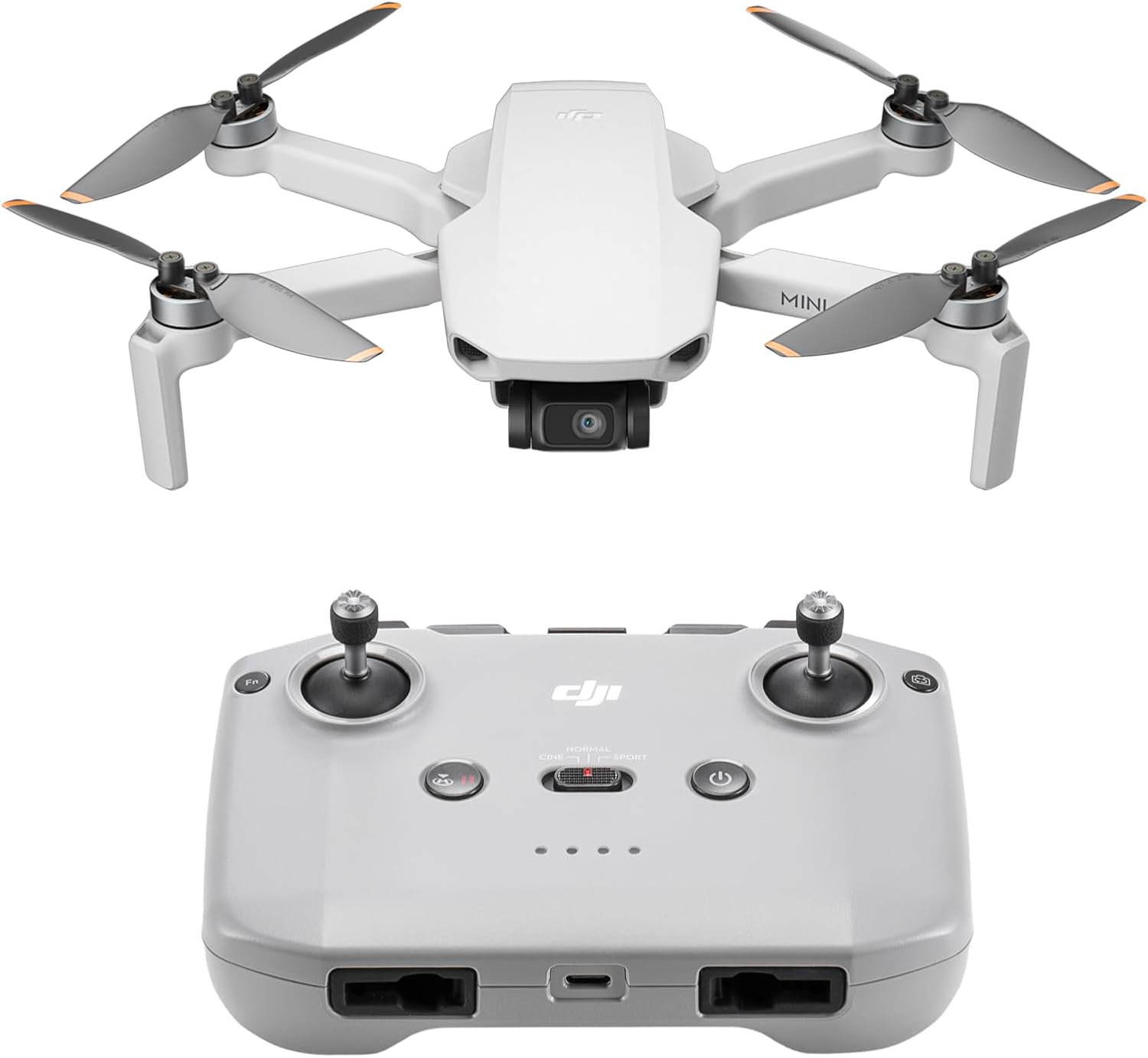
The CAA divides drone operations into three categories based on risk: Open, Specific, and Certified. Most recreational pilots operate under the Open Category, which has the simplest rules. You must always fly within visual line of sight, below 400 feet (120 meters) altitude, and stay at least 164 feet (50 meters) away from people, vehicles, and buildings not involved in your flight. These rules apply regardless of whether you fly a DJI Mini 4 Pro or a larger Mavic 3.
3 FT Power Strip
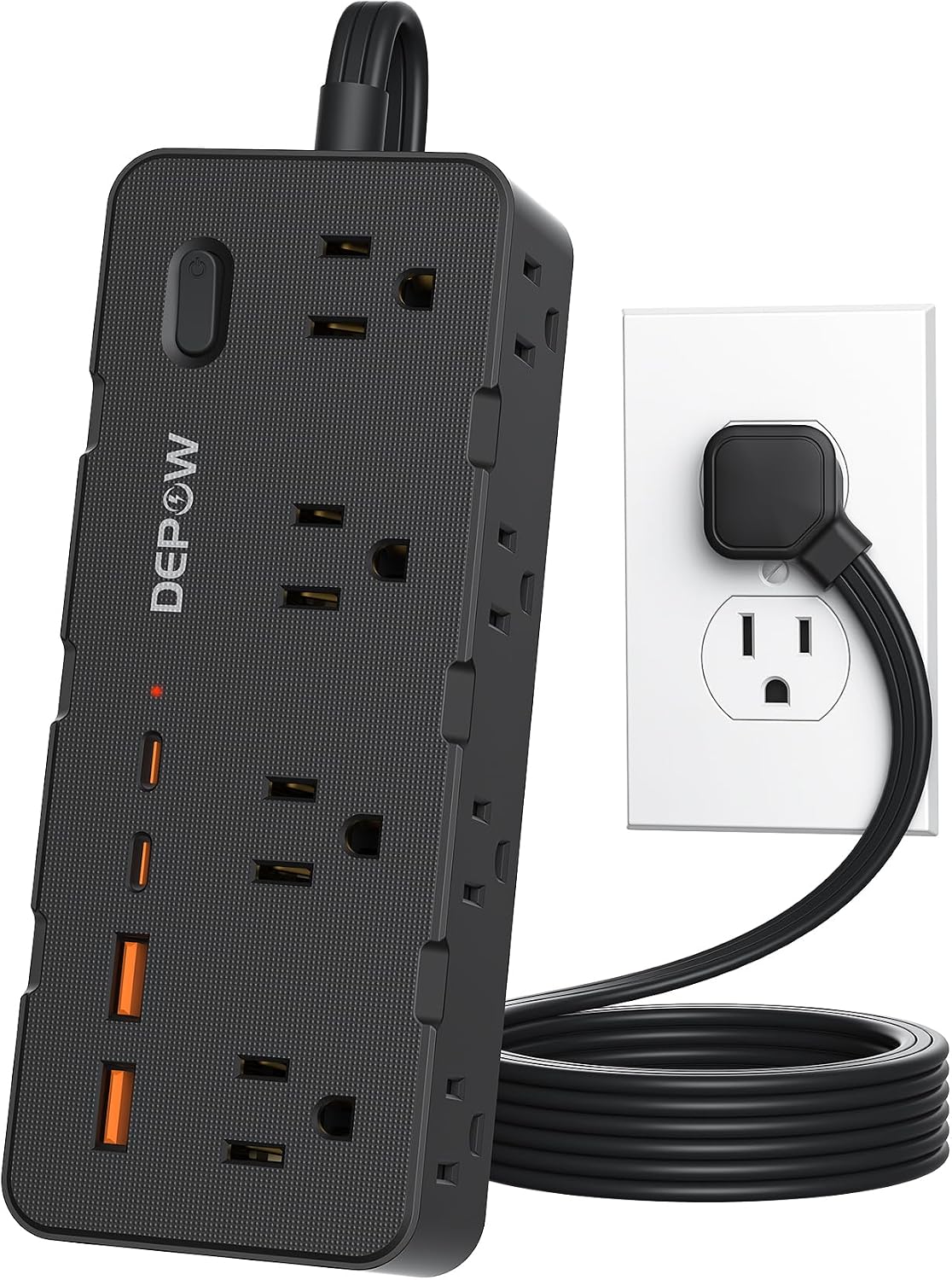
3 FT Power Strip, Extension Cord with 8 AC Outlets + 4 USB (2 USB-C), Black Flat Plug, Compact 3FT Flat Cord Keeps Desktop Neat. 1700J Surge Protection, 1625W, Great for Home Office, Dorm, Nightstand
Check Price on AmazonHICOBER USB C SD Card Reader
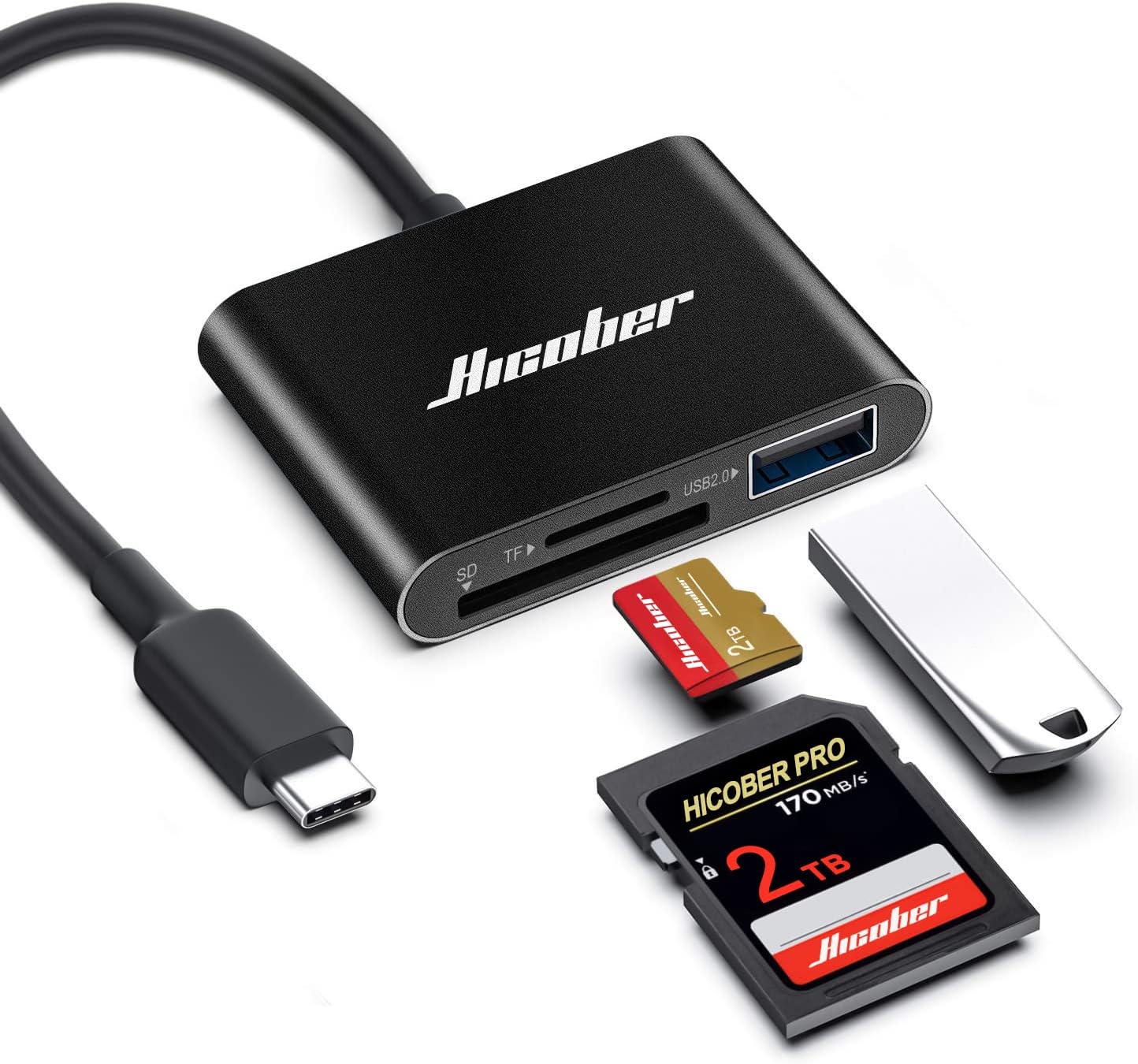
HICOBER USB C SD Card Reader, 3-in-1 for Laptop, Phone, Tablet, Black Durable aluminum body helps dissipate heat quickly for stable performance; reads SD, TF and USB drives up to 2TB via USB-C
Check Price on Amazon64GB Micro SD Card with SD Card Reader
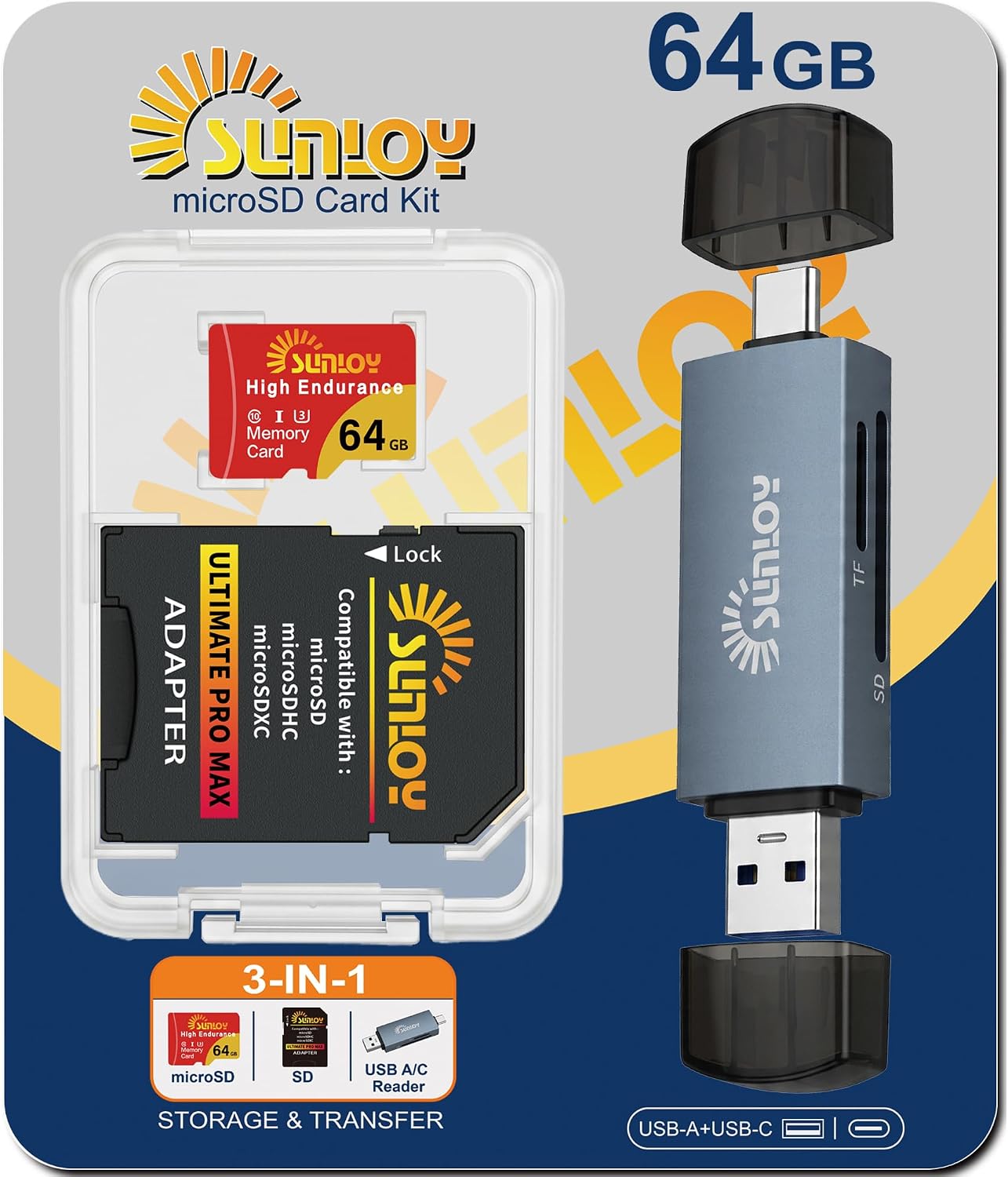
64GB Micro SD Card with SD Card Reader USB3.0 A/C Dual Slots & SD Adapter UHS-I, C10, U3, V30, A1, 4K UHD, USB 3.0 Memory Card Reader for iPhone 17/16/15, MacBook, iPad, Laptop, PC, Drone, Game Console
Check Price on AmazonOpen Category Rules for British Drone Laws
The Open Category is further split into three subcategories: A1, A2, and A3. A1 allows flying over people (but not crowds) with drones under 0.55 lbs (250g). A2 requires you to stay at least 164 feet (50 meters) from people and lets you fly closer to uninvolved people after passing an online A2 CofC (Certificate of Competency) exam. A3 is for flights far from people, buildings, and vehicles — you must stay at least 492 feet (150 meters) away from residential, commercial, and recreational areas.
Regulatory Authority and Framework for British Drone Laws
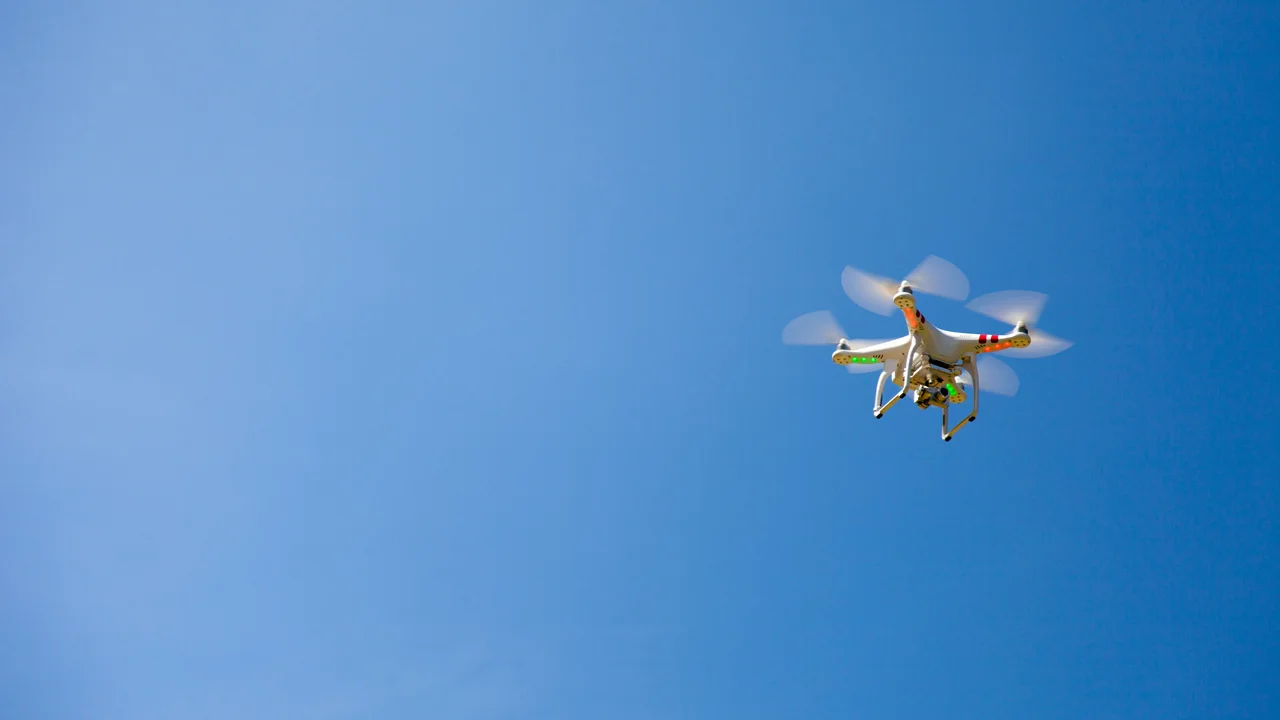
The Civil Aviation Authority (CAA) is the sole authority for drone regulations in the United Kingdom. The legal framework comes from the Air Navigation Order 2016 (ANO 2016), which was updated by the CAA’s CAP 722 (Unmanned Aircraft System Operations in UK Airspace) and the Drone and Model Aircraft Code. Since Brexit, the UK has maintained its own set of rules that align closely with the European Union’s EASA framework but with specific national differences.
Key Legislation Documents for British Drone Laws
| Document | Purpose | Relevance |
|---|---|---|
| Air Navigation Order 2016 (ANO) | Primary legal framework | All drone operations |
| CAP 722 | Guidance on UAS operations | Commercial and complex flights |
| Drone and Model Aircraft Code | Simplified rulebook for pilots | Mandatory for all flyers |
| CAP 2012 (Open Category) | Detailed Open Category rules | Recreational and light commercial |
Registration and Certification Requirements Under British Drone Laws
If your drone weighs more than 0.55 lbs (250g), you must register as an operator with the CAA. The registration costs £9 per year and is valid for 12 months. You also need to pass a free online theory test called the CAA Drone and Model Aircraft Registration and Education Scheme (DMARES) to get your Flyer ID. The operator ID must be displayed on the drone itself, and the Flyer ID must be carried when flying.
How to Register for British Drone Laws
DJI Mini 3
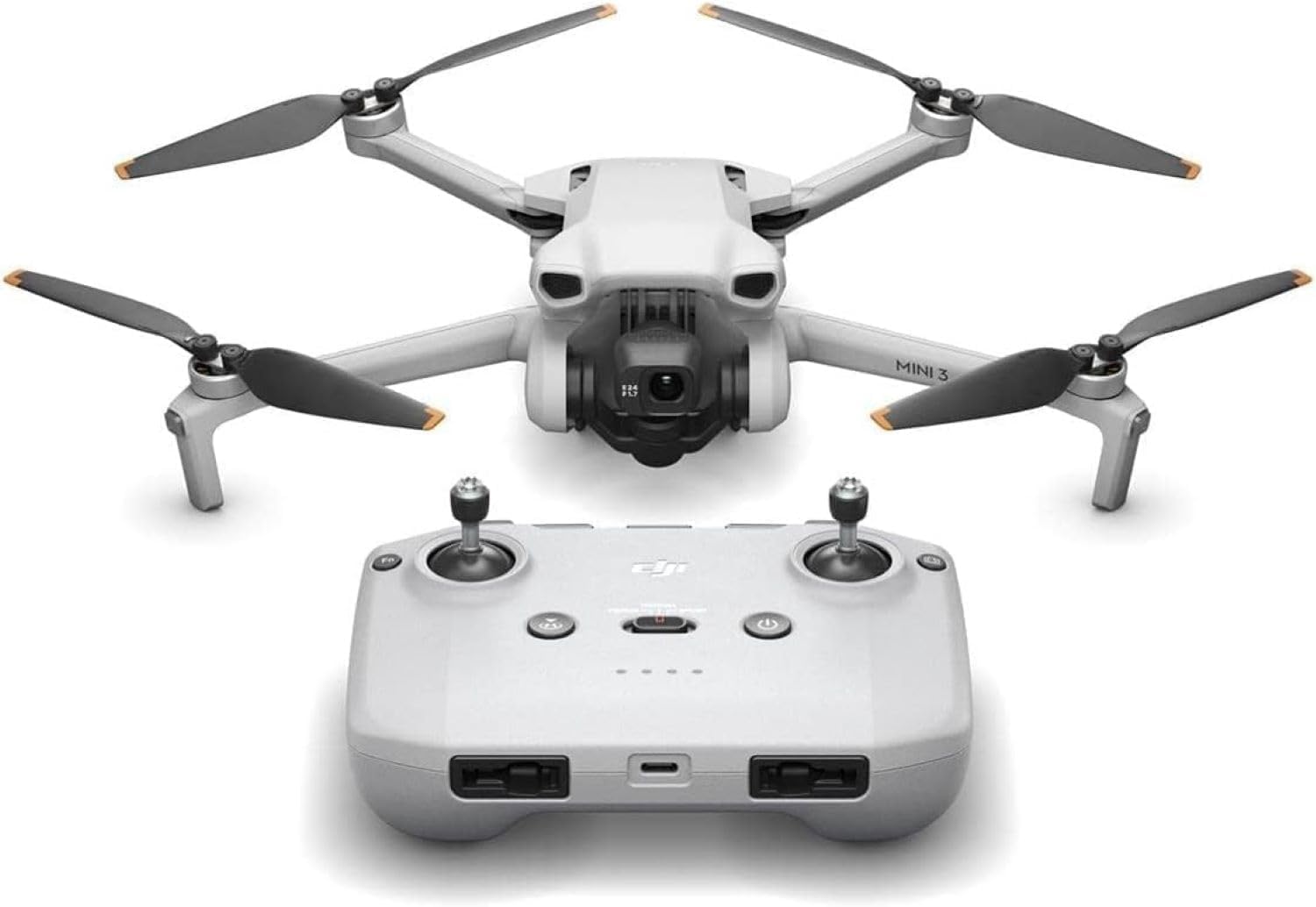
DJI Mini 3, 3-Axis Mechanical Gimbal Mini Camera Drone | 4K HDR Video, 38-Min Flight Time, up to 32800ft (10km) Video Transmission, True Vertical Shooting, GPS Auto Return
Check Price on AmazonDJI Mini 3 Fly More Combo
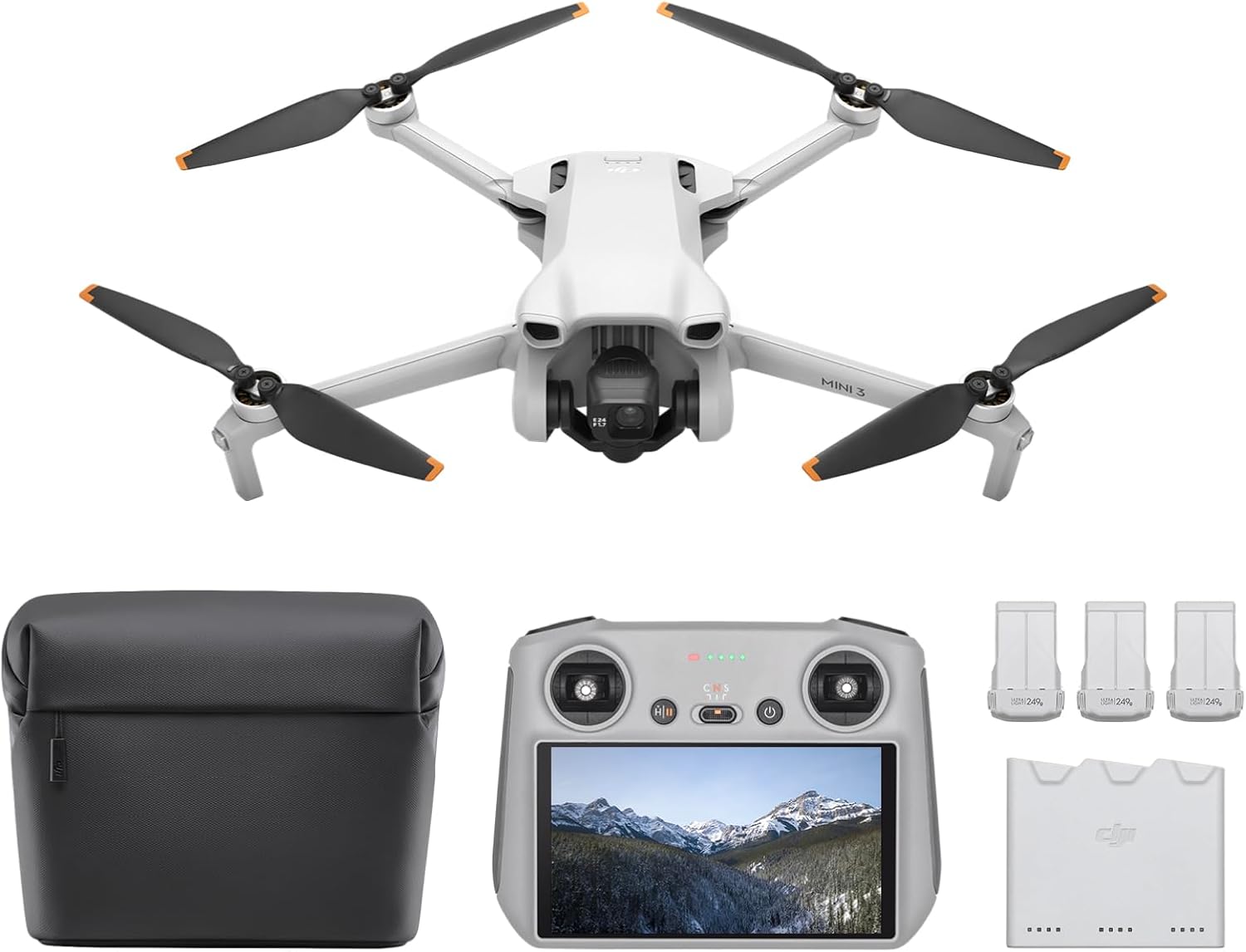
DJI Mini 3 Fly More Combo With DJI RC, 3 Batteries | Lightweight Camera Drone With 4K HDR Video, 114-Min Flight Time, Vertical Shooting, 32800ft (10km) Video Transmission
Check Price on AmazonDJI Mini 3 With DJI RC
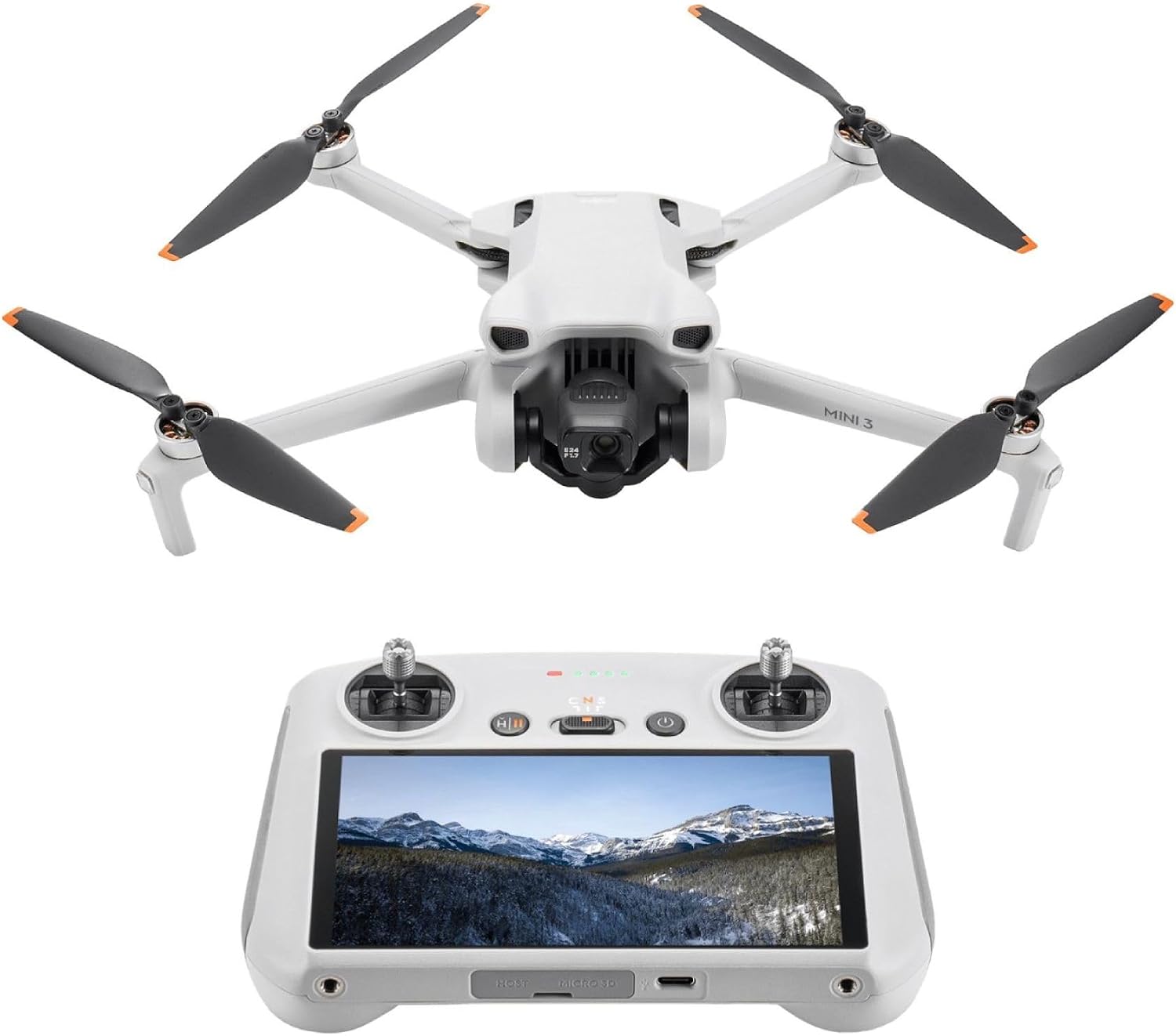
DJI Mini 3 With DJI RC, 3-Axis Mechanical Gimbal Mini Camera Drone | 4K HDR Video, 38-Min Flight Time, up to 32800ft (10km) Video Transmission, Vertical Shooting, GPS Auto Return
Check Price on AmazonGo to register-drones.caa.co.uk and create an account with your email and UK address.
Pay £9 via debit/credit card. Your operator ID is valid for 12 months from the date of purchase.
Carrying Hard Case for DJI Avata 360 Drone
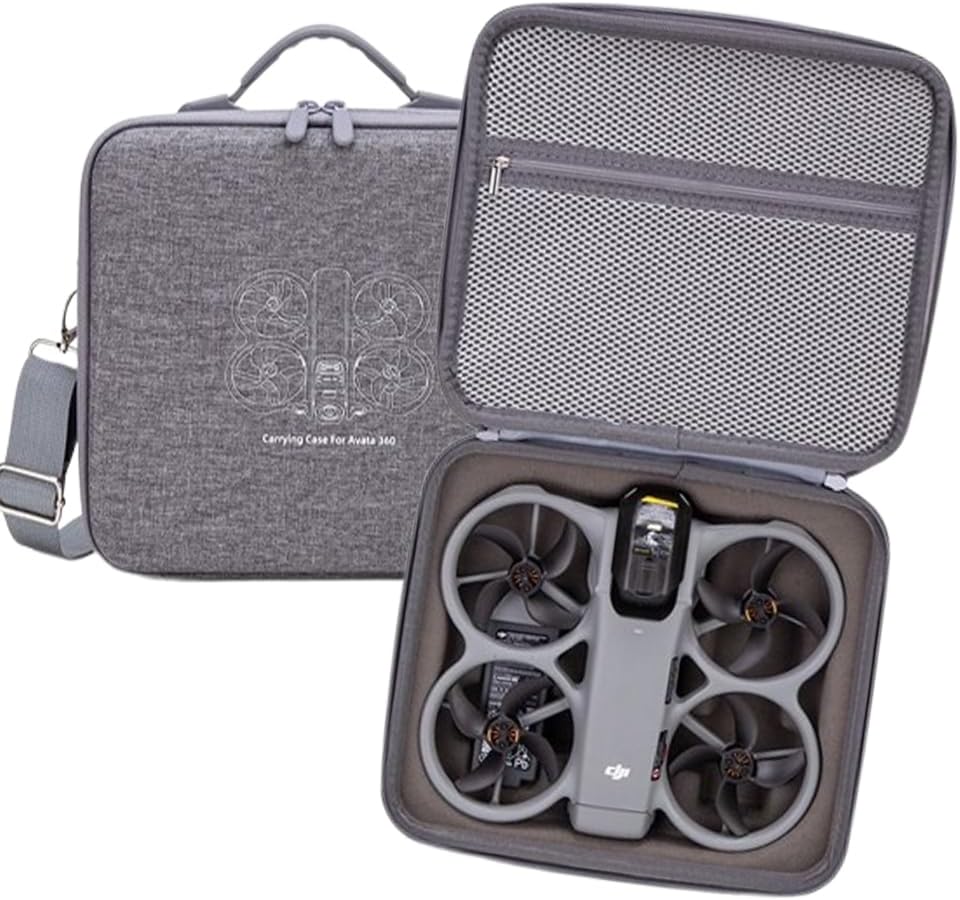
Carrying Hard Case for DJI Avata 360 Drone - Portable Travel Bag for Goggles N3/RC Motion 3 Controller
Check Price on AmazonHard Case for Antigravity A1 Drone
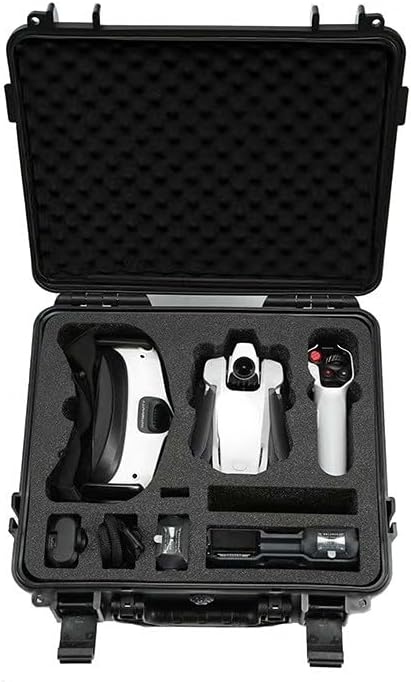
Hard Case for Antigravity A1 Drone, Waterproof Protective Carry Case, Anti-Fall Storage Bag Fit for Drone, Batteries, Goggles, Accessories & RC Gear [Only Protect Shell]
Check Price on AmazonComplete the free online DMARES test. You need 80% to pass. The test covers drone safety, airspace, and privacy.
Print and attach your operator ID to the drone. The ID must be legible without tools.
For commercial operations, you need a GVC (General Visual Line of Sight Certificate) or an A2 CofC (Certificate of Competency) if you want to fly closer to people. The GVC costs around £800–£1,200 and requires a training course and practical assessment. The A2 CofC is a cheaper online exam costing about £100.
No-Fly Zones and Restricted Areas Under British Drone Laws
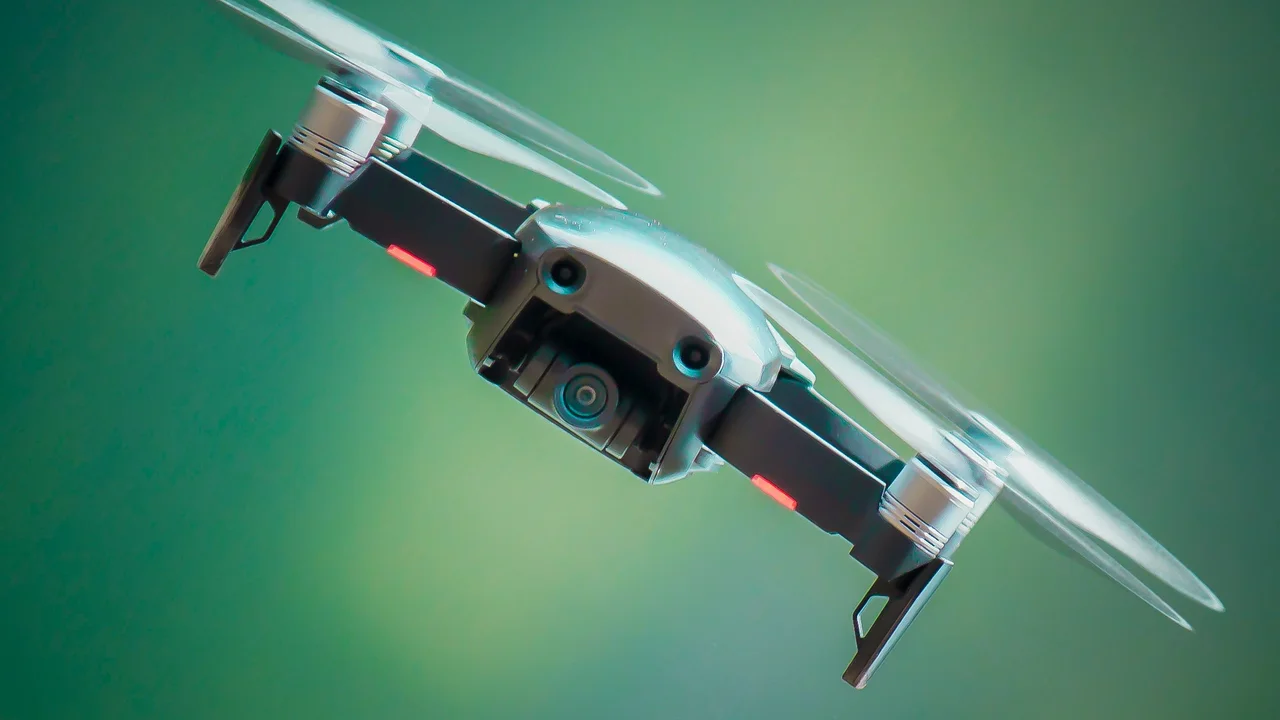
British drone laws strictly prohibit flying in certain areas without permission. The most important restricted zones are airports, military bases, prisons, and nuclear sites. You cannot fly within 3.1 miles (5 km) of any airport or airfield without prior air traffic control approval. Additionally, all land within the Flight Restriction Zone (FRZ) around airports is off-limits.
Complete List of No-Fly Zones for British Drone Laws
| Restricted Area | Distance Restriction | Permission Needed |
|---|---|---|
| Airports and airfields | 3.1 miles (5 km) | Air traffic control approval |
| Military bases | Entire site + 0.6 miles (1 km) buffer | Ministry of Defence approval |
| Prisons | Entire site + buffer zone | Prohibited without special license |
| Nuclear sites | Entire site + buffer zone | Prohibited without special license |
| National parks (some) | Varies by park | Check local byelaws |
| Crowded events | Entire event footprint | CAA exemption required |
You can use the CAA’s official Drone Assist app or the No-Fly Zone Checker tool to see live restricted areas before every flight. Always check before launching — airspace changes frequently.
Where You Can Legally Fly Under British Drone Laws
You can fly in most rural and suburban areas as long as you stay 164 feet (50 meters) from people, vehicles, and buildings not involved in your flight. In the A3 subcategory, you must be at least 492 feet (150 meters) from residential, commercial, and recreational areas. Open countryside, farmland, and coastal areas are generally safe, but always verify with local landowners — you need their permission to take off and land.
Legal Flying Spots
- Open countryside (farmland, moors)
- Coastal areas (beaches, cliffs)
- Parks (check local byelaws first)
- Private land with owner permission
Illegal Flying Spots
- Within 3.1 miles of airports
- Over crowds or events
- Over prisons or military bases
- Over congested areas without A2 CofC
Using Apps and Tools to Find Legal Flying Locations
The CAA’s Drone Assist app is free and shows live airspace restrictions, including temporary flight restrictions (TFRs) for events like airshows or emergencies. You can also use the Weight Checker Tool to confirm if your drone requires registration. For commercial flights, the Registration Calculator helps determine which category applies to your operation.
Penalties for Violating British Drone Laws
The CAA and UK police enforce drone regulations with escalating penalties. Minor violations — like failing to display an operator ID — can result in a fixed penalty notice of £100 to £500. Serious offenses, such as flying near airports or causing a safety risk, carry fines up to £2,500 or unlimited fines if the case goes to Crown Court. In extreme cases, pilots can face up to 5 years in prison for endangering an aircraft.
Common Violations and Their Consequences
| Violation | Penalty | Legal Basis |
|---|---|---|
| Flying without registration (over 0.55 lbs) | £1,000 fine | ANO 2016, Article 94 |
| Flying in FRZ without permission | Up to £2,500 fine | ANO 2016, Article 95 |
| Endangering an aircraft | Up to 5 years imprisonment | ANO 2016, Article 240 |
| Flying over crowds | Up to £2,500 fine | ANO 2016, Article 95 |
| Failing to display operator ID | £500 fine | ANO 2016, Article 94 |
The CAA also has the power to seize your drone and equipment. Repeat offenders may face a ban from flying altogether. Always keep your operator ID and Flyer ID current — expired IDs are treated as no registration.
Summary of British Drone Laws 2026
British drone laws in 2026 remain straightforward for recreational pilots. Register your drone if it weighs over 0.55 lbs (250g), pass the free Flyer ID test, and follow the Open Category rules: stay under 400 feet, keep 164 feet from people, and avoid all restricted zones. For commercial work, invest in a GVC or A2 CofC. Always check the CAA’s Drone Assist app before each flight and use tools like the No-Fly Zone Checker to stay safe. The penalties for violations are steep — but compliance is simple if you follow the CAA’s code.
Frequently Asked Questions
What are the rules for British drone laws?
British drone laws require all drones over 0.55 lbs (250g) to be registered with the CAA and display an operator ID. You must fly below 400 feet (120 meters) altitude, stay at least 164 feet (50 meters) away from people and buildings not involved in your flight, and maintain visual line of sight at all times. No-fly zones include airports (within 3.1 miles), military bases, prisons, and nuclear sites. The CAA enforces these rules with fines up to £2,500 and potential prison time for serious violations.
Do I need to register my drone for British drone laws?
Yes, if your drone weighs more than 0.55 lbs (250g), you must register as an operator with the CAA. The registration costs £9 per year and is valid for 12 months. You also need to pass the free DMARES theory test to obtain a Flyer ID. Drones under 0.55 lbs, like the DJI Mini 4 Pro, do not require registration unless you add a payload that pushes the weight over the threshold. The operator ID must be displayed on the drone, and the Flyer ID must be carried when flying.
Are there restricted areas relevant to British drone laws?
Yes, British drone laws have strict no-fly zones. You cannot fly within 3.1 miles (5 km) of any airport or airfield without air traffic control approval. Military bases, prisons, nuclear sites, and crowded events are completely off-limits. Some national parks also have local byelaws restricting drone use. Always check the CAA’s Drone Assist app or use the No-Fly Zone Checker tool before every flight to see live restrictions, including temporary flight restrictions for emergencies or events.
What are the penalties for breaking rules related to British drone laws?
Penalties for violating British drone laws range from £100 fixed penalty notices to unlimited fines in Crown Court. Flying without registration (if your drone is over 0.55 lbs) carries a fine of up to £1,000. Flying in the Flight Restriction Zone near an airport can result in a fine up to £2,500. The most serious offense — endangering an aircraft — carries a maximum prison sentence of 5 years. The CAA can also seize your drone and equipment, and repeat offenders may face a flying ban.
Last updated: July 14, 2026
- Civil Aviation Authority (caa.co.uk)
- Air Navigation Order 2016 (legislation.gov.uk)
- CAP 722: Unmanned Aircraft System Operations in UK Airspace
- Drone and Model Aircraft Code (caa.co.uk)
NANUK 935 Pro Photo Kit Camera Case
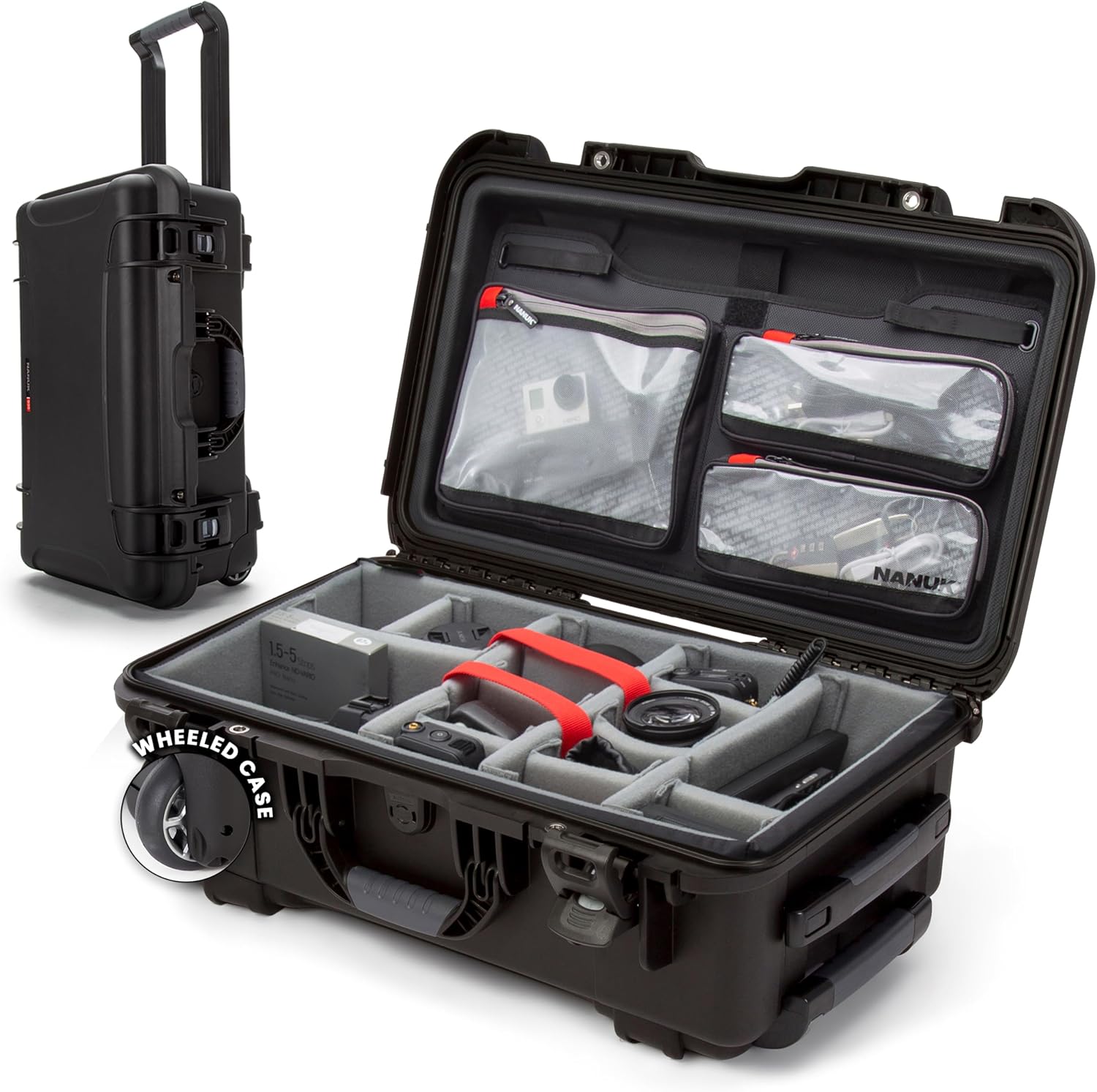
NANUK 935 Pro Photo Kit Camera Case, Waterproof Wheeled Hard Case, Carry-On, Black
Check Price on AmazonNANUK 925 DJI Mavic 4 Pro Creator Combo
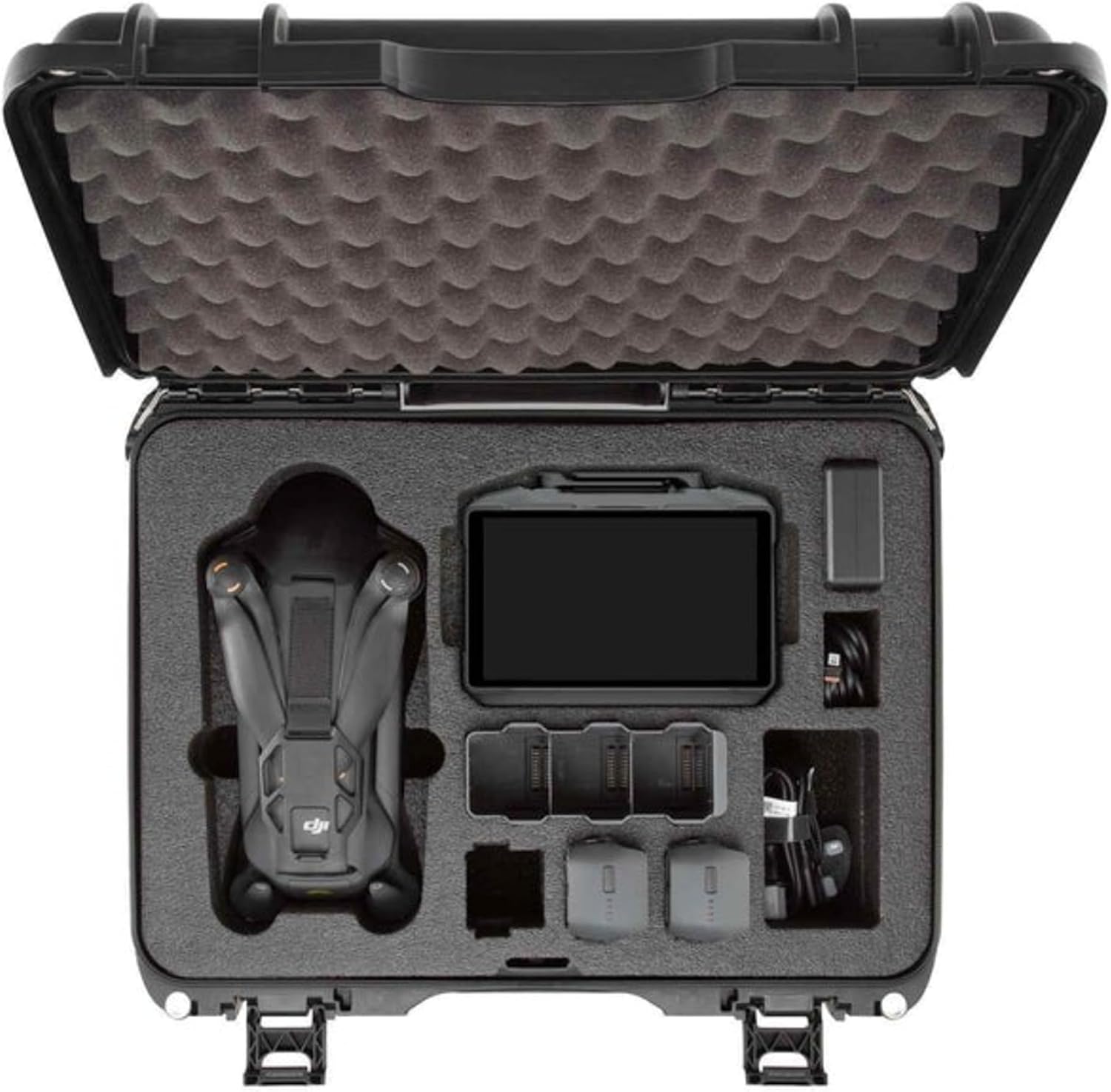
NANUK 925 DJI Mavic 4 Pro Creator Combo - Waterproof Hard Case with Drone Foam Insert, Crushproof, Portable Travel Case, Made in Canada (18.7” x 14.8”x 7”) - Black
Check Price on Amazon Drone Allowed
DroneAllowed editor covering drone regulations, aviation law, and aerial photography across USA, UK, Canada & Australia.