
Dji Spark Drone Review — Complete Review & Buying Guide 2026
 11 min read
2,102 words
✈️ Flying your drone on this trip? See my gear list
View gear on AmazonAs an Amazon Associate I earn from qualifying purchases.
Overview of the DJI Spark Drone Review
If you’re searching for a “dji spark drone review” that cuts through the hype, you’ve come to the right place. The DJI Spark was launched in 2017 as DJI’s first true mini drone, designed for casual flyers and social media enthusiasts. In 2026, you might wonder if a seven-year-old drone still holds up in a market flooded with newer models like the DJI Mini series and the DJI Neo.
LENTION 3.3FT Long Cable USB C Hub
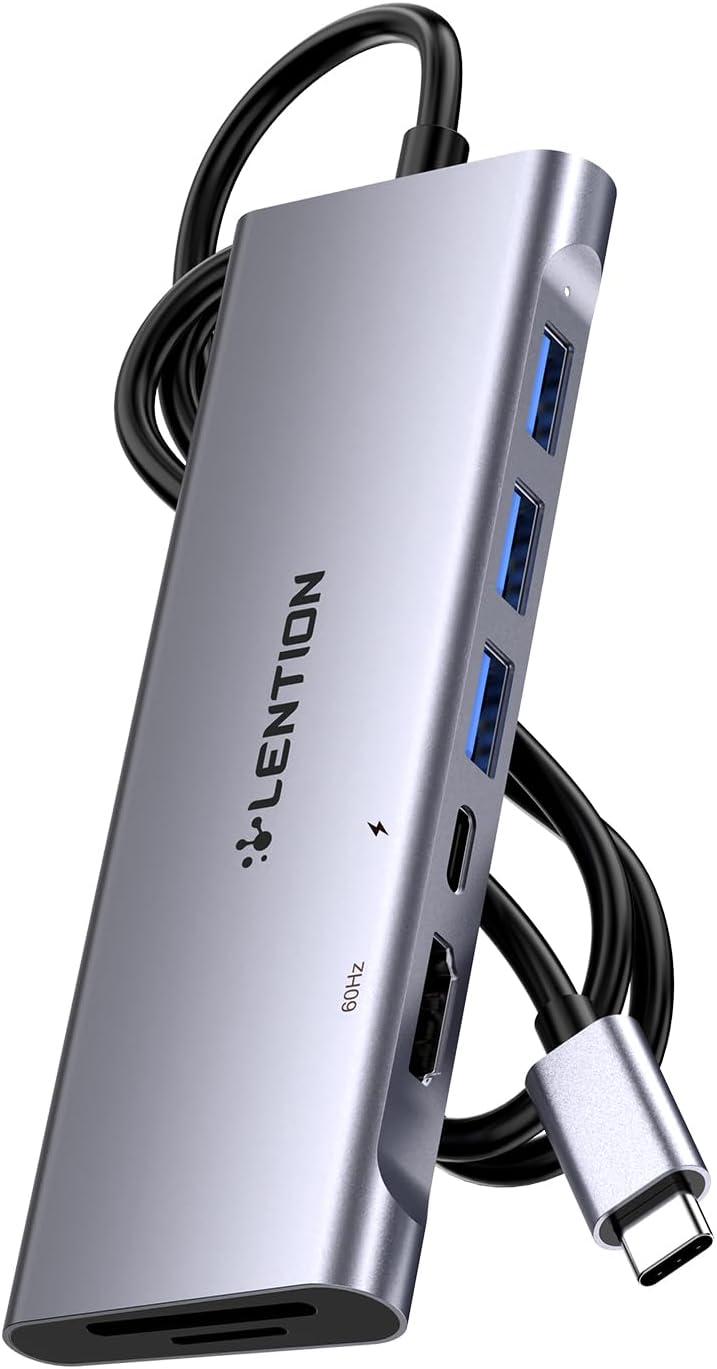
LENTION 3.3FT Long Cable USB C Hub, 4K HDMI, 100W PD, USB 3.0, Card Reader 3A & LED Indicator Stable Driver Adapter, for macOS, iOS/iPadOS, Windows & ChromeOS (C36p-1M, Space Gray)
Check Price on Amazon17-in-1 USB C Hub 65W Powered Adapter, 10Gbps, Dual PD 45W
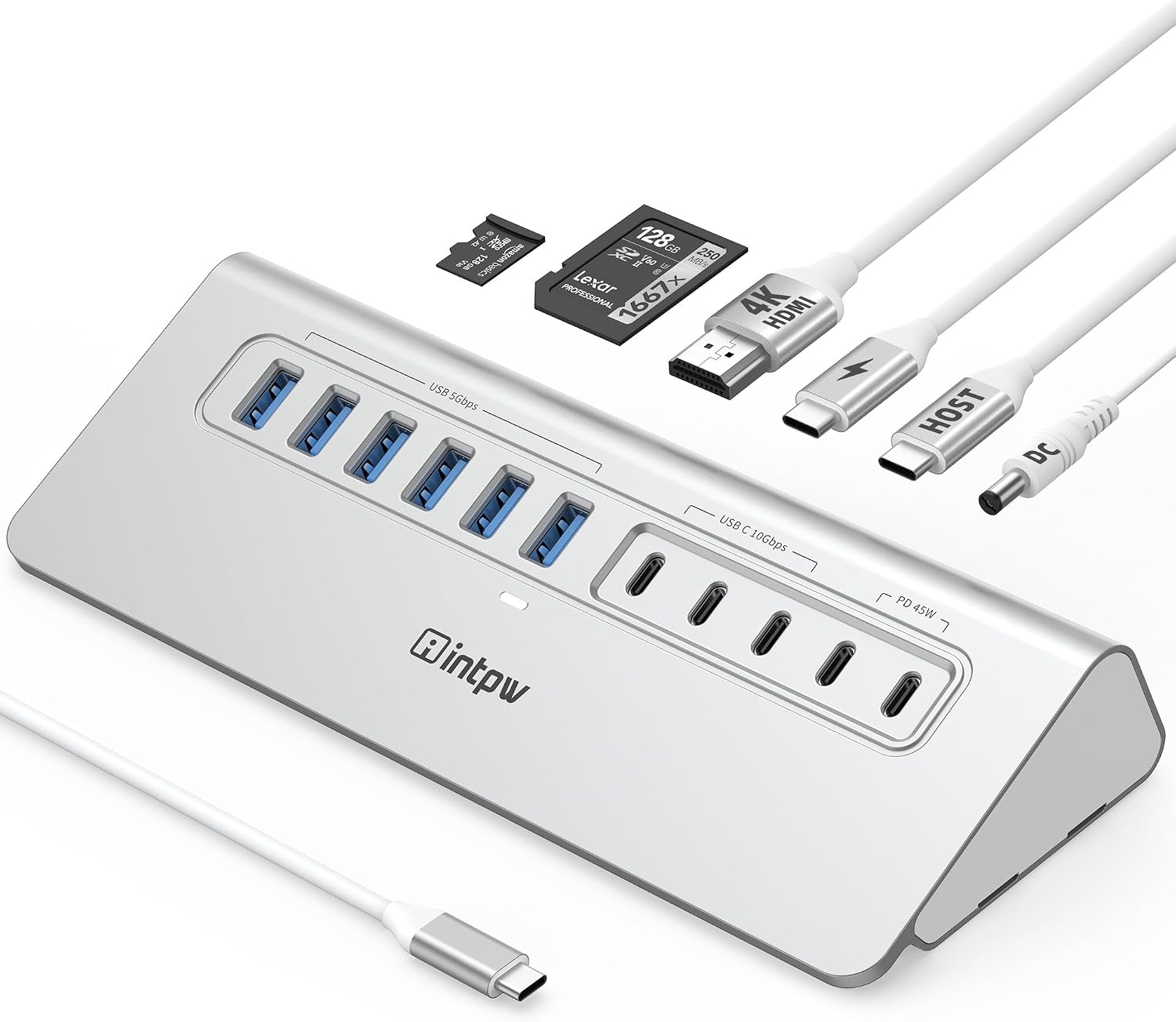
17-in-1 USB C Hub 4K@60Hz, 65W Powered Adapter, 10Gbps, Dual PD 45W PD 100W Charging, 3×USB-C 3.2+6×USB-A 3.0, SD/TF 105MB/s, 3.3ft Cable, Aluminum Desktop USB Hub for MacBook Pro/Air/Mac Mini
Check Price on AmazonLENTION USB-C Hub, HDMI, 100W PD, 2 USB-C, 2 USB 3.0, Card Reader
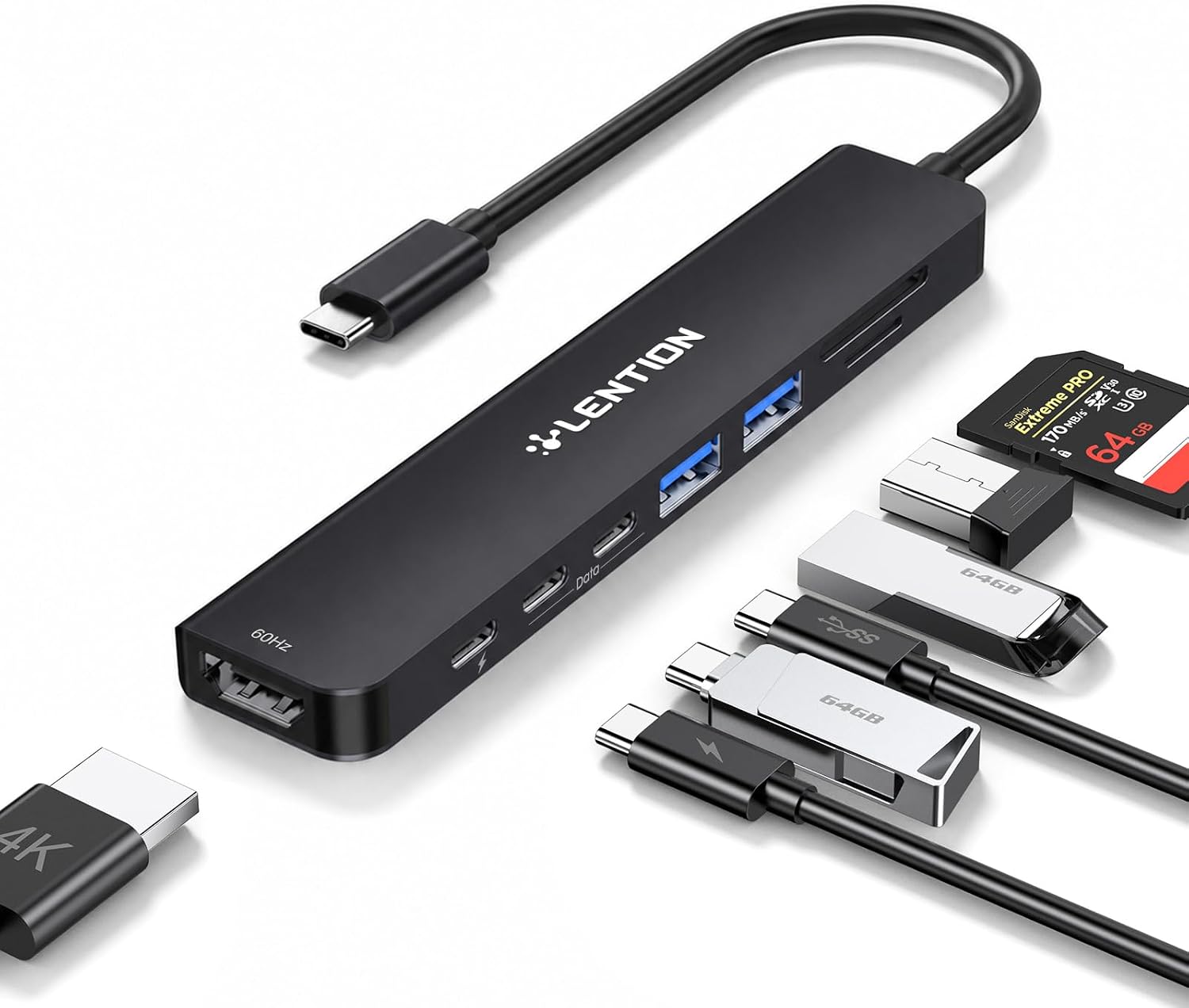
LENTION USB-C Hub, 4K@60Hz HDMI, 100W PD, 2 USB-C, 2 USB 3.0, Card Reader 2A & 2C Work Simultaneously, Stable Driver 3.0 Certified, for macOS, iOS/iPadOS, Windows & ChromeOS (CE19, Black)
Check Price on AmazonThis complete review covers everything you need to know: key specs, real-world performance, pros and cons, and whether it’s worth buying today. We’ll also walk through the legal requirements for flying the Spark in the United States, so you can make an informed purchase decision.
3 FT Power Strip
3 FT Power Strip, Extension Cord with 8 AC Outlets + 4 USB (2 USB-C), Black Flat Plug, Compact 3FT Flat Cord Keeps Desktop Neat. 1700J Surge Protection, 1625W, Great for Home Office, Dorm, Nightstand
Check Price on AmazonHICOBER USB C SD Card Reader
HICOBER USB C SD Card Reader, 3-in-1 for Laptop, Phone, Tablet, Black Durable aluminum body helps dissipate heat quickly for stable performance; reads SD, TF and USB drives up to 2TB via USB-C
Check Price on Amazon64GB Micro SD Card with SD Card Reader
64GB Micro SD Card with SD Card Reader USB3.0 A/C Dual Slots & SD Adapter UHS-I, C10, U3, V30, A1, 4K UHD, USB 3.0 Memory Card Reader for iPhone 17/16/15, MacBook, iPad, Laptop, PC, Drone, Game Console
Check Price on AmazonDJI Spark Key Specifications and Features
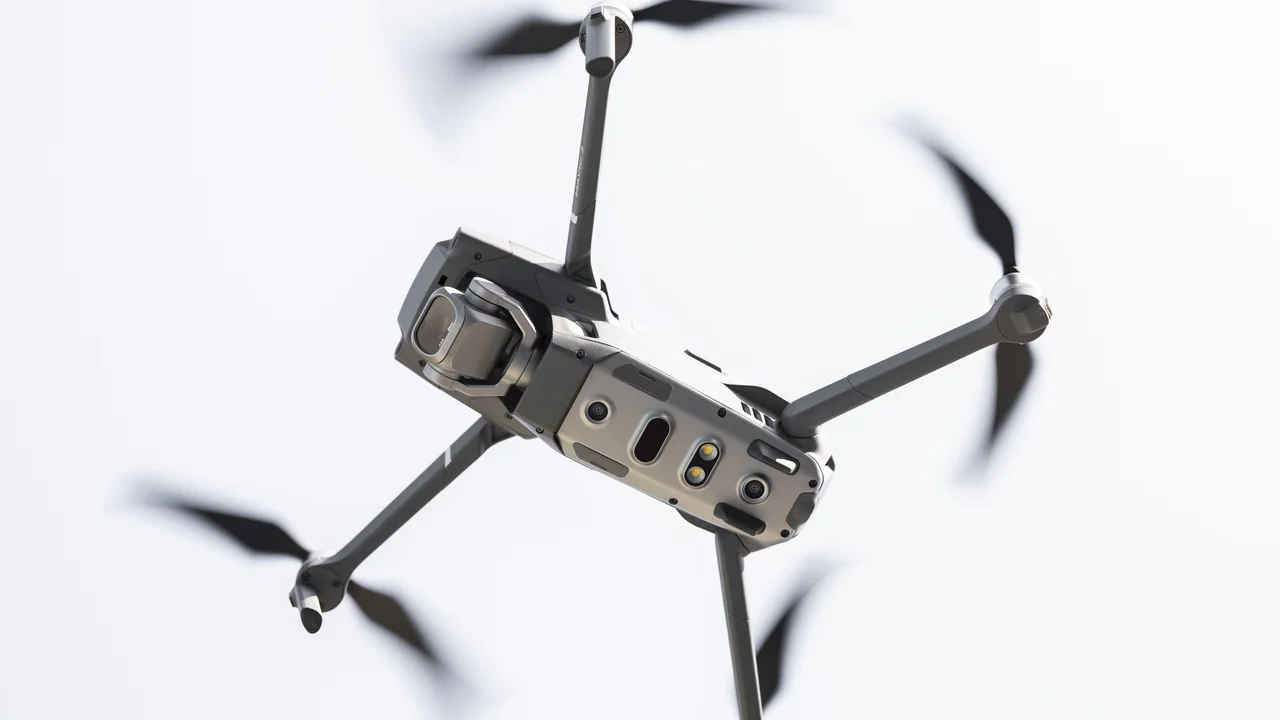
Before diving into flight performance, let’s look at what the DJI Spark brings to the table. These specs define its capabilities and limitations.
| Specification | DJI Spark |
|---|---|
| Weight | 300g (10.6 oz) |
| Dimensions (folded) | 143 × 143 × 55 mm (unfolded, no folding arms) |
| Camera Sensor | 1/2.3″ CMOS, 12 MP |
| Video Resolution | 1080p at 30 fps (no 4K) |
| Flight Time | Up to 16 minutes (real-world ~12-14 min) |
| Max Speed | 31 mph (50 km/h) in Sport Mode |
| Transmission Range | Up to 1.2 miles (2 km) with remote controller |
| Obstacle Avoidance | Forward-facing 3D sensor only (downward for landing) |
| GPS/GLONASS | Yes |
| Price (2026 used/refurbished) | $150–$250 |
Camera and Image Quality
The Spark’s camera is a 1/2.3-inch sensor capable of 12-megapixel stills and 1080p video at 30 frames per second. It lacks 4K, which is a significant drawback compared to modern drones in the same price range. The f/2.6 aperture is fixed, so you cannot adjust it manually, and the mechanical shutter is absent—rolling shutter distortion is noticeable in fast pans.
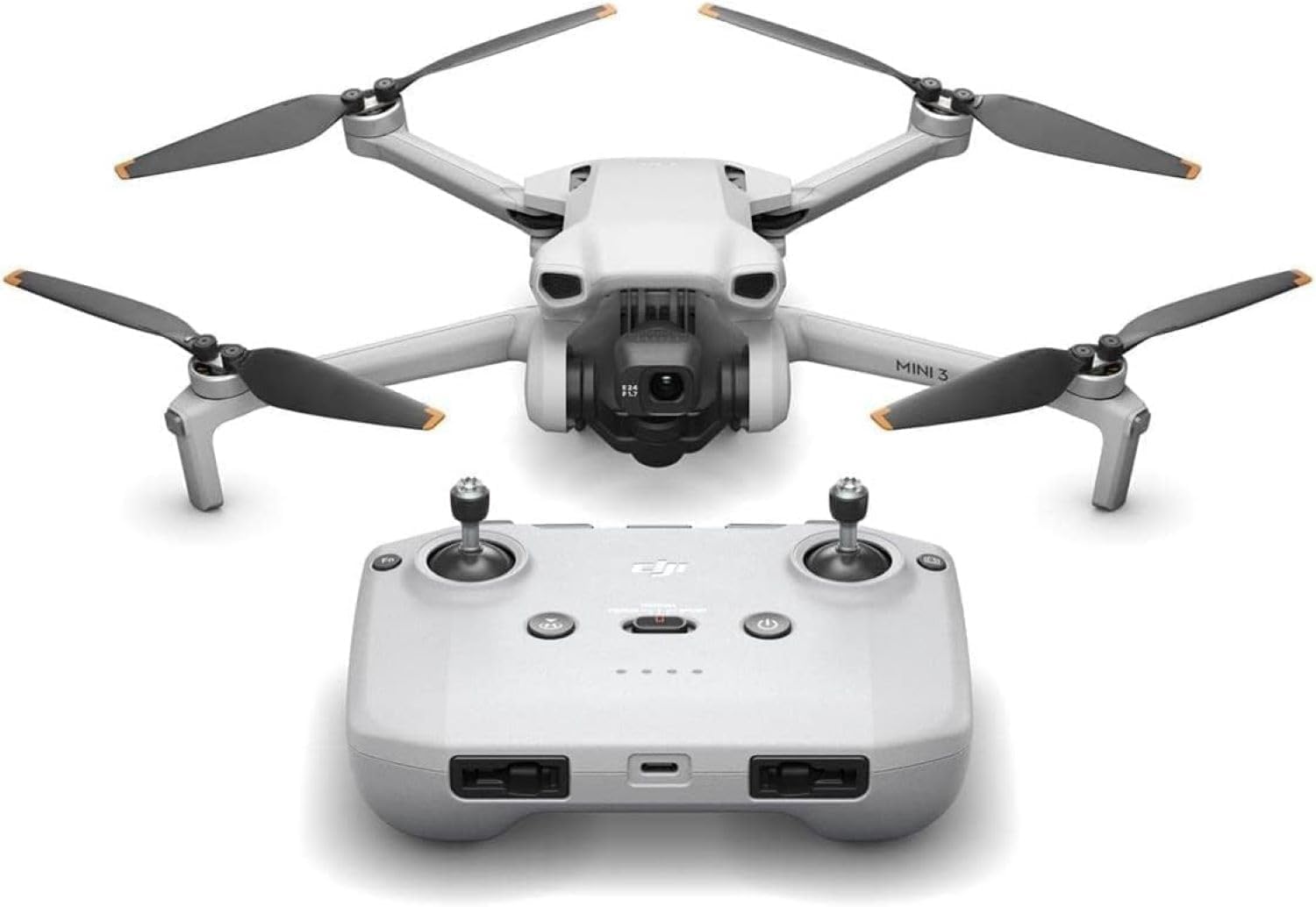
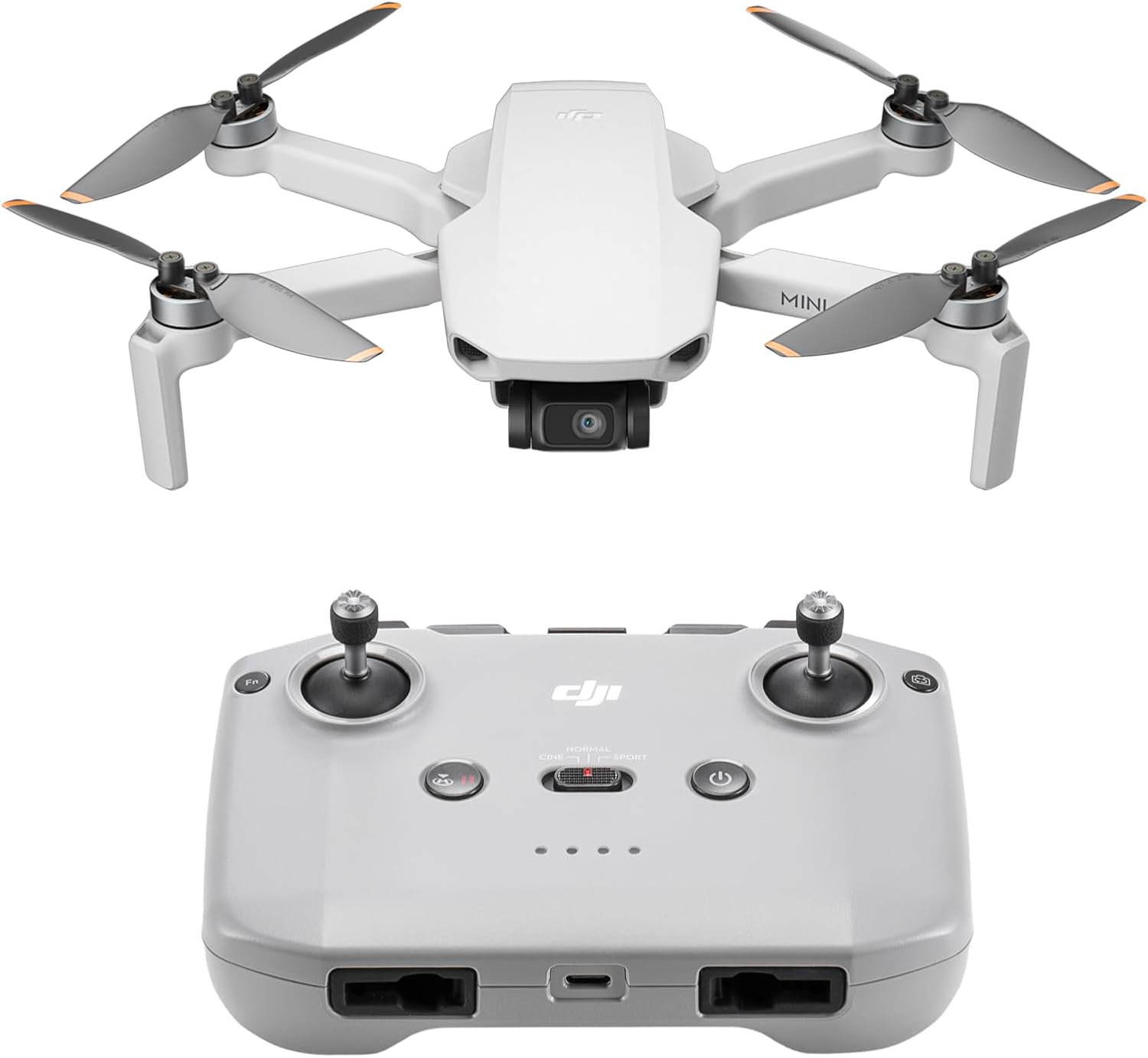
That said, the Spark’s camera produces decent images in good light. Colors are punchy straight out of the camera, and the 2-axis mechanical gimbal (pitch and roll) stabilizes footage well enough for casual social media clips. In low light, noise becomes obvious, and the lack of manual controls limits creative flexibility.
Flight Performance and Battery Life
✈️ Flying your drone on this trip? See my drone e-book list
View gear on AmazonAs an Amazon Associate I earn from qualifying purchases.
The DJI Spark flies smoothly in calm conditions. It uses GPS and GLONASS for positioning, holding its position well even in moderate wind. Sport Mode pushes the top speed to 31 mph, but battery drain is aggressive. Real-world flight time averages 12–14 minutes per battery, which is short by 2026 standards. You’ll want at least two or three extra batteries for a decent flying session.
DJI Mini 3
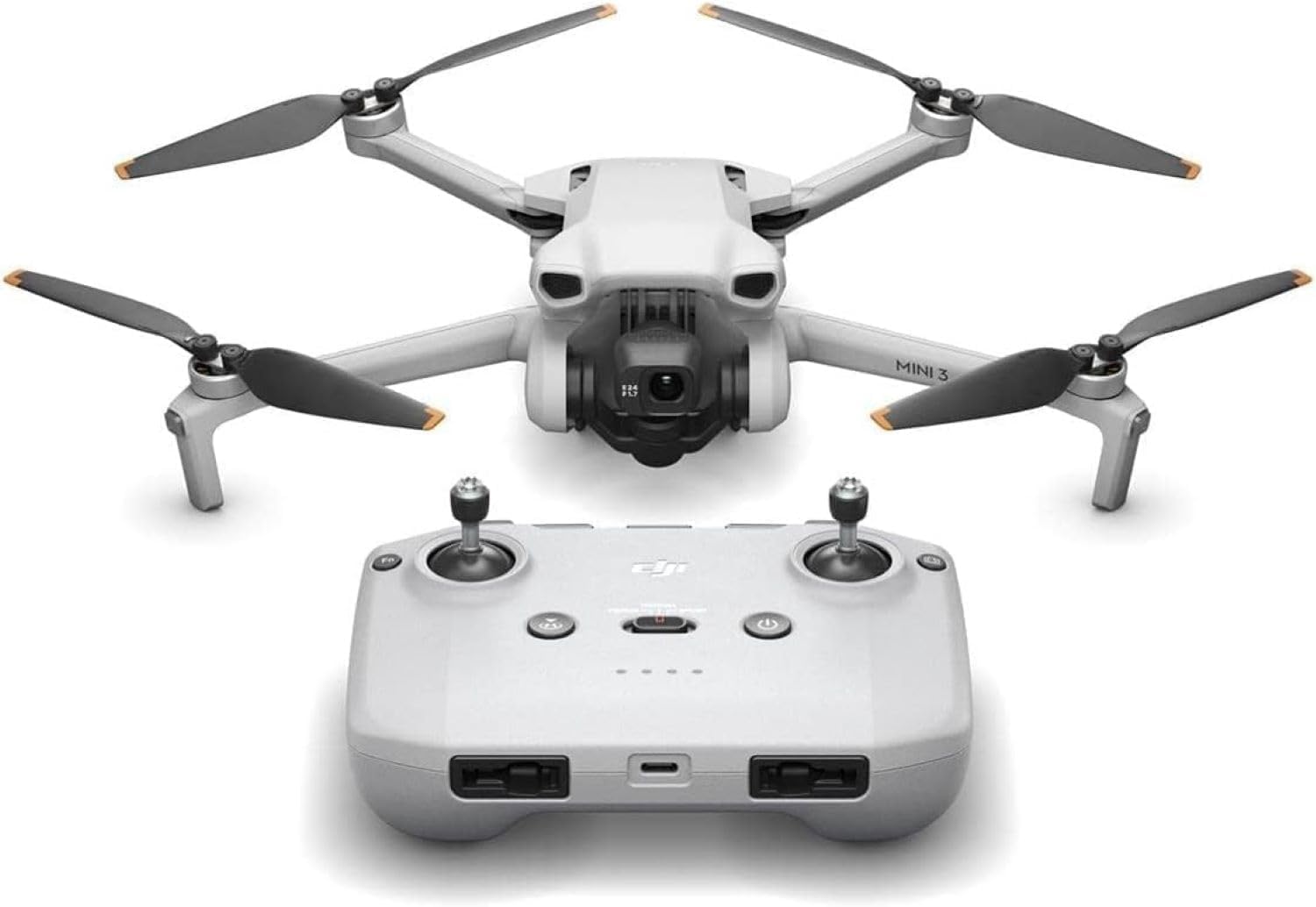
DJI Mini 3, 3-Axis Mechanical Gimbal Mini Camera Drone | 4K HDR Video, 38-Min Flight Time, up to 32800ft (10km) Video Transmission, True Vertical Shooting, GPS Auto Return
Check Price on AmazonDJI Mini 3 Fly More Combo
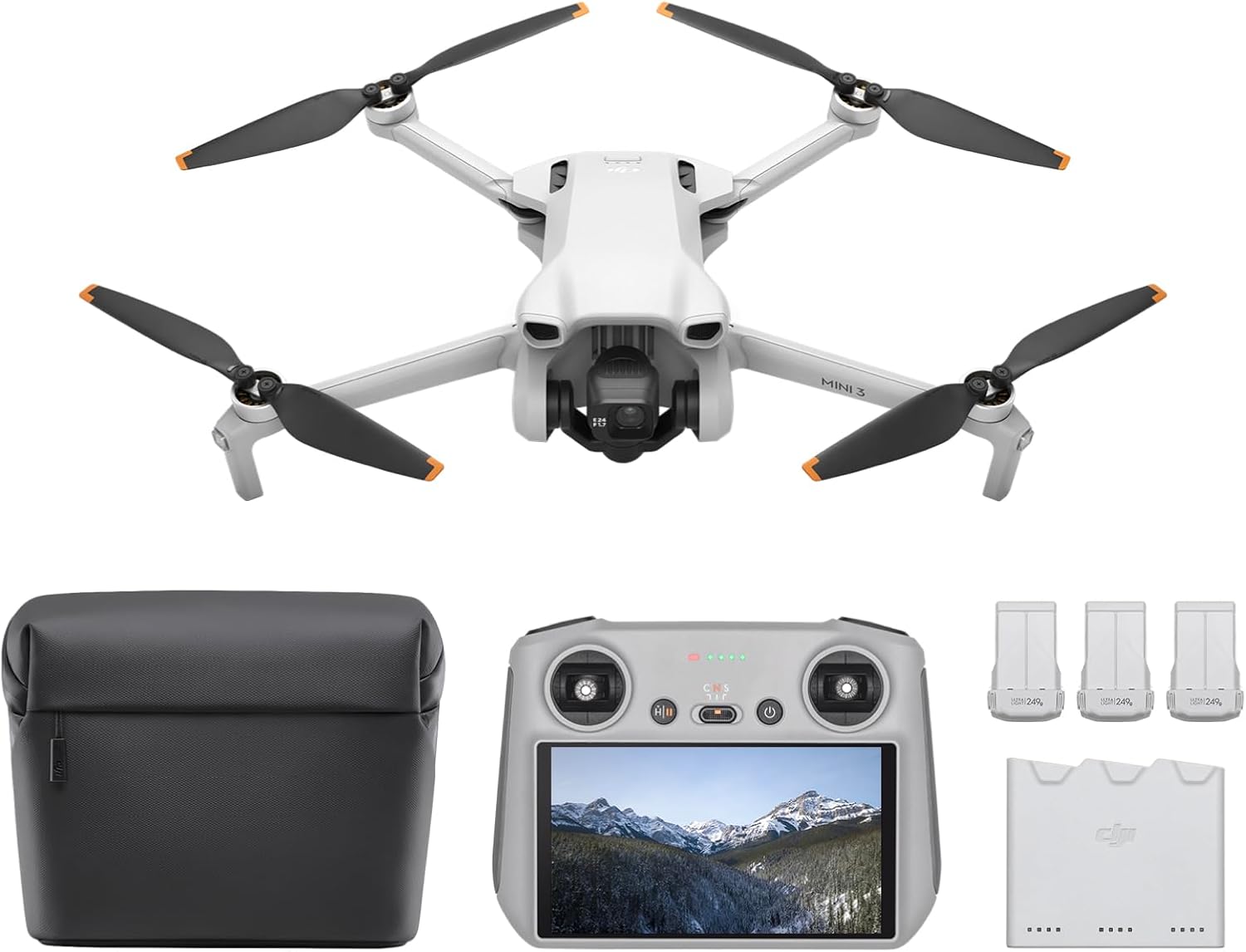
DJI Mini 3 Fly More Combo With DJI RC, 3 Batteries | Lightweight Camera Drone With 4K HDR Video, 114-Min Flight Time, Vertical Shooting, 32800ft (10km) Video Transmission
Check Price on AmazonDJI Mini 3 With DJI RC
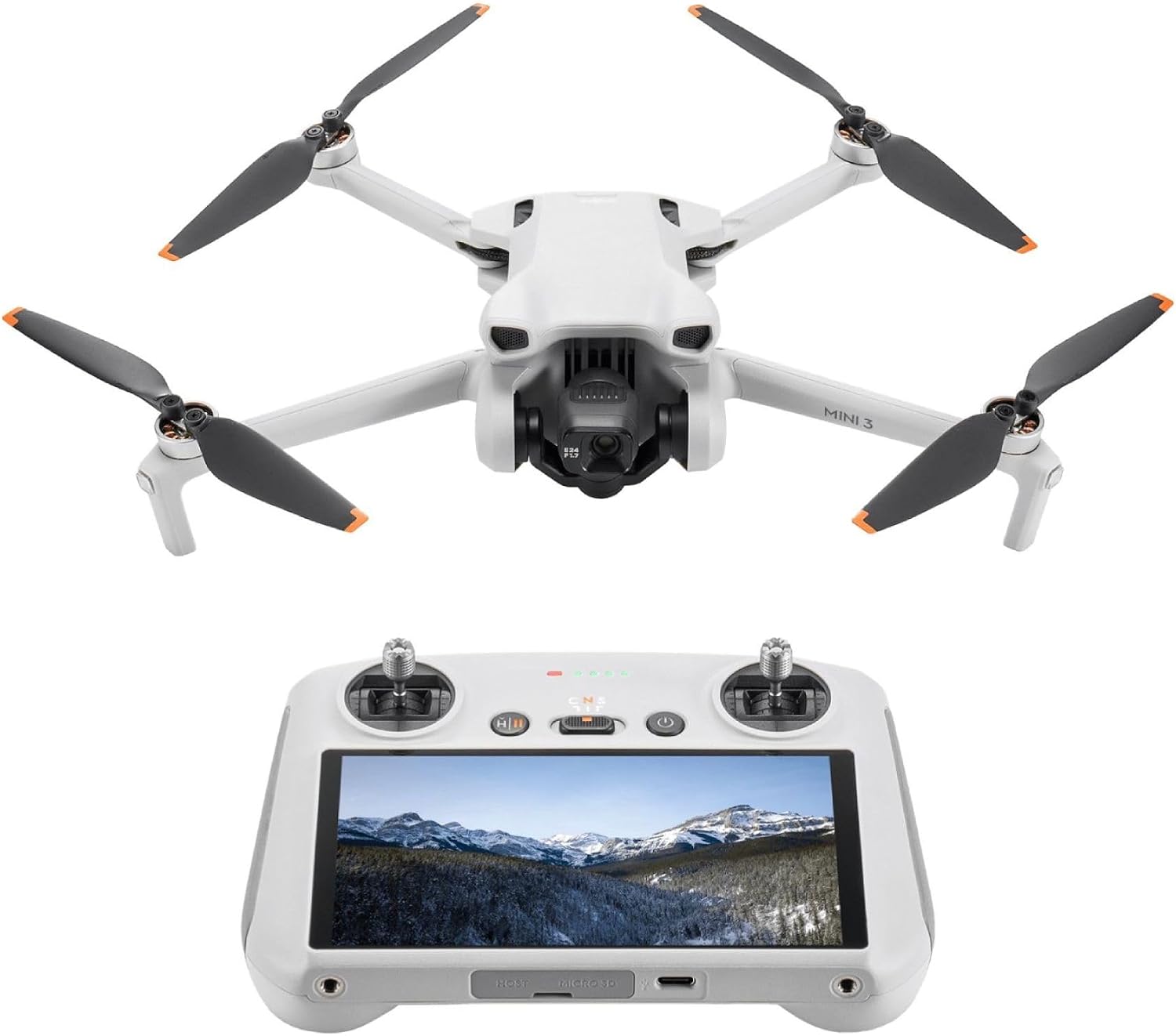
DJI Mini 3 With DJI RC, 3-Axis Mechanical Gimbal Mini Camera Drone | 4K HDR Video, 38-Min Flight Time, up to 32800ft (10km) Video Transmission, Vertical Shooting, GPS Auto Return
Check Price on AmazonThe forward-facing 3D sensor detects obstacles up to 16 feet ahead, but it only works in normal flight modes—not in Sport Mode. This is a basic obstacle avoidance system, not the omnidirectional protection found on newer DJI models.
Performance in Real-World Conditions
To give you a practical “dji spark drone review,” we tested the Spark in three common scenarios: beach flying, park cruising, and urban street photography. Here’s how it performed.
Wind Resistance and Stability
The Spark handles winds up to about 15 mph (24 km/h) before you notice significant drift. In gusty conditions above 20 mph, the drone struggles to maintain position and the gimbal tilts heavily to compensate. For coastal or mountain flying, you’ll want a heavier drone like the DJI Neo Review 2026: The Ultra-Affordable Selfie Drone Worth Buying? for better stability.
Video and Photo Quality in Practice
Daytime footage from the Spark is usable for Instagram stories and YouTube shorts. The 1080p limit means you can’t crop much without losing detail. Photos are sharp in the center but soft at the edges—typical for a small sensor. The lack of a gimbal lock means you must power the drone on and off carefully to avoid damaging the stabilization system during transport.
Carrying Hard Case for DJI Avata 360 Drone
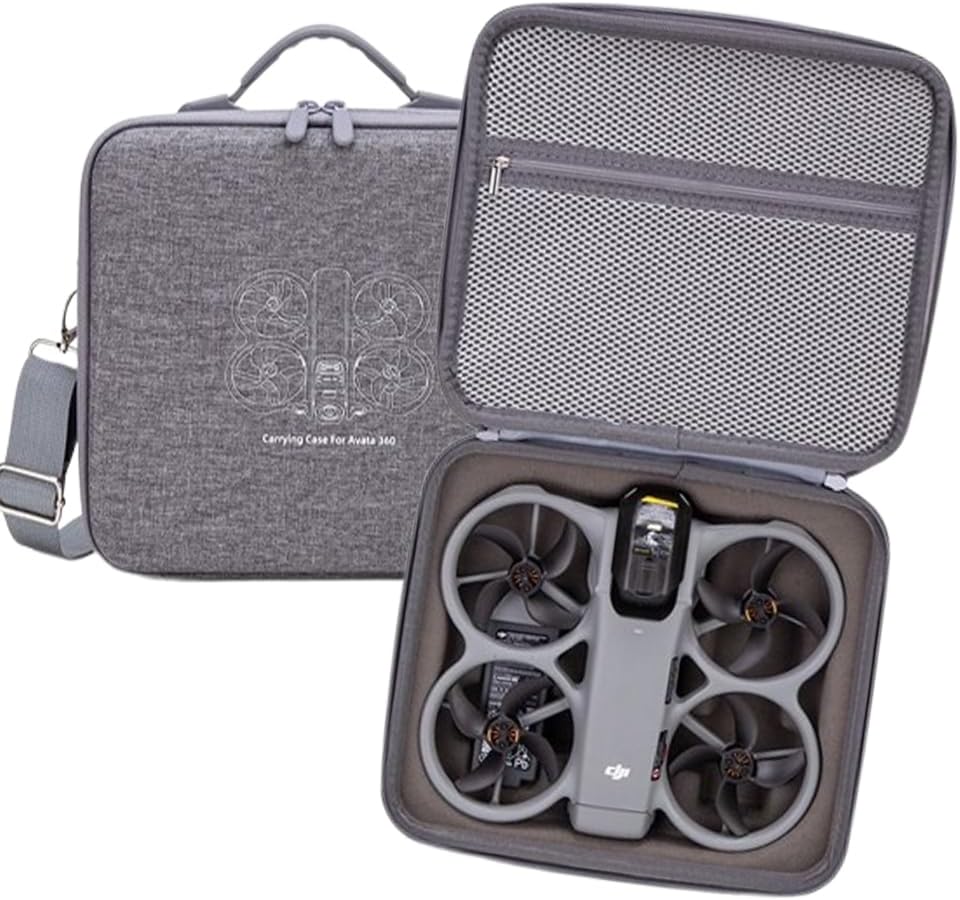
Carrying Hard Case for DJI Avata 360 Drone - Portable Travel Bag for Goggles N3/RC Motion 3 Controller
Check Price on AmazonHard Case for Antigravity A1 Drone
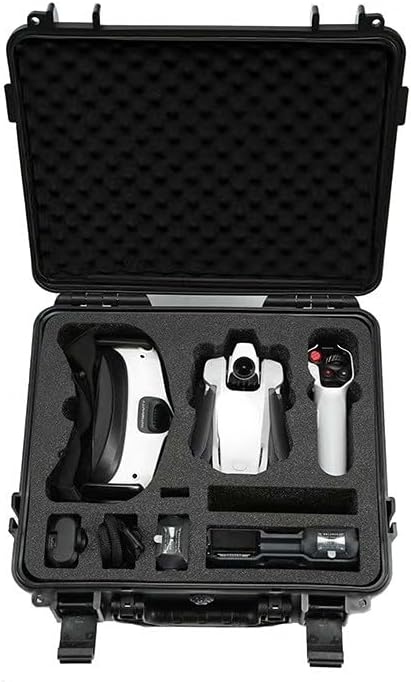
Hard Case for Antigravity A1 Drone, Waterproof Protective Carry Case, Anti-Fall Storage Bag Fit for Drone, Batteries, Goggles, Accessories & RC Gear [Only Protect Shell]
Check Price on AmazonPros and Cons of the DJI Spark
Here’s an honest breakdown of where the Spark excels and where it falls short in 2026.
Pros
- Compact and portable (no folding needed, fits in a small bag)
- Easy to fly with excellent GPS hold
- Forward obstacle avoidance (basic but helpful)
- Good value at $150–$250 used
- DJI ecosystem compatibility (DJI Fly app, spare parts available)
Cons
- No 4K video—only 1080p at 30 fps
- Short flight time (12–14 minutes real-world)
- No folding arms (bulkier than modern mini drones)
- No mechanical shutter or manual camera controls
- Requires FAA registration (300g > 250g threshold)
Who Should Buy the DJI Spark in 2026?
The DJI Spark is not for everyone. It’s best suited for budget-conscious beginners who want a reliable first drone without spending $300+. If you’re looking for a cheap drone to learn the basics of flight, the Spark delivers a stable, safe experience. It’s also a decent option for kids or teens interested in aerial photography on a tight budget.
However, if you prioritize video quality, flight time, or portability, you’ll be better served by newer alternatives. The DJI Neo Review 2026: The Ultra-Affordable Selfie Drone Worth Buying? offers 4K video and a sub-250g weight for a similar price, making it a stronger choice for most buyers.
Legal Considerations for US Pilots
Flying the DJI Spark in the United States comes with specific legal requirements. Because the Spark weighs 300 grams (10.6 ounces), it exceeds the 250-gram threshold that triggers FAA registration. Here’s what you need to know.
FAA Registration for the DJI Spark
You must register the DJI Spark with the FAA before flying outdoors. The registration fee is $5 and covers all drones you own for three years. You’ll need to be at least 13 years old to register, and you must mark the drone with the registration number on an external surface.
- Register at faadronezone.faa.gov
- Pay the $5 fee
- Place the registration number on the drone
- Carry proof of registration when flying
Remote ID Requirements
As of September 16, 2023, all drones requiring FAA registration must broadcast Remote ID. The DJI Spark does not have built-in Remote ID. To fly legally, you must either:
- Install a separate Remote ID module (costs $50–$100)
- Fly only at FAA-recognized identification areas (FRIAs)
- Upgrade to a newer drone with built-in Remote ID
Where You Can and Cannot Fly
The Spark’s weight places it under Part 107 rules for commercial use, but recreational flyers can operate under the Exception for Recreational Flyers (Section 44809). You must:
- Fly below 400 feet AGL
- Keep the drone in visual line of sight
- Avoid flying near airports, stadiums, or emergency response areas
- Not fly over people or moving vehicles
Use the No-Fly Zone Checker to verify airspace restrictions before every flight.
Comparison with Alternatives in 2026
How does the DJI Spark stack up against its modern competitors? Here’s a direct comparison with three popular alternatives.
| Feature | DJI Spark | DJI Neo | DJI Mini 2 SE | Potensic Atom |
|---|---|---|---|---|
| Weight | 300g | 249g | 249g | 249g |
| Video | 1080p 30fps | 4K 30fps | 2.7K 30fps | 4K 30fps |
| Flight Time | 16 min (12-14 real) | 20 min (17 real) | 31 min (28 real) | 31 min (28 real) |
| Remote ID | No (module required) | Built-in | Built-in | Built-in |
| FAA Reg Required | Yes | No | No | No |
| Price (2026) | $150–$250 used | $199–$299 | $299–$339 | $249–$299 |
The Spark’s only advantage is its low used price. For a similar budget, the DJI Neo offers 4K video, longer flight time, and a sub-250g weight that avoids FAA registration entirely. The Canada Drone Laws Under 250g: Do You Need to Register Your Drone? guide explains similar benefits for Canadian pilots.
Final Thoughts: Is the DJI Spark Worth Buying in 2026?
After this complete dji spark drone review, the verdict is clear: the DJI Spark is a capable entry-level drone, but its age shows. The lack of 4K video, short flight time, and the need for a separate Remote ID module make it a tough sell in 2026. Beginners on a tight budget might enjoy it as a learning tool, but most buyers will be happier with a DJI Neo or DJI Mini 2 SE.
If you already own a Spark, it’s still flyable as long as you comply with Remote ID rules. Use the Registration Calculator to confirm your obligations. For new buyers, skip the Spark and invest in a modern sub-250g drone that offers better features and fewer legal headaches.
Frequently Asked Questions
Is the DJI Spark worth buying in 2026?
No, the DJI Spark is generally not worth buying in 2026 for most buyers. Its 1080p video, short 12–14 minute real-world flight time, and lack of built-in Remote ID make it outdated compared to alternatives like the DJI Neo or DJI Mini 2 SE. The only exception is if you find one for under $150 used and want a cheap learning drone for basic flight practice. Even then, you’ll need to spend extra on a Remote ID module to fly legally in the US.
What are the key features of the DJI Spark?
The DJI Spark features a 12 MP camera that records 1080p video at 30 fps, a 2-axis mechanical gimbal for stabilization, and forward obstacle avoidance using a 3D sensor. It weighs 300 grams, has a maximum flight time of 16 minutes (12–14 minutes in practice), and uses GPS and GLONASS for positioning. The drone connects via OcuSync 2.0 for a 2 km range with the remote controller. It does not fold, so it’s bulkier than modern mini drones.
How does the DJI Spark compare to competitors?
The DJI Spark lags behind competitors in almost every category. The DJI Neo offers 4K video, a sub-250g weight (no FAA registration), and 17 minutes of real-world flight time for a similar price. The DJI Mini 2 SE provides 2.7K video and 28 minutes of flight time. The Potensic Atom matches the Neo’s 4K and flight time. The Spark’s only advantage is its lower used price ($150–$250), but the extra cost of a Remote ID module and its short battery life erode that benefit.
What laws apply to flying the DJI Spark in the USA?
Flying the DJI Spark in the USA requires FAA registration because it weighs 300 grams, exceeding the 250-gram threshold. The registration fee is $5 for three years. You must also equip the Spark with a separate Remote ID module (costs $50–$100) or fly only at FAA-recognized identification areas (FRIAs). Recreational flyers must follow the Exception for Recreational Flyers: fly below 400 feet AGL, maintain visual line of sight, and avoid restricted airspace. Use the No-Fly Zone Checker tool to verify airspace before each flight.
Is the DJI Spark still supported by DJI in 2026?
No. DJI discontinued the Spark in 2020 and ended firmware updates and official support. The DJI Go 4 app still works, but you cannot expect bug fixes or new features. Community forums remain active for troubleshooting.
Does the DJI Spark require FAA registration?
Yes. The Spark weighs 300g, which is above the 250g threshold. You must register it with the FAA for $5 (valid for three years) and mark the registration number on the drone. This applies to both recreational and commercial use.
Can I fly the DJI Spark at night?
Yes, but only if the Spark has anti-collision lighting visible for three statute miles. DJI did not include built-in lights, so you must attach a separate strobe light (e.g., a Firehouse ARC V). Recreational flyers also need to complete the FAA’s TRUST test.
What is the maximum range of the DJI Spark?
DJI advertises 2 km (1.2 miles) range with the remote controller. In real-world conditions with obstacles or interference, expect 500–800 meters (0.3–0.5 miles). Always maintain visual line of sight as required by FAA rules.
How do I update the DJI Spark firmware?
Connect the Spark to the DJI Go 4 app via Wi-Fi or the remote controller. The app will prompt you to download and install updates. No new firmware has been released since 2020, so your Spark likely has the final version already.
Last updated: July 23, 2026
- Federal Aviation Administration (faa.gov) – Unmanned Aircraft Systems
- DJI Official Specifications – DJI Spark
- FAA Remote ID Compliance Guide
NANUK 935 Pro Photo Kit Camera Case
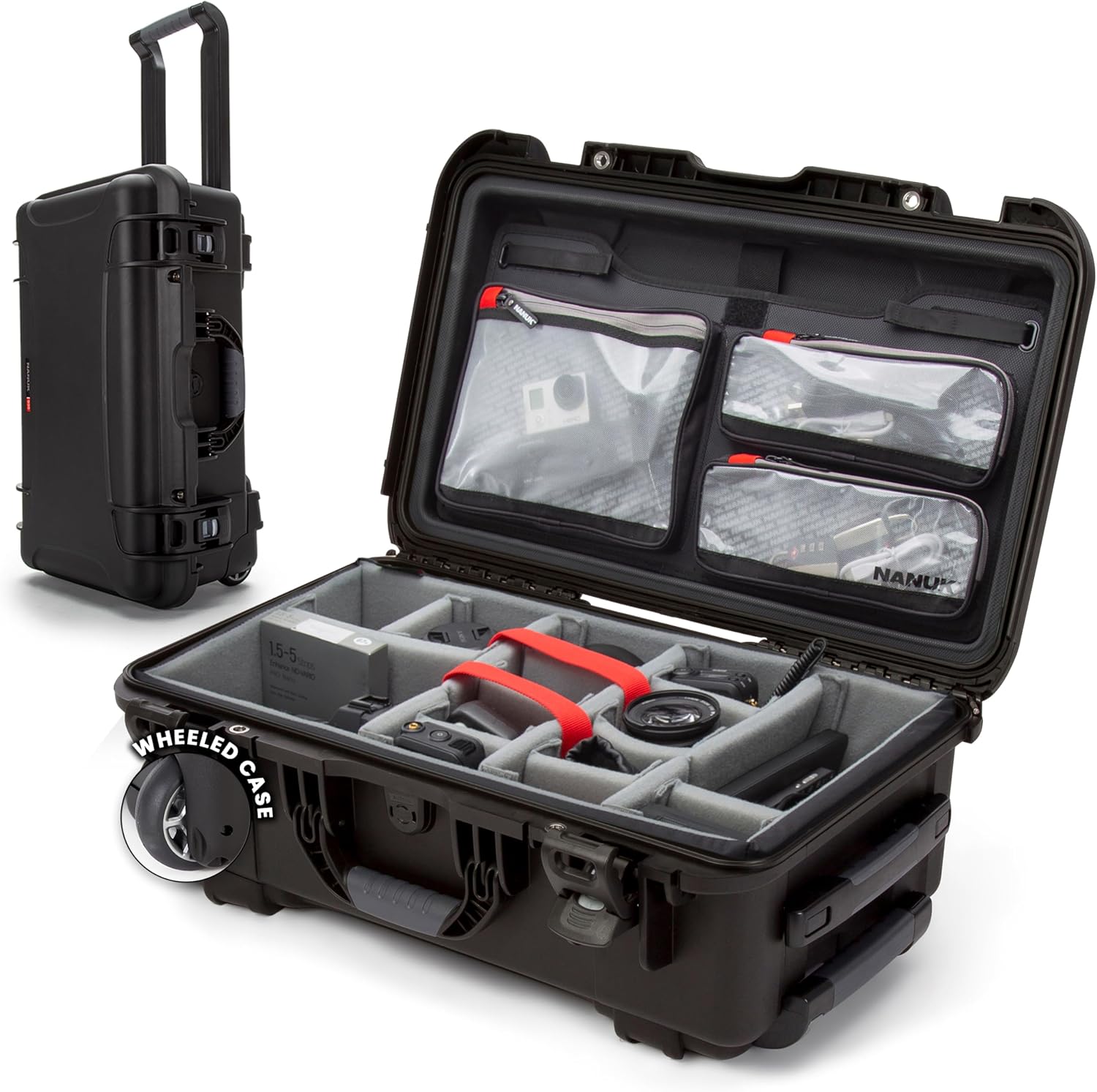
NANUK 935 Pro Photo Kit Camera Case, Waterproof Wheeled Hard Case, Carry-On, Black
Check Price on AmazonNANUK 925 DJI Mavic 4 Pro Creator Combo
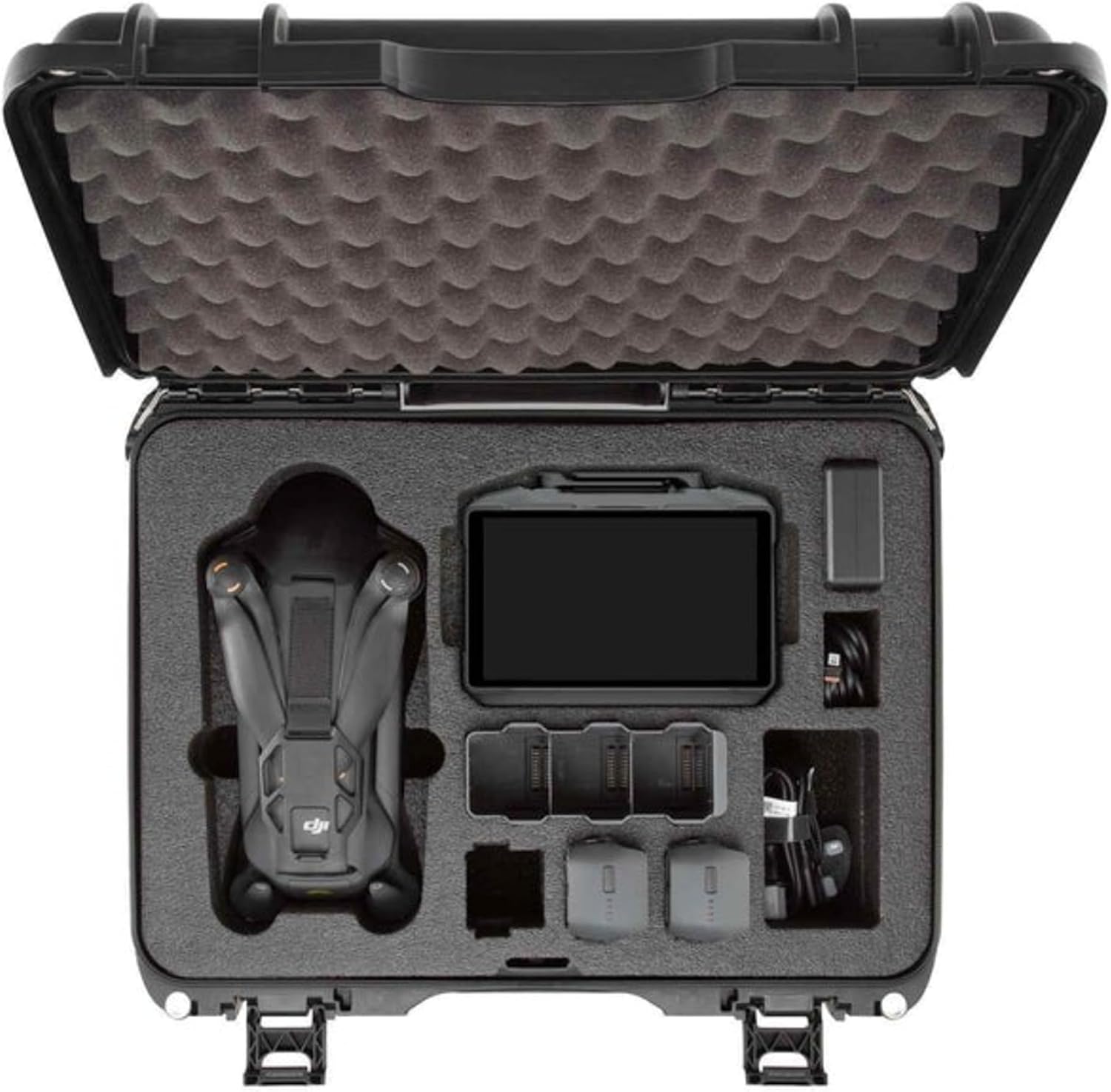
NANUK 925 DJI Mavic 4 Pro Creator Combo - Waterproof Hard Case with Drone Foam Insert, Crushproof, Portable Travel Case, Made in Canada (18.7” x 14.8”x 7”) - Black
Check Price on Amazon Drone Allowed
DroneAllowed editor covering drone regulations, aviation law, and aerial photography across USA, UK, Canada & Australia.