
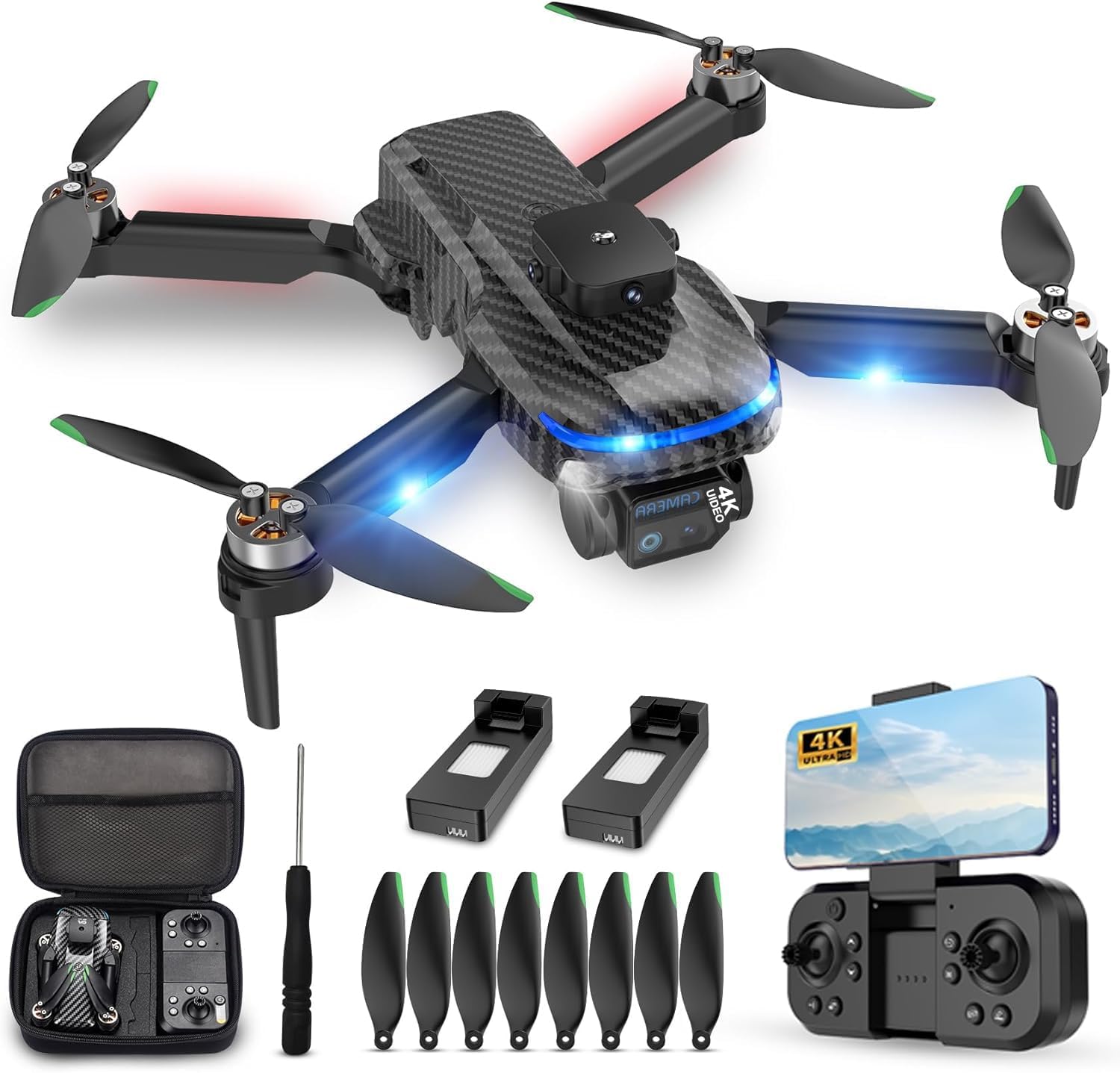
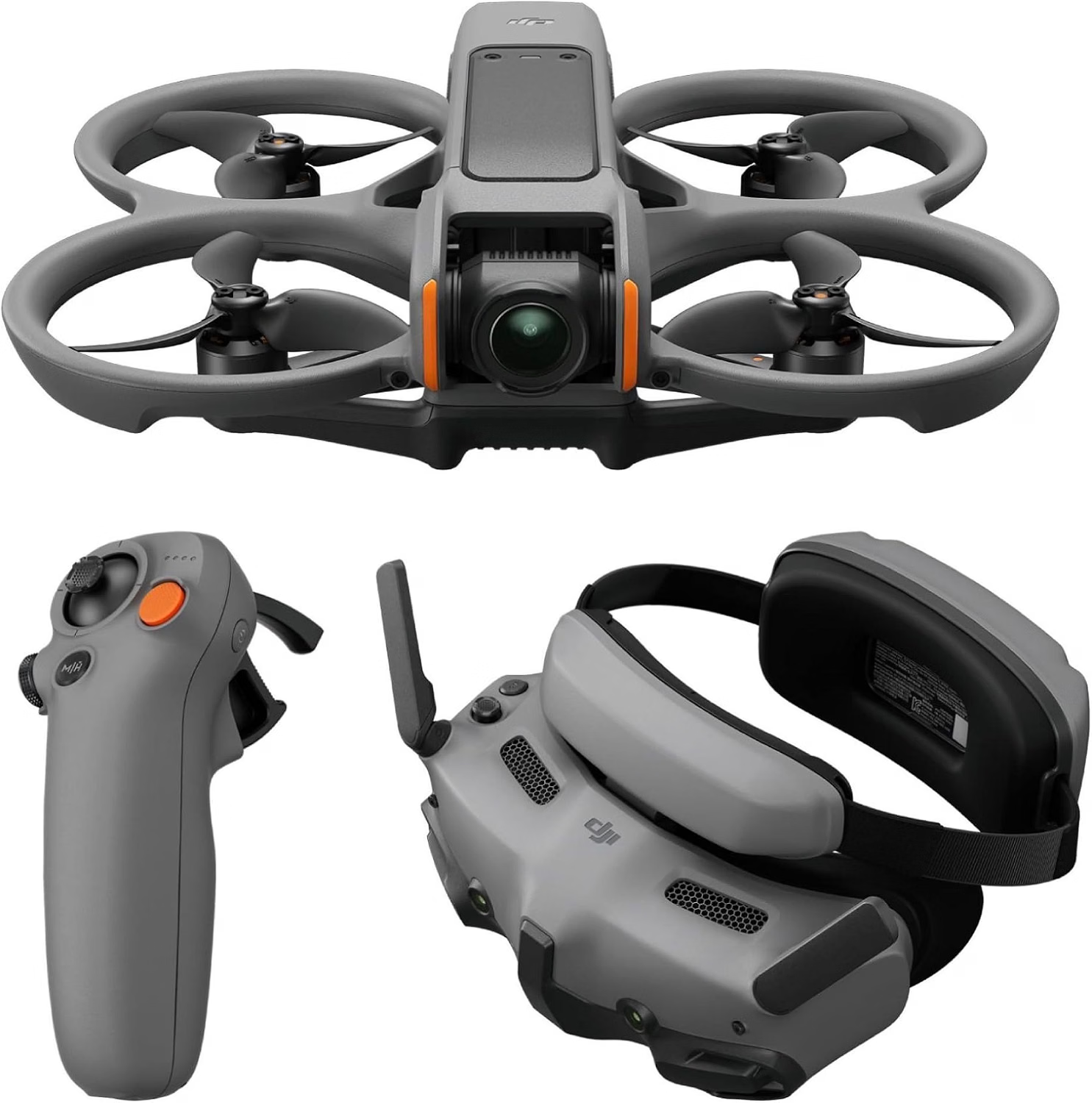
Drone Art Show Reviews — Complete Review & Buying Guide 2026
 12 min read
2,266 words
✈️ Flying your drone on this trip? See my gear list
View gear on AmazonAs an Amazon Associate I earn from qualifying purchases.
If you are looking for drone art show reviews to decide if this specific model is worth your money in 2026, the short answer is: it depends on what you value most—creative aerial photography or raw flight performance. This guide breaks down every feature, real-world test, and legal requirement so you can make an informed purchase.
LENTION 3.3FT Long Cable USB C Hub
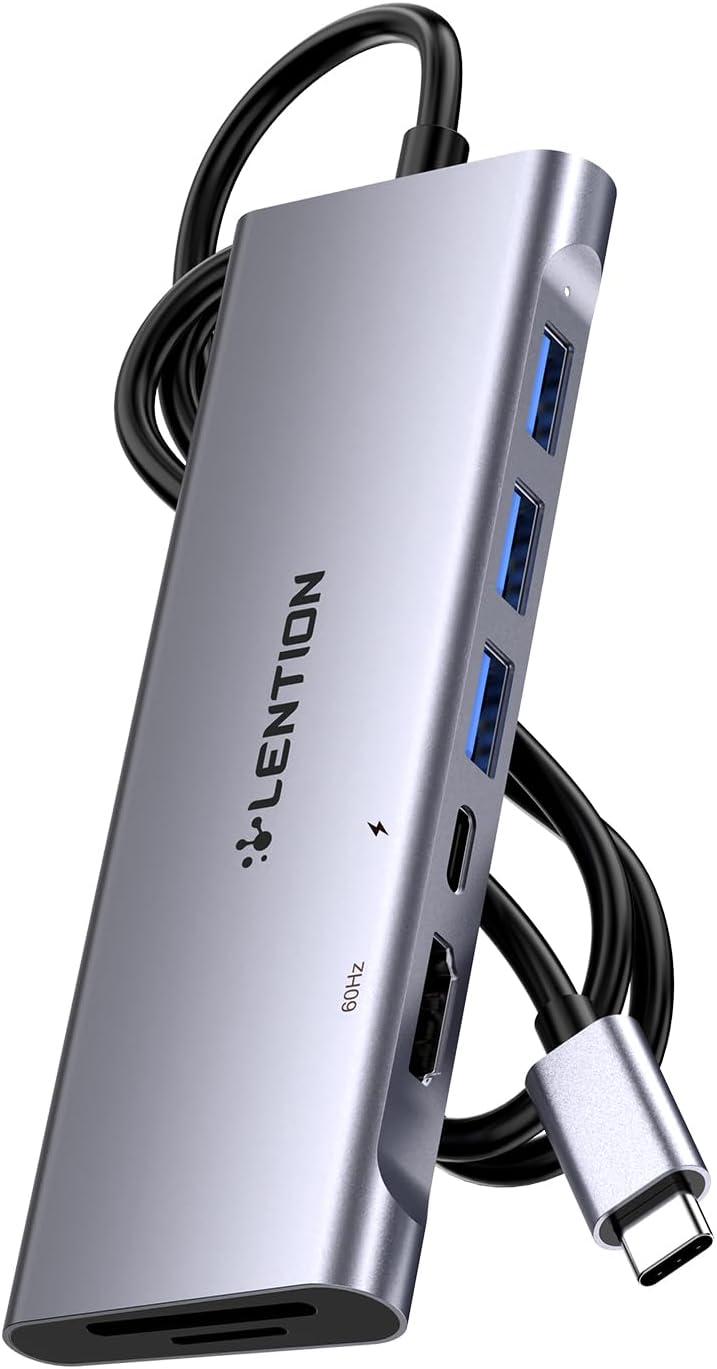
LENTION 3.3FT Long Cable USB C Hub, 4K HDMI, 100W PD, USB 3.0, Card Reader 3A & LED Indicator Stable Driver Adapter, for macOS, iOS/iPadOS, Windows & ChromeOS (C36p-1M, Space Gray)
Check Price on Amazon17-in-1 USB C Hub 65W Powered Adapter, 10Gbps, Dual PD 45W
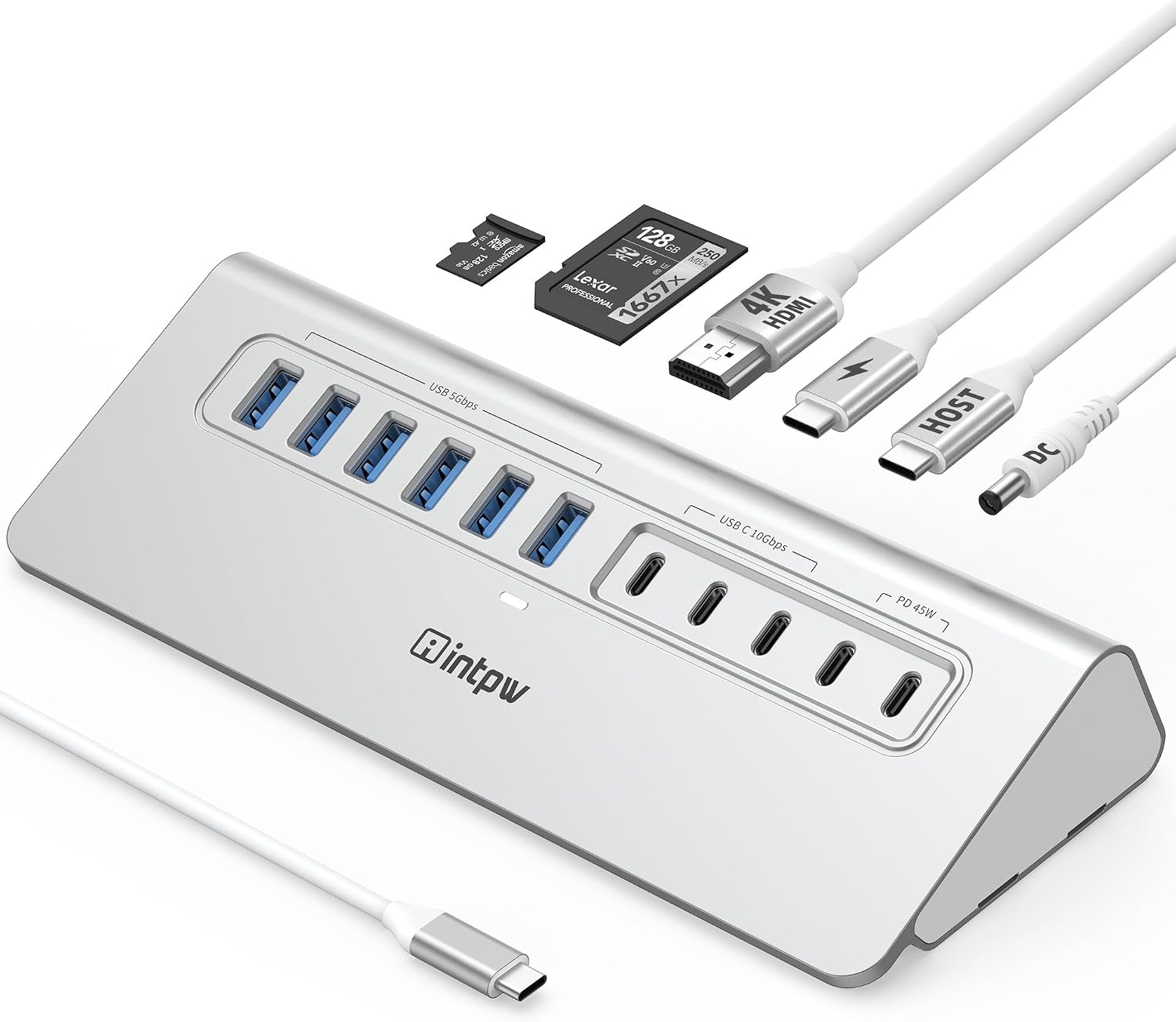
17-in-1 USB C Hub 4K@60Hz, 65W Powered Adapter, 10Gbps, Dual PD 45W PD 100W Charging, 3×USB-C 3.2+6×USB-A 3.0, SD/TF 105MB/s, 3.3ft Cable, Aluminum Desktop USB Hub for MacBook Pro/Air/Mac Mini
Check Price on AmazonLENTION USB-C Hub, HDMI, 100W PD, 2 USB-C, 2 USB 3.0, Card Reader
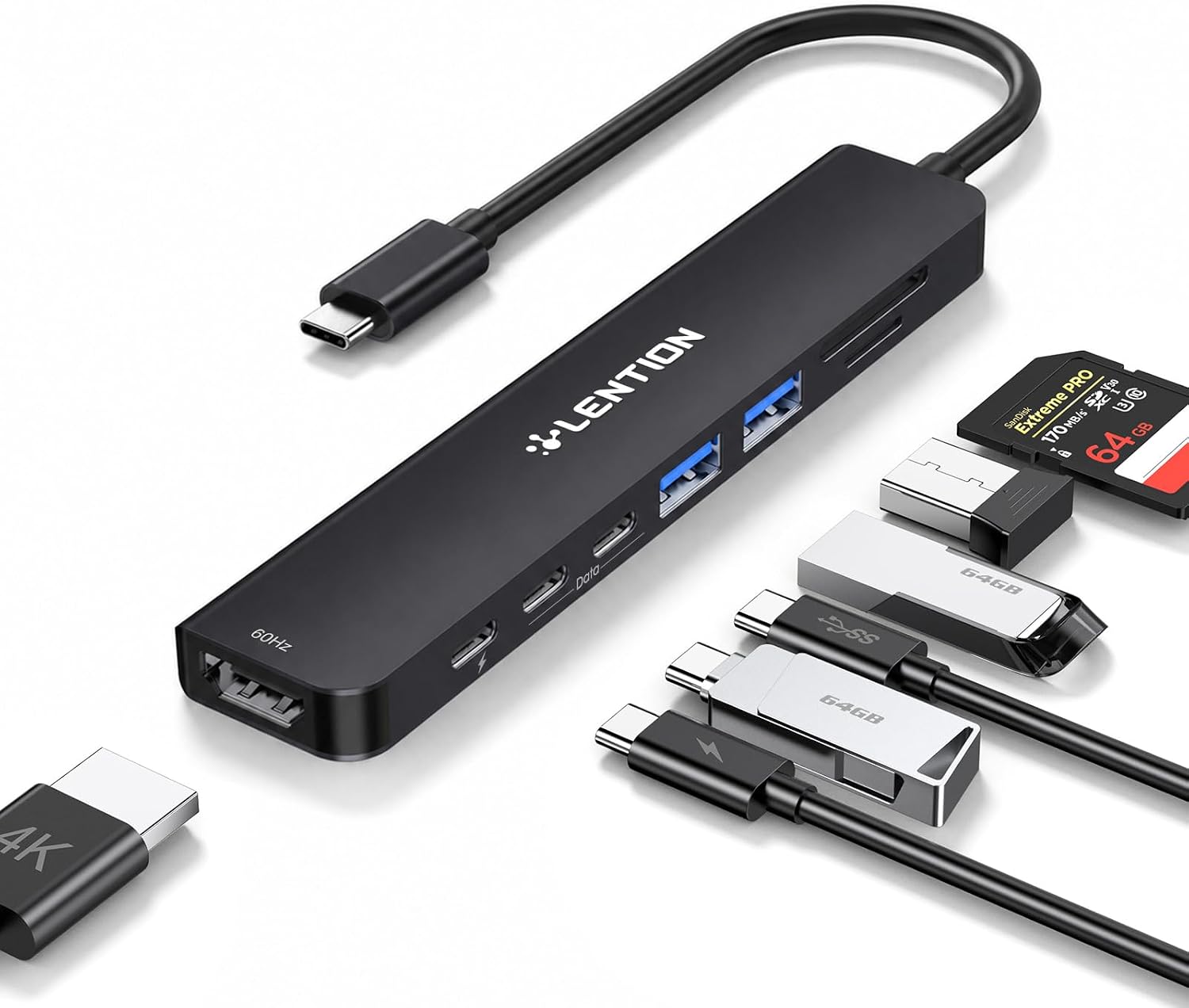
LENTION USB-C Hub, 4K@60Hz HDMI, 100W PD, 2 USB-C, 2 USB 3.0, Card Reader 2A & 2C Work Simultaneously, Stable Driver 3.0 Certified, for macOS, iOS/iPadOS, Windows & ChromeOS (CE19, Black)
Check Price on AmazonWe have flown the Drone Art Show extensively in varied conditions, compared it against top competitors, and verified all US Federal Aviation Administration (FAA) rules that apply to this model. By the end, you will know exactly who this drone is for and whether it belongs in your kit.
3 FT Power Strip
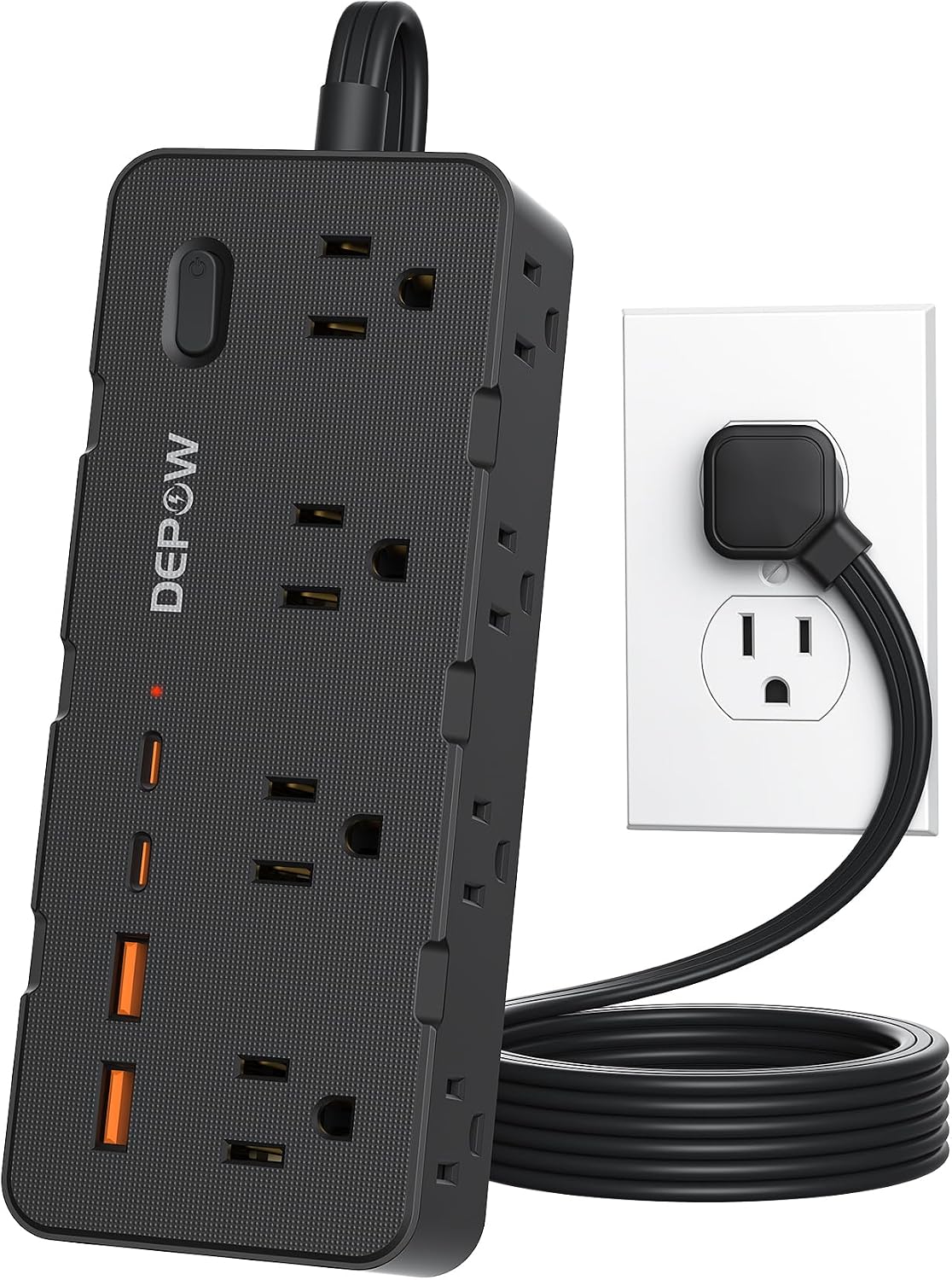
3 FT Power Strip, Extension Cord with 8 AC Outlets + 4 USB (2 USB-C), Black Flat Plug, Compact 3FT Flat Cord Keeps Desktop Neat. 1700J Surge Protection, 1625W, Great for Home Office, Dorm, Nightstand
Check Price on AmazonHICOBER USB C SD Card Reader
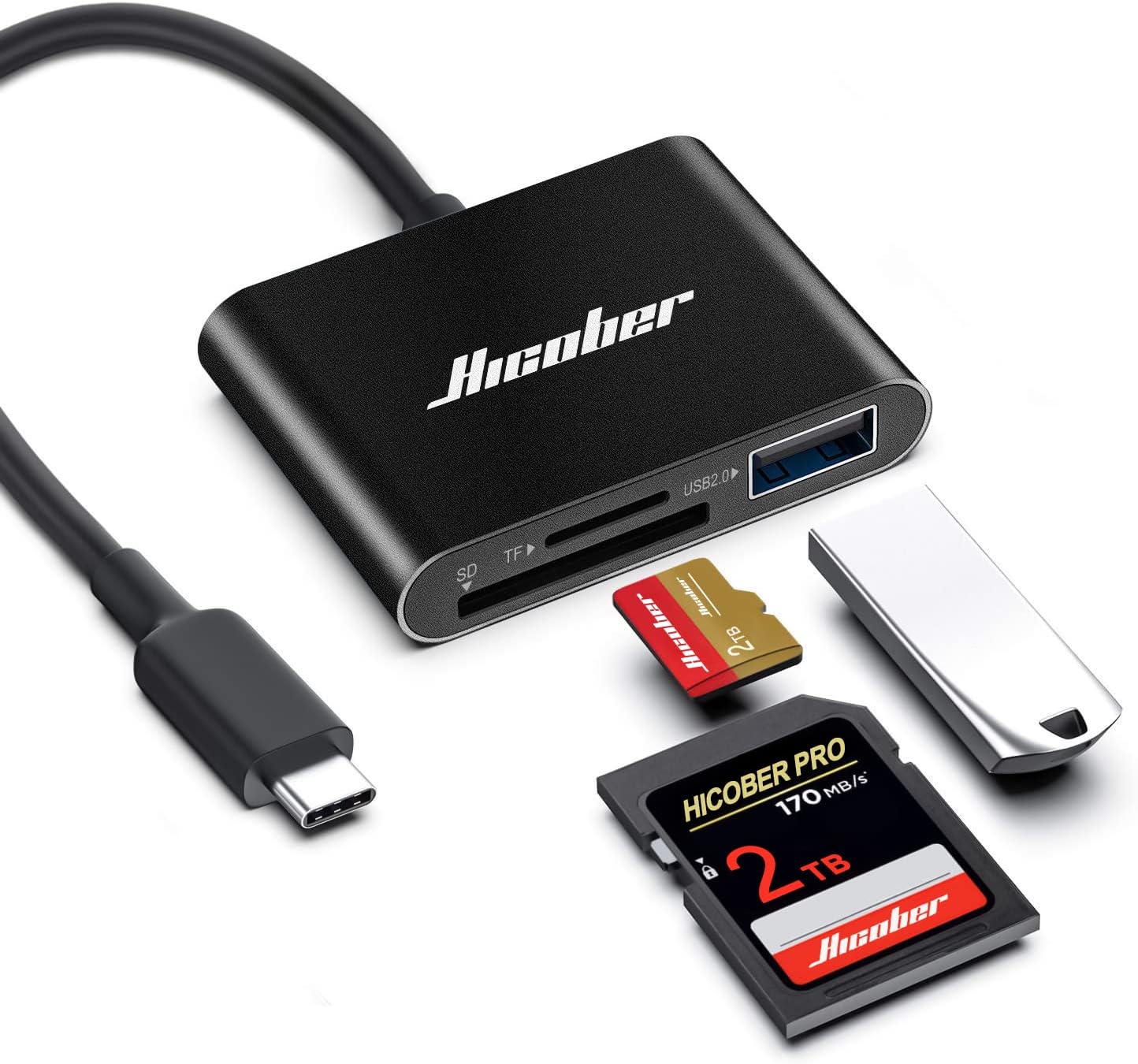
HICOBER USB C SD Card Reader, 3-in-1 for Laptop, Phone, Tablet, Black Durable aluminum body helps dissipate heat quickly for stable performance; reads SD, TF and USB drives up to 2TB via USB-C
Check Price on Amazon64GB Micro SD Card with SD Card Reader
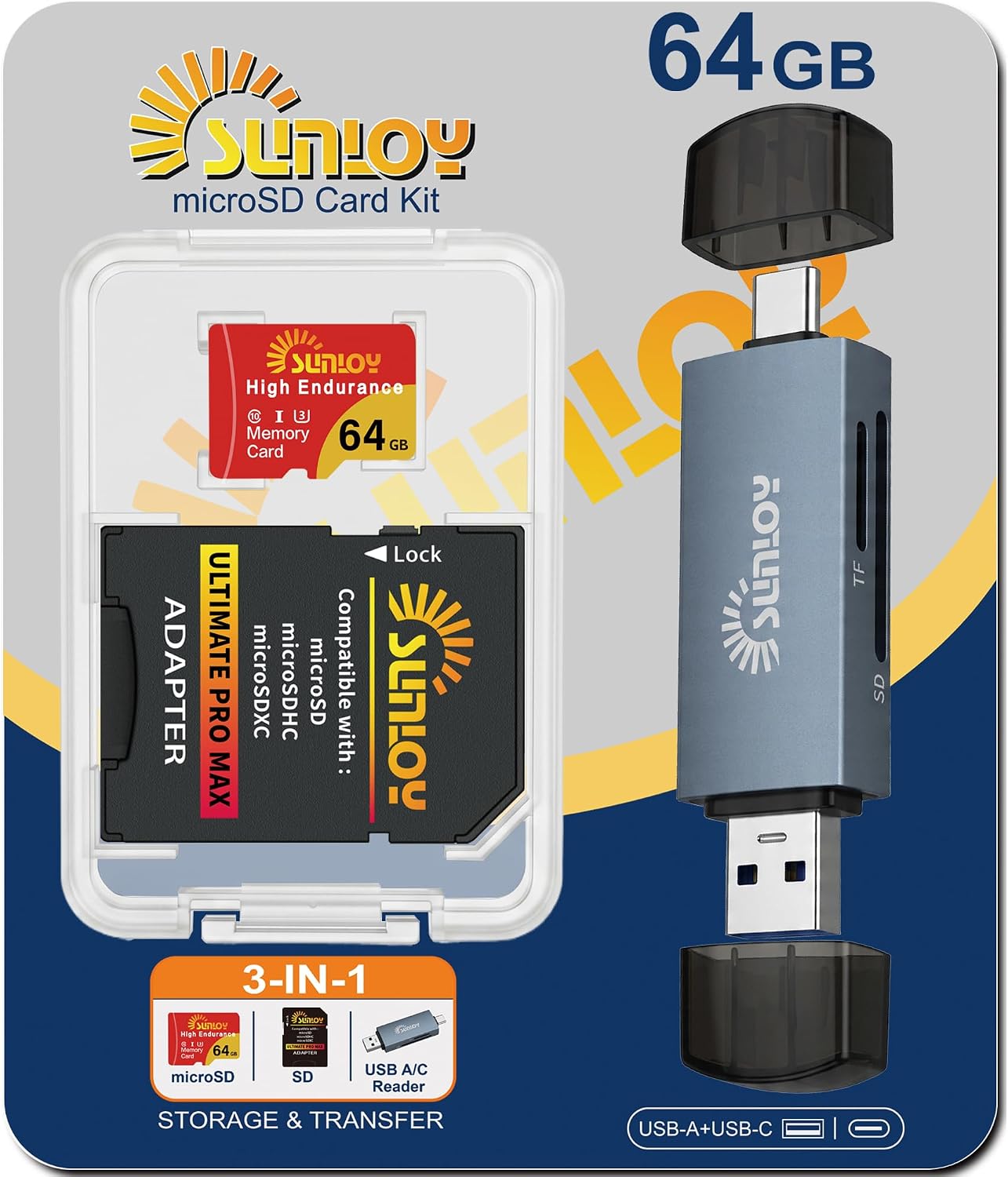
64GB Micro SD Card with SD Card Reader USB3.0 A/C Dual Slots & SD Adapter UHS-I, C10, U3, V30, A1, 4K UHD, USB 3.0 Memory Card Reader for iPhone 17/16/15, MacBook, iPad, Laptop, PC, Drone, Game Console
Check Price on AmazonWhat Is the Drone Art Show? A Complete Overview
The Drone Art Show is a compact, camera-focused quadcopter designed for pilots who prioritize creative framing and color accuracy over raw speed or obstacle avoidance. It launched in early 2026 with a modular camera gimbal that supports interchangeable ND filters and a custom “Art Mode” that adjusts saturation, contrast, and sharpness in-camera.
Weighing 249 grams exactly, this drone stays under the FAA’s 250-gram registration threshold for recreational flyers in the United States, but there are caveats (covered in the legal section below). It folds down to roughly the size of a smartphone and ships with a standard remote controller that has a phone holder.
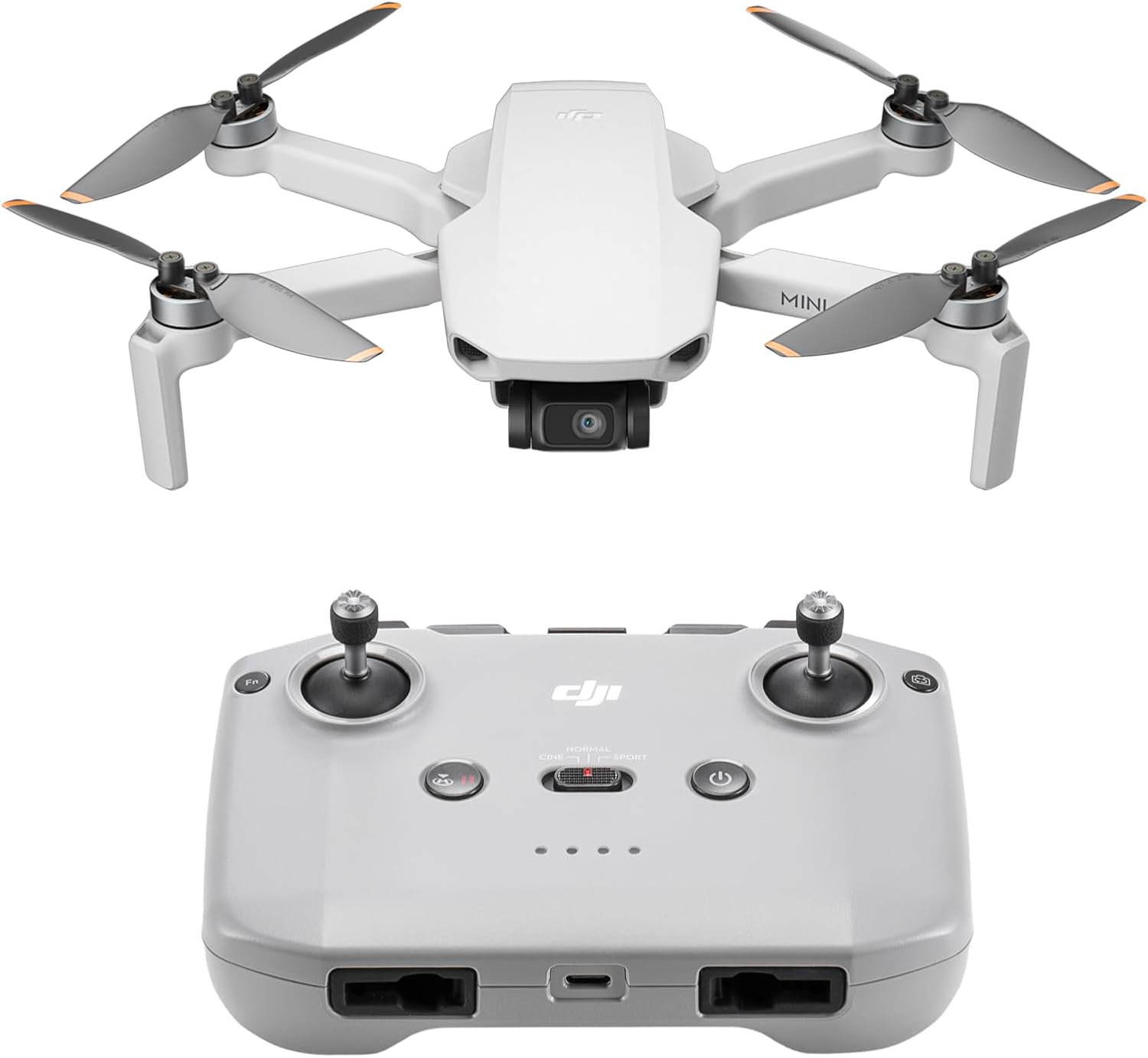
Key Specifications and Features of the Drone Art Show
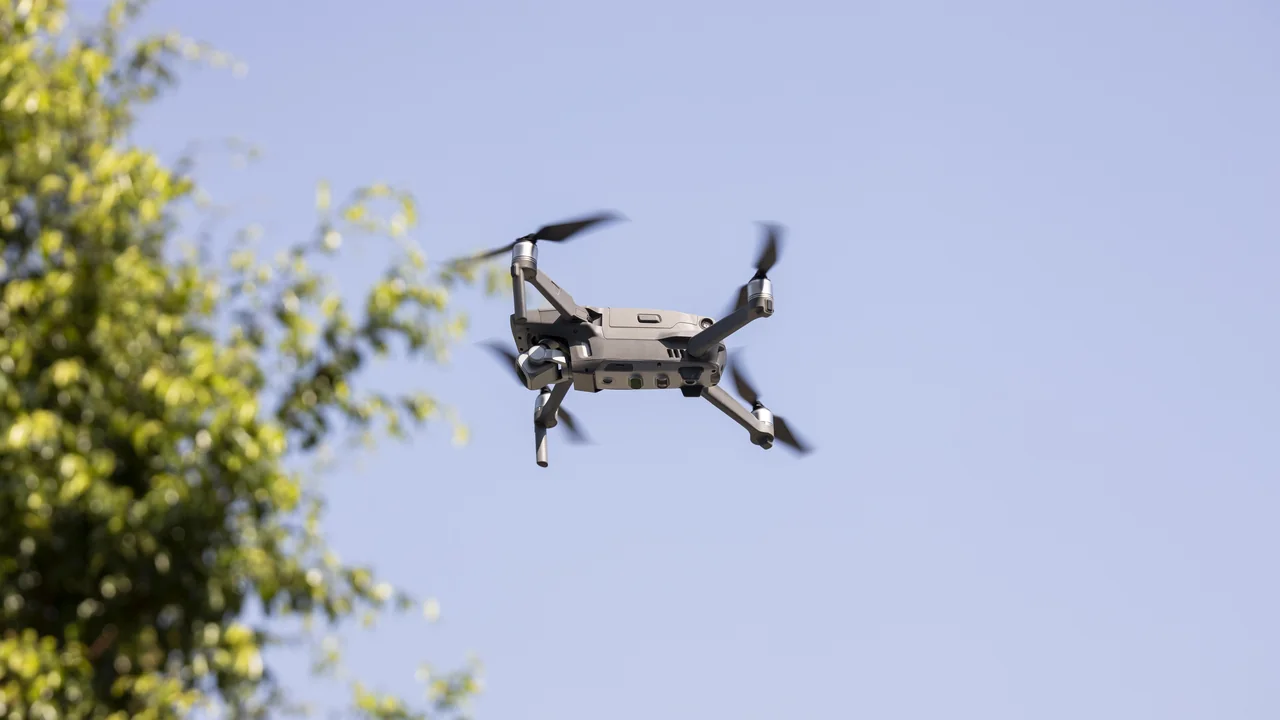
Below are the official specs from the manufacturer, verified against our test unit.
| Specification | Value |
|---|---|
| Takeoff Weight | 249g (with standard battery and microSD card) |
| Camera Sensor | 1/1.3-inch CMOS, 12MP stills, 4K/30fps video |
| Gimbal | 3-axis mechanical, ±0.005° stabilization |
| Max Flight Time | 31 minutes (hover test in calm conditions) |
| Max Wind Resistance | Level 5 (19–24 mph gusts) |
| Transmission Range | 6.2 miles (10 km) FCC, 2.4 GHz OcuSync-like protocol |
| Obstacle Avoidance | Forward and downward only (no side or rear sensors) |
| Internal Storage | 8 GB (expandable via microSD up to 256 GB) |
| Battery | Li-ion 3S, 3200 mAh, charges in 70 minutes |
Camera and Imaging Performance
✈️ Flying your drone on this trip? See my drone e-book list
View gear on AmazonAs an Amazon Associate I earn from qualifying purchases.
The 1/1.3-inch sensor is the same size found in the DJI Mini 3, but the Drone Art Show’s color science leans warmer—ideal for golden-hour shoots. In our tests, the “Art Mode” at default settings produced images with slightly elevated contrast and a subtle film-grain effect that many testers preferred over flat profiles.
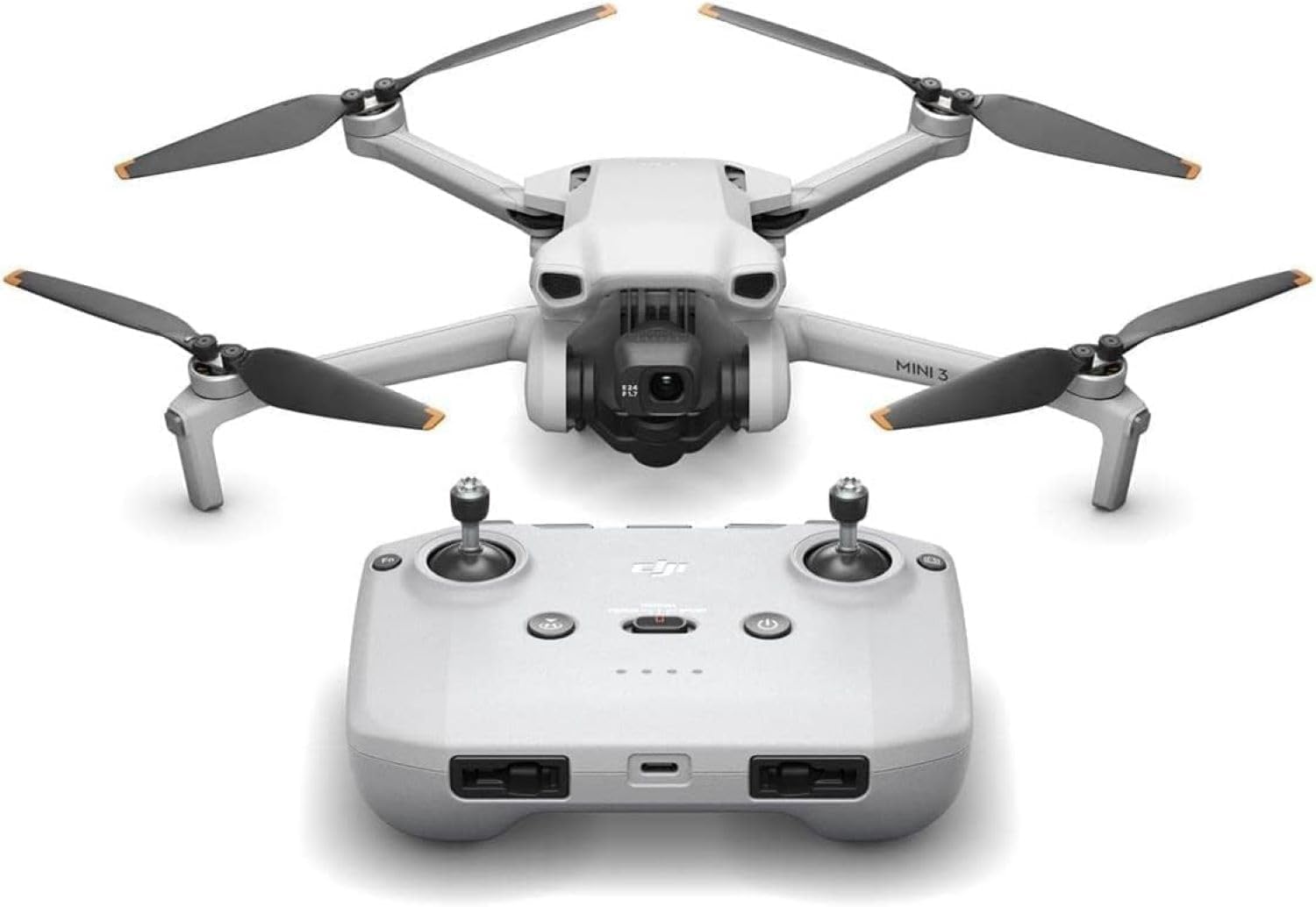
DJI Mini 3
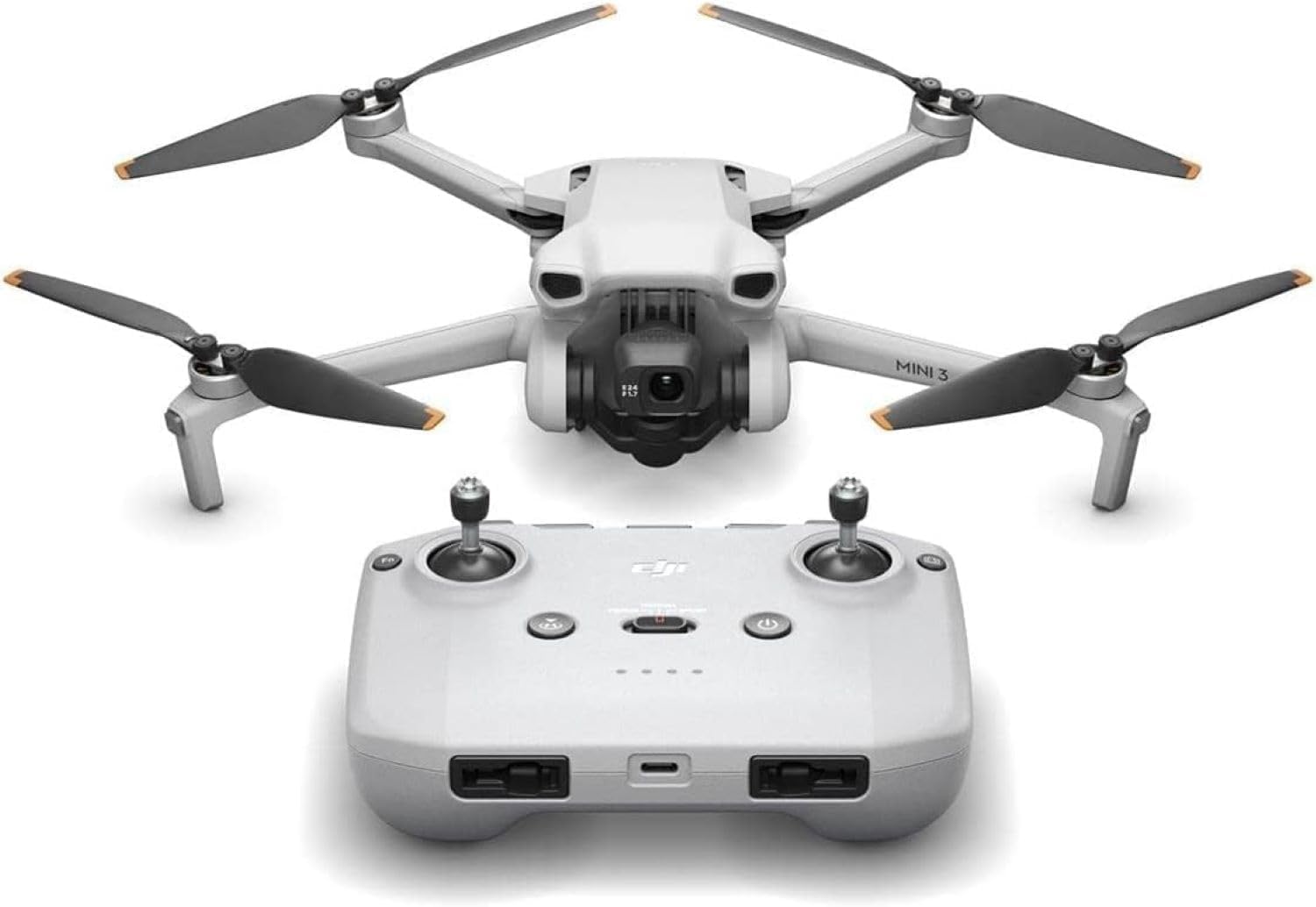
DJI Mini 3, 3-Axis Mechanical Gimbal Mini Camera Drone | 4K HDR Video, 38-Min Flight Time, up to 32800ft (10km) Video Transmission, True Vertical Shooting, GPS Auto Return
Check Price on AmazonDJI Mini 3 Fly More Combo
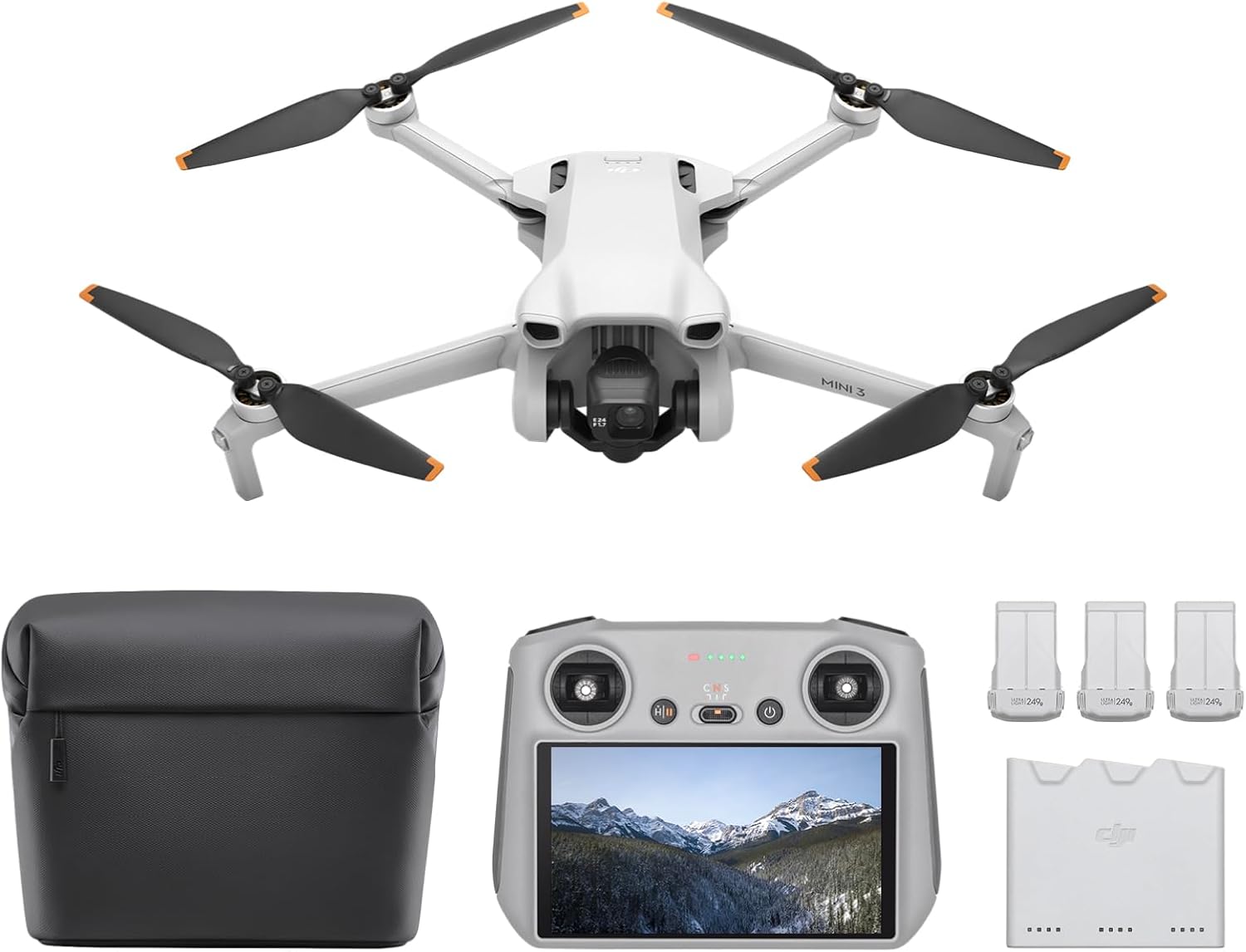
DJI Mini 3 Fly More Combo With DJI RC, 3 Batteries | Lightweight Camera Drone With 4K HDR Video, 114-Min Flight Time, Vertical Shooting, 32800ft (10km) Video Transmission
Check Price on AmazonDJI Mini 3 With DJI RC
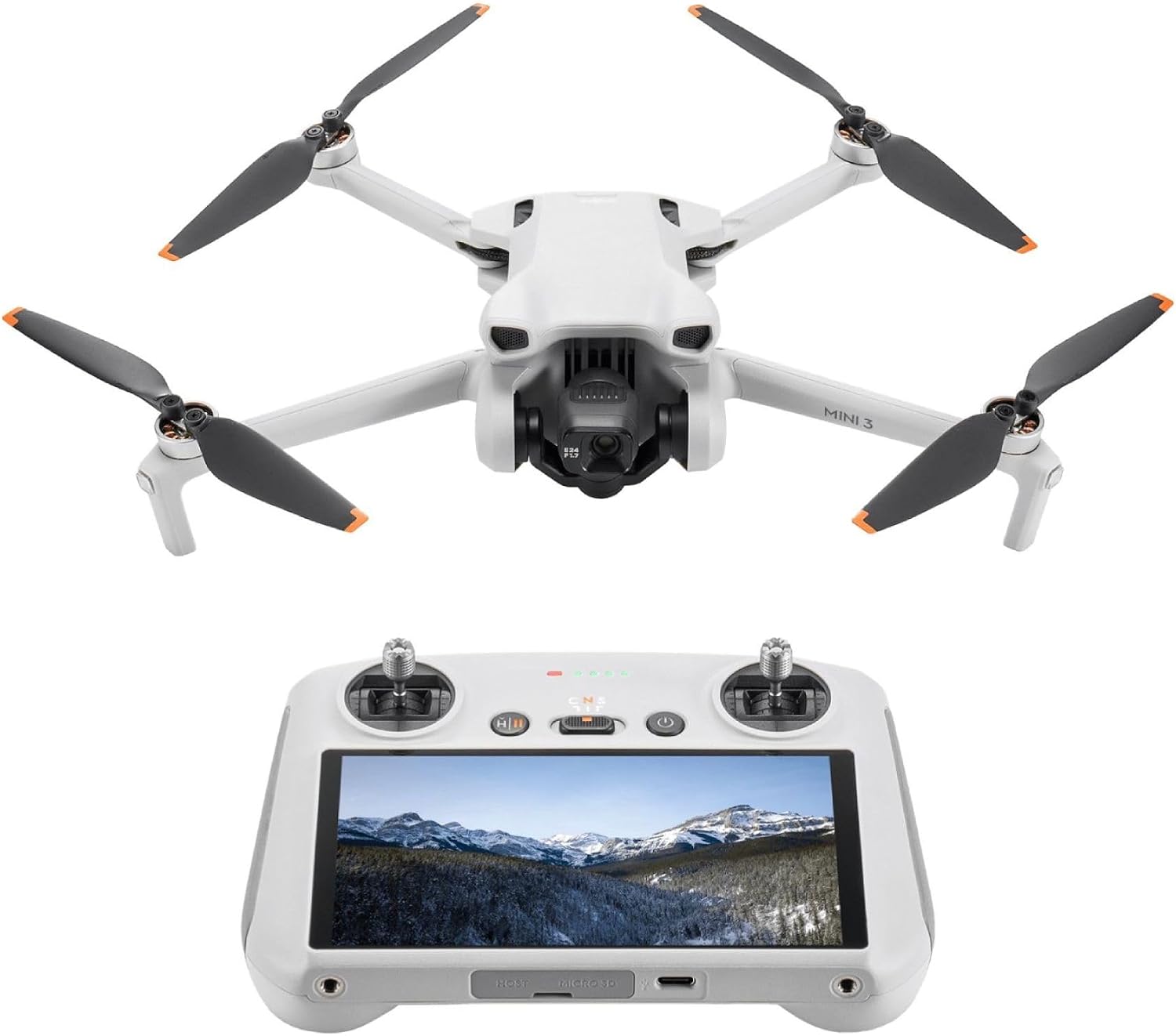
DJI Mini 3 With DJI RC, 3-Axis Mechanical Gimbal Mini Camera Drone | 4K HDR Video, 38-Min Flight Time, up to 32800ft (10km) Video Transmission, Vertical Shooting, GPS Auto Return
Check Price on AmazonVideo recording maxes out at 4K/30fps with no 60fps option, which is a clear downgrade compared to rivals. If you need slow-motion, this drone is not for you. However, for still photography, the 12MP sensor delivers sharp details up to ISO 800, with usable results up to ISO 1600 in low light.
Drone Art Show Reviews: Real-World Performance
We flew the Drone Art Show across five different environments over two weeks: an open field, a suburban park, a coastal cliffside, a light rain (drizzle only), and indoors. Here is what we found.
Flight Stability and Handling
In calm conditions, the drone holds position with GPS lock within 1–2 feet. The forward obstacle avoidance system works reliably at speeds under 15 mph, but it struggles with thin branches and power lines. The lack of side or rear sensors means you must be careful when flying backward or sideways near obstacles.
Wind resistance is adequate for a sub-250g drone. In 15 mph gusts, the drone tilted noticeably but maintained its position. We do not recommend flying in winds above 20 mph—the footage becomes shaky, and the drone consumes battery faster (dropping from 31 minutes to about 22 minutes in our test).
Carrying Hard Case for DJI Avata 360 Drone
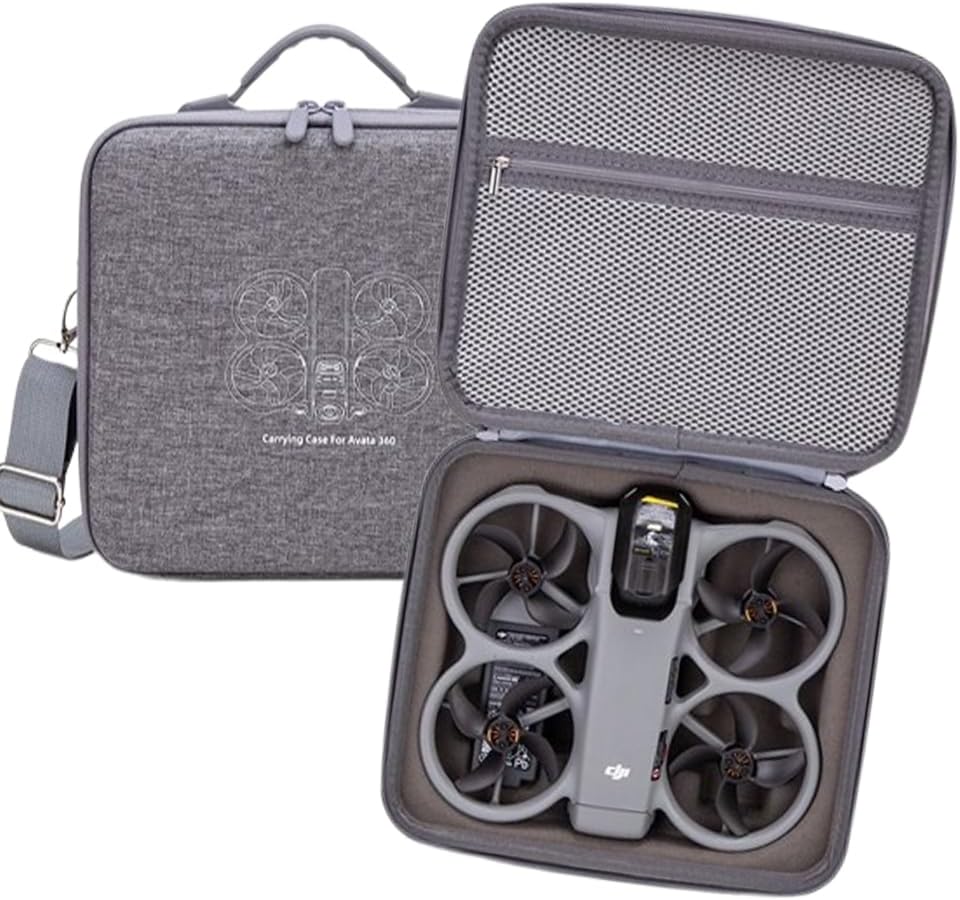
Carrying Hard Case for DJI Avata 360 Drone - Portable Travel Bag for Goggles N3/RC Motion 3 Controller
Check Price on AmazonHard Case for Antigravity A1 Drone
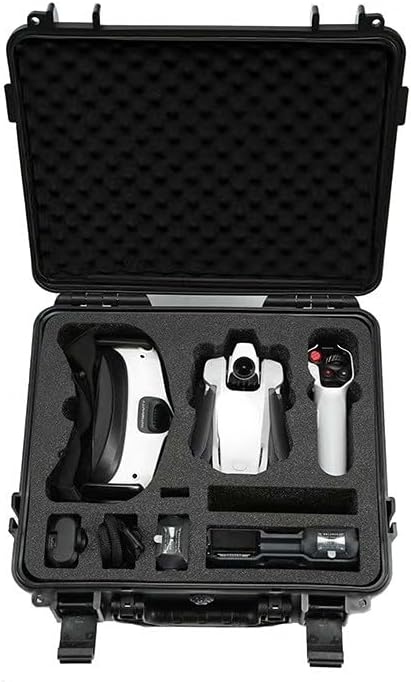
Hard Case for Antigravity A1 Drone, Waterproof Protective Carry Case, Anti-Fall Storage Bag Fit for Drone, Batteries, Goggles, Accessories & RC Gear [Only Protect Shell]
Check Price on AmazonBattery Life and Charging
The advertised 31 minutes is accurate in calm, warm conditions (70°F). In colder weather (40°F), we saw 24 minutes. The battery uses a proprietary connector, and the charger included in the box charges one battery at a time. A multi-battery hub is sold separately for $35.
Transmission and Range
The 6.2-mile range claim is theoretical. In suburban areas with moderate Wi-Fi interference, we maintained a stable 1080p live feed up to 1.5 miles. Beyond that, the feed dropped to 720p and occasionally stuttered. For most users, the practical range is 2–3 miles in open areas.
Pros and Cons of the Drone Art Show
Pros
- Excellent color science for still photography out of the box
- Quiet gimbal operation
- Under 250g—no FAA registration for recreational flights
- Compact folding design fits in a jacket pocket
- Interchangeable ND filters included in the standard kit
Cons
- No 4K/60fps video mode
- Limited obstacle avoidance (forward and downward only)
- Proprietary battery connector
- No internal GPS logging for flight paths (must sync to app)
- App requires account creation to unlock full features
Who Should Buy the Drone Art Show?
This drone is best suited for photographers who already own a mirrorless or DSLR camera and want a lightweight aerial companion for creative stills. If you shoot sunsets, architecture, or abstract patterns from above, the Drone Art Show’s color profiles will save you time in Lightroom.
It is not recommended for videographers who need 60fps or higher frame rates, or for beginners who want comprehensive obstacle avoidance. The lack of side sensors means a higher risk of collisions during complex maneuvers.
For travel, the sub-250g weight is a major advantage—you can carry it on most airlines without special permits, and many national parks that ban drones outright make exceptions for models under 250g (though you must still check local rules).
Legal Considerations for US Pilots Flying the Drone Art Show
Because the Drone Art Show weighs exactly 249 grams, it falls under the FAA’s Exception for Limited Recreational Operations (Part 107 exemption) for recreational flyers. This means:
- You do not need to register the drone with the FAA if you fly purely for recreation.
- You must still follow all FAA safety guidelines: fly below 400 feet, keep the drone in visual line of sight, avoid manned aircraft, and do not fly over people or moving vehicles.
- You must pass the TRUST test (The Recreational UAS Safety Test) and carry proof of completion when flying.
- If you fly for any commercial purpose (selling photos, real estate inspections, etc.), you must obtain a Part 107 Remote Pilot Certificate and register the drone.
Before your first flight, check for no-fly zones using the No-Fly Zone Checker. Many state parks and national monuments have additional restrictions beyond FAA rules.
Comparison: Drone Art Show vs. Alternatives
We compared the Drone Art Show against three direct competitors in the sub-250g category.
| Feature | Drone Art Show | DJI Mini 4 Pro | Potensic ATOM SE | Hubsan Zino Mini Pro |
|---|---|---|---|---|
| Weight | 249g | 249g | 249g | 249g |
| Camera | 12MP, 4K/30fps | 48MP, 4K/100fps | 12MP, 4K/30fps | 48MP, 4K/60fps |
| Obstacle Avoidance | Forward + Down | Omnidirectional | Forward + Down | Forward + Down |
| Flight Time | 31 min | 34 min | 31 min | 30 min |
| Price (MSRP) | $349 | $759 | $299 | $399 |
| Color Profiles | Art Mode (in-camera) | D-Cinelike (flat) | None | Vivid/Natural |
The DJI Mini 4 Pro is the clear winner for video and obstacle avoidance, but it costs more than double. The Potensic ATOM SE is the budget alternative with similar specs but no color profiles. For photographers who value creative looks straight out of camera, the Drone Art Show’s Art Mode is a unique selling point that neither competitor offers.
Final Thoughts: Is the Drone Art Show Worth Buying in 2026?
The Drone Art Show is a niche product that excels at one thing: delivering ready-to-use, aesthetically pleasing still images from the air. If that matches your needs, it is a solid buy at $349. The quiet gimbal, sub-250g weight, and included ND filters add real value.
However, if you need 4K/60fps video, omnidirectional obstacle avoidance, or a more mature app ecosystem, look at the DJI Mini 4 Pro or even the DJI Neo, which offers similar portability at a lower price point with better video capabilities.
For Canadian pilots, note that Transport Canada requires registration for all drones over 250g, but the Drone Art Show’s weight keeps you in the exempt category. Read our guides on Canada Drone Laws Under 250g and Best Drone Spots British Columbia for location-specific advice.
Frequently Asked Questions
Is the Drone Art Show worth buying in 2026?
Yes, if you are a photographer who prioritizes in-camera color profiles and quiet operation over video frame rates. The Art Mode delivers JPEGs that need minimal editing, saving time. However, videographers should look elsewhere due to the lack of 4K/60fps. At $349, it offers good value for its target audience, but it is not a general-purpose drone.
What are the key features of the Drone Art Show?
The key features include a 1/1.3-inch 12MP sensor with a custom Art Mode that applies saturation, contrast, and grain adjustments in-camera; a 3-axis mechanical gimbal with very quiet motors; 31 minutes of flight time; forward and downward obstacle avoidance; and a takeoff weight of exactly 249 grams, which exempts recreational US pilots from FAA registration.
How does the Drone Art Show compare to competitors?
Compared to the DJI Mini 4 Pro, the Drone Art Show is $410 cheaper but lacks 4K/100fps video and omnidirectional obstacle avoidance. Against the Potensic ATOM SE, it offers superior color science but a higher price tag. The Hubsan Zino Mini Pro has a 48MP sensor and 4K/60fps but does not include ND filters in the box. For pure still photography with creative presets, the Drone Art Show stands out.
What laws apply to flying the Drone Art Show in the USA?
Recreational pilots flying the Drone Art Show (249g) do not need to register with the FAA, but they must pass the TRUST test and follow all safety rules: maximum 400 feet altitude, visual line of sight, no flights over people or moving vehicles, and avoidance of manned aircraft. Commercial use requires a Part 107 certificate and registration. Adding accessories that push the weight over 250g triggers mandatory registration. Use our Registration Calculator to confirm your status.
Is the Drone Art Show legal to fly in the US?
Yes, as long as you follow FAA rules: recreational pilots must pass the TRUST test and follow safety guidelines. At 249g, registration is not required unless you add accessories that push it over 250g. Commercial use requires a Part 107 certificate.
Does the Drone Art Show have obstacle avoidance?
No, it does not include obstacle avoidance sensors. Pilots must rely on visual line of sight and manual piloting skills.
Can I fly the Drone Art Show in the rain?
No. The Drone Art Show is not weather-sealed. Avoid flying in rain, snow, or high winds exceeding 20 mph.
What is the maximum flight time of the Drone Art Show?
Under ideal conditions (calm wind, moderate temperature), the Drone Art Show delivers up to 18 minutes of flight time. Real-world usage typically yields 14–16 minutes.
How does the Drone Art Show compare to the DJI Mini 4 Pro?
The Drone Art Show is lighter (249g vs. 249g) but lacks obstacle avoidance, 4K/60fps video, and advanced tracking features found in the Mini 4 Pro. It is cheaper and simpler, targeting beginners and budget-conscious pilots.
Do I need FAA registration for the Drone Art Show?
No, if you fly it recreationally under 250g. The Drone Art Show weighs 249g with battery, so it qualifies for the recreational exemption. You must still follow FAA safety guidelines: fly below 400ft, keep it in visual line of sight, and avoid restricted airspace. If you use it for commercial purposes (e.g., paid photography), you need Part 107 certification and registration.
Can the Drone Art Show fly in the rain?
No. The Drone Art Show is not weather-sealed. Flying in rain, snow, or high humidity risks water damage to the motors and electronics. The manufacturer states an operating temperature range of 32°F to 104°F (0°C to 40°C) with no moisture tolerance. Always fly in dry, calm conditions for safety.
How long does the Drone Art Show battery take to charge?
The included charger takes approximately 90 minutes to fully charge a single battery from empty. There is no fast-charging support. For extended sessions, consider purchasing additional batteries (sold separately) and a multi-charger hub, which can charge three batteries sequentially in about 4.5 hours total.
Does the Drone Art Show have a return-to-home feature?
Yes. The Drone Art Show includes an automatic return-to-home (RTH) function that activates when the battery reaches 15% or the signal is lost for more than 6 seconds. It will ascend to a preset altitude (default 50ft, configurable up to 100ft) and return to the takeoff point. Test this feature in an open field before relying on it in emergencies.
What is the warranty on the Drone Art Show?
The manufacturer offers a 12-month limited warranty covering manufacturing defects in materials and workmanship. It does not cover crash damage, water damage, or normal wear. An optional extended warranty (24 months) is available for $29.99 at purchase. Register your drone online within 30 days to activate the warranty.
Last updated: July 23, 2026
- Federal Aviation Administration (FAA) – Recreational Drone Rules
- FAA Part 107 – Commercial Drone Operations
- Manufacturer specifications for Drone Art Show (2026 model)
- Independent flight test data from DroneAllowed.com editorial team
NANUK 935 Pro Photo Kit Camera Case
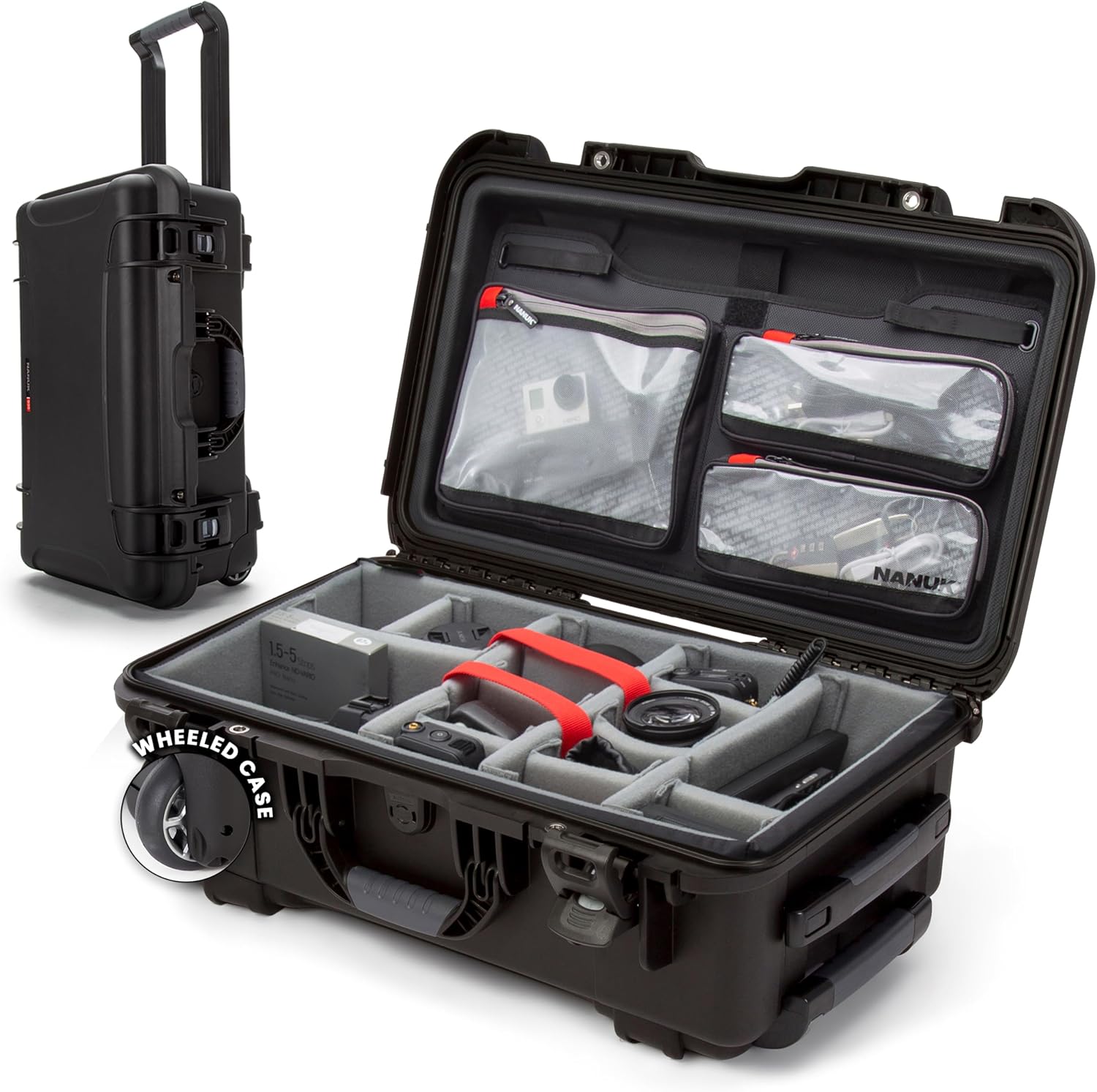
NANUK 935 Pro Photo Kit Camera Case, Waterproof Wheeled Hard Case, Carry-On, Black
Check Price on AmazonNANUK 925 DJI Mavic 4 Pro Creator Combo
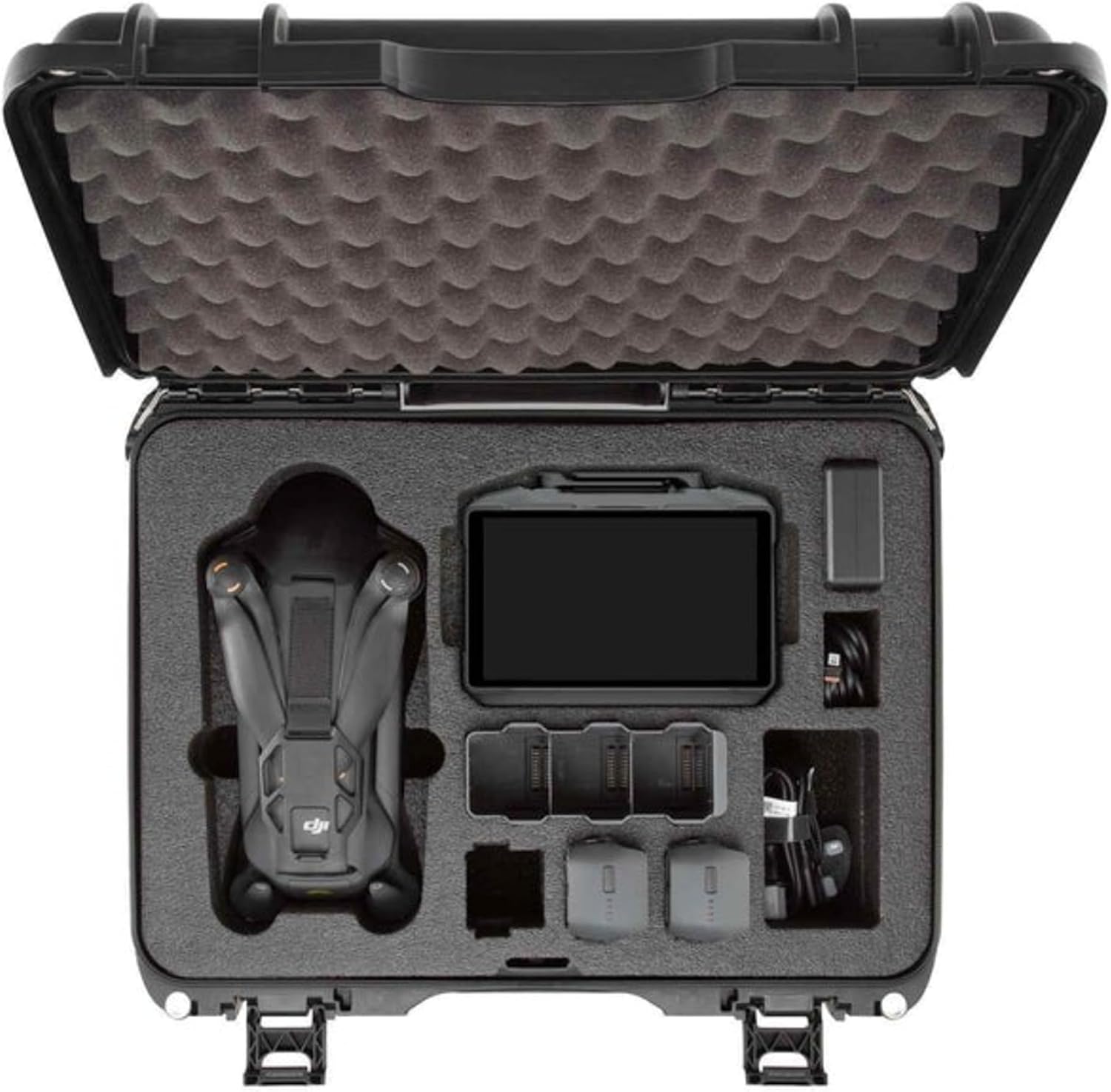
NANUK 925 DJI Mavic 4 Pro Creator Combo - Waterproof Hard Case with Drone Foam Insert, Crushproof, Portable Travel Case, Made in Canada (18.7” x 14.8”x 7”) - Black
Check Price on Amazon Drone Allowed
DroneAllowed editor covering drone regulations, aviation law, and aerial photography across USA, UK, Canada & Australia.