Thailand Drone Laws 2026: Complete Guide for Drone Pilots
 9 min read
1,666 words
Thailand Drone Laws 2026: Your Complete Guide for Drone Pilots
If you are planning to fly a drone in Thailand, you must follow the rules set by the National Broadcasting and Telecommunications Commission (NBTC) and the Civil Aviation Authority of Thailand (CAAT). The core requirement is that all drones, regardless of weight, must be registered with the NBTC, and you need insurance coverage before your first flight. This guide covers everything from registration steps to no-fly zones, penalties, and practical tips to keep you flying legally in Thailand.
LENTION 3.3FT Long Cable USB C Hub
LENTION 3.3FT Long Cable USB C Hub, 4K HDMI, 100W PD, USB 3.0, Card Reader 3A & LED Indicator Stable Driver Adapter, for macOS, iOS/iPadOS, Windows & ChromeOS (C36p-1M, Space Gray)
Check Price on Amazon17-in-1 USB C Hub 65W Powered Adapter, 10Gbps, Dual PD 45W
17-in-1 USB C Hub 4K@60Hz, 65W Powered Adapter, 10Gbps, Dual PD 45W PD 100W Charging, 3×USB-C 3.2+6×USB-A 3.0, SD/TF 105MB/s, 3.3ft Cable, Aluminum Desktop USB Hub for MacBook Pro/Air/Mac Mini
Check Price on AmazonLENTION USB-C Hub, HDMI, 100W PD, 2 USB-C, 2 USB 3.0, Card Reader
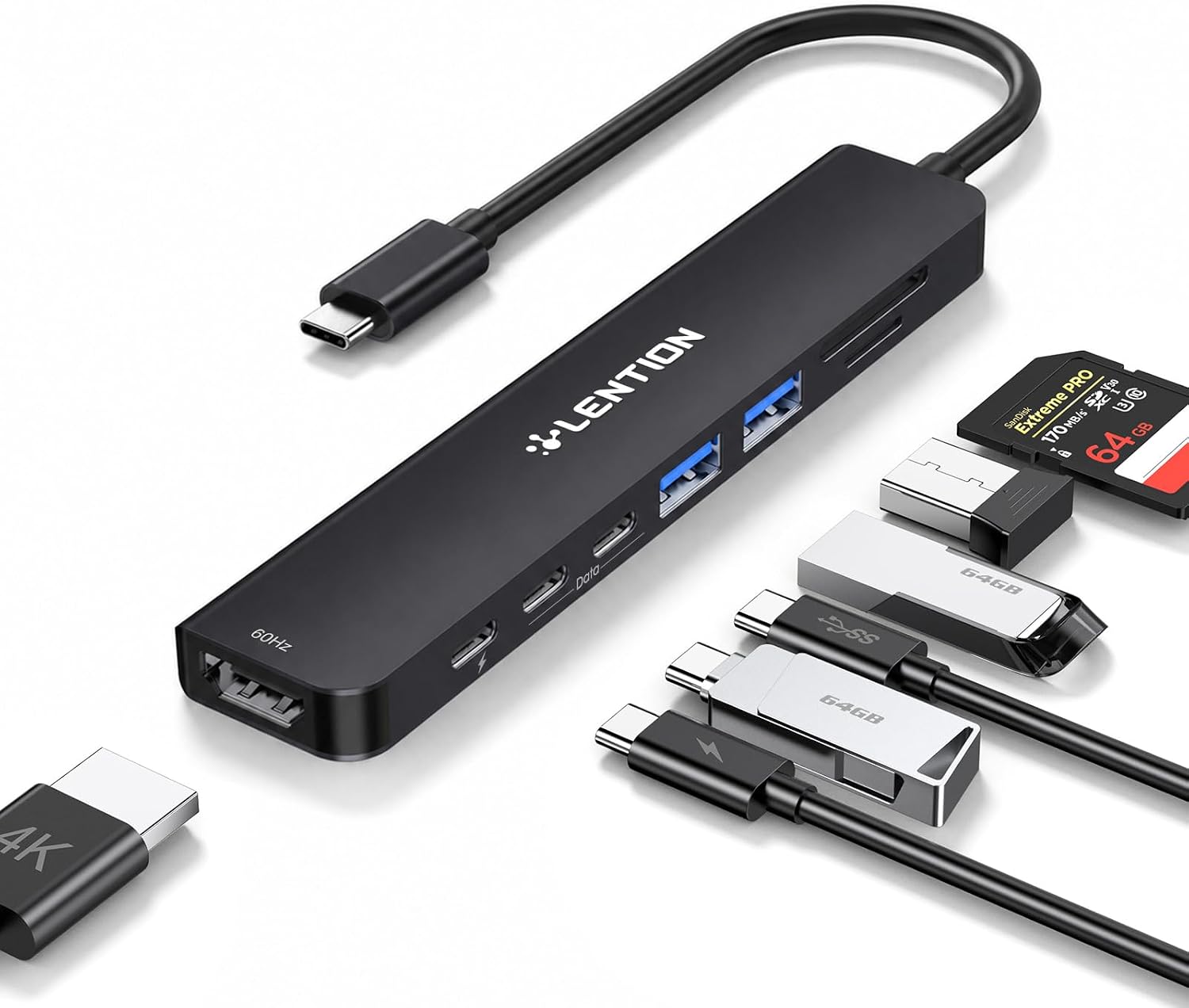
LENTION USB-C Hub, 4K@60Hz HDMI, 100W PD, 2 USB-C, 2 USB 3.0, Card Reader 2A & 2C Work Simultaneously, Stable Driver 3.0 Certified, for macOS, iOS/iPadOS, Windows & ChromeOS (CE19, Black)
Check Price on AmazonThailand has some of the strictest drone laws in Southeast Asia, designed to protect national security, public safety, and privacy. Whether you are a tourist with a sub-250g drone or a professional pilot, understanding these rules is essential. We break down the key regulations, registration procedures, restricted areas, and penalties so you can fly with confidence.
3 FT Power Strip
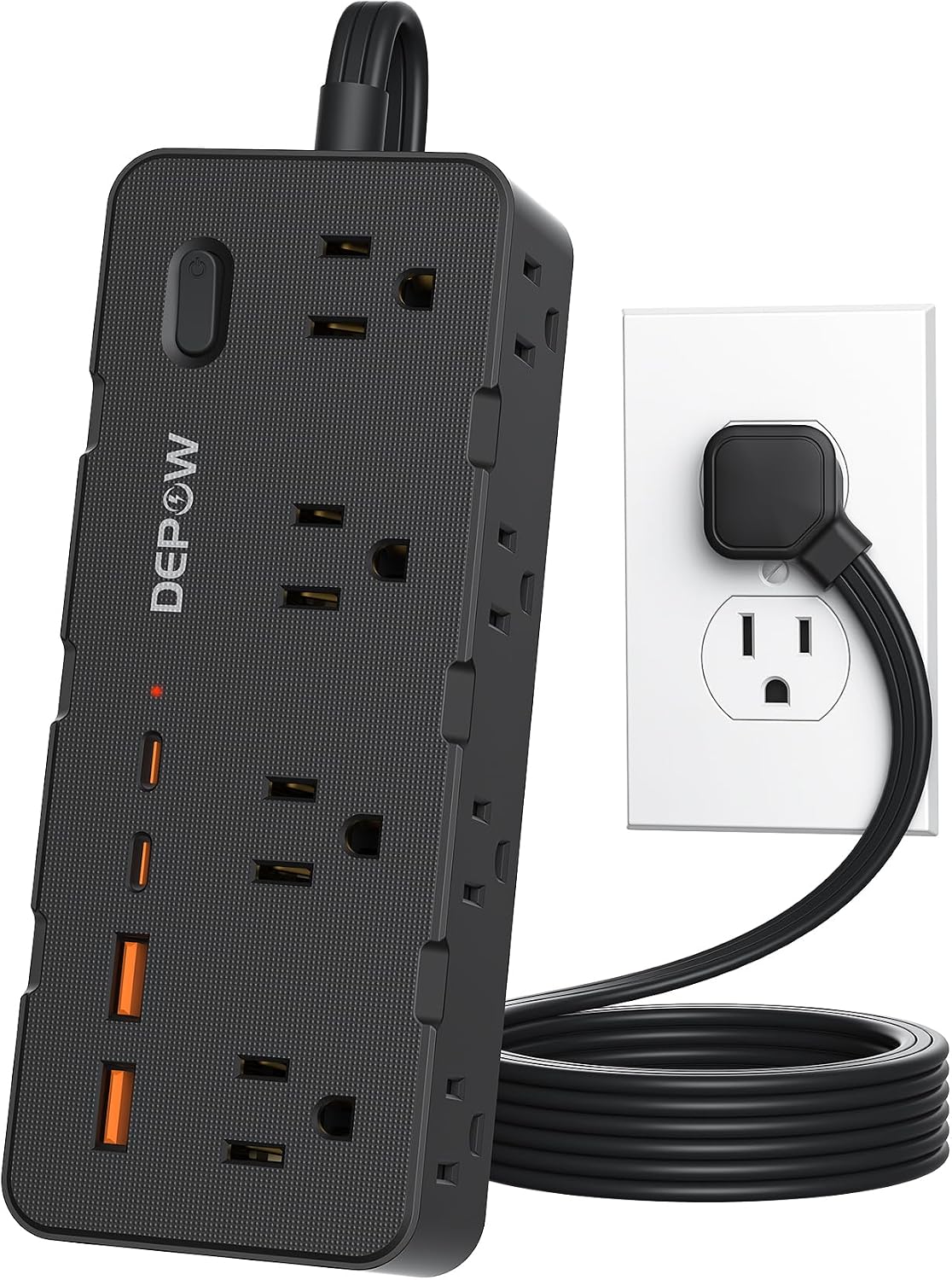
3 FT Power Strip, Extension Cord with 8 AC Outlets + 4 USB (2 USB-C), Black Flat Plug, Compact 3FT Flat Cord Keeps Desktop Neat. 1700J Surge Protection, 1625W, Great for Home Office, Dorm, Nightstand
Check Price on AmazonHICOBER USB C SD Card Reader
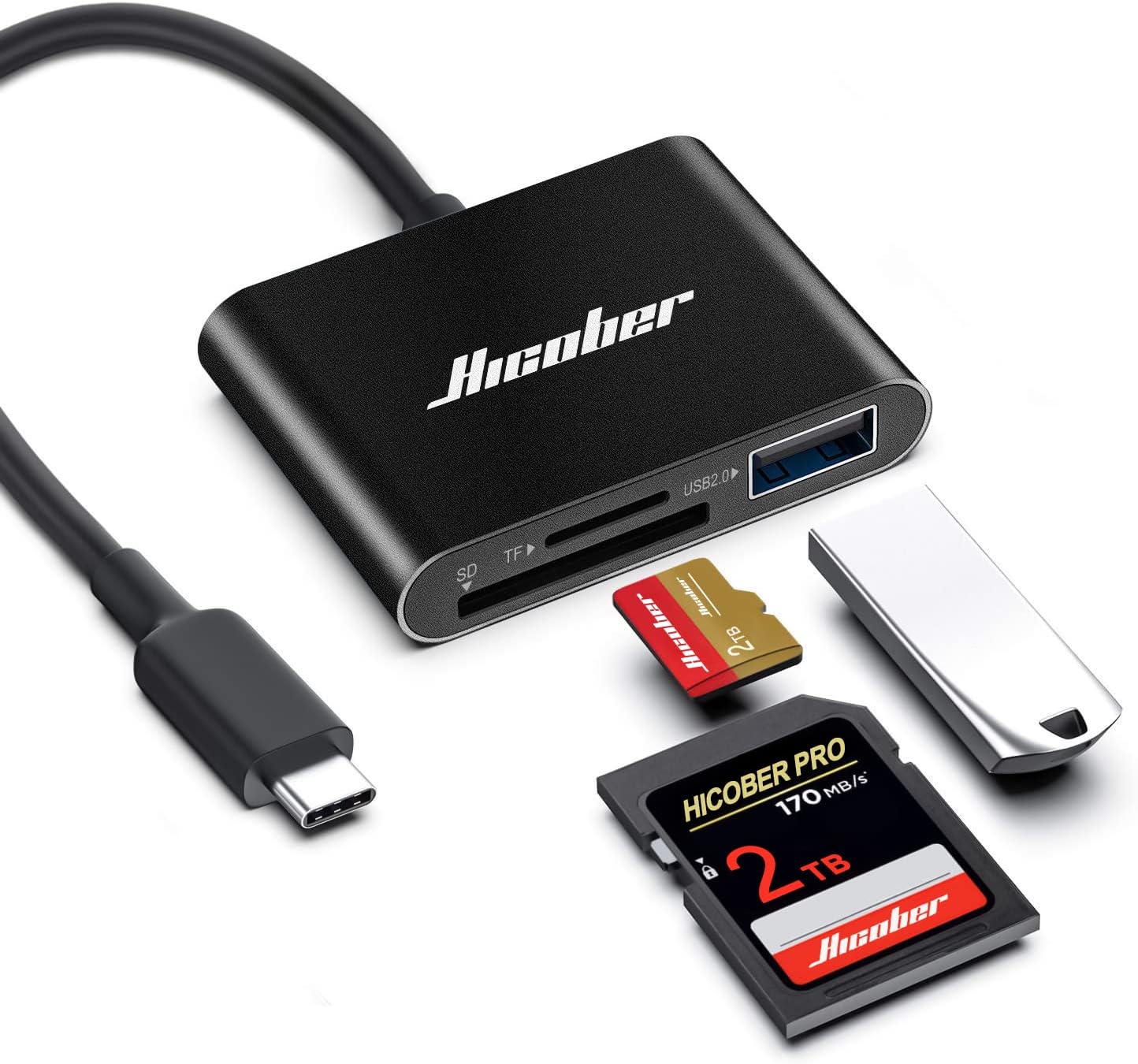
HICOBER USB C SD Card Reader, 3-in-1 for Laptop, Phone, Tablet, Black Durable aluminum body helps dissipate heat quickly for stable performance; reads SD, TF and USB drives up to 2TB via USB-C
Check Price on Amazon64GB Micro SD Card with SD Card Reader
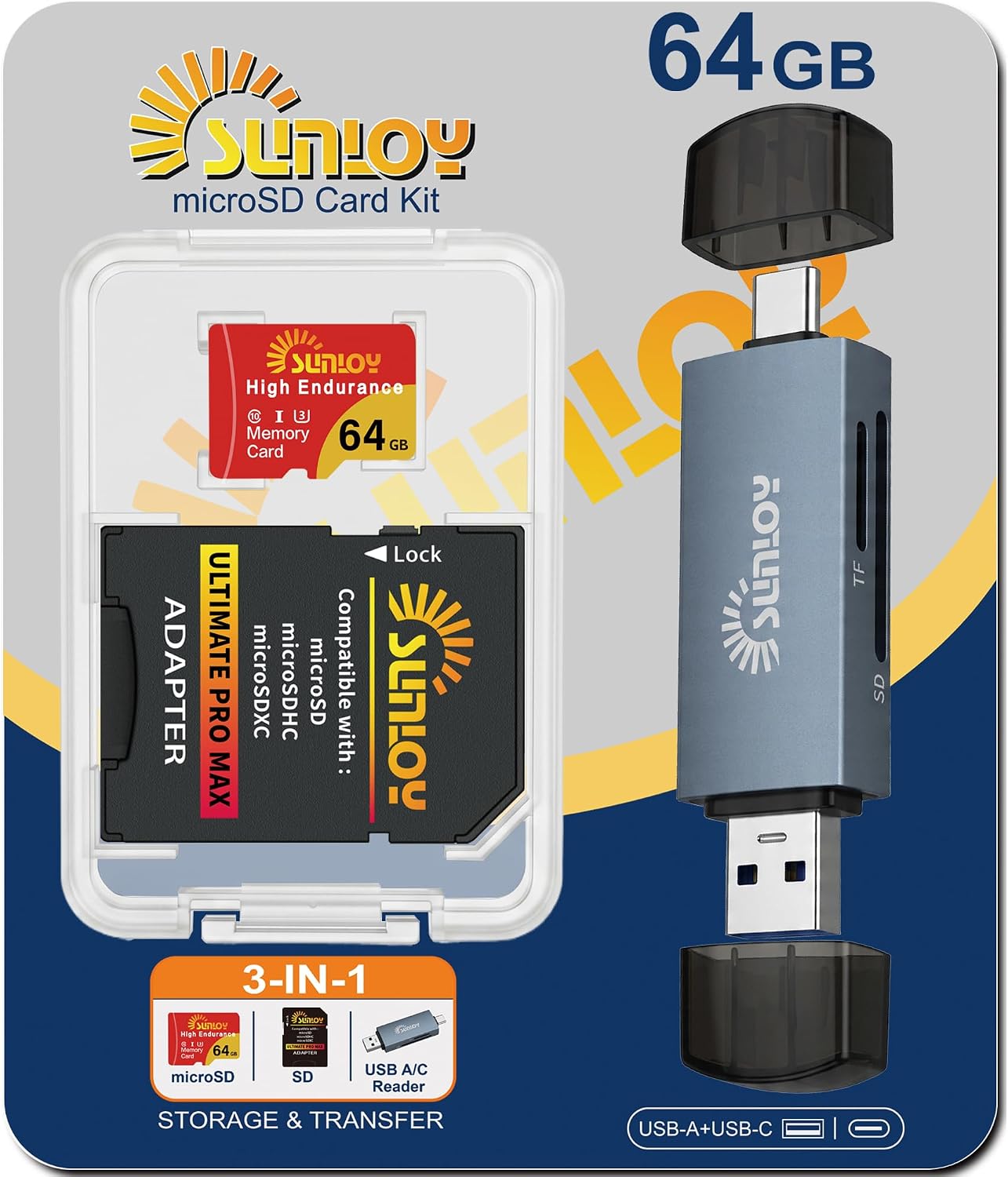
64GB Micro SD Card with SD Card Reader USB3.0 A/C Dual Slots & SD Adapter UHS-I, C10, U3, V30, A1, 4K UHD, USB 3.0 Memory Card Reader for iPhone 17/16/15, MacBook, iPad, Laptop, PC, Drone, Game Console
Check Price on AmazonWhat Are the Core Thailand Drone Laws for 2026?
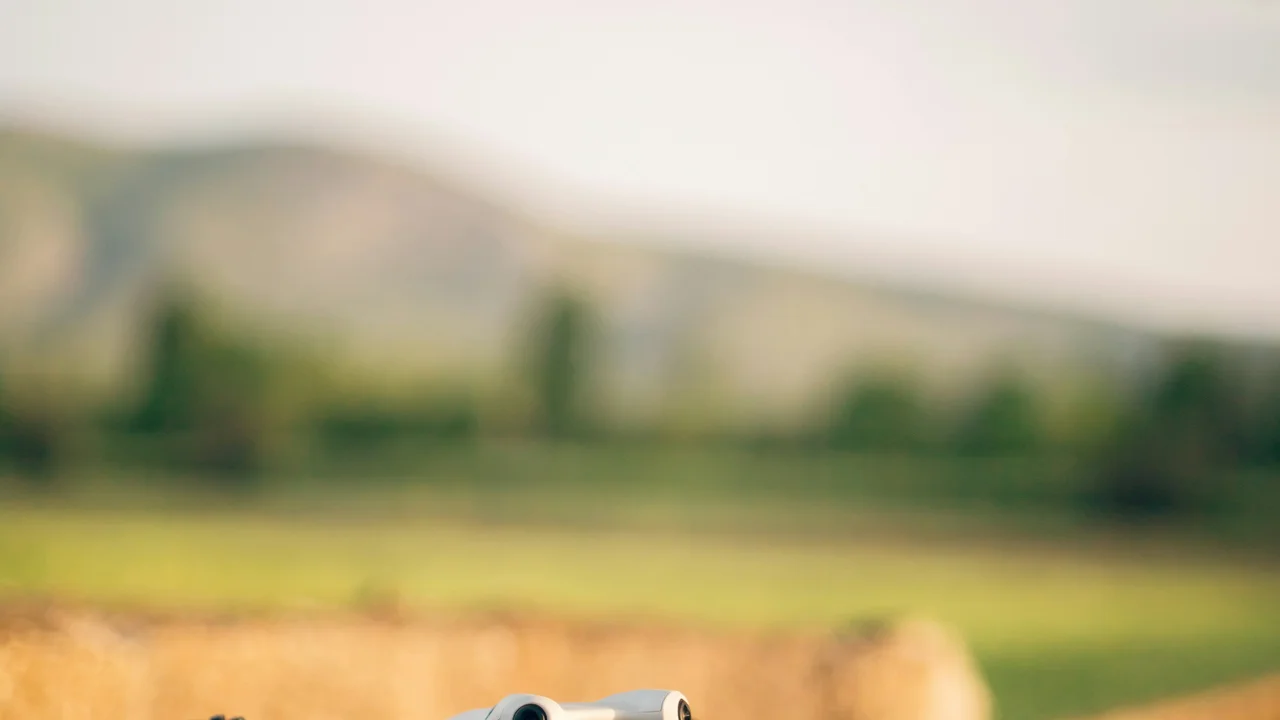
The foundation of Thailand’s drone regulations is that every drone, from a tiny DJI Neo to a heavy professional rig, must be registered with the NBTC. There is no weight exemption for registration. You also need liability insurance, and you must fly within visual line of sight (VLOS) at a maximum altitude of 300 feet (90 meters) above ground level (AGL). Night flying is generally prohibited without special permission.
These rules apply to all drones used for recreational, commercial, or government purposes. The CAAT oversees airspace restrictions, while the NBTC handles registration and frequency management. Failure to comply can result in fines, imprisonment, or both.
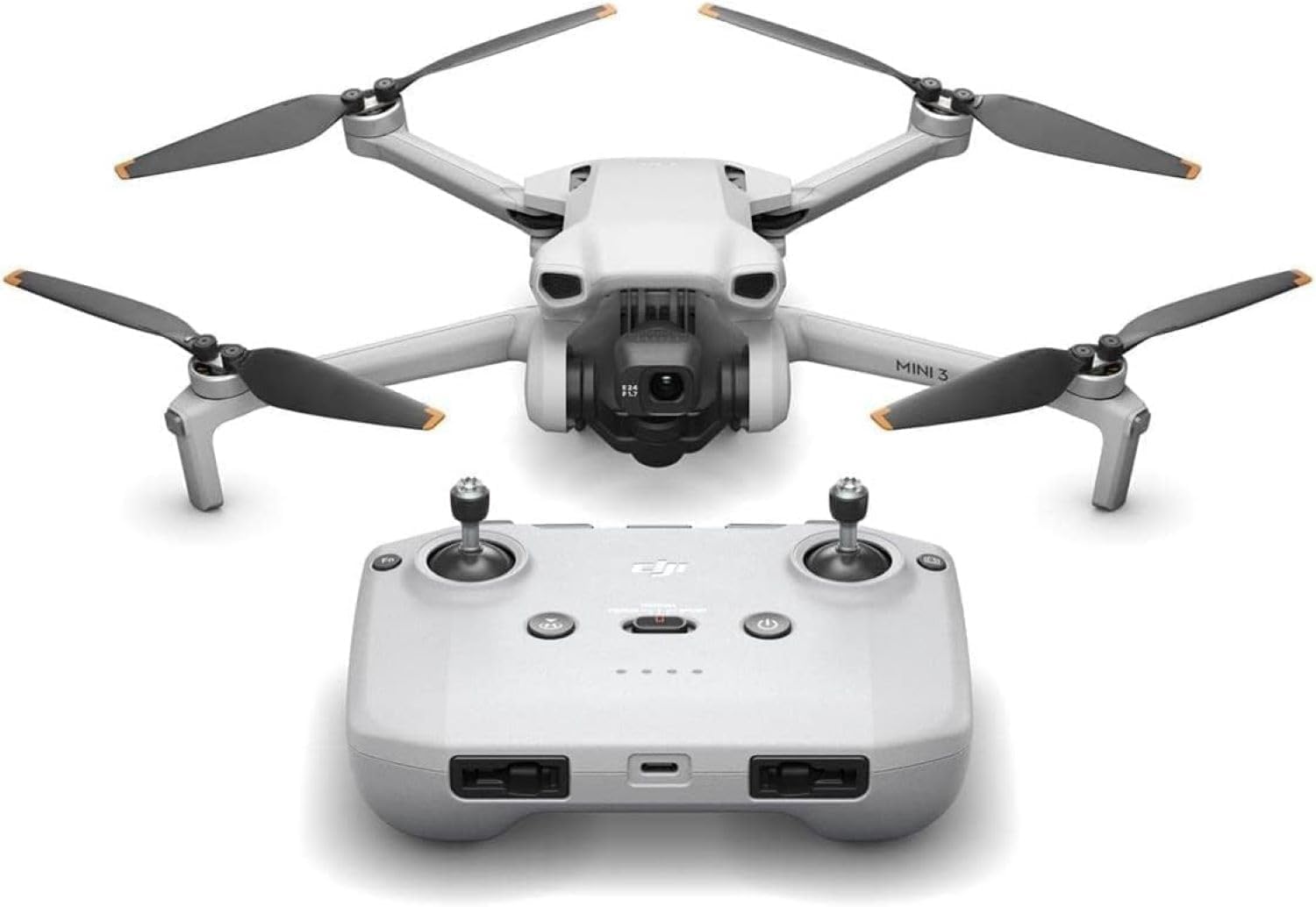
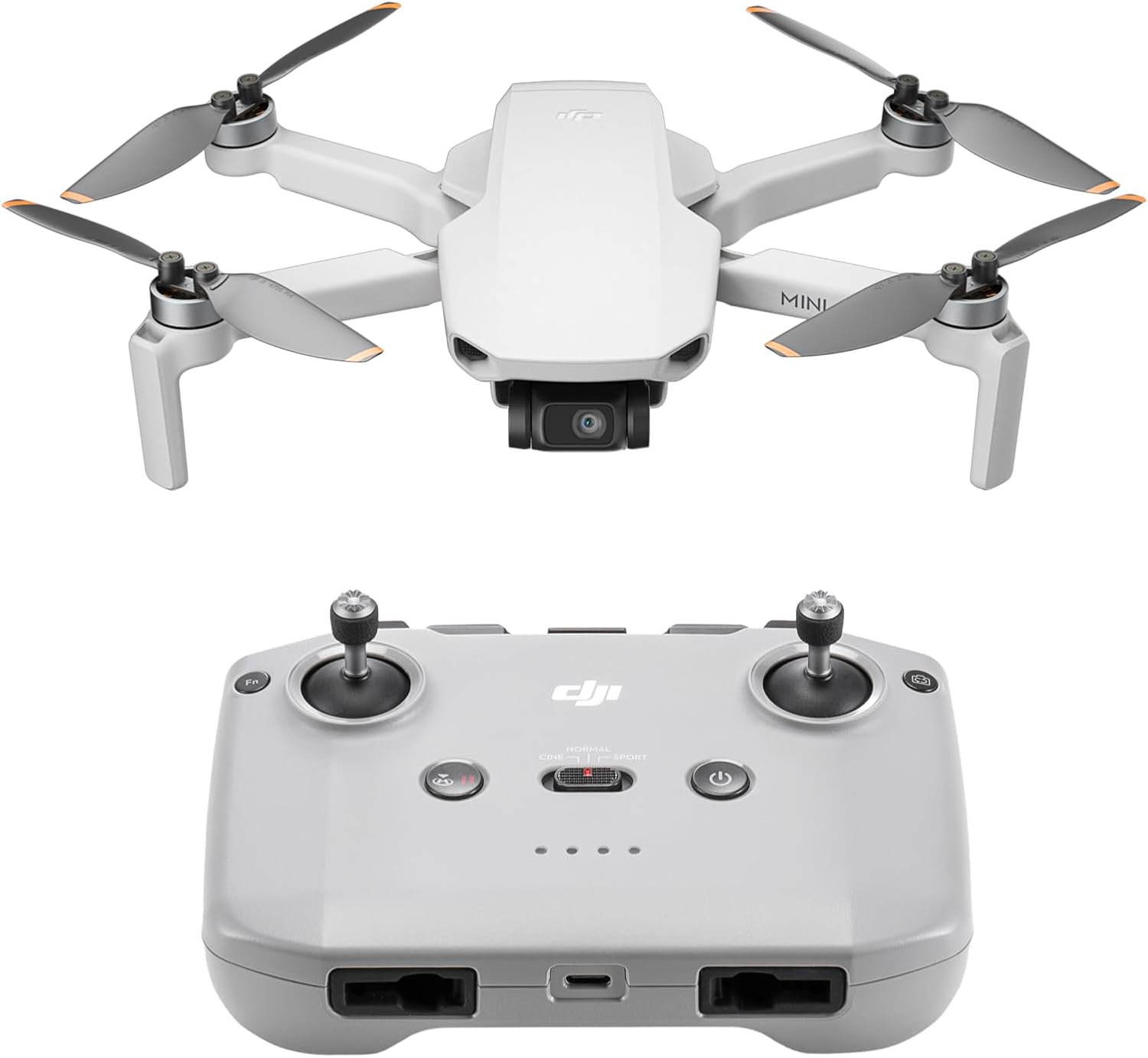
Regulatory Authority and Framework for Thailand Drone Laws
Two main bodies govern drone operations in Thailand. The National Broadcasting and Telecommunications Commission (NBTC) handles drone registration, radio frequency management, and operator certification. The Civil Aviation Authority of Thailand (CAAT) controls airspace restrictions, flight permissions, and safety regulations.
The legal framework is primarily based on the NBTC Notification on the Use of Radio Control Devices for Unmanned Aircraft (2017) and the CAAT Notification on Unmanned Aircraft Rules (2015, updated periodically). These documents outline all operational requirements, including registration, pilot certification, and prohibited activities.
DJI Mini 3
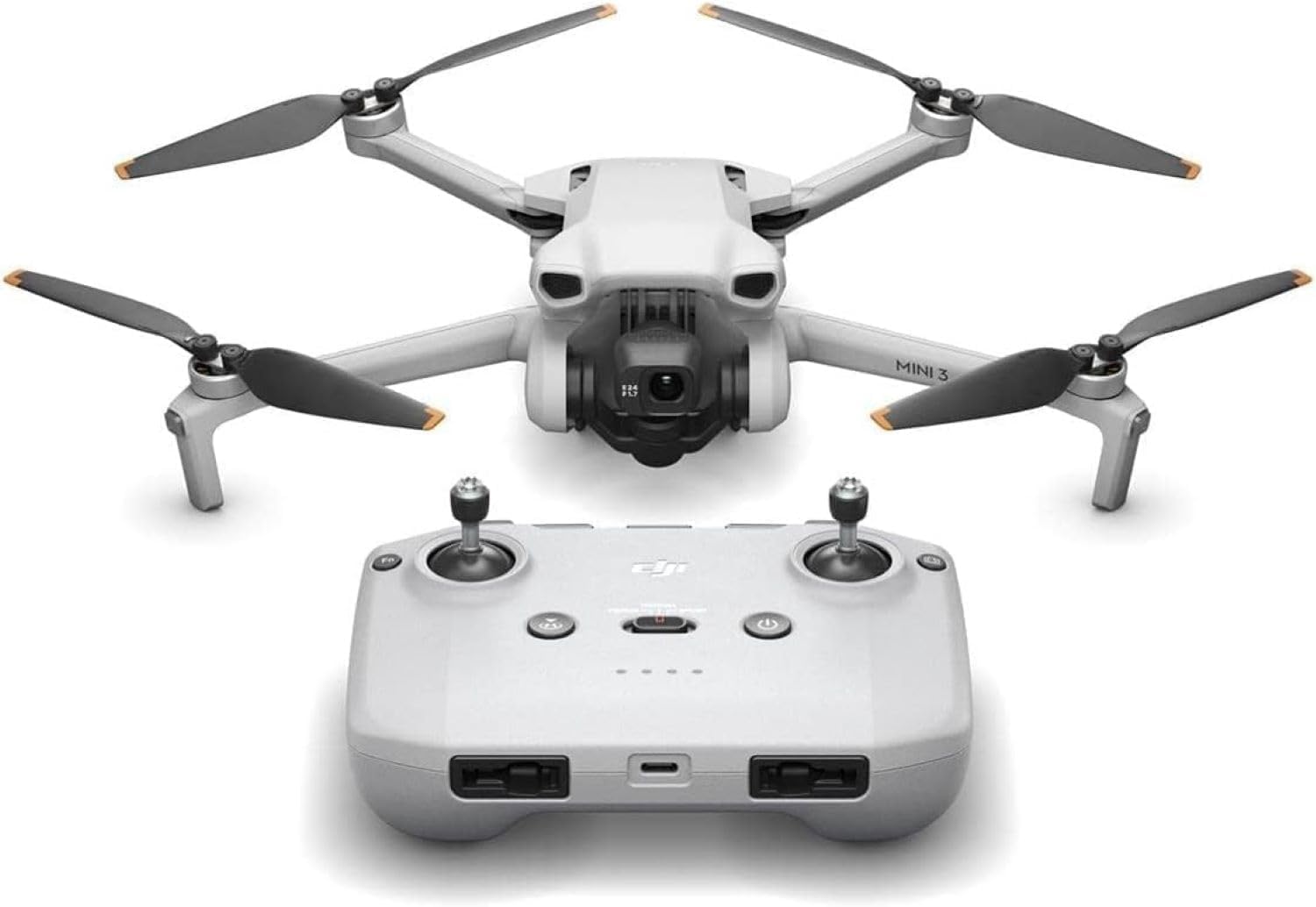
DJI Mini 3, 3-Axis Mechanical Gimbal Mini Camera Drone | 4K HDR Video, 38-Min Flight Time, up to 32800ft (10km) Video Transmission, True Vertical Shooting, GPS Auto Return
Check Price on AmazonDJI Mini 3 Fly More Combo
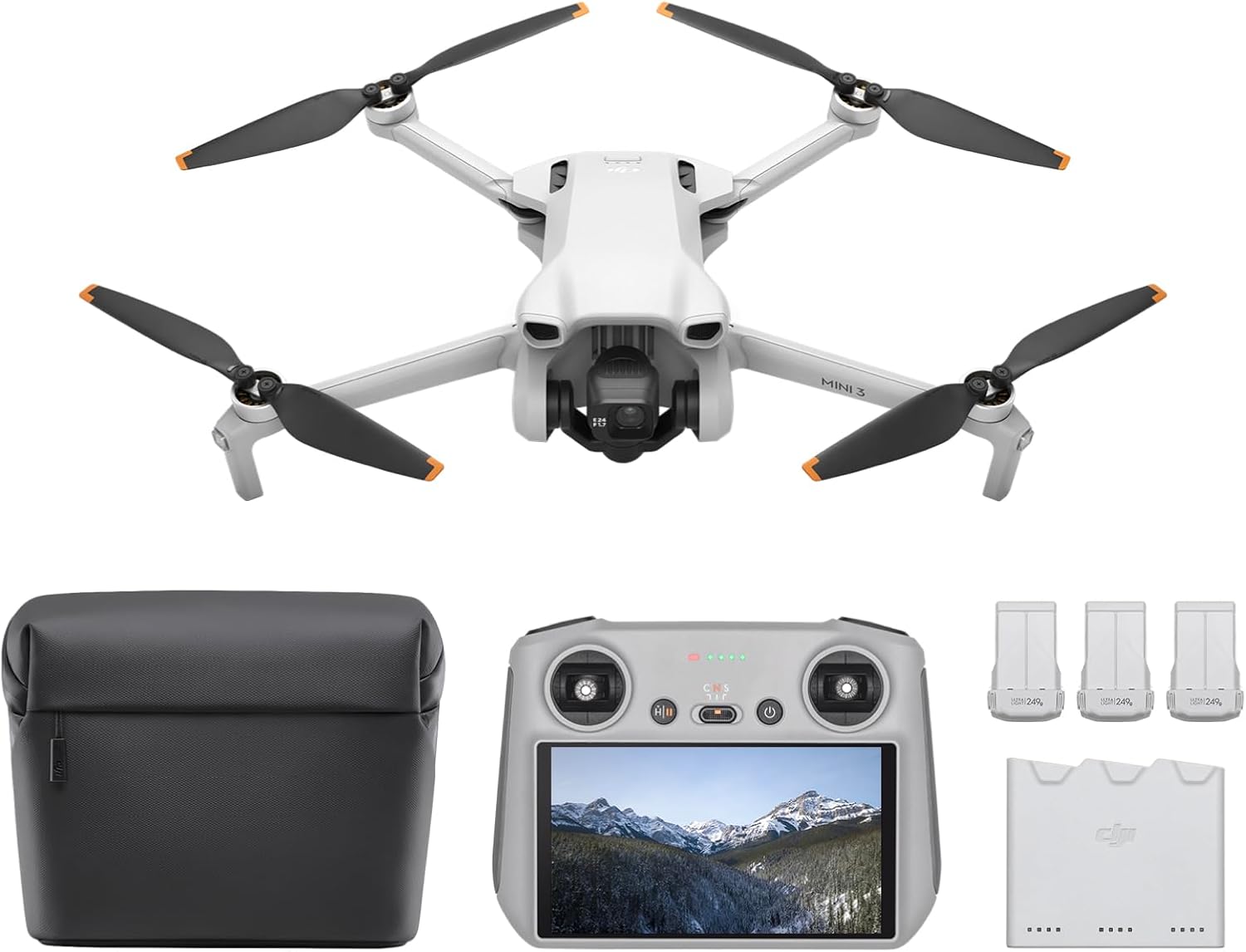
DJI Mini 3 Fly More Combo With DJI RC, 3 Batteries | Lightweight Camera Drone With 4K HDR Video, 114-Min Flight Time, Vertical Shooting, 32800ft (10km) Video Transmission
Check Price on AmazonDJI Mini 3 With DJI RC
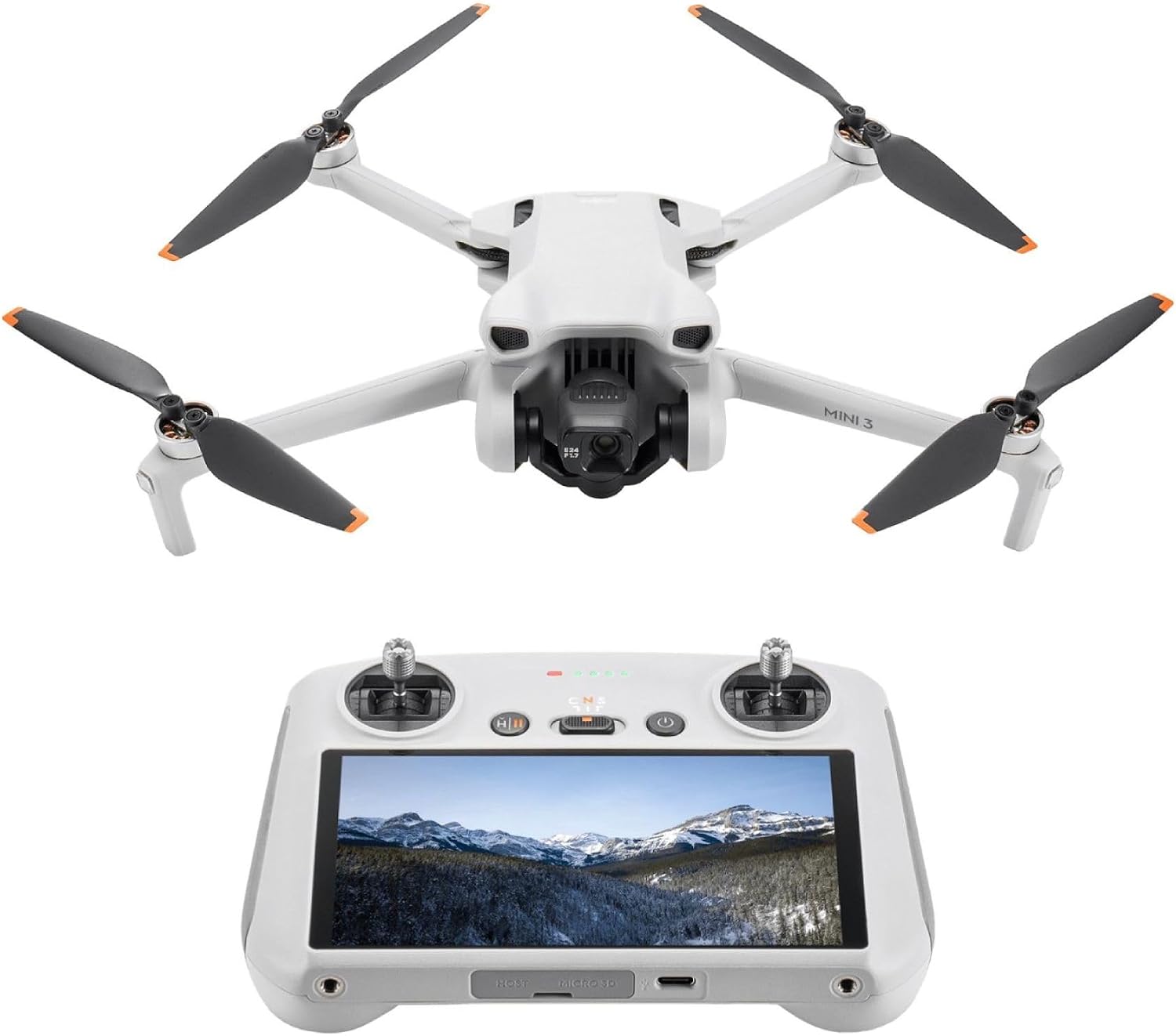
DJI Mini 3 With DJI RC, 3-Axis Mechanical Gimbal Mini Camera Drone | 4K HDR Video, 38-Min Flight Time, up to 32800ft (10km) Video Transmission, Vertical Shooting, GPS Auto Return
Check Price on AmazonRegistration and Certification Requirements for Thailand Drone Laws
Every drone operator in Thailand must register their drone with the NBTC, regardless of the drone’s weight. This includes sub-250g drones like the DJI Mini series. You will also need liability insurance with a minimum coverage of ฿1 million (approximately $28,000 USD).
Step 1: Register Your Drone with the NBTC
Registration is done online through the NBTC’s official portal. You will need your passport (for foreigners) or Thai ID card, proof of address, and the drone’s serial number and specifications. The process takes about 15 minutes, and you will receive a registration certificate and a unique registration number that must be displayed on your drone.
Visit the NBTC registration website and create an account using your email address and phone number.
Carrying Hard Case for DJI Avata 360 Drone
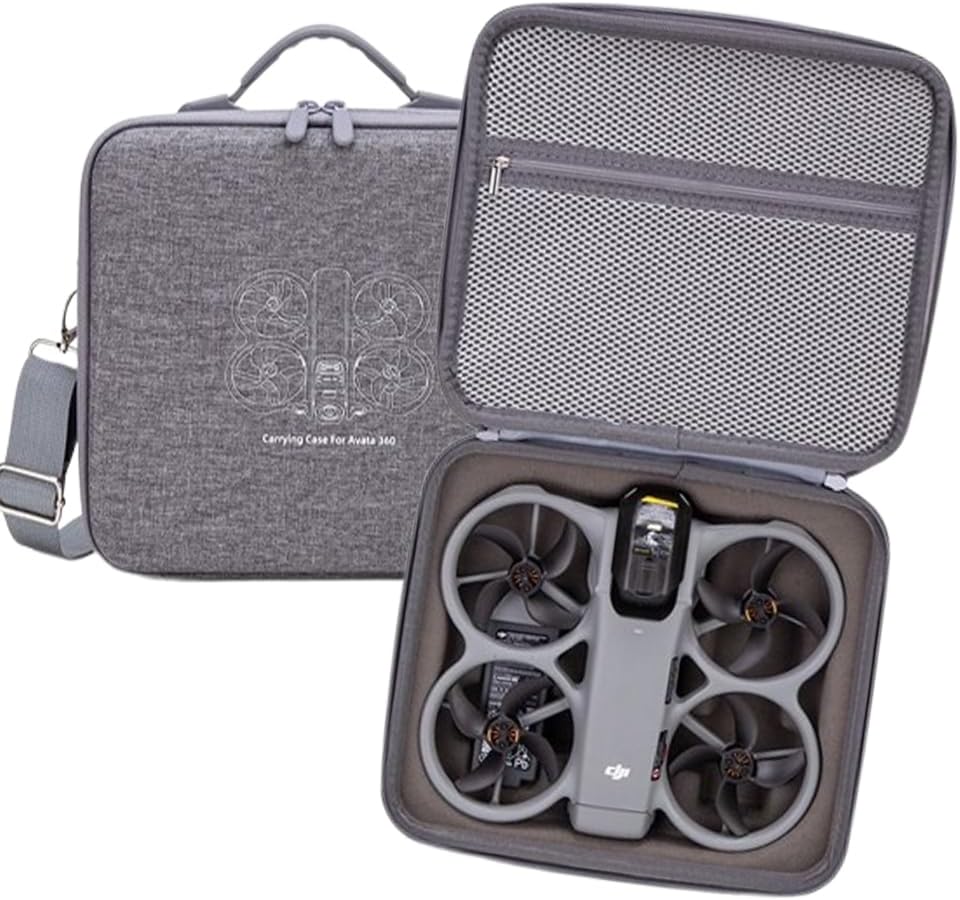
Carrying Hard Case for DJI Avata 360 Drone - Portable Travel Bag for Goggles N3/RC Motion 3 Controller
Check Price on AmazonHard Case for Antigravity A1 Drone
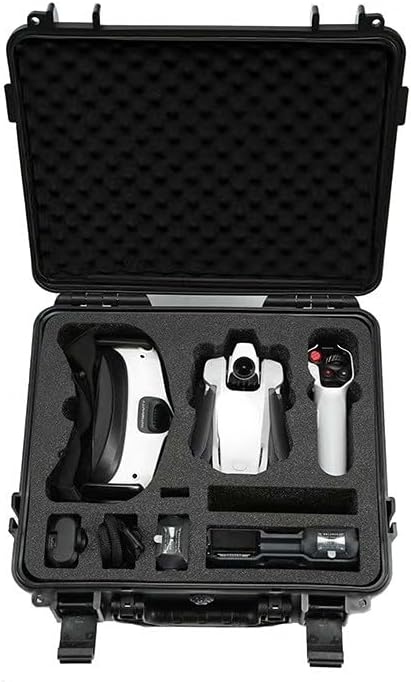
Hard Case for Antigravity A1 Drone, Waterproof Protective Carry Case, Anti-Fall Storage Bag Fit for Drone, Batteries, Goggles, Accessories & RC Gear [Only Protect Shell]
Check Price on AmazonEnter your drone’s make, model, serial number, weight, and a photo of the drone. You must also upload a copy of your passport or ID.
The fee is ฿100 (about $3 USD) and covers a three-year registration period plus a radio frequency license.
Once approved, you will receive a digital registration certificate. Affix the registration number visibly to your drone.
Step 2: Obtain Liability Insurance
Thai law requires all drone operators to carry third-party liability insurance with a minimum coverage of ฿1 million. This covers damage or injury caused by your drone to people or property. Many Thai insurance companies offer drone-specific policies, and some international insurers also cover Thailand. Keep your insurance certificate with you when flying.
Step 3: Pilot Certification (If Required)
For drones weighing over 2 kg (4.4 lbs), the pilot must hold a certificate from the CAAT or an approved training organization. This involves passing a written exam and a practical flight test. For drones under 2 kg, no pilot certificate is required, but you must still register the drone and carry insurance.
No-Fly Zones and Restricted Areas Under Thailand Drone Laws
Thailand has extensive no-fly zones that are strictly enforced. The most critical restricted areas include airports, military bases, royal palaces, national parks, and government buildings. Flying within 9 km (5.6 miles) of any airport is prohibited without special permission from the CAAT and the airport authority.
| Restricted Area | Distance / Zone | Permission Required |
|---|---|---|
| Airports (all types) | Within 9 km (5.6 miles) | CAAT + Airport Authority |
| Royal Palaces & Temples | Direct overflight prohibited | Royal Household Bureau |
| Military Installations | Entire facility | Royal Thai Armed Forces |
| National Parks | Entire park | Department of National Parks |
| Government Buildings | Direct overflight prohibited | Relevant ministry |
| Populated Areas (crowds) | No direct overflight | Local police permission |
You can check restricted zones using the No-Fly Zone Checker before planning your flight. Always verify with local authorities, as temporary restrictions (e.g., during royal ceremonies or public events) are common.
Where You Can Legally Fly Under Thailand Drone Laws
Legal flying areas in Thailand are limited but do exist. You can fly in rural areas, open fields, beaches (away from crowds), and private land with the owner’s permission. Always maintain a distance of at least 30 meters (100 feet) from people, buildings, and vehicles. Do not fly over crowds, roads, or sensitive infrastructure.
For commercial operations, you need additional permits from the CAAT and must submit a flight plan for each mission. The CAAT also requires a risk assessment and proof of commercial liability insurance (usually ฿5 million or more).
Penalties for Violating Thailand Drone Laws
Penalties in Thailand are severe and strictly enforced. Flying without registration can result in a fine of up to ฿100,000 (approximately $2,800 USD) and/or imprisonment for up to one year. Violating no-fly zones, especially near airports or military areas, carries penalties of up to ฿200,000 (approximately $5,600 USD) and/or five years in prison.
| Violation | Fine (THB) | Imprisonment |
|---|---|---|
| Flying without NBTC registration | Up to ฿100,000 | Up to 1 year |
| Flying without insurance | Up to ฿100,000 | Up to 1 year |
| Violating no-fly zone (airport/military) | Up to ฿200,000 | Up to 5 years |
| Flying above 300 ft AGL | Up to ฿50,000 | Up to 6 months |
| Night flying without permit | Up to ฿50,000 | Up to 6 months |
Foreigners caught violating drone laws may face immediate deportation and a ban from re-entering Thailand. Local police and tourist police actively enforce these rules, especially in popular tourist areas like Bangkok, Phuket, and Chiang Mai.
Summary of Thailand Drone Laws 2026
Thailand’s drone regulations are clear and strict: register your drone with the NBTC, carry liability insurance, and fly within the 300-foot altitude limit away from restricted areas. Sub-250g drones are not exempt from registration, but they do not require a pilot certificate. Always check the No-Fly Zone Checker before flying and obtain necessary permissions for commercial operations.
For tourists, the easiest way to stay compliant is to register your drone online before arriving, purchase a short-term insurance policy, and avoid flying near popular tourist attractions without permission. If you are unsure about your drone’s weight, use the Weight Checker Tool to confirm. For professional pilots, consider using a drone like the DJI Avata 2 for FPV work, but remember that FPV flights require a spotter and a special permit.
Frequently Asked Questions
What are the rules for drone laws in Thailand?
All drones in Thailand must be registered with the NBTC, regardless of weight. You need liability insurance with a minimum coverage of ฿1 million. The maximum flight altitude is 300 feet AGL, and you must maintain visual line of sight. Flying near airports (within 9 km), military bases, royal palaces, and national parks is prohibited without special permission. Night flying is generally banned unless you have a CAAT permit.
Do I need to register my drone in Thailand?
Yes, every drone used in Thailand must be registered with the NBTC, including sub-250g models like the DJI Mini 4 Pro and DJI Neo. Registration costs ฿100 (about $3 USD) and is valid for three years. You must display the registration number on your drone and carry proof of registration and insurance when flying. Failure to register can result in fines up to ฿100,000 or imprisonment.
Are there restricted areas under Thailand drone laws?
Yes, Thailand has extensive no-fly zones. The most critical are within 9 km (5.6 miles) of any airport, over royal palaces, military bases, national parks, and government buildings. Flying over crowds, populated areas, and roads is also restricted. You can check restricted zones using the No-Fly Zone Checker tool. Violating these zones carries penalties of up to ฿200,000 and five years in prison.
What are the penalties for breaking Thailand drone laws?
Penalties vary by violation. Flying without NBTC registration can lead to fines up to ฿100,000 (about $2,800 USD) and/or one year in prison. Violating no-fly zones near airports or military sites can result in fines up to ฿200,000 (about $5,600 USD) and/or five years in prison. Foreigners may also face deportation and a ban from re-entering Thailand. Local police actively enforce these rules in tourist areas.
Last updated: July 14, 2026
- National Broadcasting and Telecommunications Commission (NBTC) – Drone Registration Portal
- Civil Aviation Authority of Thailand (CAAT) – Unmanned Aircraft Regulations
- NBTC Notification on the Use of Radio Control Devices for Unmanned Aircraft (2017)
- CAAT Notification on Unmanned Aircraft Rules (2015, with updates)
NANUK 935 Pro Photo Kit Camera Case
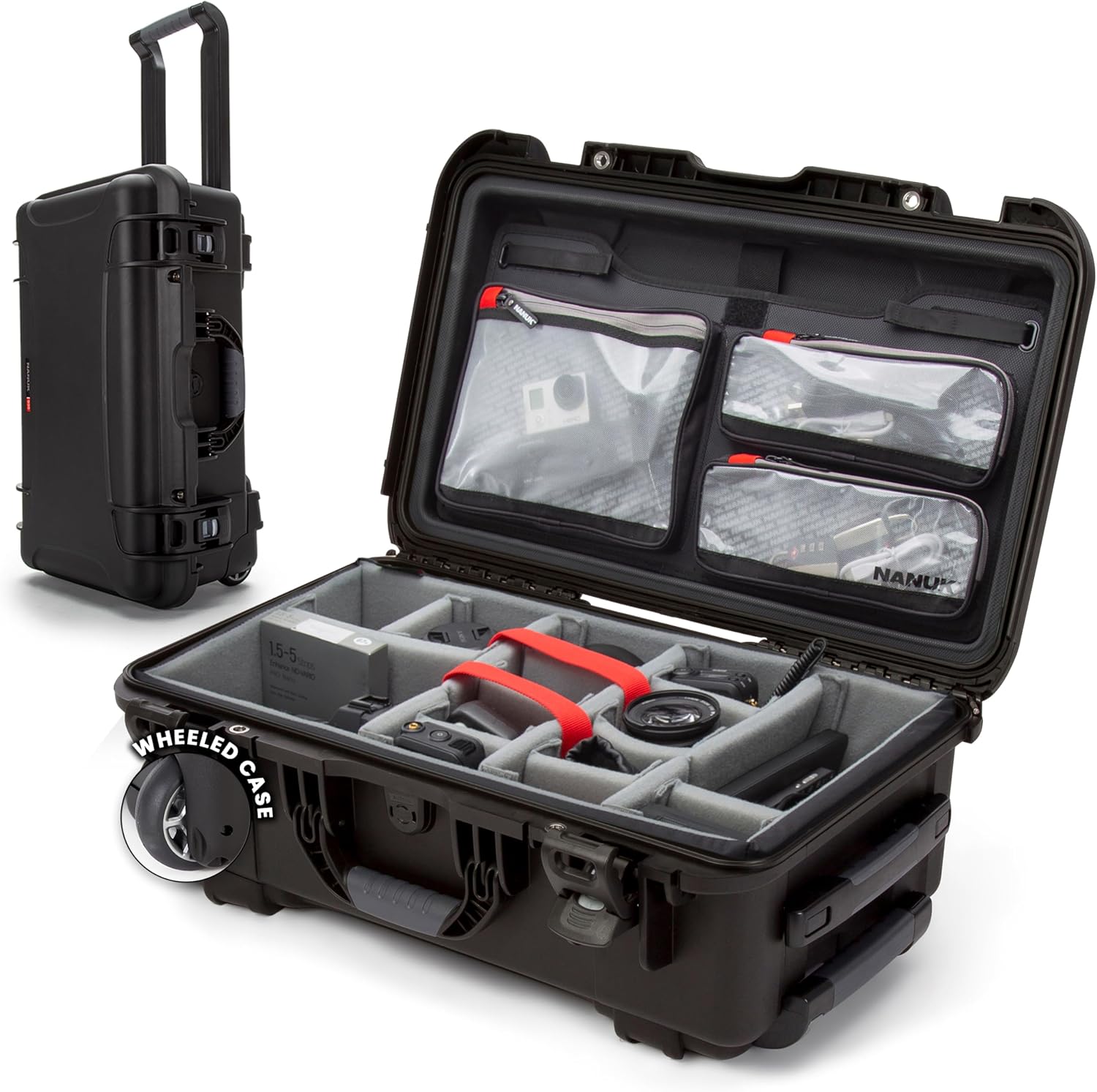
NANUK 935 Pro Photo Kit Camera Case, Waterproof Wheeled Hard Case, Carry-On, Black
Check Price on AmazonNANUK 925 DJI Mavic 4 Pro Creator Combo
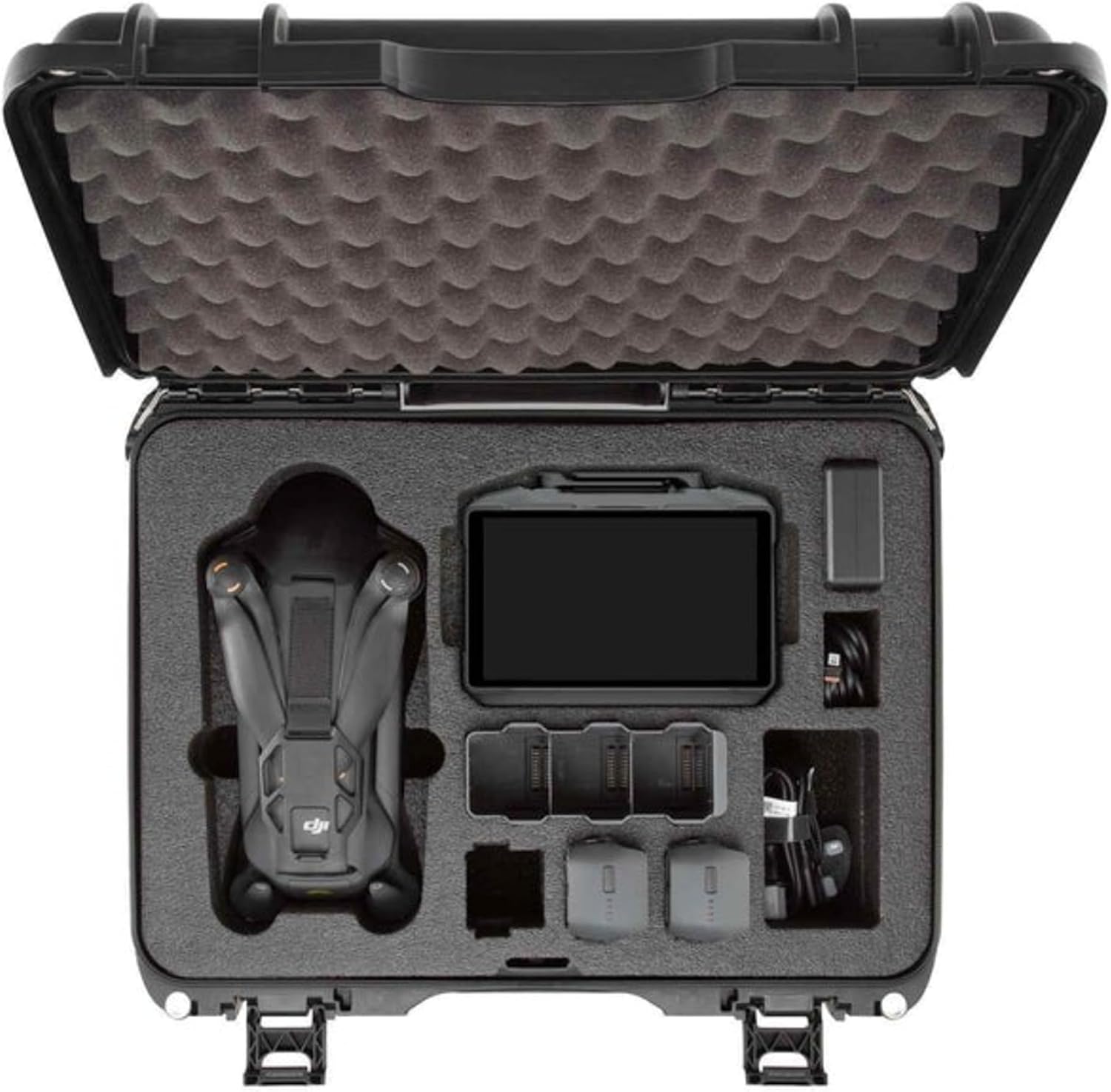
NANUK 925 DJI Mavic 4 Pro Creator Combo - Waterproof Hard Case with Drone Foam Insert, Crushproof, Portable Travel Case, Made in Canada (18.7” x 14.8”x 7”) - Black
Check Price on Amazon Drone Allowed
DroneAllowed editor covering drone regulations, aviation law, and aerial photography across USA, UK, Canada & Australia.