
Can You Fly a Drone at Night? (US, UK, Australia & Canada Rules 2026)
 12 min read
2,374 words
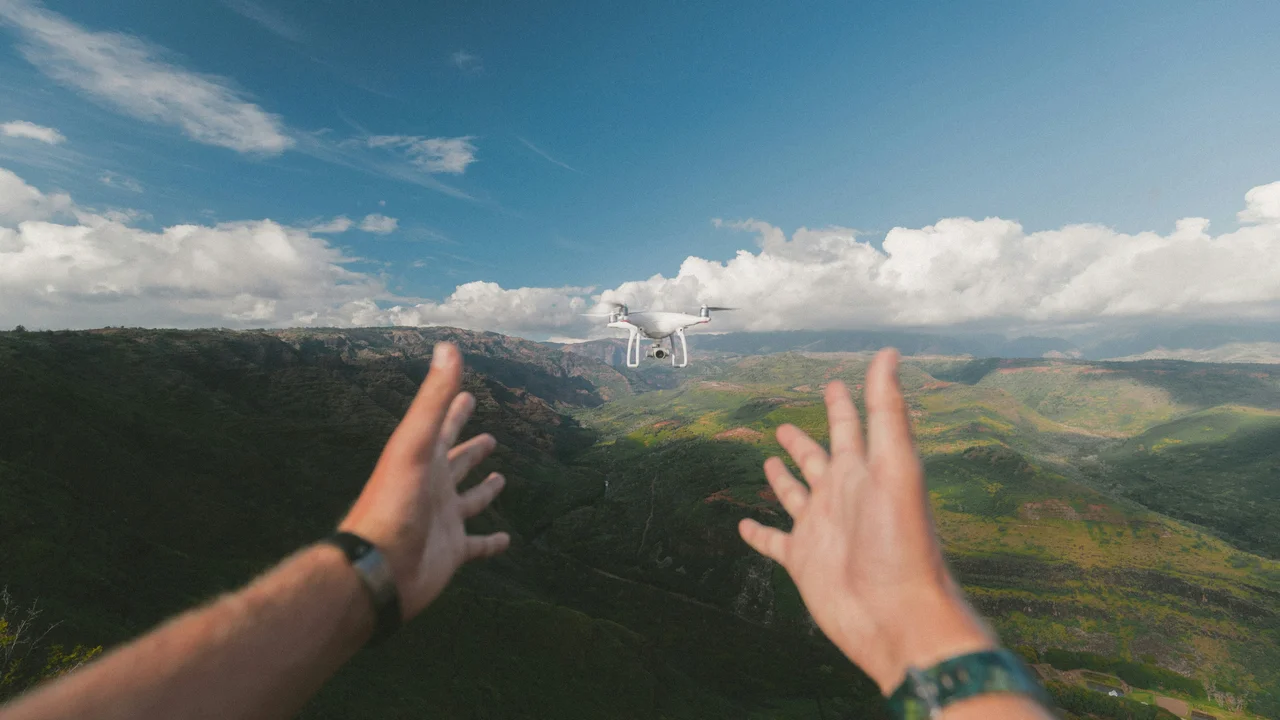
Yes, you can fly a drone at night in the United States, United Kingdom, Australia, and Canada, provided you equip your drone with the required anti-collision lighting. The specific rules vary by country and your pilot status, but the core requirement is consistent: you must have a light that makes your drone visible to other aircraft from a specified distance. This guide breaks down exactly what you need to know to legally and safely fly after sunset in all four countries, including the 2021 FAA rule change that eliminated the need for a night waiver in the US, the CAA’s lighting standards for the UK, CASA’s requirements for Australia, and Transport Canada’s strobe specifications.
LENTION 3.3FT Long Cable USB C Hub
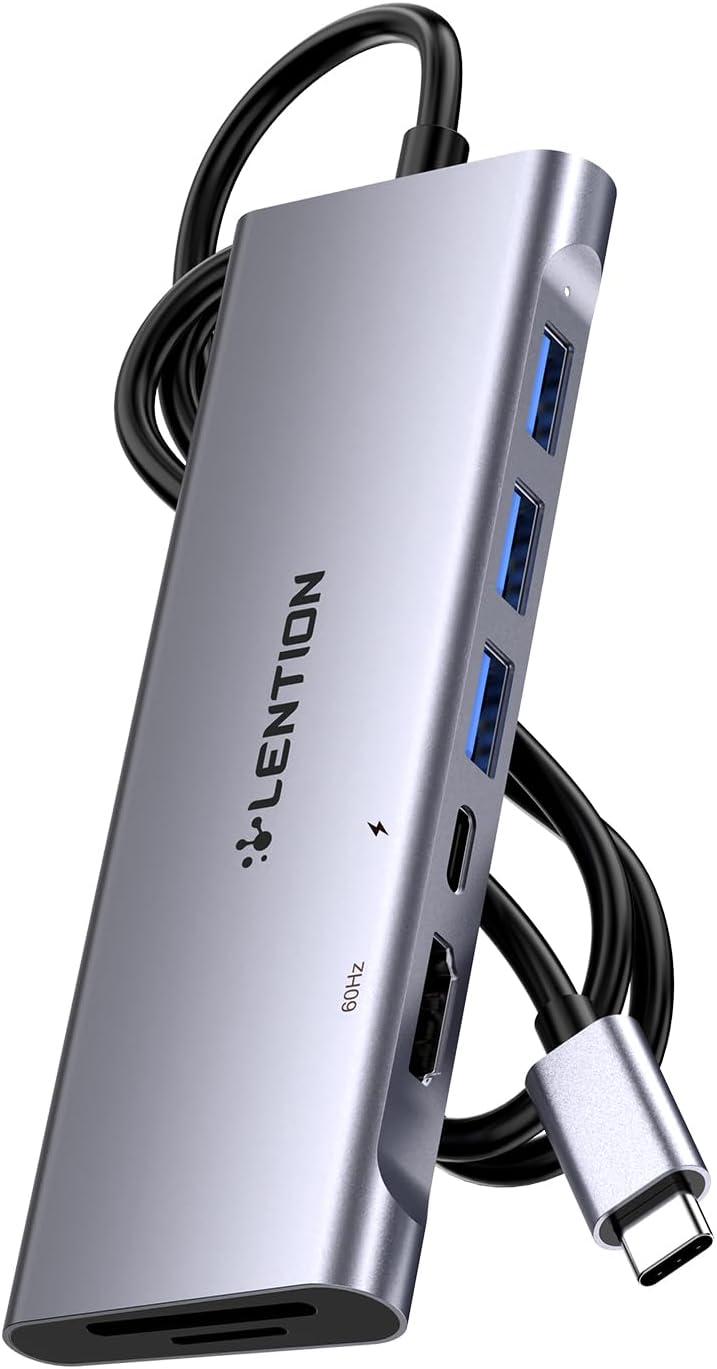
LENTION 3.3FT Long Cable USB C Hub, 4K HDMI, 100W PD, USB 3.0, Card Reader 3A & LED Indicator Stable Driver Adapter, for macOS, iOS/iPadOS, Windows & ChromeOS (C36p-1M, Space Gray)
Check Price on Amazon17-in-1 USB C Hub 65W Powered Adapter, 10Gbps, Dual PD 45W
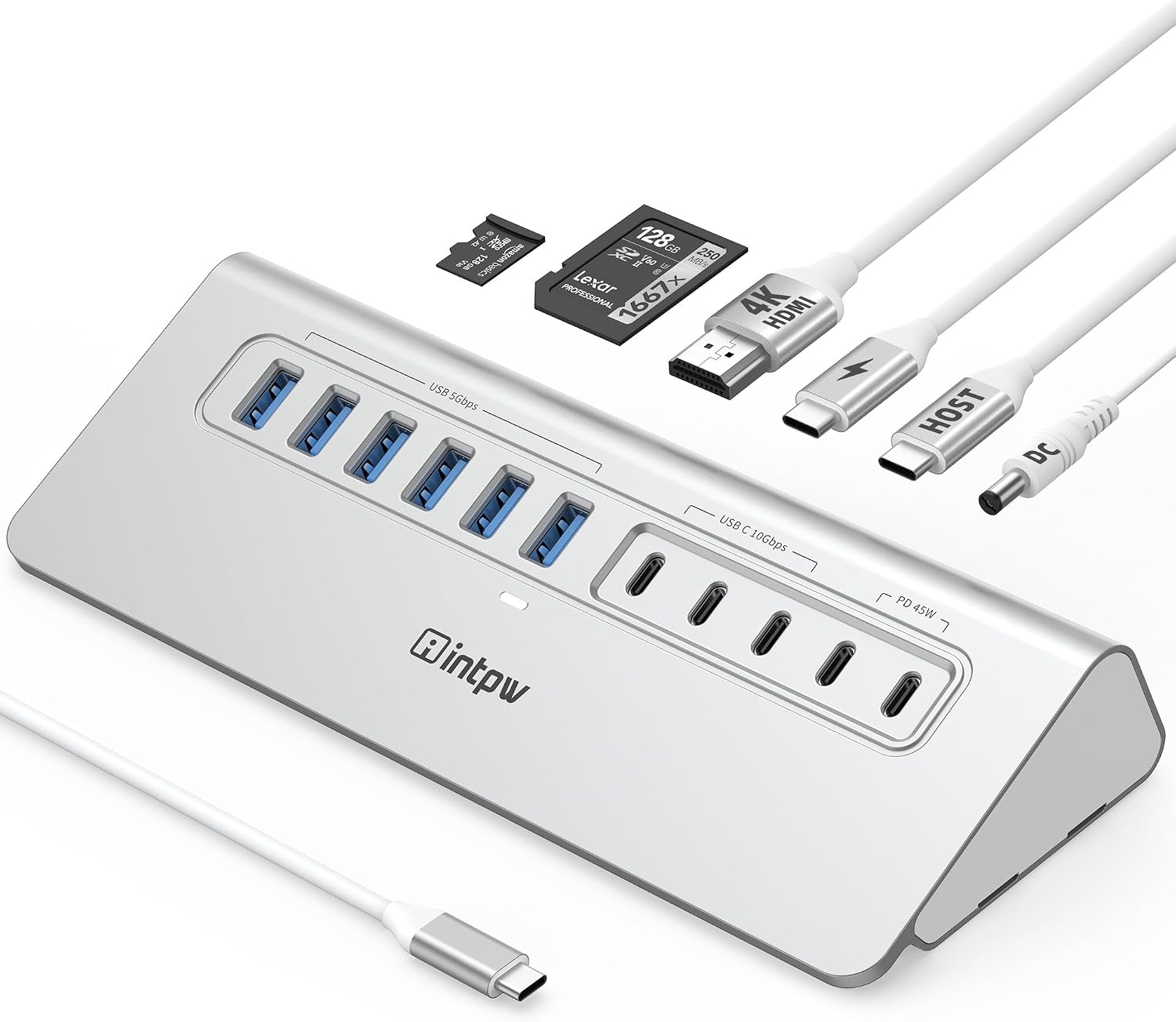
17-in-1 USB C Hub 4K@60Hz, 65W Powered Adapter, 10Gbps, Dual PD 45W PD 100W Charging, 3×USB-C 3.2+6×USB-A 3.0, SD/TF 105MB/s, 3.3ft Cable, Aluminum Desktop USB Hub for MacBook Pro/Air/Mac Mini
Check Price on AmazonLENTION USB-C Hub, HDMI, 100W PD, 2 USB-C, 2 USB 3.0, Card Reader
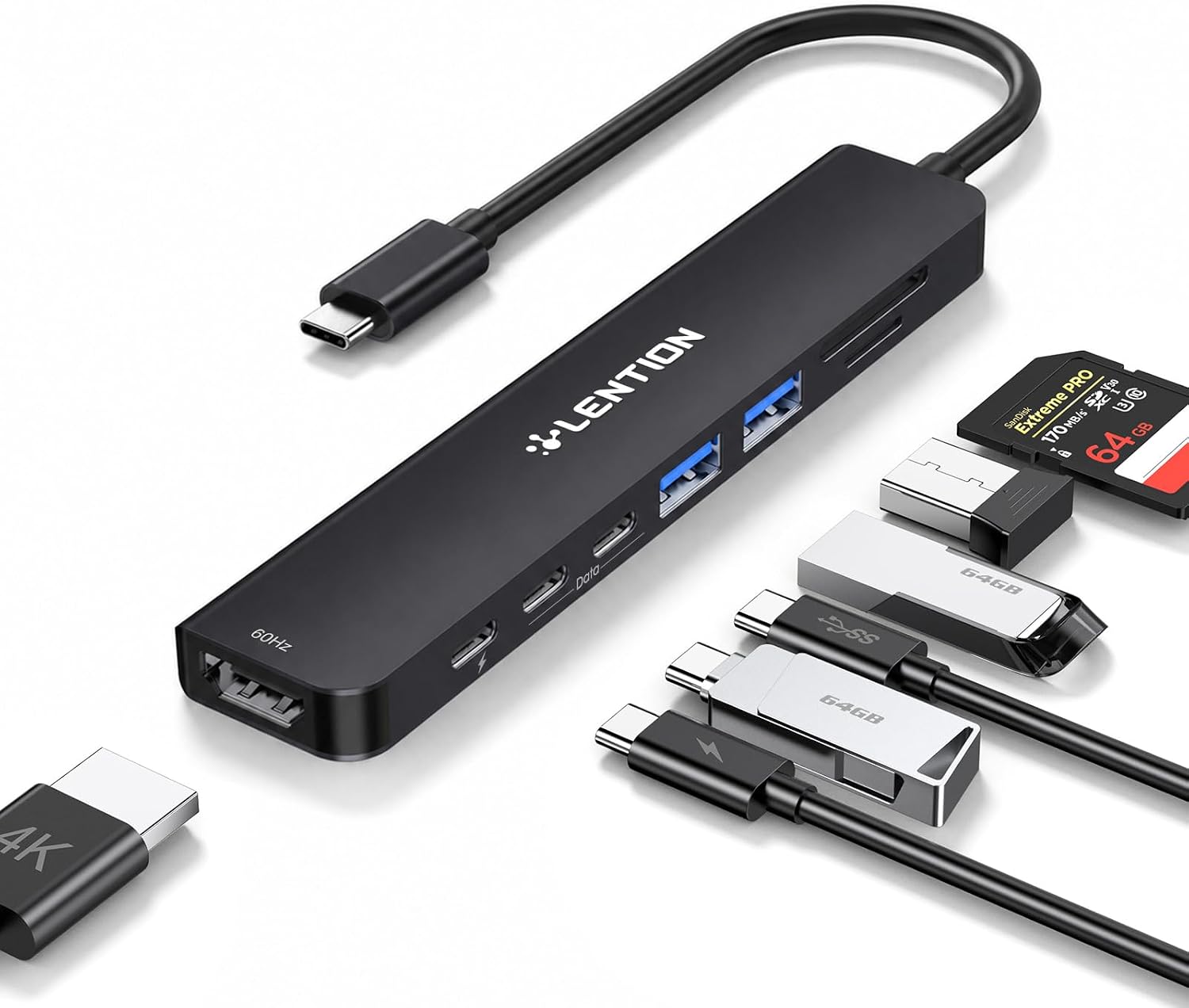
LENTION USB-C Hub, 4K@60Hz HDMI, 100W PD, 2 USB-C, 2 USB 3.0, Card Reader 2A & 2C Work Simultaneously, Stable Driver 3.0 Certified, for macOS, iOS/iPadOS, Windows & ChromeOS (CE19, Black)
Check Price on AmazonCan You Fly a Drone at Night in the USA? FAA Rules Explained
Yes, you can fly a drone at night in the United States under FAA Part 107 (commercial) or as a recreational flyer, as long as your drone is equipped with anti-collision lighting visible from at least 3 statute miles. This was a significant change from pre-2021 rules, which required a special night waiver for commercial operations. The FAA now considers night flying a standard operation provided you meet the lighting requirement.
3 FT Power Strip
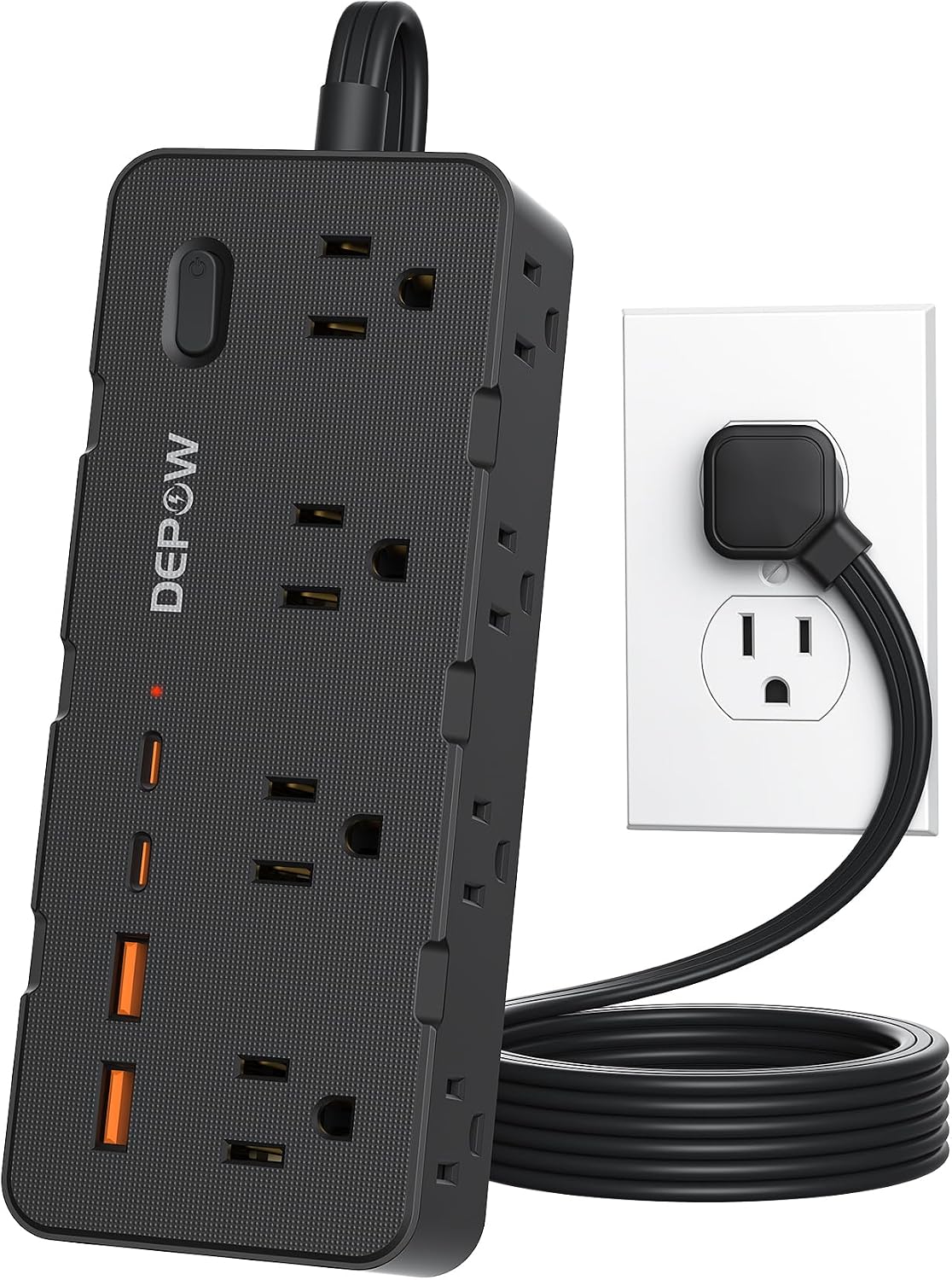
3 FT Power Strip, Extension Cord with 8 AC Outlets + 4 USB (2 USB-C), Black Flat Plug, Compact 3FT Flat Cord Keeps Desktop Neat. 1700J Surge Protection, 1625W, Great for Home Office, Dorm, Nightstand
Check Price on AmazonHICOBER USB C SD Card Reader
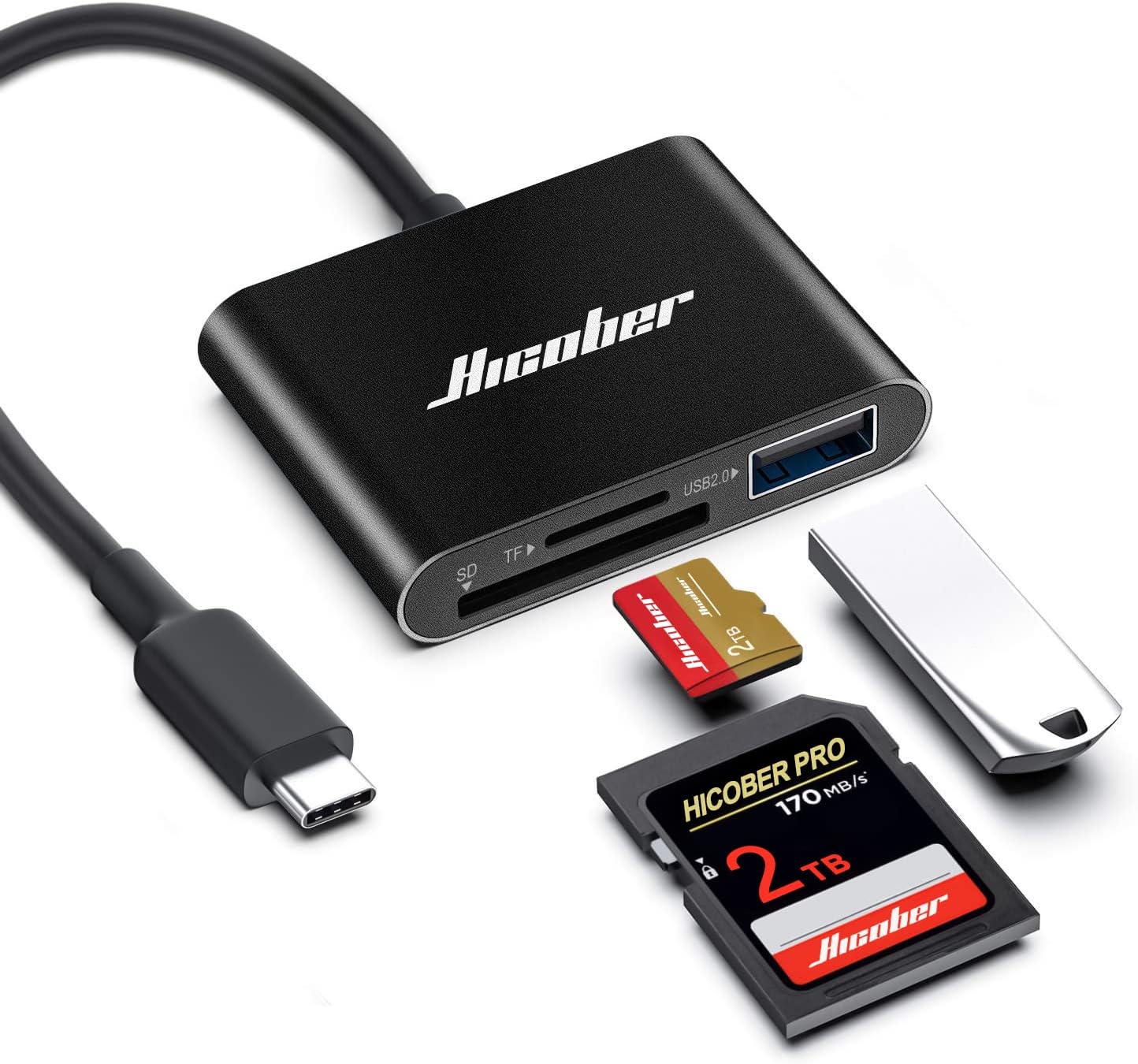
HICOBER USB C SD Card Reader, 3-in-1 for Laptop, Phone, Tablet, Black Durable aluminum body helps dissipate heat quickly for stable performance; reads SD, TF and USB drives up to 2TB via USB-C
Check Price on Amazon64GB Micro SD Card with SD Card Reader
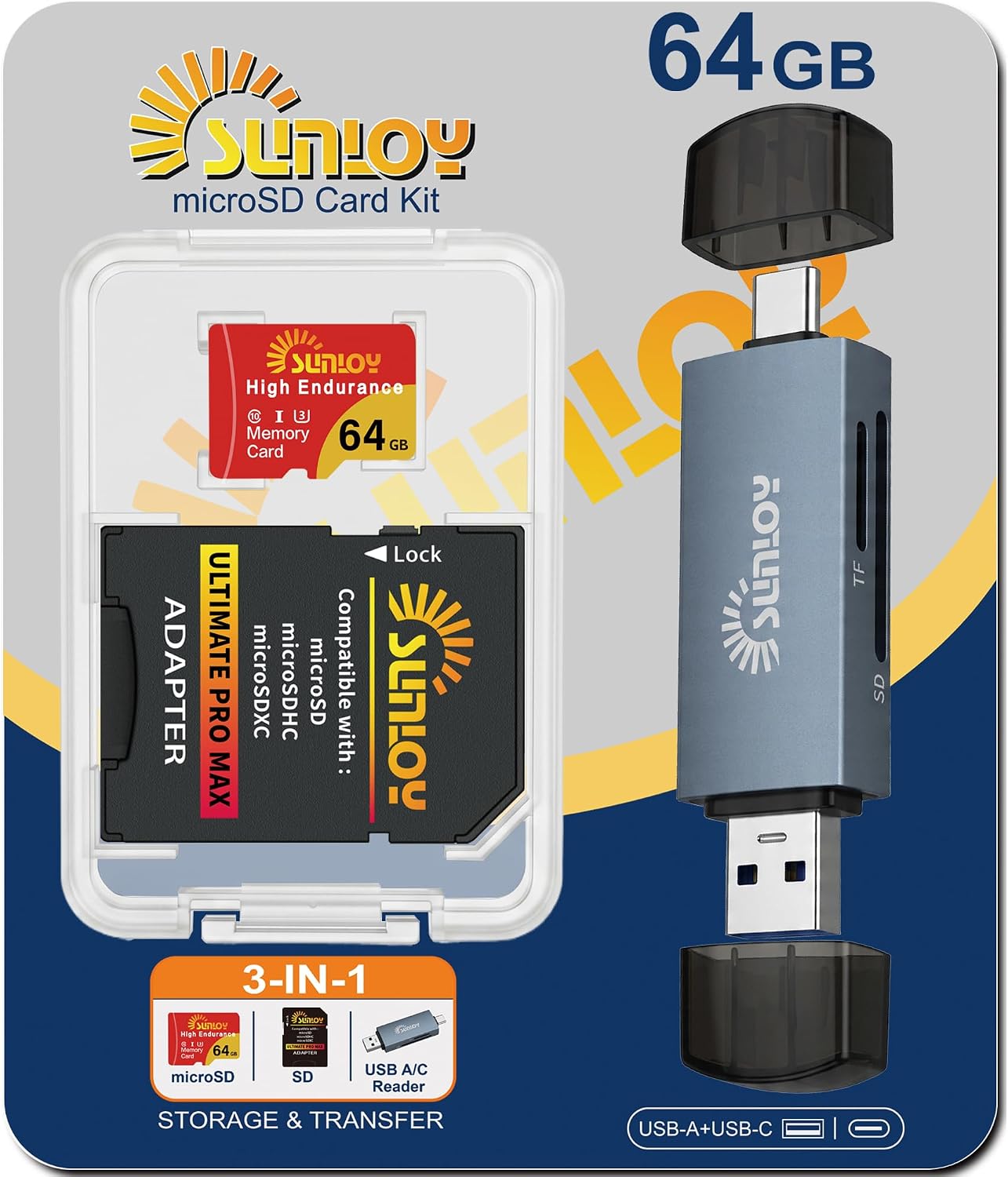
64GB Micro SD Card with SD Card Reader USB3.0 A/C Dual Slots & SD Adapter UHS-I, C10, U3, V30, A1, 4K UHD, USB 3.0 Memory Card Reader for iPhone 17/16/15, MacBook, iPad, Laptop, PC, Drone, Game Console
Check Price on AmazonPart 107 Night Drone Rules for Commercial Pilots
If you hold a Part 107 Remote Pilot Certificate, you can fly at night without a waiver as long as your drone has an anti-collision light that is visible for at least 3 statute miles. The light must be on during the entire flight. You must also complete the updated initial knowledge test or recurrent training that covers night operations. Night flying under Part 107 also requires you to maintain visual line of sight (VLOS) and be aware of increased risks like disorientation and reduced obstacle visibility.
Recreational Night Drone Flying Under the FAA
Recreational flyers operating under the Exception for Recreational Flyers (49 USC § 44809) can also fly at night with the same anti-collision lighting requirement. Your drone must weigh less than 0.55 lbs (250g) or be registered with the FAA DroneZone ($5 fee, valid for 3 years). You must also pass The Recreational UAS Safety Test (TRUST) and carry proof of completion. The same 400-foot AGL altitude limit applies at night.
Sub-250g Drones and Night Flying in the US
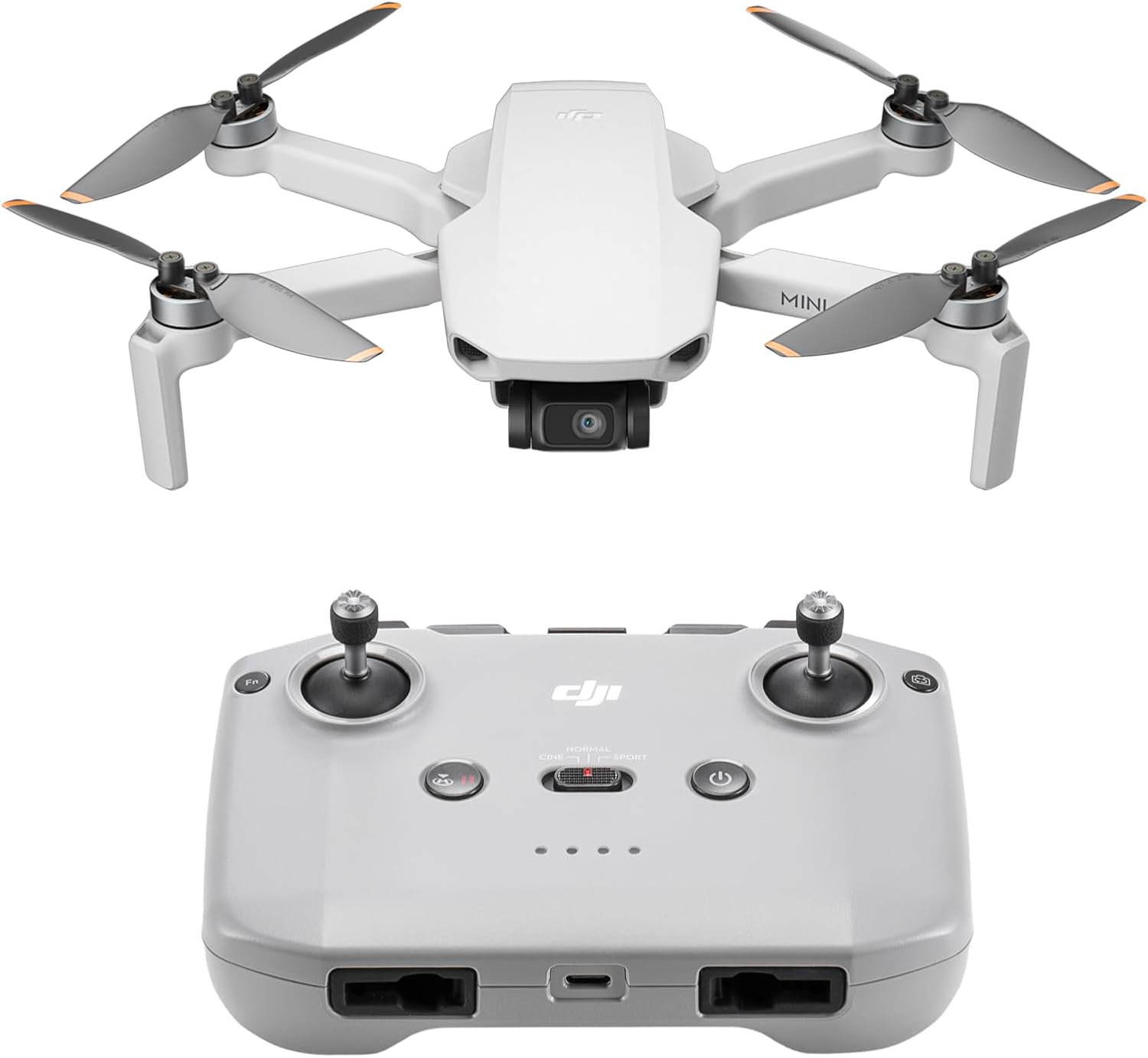
If you fly a sub-250g drone like the DJI Neo, you are exempt from FAA registration but still must follow all other rules, including the anti-collision lighting requirement for night flying. Many sub-250g drones do not come with built-in lights bright enough to meet the 3-mile visibility standard. You will need to add an external strobe light, such as the Firehouse Technology Strobon or a similar FAA-compliant light.
UK Drone Flying at Night: CAA Rules and Lighting Standards
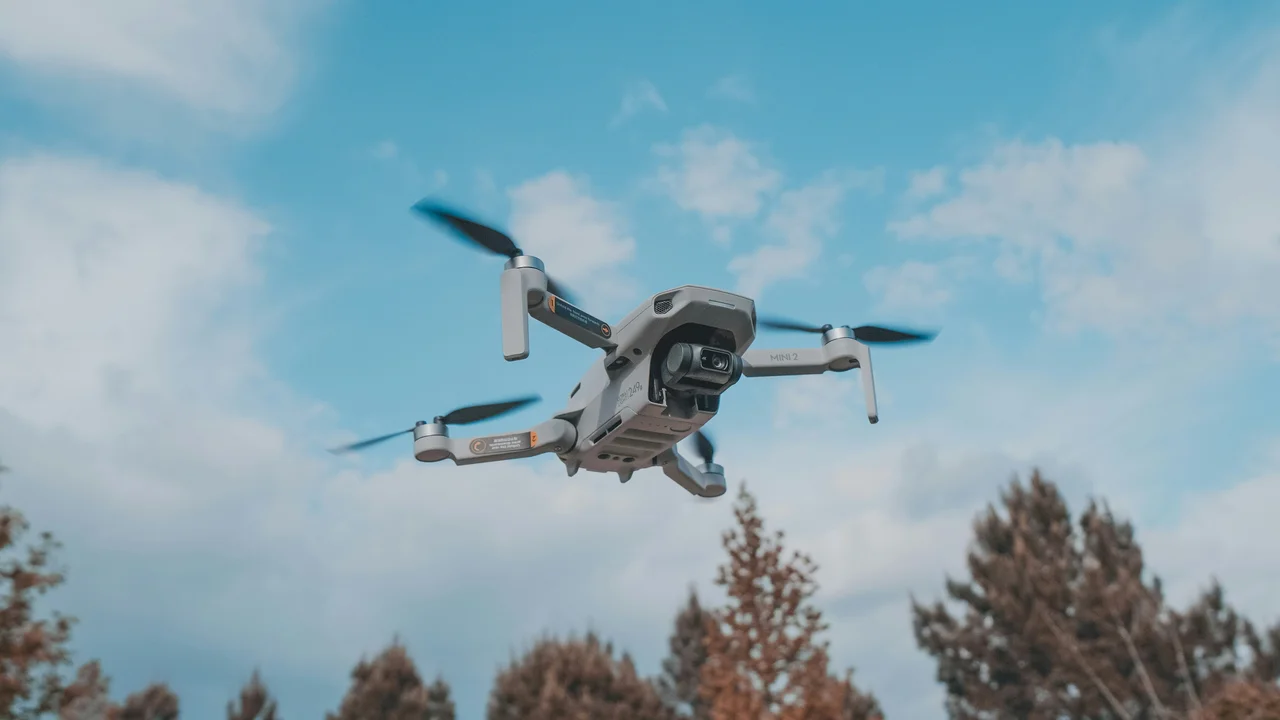
In the United Kingdom, the Civil Aviation Authority (CAA) allows night drone flying under the Open Category, provided your drone is equipped with appropriate lighting. The rules differ slightly based on drone weight and the sub-category you are operating under. For drones under 250g flying in the A1 sub-category, a simple green or red LED may suffice, but for heavier drones, the light must be visible from 1.5 kilometers.
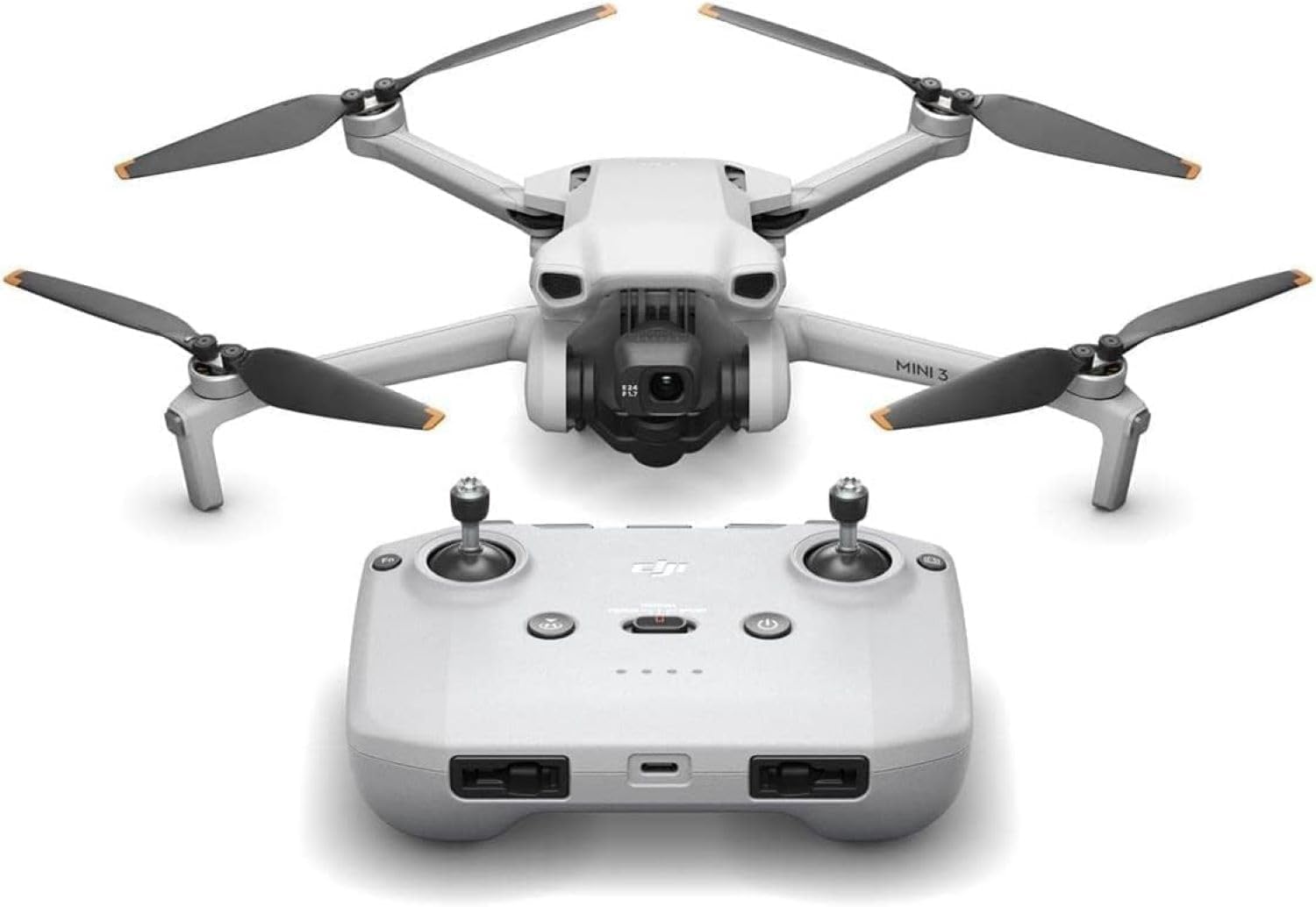
DJI Mini 3
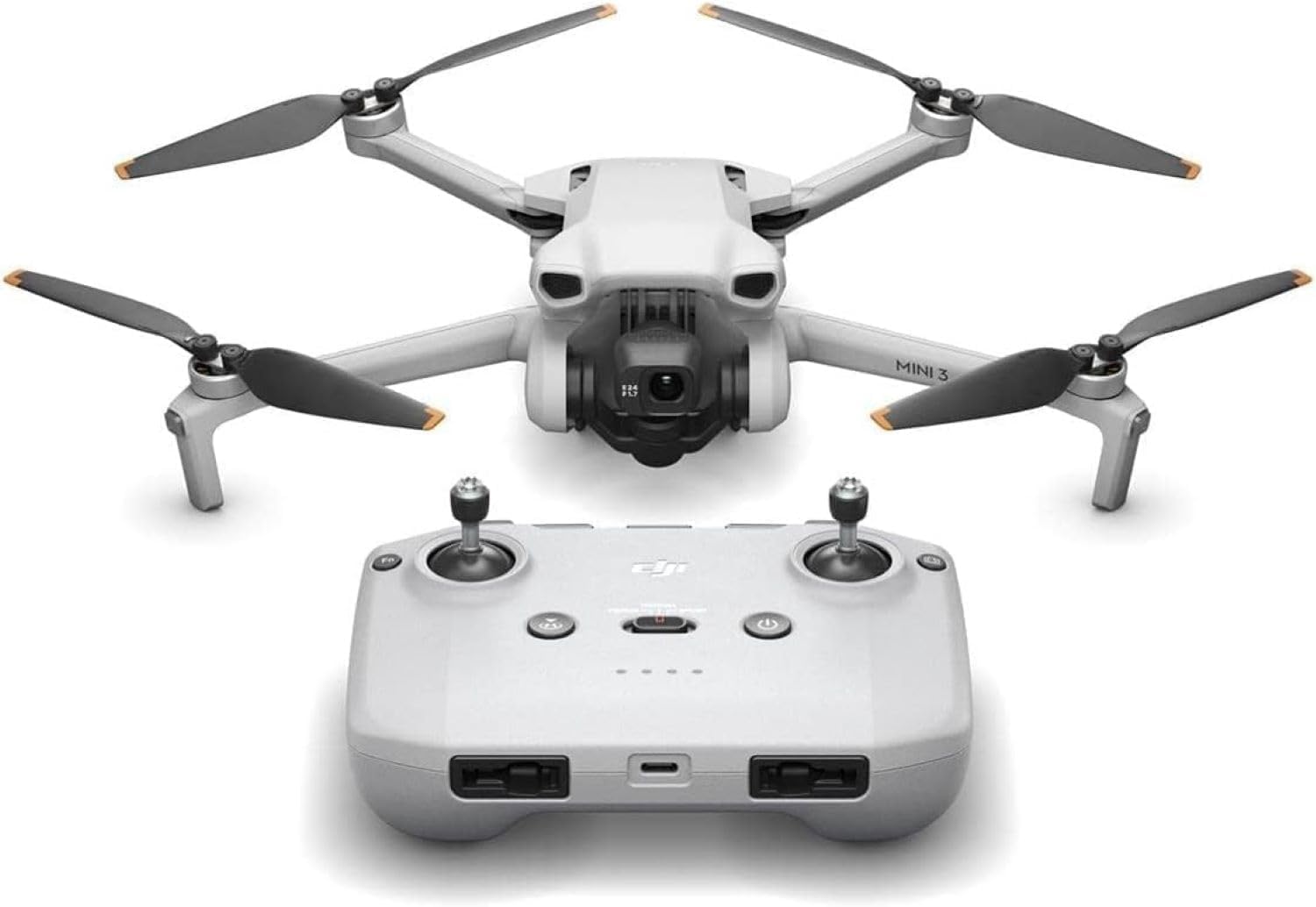
DJI Mini 3, 3-Axis Mechanical Gimbal Mini Camera Drone | 4K HDR Video, 38-Min Flight Time, up to 32800ft (10km) Video Transmission, True Vertical Shooting, GPS Auto Return
Check Price on AmazonDJI Mini 3 Fly More Combo
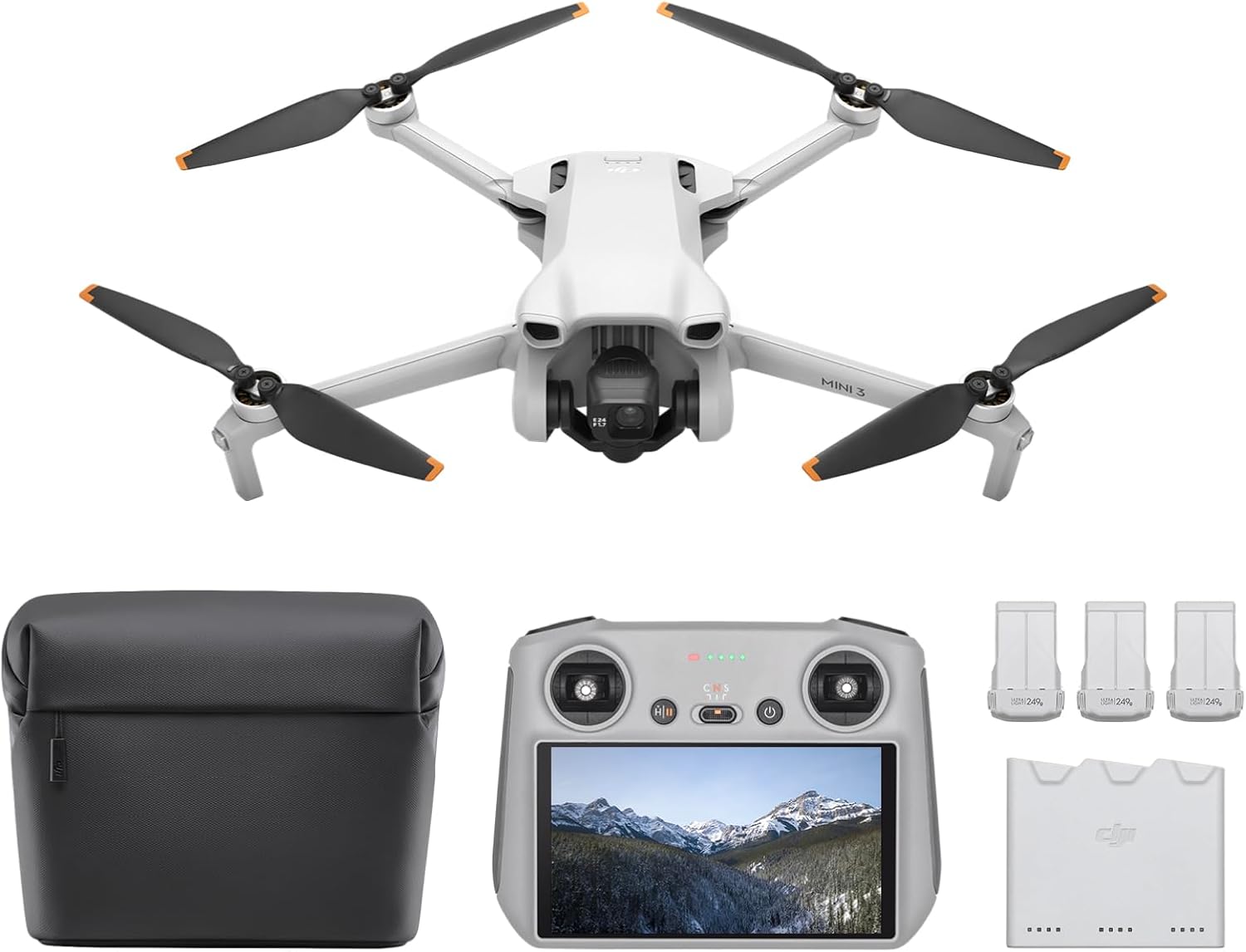
DJI Mini 3 Fly More Combo With DJI RC, 3 Batteries | Lightweight Camera Drone With 4K HDR Video, 114-Min Flight Time, Vertical Shooting, 32800ft (10km) Video Transmission
Check Price on AmazonDJI Mini 3 With DJI RC
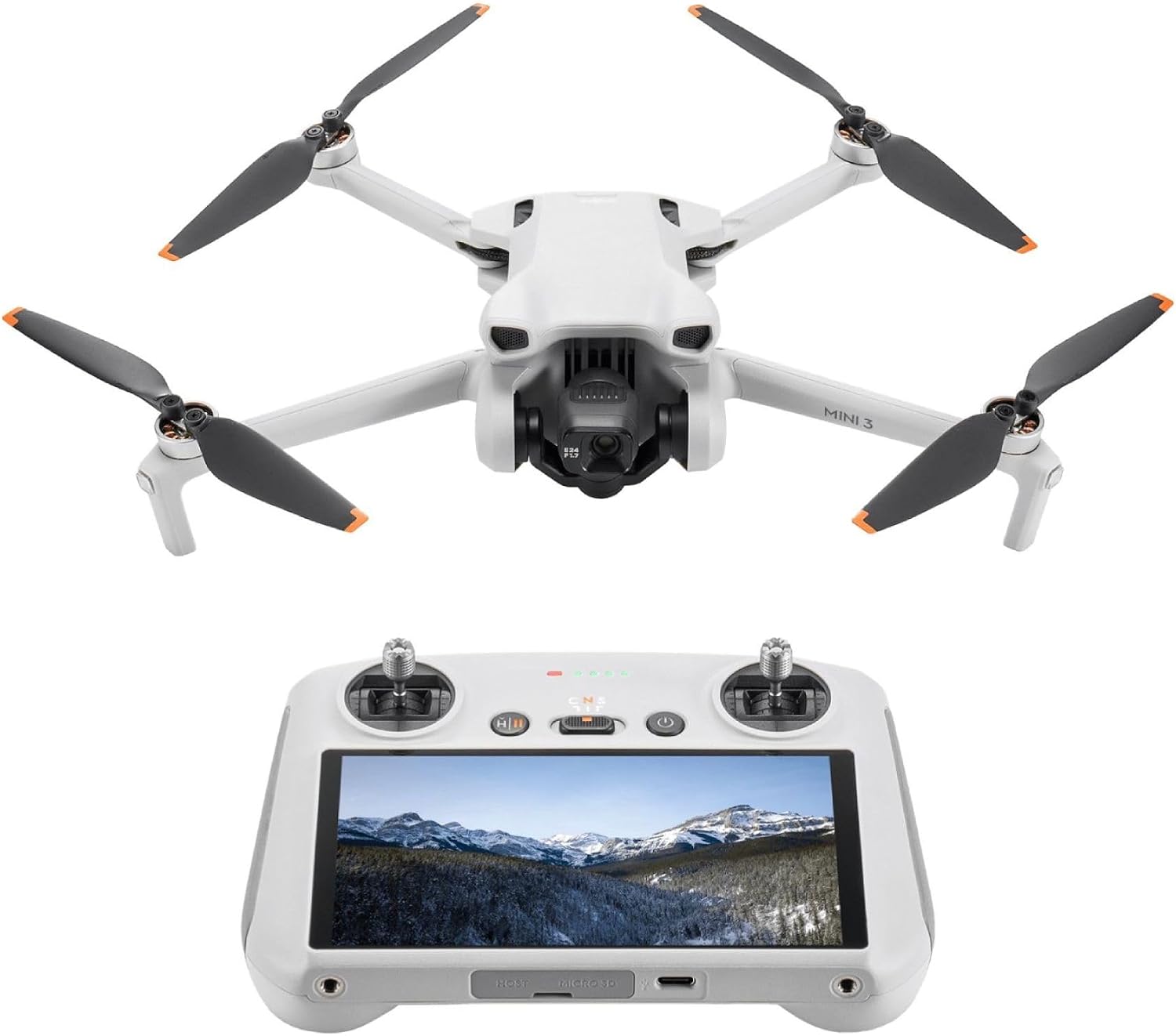
DJI Mini 3 With DJI RC, 3-Axis Mechanical Gimbal Mini Camera Drone | 4K HDR Video, 38-Min Flight Time, up to 32800ft (10km) Video Transmission, Vertical Shooting, GPS Auto Return
Check Price on AmazonOpen A1 (Sub-250g) Night Flying in the UK
Drones under 250g, such as the DJI Mini series, can fly at night in the Open A1 category. The CAA requires that the drone has lighting that allows you to maintain visual line of sight. While no specific brightness is mandated for A1, it is strongly recommended to use a strobe light that is visible from at least 1.5 km to ensure safety. You must also keep the drone within 400 feet (120 meters) of the ground and avoid flying over people.
Open A2 and A3 Night Flying (Above 250g)
For drones weighing more than 250g operating in the A2 or A3 sub-categories, the CAA explicitly requires the drone to be fitted with a light that is visible from at least 1.5 km (0.93 miles) in all directions. This is a legal requirement, not a recommendation. The light must be on from takeoff to landing. Popular compliant lights include the UAVLEDDIRECT Strobon and the Firehouse Technology Arc V.
Australia Night Drone Rules: What CASA Requires
The Civil Aviation Safety Authority (CASA) in Australia allows night drone flying under the Open Category for drones under 2 kg (4.4 lbs) used for recreational purposes. The rules are less prescriptive than in the US or UK, but the core requirement is the same: your drone must have lighting that makes it visible to other aircraft and must not create a hazard.
Open Category Night Flying (Sub-2kg Recreational)
If you are flying a drone under 2 kg for recreational purposes, CASA states that you may fly at night as long as the drone is fitted with lights that allow you to see it and maintain visual line of sight. The light must also be visible to other aircraft. CASA does not specify a minimum distance like the FAA’s 3 miles or the CAA’s 1.5 km, but the light must be “clearly visible” in all directions. A standard white strobe is generally accepted.
Carrying Hard Case for DJI Avata 360 Drone
Carrying Hard Case for DJI Avata 360 Drone - Portable Travel Bag for Goggles N3/RC Motion 3 Controller
Check Price on AmazonHard Case for Antigravity A1 Drone
Hard Case for Antigravity A1 Drone, Waterproof Protective Carry Case, Anti-Fall Storage Bag Fit for Drone, Batteries, Goggles, Accessories & RC Gear [Only Protect Shell]
Check Price on AmazonExcluded Category and Commercial Night Flying
For commercial operations or drones over 2 kg, night flying requires an operator’s certificate or an exclusion from the standard operating conditions. This is a more complex process involving a risk assessment and approval from CASA. Most recreational pilots will fall under the Open Category rules, but if you are flying a heavier drone or for commercial purposes, you need to apply for a specific night approval.
Canada Night Drone Rules: Transport Canada Specifications
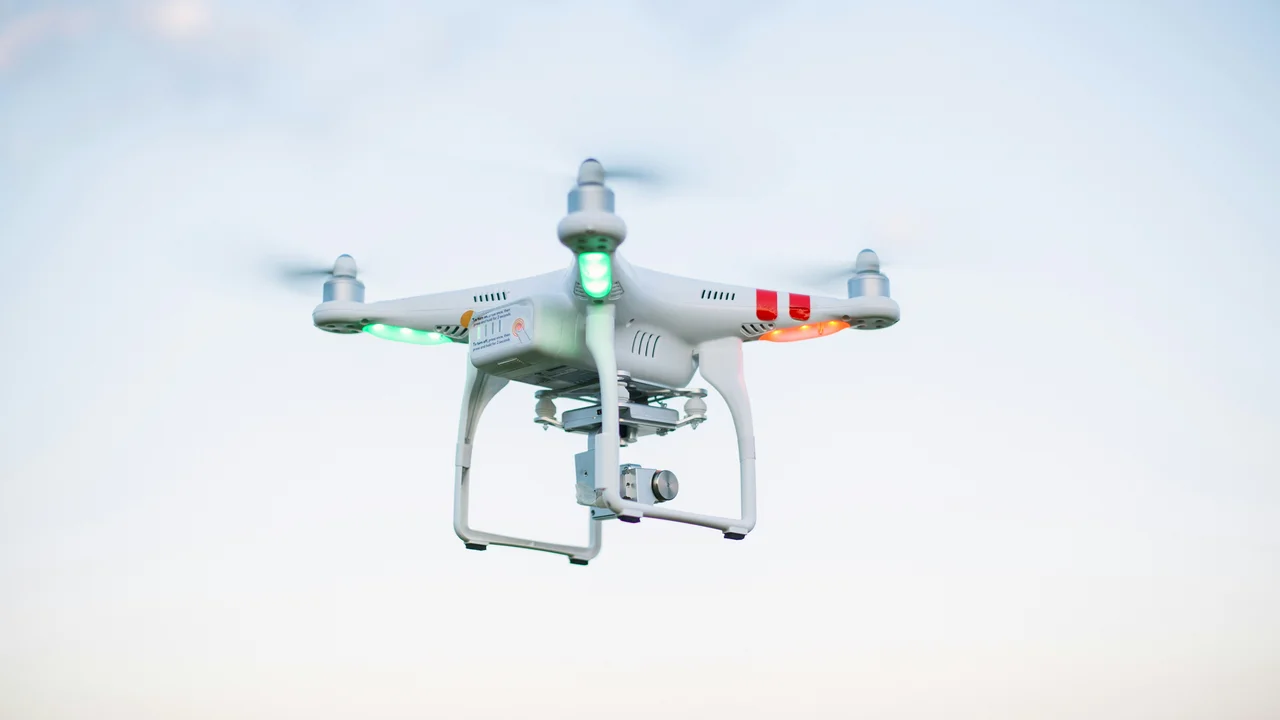
Transport Canada allows night drone flying under both the Basic and Advanced Operations categories, provided the drone is equipped with anti-collision lighting. The Canadian rules are among the most specific, requiring the light to flash at least once per second and be visible from 1 nautical mile (1.85 km) in clear conditions.
Basic Operations Night Flying
For drones under 250g flying under Basic Operations, you can fly at night without a special certificate if you have an anti-collision light. The light must flash at a rate of at least 1 flash per second and be visible from 1 nautical mile. You must also stay at least 30 meters (100 feet) away from people and vehicles, and cannot fly over bystanders. For more details on sub-250g rules, see our Canada Drone Laws Under 250g guide.
Advanced Operations Night Flying
For drones over 250g or operations that require flying over people or in controlled airspace, you need a Pilot Certificate – Advanced Operations from Transport Canada. Night flying under Advanced Operations also requires the same anti-collision lighting (1 flash per second, visible 1 nautical mile). You must also submit a flight plan and obtain authorization from NAV CANADA if flying in controlled airspace.
Pros of Night Flying
- Stunning city skyline and aurora photography
- Calmer winds and fewer thermal updrafts
- Less air traffic in many areas
Cons of Night Flying
- Reduced obstacle visibility
- Battery life drops in cold temperatures
- Higher risk of disorientation
Recommended Anti-Collision Lights for Night Drone Flying
Choosing the right anti-collision light is critical for legal and safe night flying. The most popular and reliable options come from Firehouse Technology and UAVLEDDIRECT. Both brands offer lights that meet or exceed the FAA’s 3-mile visibility requirement and are compatible with most drones, including the DJI Avata 2 and other FPV models.
| Light Model | Visibility | Weight | Battery Life | Best For |
|---|---|---|---|---|
| Firehouse Technology Strobon V5 | 3+ miles | 9g (0.32 oz) | 5+ hours | All drones, including sub-250g |
| UAVLEDDIRECT Strobon CREE | 3+ miles | 12g (0.42 oz) | 4+ hours | Heavier drones, commercial use |
| Firehouse Technology Arc V | 1.5+ km | 6g (0.21 oz) | 3+ hours | UK CAA compliance, sub-250g |
| UAVLEDDIRECT Lume Cube | 1+ nautical mile | 8g (0.28 oz) | 2+ hours | Canada Transport Canada compliance |
Night Flying Risks: Battery, Orientation, and Obstacle Avoidance
Flying at night introduces specific risks that every pilot must account for. Battery performance degrades significantly in cold night air — expect 20-30% less flight time compared to a warm day. Your drone’s obstacle avoidance sensors, which often rely on visual cameras or infrared, may not work well in darkness. This is especially true for drones like the budget-friendly models that lack advanced sensors.
How to Prepare for Your First Night Flight
Before your first night flight, take these steps to ensure safety and compliance. First, install your anti-collision light and test it on a dark night to confirm visibility from the required distance. Second, plan your flight in a familiar area with known obstacles. Third, check weather conditions — cold temperatures and wind affect battery life. Fourth, set your drone’s return-to-home altitude high enough to clear all obstacles.
Mount your strobe light and verify it is visible from the required distance (3 miles for FAA, 1.5 km for CAA, 1 nautical mile for Transport Canada).
Fly the same location during the day to identify power lines, trees, and buildings that could be invisible at night.
Pre-warm your batteries to room temperature before takeoff. Expect reduced flight time in cold conditions.
Program your return-to-home altitude to at least 100 feet above the tallest obstacle in your flight area.
Comparing Night Drone Rules Across All Four Countries
| Country | Authority | Light Required | Visibility Distance | Waiver Needed? | Max Altitude |
|---|---|---|---|---|---|
| USA | FAA | Yes | 3 statute miles | No (since 2021) | 400 ft AGL |
| UK | CAA | Yes | 1.5 km (0.93 mi) | No (Open Category) | 400 ft (120 m) AGL |
| Australia | CASA | Yes | “Clearly visible” | No (Open, sub-2kg) | 400 ft (120 m) AGL |
| Canada | Transport Canada | Yes | 1 nautical mile (1.85 km) | No (Basic/Advanced) | 400 ft AGL |
Final Thoughts on Flying a Drone at Night in 2026
Night drone flying is legal in all four countries covered here, but only if you comply with the specific lighting requirements. The 2021 FAA rule change was a game-changer for US pilots, removing the cumbersome waiver process. UK, Australian, and Canadian rules are similarly straightforward for recreational and basic commercial operations. Always prioritize safety over photography — invest in a quality strobe light, pre-warm your batteries, and never rely on obstacle avoidance sensors in the dark. For pilots in Church Hill, Tennessee, be sure to check local ordinances, such as those covered in our City of Church Hill Drone Laws guide, as some municipalities have additional restrictions.
Frequently Asked Questions
Can you fly a drone at night in the US?
Yes, you can fly a drone at night in the US under both Part 107 (commercial) and recreational rules. The FAA requires your drone to be equipped with an anti-collision light visible from at least 3 statute miles. Since April 2021, no special night waiver is needed for Part 107 pilots. Recreational flyers must also pass the TRUST test and follow the same lighting rules.
What are the FAA rules for night drone flying?
The FAA requires all drones flown at night to have an anti-collision light that is visible from 3 statute miles. For Part 107 pilots, the light must be on during the entire flight, and you must have completed the updated knowledge test covering night operations. Recreational flyers must follow the same lighting rule and stay within 400 feet AGL. No waiver is required for either category.
Is it legal to fly a drone at night in the UK?
Yes, it is legal to fly a drone at night in the UK under the CAA’s Open Category. For drones under 250g in the A1 sub-category, you need lighting that allows you to maintain visual line of sight. For drones over 250g in A2 or A3 categories, the light must be visible from at least 1.5 km. No special permission is needed if you meet these requirements.
Does Australia allow night drone flying under CASA?
Yes, CASA allows night drone flying under the Open Category for recreational drones under 2 kg. Your drone must have lighting that makes it clearly visible to other aircraft and allows you to maintain visual line of sight. CASA does not specify a precise distance, but the light must be visible in all directions. Commercial operations or drones over 2 kg require a specific approval.
Can I fly a drone at night in Canada?
Yes, Transport Canada allows night drone flying under both Basic and Advanced Operations. Your drone must have an anti-collision light that flashes at least once per second and is visible from 1 nautical mile (1.85 km) in clear conditions. No waiver is needed for Basic Operations with a sub-250g drone. Advanced Operations require a Pilot Certificate and NAV CANADA authorization if flying in controlled airspace.
What lighting do I need to fly a drone at night?
You need an anti-collision strobe light that meets your country’s visibility requirements: 3 statute miles for the FAA, 1.5 km for the UK CAA, “clearly visible” for Australia CASA, and 1 nautical mile for Transport Canada. Popular compliant lights include the Firehouse Technology Strobon V5 and the UAVLEDDIRECT Strobon CREE. The light must be on from takeoff to landing and visible from all directions.
Last updated: July 14, 2026
- FAA – Operation of Small Unmanned Aircraft Systems (Part 107)
- CAA – The Drone and Model Aircraft Code (UK)
- CASA – Civil Aviation Safety Regulations Part 101 (Australia)
- Transport Canada – Canadian Aviation Regulations Part IX – Remotely Piloted Aircraft Systems
NANUK 935 Pro Photo Kit Camera Case
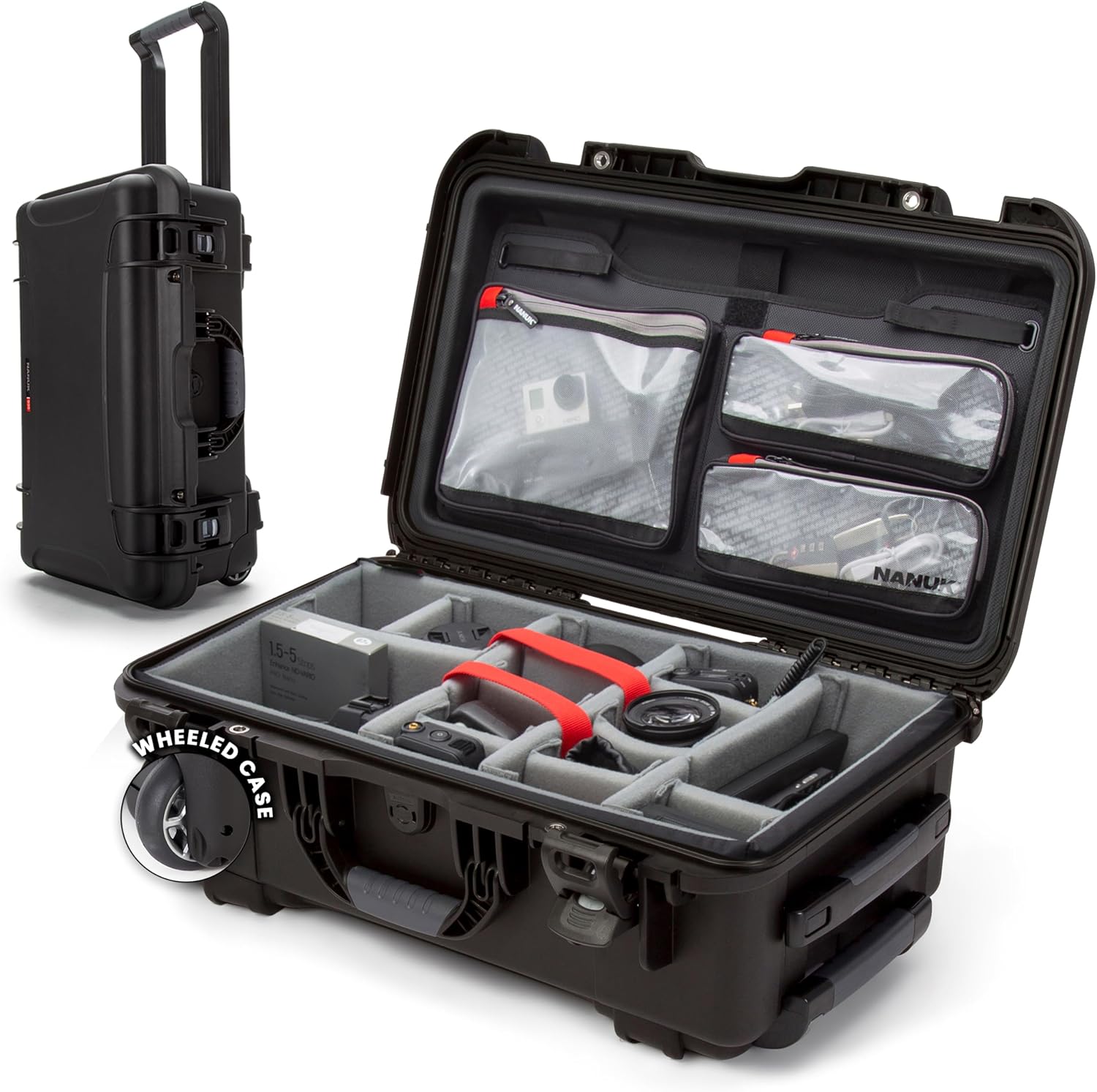
NANUK 935 Pro Photo Kit Camera Case, Waterproof Wheeled Hard Case, Carry-On, Black
Check Price on AmazonNANUK 925 DJI Mavic 4 Pro Creator Combo
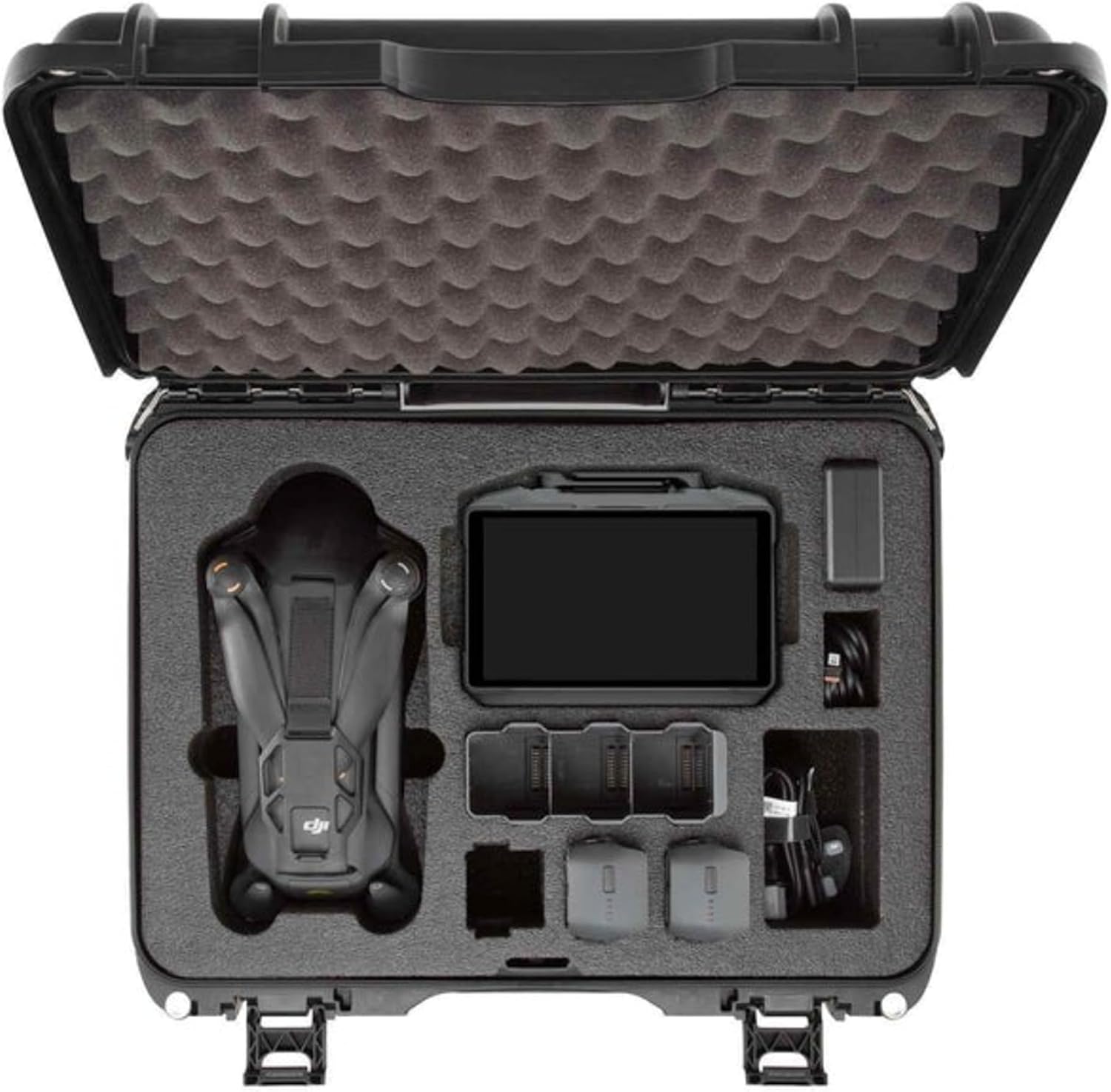
NANUK 925 DJI Mavic 4 Pro Creator Combo - Waterproof Hard Case with Drone Foam Insert, Crushproof, Portable Travel Case, Made in Canada (18.7” x 14.8”x 7”) - Black
Check Price on Amazon Drone Allowed
DroneAllowed editor covering drone regulations, aviation law, and aerial photography across USA, UK, Canada & Australia.