Can You Fly a Drone Over Private Property? (US, UK, Australia & Canada)
 9 min read
1,756 words
Can You Fly a Drone Over Private Property? The Short Answer
The short answer is: yes, in most cases you can legally fly a drone over private property in the US, UK, Australia, and Canada, but there are significant restrictions you must know. The airspace above private land is generally regulated by national aviation authorities, not the landowner. However, low hovering, persistent surveillance, or violating local privacy laws can land you in legal trouble. This guide breaks down exactly what the law says in each country, what constitutes trespass or invasion of privacy, and what rights you have if a drone is flying over your home.
LENTION 3.3FT Long Cable USB C Hub
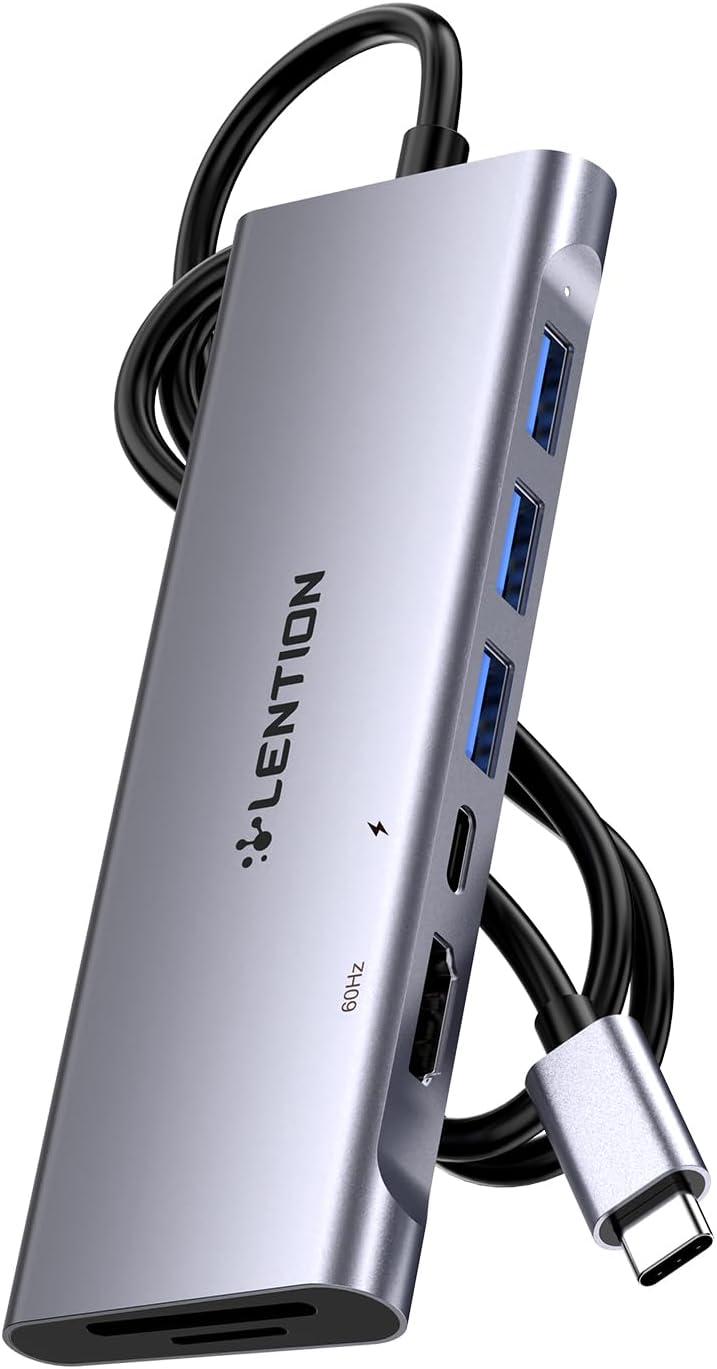
LENTION 3.3FT Long Cable USB C Hub, 4K HDMI, 100W PD, USB 3.0, Card Reader 3A & LED Indicator Stable Driver Adapter, for macOS, iOS/iPadOS, Windows & ChromeOS (C36p-1M, Space Gray)
Check Price on Amazon17-in-1 USB C Hub 65W Powered Adapter, 10Gbps, Dual PD 45W
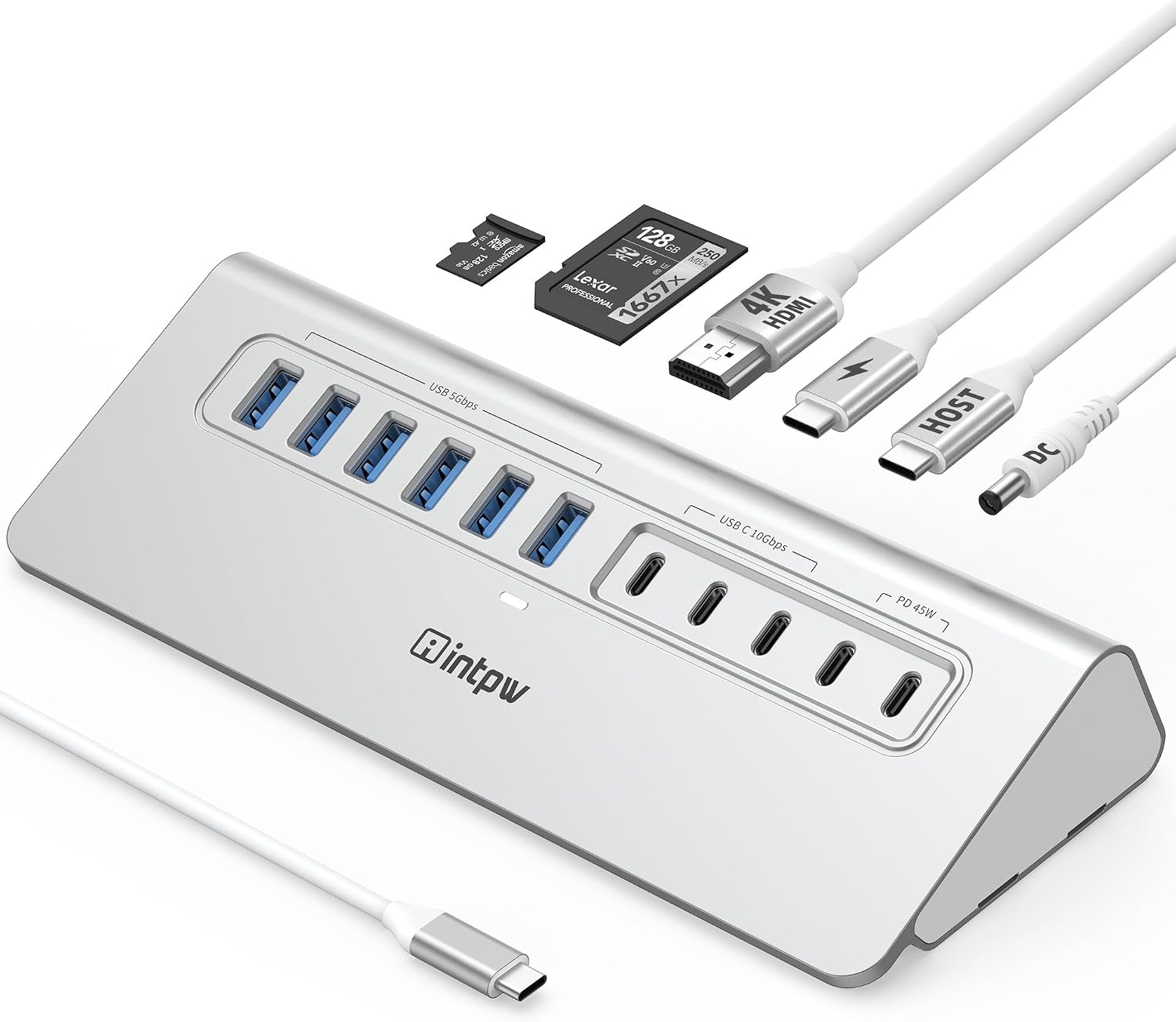
17-in-1 USB C Hub 4K@60Hz, 65W Powered Adapter, 10Gbps, Dual PD 45W PD 100W Charging, 3×USB-C 3.2+6×USB-A 3.0, SD/TF 105MB/s, 3.3ft Cable, Aluminum Desktop USB Hub for MacBook Pro/Air/Mac Mini
Check Price on AmazonLENTION USB-C Hub, HDMI, 100W PD, 2 USB-C, 2 USB 3.0, Card Reader
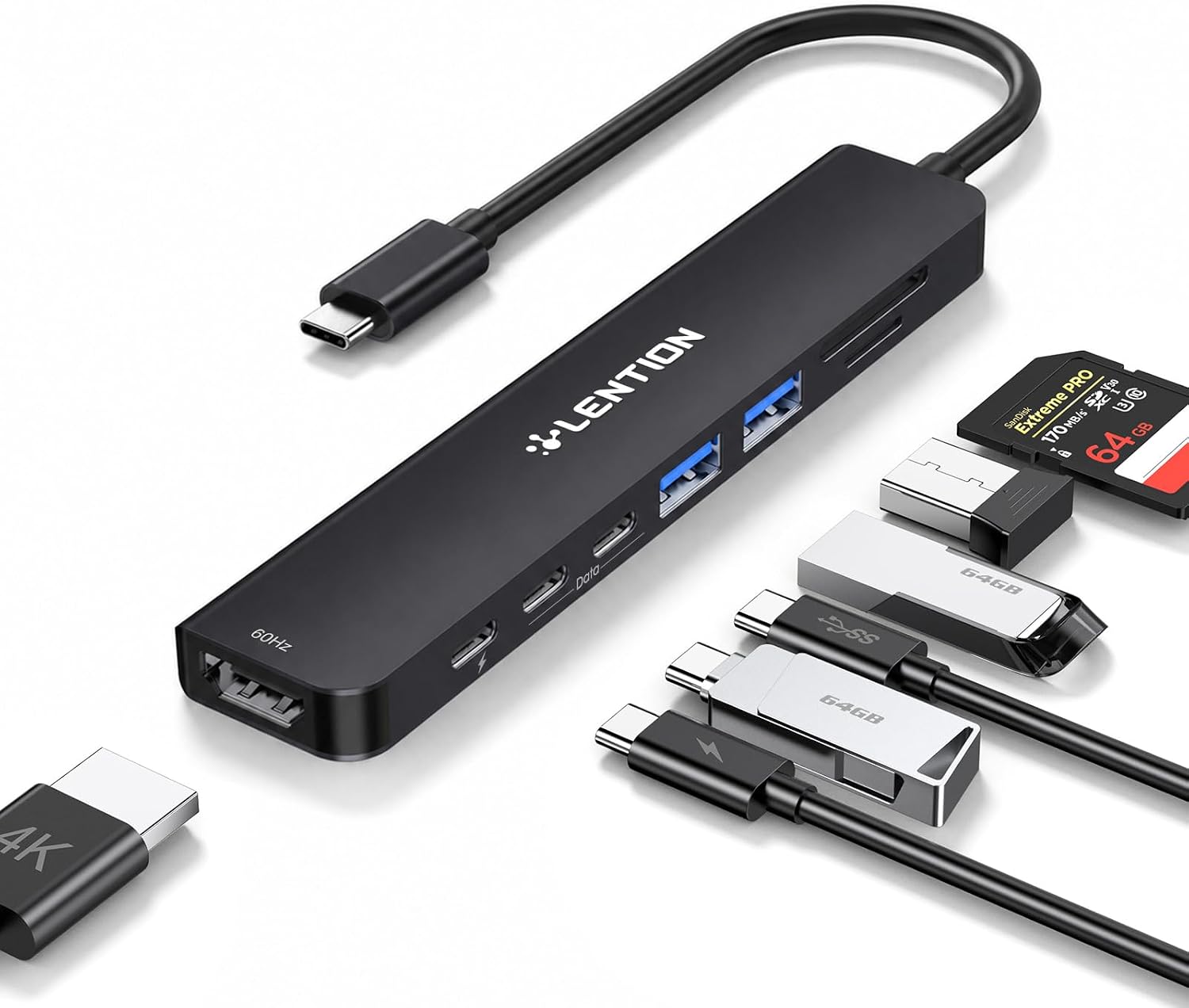
LENTION USB-C Hub, 4K@60Hz HDMI, 100W PD, 2 USB-C, 2 USB 3.0, Card Reader 2A & 2C Work Simultaneously, Stable Driver 3.0 Certified, for macOS, iOS/iPadOS, Windows & ChromeOS (CE19, Black)
Check Price on AmazonWhether you’re a drone pilot wanting to understand your rights or a homeowner concerned about drones buzzing your backyard, this page gives you the specific rules, altitude limits, and actionable steps for the US, UK, Australia, and Canada. We cover everything from the FAA’s airspace jurisdiction to Texas’s strict drone privacy law and the UK’s GDPR implications for recording.
3 FT Power Strip
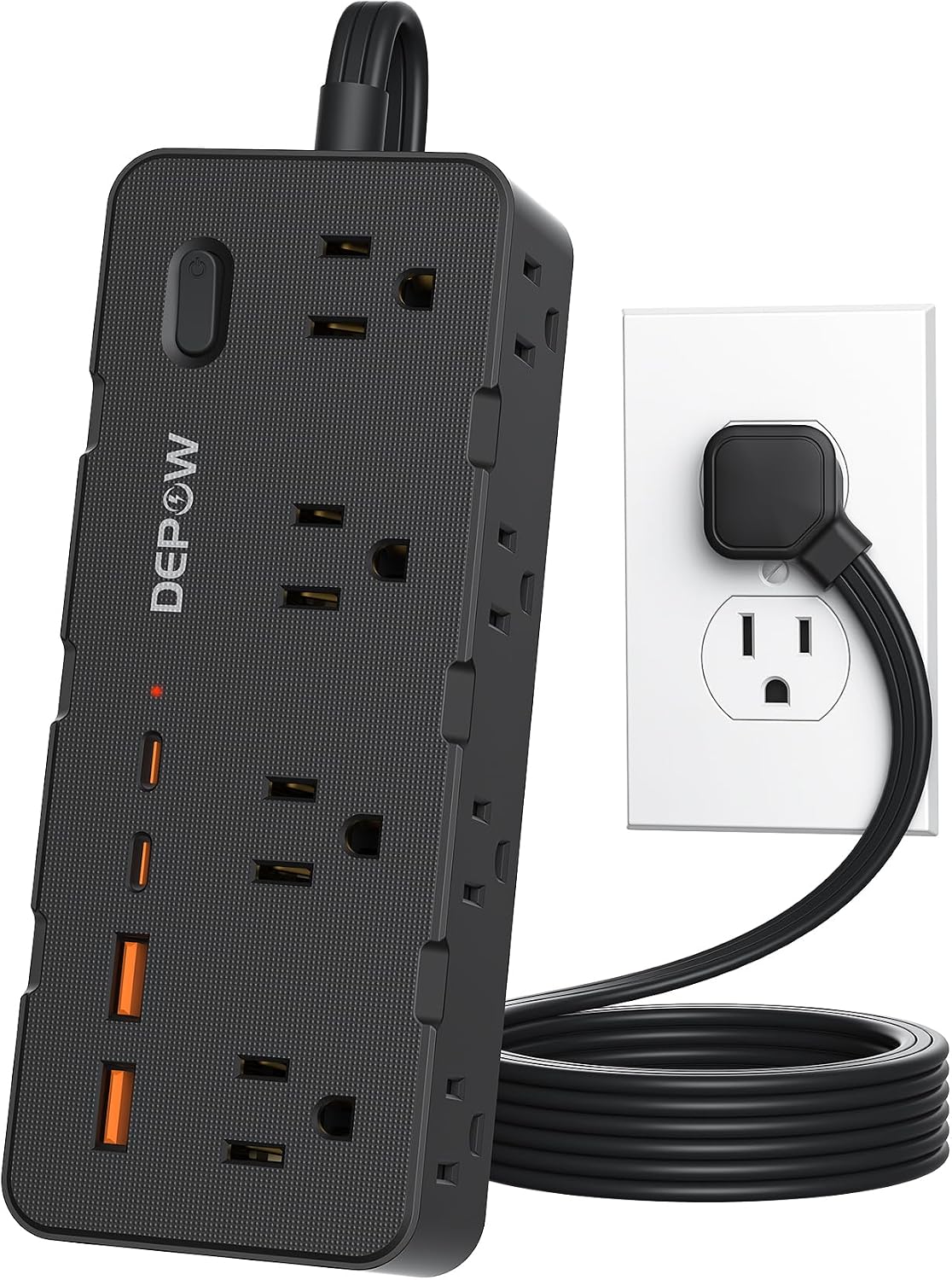
3 FT Power Strip, Extension Cord with 8 AC Outlets + 4 USB (2 USB-C), Black Flat Plug, Compact 3FT Flat Cord Keeps Desktop Neat. 1700J Surge Protection, 1625W, Great for Home Office, Dorm, Nightstand
Check Price on AmazonHICOBER USB C SD Card Reader
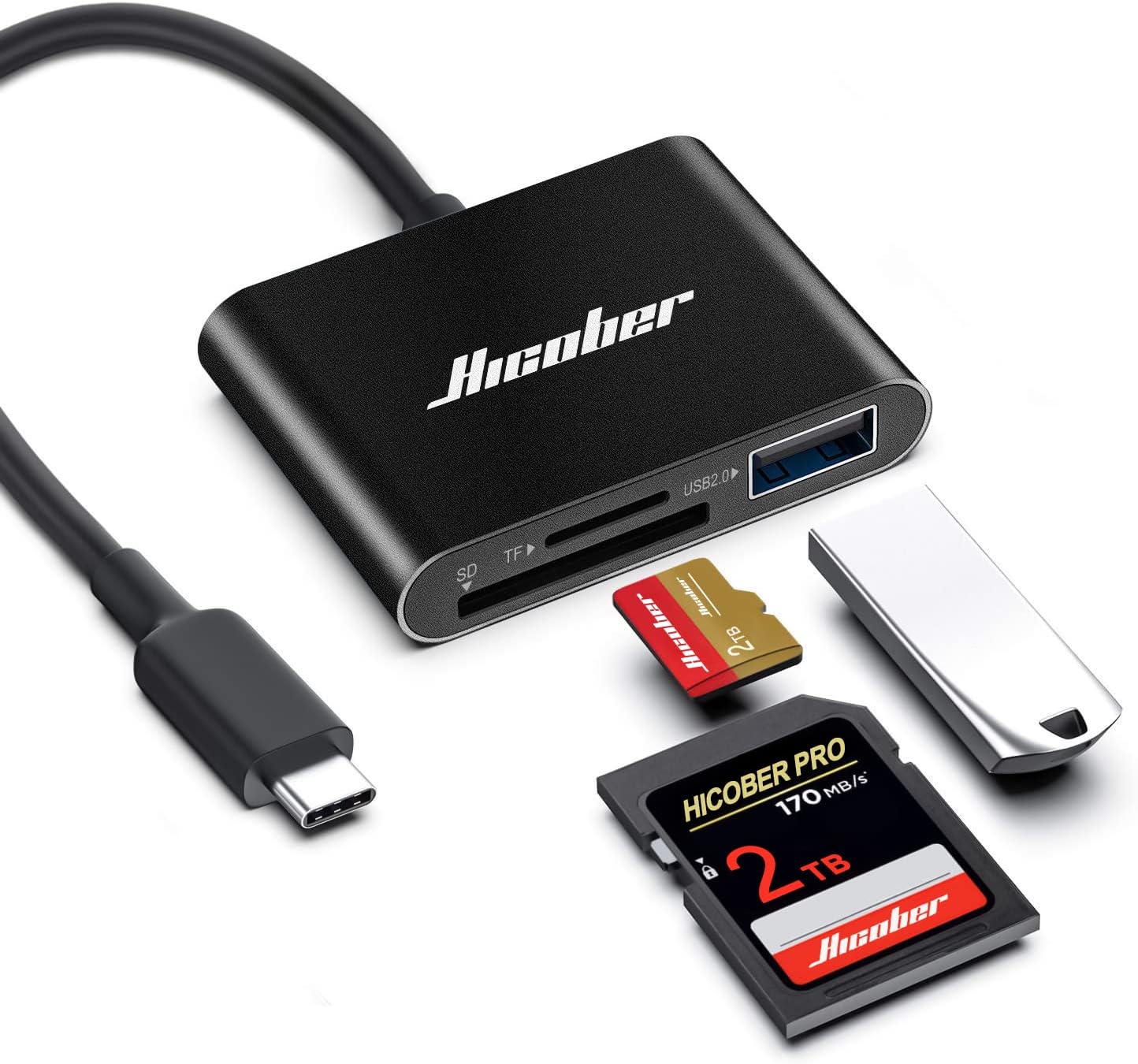
HICOBER USB C SD Card Reader, 3-in-1 for Laptop, Phone, Tablet, Black Durable aluminum body helps dissipate heat quickly for stable performance; reads SD, TF and USB drives up to 2TB via USB-C
Check Price on Amazon64GB Micro SD Card with SD Card Reader
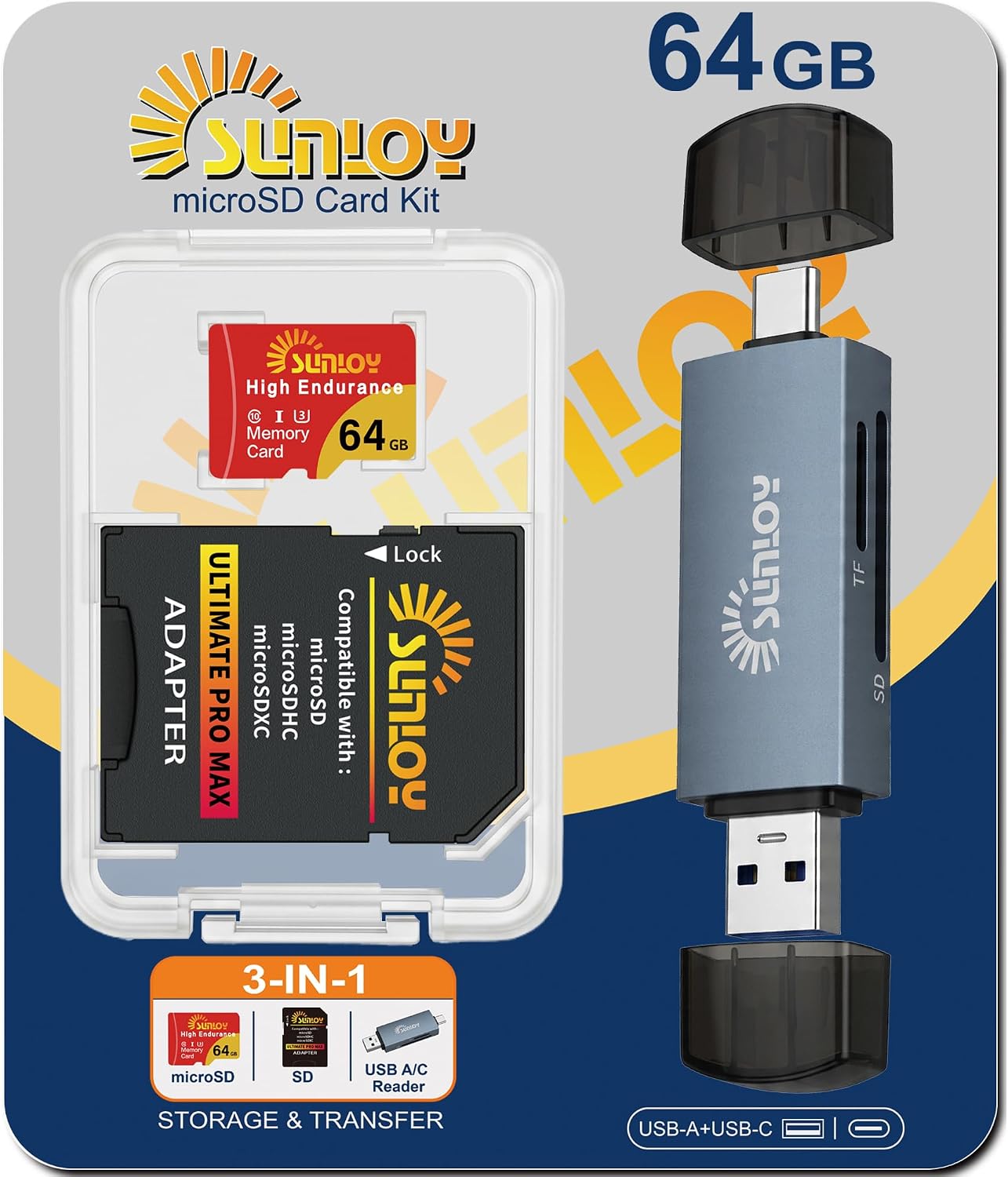
64GB Micro SD Card with SD Card Reader USB3.0 A/C Dual Slots & SD Adapter UHS-I, C10, U3, V30, A1, 4K UHD, USB 3.0 Memory Card Reader for iPhone 17/16/15, MacBook, iPad, Laptop, PC, Drone, Game Console
Check Price on AmazonDrone Over Private Property Law USA: What the FAA Says
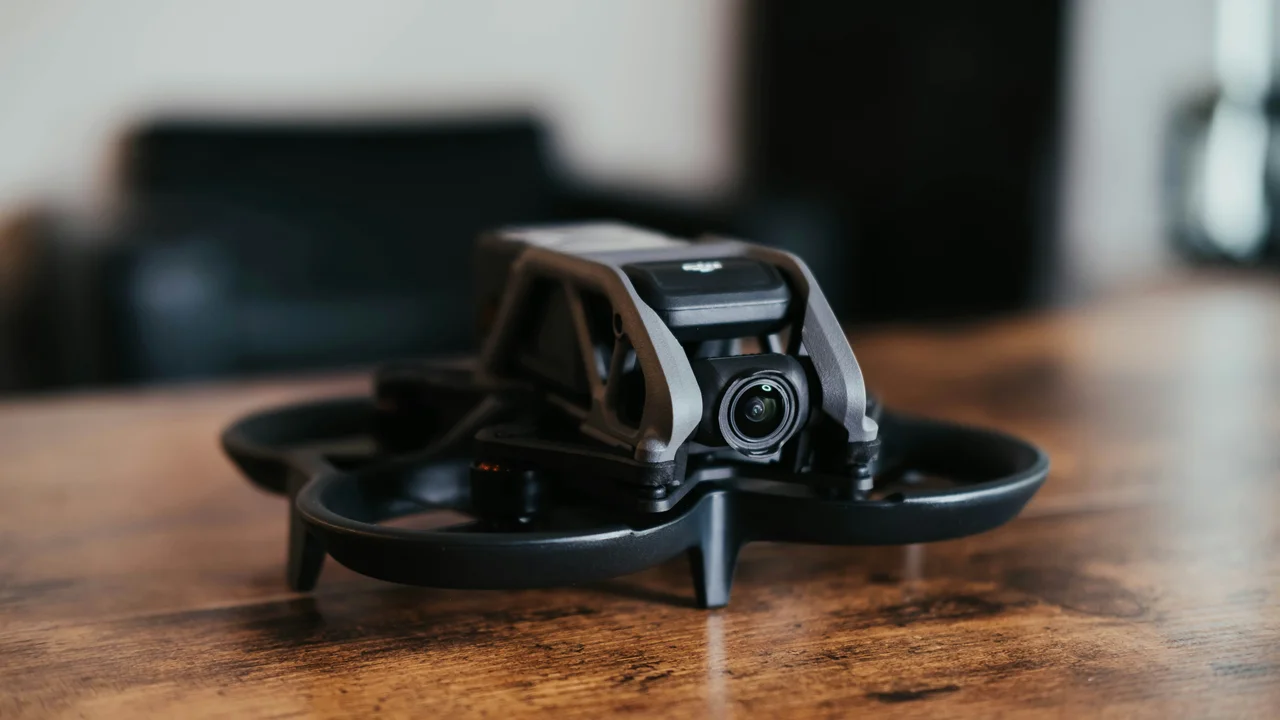
In the United States, the FAA has sole authority over the national airspace from the ground up. This means the agency determines where drones can fly, not individual property owners. The FAA’s position is that the airspace above private property is public navigable airspace, starting at the moment a drone takes off. There is no federal law that specifically bans flying a drone over someone’s private property, provided you follow all other FAA regulations.
However, this does not give you carte blanche. The FAA’s rules include a 400-foot altitude limit above ground level (AGL) for recreational drones under Part 107 or the Exception for Recreational Flyers. Flying above 400 feet is generally safe from trespass claims because you are well within navigable airspace. The legal controversy arises when you fly low—say, 50 feet over someone’s backyard—and hover or loiter.
State-Level Trespass and Privacy Laws
While the FAA governs flight, states have the power to regulate the use of drones for surveillance, harassment, or trespass. The key distinction is between overflight and intrusion. If you fly a drone 300 feet above a home and take a wide-angle photo of a neighborhood, that is generally legal. If you fly 20 feet above a backyard and hover to look through a window, you may be violating state laws.
Several states have enacted specific drone privacy laws. The most notable is Texas, but California and Florida also have significant restrictions.
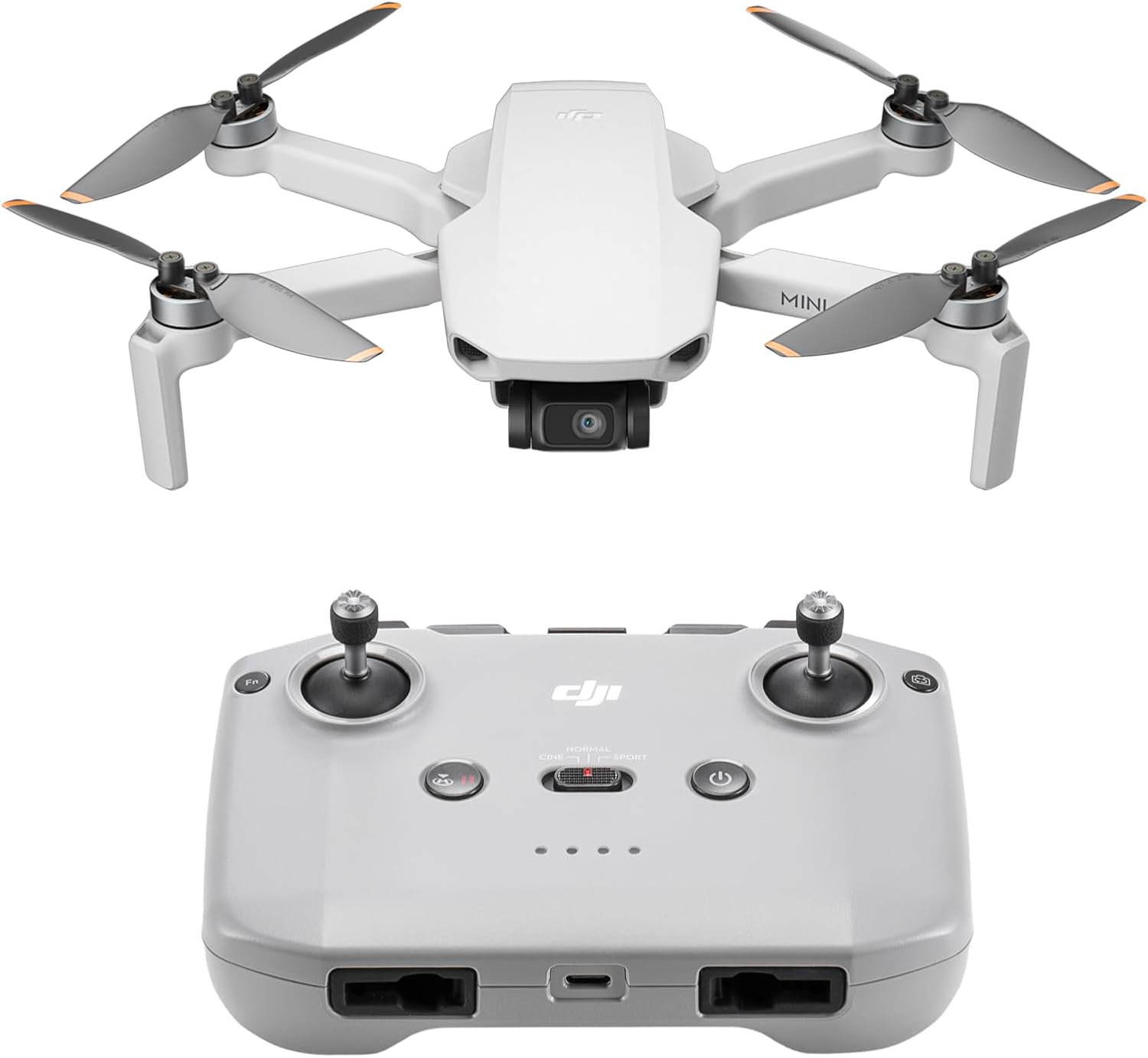
DJI Mini 3
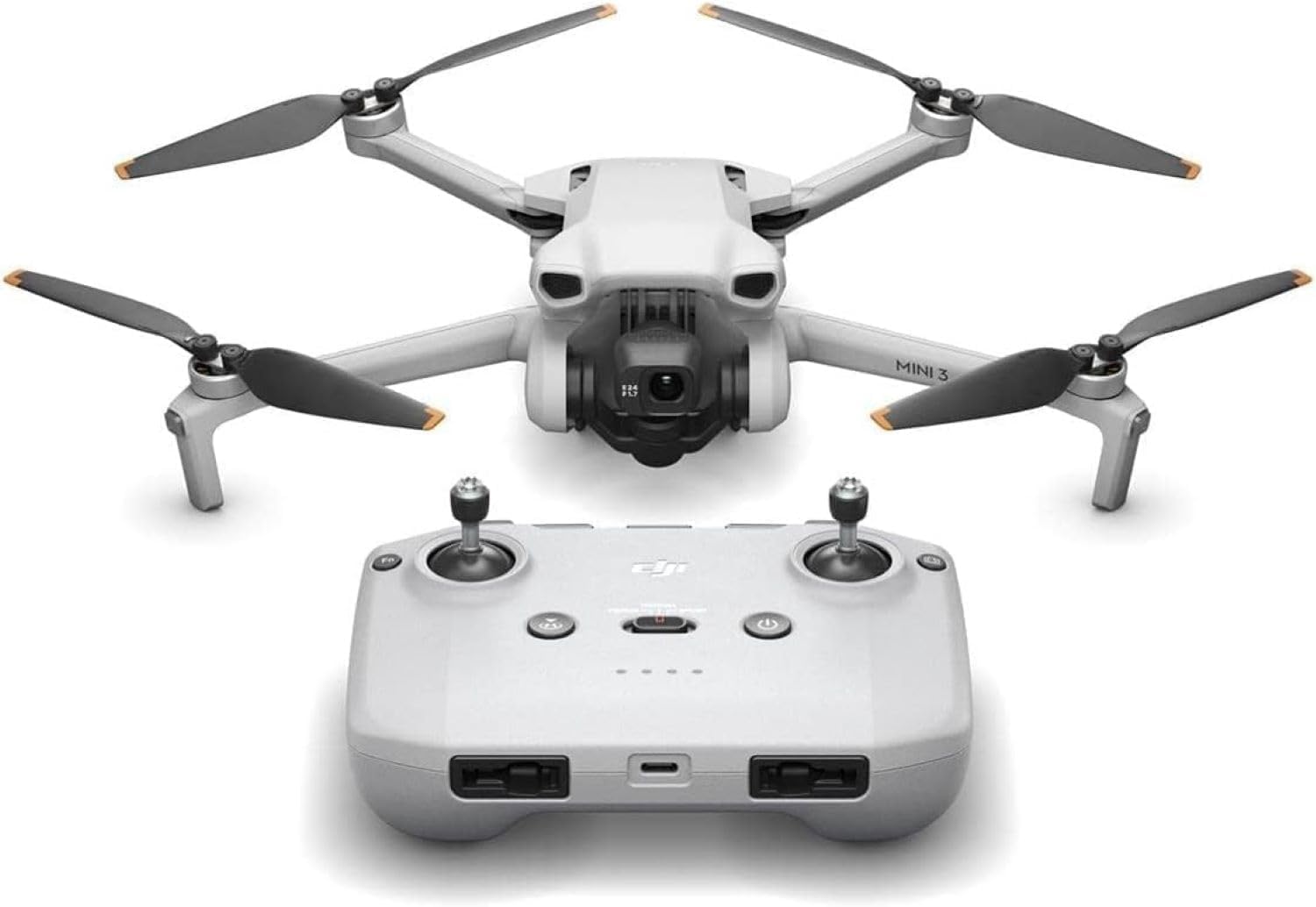
DJI Mini 3, 3-Axis Mechanical Gimbal Mini Camera Drone | 4K HDR Video, 38-Min Flight Time, up to 32800ft (10km) Video Transmission, True Vertical Shooting, GPS Auto Return
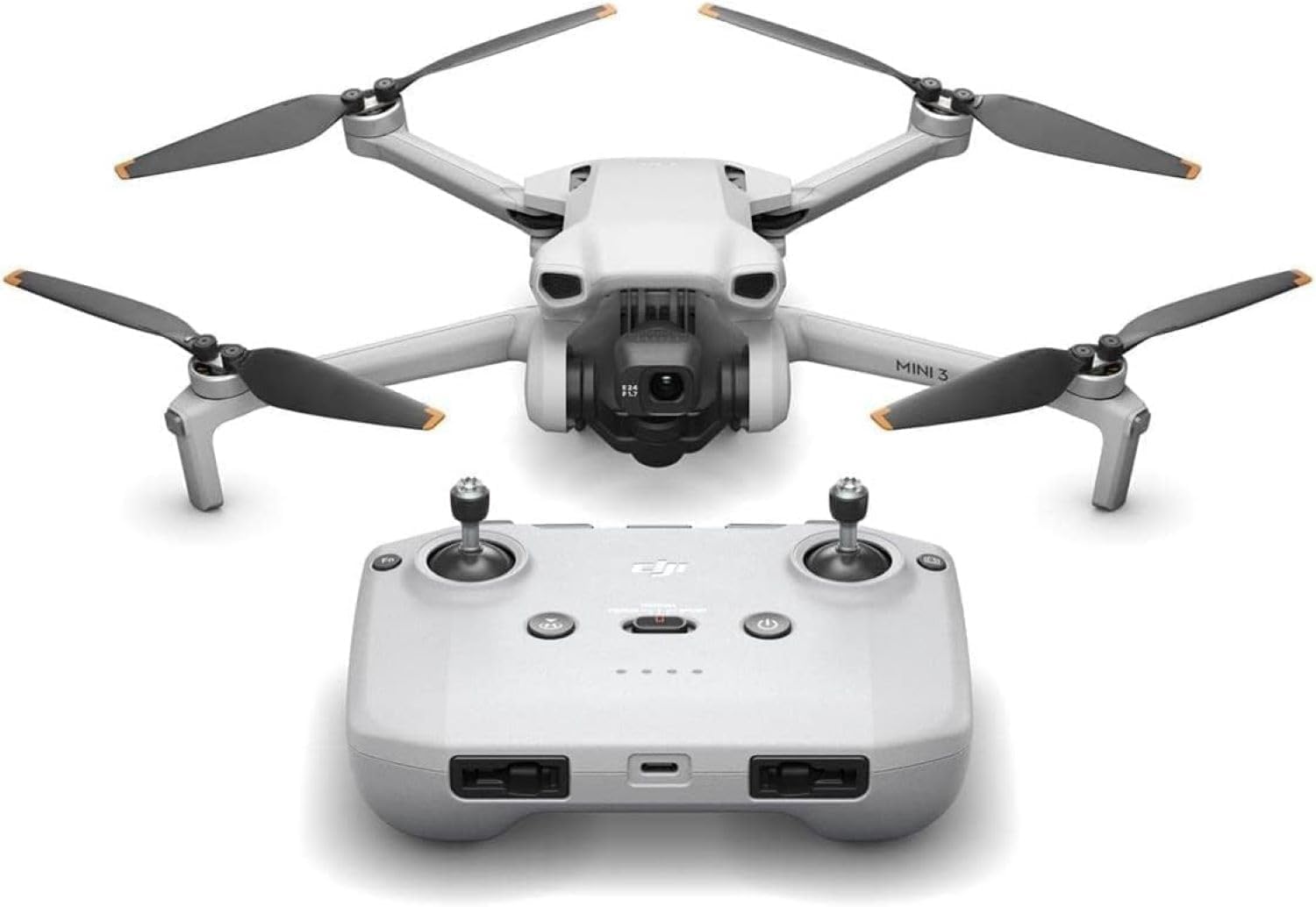
Check Price on AmazonDJI Mini 3 Fly More Combo
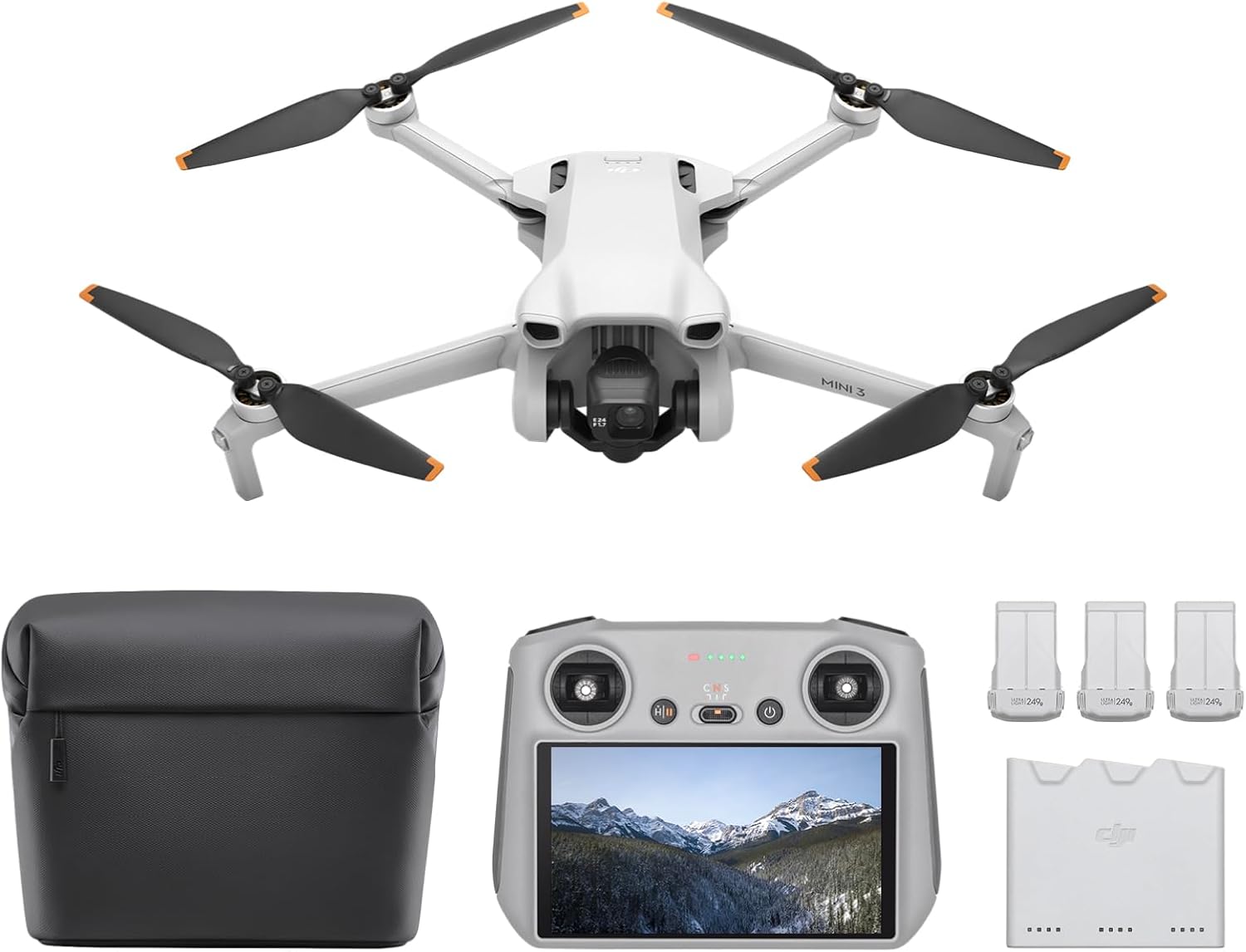
DJI Mini 3 Fly More Combo With DJI RC, 3 Batteries | Lightweight Camera Drone With 4K HDR Video, 114-Min Flight Time, Vertical Shooting, 32800ft (10km) Video Transmission
Check Price on AmazonDJI Mini 3 With DJI RC
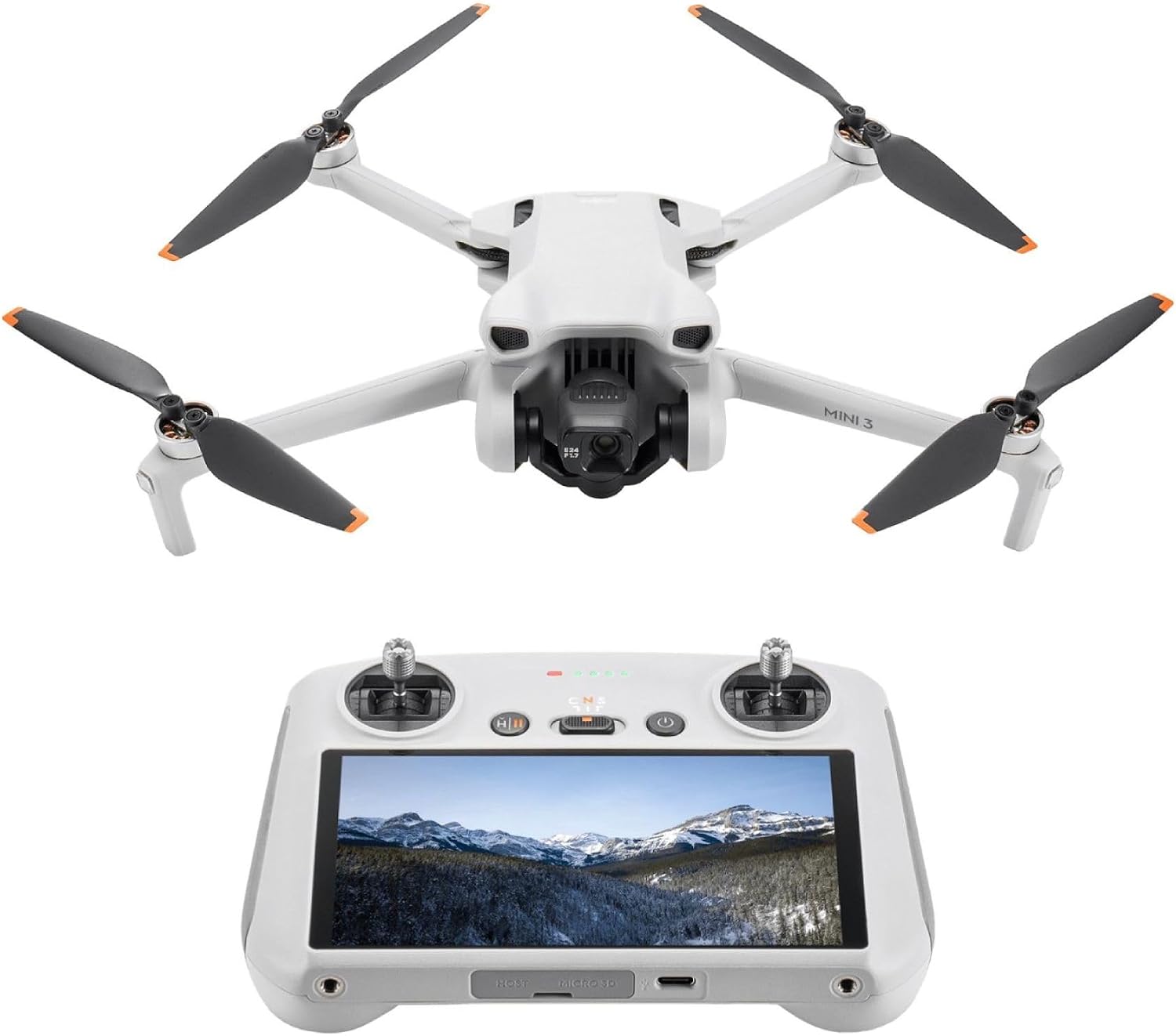
DJI Mini 3 With DJI RC, 3-Axis Mechanical Gimbal Mini Camera Drone | 4K HDR Video, 38-Min Flight Time, up to 32800ft (10km) Video Transmission, Vertical Shooting, GPS Auto Return
Check Price on AmazonTexas Drone Privacy Law (Govt. Code Chapter 423)
Texas has one of the most restrictive drone privacy laws in the country. Under Texas Government Code Chapter 423, it is illegal to use a drone to capture images of private property—including individuals on that property—without consent. The law specifically prohibits capturing images of a person or their property with the intent to conduct surveillance. This includes flying over someone’s house to take photos or video. Violations can result in a Class C misdemeanor for the first offense, escalating to a Class B misdemeanor for subsequent offenses.
However, there are exceptions. Law enforcement, utility inspections, and real estate photography with the property owner’s permission are allowed. But for a hobbyist flying over a neighbor’s backyard, this law is a serious risk.
California Drone Privacy Laws
California takes a different approach. The state’s drone laws focus on trespass and harassment rather than image capture itself. California Penal Code Section 634 prohibits using a drone to look through a window or into an area where a person has a reasonable expectation of privacy (like a backyard with a fence). California also has a specific law (AB 856) that makes it illegal to fly a drone over a school, hospital, or church if it disrupts activities. For private property, the key is intent: if you fly over a home without any surveillance purpose, you are generally safe. But if you hover or loiter, you risk a privacy violation claim.
Florida Statutes 934.50
Florida’s law, Florida Statutes 934.50, prohibits using drones to capture images of private property without consent if the property owner has a reasonable expectation of privacy. This includes backyards, pools, and inside homes. The law also bans flying drones over critical infrastructure like power plants and prisons. For residential areas, a drone passing overhead at a reasonable altitude (above 200 feet) is generally not a violation, but low and slow flights are risky.
Carrying Hard Case for DJI Avata 360 Drone
Carrying Hard Case for DJI Avata 360 Drone - Portable Travel Bag for Goggles N3/RC Motion 3 Controller
Check Price on AmazonHard Case for Antigravity A1 Drone
Hard Case for Antigravity A1 Drone, Waterproof Protective Carry Case, Anti-Fall Storage Bag Fit for Drone, Batteries, Goggles, Accessories & RC Gear [Only Protect Shell]
Check Price on AmazonUK Drone Private Property Law: CAA Rules and GDPR
In the UK, the Civil Aviation Authority (CAA) regulates drone flights under the Air Navigation Order 2016 and the Drone Code. The CAA does not ban flying over private property. However, the Drone Code states that you must not fly over or near private property without permission if you are taking off or landing on that property. For overflight, the key rule is the 50-meter rule: you must not fly within 50 meters of people, vehicles, or buildings not under your control. This effectively means you cannot fly a drone 50 meters (164 feet) from a house unless you have the homeowner’s permission.
For example, if you are flying a DJI Mini 4 Pro (under 250g) over a suburban area, you must stay at least 50 meters from any house that is not yours. This is a much stricter rule than the US system. The CAA also requires you to keep the drone within visual line of sight at all times.
UK Privacy Law and GDPR Implications
The UK’s Data Protection Act 2018 and the GDPR (which still applies post-Brexit) add another layer. If your drone has a camera, you are processing personal data when you record identifiable individuals or their property. The law requires you to have a lawful basis for processing this data. For hobbyists, the lawful basis is often “legitimate interests,” but you must still be transparent and not cause harm. Recording someone’s garden or children playing without consent could be a breach of data protection law.
The Information Commissioner’s Office (ICO) has issued guidance specifically for drone operators: you must inform people if you are recording them, and you must delete footage if requested. This is a significant difference from the US, where privacy laws are less uniform.
Drone Private Property Australia: CASA Rules
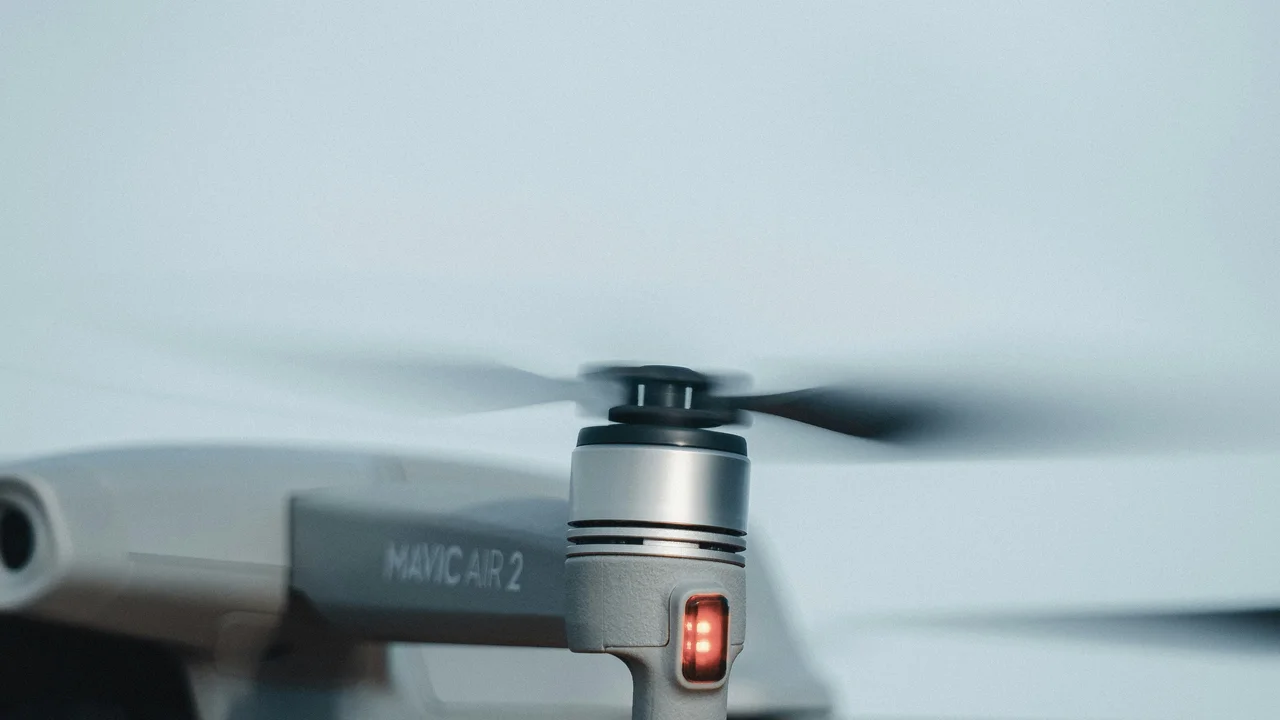
Australia’s Civil Aviation Safety Authority (CASA) regulates drone flights under Part 101 of the Civil Aviation Safety Regulations. The rules are similar to the UK’s: you must not fly within 30 meters of people, and you must not fly over a person or property without consent if you are within that 30-meter zone. For overflight, CASA’s standard operating conditions require you to fly at least 30 meters (100 feet) from any person, vehicle, building, or structure that is not your own.
This means flying over a neighbor’s house at 200 feet is generally fine, but flying over their garden at 50 feet is not. CASA also has specific rules for “excluded areas”—you cannot fly over or near emergency operations, prisons, or military bases. For private property, the key is to avoid low flying and loitering.
Australia’s privacy laws are also strict. The Privacy Act 1988 applies to drone footage, and state-level surveillance laws may prohibit recording people without consent in situations where they have a reasonable expectation of privacy. The Office of the Australian Information Commissioner (OAIC) recommends that drone operators obtain consent before recording over private land.
Canada Drone Laws Over Private Property
Transport Canada regulates drone flights under the Canadian Aviation Regulations (CARs). The rules for drones over 250g (like the DJI Avata 2 or DJI Mini 4 Pro with a battery) require registration and a pilot certificate. For drones under 250g, the rules are lighter but still apply. Transport Canada’s rules state that you must not fly a drone over private property without permission if you are taking off or landing on that property. For overflight, the key restriction is altitude and distance from people.
You must fly at least 30 meters (100 feet) from people, vehicles, and buildings that are not yours. This is similar to Australia’s rule. You must also fly below 122 meters (400 feet) AGL. For private property, flying over a house at 400 feet is generally acceptable, but flying low over a backyard pool or deck is not. Transport Canada also prohibits flying over “open-air assemblies” like concerts or sports events.
Canada’s privacy laws are governed by the Personal Information Protection and Electronic Documents Act (PIPEDA) and provincial privacy laws. Recording identifiable individuals without consent is generally not allowed if the footage is being stored or shared. For hobbyists, the risk is lower, but if a neighbor complains, you may be asked to delete footage.
Flying Drone Over Someone’s House: Practical Scenarios
Let’s break down common situations and what the law says in each country.
| Scenario | US (Federal) | US (State) | UK | Australia | Canada |
|---|---|---|---|---|---|
| Flying over a house at 300 feet | Legal | Varies (safe in most states) | Legal if >50m from house | Legal if >30m from house | Legal if >30m from house |
| Hovering over a backyard at 50 feet | Legal (FAA) | Likely illegal (trespass/privacy) | Illegal (<50m rule) | Illegal (<30m rule) | Illegal (<30m rule) |
| Recording a neighbor’s pool | Legal (FAA) | Illegal in Texas, CA, FL | Illegal (GDPR) | Illegal (privacy laws) | Illegal (PIPEDA) |
| Flying a sub-250g drone over houses | Same rules apply | Same rules apply | Same rules apply | Same rules apply | Exempt from registration, but same flight rules |
What to Do If Your Neighbor Is Flying Over Your Property
If you are a homeowner and a drone is flying over your property, you have several options, but none of them include shooting it down. Shooting down a drone is illegal in all four countries and can result in criminal charges (discharging a firearm, destruction of property, and potentially endangering aircraft). Here is what you can do:
Record the date, time, altitude, and behavior of the drone. Take photos or videos if possible. Note if the drone is hovering, loitering, or descending low.
Politely ask the pilot to stop flying over your property. Many drone pilots are unaware of the privacy concerns. A friendly conversation often resolves the issue.
If the drone is flying low (below 100 feet) and hovering, or if you believe it is being used for surveillance, call the non-emergency police line. In the US, police may enforce state privacy laws. In the UK, they can enforce the 50-meter rule.
In the US, you can file a complaint with the FAA if the drone is flying dangerously. In the UK, contact the CAA. In Australia, contact CASA. In Canada, contact Transport Canada.
Do
- Document the flight
- Talk to the pilot calmly
- Contact local police for low flights
- File a formal complaint with the aviation authority
Don’t
- Shoot down the drone (illegal)
- Throw objects at the drone
- Use a jammer or signal disruptor (illegal in all countries)
- Threaten the pilot
Is It Legal to Fly Drone Over My Neighbor’s House? The Bottom Line
The question “is it legal to fly a drone over my neighbor’s house” does not have a single yes or no answer. It depends on three factors: altitude, intent, and location. If you fly at 400 feet in the US, overfly briefly, and do not linger, you are almost certainly legal under federal law. If you fly at 50 feet in the UK, you violate the 50-meter rule. If you hover and record in Texas, you violate state law.
For pilots, the safest approach is to avoid flying directly over residential properties unless you have permission. Use a drone like the DJI Mini 4 Pro (under 250g) to reduce registration requirements, but still follow the same rules. For homeowners, the best recourse is communication and documentation, not confrontation.
Summary: Flying Over Private Property in Four Countries
To summarize the rules across the US, UK, Australia, and Canada:
- United States: FAA controls airspace. No federal ban on overflight. State laws in Texas, California, and Florida restrict low and surveillance flights. Fly above 200 feet to avoid most issues.
- United Kingdom: CAA 50-meter rule from people and buildings. GDPR applies to recording. Fly above 50 meters (164 feet) from any house not yours.
- Australia: CASA 30-meter rule from people and buildings. Privacy laws apply. Fly above 30 meters (100 feet) from any structure not yours.
- Canada: Transport Canada 30-meter rule from people and buildings. PIPEDA applies to recording. Fly above 30 meters (100 feet) from any structure not yours.
Our recommendation: always err on the side of caution. If you are flying over a residential area, keep altitude high (above 200 feet), avoid loitering, and never record individuals without their consent. If you are a homeowner, remember that most drone flights are legal, but low and intrusive flights are not. Talk to your neighbor before escalating.
Frequently Asked Questions
Can a drone fly over my private property legally?
Yes, in most cases a drone can legally fly over your private property as long as it stays at a reasonable altitude and does not hover or loiter. The FAA in the US, CAA in the UK, CASA in Australia, and Transport Canada in Canada all consider the airspace above private land as public navigable airspace. However, state and local laws in the US (like Texas’s Chapter 423) and privacy laws in the UK and Canada may restrict low or surveillance flights. If a drone is flying above 200 feet and passing through, it is generally legal. If it is hovering at 50 feet and recording, it may violate privacy laws.
Is it legal to fly a drone over someone’s house?
It is generally legal to fly a drone over someone’s house if you are at a safe altitude (above 200 feet in the US, above 50 meters in the UK, above 30 meters in Australia and Canada) and you are not hovering or conducting surveillance. The key legal distinction is between overflight (passing through) and intrusion (loitering at low altitude). In the UK, the 50-meter rule from buildings makes it illegal to fly within 50 meters of a house not under your control. In the US, state laws like those in Texas and Florida may make it illegal to capture images of the property without consent. Always check local laws before flying over residential areas.
What can I do if a drone is flying over my property?
If a drone is flying over your property, start by documenting the flight with timestamps and photos. Politely ask the pilot to stop if you can identify them. If the drone is flying low (below 100 feet) and hovering, contact local law enforcement—they can enforce state or local privacy laws. In the US, you can file a complaint with the FAA if the drone is flying dangerously. In the UK, contact the CAA. Do not shoot down the drone or use a signal jammer, as both are illegal and can result in criminal charges. The best approach is communication followed by formal complaints if needed.
What are the laws on drones over private property in the UK?
In the UK, the CAA’s Drone Code requires you to keep your drone at least 50 meters (164 feet) away from people, vehicles, and buildings not under your control. This effectively means you cannot fly within 50 meters of a house that is not yours. Additionally, the Data Protection Act 2018 and GDPR apply if your drone has a camera—you must have a lawful basis for recording individuals or their property, and you must delete footage if requested. The ICO can impose fines for serious breaches. For drones under 250g (like the DJI Mini 4 Pro), the same flight rules apply, but registration is not required. Always maintain visual line of sight and avoid flying over crowds or sensitive areas.
Can I shoot down a drone over my property?
No, you cannot legally shoot down a drone over your property in the US, UK, Australia, or Canada. Shooting down a drone is a federal crime in the US under 18 U.S.C. § 32 (destruction of aircraft) and can also result in state charges for discharging a firearm and destruction of property. In the UK, it could be criminal damage and endangerment. In Australia and Canada, similar laws apply. The drone is considered an aircraft under national aviation laws, and destroying it carries serious penalties. Instead, document the flight, talk to the pilot, and contact local law enforcement or the aviation authority if the flight is intrusive or dangerous.
What is the legal altitude over private property for drones?
There is no single legal altitude for drones over private property because the rules vary by country and context. In the US, the FAA allows flights up to 400 feet AGL, and flying above 200 feet is generally safe from trespass claims. In the UK, the CAA’s 50-meter (164-foot) rule from buildings effectively limits how low you can fly near houses. In Australia, CASA requires at least 30 meters (100 feet) from people and buildings. In Canada, Transport Canada also requires 30 meters (100 feet) from people and structures. Below these altitudes, you risk violating local privacy laws or the 50/30-meter rules. The safest altitude to avoid legal issues is above 200 feet in all countries.
Last updated: July 14, 2026
- Federal Aviation Administration (FAA) – faa.gov/uas
- Texas Government Code Chapter 423
- California Penal Code Section 634
- Florida Statutes 934.50
- UK Civil Aviation Authority (CAA) – caa.co.uk/drones
- UK Information Commissioner’s Office (ICO) – ico.org.uk
- Australian Civil Aviation Safety Authority (CASA) – casa.gov.au/drones
- Transport Canada – tc.canada.ca/drones
- Office of the Australian Information Commissioner (OAIC)
NANUK 935 Pro Photo Kit Camera Case
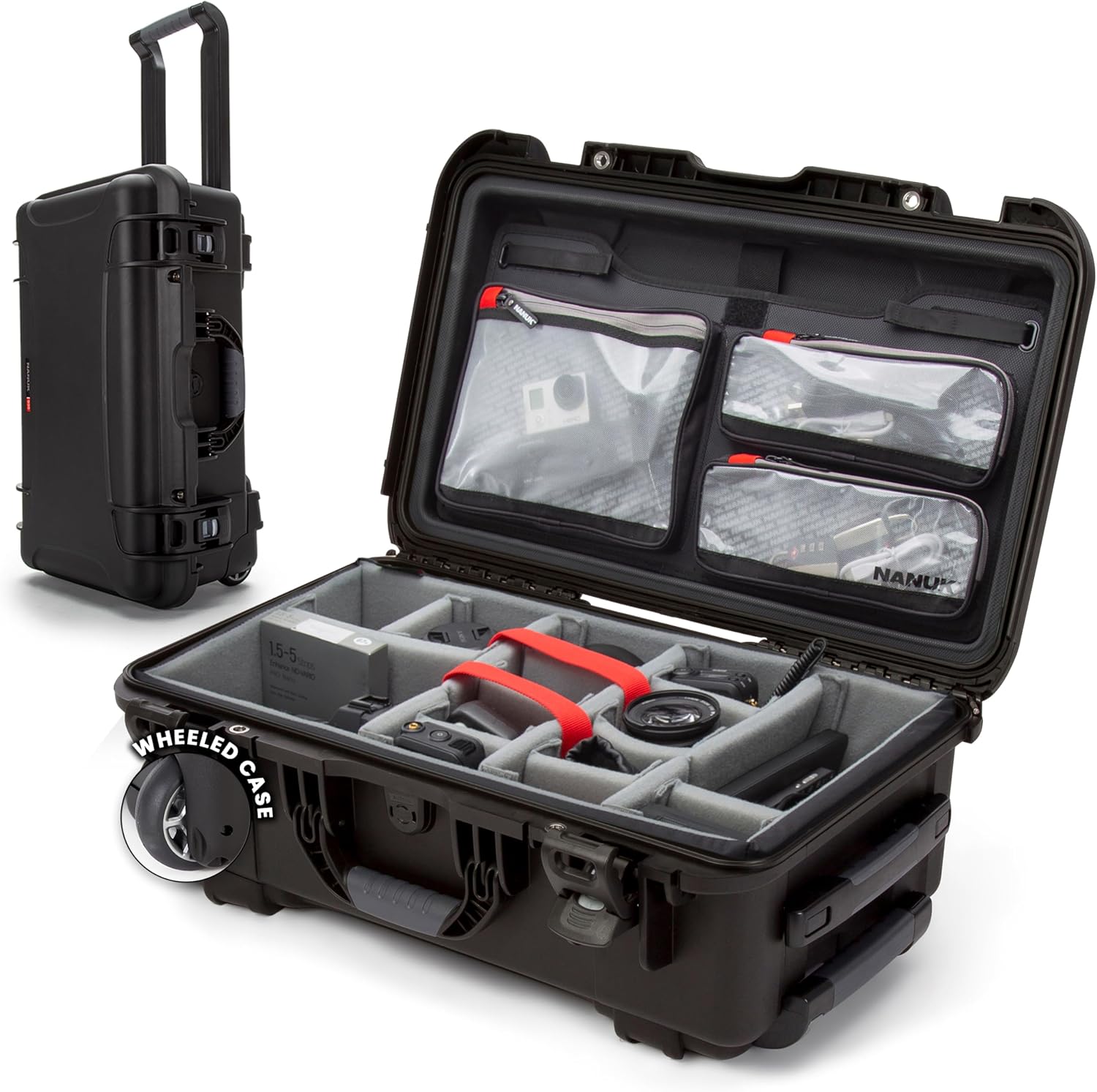
NANUK 935 Pro Photo Kit Camera Case, Waterproof Wheeled Hard Case, Carry-On, Black
Check Price on AmazonNANUK 925 DJI Mavic 4 Pro Creator Combo
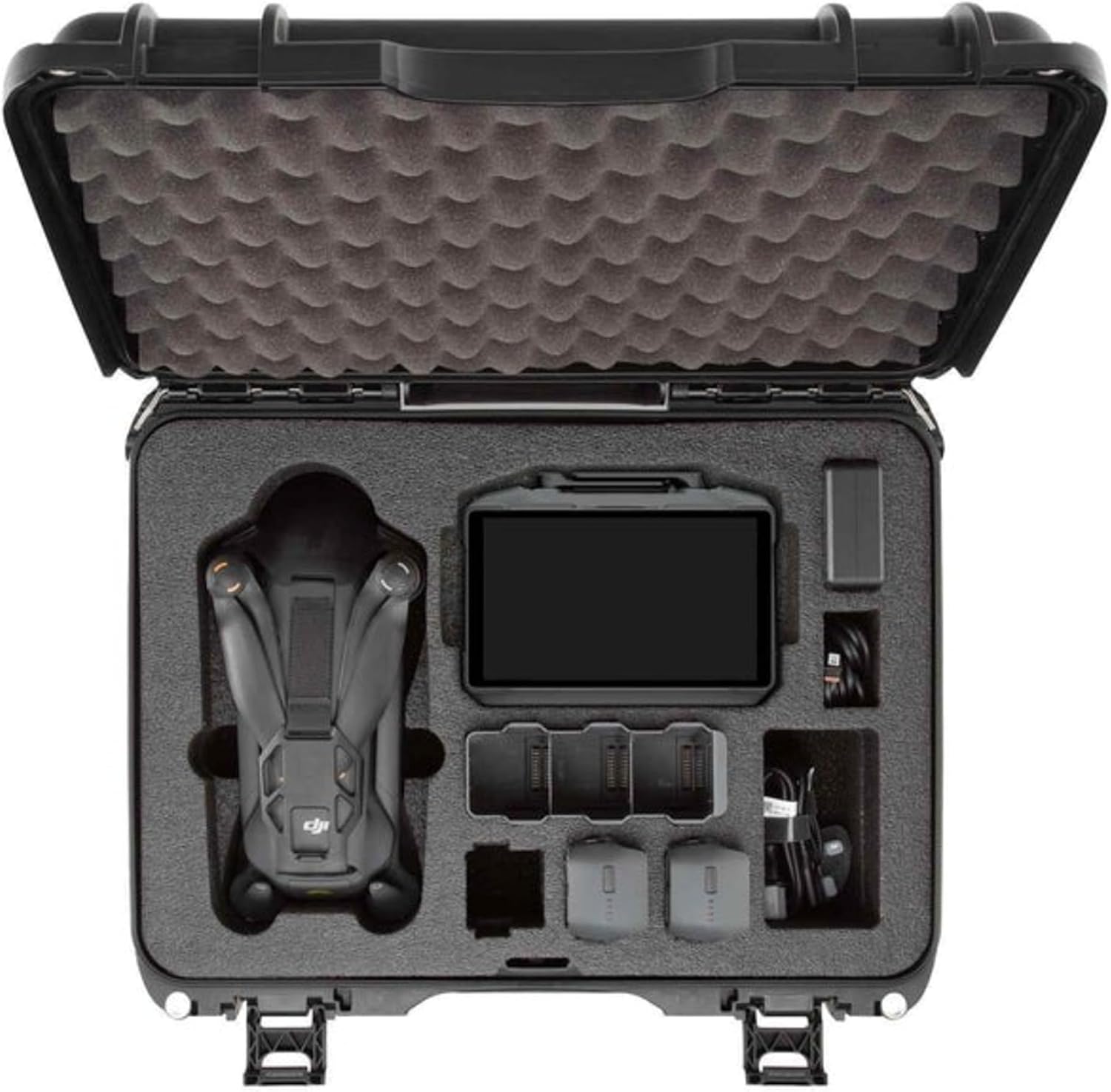
NANUK 925 DJI Mavic 4 Pro Creator Combo - Waterproof Hard Case with Drone Foam Insert, Crushproof, Portable Travel Case, Made in Canada (18.7” x 14.8”x 7”) - Black
Check Price on Amazon Drone Allowed
DroneAllowed editor covering drone regulations, aviation law, and aerial photography across USA, UK, Canada & Australia.