

Can You Fly a Drone Near Power Lines? (Legal Rules & Safety Guide)
 14 min read
2,675 words
✈️ Flying your drone on this trip? See my gear list
View gear on AmazonAs an Amazon Associate I earn from qualifying purchases.
Flying a drone near power lines is not explicitly illegal under FAA rules, but it carries serious safety risks and may violate state-level critical infrastructure laws. The core question — can you fly a drone near power lines — requires understanding that while no federal regulation sets a specific distance limit, you must maintain visual line of sight, avoid hazards, and comply with laws protecting electrical infrastructure. This guide covers the legal rules, safety risks, and practical recommendations for flying near power lines in the United States and other countries.
LENTION 3.3FT Long Cable USB C Hub
LENTION 3.3FT Long Cable USB C Hub, 4K HDMI, 100W PD, USB 3.0, Card Reader 3A & LED Indicator Stable Driver Adapter, for macOS, iOS/iPadOS, Windows & ChromeOS (C36p-1M, Space Gray)
Check Price on Amazon17-in-1 USB C Hub 65W Powered Adapter, 10Gbps, Dual PD 45W
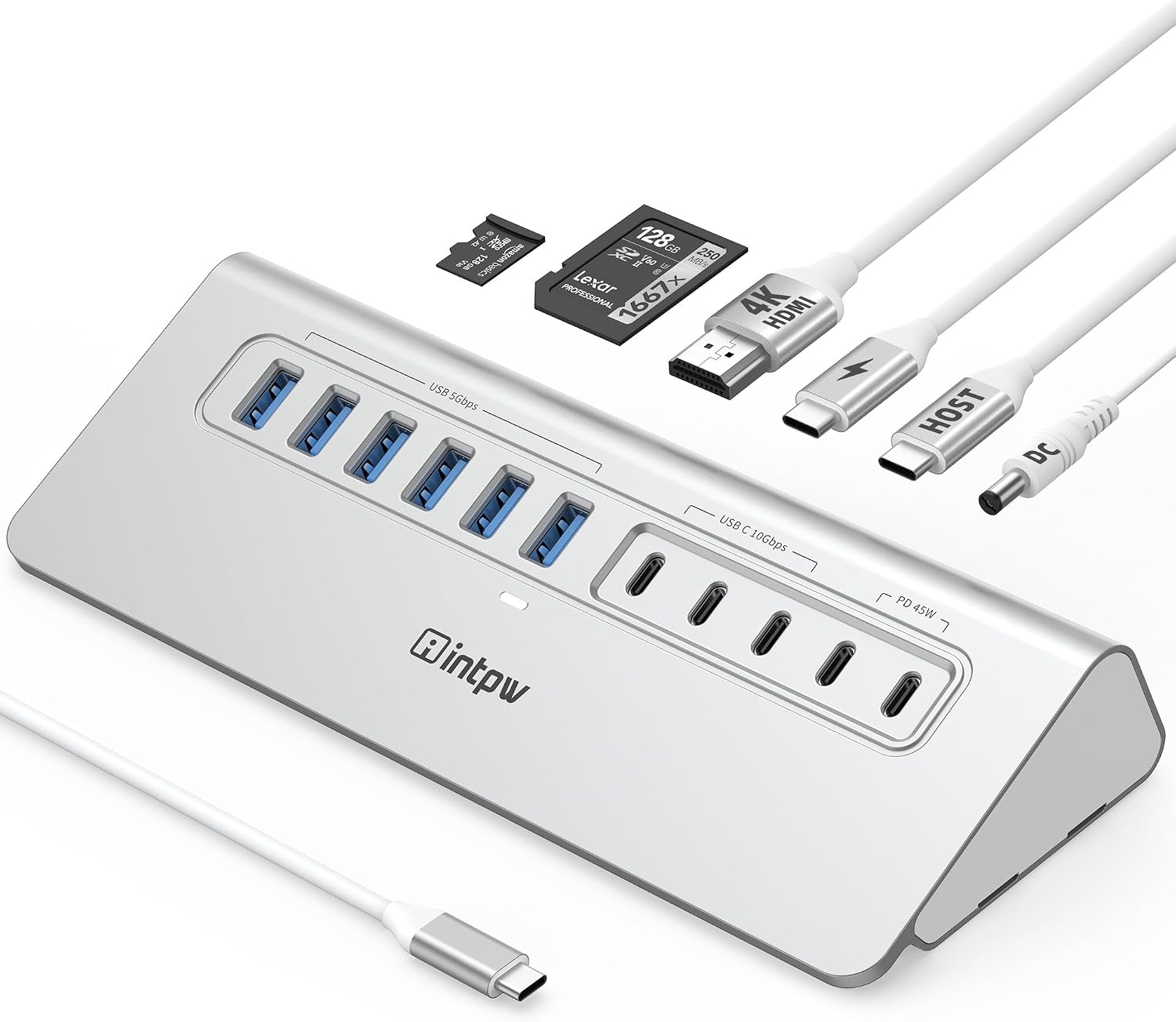
17-in-1 USB C Hub 4K@60Hz, 65W Powered Adapter, 10Gbps, Dual PD 45W PD 100W Charging, 3×USB-C 3.2+6×USB-A 3.0, SD/TF 105MB/s, 3.3ft Cable, Aluminum Desktop USB Hub for MacBook Pro/Air/Mac Mini
Check Price on AmazonLENTION USB-C Hub, HDMI, 100W PD, 2 USB-C, 2 USB 3.0, Card Reader

LENTION USB-C Hub, 4K@60Hz HDMI, 100W PD, 2 USB-C, 2 USB 3.0, Card Reader 2A & 2C Work Simultaneously, Stable Driver 3.0 Certified, for macOS, iOS/iPadOS, Windows & ChromeOS (CE19, Black)
Check Price on AmazonFAA Rules on Drone Power Line Proximity
The Federal Aviation Administration does not have a specific regulation that says “you must stay X feet from power lines.” Instead, the FAA regulates drone flight through broader safety rules that indirectly apply to power line operations.
3 FT Power Strip
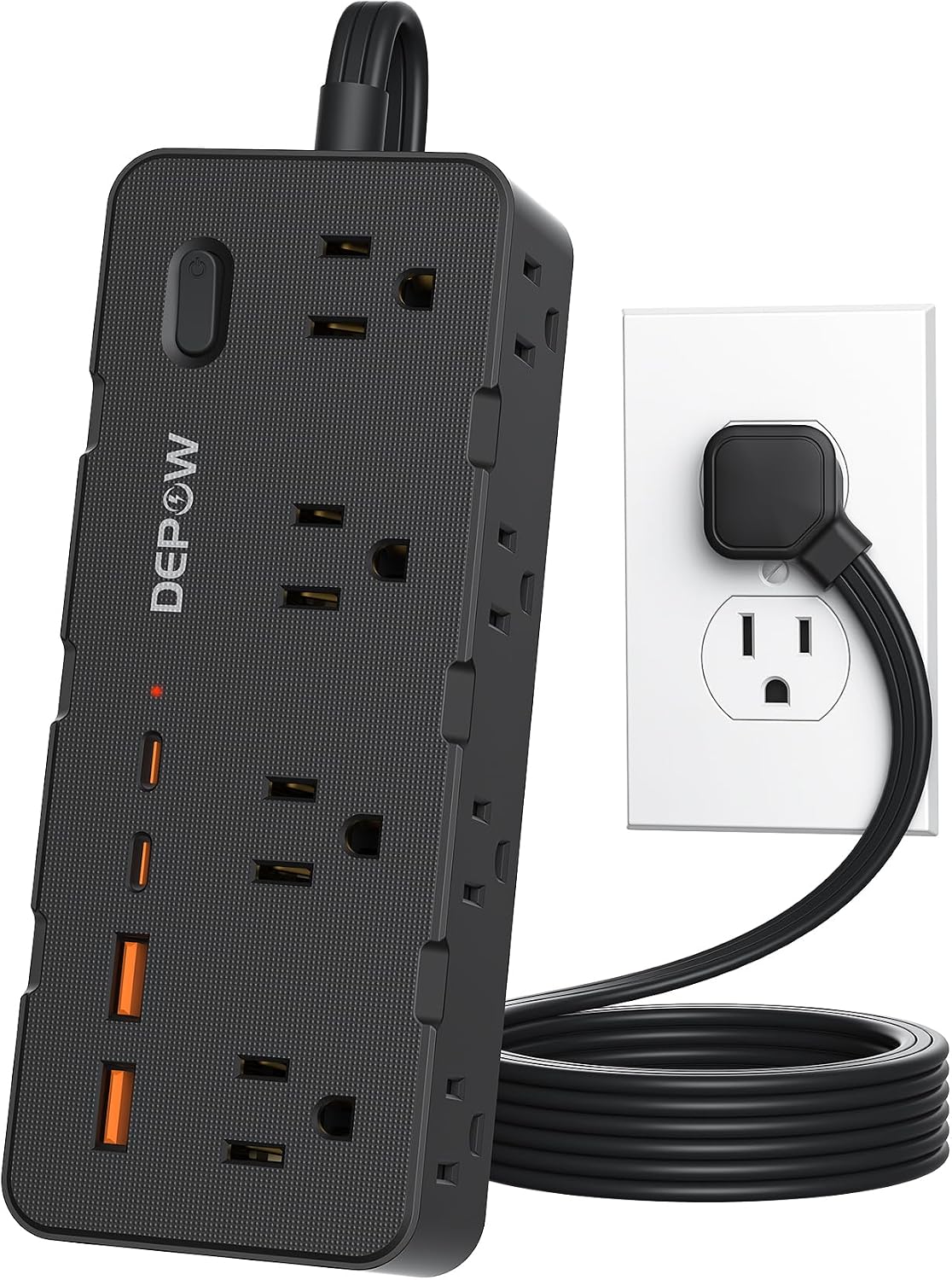
3 FT Power Strip, Extension Cord with 8 AC Outlets + 4 USB (2 USB-C), Black Flat Plug, Compact 3FT Flat Cord Keeps Desktop Neat. 1700J Surge Protection, 1625W, Great for Home Office, Dorm, Nightstand
Check Price on AmazonHICOBER USB C SD Card Reader
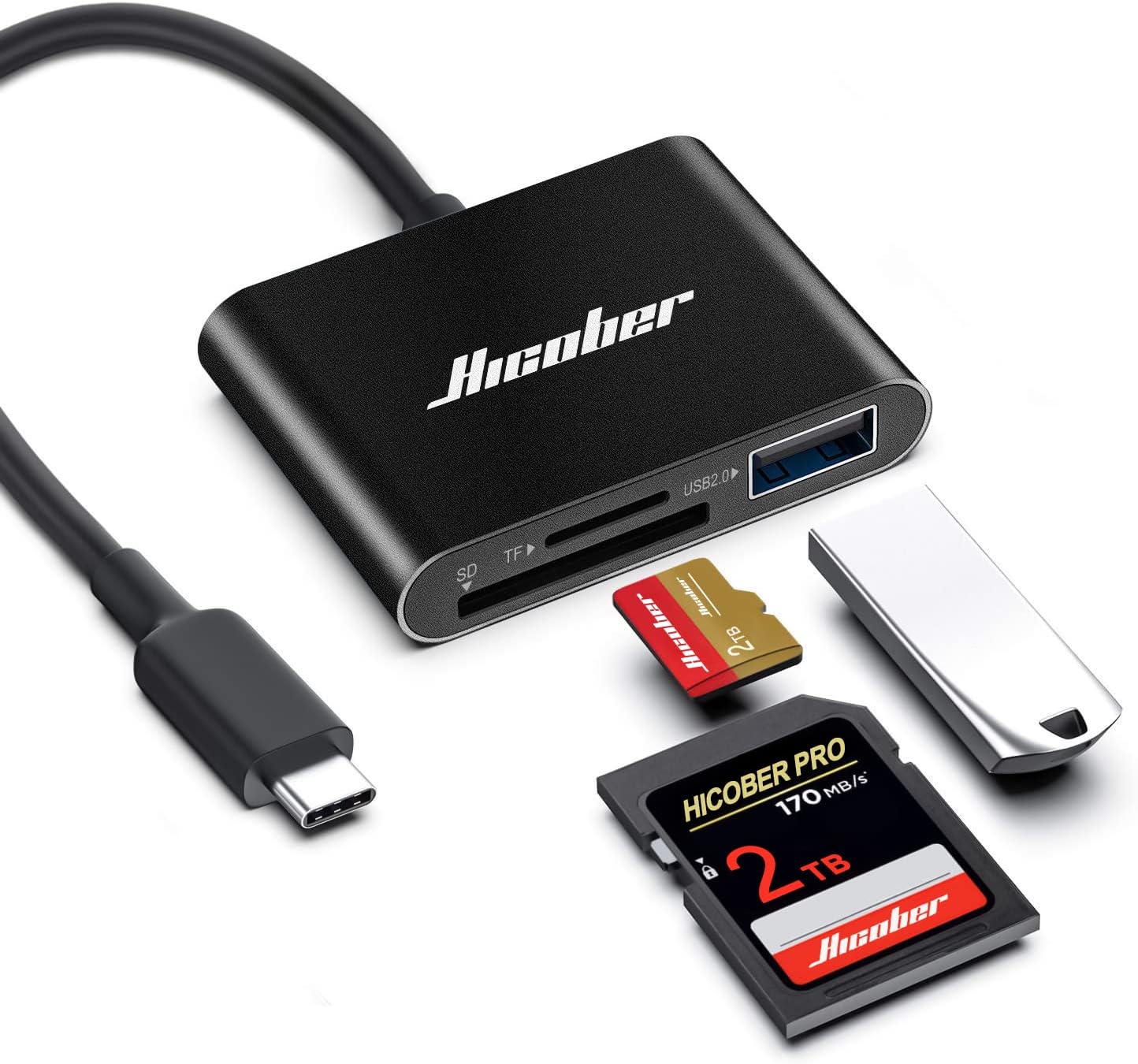
HICOBER USB C SD Card Reader, 3-in-1 for Laptop, Phone, Tablet, Black Durable aluminum body helps dissipate heat quickly for stable performance; reads SD, TF and USB drives up to 2TB via USB-C
Check Price on Amazon64GB Micro SD Card with SD Card Reader
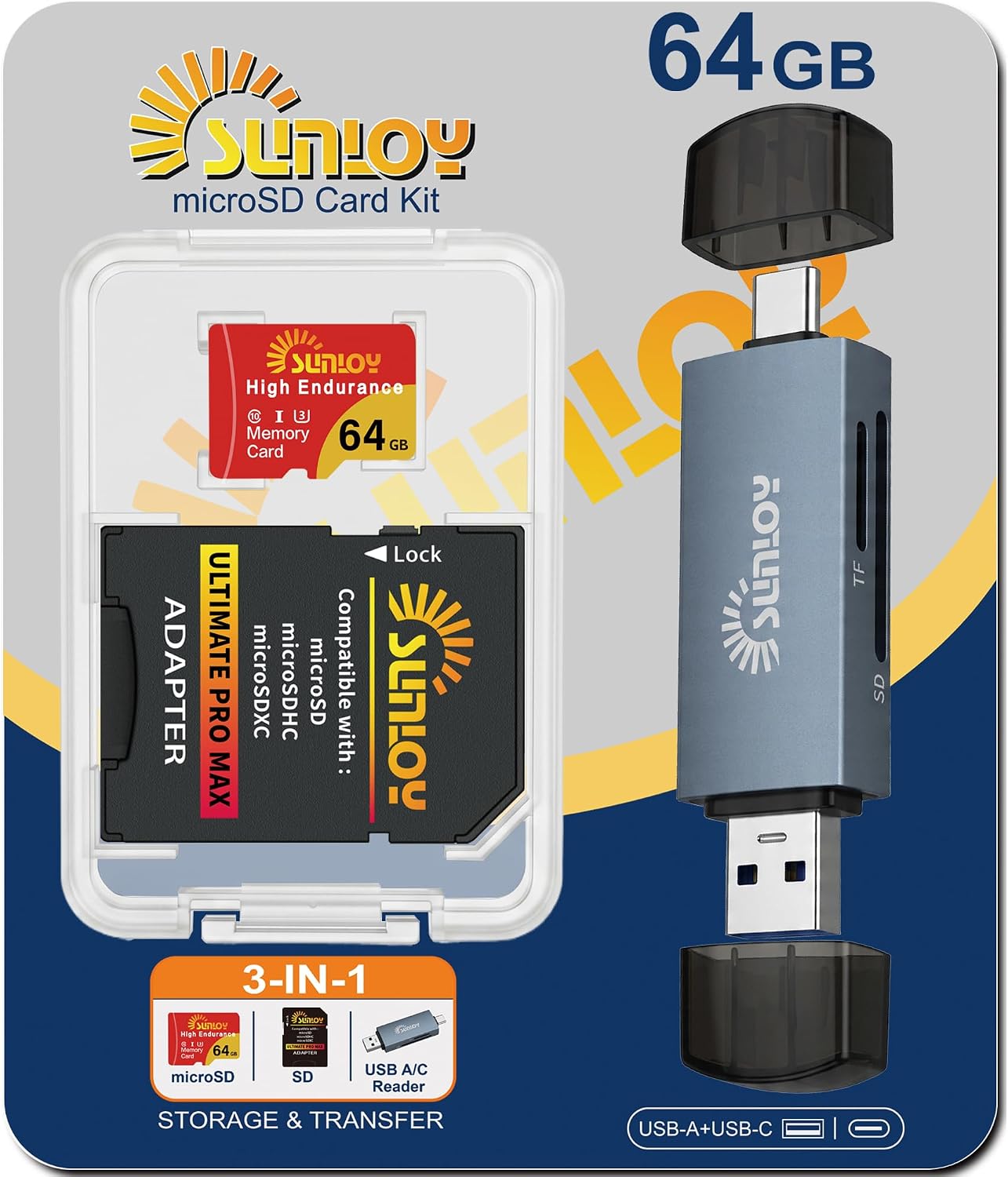
64GB Micro SD Card with SD Card Reader USB3.0 A/C Dual Slots & SD Adapter UHS-I, C10, U3, V30, A1, 4K UHD, USB 3.0 Memory Card Reader for iPhone 17/16/15, MacBook, iPad, Laptop, PC, Drone, Game Console
Check Price on AmazonPart 107 (commercial) and Part 44809 (recreational) both require you to:
- Maintain visual line of sight with your drone at all times
- Avoid operating in a careless or reckless manner that endangers people or property
- Yield right of way to manned aircraft
- Stay below 400 feet AGL (unless near a structure)
Power lines are obstacles you must avoid, but the FAA does not mandate a minimum distance. However, flying close enough to risk contact with power lines could be considered reckless operation under 14 CFR § 107.23.
Is It Legal to Fly a Drone Near Power Lines? State-Level Restrictions
While the FAA controls airspace, states have authority over ground-based infrastructure protection. Several states have enacted laws restricting drone flight over or near critical infrastructure, including power lines, substations, and transmission towers.
Texas Critical Infrastructure Law
✈️ Flying your drone on this trip? See my drone e-book list
View gear on AmazonAs an Amazon Associate I earn from qualifying purchases.
Texas has one of the most restrictive drone regulations regarding power lines. Under Texas Government Code § 423.0045, it is illegal to operate a drone over critical infrastructure facilities, which includes:
DJI Mini 3
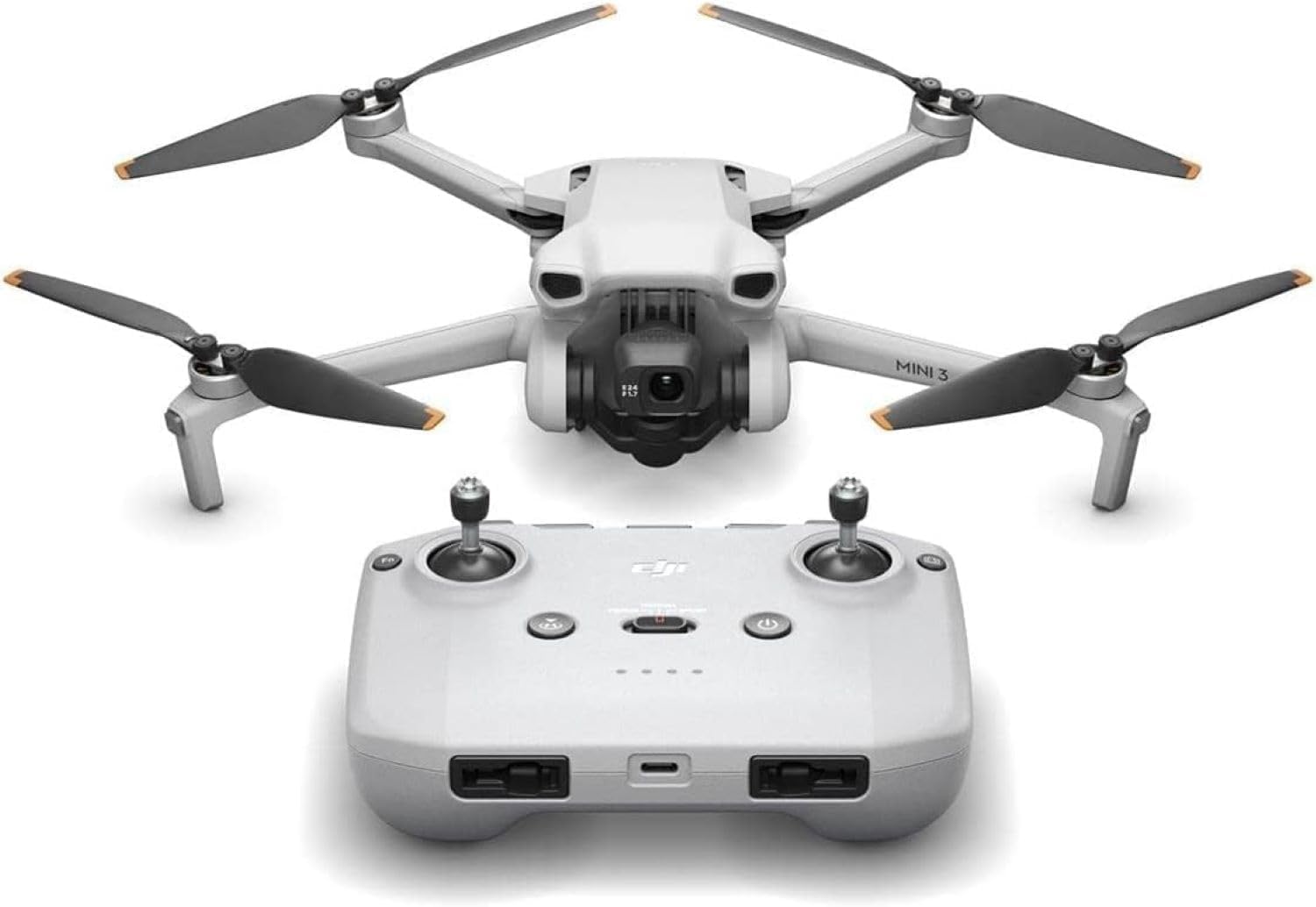
DJI Mini 3, 3-Axis Mechanical Gimbal Mini Camera Drone | 4K HDR Video, 38-Min Flight Time, up to 32800ft (10km) Video Transmission, True Vertical Shooting, GPS Auto Return
Check Price on AmazonDJI Mini 3 Fly More Combo
DJI Mini 3 Fly More Combo With DJI RC, 3 Batteries | Lightweight Camera Drone With 4K HDR Video, 114-Min Flight Time, Vertical Shooting, 32800ft (10km) Video Transmission
Check Price on AmazonDJI Mini 3 With DJI RC
DJI Mini 3 With DJI RC, 3-Axis Mechanical Gimbal Mini Camera Drone | 4K HDR Video, 38-Min Flight Time, up to 32800ft (10km) Video Transmission, Vertical Shooting, GPS Auto Return
Check Price on Amazon- Electric power generation facilities
- Electrical substations
- Transmission towers and lines
- Natural gas and oil infrastructure
Violating this law is a Class B misdemeanor, punishable by up to 180 days in jail and a fine of up to $2,000. This applies even if you are flying from outside the property boundary, as long as your drone enters the airspace over the facility.
Drone Near High Voltage: Electromagnetic Interference Risks
Flying a drone near high-voltage power lines introduces electromagnetic interference (EMI) that can affect your drone’s critical systems. This is one of the most underreported dangers of drone power line safety.
Compass and GPS Interference
High-voltage transmission lines generate strong electromagnetic fields. When your drone flies within approximately 50–100 feet of a 500kV line, the magnetic field can:
- Cause compass errors, leading to incorrect heading readings
- Interfere with GPS signal reception, potentially causing position drift
- Trigger “compass calibration required” warnings mid-flight
If your drone loses reliable compass data, it may switch to ATTI mode (manual control with no GPS stabilization), making it difficult to maintain position. In strong winds or near obstacles, this can lead to loss of control.
Carrying Hard Case for DJI Avata 360 Drone
Carrying Hard Case for DJI Avata 360 Drone - Portable Travel Bag for Goggles N3/RC Motion 3 Controller
Check Price on AmazonHard Case for Antigravity A1 Drone
Hard Case for Antigravity A1 Drone, Waterproof Protective Carry Case, Anti-Fall Storage Bag Fit for Drone, Batteries, Goggles, Accessories & RC Gear [Only Protect Shell]
Check Price on AmazonSignal Loss Risks
Power lines can also affect your drone’s radio control and video transmission signals. While modern drones use 2.4GHz and 5.8GHz frequencies that are less susceptible to EMI than older analog systems, the physical presence of large metal conductors can cause:
- Multipath interference (signal reflections causing data corruption)
- Shadowing effects where the drone loses signal behind a transmission tower
- Reduced range when flying parallel to power lines
Physical Dangers of Drone Power Line Collisions
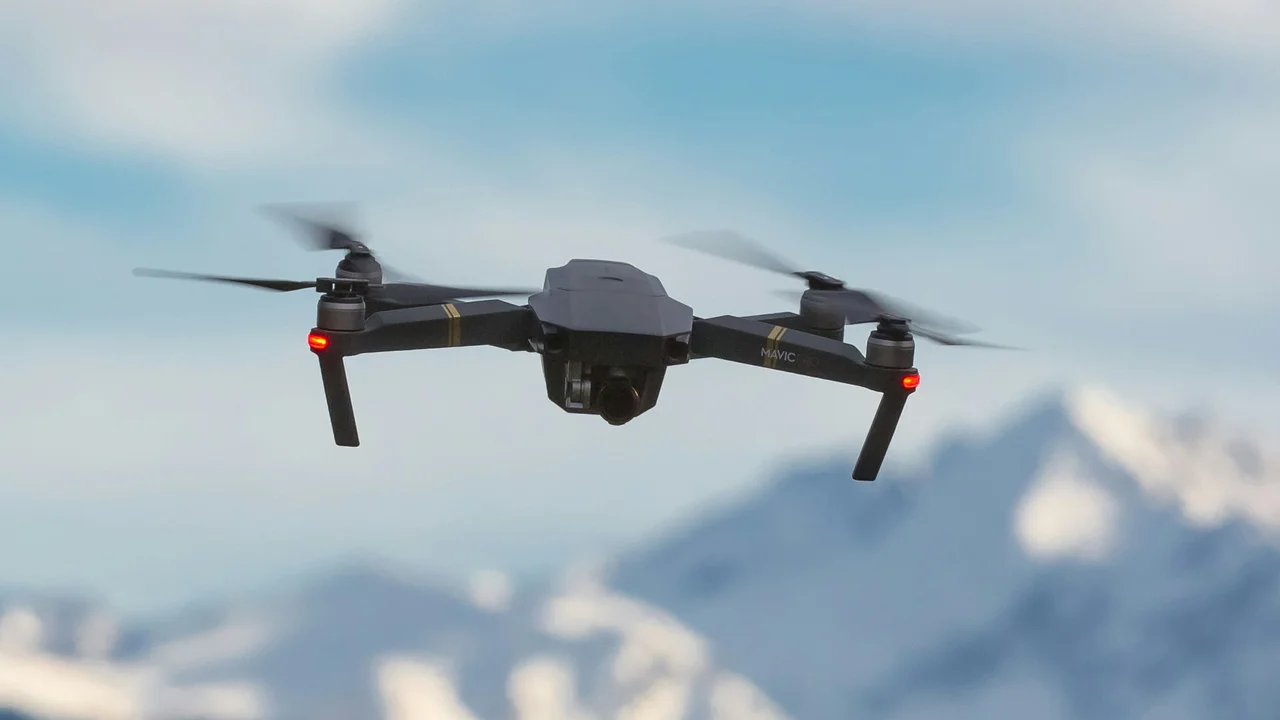
The most obvious risk of flying a drone near power lines is physical collision. The consequences range from property damage to serious injury or death.
Arc Flash and Electrocution Risk
If a drone contacts a high-voltage power line, it can create an arc flash — a dangerous electrical discharge that can:
- Instantly destroy the drone
- Cause a fire if the drone is carrying a LiPo battery
- Shock anyone touching the drone or its wreckage
- Trigger a power outage affecting thousands of customers
Transmission lines above 69kV pose the greatest risk. A drone contacting a 500kV line can cause an arc that jumps several feet through the air. Even distribution lines at 33kV can deliver a fatal shock.
Entanglement Risk with Distribution Lines
Lower-voltage distribution lines (typically 33kV and below) are often bundled together or run close to trees and buildings. These lines are less visible from the air, especially when flying:
- At low altitude near residential areas
- During dawn or dusk when shadows reduce contrast
- With a small drone like the DJI Neo that may be harder to spot against the sky
If a drone gets entangled in distribution lines, it can cause the lines to slap together, creating a short circuit and potentially starting a wildfire.
Transmission Lines (500kV)
- Tall towers, visible from distance
- High arc flash risk
- Strong EMI interference
- Typically in open areas
Distribution Lines (33kV)
- Lower poles, harder to see
- Lower arc flash risk but still dangerous
- Less EMI but more obstacles
- Often near trees and buildings
Utility Company Policies and No-Overflight Rules
Many electric utility companies have internal policies prohibiting drone flight over their rights-of-way (ROW) without prior authorization. While these policies are not laws, violating them can result in trespassing charges or civil liability.
Utility companies that regularly use drones for inspection (such as Duke Energy, Southern Company, and Pacific Gas & Electric) operate under Part 107 with waivers and strict safety protocols. They typically:
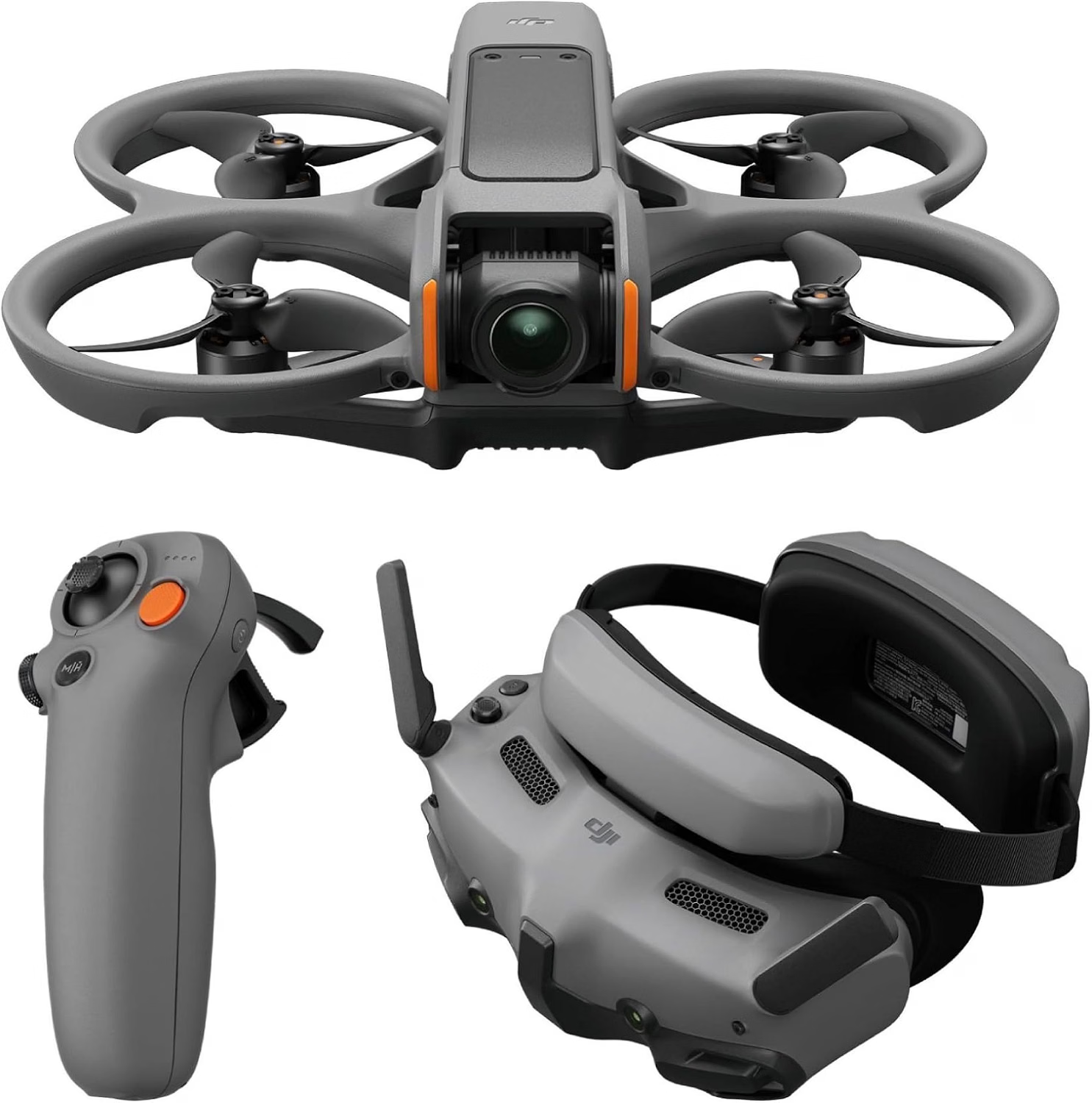
- Use drones with propeller guards or ducted fans (like the DJI Avata 2) for close-up work
- Maintain a minimum distance of 50 feet from energized conductors
- Have spotters watching for power line sag and sway
- Coordinate with grid operators to de-energize lines if necessary
Power Line Inspection: Commercial Operations Under Part 107
Commercial drone operators who want to film or inspect power lines must hold a Part 107 Remote Pilot Certificate. This includes real estate photographers capturing properties near transmission lines and utility contractors performing infrastructure inspections.
Part 107 operations near power lines require:
- Valid Remote Pilot Certificate with recent recurrent training
- Pre-flight risk assessment including power line locations
- Visual observers if the pilot cannot maintain direct line of sight
- Insurance coverage for potential power line damage
Some operators also need a waiver for operations beyond visual line of sight (BVLOS) if they plan to inspect long stretches of transmission lines. The FAA has granted BVLOS waivers to several utility companies, but these are not available to individual pilots without extensive documentation.
Recommended Safe Distances from Power Lines
While no legal minimum exists, experienced drone pilots and utility safety guidelines recommend the following distances:
| Voltage Level | Recommended Minimum Distance | Primary Risk |
|---|---|---|
| Below 33kV (distribution) | 25 feet (8 meters) | Physical collision, entanglement |
| 69kV to 230kV (sub-transmission) | 50 feet (15 meters) | EMI, arc flash |
| 345kV to 500kV (transmission) | 100 feet (30 meters) | Strong EMI, arc flash |
| Above 500kV | 150+ feet (45+ meters) | Severe EMI, lethal arc flash |
These distances are based on industry best practices and the known effects of electromagnetic fields on drone electronics. When in doubt, maintain at least 150 feet horizontal distance from any visible power line.
Drone Near Power Lines: UK and International Rules
Outside the United States, drone regulations near power lines vary. In the United Kingdom, the Civil Aviation Authority (CAA) does not specify a distance from power lines, but the Electricity Act 1989 may apply.
UK: Electricity Act Protections
The Electricity Act 1989 makes it an offense to interfere with electrical supply equipment. If your drone causes a power outage or damages transmission infrastructure, you could face prosecution under this act, with penalties including unlimited fines and imprisonment.
The UK’s Air Navigation Order 2016 requires drones to not endanger persons or property. Flying within 50 meters of a power line could be considered endangering property if the line supplies critical services.
Canada: Transport Canada Guidance
Transport Canada’s drone rules (Part IX of the Canadian Aviation Regulations) similarly lack a specific power line distance. However, for drones under 250g (like many sub-250g models), the rules are less restrictive. Our guide on Canada drone laws under 250g provides more detail on exemptions for lightweight drones.
Practical Safety Tips for Flying Near Power Lines
If you must fly near power lines for a legitimate purpose (such as filming a property with overhead lines), follow these safety guidelines:
Walk the flight path to identify all power lines, poles, and guy wires. Note the voltage markings on transformers or towers if visible.
Power lines can sag between poles, especially in hot weather. Set your maximum altitude at least 50 feet below the lowest line.
Modern drones like those in our drone with camera reviews often have forward, backward, and downward sensors. Enable them, but do not rely solely on them — power lines are thin and may not be detected.
If you see compass errors or GPS accuracy drop below 3 meters, abort the flight immediately.
Have someone watch the drone visually while you focus on the camera feed. They can warn you if the drone drifts toward lines.
Summary: Safe and Legal Drone Flight Near Power Lines
Flying a drone near power lines is not inherently illegal under FAA rules, but it carries significant legal and safety risks. State laws like Texas’s critical infrastructure restrictions can make it illegal to fly over transmission facilities. Electromagnetic interference from high-voltage lines can disrupt your drone’s compass and GPS, leading to loss of control. Physical collision risks include arc flash, electrocution, and power outages affecting thousands of people.
For most recreational pilots, the safest approach is to maintain at least 100 feet horizontal distance from any visible power line and never fly directly over transmission towers. Commercial operators need Part 107 certification and should follow utility industry safety protocols. If you are unsure about local regulations, check with your state’s aviation authority or consult a drone attorney familiar with your area’s rules.
Frequently Asked Questions
Can I legally fly a drone near power lines?
Yes, flying a drone near power lines is legal under FAA rules as long as you maintain visual line of sight, avoid reckless operation, and do not violate state critical infrastructure laws. However, some states like Texas specifically prohibit drone flight over electrical transmission facilities. There is no federal minimum distance from power lines, but the FAA can take enforcement action if your drone causes damage or endangers property.
What is the safe distance from power lines for drones?
Industry best practices recommend maintaining at least 50 feet (15 meters) from distribution lines (under 33kV) and 100 feet (30 meters) from high-voltage transmission lines (345kV and above). These distances reduce the risk of electromagnetic interference affecting your drone’s compass and GPS, and provide a safety buffer against arc flash in case of accidental contact. For extra safety, especially with smaller drones like the DJI Neo, maintain 150 feet or more.
Do power lines interfere with drone GPS?
Yes, high-voltage power lines can interfere with drone GPS and compass systems. The electromagnetic fields generated by lines carrying 69kV or more can cause compass errors, GPS position drift, and in severe cases, complete loss of GPS lock. This interference typically occurs within 50–100 feet of 500kV transmission lines. If you notice compass calibration warnings or GPS accuracy dropping below 3 meters while flying near power lines, move away immediately.
Is it illegal to fly over power lines?
Flying over power lines is not automatically illegal under FAA rules, but it can violate state laws if the power lines are part of a critical infrastructure facility. In Texas, for example, flying over transmission towers or substations is a Class B misdemeanor. Additionally, flying directly over power lines increases the risk of collision if the lines sag or if your drone experiences GPS interference. It is safer to fly parallel to power lines at a safe lateral distance.
Can drones cause power outages?
Yes, a drone that contacts a power line can cause a short circuit, leading to a power outage affecting hundreds or thousands of customers. When a drone hits a high-voltage line, the arc flash can vaporize the drone’s frame and create a momentary fault that trips circuit breakers. In dry conditions, the resulting sparks can also ignite wildfires. Utility companies have reported multiple drone-related outages, and the drone operator can be held liable for repair costs, which can run into millions of dollars.
What happens if a drone hits a power line?
If a drone hits a power line, several dangerous outcomes can occur. The drone may be instantly destroyed by an arc flash, causing a fire if the LiPo battery ignites. The impact can cause power lines to slap together, creating a short circuit and potentially a power outage. Anyone touching the drone or its wreckage could receive a severe electric shock. The operator may face legal liability for property damage, fines under state critical infrastructure laws, and FAA enforcement for reckless operation.
Can I fly my drone over power lines in my backyard?
Yes, you can fly over power lines on your own property, but you must maintain a safe distance to avoid collision. The FAA does not prohibit flying over power lines, but you are responsible for staying clear of obstacles. Be aware that some states and local utility companies have specific no-overflight policies near critical infrastructure, so check local regulations before flying.
What is the minimum safe distance to fly a drone near power lines?
For recreational flights, a minimum of 50 feet horizontally and 100 feet vertically from power lines is recommended to avoid electromagnetic interference and collision risks. For high-voltage transmission lines (over 100 kV), increase that distance to at least 100 feet in all directions. Commercial operators should follow their specific safety plan, which often requires 200+ feet of clearance.
Do power lines interfere with drone GPS or control signals?
Yes, high-voltage power lines can generate electromagnetic fields that interfere with drone compass sensors and GPS accuracy. This interference can cause the drone to drift, lose its position hold, or experience erratic flight behavior. The risk is highest within 50 feet of lines carrying 100 kV or more. Always fly with a strong GPS lock and maintain visual line of sight to correct for any drift.
Is it legal to use a drone for power line inspection?
Yes, commercial drone operators can perform power line inspections under FAA Part 107 rules. You must hold a Remote Pilot Certificate, register the drone, and follow all operational limits. Many utility companies require operators to have a Certificate of Authorization (COA) for flights near their infrastructure. Always coordinate with the utility company before conducting inspection flights.
What should I do if my drone hits a power line?
Do not attempt to retrieve the drone. Assume the line is energized. Call 911 or the local utility company immediately and report the exact location. Stay at least 30 feet away from any downed or damaged lines. Document the incident from a safe distance for insurance and FAA reporting purposes.
Last updated: July 14, 2026
- FAA Advisory Circular 107-2 (Small Unmanned Aircraft Systems)
- Texas Government Code § 423.0045 — Critical Infrastructure Facilities
- Electricity Act 1989 (UK) — Interference with Electrical Supply Equipment
- Transport Canada — Part IX of the Canadian Aviation Regulations
- National Electric Safety Code (NESC) — Clearance Requirements
NANUK 935 Pro Photo Kit Camera Case
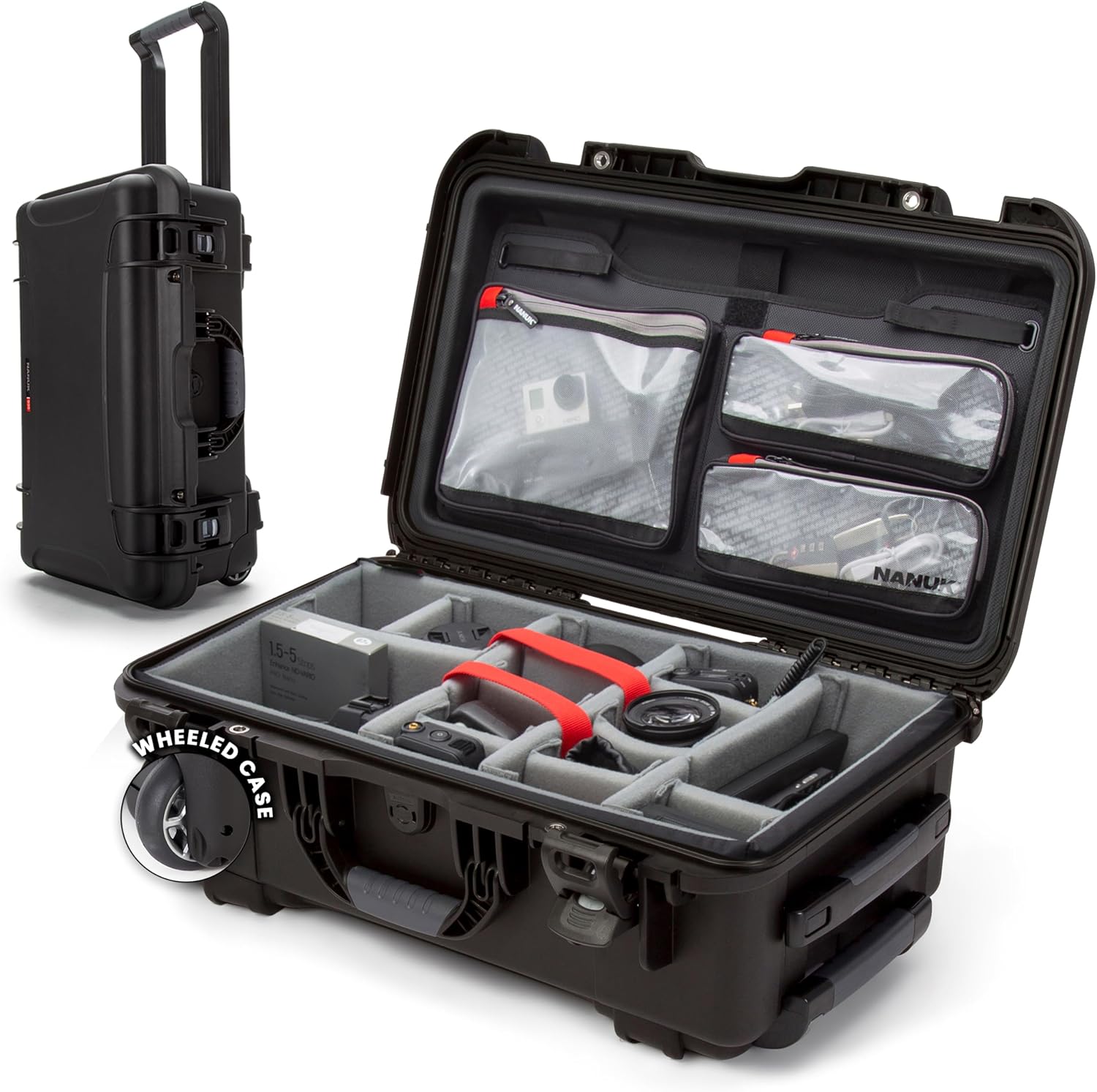
NANUK 935 Pro Photo Kit Camera Case, Waterproof Wheeled Hard Case, Carry-On, Black
Check Price on AmazonNANUK 925 DJI Mavic 4 Pro Creator Combo
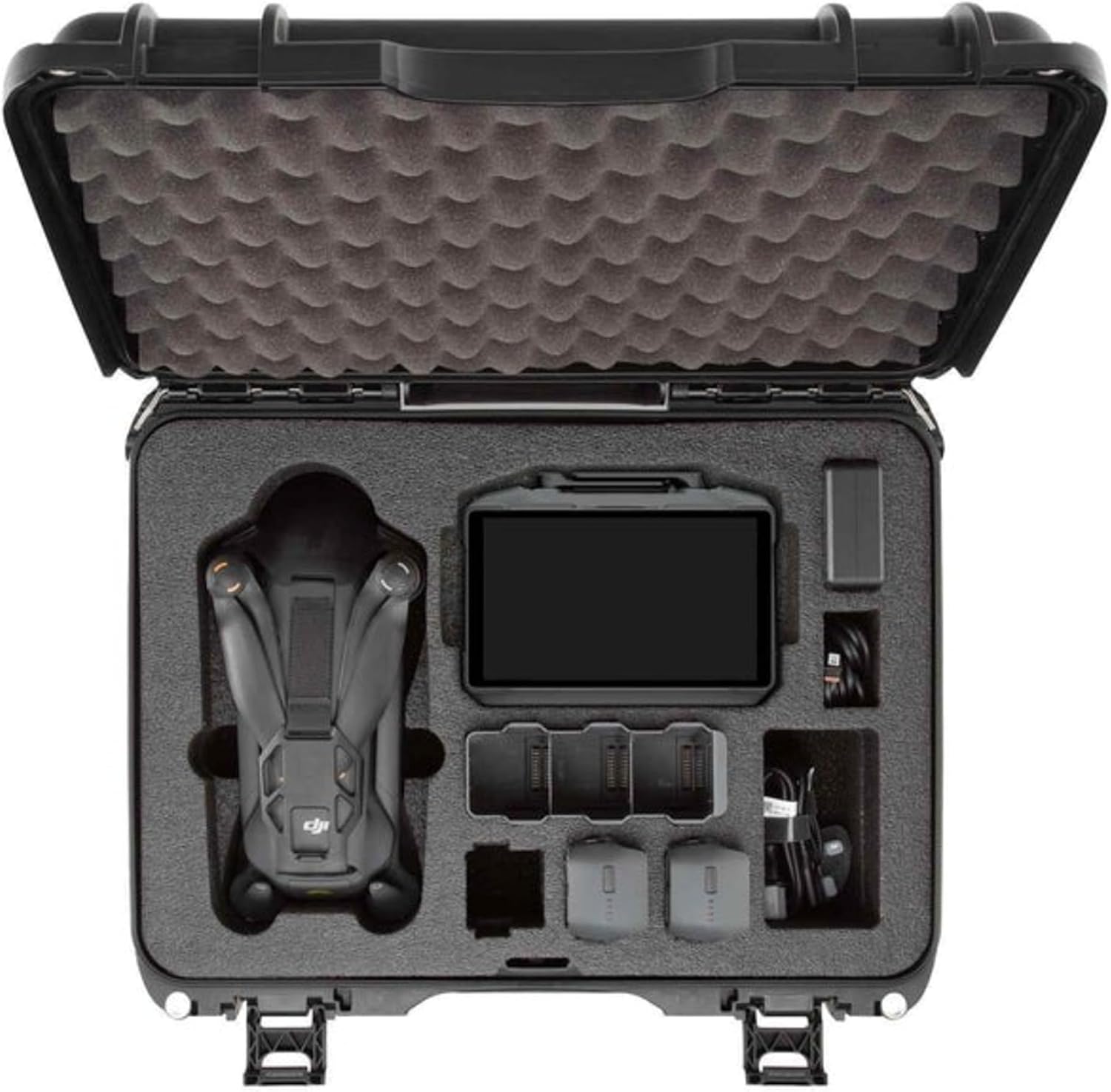
NANUK 925 DJI Mavic 4 Pro Creator Combo - Waterproof Hard Case with Drone Foam Insert, Crushproof, Portable Travel Case, Made in Canada (18.7” x 14.8”x 7”) - Black
Check Price on Amazon Drone Allowed
DroneAllowed editor covering drone regulations, aviation law, and aerial photography across USA, UK, Canada & Australia.