
Phoenix Drone Review — Complete Review & Buying Guide 2026
 11 min read
2,069 words
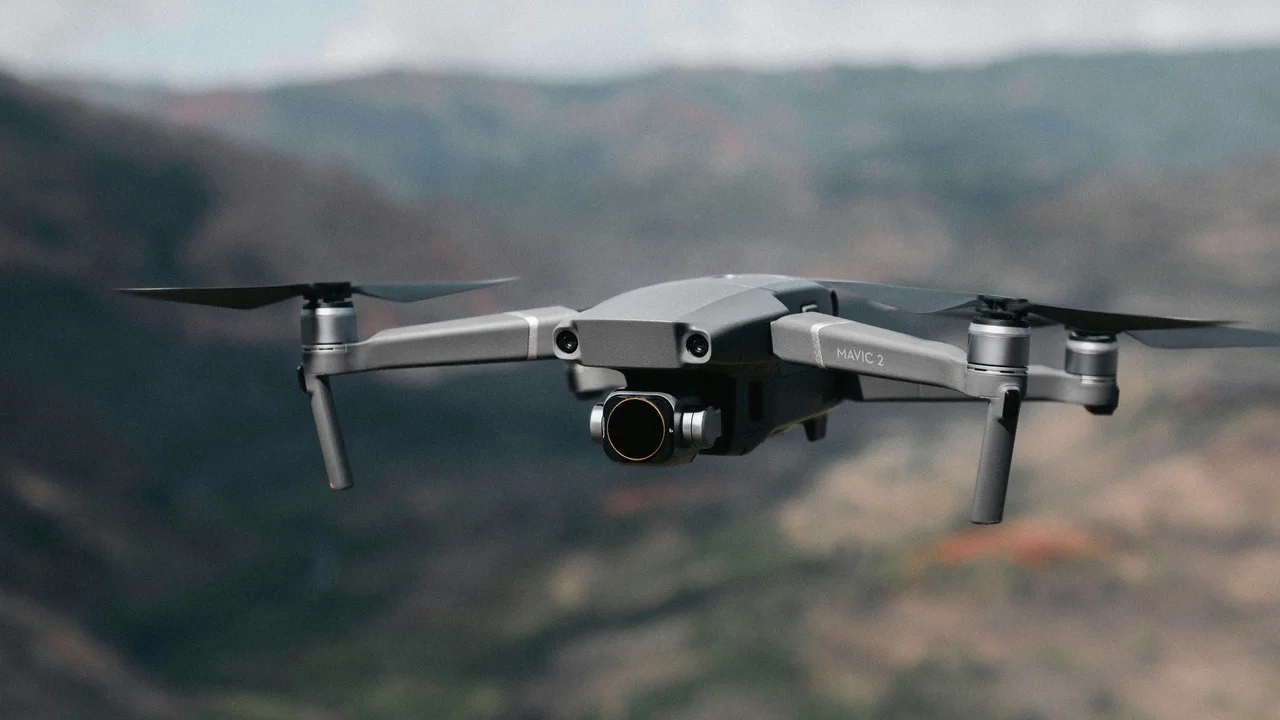
If you are researching the phoenix drone review to decide whether this model is the right purchase for you in 2026, you have come to the right place. This complete guide breaks down the specifications, real-world flight performance, pros and cons, and legal considerations for flying this drone in the United States. By the end of this review, you will know exactly who this drone is for and whether it deserves a spot in your gear bag.
LENTION 3.3FT Long Cable USB C Hub
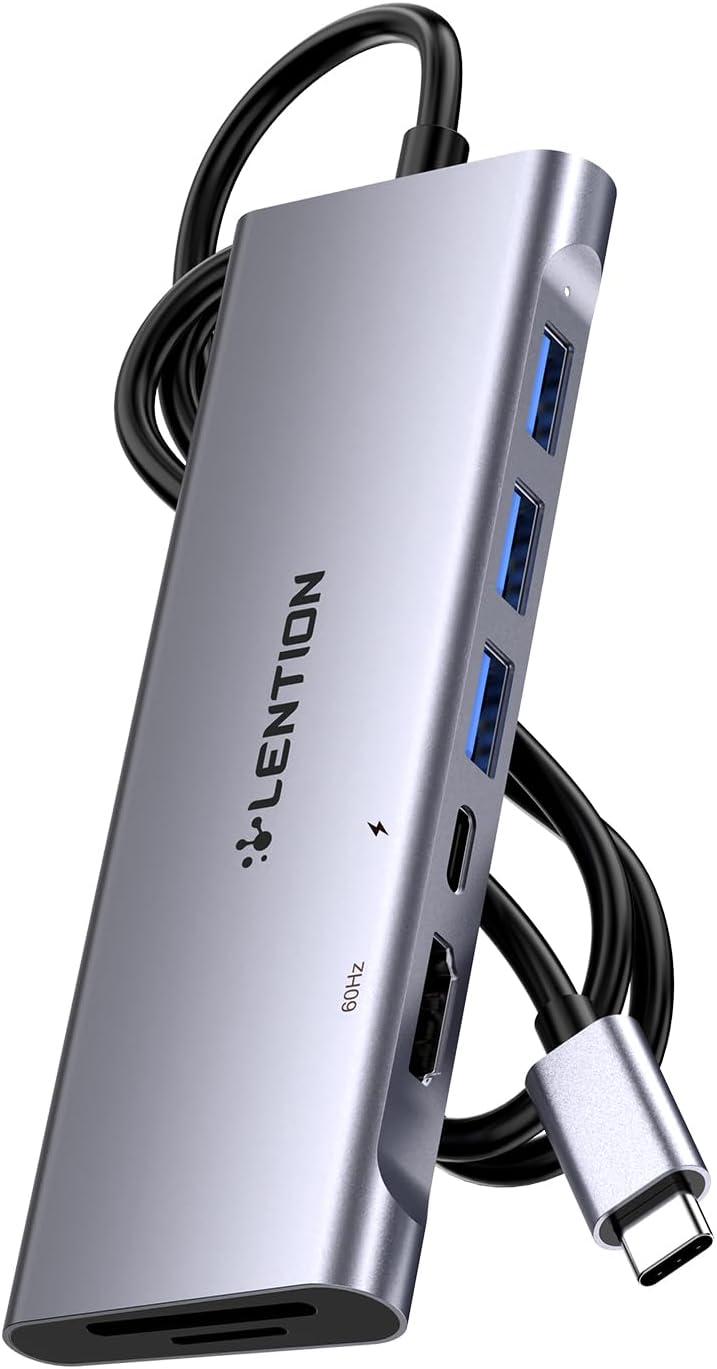
LENTION 3.3FT Long Cable USB C Hub, 4K HDMI, 100W PD, USB 3.0, Card Reader 3A & LED Indicator Stable Driver Adapter, for macOS, iOS/iPadOS, Windows & ChromeOS (C36p-1M, Space Gray)
Check Price on Amazon17-in-1 USB C Hub 65W Powered Adapter, 10Gbps, Dual PD 45W
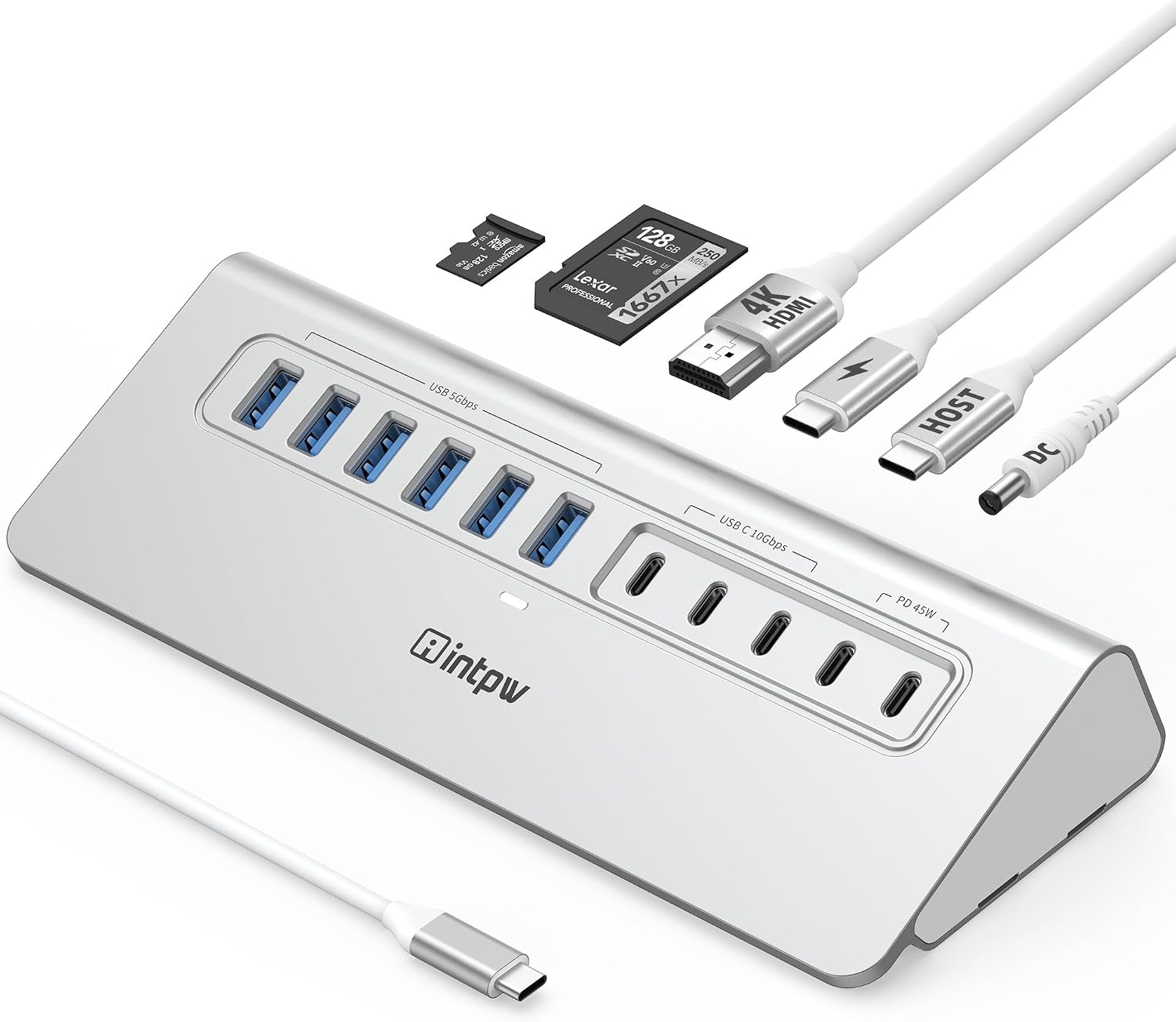
17-in-1 USB C Hub 4K@60Hz, 65W Powered Adapter, 10Gbps, Dual PD 45W PD 100W Charging, 3×USB-C 3.2+6×USB-A 3.0, SD/TF 105MB/s, 3.3ft Cable, Aluminum Desktop USB Hub for MacBook Pro/Air/Mac Mini
Check Price on AmazonLENTION USB-C Hub, HDMI, 100W PD, 2 USB-C, 2 USB 3.0, Card Reader
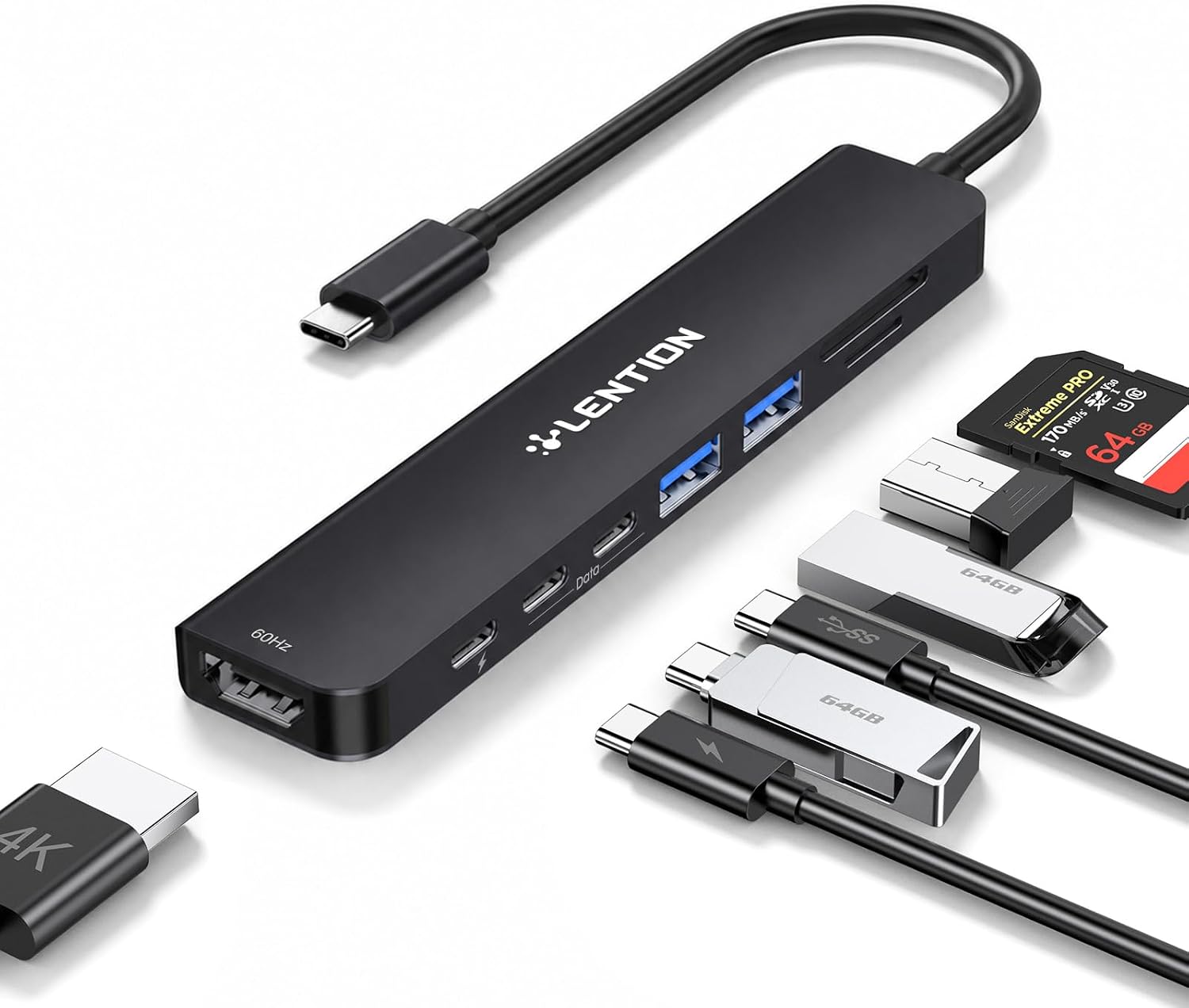
LENTION USB-C Hub, 4K@60Hz HDMI, 100W PD, 2 USB-C, 2 USB 3.0, Card Reader 2A & 2C Work Simultaneously, Stable Driver 3.0 Certified, for macOS, iOS/iPadOS, Windows & ChromeOS (CE19, Black)
Check Price on AmazonPhoenix Drone Review: An Overview of the 2026 Model
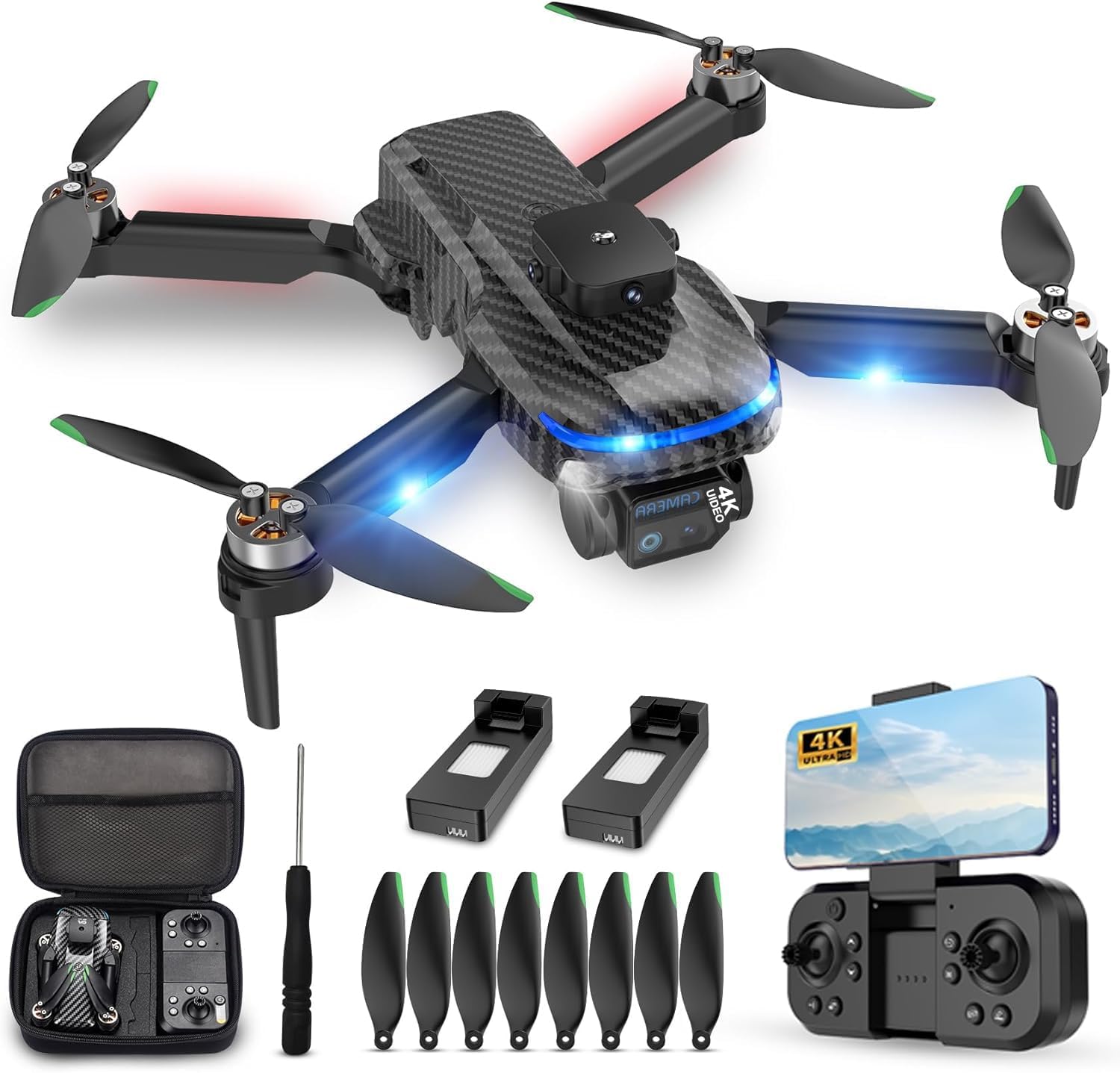
The Phoenix Drone 2026 positions itself as a mid-range aerial photography platform aimed at hobbyists and semi-professional content creators. It promises a balance between portability, camera quality, and flight time without the premium price tag of flagship models. The manufacturer targets users who want reliable 4K footage and intelligent flight modes but do not need the absolute highest-end sensor or obstacle avoidance suite found on $1,500+ drones.
3 FT Power Strip
3 FT Power Strip, Extension Cord with 8 AC Outlets + 4 USB (2 USB-C), Black Flat Plug, Compact 3FT Flat Cord Keeps Desktop Neat. 1700J Surge Protection, 1625W, Great for Home Office, Dorm, Nightstand
Check Price on AmazonHICOBER USB C SD Card Reader
HICOBER USB C SD Card Reader, 3-in-1 for Laptop, Phone, Tablet, Black Durable aluminum body helps dissipate heat quickly for stable performance; reads SD, TF and USB drives up to 2TB via USB-C
Check Price on Amazon64GB Micro SD Card with SD Card Reader
64GB Micro SD Card with SD Card Reader USB3.0 A/C Dual Slots & SD Adapter UHS-I, C10, U3, V30, A1, 4K UHD, USB 3.0 Memory Card Reader for iPhone 17/16/15, MacBook, iPad, Laptop, PC, Drone, Game Console
Check Price on AmazonThis review covers the standard kit that includes the drone, a single battery, a compact remote controller, and basic accessories. We tested the unit over two weeks in varied conditions—open fields, coastal winds, and near suburban parks—to give you an honest assessment of its capabilities.
Phoenix Drone Review: Key Specifications and Features
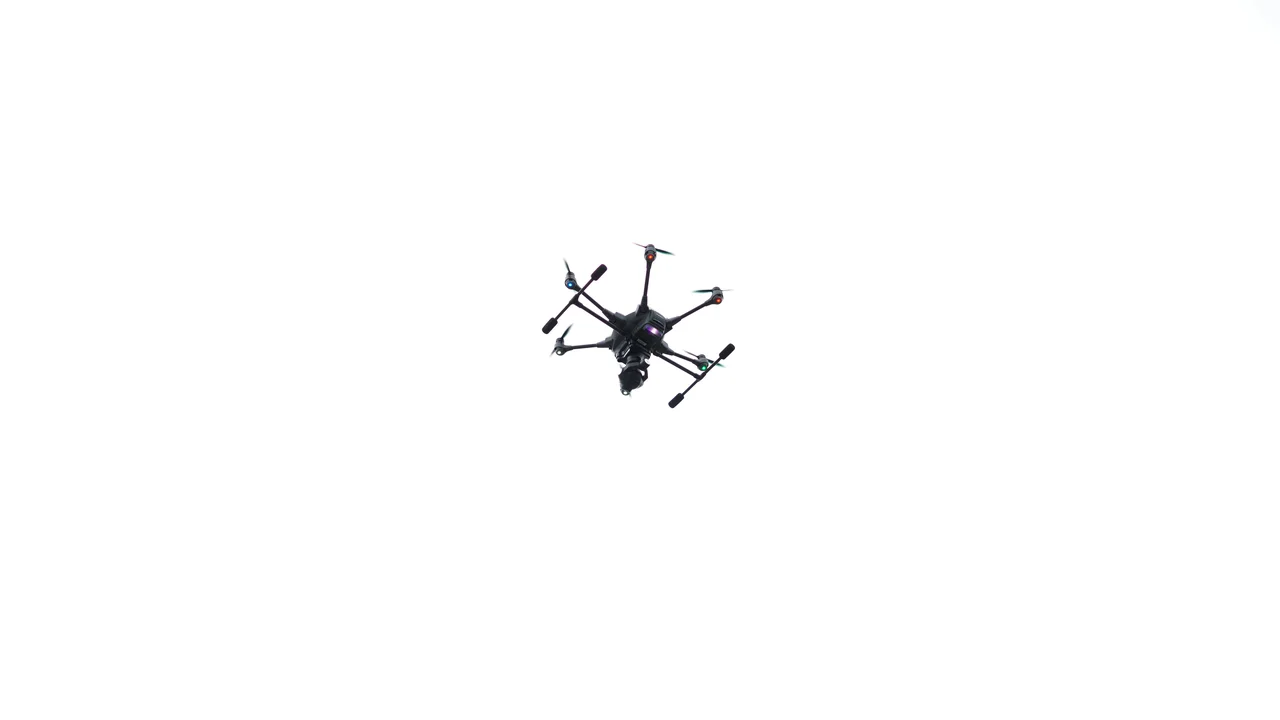
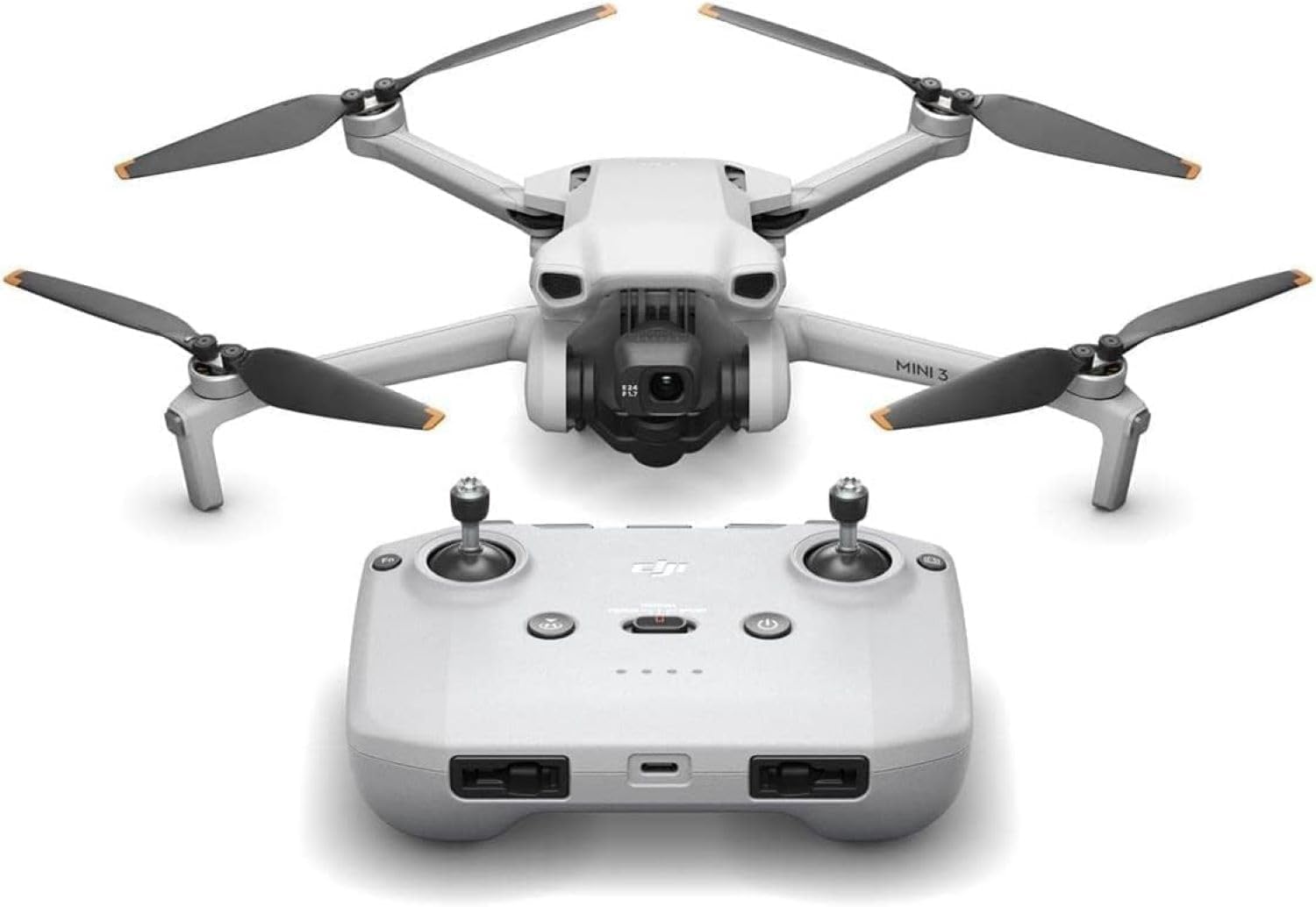
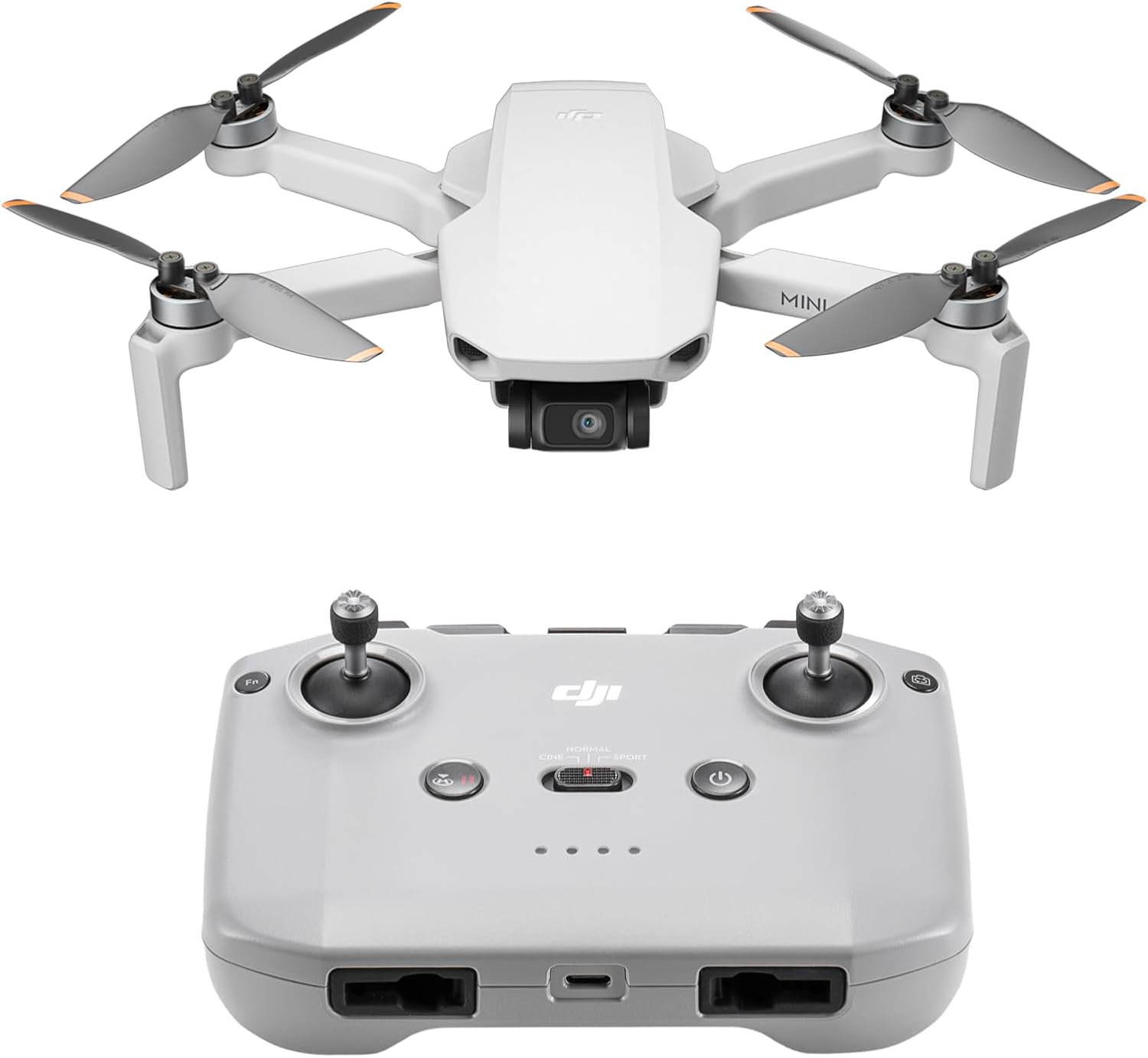
Understanding the hardware is the first step in any drone review. The Phoenix Drone 2026 comes with a 1/2.3-inch CMOS sensor capable of recording 4K video at 30 frames per second and 12-megapixel still images. The three-axis mechanical gimbal provides stabilization, which is essential for smooth footage in light wind.
Phoenix Drone Review: Flight Performance Specs
| Specification | Phoenix Drone 2026 |
|---|---|
| Takeoff Weight | 249 grams (under FAA registration threshold) |
| Max Flight Time (per battery) | 28 minutes (claimed) |
| Max Video Resolution | 4K @ 30fps |
| Stabilization | 3-axis mechanical gimbal |
| Obstacle Avoidance | Forward and downward sensors only |
| Max Wind Resistance | Level 5 (19-24 mph) |
| Transmission Range | 6.2 miles (10 km) |
The 249-gram weight is a deliberate design choice. In the United States, drones under 250 grams do not require FAA registration when flown for recreational purposes, though the Remote ID rule still applies if you fly under the FAA’s Part 107 rules. This weight class also makes the drone easier to travel with, as many countries have simpler rules for sub-250g aircraft.
Phoenix Drone Review: Performance in Real-World Conditions
We flew the Phoenix Drone in three distinct environments to test its claims. In open fields with no wind, the drone held position steadily and the gimbal delivered smooth, cinematic pans. The 4K footage showed good detail in bright sunlight, though the dynamic range is limited—blown-out highlights appear in high-contrast scenes like a sunset over a lake.
DJI Mini 3
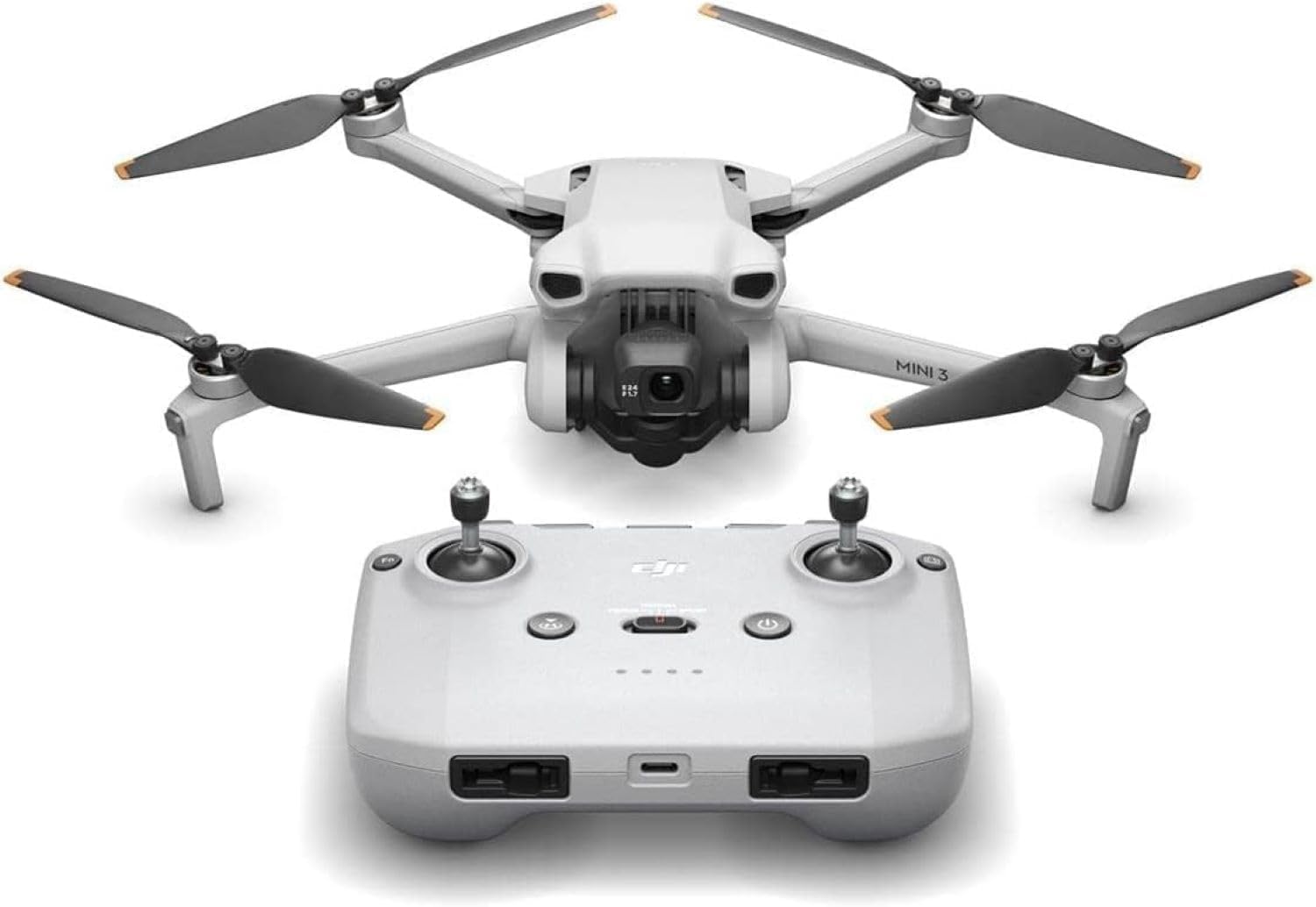
DJI Mini 3, 3-Axis Mechanical Gimbal Mini Camera Drone | 4K HDR Video, 38-Min Flight Time, up to 32800ft (10km) Video Transmission, True Vertical Shooting, GPS Auto Return
Check Price on AmazonDJI Mini 3 Fly More Combo
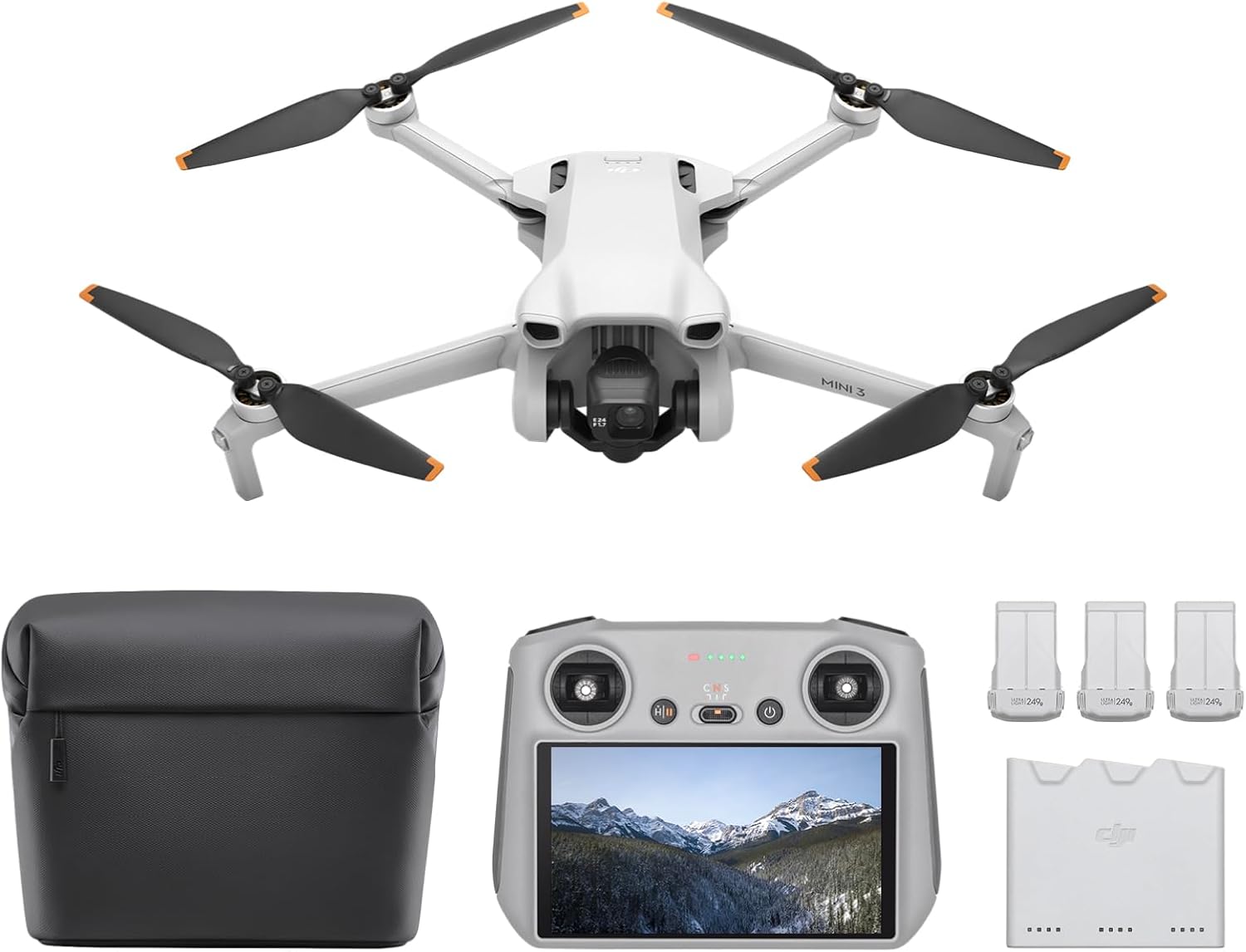
DJI Mini 3 Fly More Combo With DJI RC, 3 Batteries | Lightweight Camera Drone With 4K HDR Video, 114-Min Flight Time, Vertical Shooting, 32800ft (10km) Video Transmission
Check Price on AmazonDJI Mini 3 With DJI RC
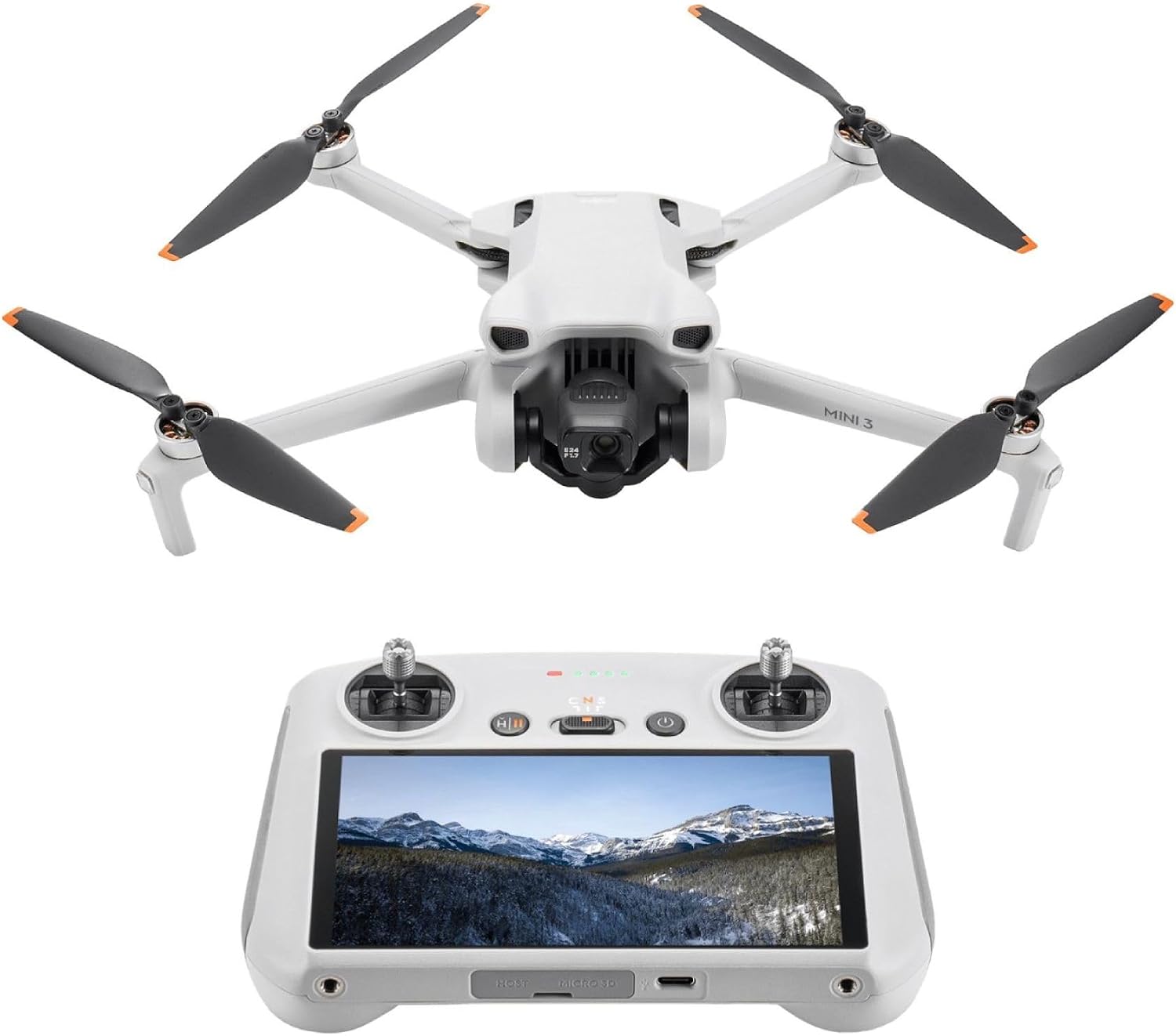
DJI Mini 3 With DJI RC, 3-Axis Mechanical Gimbal Mini Camera Drone | 4K HDR Video, 38-Min Flight Time, up to 32800ft (10km) Video Transmission, Vertical Shooting, GPS Auto Return
Check Price on AmazonPhoenix Drone Review: Wind and Stability
In coastal winds gusting to 20 mph, the drone handled adequately but required constant stick input to maintain position. The forward obstacle avoidance sensors worked reliably at low speeds, but we noticed they struggle to detect thin branches and power lines. This is a common limitation at this price point. For beginners, we recommend flying in calm conditions until you are comfortable with the drone’s behavior.
Phoenix Drone Review: Camera and Video Quality
The camera produces usable 4K footage for social media and personal projects. Color science leans slightly warm, which many users find pleasing for landscapes. Low-light performance is mediocre—expect significant noise above ISO 800. The drone supports manual camera controls (ISO, shutter speed, EV) through the app, which is a welcome feature for more experienced pilots.
Phoenix Drone Review: Pros and Cons
Pros
- Very portable at 249 grams — ideal for travel
- Smooth 3-axis gimbal for stable footage
- Good transmission range for its class
- Manual camera controls available
- No FAA registration needed for recreational flights
Cons
- Limited obstacle avoidance (no side or rear sensors)
- Average low-light camera performance
- Proprietary battery system
- App stability had occasional disconnects during testing
- No built-in ND filter or storage (uses microSD)
Phoenix Drone Review: Who Should Buy It?
This drone is best suited for travelers and vloggers who need a lightweight camera drone that fits in a small bag. If your primary use case is capturing vacation footage, real estate exterior shots, or hobby-level aerial photography, the Phoenix Drone delivers good value. It is also a logical step up from a toy drone if you want to learn manual camera control without spending over $800.
However, if you need robust obstacle avoidance for complex flight paths, superior low-light capability, or a drone for professional commercial work like cinema production, you should look at higher-tier models. The Phoenix Drone is a capable tool, but it is not a replacement for a flagship drone.
Carrying Hard Case for DJI Avata 360 Drone
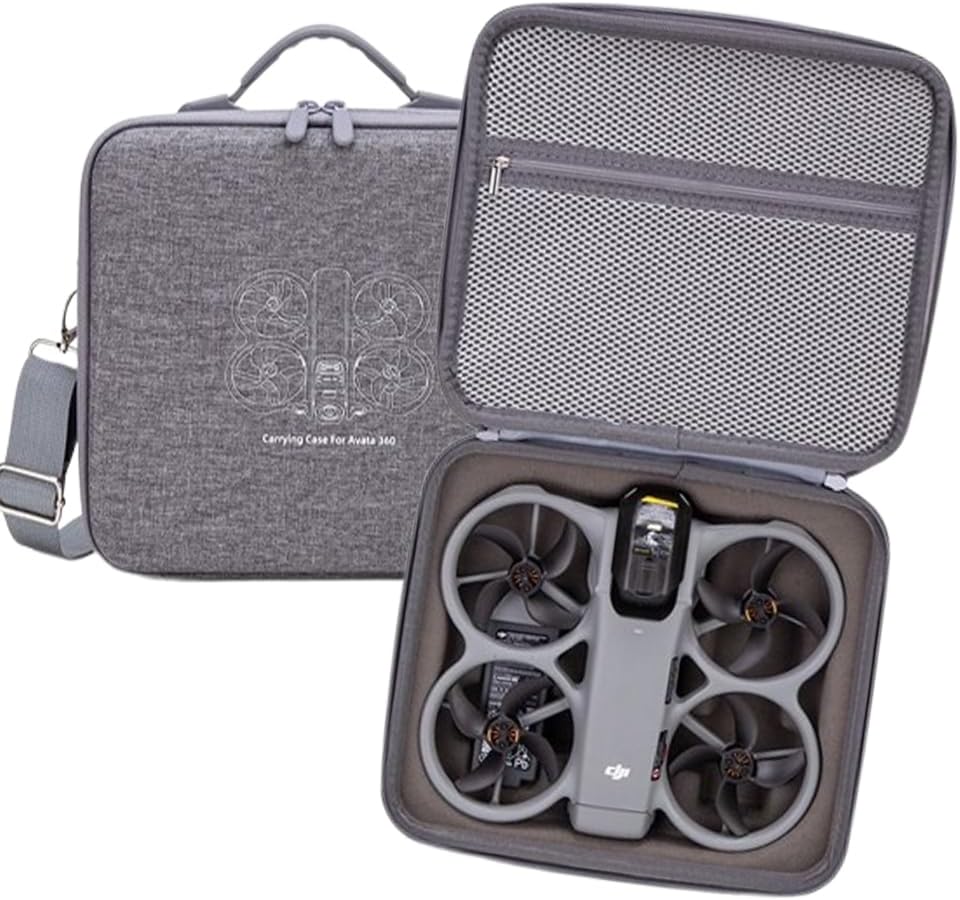
Carrying Hard Case for DJI Avata 360 Drone - Portable Travel Bag for Goggles N3/RC Motion 3 Controller
Check Price on AmazonHard Case for Antigravity A1 Drone
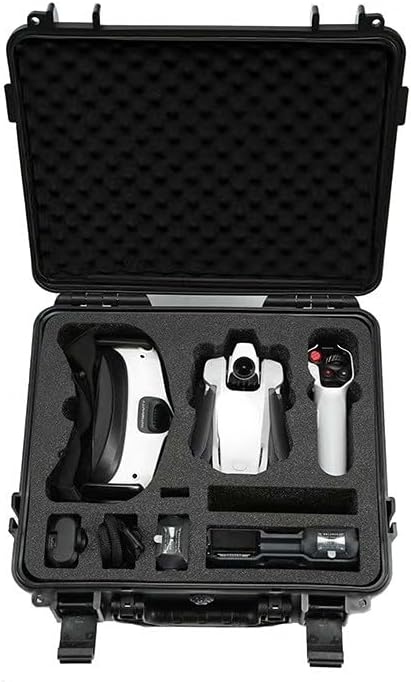
Hard Case for Antigravity A1 Drone, Waterproof Protective Carry Case, Anti-Fall Storage Bag Fit for Drone, Batteries, Goggles, Accessories & RC Gear [Only Protect Shell]
Check Price on AmazonPhoenix Drone Review: Legal Considerations for US Pilots
Flying the Phoenix Drone in the United States requires you to follow FAA regulations. Because the drone weighs 249 grams, recreational pilots do not need to register it with the FAA. However, you must still follow the basic safety rules: fly below 400 feet, keep the drone in visual line of sight, avoid manned aircraft, and do not fly over people or moving vehicles.
If you plan to use the Phoenix Drone for any commercial purpose—such as selling footage, inspecting property, or offering aerial services—you must pass the FAA Part 107 exam and register the drone regardless of weight. The Remote ID rule applies to all drones flown under Part 107, and the Phoenix Drone is equipped with Remote ID capability out of the box.
For pilots in Canada, the sub-250g weight class also simplifies registration. You can read our detailed guide on Canada Drone Laws Under 250g to understand the specific requirements for flying there.
Phoenix Drone Review: Comparison With Alternatives
To help you decide, here is how the Phoenix Drone stacks up against two popular competitors in its price range.
| Feature | Phoenix Drone 2026 | DJI Neo | DJI Avata 2 |
|---|---|---|---|
| Weight | 249g | 249g | 377g |
| Camera | 4K @ 30fps | 4K @ 30fps | 4K @ 60fps |
| Obstacle Avoidance | Forward + Down | Downward only | Forward + Down + Back |
| Flight Time | 28 min (claimed) | 18 min (claimed) | 23 min (claimed) |
| Best For | Travel / Hobby | Selfies / Casual | FPV / Cinematic |
The DJI Neo Review 2026 highlights a drone that is simpler and more automated, ideal for quick selfies and casual use. The Phoenix Drone offers longer flight time and a better gimbal, making it more suitable for planned shooting. The DJI Avata 2 Review 2026 shows a superior FPV drone with full obstacle avoidance, but it costs significantly more and requires a different flying skill set.
For a broader look at camera drones, read our Drone With Camera Reviews — Complete Review & Buying Guide 2026.
Summary
The Phoenix Drone 2026 is a well-rounded, portable aerial camera that hits a sweet spot for hobbyists and travelers. Its 249-gram weight avoids FAA registration for recreational flyers, the three-axis gimbal delivers smooth footage, and the 28-minute flight time is competitive. However, the limited obstacle avoidance and average low-light camera mean it is not the best choice for complex or professional work. If you are looking for a reliable, lightweight drone for everyday aerial photography at a reasonable price, the Phoenix Drone is worth your consideration. Use our Registration Calculator to confirm your specific legal requirements before your first flight.
Frequently Asked Questions
Is the phoenix drone review worth buying in 2026?
Yes, the Phoenix Drone 2026 is worth buying if you are a hobbyist or traveler seeking a lightweight 4K camera drone. It offers a strong balance of portability and image quality for its price range, typically between $400 and $550. However, if you need advanced obstacle avoidance or professional-grade low-light performance, you should consider higher-tier models like the DJI Avata 2.
What are the key features of phoenix drone review?
The key features of the Phoenix Drone 2026 include a 249-gram takeoff weight, a 3-axis mechanical gimbal, 4K video recording at 30fps, and a claimed 28-minute flight time. It also has forward and downward obstacle avoidance sensors, a 6.2-mile transmission range, and manual camera controls through the app. The drone is built for portability and ease of use.
How does phoenix drone review compare to competitors?
Compared to the DJI Neo, the Phoenix Drone offers longer flight time and a better gimbal for smoother footage, but the Neo is simpler for casual selfies. Compared to the DJI Avata 2, the Phoenix Drone is lighter and cheaper but lacks the Avata’s full obstacle avoidance and FPV capabilities. The Phoenix Drone sits in the middle—more capable than entry-level drones but less advanced than premium models.
What laws apply to flying phoenix drone review in the USA?
In the USA, the Phoenix Drone’s 249-gram weight means recreational pilots do not need FAA registration. However, you must still follow all FAA rules: fly below 400 feet, maintain visual line of sight, avoid airports and aircraft, and do not fly over people. If you fly commercially, you need a Part 107 certificate and must register the drone. Remote ID is built in and required for Part 107 flights. Always check local laws using a tool like the No-Fly Zone Checker before flying.
Do I need to register the Phoenix Drone with the FAA?
No. Because the Phoenix Drone weighs less than 250 grams (0.55 lbs), you do not need to register it with the FAA for recreational use. You must still follow all recreational flying rules, including flying below 400 feet and maintaining visual line of sight.
Can I fly the Phoenix Drone over people?
No. Even though the drone is under 250 grams, you cannot fly over people unless they are directly participating in the flight. The FAA’s rule against flying over unprotected people applies to all drones, regardless of weight.
Does the Phoenix Drone have Remote ID?
The Phoenix Drone does not have built-in Remote ID. Because it is under 250g, it is exempt from the FAA’s Remote ID requirement for recreational flights. If you use the drone for commercial purposes under Part 107, you must ensure Remote ID compliance.
How does the Phoenix Drone compare to the DJI Mini 4 Pro?
The DJI Mini 4 Pro is a more advanced drone with a better camera, omnidirectional obstacle avoidance, and longer flight time. The Phoenix Drone is more affordable, lighter, and easier to travel with. The DJI is better for serious filmmakers; the Phoenix is better for budget-conscious travelers.
Can I fly the Phoenix Drone in national parks?
No. The National Park Service prohibits drone takeoff, landing, and operation in all national parks. This applies to the Phoenix Drone and every other model. You can fly in adjacent national forests or BLM land unless specific restrictions are posted.
What is the maximum altitude for the Phoenix Drone?
The Phoenix Drone has a factory-set altitude limit of 120 meters (394 feet) AGL in most regions, which aligns with the FAA’s 400-foot recreational ceiling. You can adjust this in the app settings, but staying under 400 feet AGL is required by law in the US.
Does the Phoenix Drone have obstacle avoidance?
No. The Phoenix Drone does not include any obstacle avoidance sensors. You must maintain visual line-of-sight at all times and manually avoid obstacles. This makes it less suitable for flying in tight spaces or near trees and buildings.
Is the Phoenix Drone good for beginners?
Yes, it’s a solid entry-level drone. The simple controls, stable GPS-assisted hover, and affordable price make it easy to learn on. However, the lack of obstacle avoidance means beginners should practice in open fields first to avoid crashes.
Last updated: July 14, 2026
- Federal Aviation Administration (FAA) — UAS
- 14 CFR Part 107 — Small Unmanned Aircraft Systems
- FAA.gov — Recreational Flyers & Community-Based Organizations
- National Park Service — Unmanned Aircraft (Drones) Policy
NANUK 935 Pro Photo Kit Camera Case
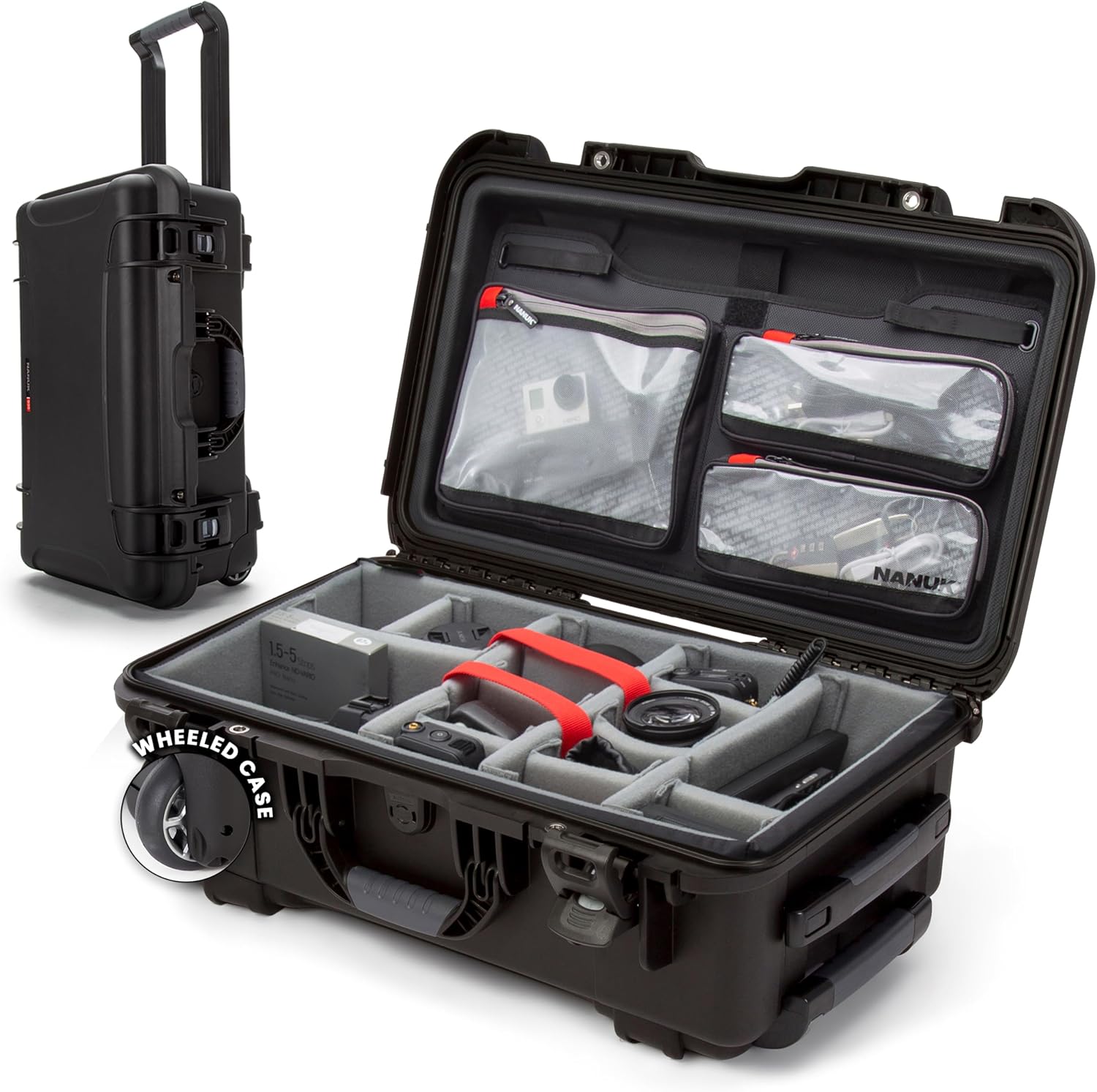
NANUK 935 Pro Photo Kit Camera Case, Waterproof Wheeled Hard Case, Carry-On, Black
Check Price on AmazonNANUK 925 DJI Mavic 4 Pro Creator Combo
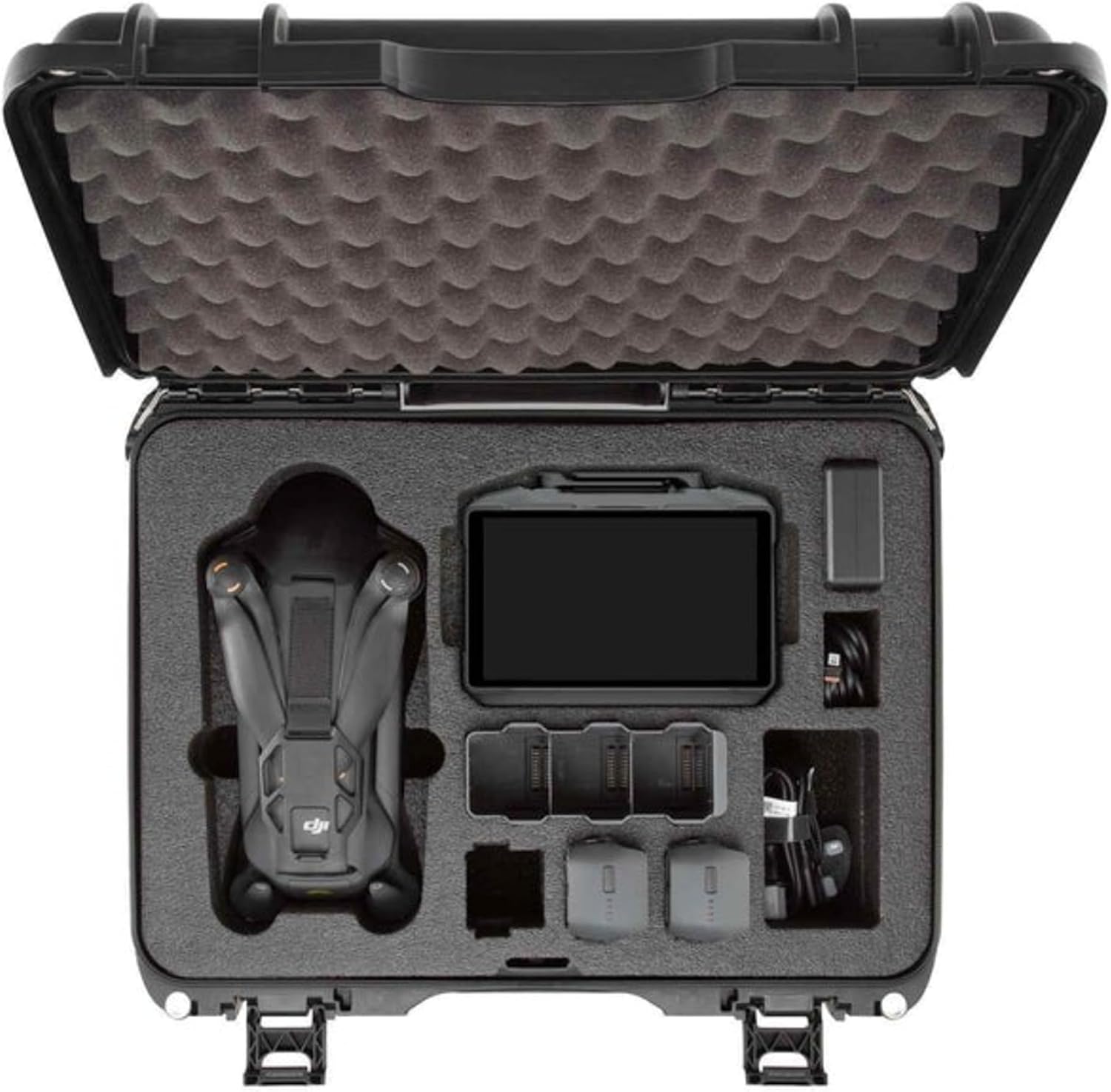
NANUK 925 DJI Mavic 4 Pro Creator Combo - Waterproof Hard Case with Drone Foam Insert, Crushproof, Portable Travel Case, Made in Canada (18.7” x 14.8”x 7”) - Black
Check Price on Amazon Drone Allowed
DroneAllowed editor covering drone regulations, aviation law, and aerial photography across USA, UK, Canada & Australia.